Get a complimentary consultation today. Get in touch
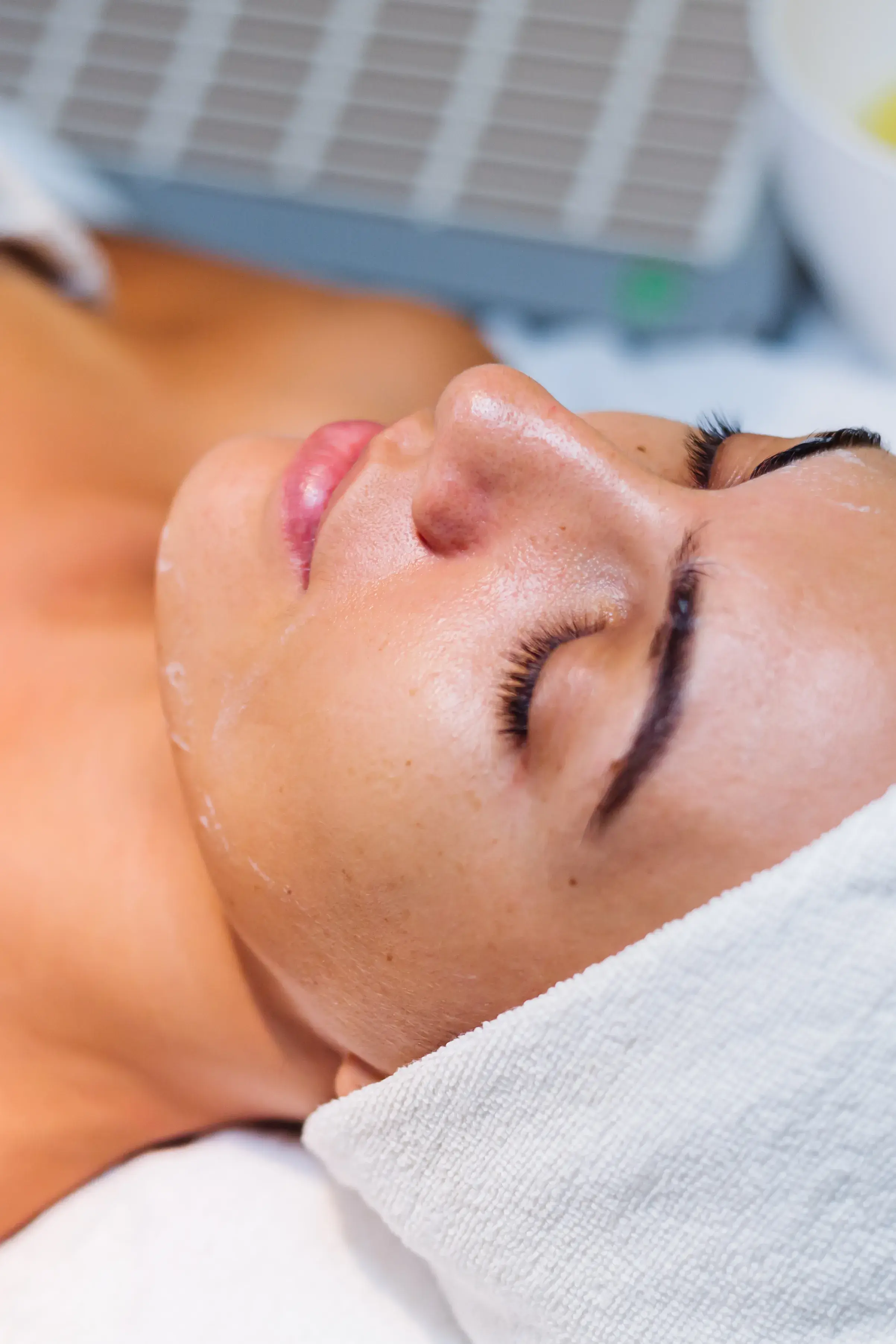
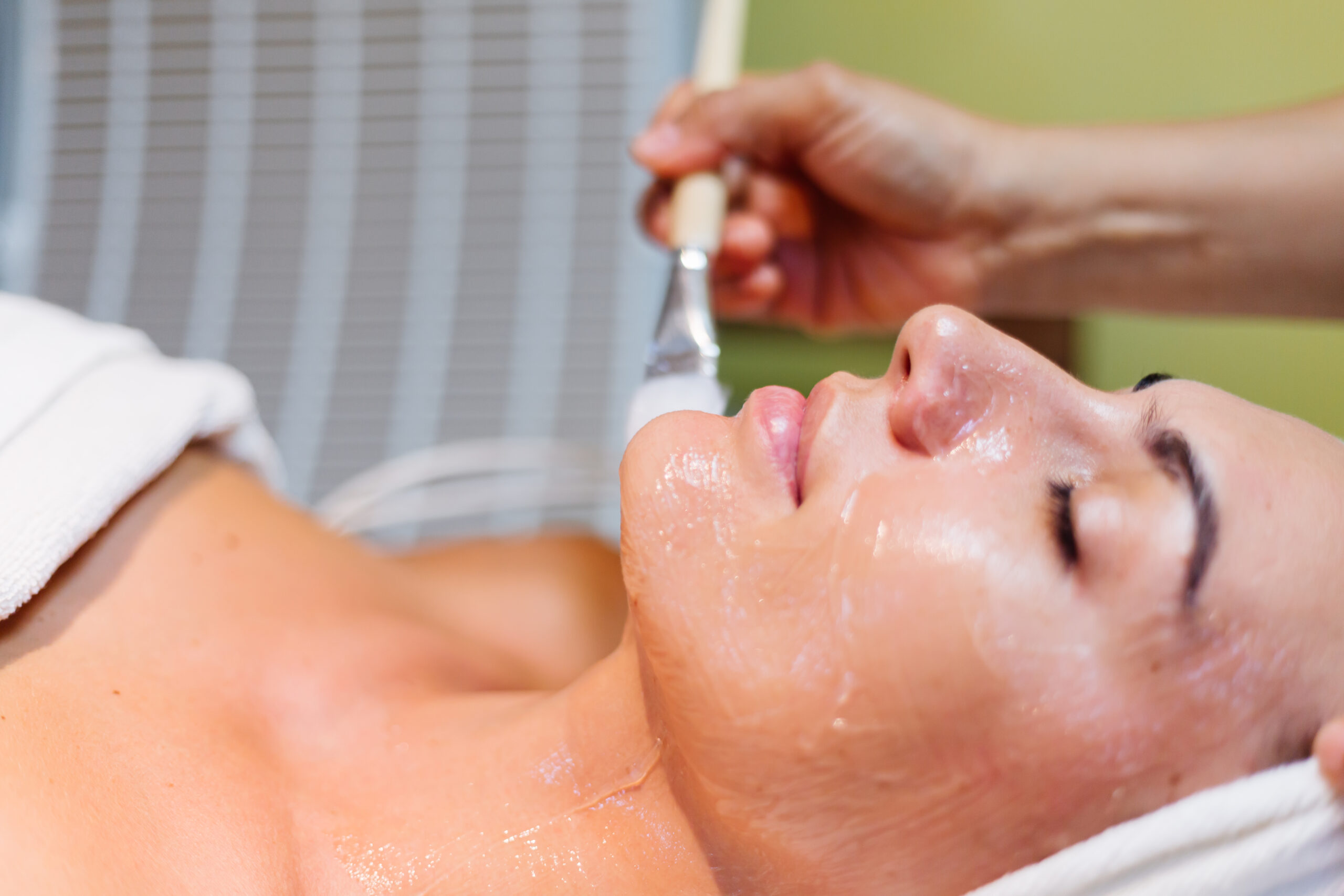
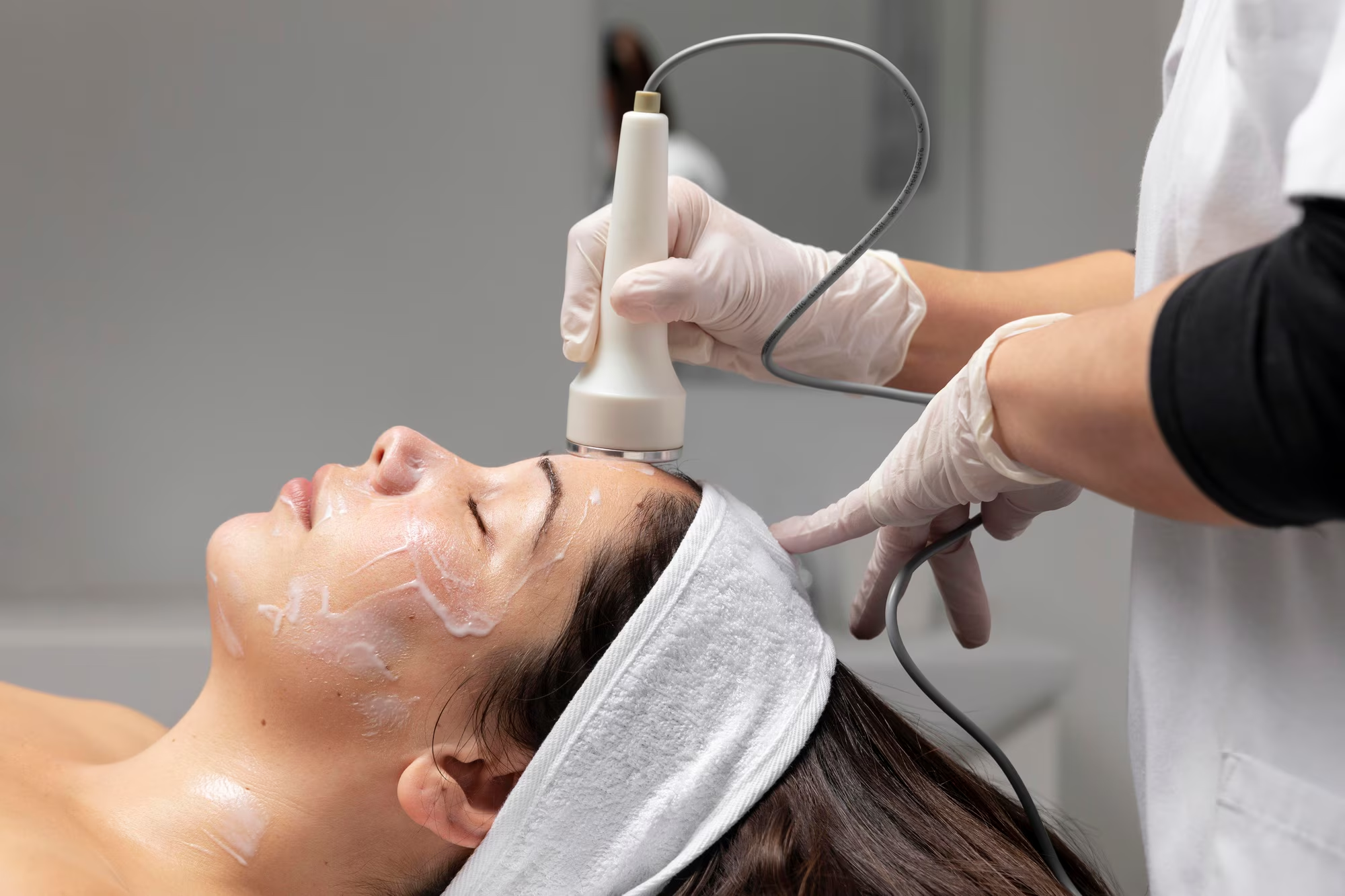
The entire treatment is intentionally gentle. There's no aggressive extraction, no strong peel, no high-intensity device work. “Skin barrier” has become one of the most overused phrases in skincare, but a genuinely compromised barrier is a real, common problem, and a barrier repair facial is one of the more targeted ways to address it. Here's what it actually involves, and whether your skin is the kind that needs one.
What Is a Barrier Repair Facial?
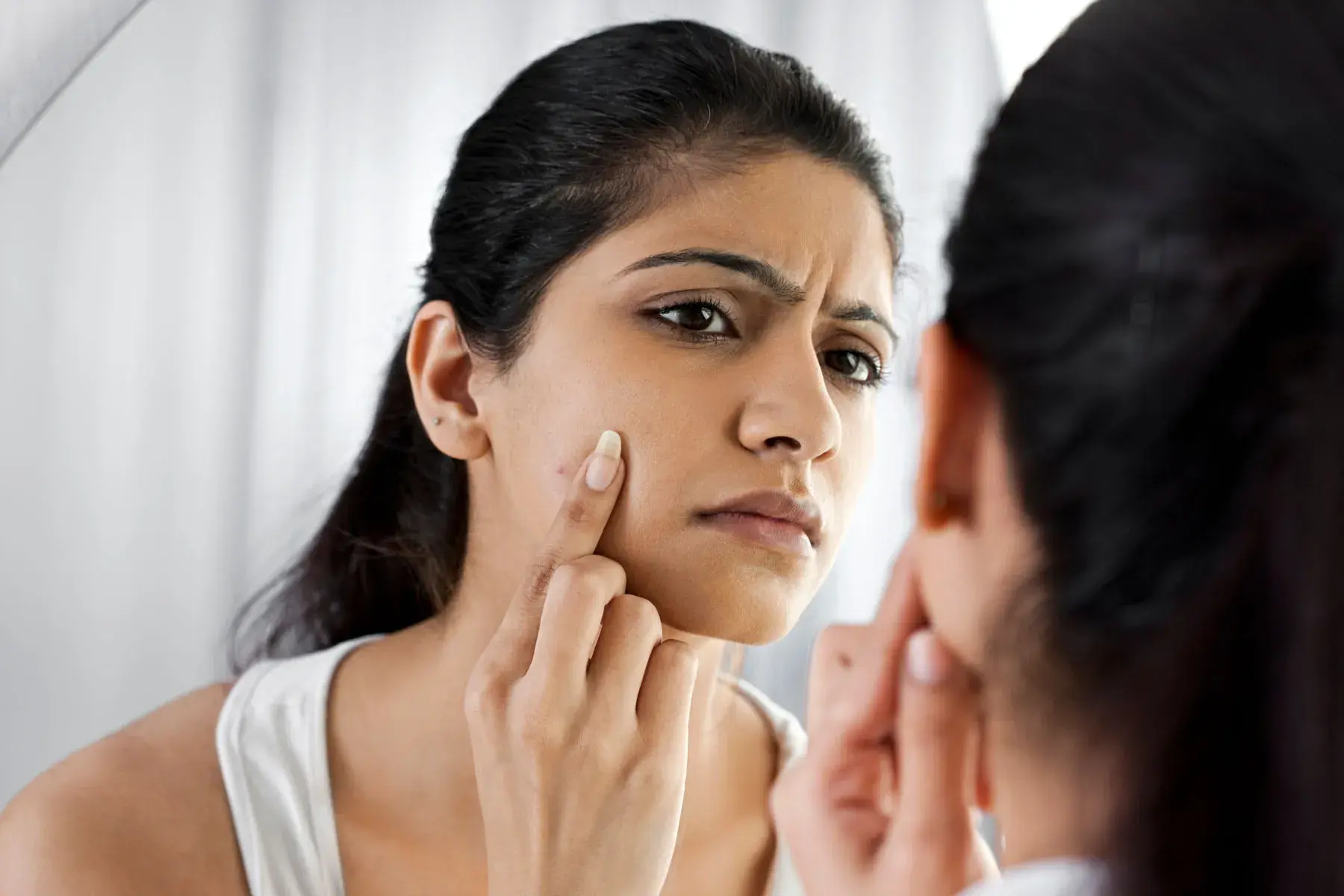
The skin barrier is the outermost layer of skin, made up of cells and lipids that keep moisture in and irritants out. When it's damaged, commonly from over-exfoliation, harsh products or environmental stress, skin becomes reactive, dry and uncomfortable. A barrier repair facial is a treatment built specifically to calm and restore that layer, rather than exfoliate or treat a separate concern like pigmentation or acne.
Signs Your Skin Barrier Is Damaged
-
Skin feels tight or uncomfortable shortly after cleansing
-
Stinging or burning when applying products that never used to bother you
-
Persistent redness or a flushed appearance
-
Rough, flaky patches that don't respond to moisturiser
-
Breakouts that appeared after starting several new actives at once
-
Skin that feels dry and oily at the same time, in different areas
If several of these sound familiar, especially after a period of heavy exfoliation or new active ingredients, barrier damage is a reasonable explanation worth checking.
|
Did You Know?
Dermatologists often describe the skin barrier using the “bricks and mortar” model. Skin cells act as the bricks, and lipids like ceramides act as the mortar holding them together. When that mortar breaks down, through over-exfoliation or harsh cleansing, moisture escapes and irritants get in more easily, which is exactly the discomfort a damaged barrier produces.
|
What a Barrier-Repair Facial Actually Involves
|
Step
|
What Happens
|
Why It Matters
|
|
Gentle cleansing
|
A mild, non-stripping cleanser removes surface debris
|
Avoids further disrupting an already compromised barrier
|
|
Minimal to no exfoliation
|
Exfoliation is skipped or kept very light
|
The barrier needs calming, not more disruption
|
|
Soothing mask or serum
|
Ceramide, hyaluronic acid or centella-based formulas are applied
|
Directly replenishes lipids and hydration
|
|
Barrier-supportive moisturiser
|
A richer, occlusive-leaning moisturiser is layered on
|
Locks in hydration and reduces water loss
|
|
Sun protection
|
SPF is applied as the final step
|
Compromised skin is more vulnerable to UV damage
|
The entire treatment is intentionally gentle. There's no aggressive extraction, no strong peel, no high-intensity device work.
Who Needs One
-
Anyone recovering from over-exfoliation (too many acids, scrubs or retinoids used together or too frequently)
-
People who've recently had an aggressive professional treatment and want to support recovery
-
Those with chronically dry, sensitive or reactive skin
-
Anyone experiencing new sensitivity after starting several skincare actives at once
-
People with eczema-prone or generally reactive skin looking for a calming, non-irritating facial option
It's generally not the right choice for someone chasing brightening, tan removal or deep pigmentation correction, those need different, more targeted treatments once the barrier itself is stable.
|
Factor
|
Barrier-Repair Facial
|
Regular Facial
|
|
Primary goal
|
Calm and restore the skin barrier
|
Address a specific concern (brightening, deep cleansing, anti-ageing)
|
|
Exfoliation
|
Minimal or none
|
Often included as a core step
|
|
Product intensity
|
Gentle, soothing formulas only
|
Can include stronger actives depending on the facial
|
|
Best for
|
Reactive, damaged or over-treated skin
|
Skin that's tolerating its routine well
|
|
Immediate feel
|
Calmer, less tight
|
Often “deep cleaned” or refreshed feeling
|
What to Expect After
Most people feel calmer, less tight and less reactive immediately after the session. Unlike facials built around exfoliation or extraction, there's typically no redness or peeling afterward, since the entire treatment is designed to soothe rather than disrupt. Continuing a simplified routine for a few days afterward, skipping actives, helps maintain the results.
When to See a Dermatologist Instead
If barrier symptoms are severe, persistent, or come with signs of infection, oozing, significant swelling or pain, a facial isn't the right first step. At Bodycraft Clinic, a dermatologist can assess whether what you're dealing with is barrier damage, an allergic reaction, or a condition like eczema or dermatitis that needs medical treatment rather than a spa-based approach.
FAQs
How do I know if I need a barrier repair facial or a regular facial?
If your skin feels reactive, tight or stings with normal products, a barrier repair facial is the safer choice. If your skin is tolerating its routine well and you want a specific result like brightening, a regular facial may suit you better.
How long does it take to repair a damaged skin barrier?
Mild damage can improve within a few days to a week with the right care. More significant damage may take several weeks of consistent, gentle care to fully recover.
Can I still use retinol or acids while my barrier is recovering?
It's best to pause strong actives until your skin feels calmer and more comfortable, then reintroduce them gradually, one at a time.
Is a barrier repair facial painful?
No. It's designed to be calming and gentle, with no aggressive extraction or strong peeling involved.
Can over-exfoliating really damage my skin barrier?
Yes, it's one of the most common causes. Using multiple acids, scrubs or retinoids together, or too frequently, is a frequent trigger for barrier damage.
Will a barrier repair facial help with acne?
Not directly, though a compromised barrier can sometimes worsen breakouts. If acne is your main concern, a treatment plan specifically for that is more appropriate.
How often should I get a barrier repair facial?
It depends on your skin's needs. Some people use it occasionally after a rough patch, others build it into a routine if they have chronically reactive skin.
What should I avoid right after a barrier repair facial?
Skip strong actives, exfoliants and any new products for a few days, and stick to a simple, gentle routine to let the results hold.
Explore More Articles:






.png)


-1.png)


-1.png)

-3.png)





.png)





-Aug-02-2026-05-23-10-1368-PM.png)



.webp)
-1.webp)
.webp)
-Jul-07-2026-12-19-56-1023-PM.webp)








-Jun-01-2026-02-54-50-5351-PM.png)
-Jun-01-2026-02-45-39-8016-PM.png)

-May-29-2026-03-30-08-6855-PM.png)


-1.webp)

-3.webp)










.webp)
.webp)
-1.webp)

.webp)
.webp)

.webp)