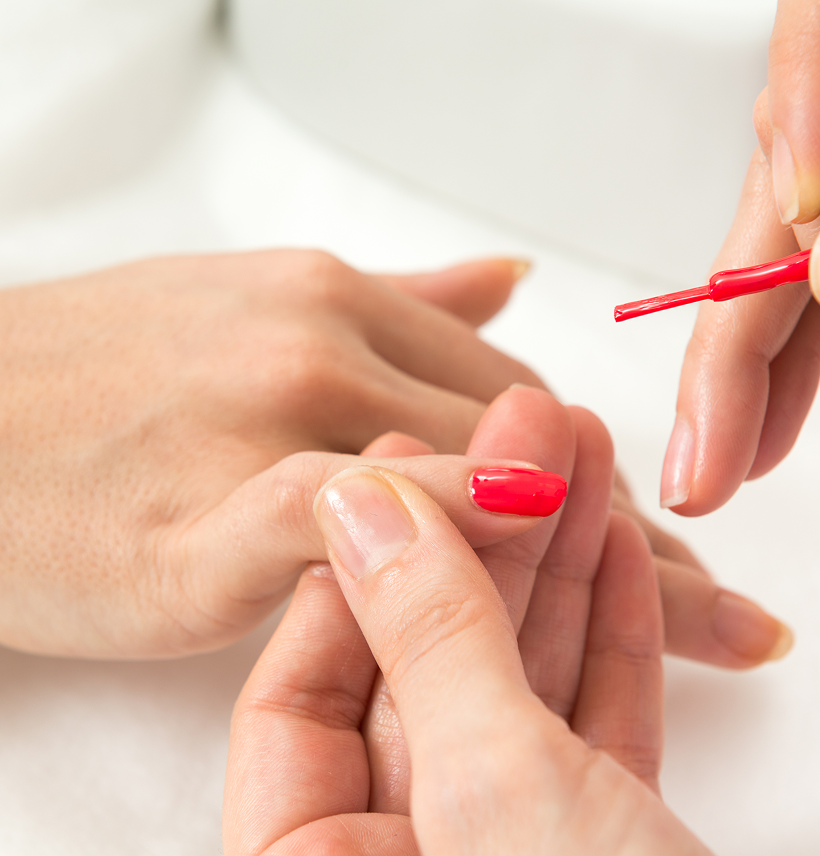
Gel polish is popular for a simple reason: it stays glossy and chip-resistant for much longer than regular nail polish. However, after several back-to-back manicures, some people notice that their natural nails feel thinner, softer or more prone to peeling.
So, does gel polish weaken nails? It can, but the polish is only one part of the process. Excessive buffing, peeling, forceful removal, repeated acetone exposure and aggressive cuticle care often contribute more to visible damage than the gel colour itself.
A carefully performed gel manicure on healthy nails is less likely to cause significant problems. The risk increases when the service is repeated continuously or when removal is rushed.
How Gel Manicures Can Affect Natural Nails
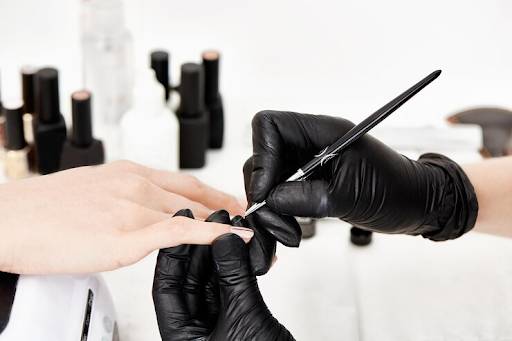
Gel polish forms a firm coating over the nail and must be cured under a lamp. When it is time for removal, the product may need to be soaked in acetone or filed, depending on the system used.
Dermatologists note that repeated gel manicures can contribute to brittleness, peeling and cracking.[1] A small published study also documented nail weakness and thinning after gel-polish application and removal involving acetone and manual peeling.
The effect varies depending on:
- The condition of the nails before application
- How heavily the surface is buffed
- The type of gel system used
- How the product is removed
- How frequently the manicure is repeated
- Whether the surrounding skin and cuticles are protected
Gel polish does not automatically ruin natural nails. Damage usually develops through the combined effect of repeated preparation, wear and removal.
What Causes the Most Damage?
Excessive buffing
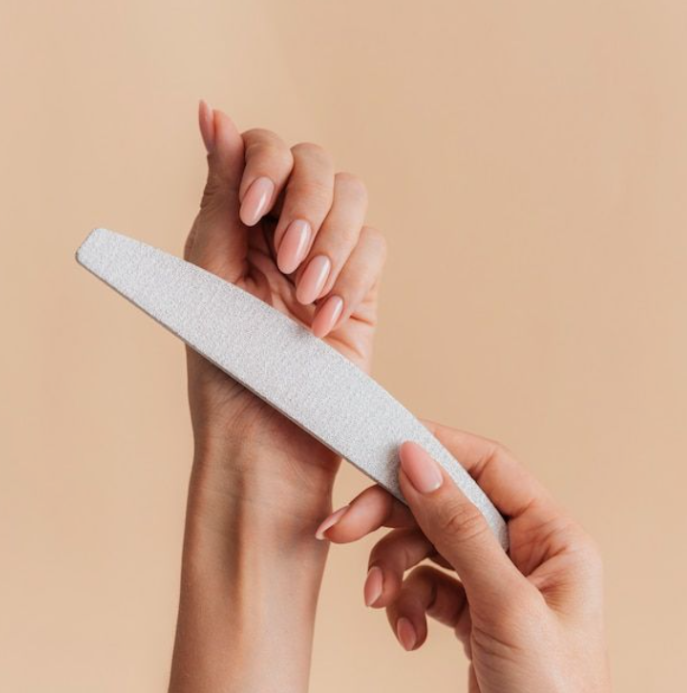
Light preparation can help gel adhere to the nail. Heavy or repeated buffing, however, may remove layers of the nail plate.
Over-buffed nails can become:
- Thin and flexible
- Rough or uneven
- Sensitive to pressure or temperature
- More likely to split at the ends
The nail should not feel noticeably thinner after surface preparation.
Picking or peeling
Peeling gel away can remove layers of the natural nail along with the product. This often leaves white, chalky patches and an uneven surface.
Even when one corner has started lifting, the remaining polish may still be firmly attached underneath. Pulling it away can damage a larger area than expected.
Forceful scraping or filing
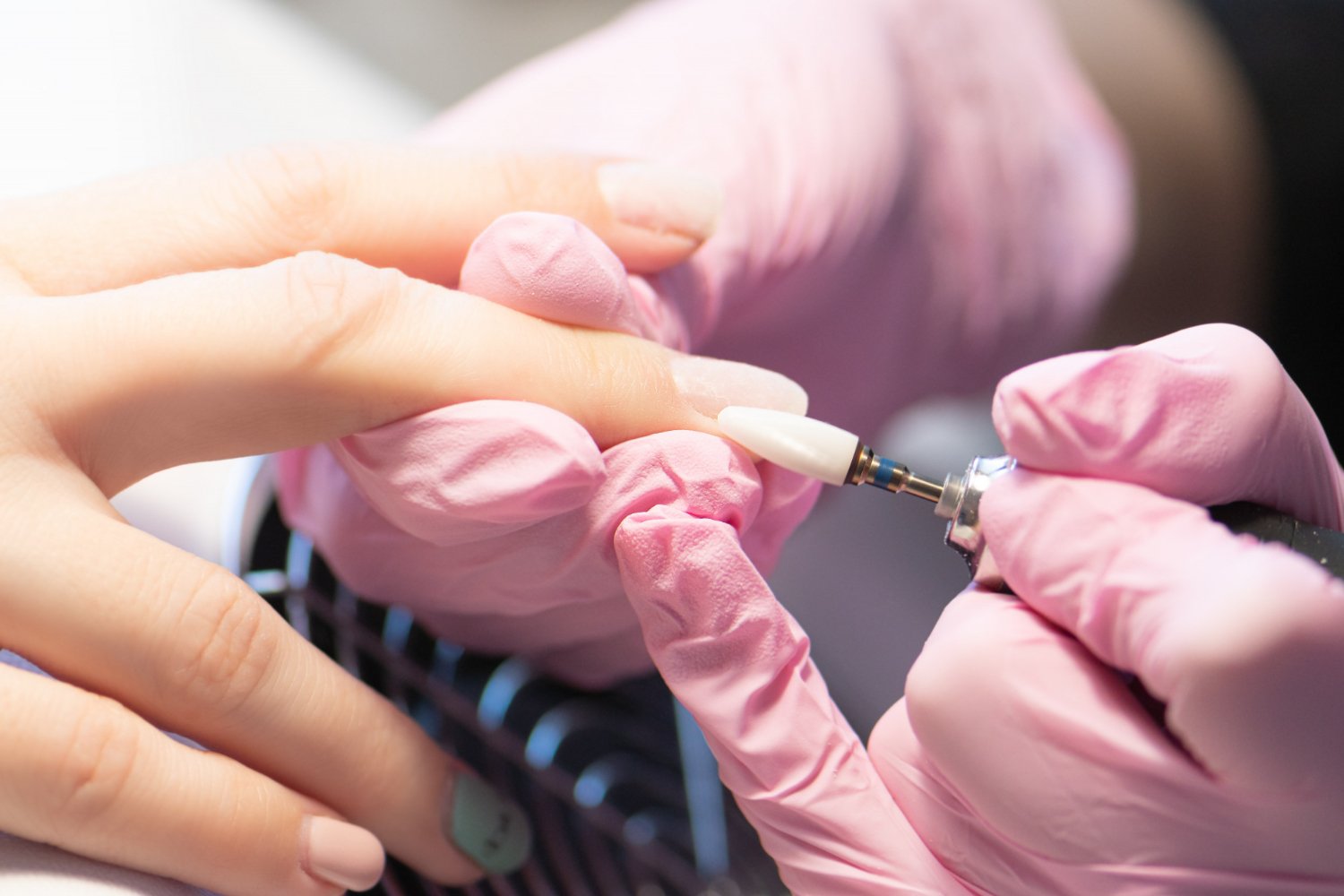
If soak-off gel has not softened adequately, it may require more time—not more pressure. Scraping, digging or filing repeatedly into the same area can wear down the natural nail.
Not every gel formula is designed to soak off. When the product type is unknown, professional removal is safer than experimenting at home.
Repeated acetone exposure
Acetone removes oils from the nail plate and surrounding skin, which can temporarily leave them dry. The problem becomes more noticeable when acetone exposure is combined with buffing, peeling or scraping.
Applying acetone-soaked cotton directly to the nail limits unnecessary contact with the rest of the fingers. Moisturising afterwards can help reduce dryness.
Aggressive cuticle removal
The cuticle forms part of the protective seal around the nail. Cutting it or forcefully pushing it back can make it easier for bacteria and fungi to enter the surrounding skin.
Cuticles can be moisturised and tidied gently without removing this protective barrier.
Are Your Nails Damaged or Do They Just Feel Different?
Gel creates a rigid layer over the natural nail. While the coating is present, the nails may feel thicker and less likely to bend. Once it is removed, the natural nail can feel unusually soft by comparison.
This does not always indicate serious damage. Look for additional signs such as:
- Peeling layers at the tips
- White, rough or chalky patches
- Increased bending or splitting
- Tenderness when pressure is applied
- Sensitivity to warm or cold water
- Separation of the nail from the skin beneath it
If the nail surface is smooth, comfortable and similar to its condition before the manicure, the difference may simply be more noticeable after the firm coating has been removed.
Do Nails Need to Breathe Between Manicures?
Nails do not breathe. The visible nail plate consists primarily of keratin and does not need to absorb oxygen from the air.
A break can still be useful because it reduces exposure to buffing, acetone and curing lamps. It also allows you to inspect the natural nail and gives damaged sections time to grow out.
Dermatologists suggest taking a polish break for one to two weeks or longer when the nails become brittle, peeling or sensitive. The purpose is recovery and observation—not “airing out” the nails.
Gel Polish or Regular Polish: Which Is Gentler?
Neither option is completely free from potential damage. Technique matters in every manicure.
Gel polish may suit you if:
- Your natural nails are currently healthy.
- You need a finish that resists chipping.
- You prefer keeping one colour for longer.
- You are willing to return for careful removal.
Regular polish may be more suitable if:
- Your nails are thin, peeling or sensitive.
- You change colours frequently.
- You want easier removal.
- You have experienced recurring problems after gel manicures.
Regular polish can also cause dryness when remover is used frequently. Likewise, aggressive buffing or cuticle cutting can cause damage even when no gel is involved. The choice should therefore depend on the condition of the nail, the desired longevity and how the service will be removed.
What Should You Know About Curing Lamps?
Gel polish must be cured under a lamp. Both traditional UV lamps and lamps marketed as LED devices can expose the hands to ultraviolet radiation. LED lamps usually cure the product more quickly, reducing the duration of exposure.
Before a gel manicure, dermatologists recommend applying a broad-spectrum, water-resistant sunscreen with an SPF of at least 30 to the hands. Dark, opaque fingerless gloves that expose only the nails are another option.
Apply sunscreen before arriving at the salon so that it has time to settle. Avoid leaving oily residue on the nail plate, as this may affect gel adhesion.
Can Gel Polish Cause an Allergic Reaction?
Gel systems may contain acrylate or methacrylate ingredients. Repeated skin exposure particularly contact with uncured gel can trigger allergic contact dermatitis in susceptible individuals.
Possible signs include:
- Itching or burning around the nails
- Redness and swelling
- Cracked or peeling skin
- Small fluid-filled bumps
- Nail lifting
- A recurring rash on the eyelids, face or other areas touched by the hands
A systematic review of manicure-related complications identified allergic reactions, infections and structural nail changes among the possible concerns.
If these symptoms develop, stop using the product and consult a dermatologist. Switching to another gel brand may not be enough because different systems can contain related ingredients.
A Safer Routine for Frequent Manicures
The following habits can reduce avoidable stress without requiring you to give up manicures entirely.
Before and during the service
- Check for peeling, soreness, discolouration or lifting.
- Avoid covering a visibly infected or inflamed nail.
- Tell the nail professional about previous reactions to gel or nail glue.
- Confirm that reusable tools are cleaned and disinfected.
- Request gentle buffing of the natural nail.
- Keep uncured gel away from the surrounding skin.
- Avoid aggressive cuticle cutting.
- Speak up if curing causes significant heat or pain.
During removal
- Never pick, bite or peel off the gel.
- Follow the correct process for the product used.
- Allow additional soaking time if soak-off gel remains firmly attached.
- Avoid forceful scraping or repeated filing of the natural nail.
- Apply hand cream or cuticle oil after removal.
When Should You Take a Break?
There is no fixed number of gel manicures that is safe for everyone. Instead of following a rigid schedule, inspect the nails between services.
Pause gel application when:
- The nails bend more easily than usual.
- Layers begin peeling from the ends.
- The surface feels thin, rough or sensitive.
- Removal causes discomfort.
- The surrounding skin is persistently irritated.
- You are using fresh gel to conceal discolouration or lifting.
While the nails recover, keep them reasonably short, moisturise regularly and wear gloves when handling detergents or spending extended periods in water. Avoid using the nail tips to open containers or scrape surfaces.
Damaged nail plate cannot be restored instantly by a cream or hardener. The affected portion needs to grow out gradually.
Choosing a Manicure Based on Your Nail Condition
The longest-lasting finish is not always the most appropriate one.
Healthy nails may tolerate carefully applied gel polish. Nails that are already thin or recovering may be better suited to:
- Shaping and grooming without gel
- Regular nail polish
- A clear or natural finish
- Moisturising hand and cuticle care
- A shorter shape that is less likely to catch
Bodycraft’s manicure, pedicure and Nail Bar services include grooming treatments as well as regular and longer-lasting finishes. The visible condition of the natural nail can help determine which option is appropriate for a particular appointment.
When a Nail Change Needs Medical Attention
Not every weak or discoloured nail is caused by polish. Infection, psoriasis, eczema, injury and other conditions can also change the nail’s colour, texture or attachment.
Consider consulting a dermatologist if you notice:
- Painful swelling or pus
- Persistent itching after a manicure
- Green, brown or unusual discolouration
- A new or changing dark streak
- Thickening or crumbling
- Separation from the skin beneath the nail
- Similar changes affecting several nails
- A problem that continues after stopping nail products
Avoid covering an unexplained nail change with polish or an extension, as this can delay proper assessment.
A Healthier Approach to Long-Lasting Manicures
Gel polish does not need to be treated as either completely harmless or universally damaging. The condition of the natural nail, the skill used during application and the patience shown during removal all matter.
Choose a finish suited to your current nail condition, pause when you notice sensitivity or peeling, and avoid covering persistent or unusual changes. These habits allow you to enjoy longer-lasting manicures while being kinder to your natural nails.
Explore Bodycraft’s manicure and Nail Bar services to find a finish suited to your nail condition, maintenance preferences and occasion.
FAQs
Does gel polish permanently damage nails?
Most mild surface damage is temporary. However, the damaged section cannot return to its original structure; it must grow out and be trimmed away gradually.
Does gel polish help nails grow?
Gel does not increase the biological rate of nail growth. Its firm coating may reduce everyday chipping, making it easier to retain length while the manicure is in place.
Can gel polish be removed at home?
Yes, provided you know which system was used and follow its removal instructions. Never assume that every gel is designed to soak off.
Are gel extensions the same as gel polish?
No. Gel polish is a relatively thin colour coating applied over the natural nail. Gel extensions and builder systems add greater structure or length and usually require more specialised application and removal.
Scientific References
- American Academy of Dermatology Association. “Gel Manicures: Tips for Healthy Nails.” Available at: American Academy of Dermatology
- Chen AF, Chimento SM, Hu S, Sanchez M, Zaiac M, Tosti A. “Nail Damage from Gel Polish Manicure.” Journal of Cosmetic Dermatology. 2012;11(1):27–29. DOI: 10.1111/j.1473-2165.2011.00595.x. Available at: PubMed
- American Academy of Dermatology Association. “Manicure and Pedicure Safety.” Available at: American Academy of Dermatology
- Aravind P, et al. “Dermatologic Best Practices for Manicures
Explore More Articles:





.png)




.png)
.png)


-1.png)




-1.png)
-3.png)




.png)





-Aug-02-2026-05-23-10-1368-PM.png)


.webp)
-1.webp)
.webp)
-Jul-07-2026-12-19-56-1023-PM.webp)





-Jun-01-2026-02-54-50-5351-PM.png)
-Jun-01-2026-02-45-39-8016-PM.png)

-May-29-2026-03-30-08-6855-PM.png)
-1.webp)

-3.webp)




.webp)
.webp)
-1.webp)

.webp)
-2.png)