Red light devices have gone from dermatology clinics to bathroom shelves in a few years, but the science behind them hasn't changed nearly as fast as the marketing. Here's a clear look at red light therapy for face use, what is actually happening on a cellular level, and where at-home devices fall short of clinic-grade ones.
What Is Red Light Therapy?
Red light therapy, sometimes called LED light therapy for face treatments, uses specific wavelengths of low-level red and near-infrared light to stimulate skin cells. It's non-invasive, doesn't use UV light, and doesn't burn or damage the skin surface the way lasers can.
|
Did You Know?
Red light therapy has an unusual origin story. NASA originally researched LED light for plant growth experiments in space, then noticed it also seemed to help wound healing in astronauts and lab staff. That accidental discovery is part of why red light later found its way into dermatology.
|
How Does Red Light Therapy Work?
The mechanism is called photobiomodulation. Red and near-infrared wavelengths penetrate the skin and are absorbed by mitochondria, the energy-producing structures inside cells. This is thought to boost cellular energy production, which in turn may support collagen synthesis, reduce inflammation, and speed up the skin's natural repair processes.
Red Light Therapy Benefits for Skin
|
Concern
|
How Red Light May Help
|
|
Fine lines and early ageing
|
Supports collagen production over consistent use
|
|
Redness and inflammation
|
May help calm irritated or reactive skin
|
|
Dullness
|
Can support cell turnover and a fresher-looking surface
|
|
Post-treatment recovery
|
Sometimes used after peels or microneedling to support healing
|
|
Mild acne
|
May help reduce inflammation, though it isn't a primary acne treatment
|
Results build gradually. This isn't a one-session fix, most protocols involve multiple sessions over several weeks before changes become noticeable.
At-Home vs. Clinic Red Light Therapy
|
Factor
|
At-Home Devices
|
Clinic Treatment
|
|
Light intensity
|
Generally lower, regulated for consumer safety
|
Higher intensity, professionally calibrated
|
|
Treatment area coverage
|
Often smaller panels or masks
|
Larger, more even coverage
|
|
Supervision
|
None, self-administered
|
Assessed and monitored by a professional
|
|
Combination potential
|
Standalone use only
|
Can be paired with other treatments (peels, microneedling)
|
|
Cost over time
|
Lower per session, higher upfront device cost
|
Higher per session, no device investment
|
What to Expect During a Clinic Session
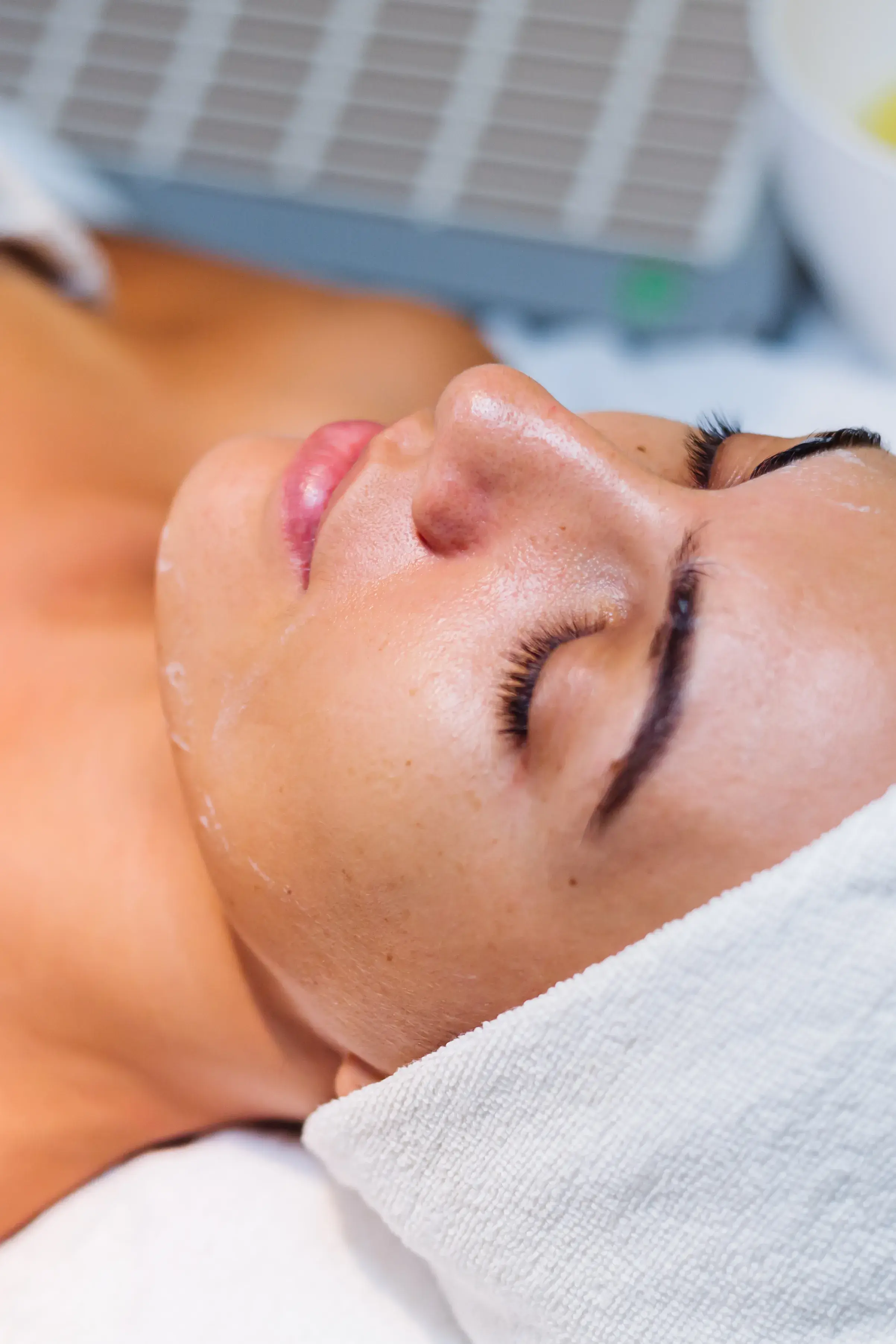
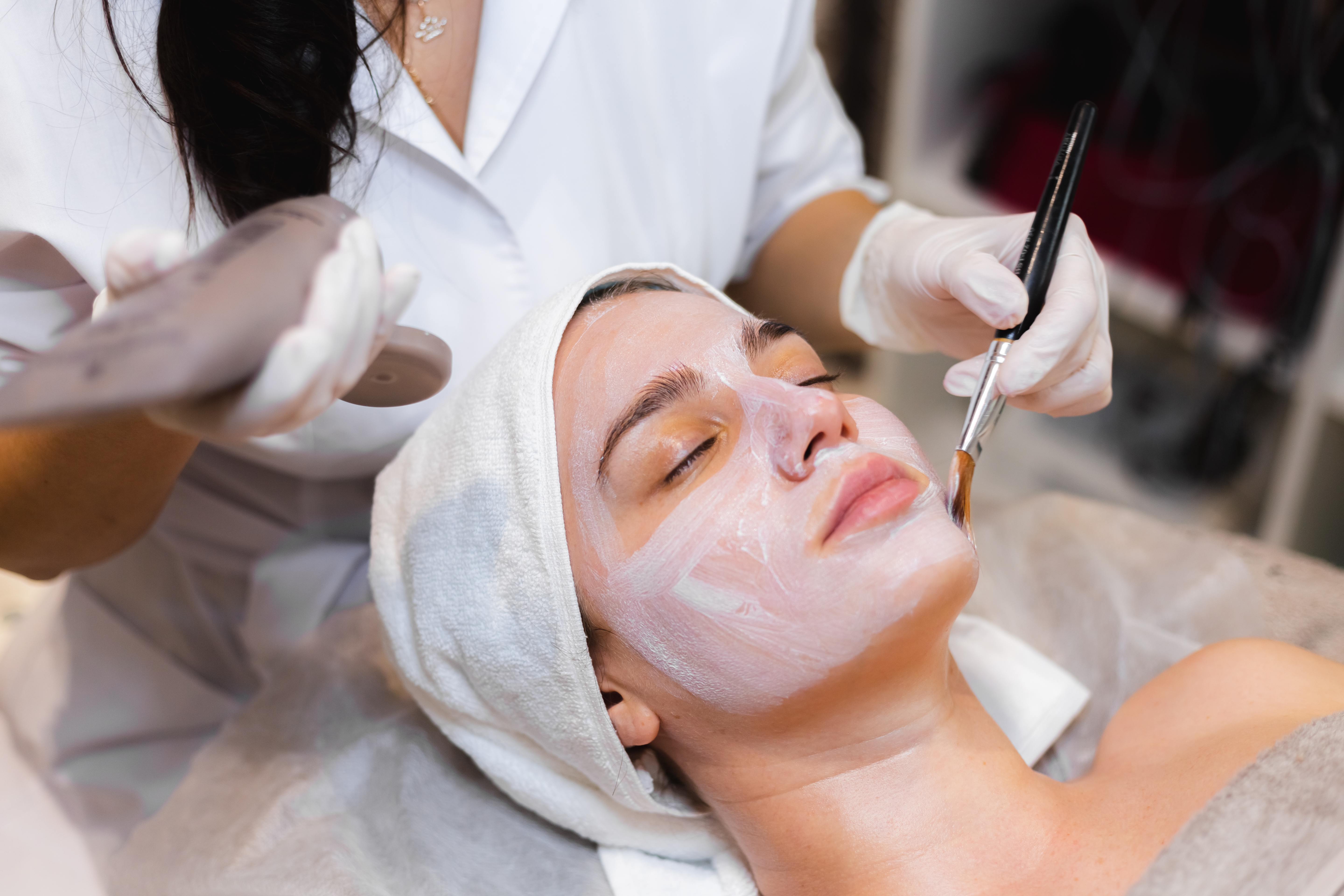
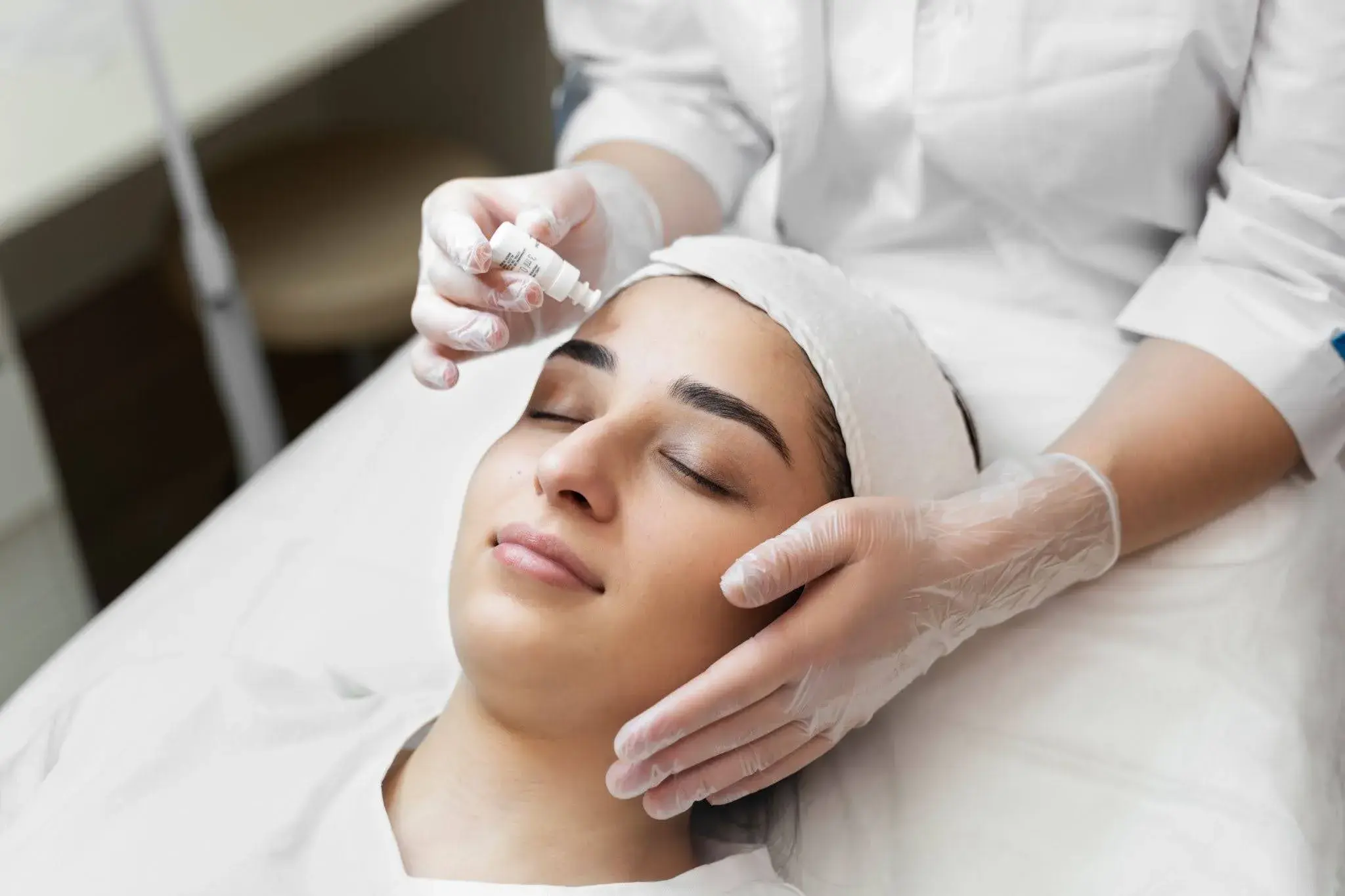
A typical session involves lying under or in front of a red light panel for 10 to 20 minutes, with eye protection provided. There's no downtime, no discomfort beyond mild warmth, and you can return to normal activities immediately afterward. A course of sessions, often once or twice a week for several weeks, is usually recommended for visible results.
Who Should Be Cautious
-
Anyone on photosensitising medication should check with their doctor first, since certain drugs increase skin sensitivity to light exposure.
-
Those with active skin cancer or a history of it should consult a dermatologist before starting.
-
Pregnant individuals should mention red light therapy to their doctor, since dedicated safety data is limited.
-
Eye protection should always be used during sessions, as red light can be uncomfortable for unprotected eyes over time.
When to See a Dermatologist Instead
Red light therapy works well as a supporting treatment, but it isn't a substitute for addressing active acne, significant pigmentation, or deeper signs of ageing. At Bodycraft Clinic, a dermatologist can assess whether red light therapy fits into a broader treatment plan or whether a different approach would serve your skin better.
Frequently Asked Questions
How many sessions of red light therapy do I need to see results?
Most people need several weeks of consistent sessions, often two to three times weekly, before noticing visible changes. It isn't a single-session treatment.
Is red light therapy safe for sensitive skin?
Generally yes, since it doesn't involve UV light or abrasion. That said, anyone with a reactive skin condition should check with a dermatologist before starting.
Can I use red light therapy every day?
Most protocols recommend a few sessions a week rather than daily use. More frequent isn't necessarily faster or better, and your provider's specific guidance should be followed.
Does red light therapy replace sunscreen or other skincare?
No. It's a supporting treatment, not a replacement for daily sun protection or a core skincare routine.
Is an at-home LED mask worth buying?
It can be a reasonable maintenance tool, but expect slower, more modest results than clinic sessions due to lower light intensity.
Can red light therapy help with acne?
It may help reduce inflammation associated with mild acne, but it isn't considered a primary or standalone acne treatment.
Does red light therapy hurt?
No. Most people feel mild warmth at most, and there's no downtime afterward.
How is red light therapy different from blue light therapy?
Blue light primarily targets acne-causing bacteria, while red light focuses on stimulating cellular repair and collagen support. They're sometimes used together for different purposes.
Explore More Articles:





.png)


-1.png)


-1.png)
-3.png)




.png)



-Aug-02-2026-05-23-10-1368-PM.png)


.webp)
-1.webp)
.webp)
-Jul-07-2026-12-19-56-1023-PM.webp)





-Jun-01-2026-02-54-50-5351-PM.png)
-Jun-01-2026-02-45-39-8016-PM.png)

-May-29-2026-03-30-08-6855-PM.png)


-1.webp)

-3.webp)




.webp)
.webp)
-1.webp)

.webp)
.webp)
.webp)