



.png)


-1.png)


-1.png)
-3.png)



.png)


-Aug-02-2026-05-23-10-1368-PM.png)



.webp)
-1.webp)
.webp)
-Jul-07-2026-12-19-56-1023-PM.webp)


-Jun-01-2026-02-54-50-5351-PM.png)
-Jun-01-2026-02-45-39-8016-PM.png)
-May-29-2026-03-30-08-6855-PM.png)
-1.webp)

-3.webp)



.webp)
.webp)
-1.webp)
.webp)
.webp)
.webp)

Hair
Hair
7 minutes read | 29 Jun 26
Get a complimentary consultation today. Get in touch
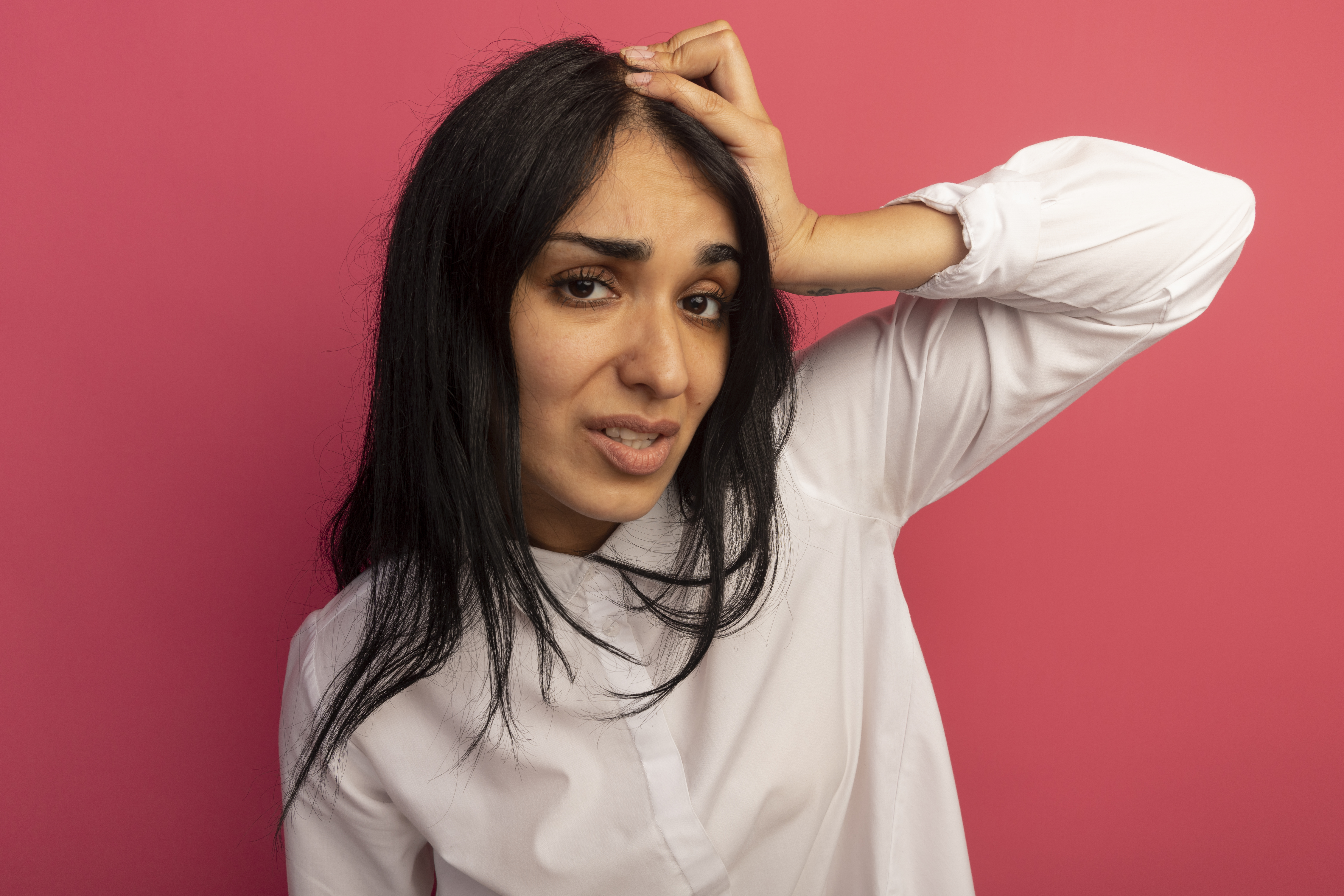
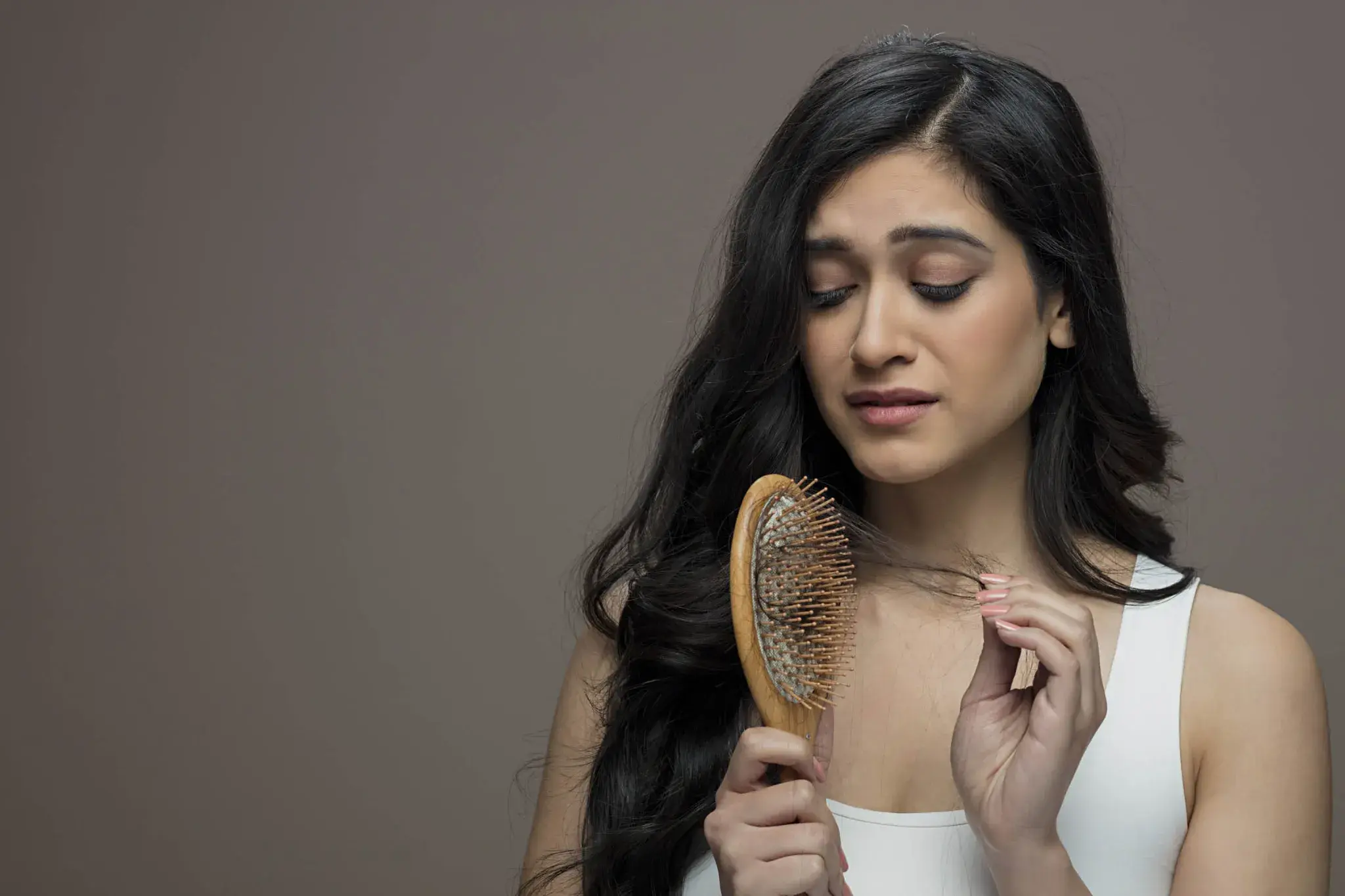
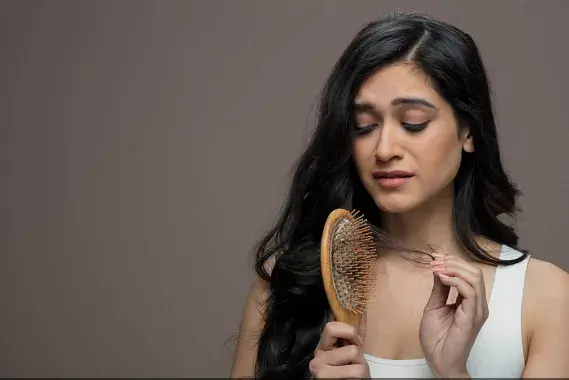
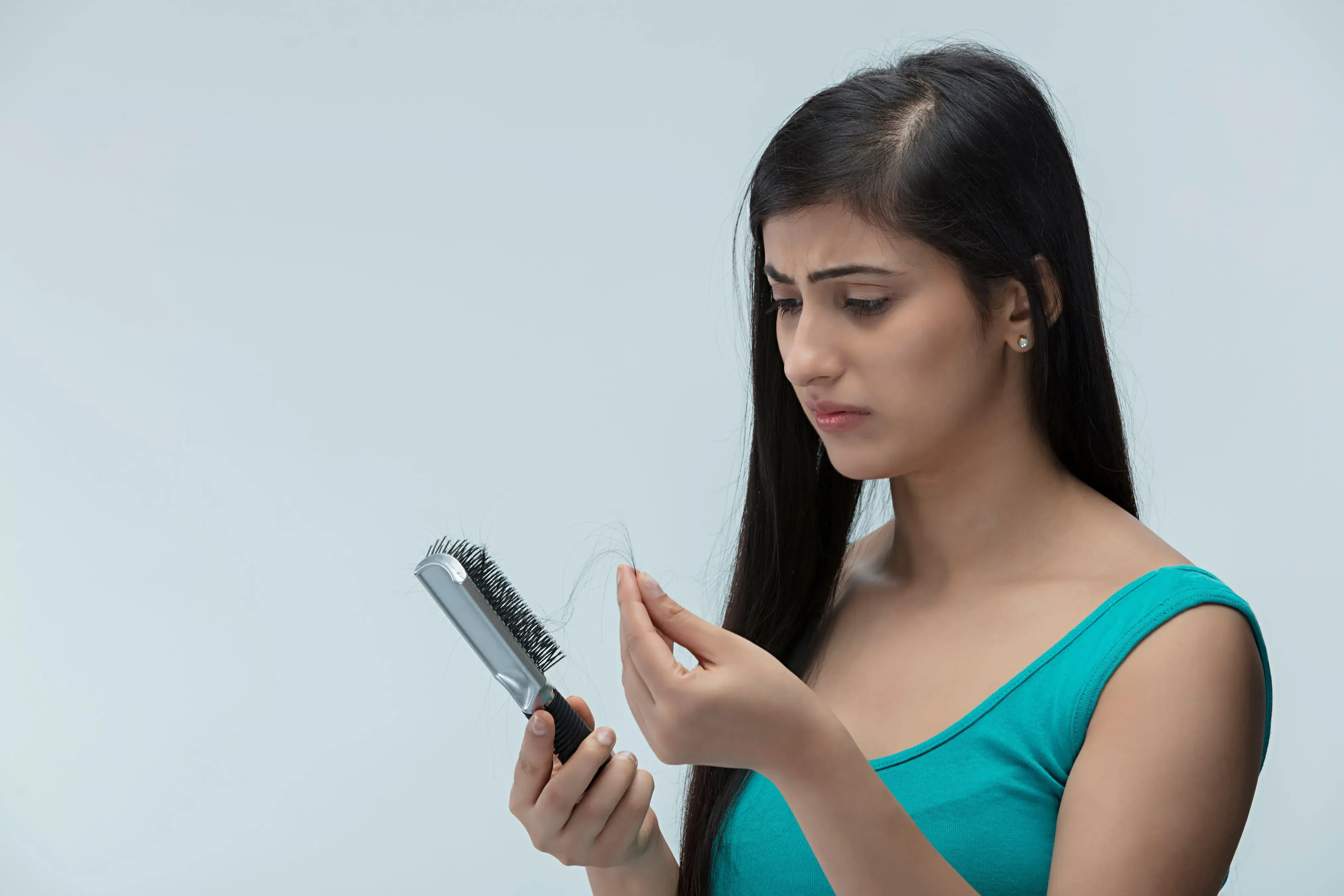
If your ponytail feels thinner, your scalp is becoming more visible, or you’re noticing extra hair on your brush and shower drain lately, it could be more than just temporary hair fall. Hair thinning often starts gradually, making it easy to ignore until the loss of volume becomes more noticeable.
Stress and poor scalp health, excessive styling and lifestyle changes are several factors that can affect hair density over time. Understanding the early signs and hair thinning causes can help you take the right steps before the problem becomes harder to manage.
What Is Hair Thinning?
Hair thinning refers to a gradual reduction in hair density, volume, and strand thickness. Unlike complete baldness, thinning hair develops slowly and may first appear as wider partings, reduced fullness, or increased scalp visibility.
It can happen due to internal factors like stress, hormonal changes, or nutritional deficiencies, as well as external triggers such as heat styling, chemical treatments, and poor scalp health.
|
Good To Know: Hair thinning and hair loss are not the same thing. Thinning refers to a reduction in strand thickness and density. While hair loss refers to follicles stopping growth altogether. Catching thinning early gives you a much better window to act. |
Early Hair Thinning Symptoms You Shouldn’t Ignore
Hair thinning symptoms are often subtle in the beginning but become more noticeable over time.
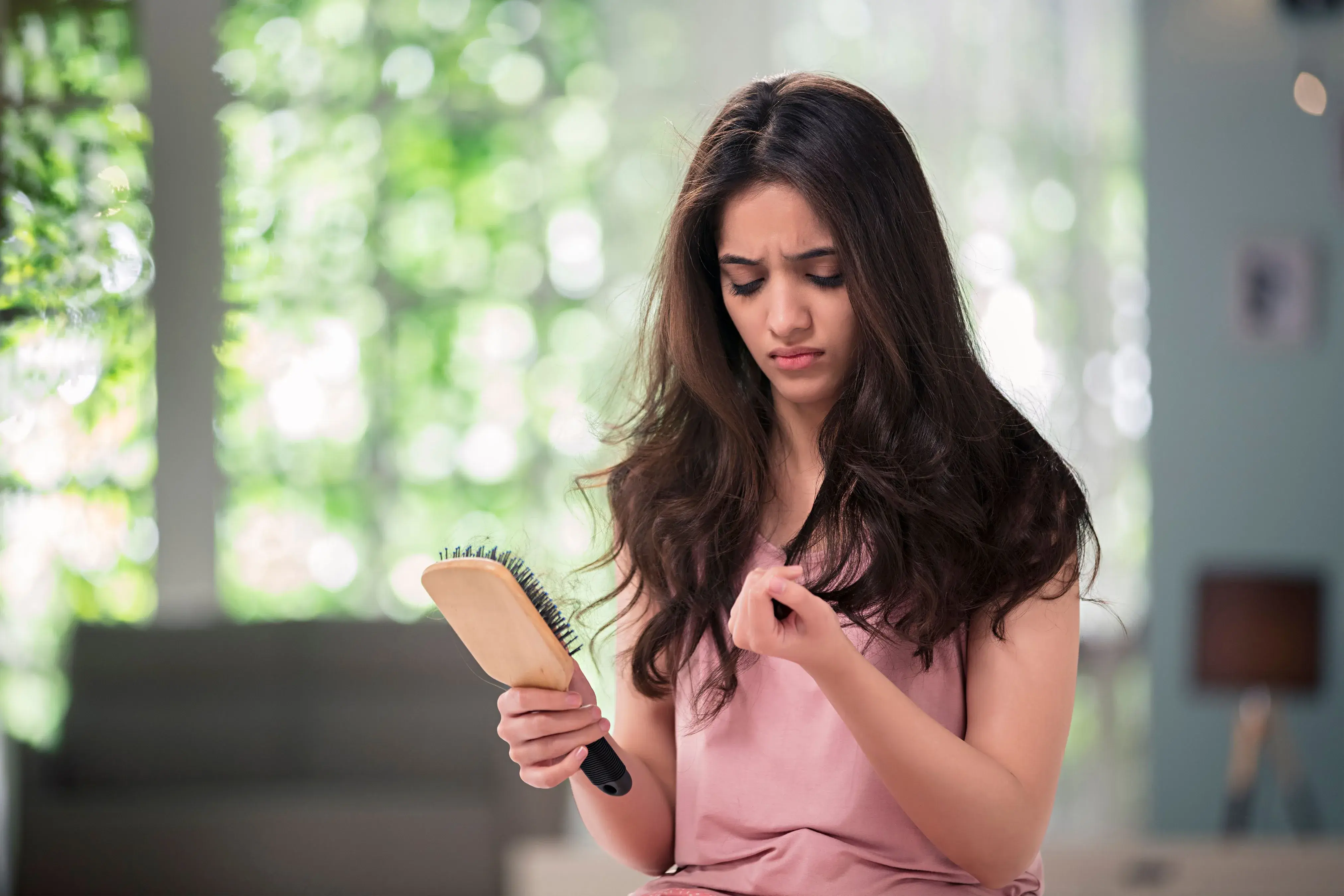
- Increased Hair Shedding During Washing or Brushing: Losing some hair daily is normal, but excessive shedding during washing, brushing, or styling may indicate weakening hair health.
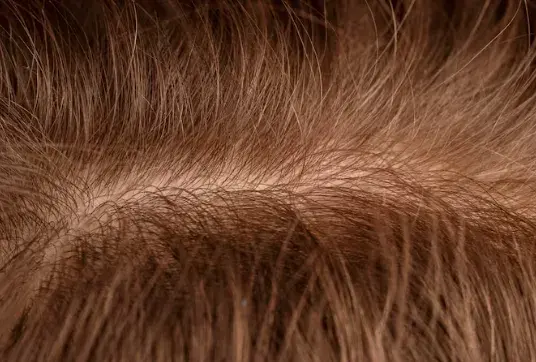
- Visible Scalp or Wider Parting: One of the most common early signs is increased scalp visibility, especially around the parting or crown area.
- Reduced Hair Volume and Density: Hair may start feeling flatter, lighter, or less voluminous than before.
- Weak, Brittle, or Finer Strands: Thinning hair often becomes weaker and more prone to breakage, dryness, and split ends.
- Receding Hairline or Thinning Crown: Some people may notice gradual thinning around the temples, hairline, or crown area.
Recognising these early signs of hair thinning can help you take corrective steps sooner and prevent further weakening of the hair over time.
Hair Thinning Causes Explained
Hair thinning can result from a combination of genetics, lifestyle habits, scalp condition, and environmental damage. Understanding common hair thinning reasons early can help identify what may be affecting your hair health and overall hair density over time.
1. Stress and Lifestyle Factors
Stress, lack of sleep, unhealthy routines, and poor haircare habits can affect the hair growth cycle and increase shedding over time.
2. Nutritional Deficiencies
A lack of nutrients such as iron, protein, vitamins, and minerals may weaken the hair and affect overall scalp nourishment.
|
Fact: Iron deficiency is one of the most common and most overlooked causes of hair thinning, particularly in women. Low ferritin levels directly affect the hair growth cycle, often causing diffuse thinning across the scalp before any other symptoms appear. |
3. Hormonal Changes and Imbalances
Hormonal fluctuations related to age, thyroid issues, pregnancy, or other health conditions can contribute to thinning.
4. Excessive Heat Styling and Chemical Treatments
Frequent use of straighteners, curling tools, hair colouring, bleaching, or chemical treatments may weaken hair strands and increase breakage.
5. Scalp Health and Product Build-Up
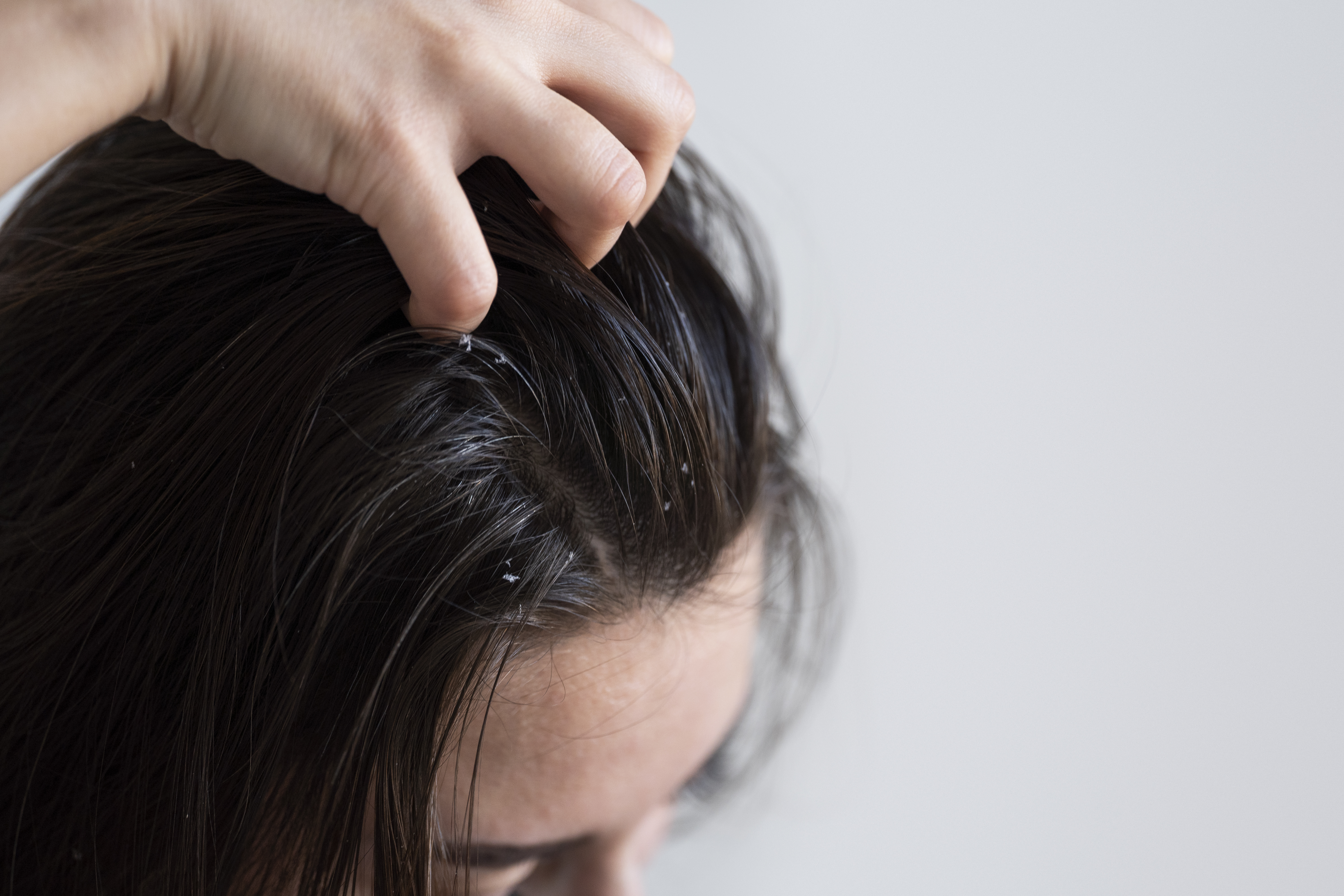
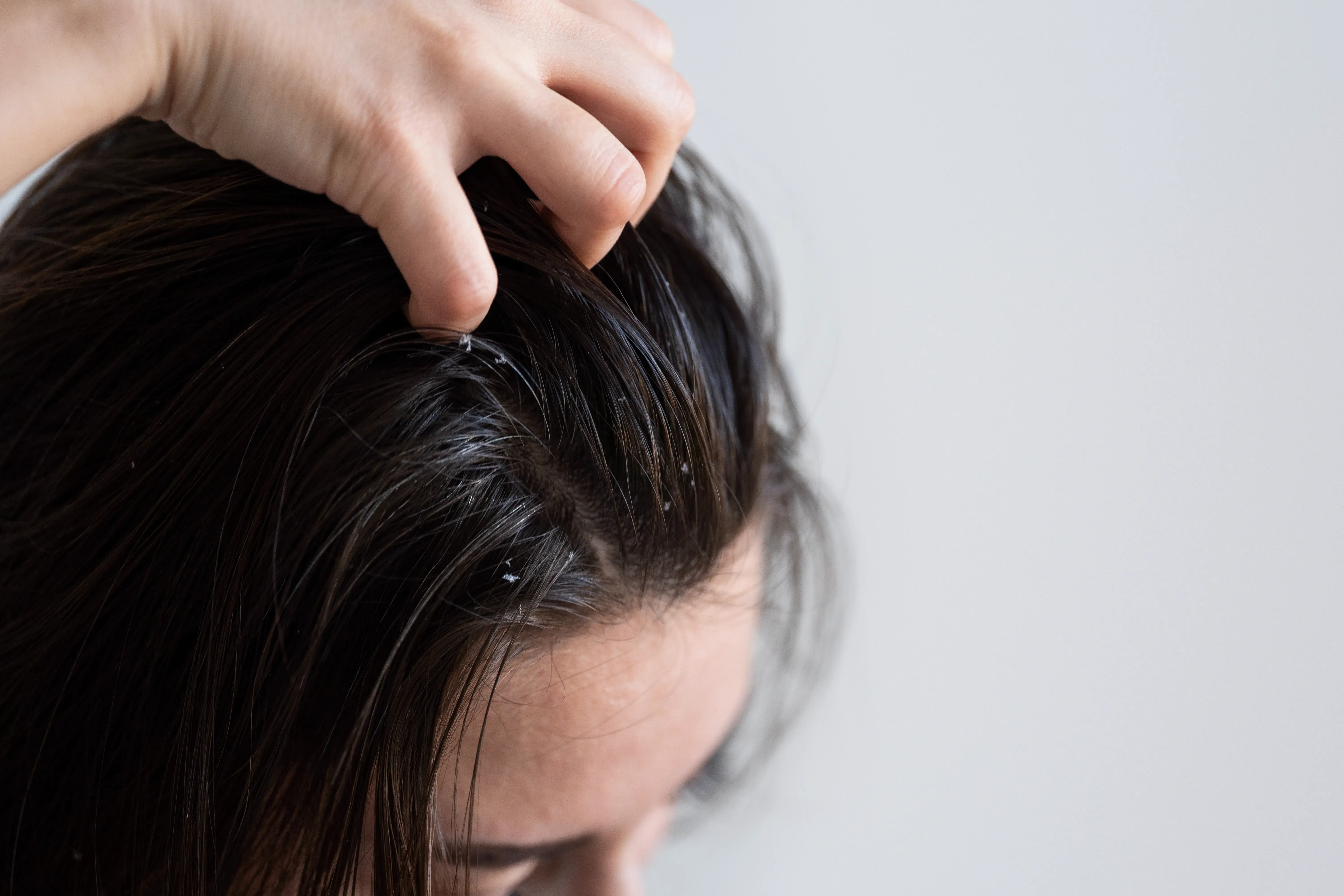
An unhealthy scalp environment can affect healthy hair growth. Excess oil, dandruff, buildup, or irritation may weaken the roots over time.
If you’re noticing scalp-related concerns alongside thinning hair, understanding whether dandruff causes hair thinning can help you identify contributing factors earlier.
Why Hair Thinning Gets Worse If Ignored
Hair thinning usually progresses gradually, and delaying care may make restoring volume more difficult later.
- Progressive Reduction in Hair Density: Over time, thinning can become more noticeable as hair strands continue to weaken.
- Weakening of Hair Follicles Over Time: Untreated scalp and hair damage may gradually affect follicle strength and hair quality.
- Increased Breakage and Scalp Visibility: Weak strands are more likely to break, making the scalp appear more visible.
- Difficulty Restoring Volume Later: Early intervention often helps improve hair strength and manage thinning more effectively before severe density loss occurs.
Addressing hair thinning early can make a significant difference in maintaining healthier hair density, improving scalp condition, and preventing long-term damage.
How to Stop Hair Thinning Early
Learning how to stop hair thinning starts with improving scalp health and reducing hair damage.
Strengthening the Scalp and Hair Roots
Healthy scalp care and nourishing therapies help support stronger hair growth and improved hair quality.
Following a Healthy Haircare Routine
Using suitable shampoos, conditioners, and haircare products can help maintain scalp balance and reduce stress on the hair.
Avoiding Excessive Heat and Harsh Chemicals
Limiting excessive styling, colouring, and harsh treatments helps reduce damage and breakage.
Choosing Professional Hair Repair Services
Professional hair strengthening and repair therapies can help improve hydration, reduce breakage, and support healthier-looking hair.
Best Professional Salon Services for Healthier Hair
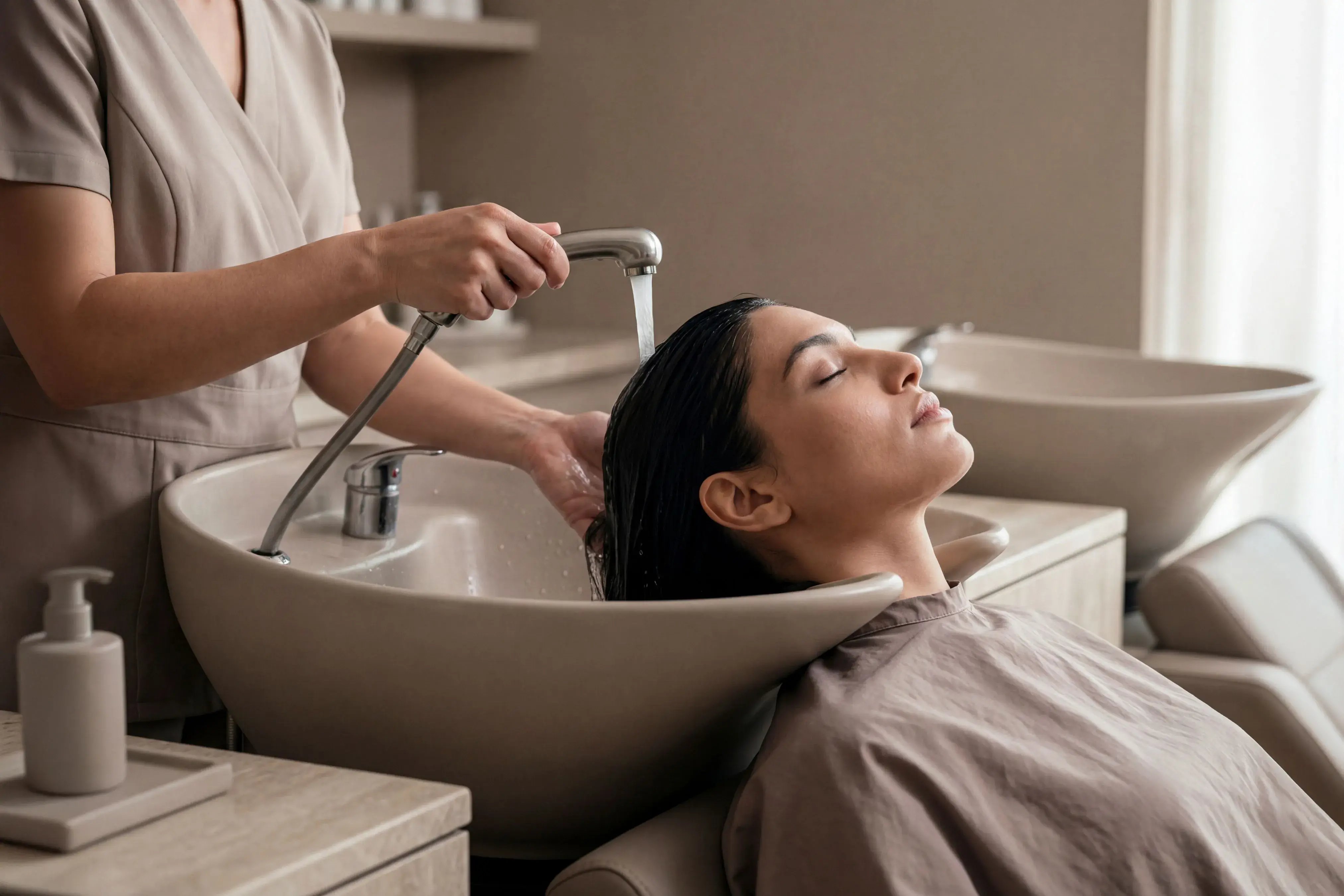 Professional salon hair therapies can help improve scalp health, strengthen weak strands, reduce breakage, and support healthier-looking, more manageable hair over time.
Root Deep Anti-Hair Loss Therapy
The Root Deep Anti-Hair Loss Therapy is designed to support weakened hair roots and improve overall scalp nourishment. Enriched with plant peptides, essential vitamins, and nourishing oils, this therapy helps strengthen fragile strands while reducing visible hair fall caused by stress, damage, or poor scalp health.
Reborn Hair and Scalp Therapy
The Reborn therapy by System Professional focuses on deep nourishment and scalp rejuvenation. It helps improve overall hair manageability, softness, and scalp comfort, making it beneficial for hair that feels weak, dull, or stressed over time.
Ultimate Revitalise Caviar Ritual
This treatment combines keratin, collagen, and nutrient-rich ingredients to help restore strength and vitality to dry, brittle hair. It supports smoother texture, improved softness, and healthier-looking strands that are less prone to breakage.
Plex Stand Alone Intense Treatment
Repeated colouring, heat styling, and chemical exposure can weaken hair bonds and contribute to breakage. The Plex Stand Alone Intense Treatment helps rebuild and strengthen damaged hair internally, improving resilience and overall hair condition.
OLAPLEX 4-in-1 Express Treatment
This intensive hydration and repair treatment helps fortify dry or damaged strands while improving softness and manageability. It’s particularly useful for hair weakened by styling, bleaching, or environmental stress.
Haircare Habits That Help Prevent Hair Thinning
Healthy daily habits play an important role in maintaining healthy hair and scalp.
- Gentle Cleansing and Scalp Care: Keeping the scalp clean without over-washing helps maintain a healthier scalp environment.
- Regular Conditioning and Hydration: Hydrated hair is less prone to dryness, brittleness, and breakage.
- Limiting Heat Styling and Over-Processing: Reducing excessive heat styling and harsh chemical exposure helps protect the hair structure.
- Consistent Professional Hair Maintenance: Regular trims, scalp care, and strengthening therapies can help maintain healthier hair over time.
When Should You Seek Professional Help for Hair Thinning?
You should consider professional guidance if you notice:
- Sudden increase in hair shedding
- Visible scalp or widening parting
- Hair is becoming thinner over time
- Persistent dryness or breakage
- Hair damage from repeated styling or chemical treatments
Early care can often help manage hair thinning more effectively before it worsens.
|
If your hair feels weaker, thinner, or harder to manage lately, early care can make all the difference. Discover professional hair-strengthening and scalp-care solutions at Bodycraft Nourishing Hair Spa Therapies, tailored to support healthier, fuller-looking hair. Book your appointment today. |
Can Hair Thinning Be Reversed?
In many cases, hair thinning can be improved when addressed early and managed properly.
Importance of Early Intervention
The earlier thinning of hair is identified, the better the chances of improving hair strength and reducing further damage.
Managing Damage Before Permanent Loss
Treating scalp issues, reducing breakage, and improving haircare habits can help prevent progressive thinning.
Role of Professional Hair Strengthening Services
Professional hair therapies focused on scalp nourishment, hydration, and damaged hair repair can support healthier, fuller-looking hair over time.
Stronger Hair Starts with Early Care
Hair thinning often starts slowly with signs like extra shedding, reduced volume, weaker strands, or a more visible scalp. And while these changes can seem minor at first, ignoring them may make the thinning more noticeable over time.
Understanding the possible causes behind thinning hair and improving your scalp and haircare routine early can help support healthier, stronger-looking hair. From reducing styling damage to choosing professional strengthening services, the right care can make a big difference before the thinning progresses further.
FAQs
1. What are the early signs of hair thinning?
Common early signs include increased hair shedding, visible scalp, wider parting, reduced volume, weaker strands, and thinning around the crown or hairline.
2. What causes hair thinning?
Hair thinning causes can include stress, hormonal changes, nutritional deficiencies, scalp health issues, excessive styling, chemical treatments, and environmental damage.
3. How can I stop hair thinning?
Improving scalp health, following a healthy haircare routine, reducing heat styling, and choosing professional hair strengthening therapies can help manage hair thinning early.
4. Can damaged hair lead to thinning?
Yes, excessive heat styling, colouring, bleaching, and chemical treatments can weaken hair strands and contribute to breakage and thinning.
5. When should I seek treatment for hair thinning?
You should seek professional guidance if you notice sudden hair shedding, scalp visibility, thinning over time, or persistent hair weakness and breakage.
Get in touch

A little game. A big surprise!
Pull the slot machine lever to reveal your exclusive Bodycraft reward
A little game. A big surprise!
Pull the slot machine lever to reveal your exclusive Bodycraft reward