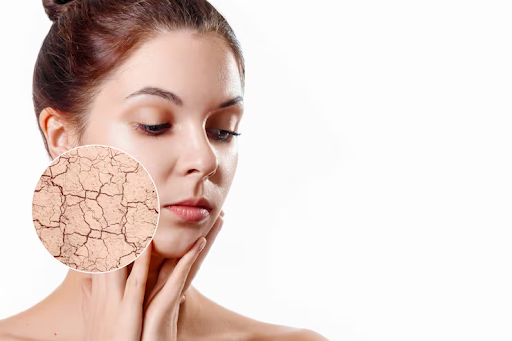
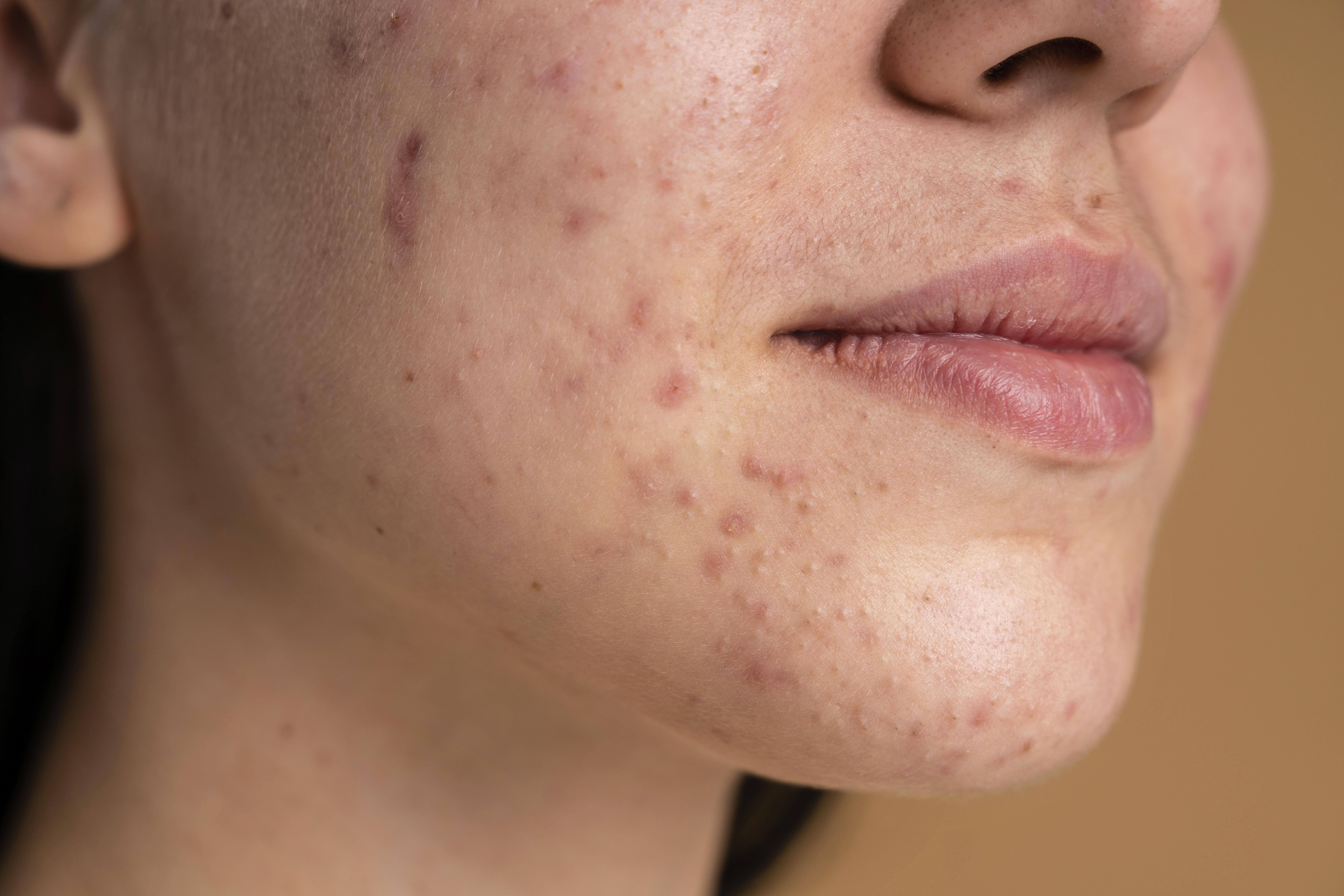
You leave a facial expecting glowing skin, and two days later your face looks worse, not better. Before you panic or write off the treatment, it's worth knowing that skin purging vs breakout after a facial is one of the most misunderstood distinctions in skincare, and getting it wrong can mean quitting on something that was working, or sticking with something that wasn't.
What Skin Purging Actually Is
Skin purging is a specific, well-defined reaction. It happens when an active ingredient speeds up your skin's natural cell turnover, pushing existing microcomedones (tiny, invisible clogs already forming under the surface) up and out faster than they normally would. It's not your skin “detoxing” in a vague sense, it's a mechanical acceleration of something that was already going to happen eventually.
|
Did You Know?
Purging is only linked to a specific group of ingredients: retinoids, AHAs, BHAs , and some vitamin C or peptide formulations that boost cell turnover. A gentle moisturiser or basic hydrating serum, by contrast, has no mechanism to cause purging at all. If a breakout follows a product with none of these actives, purging isn't the likely explanation.
|
What Counts as a Regular Breakout
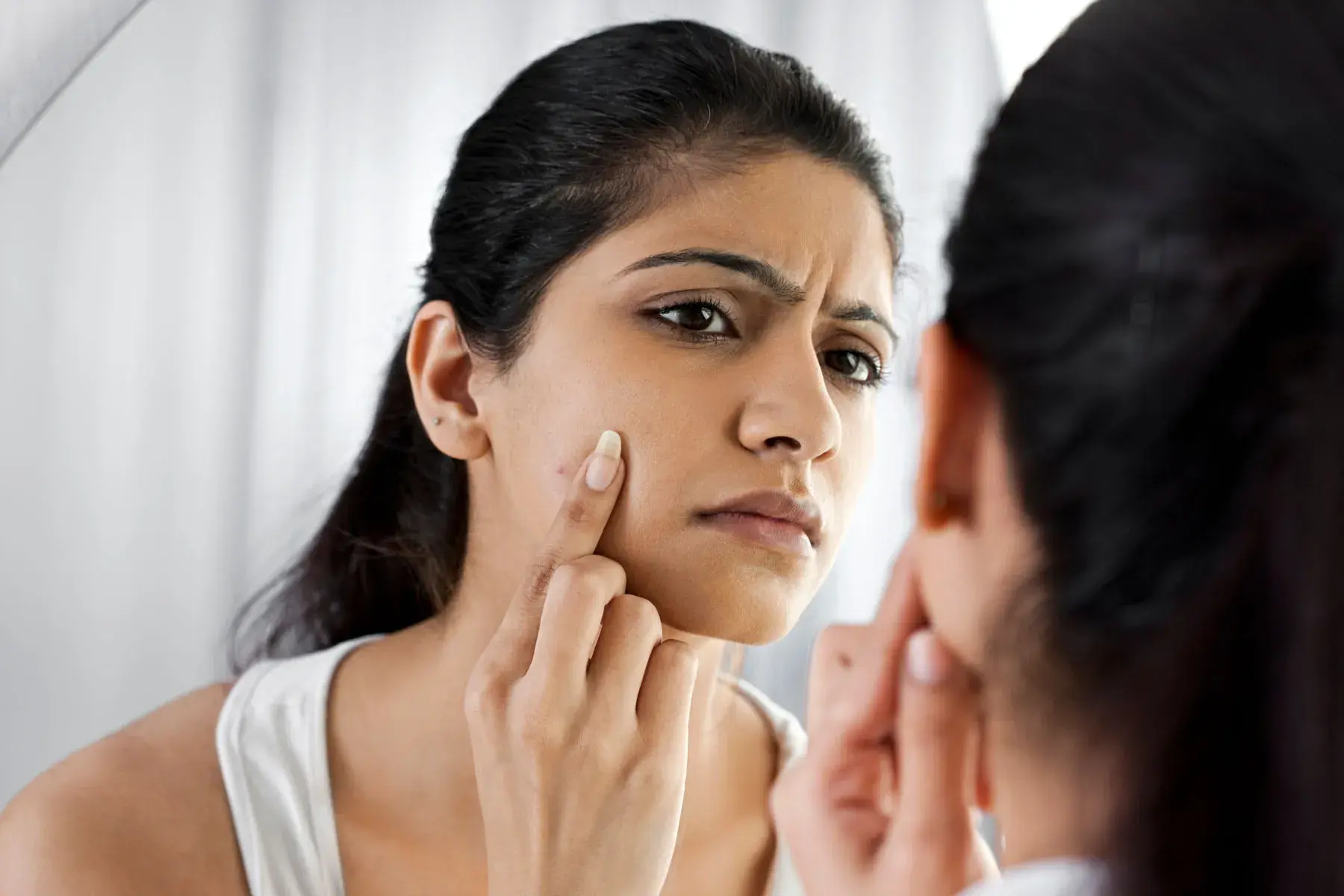
A breakout, in contrast, happens when something irritates your skin, clogs a pore that wasn't already congested, or triggers inflammation, whether that's a new comedogenic product, hormonal shifts, stress, or other factors. It isn't your skin working through an existing backlog. It's a new problem starting.
Purging vs. Breakout: The Key Differences
|
Factor
|
Skin Purging
|
Regular Breakout
|
|
Trigger
|
A new active that speeds cell turnover (retinoid, AHA, BHA)
|
A comedogenic, irritating, or unsuitable product, or an unrelated cause
|
|
Location
|
Your usual breakout-prone areas
|
Can appear in new areas you don't normally break out
|
|
Timeline
|
Improves within 2 to 6 weeks
|
Persists or worsens without a change in routine
|
|
What it looks like
|
Smaller whiteheads and blackheads, faster turnover
|
Can range from mild bumps to inflamed, painful spots
|
|
What helps
|
Sticking with the product, keeping skin calm
|
Stopping the product or treatment and reassessing
|
The Detail Most People Miss About Facials Specifically
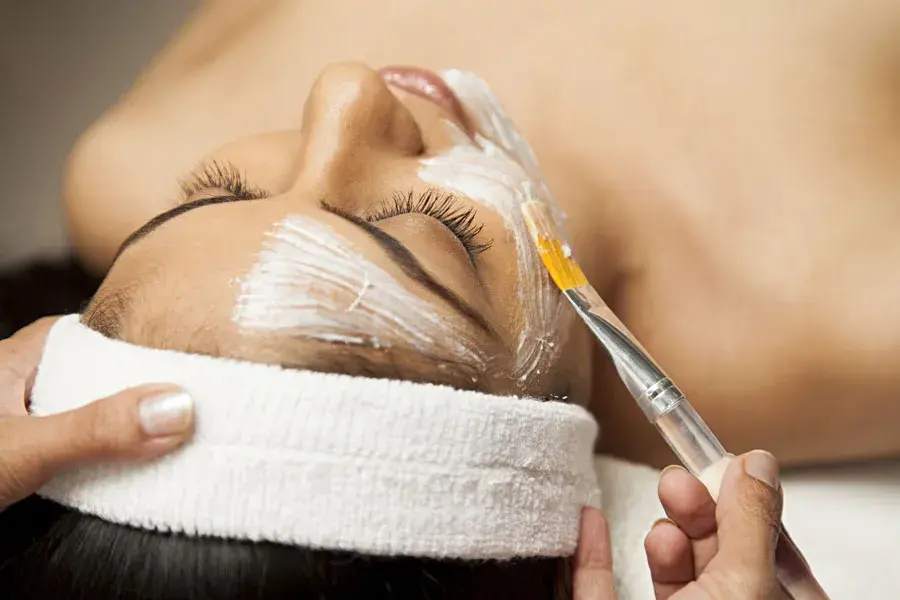
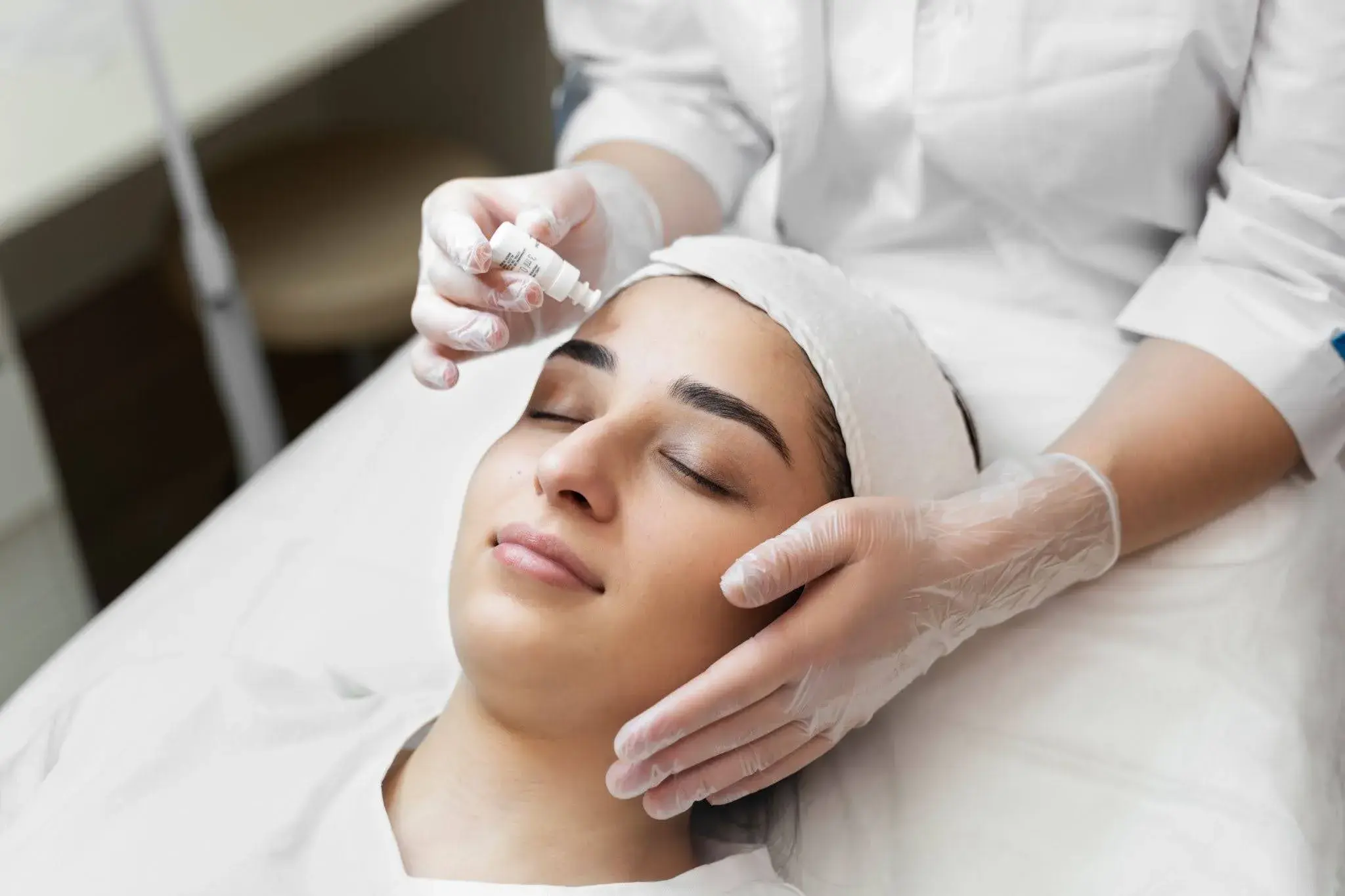
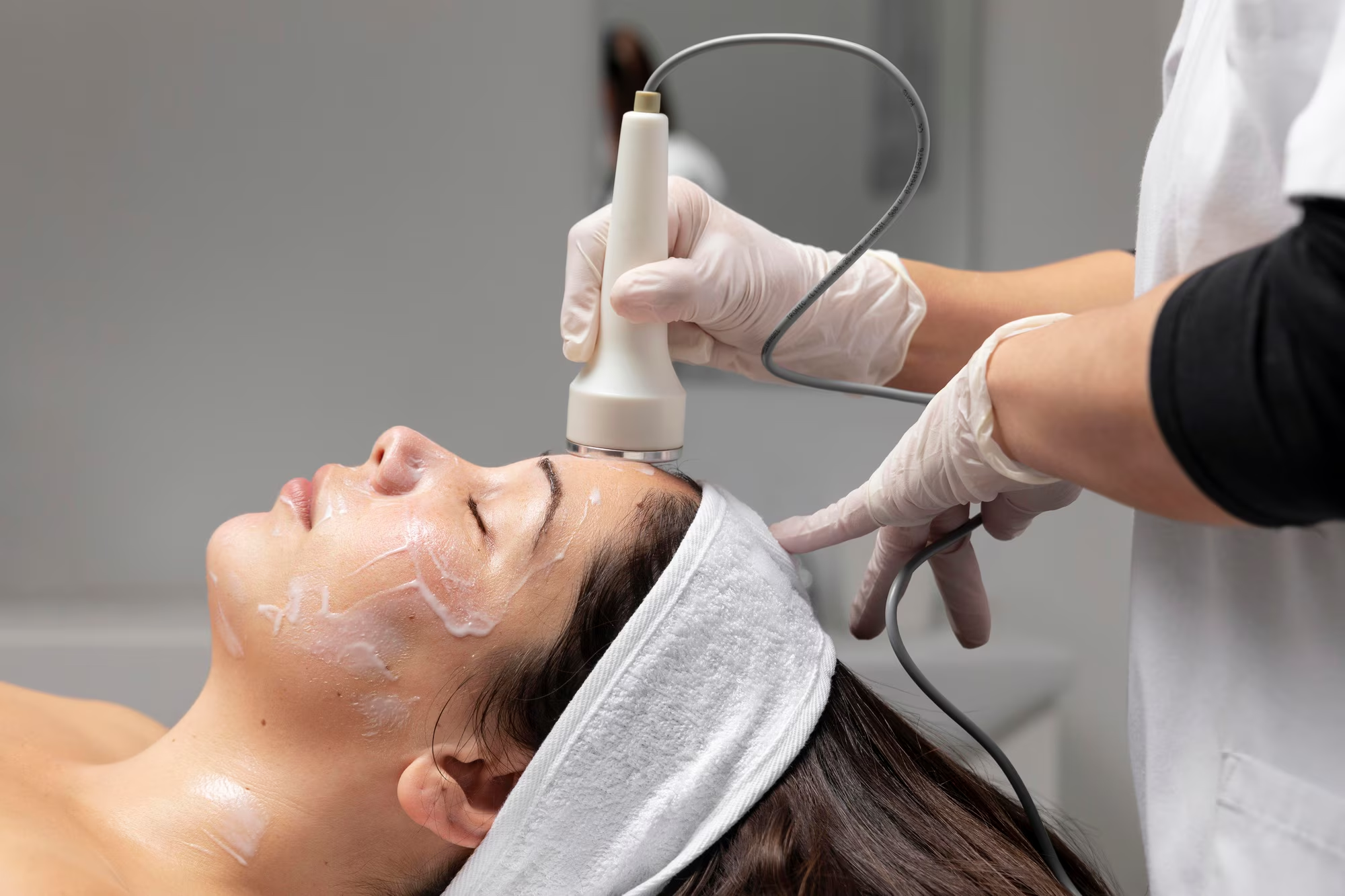
Here's the part that trips people up: purging technically only applies to active ingredients that accelerate cell turnover, not to facials in general. If your facial was a basic hydrating or cleansing treatment with no retinoid, acid peel, or exfoliating active involved, what follows probably isn't purging.
It's more likely a reaction to a specific product used during the service, extraction trauma, or an occlusive mask that temporarily clogged pores.
Calling every post-facial breakout “purging” is a common shortcut, but it isn't always accurate, and it can lead to waiting out a reaction that actually needed different aftercare.
Facials that do involve a genuine active, like a peel with glycolic or salicylic acid, or a retinol-based treatment, can trigger true purging. A simple hydration or brightening facial with no exfoliating active generally shouldn't.
Signs It's Likely a Breakout, Not a Purge
● No new active ingredient or exfoliating treatment was involved.
● Breakouts are showing up in areas you don't normally get spots.
● It's getting worse rather than settling after two to three weeks.
● Spots are unusually painful, deep, or accompanied by swelling.
● You changed multiple products or treatments at once, making it hard to isolate a cause.
What to Do If You Think You're Purging
● Keep your routine simple and give a new acne treatment time to work. Improvement can take several weeks, but stop and seek professional advice if your skin becomes significantly irritated.
● Avoid layering multiple new actives at once.
● Don't pick at spots. This turns a temporary purge into scarring or prolonged irritation.
● Use sun protection, since actively turning-over skin is more reactive to UV exposure.
● Watch for burning, excessive peeling, or worsening symptoms; these mean it's time to stop, not push through.
When to See a Dermatologist
If breakouts continue well past four weeks, show up in new areas, or come with pain, swelling, or spreading irritation, it's worth a professional assessment rather than waiting it out further. At Bodycraft Clinic, our certified dermatologists can look at what's actually happening on your skin, and whether it calls for a change in products, a different facial approach, or a targeted treatment plan.
FAQs
Can a hydrating facial with no actives cause purging?
Not in the clinical sense. Purging specifically involves ingredients like retinoids, AHAs, or BHAs. A reaction after a purely hydrating facial is more likely a product sensitivity or occlusion issue.
How long should purging last before I get concerned?
Most dermatologists consider two to six weeks a reasonable window. If it continues well beyond that or is getting worse, it's more likely a breakout or reaction.
Does purging always happen in the same spots I normally break out?
Yes, generally. Purging tends to show up where you're already prone to congestion, since it's speeding up something already forming there. New areas suggest a breakout instead.
Should I stop using a product the moment I see new spots?
Not immediately, unless you're seeing burning, severe peeling, or worsening symptoms. If it's a known purging-prone ingredient, give it a few weeks before deciding.
Can extractions during a facial cause breakouts afterward?
Yes. Extraction trauma or a mask left on too long can trigger a short-term breakout that has nothing to do with purging.
Is purging a sign the product is “working”?
It can be, since it means an active is genuinely accelerating turnover. That said, purging isn't required for a product to be effective, plenty of good actives cause little to no visible purging.
What ingredients are least likely to cause purging?
Basic moisturisers, gentle cleansers, hyaluronic acid, and most antioxidant serums without exfoliating acids typically don't cause purging.
Can I tell the difference myself, or do I need a dermatologist?
The timeline and location clues above help most people make a reasonable guess. If you're genuinely unsure or the reaction is severe, a dermatologist can assess it directly rather than leaving you to guess.
Explore More Articles:






.png)



.png)
.png)


-1.png)




-1.png)
-3.png)





.png)





-Aug-02-2026-05-23-10-1368-PM.png)




.webp)
-1.webp)
.webp)
-Jul-07-2026-12-19-56-1023-PM.webp)







-Jun-01-2026-02-54-50-5351-PM.png)
-Jun-01-2026-02-45-39-8016-PM.png)

-May-29-2026-03-30-08-6855-PM.png)


-1.webp)

-3.webp)





.webp)
.webp)
-1.webp)

.webp)