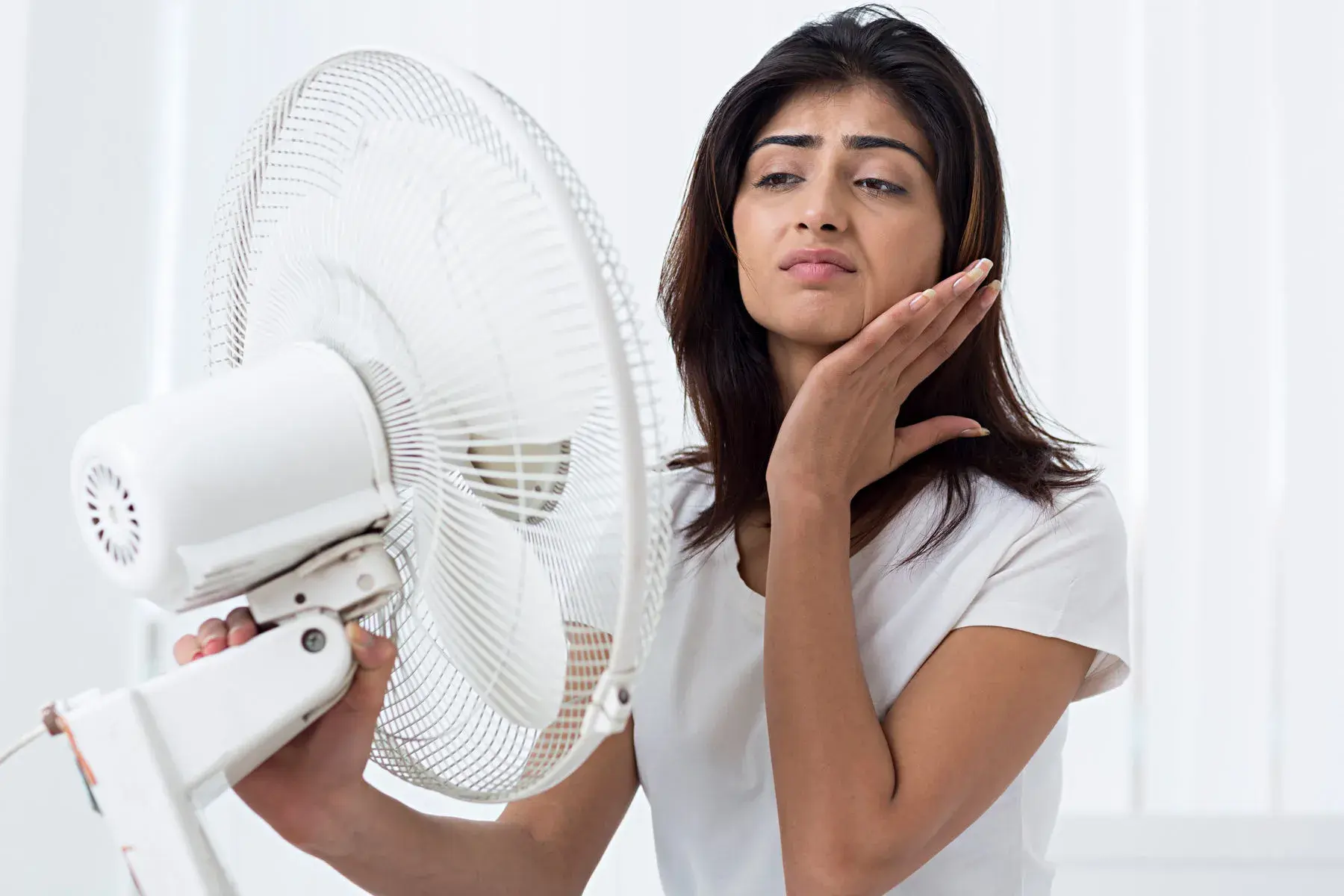
The monsoon season brings welcome relief from the heat, but for most hair types, it also brings one persistent problem: frizz. If your hair puffs up, loses its shape, and becomes difficult to manage the moment humidity rises, you are not alone. Understanding why this happens and how to address it properly makes all the difference between a good hair day and a frustrating one.
Why Does Hair Become Frizzy in Monsoon?
Frizz is not simply a styling problem. It is a structural one. Each strand of hair is covered in a cuticle layer made up of overlapping scales. When humidity is high, moisture from the air penetrates the hair shaft unevenly, causing the cuticle to lift and swell. This is what creates that rough, expanded appearance we recognise as frizz.
During monsoon, the air is consistently laden with moisture. Even hair that behaves well in dry conditions will react to this shift. Hair that is already dry, chemically treated, or naturally coarse tends to absorb atmospheric moisture more aggressively, making frizz significantly worse.
Common Causes of Frizzy Hair in Monsoon
Frizzy Hair in Monsoon is caused by many reasons. It is important to recognize that and find a solution that fits you and your hair type.
Lack of Moisture in the Hair Shaft
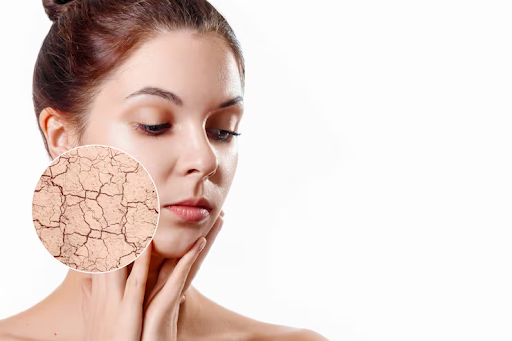
It may seem counterintuitive, but frizzy hair is often dehydrated hair. When the hair shaft lacks adequate internal moisture, it draws water from the surrounding air in an attempt to compensate. This causes swelling and an uneven cuticle surface. Regular conditioning and moisture-sealing treatments are essential to prevent this cycle.
Damaged or Lifted Cuticles
Heat styling, chemical treatments, colour, and over-washing all compromise the cuticle layer over time. Damaged cuticles cannot lie flat, which means humidity affects them far more severely. In monsoon, this damage becomes far more visible.
Hard Water and Product Buildup
Many households in India receive hard water, which leaves mineral deposits on the hair shaft. Combined with product buildup from serums, dry shampoos, and stylers, this creates a coating that disrupts moisture balance and worsens frizz during humid months.
Overwashing and Stripping Natural Oils
Washing hair too frequently, particularly with sulphate-heavy shampoos, strips the scalp and hair of their natural oils. Without this protective layer, hair becomes more porous and far more reactive to humidity.
Frizzy Hair Remedies That Actually Work
Getting frizz under control during monsoon requires a consistent, layered approach rather than a single quick fix. The most effective frizzy hair remedy is rarely one product or one step; it is a combination of targeted treatments applied regularly.
Deep Conditioning Treatments
A weekly deep conditioning treatment is one of the most effective frizzy hair remedies available. Look for masks containing shea butter, argan oil, ceramides, or hyaluronic acid. These ingredients work inside the hair shaft to restore moisture and help the cuticle lie flat. Apply to clean, damp hair, leave for 20 to 30 minutes, and rinse thoroughly with cool water. Cool water helps seal the cuticle, reducing frizz immediately after washing.
Hair Oiling Before Washing
Applying oil to the hair 30 minutes to an hour before shampooing acts as a protective barrier, preventing the shampoo from stripping too much moisture. Coconut oil, argan oil, and sweet almond oil are particularly effective. For very frizzy or coarse hair, overnight oiling once a week can produce noticeable results within a few weeks.
Protein Treatments for Structural Repair
If your hair is chemically treated or heavily damaged, a protein treatment helps rebuild the hair shaft and restore strength to the cuticle. These treatments should not be used too frequently as over-proteinised hair becomes brittle, but once a month during monsoon can significantly reduce frizz and breakage.
Monsoon Haircare Routine to Follow
A structured monsoon haircare routine does not need to be complicated, but it does need to be consistent.
-
Cleansing: Switch to a sulphate-free, moisturising shampoo. Wash hair two to three times a week rather than daily. If your scalp becomes oily quickly, focus the shampoo on the roots only and let the lather rinse through the lengths.
- Conditioning: Never skip conditioner during monsoon. Apply from mid-length to ends after every wash. Use a wide-tooth comb to distribute it evenly. For extra frizz control, leave it on for a few minutes before rinsing.
- Drying: Avoid rubbing hair with a towel. Squeeze out excess water gently and allow hair to air dry where possible. If you use a blow dryer, always attach a diffuser and use the cool setting. High heat during monsoon adds unnecessary stress to already reactive hair.
- Styling: Apply a lightweight anti-humidity serum or leave-in conditioner to damp hair before styling. These products coat the cuticle and create a barrier against atmospheric moisture. Avoid heavy products that weigh hair down or cause buildup.
Professional Hair Treatments for Frizzy Hair
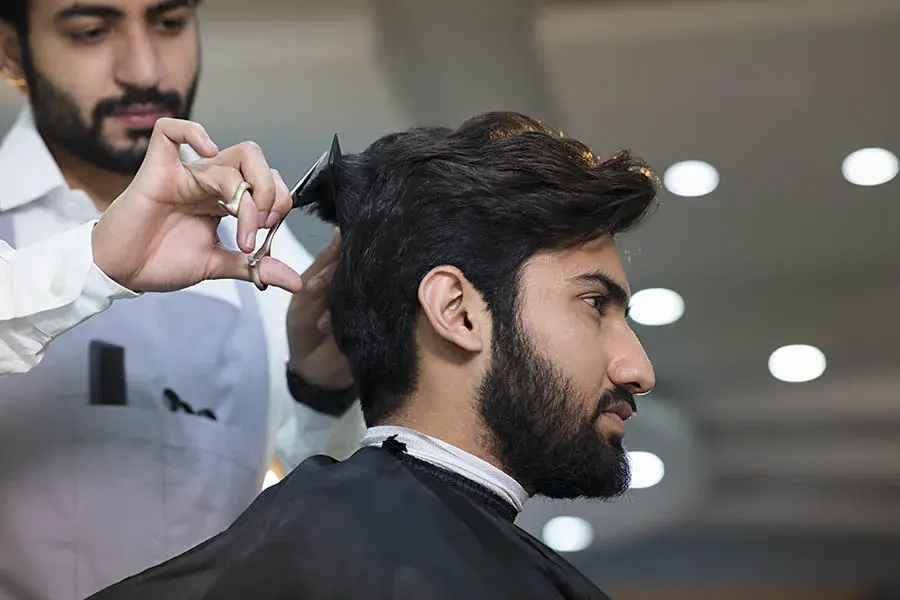
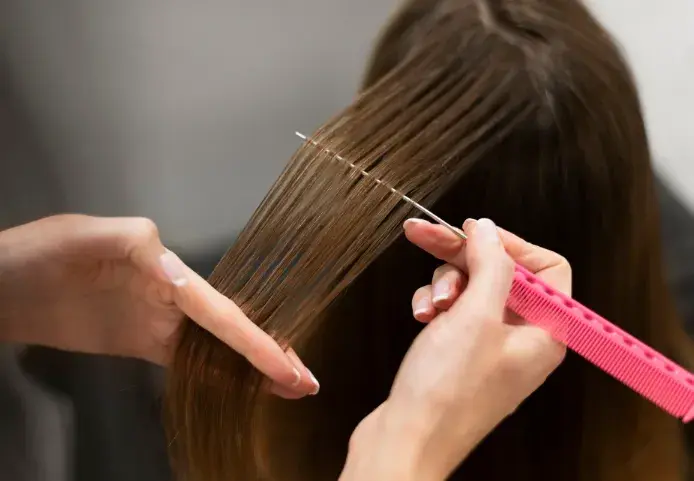
For persistent frizz that does not respond to at-home care, a professional frizzy hair treatment offers more targeted solutions than anything available over the counter.
-
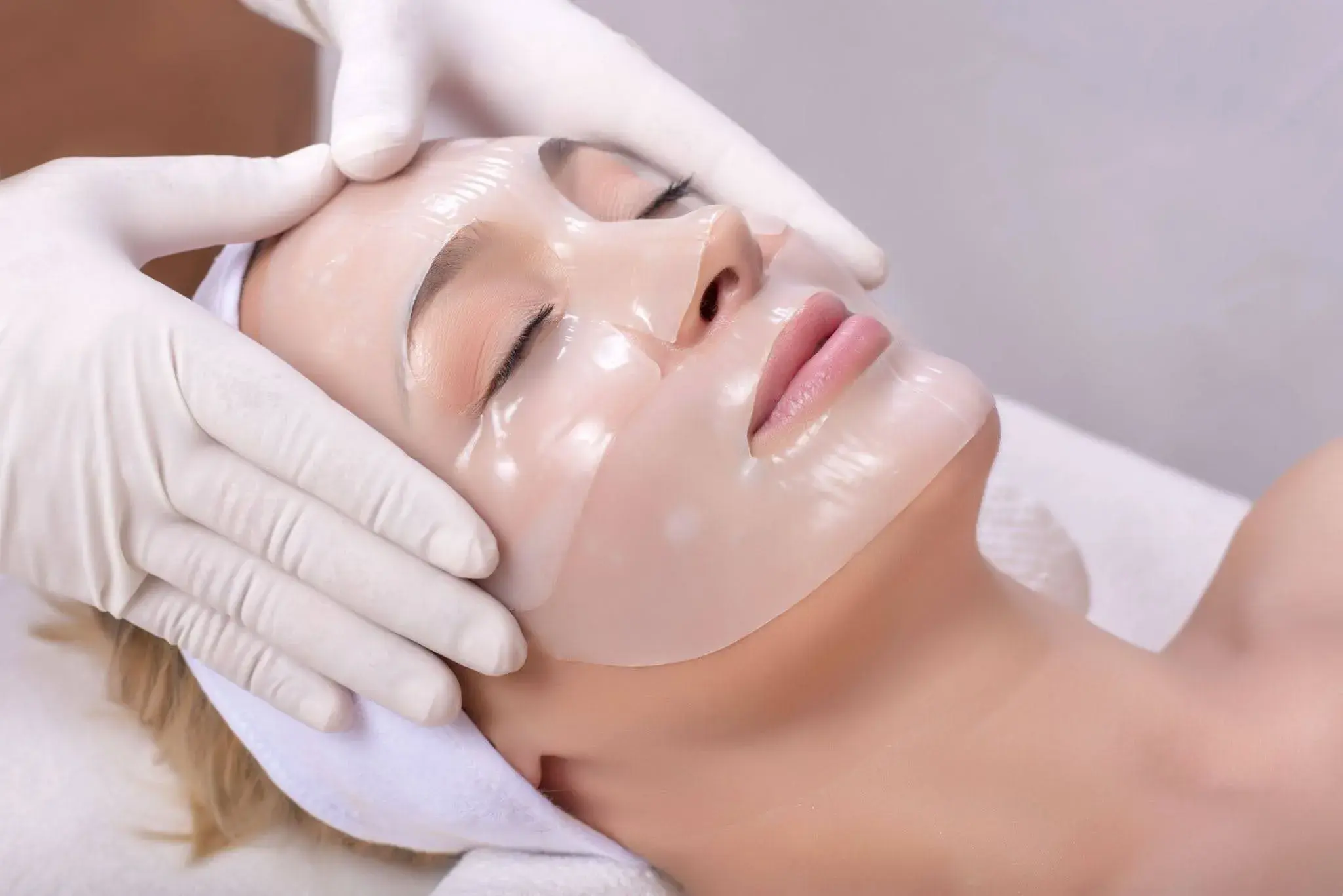
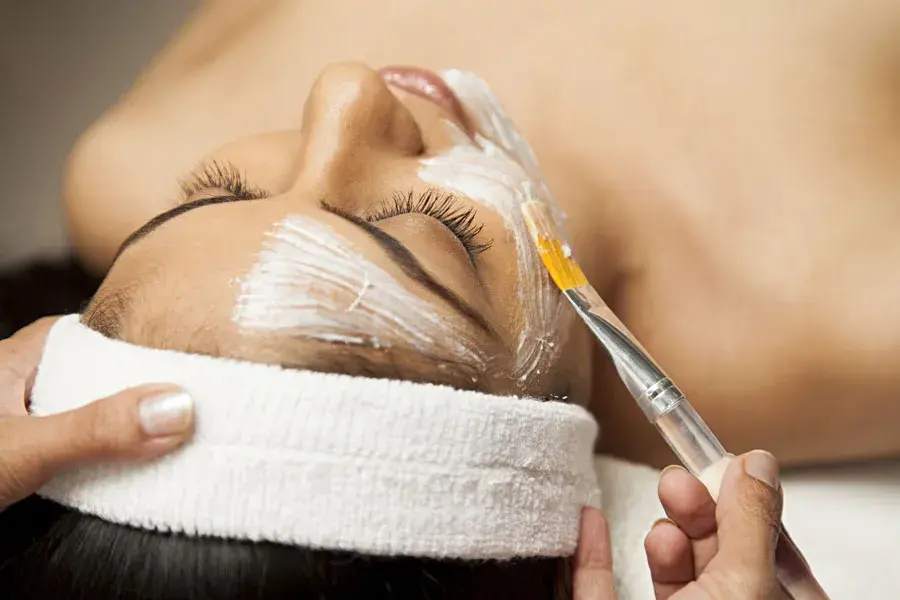
Smoothing and Anti-Frizz Treatments: Keratin and similar smoothing treatments work by temporarily bonding to the hair shaft and filling in gaps in the cuticle. They significantly reduce frizz and make hair easier to manage for several months. These are particularly effective for naturally coarse or very curly hair that becomes unmanageable in humidity.
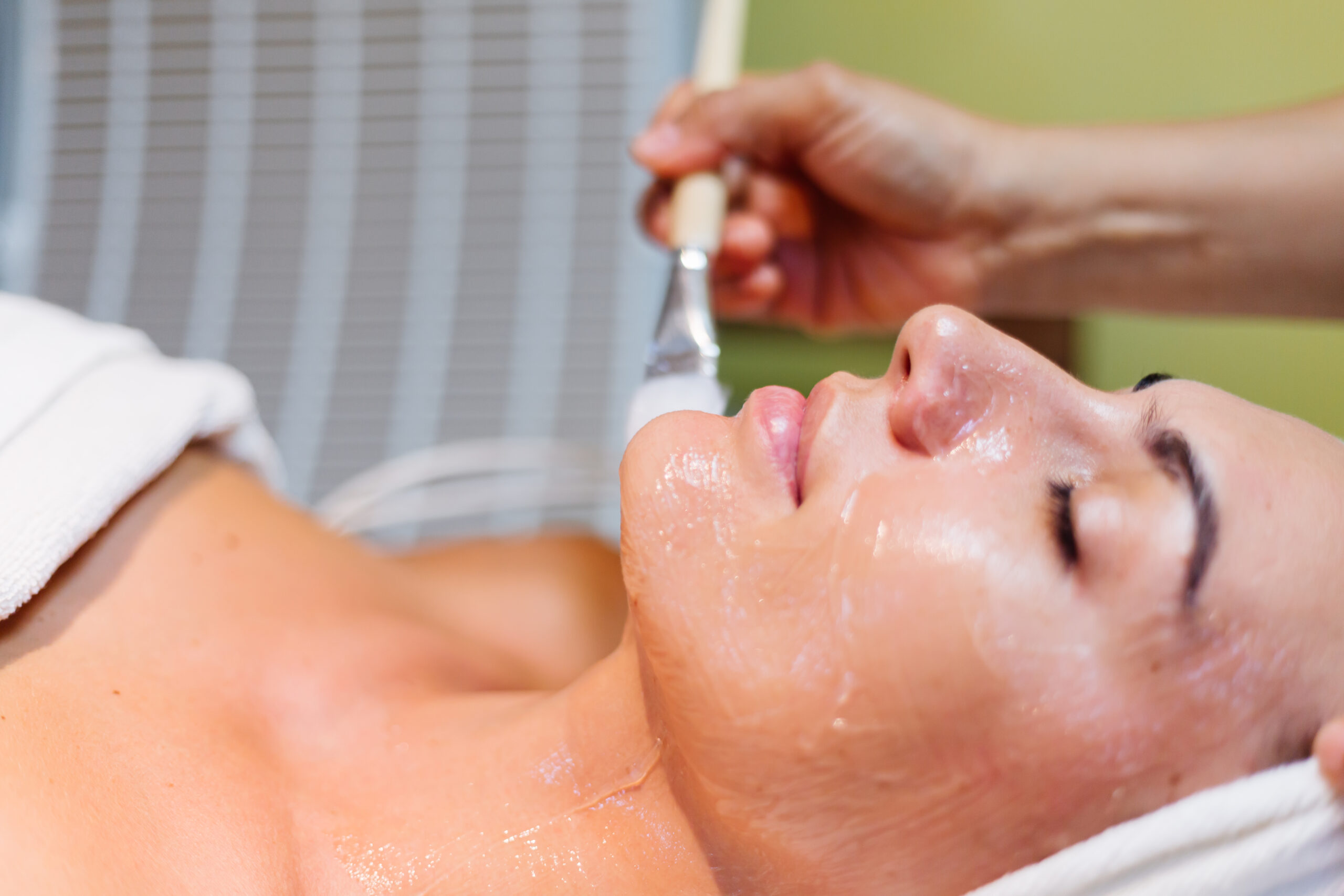
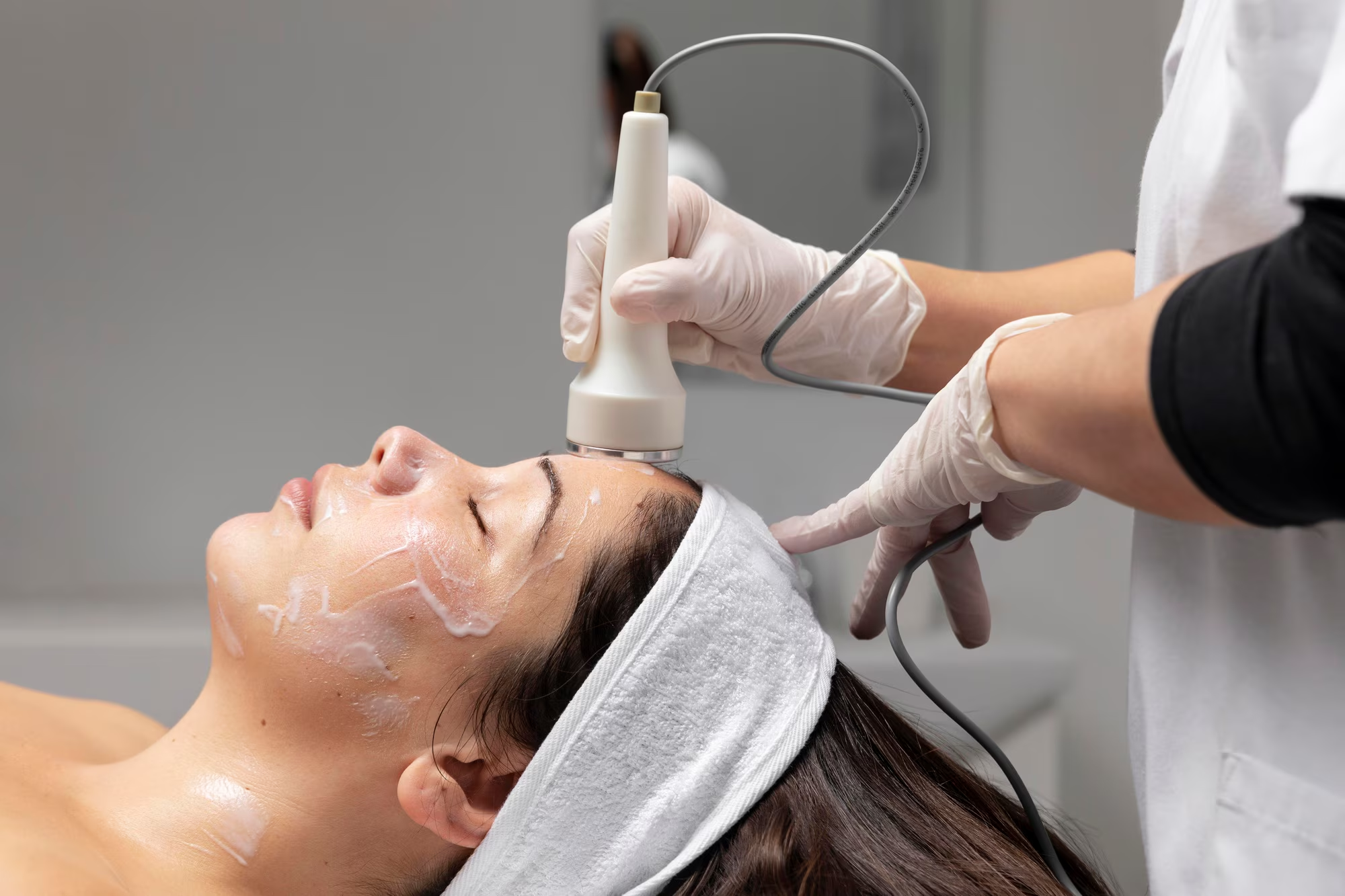
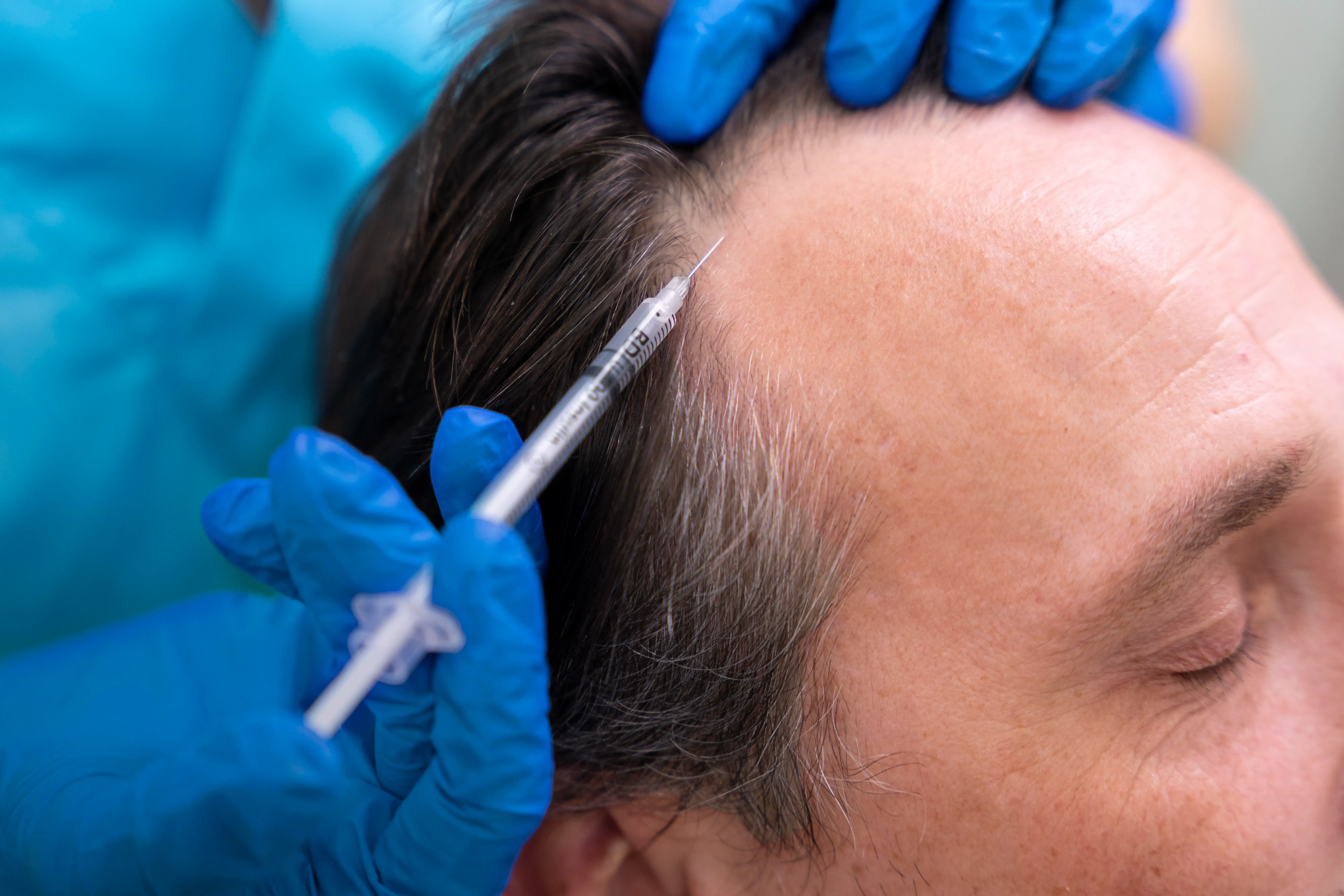
- Hydration Infusion Treatments: Salon-grade hydrating treatments deliver intensive moisture directly into the hair cortex using steam or heat activation. These differ from at-home masks in that they work at a deeper structural level and produce longer-lasting results.
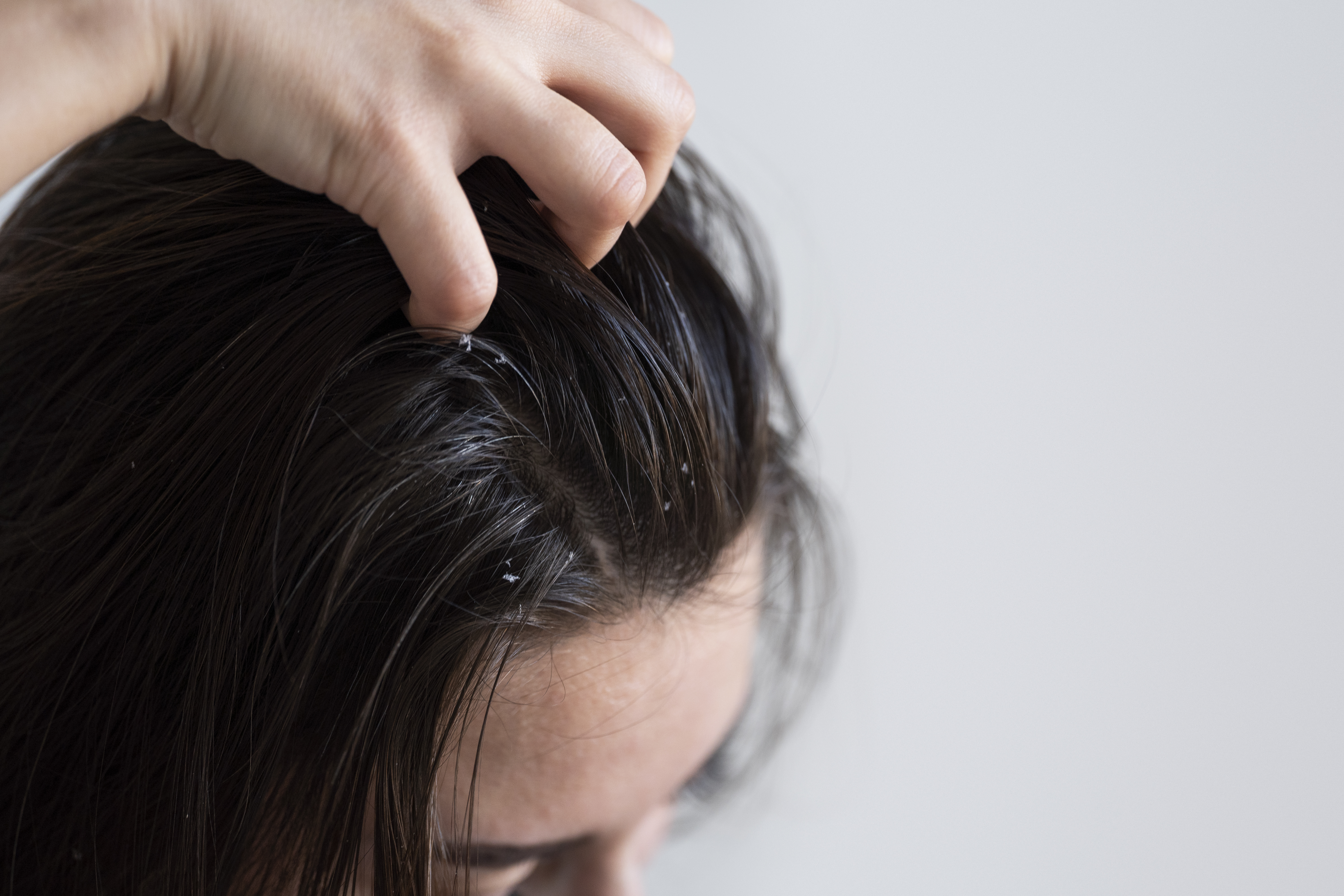
- Scalp Treatments: Frizz is also influenced by scalp health. If the scalp is producing too much or too little oil, it affects the condition of the hair from root to tip. A professional scalp treatment during monsoon can rebalance oil production and improve overall hair behaviour.
What to Avoid During Monsoon
Knowing what to avoid is just as important as knowing what to do.
- Avoid tying wet hair tightly. Wet hair is more elastic and prone to breakage, and tying it creates tension that weakens strands and disrupts the cuticle.
- Avoid heat styling as much as possible during the monsoon months, as heat applied to humid hair tends to produce inconsistent results and accelerates damage.
- Avoid silicone-heavy products if you are not shampooing regularly, as they build up quickly and create a film that traps moisture unevenly.
When to See a Hair Professional
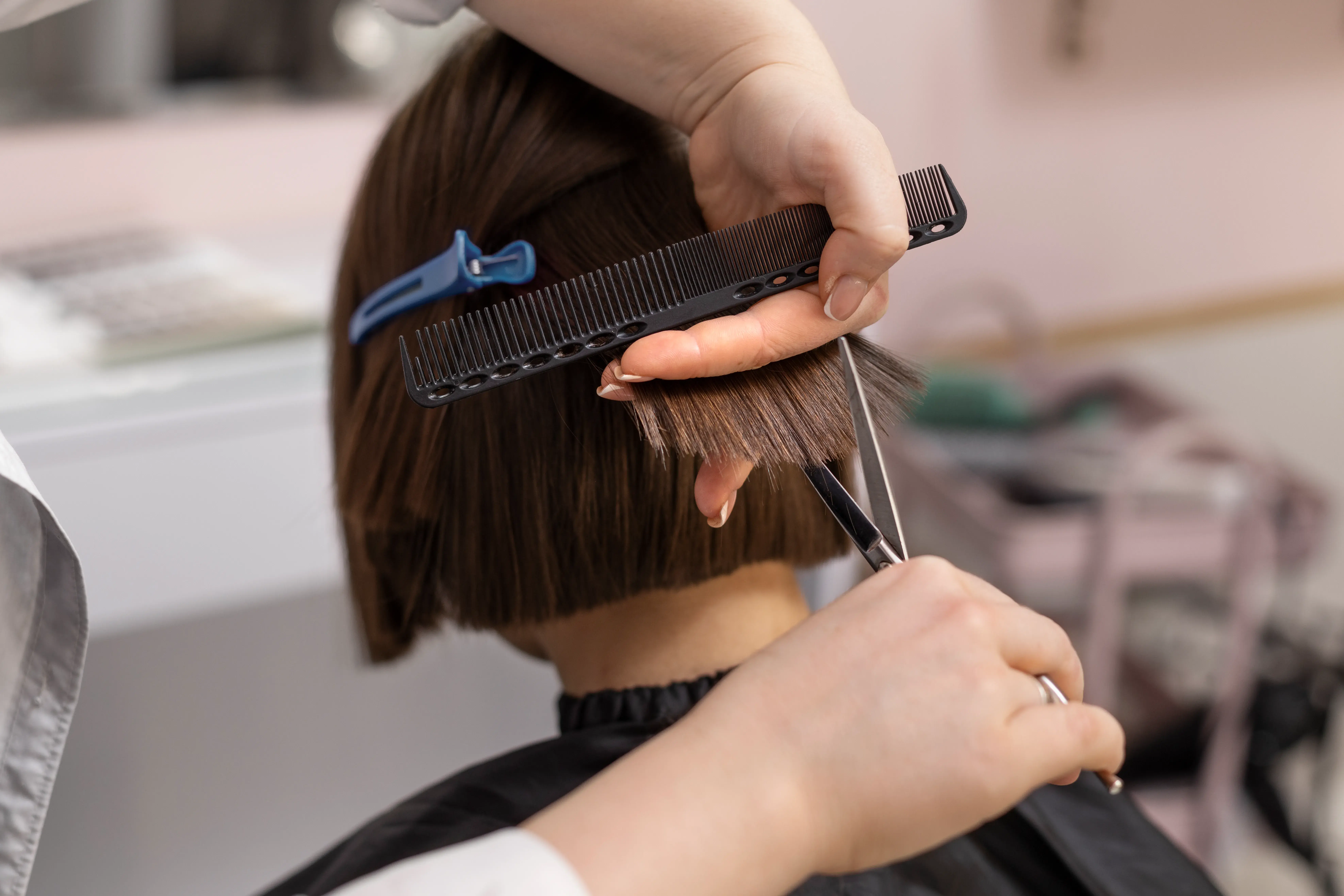
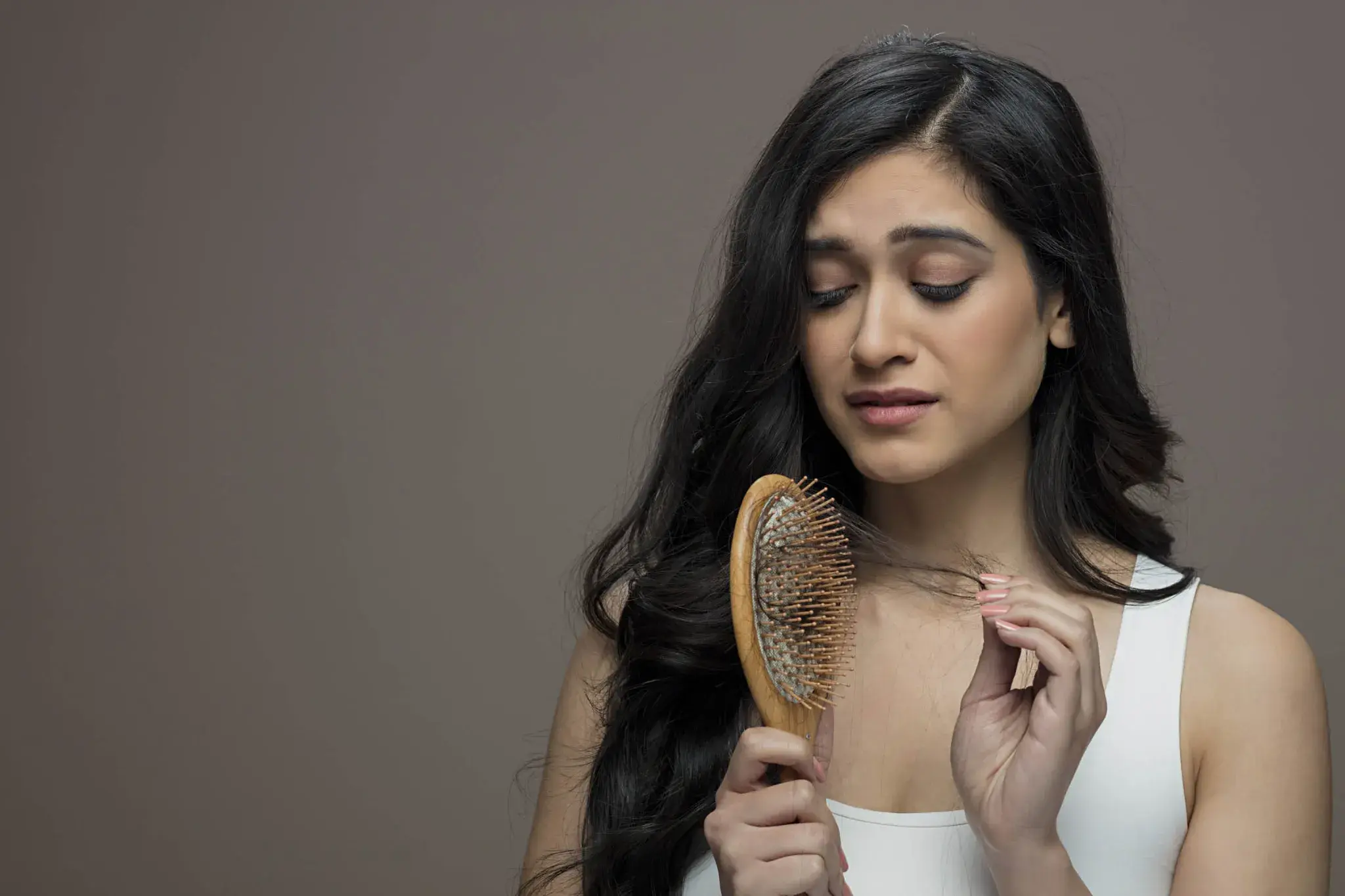
If frizz is accompanied by significant breakage, hair fall, scalp irritation, or dullness that does not respond to conditioning, it is worth consulting a hair professional. These signs often indicate underlying damage or scalp concerns that need targeted treatment rather than general haircare adjustments. A professional assessment will identify whether your hair needs structural repair, moisture restoration, or a change in routine, and recommend the right hair treatment for frizzy hair based on your specific hair type and condition.
Monsoon does not have to mean months of bad hair days. With the right remedies, a consistent routine, and professional support where needed, frizz can be managed effectively all season long.






.png)


-1.png)




-1.png)
-3.png)




.png)





-Aug-02-2026-05-23-10-1368-PM.png)



.webp)
-1.webp)
.webp)
-Jul-07-2026-12-19-56-1023-PM.webp)








-Jun-01-2026-02-54-50-5351-PM.png)
-Jun-01-2026-02-45-39-8016-PM.png)

-May-29-2026-03-30-08-6855-PM.png)



-3.webp)







.webp)
.webp)


-1.webp)
.webp)
.webp)
.webp)

-1.webp)