If you've ever booked a waxing appointment only to find yourself planning the next one a few weeks later, you've probably wondered whether there is a longer-term solution.
Laser hair removal is often presented as a way to reduce unwanted hair, minimise shaving and waxing, and enjoy smoother skin for longer. But does it actually get rid of hair permanently?
The short answer is that laser hair removal offers long-term hair reduction, but it does not guarantee that every treated hair will be gone forever. Results vary depending on factors such as your hair type, skin tone, treatment area and hormonal influences.
Here's what you should know before deciding whether laser hair reduction is right for you.
Is Laser Hair Removal Really Permanent?
Not necessarily in the way most people imagine.
Laser hair removal works by damaging hair follicles to reduce their ability to produce hair. After a recommended course of sessions, many people experience a significant reduction in hair growth. Any hair that returns may be finer, lighter or less noticeable than before.
However, some follicles may continue producing hair, and new growth can develop over time. Occasional maintenance sessions may be needed to maintain the results.
This is why the term laser hair reduction is often more accurate than promising completely permanent hair removal.
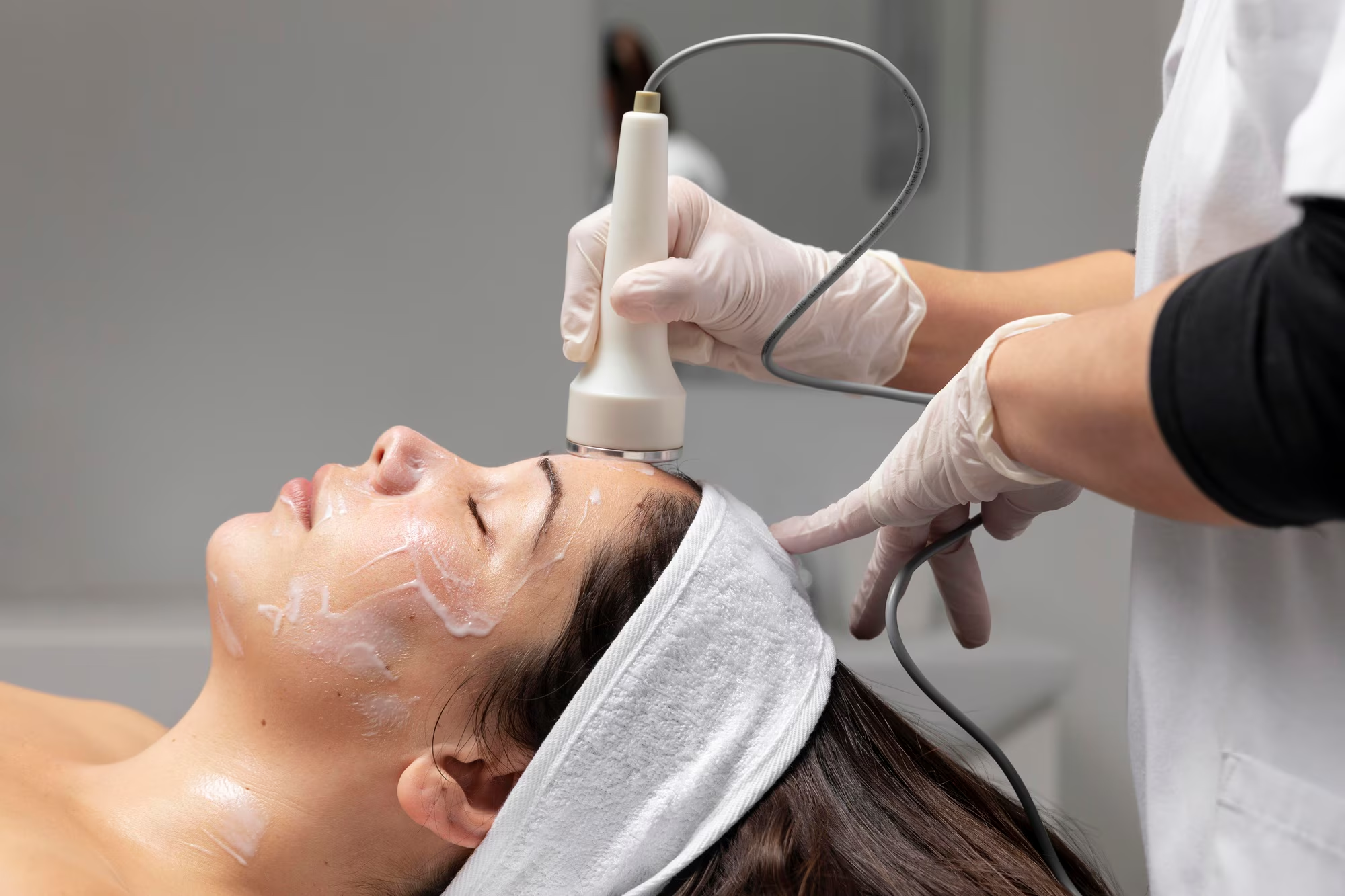
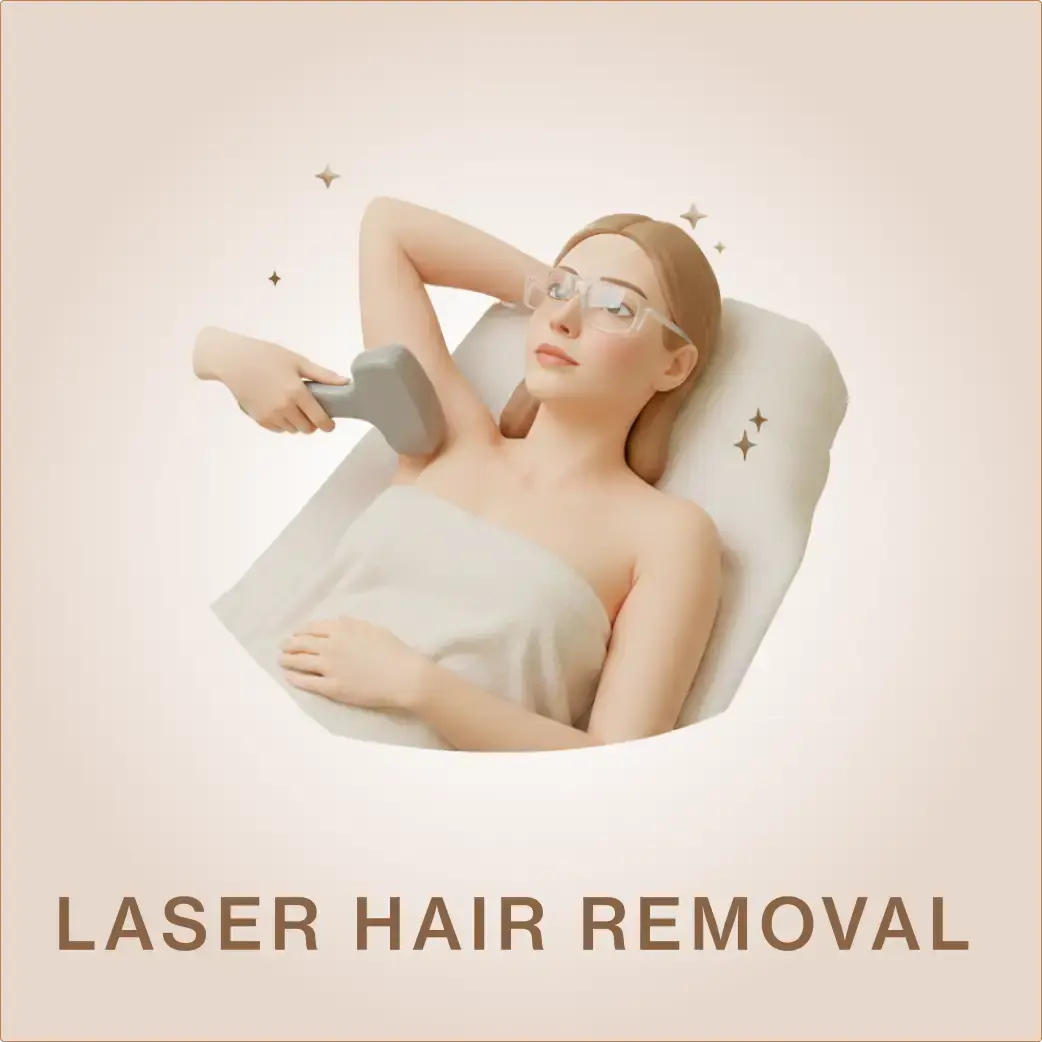
At Bodycraft, Laser Hair Reduction uses diode laser technology with Soprano Ice™ cooling. The treatment is designed to reduce unwanted hair over a series of sessions, with the plan tailored to individual skin and hair characteristics.
Explore Laser Hair Reduction at Bodycraft to learn more about the procedure and available treatment areas.
|
Doctor's Note
Laser hair reduction should be approached as a long-term reduction in hair growth, rather than a guarantee of permanent hair removal. The extent and duration of the results depend on individual factors, and some people may need maintenance sessions.
|
How Does Laser Hair Removal Work?
The process is relatively straightforward.
Laser devices emit concentrated light that is absorbed by pigment in the hair. The energy travels towards the follicle and damages structures involved in hair growth, helping reduce future growth.
Because hair grows in cycles, not every hair is equally responsive to laser treatment at the same time. Multiple sessions are therefore needed to treat hairs as they enter the appropriate growth phase.
Over the course of treatment, you may notice that:
- Hair growth becomes slower.
- The amount of visible hair decreases.
- Regrowth may become finer and lighter.
- You may need to shave less frequently.
- Problems associated with frequent hair removal, such as razor bumps and ingrown hairs, may improve.
The results are gradual, so don't expect a single session to deliver the same outcome as a complete treatment course.
How Long Do Laser Hair Removal Results Last?
For many people, results can last for months or even years after completing treatment. However, the duration varies.
Some people experience very little noticeable regrowth, while others may see new or returning hair over time. If hair does return, it is often less dense or finer than it was before treatment.
Maintenance sessions may help manage regrowth when recommended by your treating professional.
The treatment area also matters. Areas influenced by hormonal changes may respond differently from other body areas, and the face can be particularly affected by hormonal influences.
There is no single timeline that applies to everyone. Your clinician can help set realistic expectations based on your hair growth pattern and treatment history.
Why Does Hair Sometimes Grow Back After Laser Treatment?
If laser treatment damages hair follicles, why does regrowth happen at all?
There are several possible reasons.
1. Not All Hair Is in the Same Growth Phase
Laser treatment is most effective when hair is in a suitable active growth phase. Since different hairs grow at different times, several sessions are needed to target them effectively.
2. Hormonal Changes
Hormones can influence hair growth. Conditions associated with hormonal changes, including polycystic ovary syndrome (PCOS), may contribute to new or increased hair growth in some people.
Pregnancy, menopause and other hormonal changes can also affect hair patterns.
3. Hair and Skin Characteristics
The colour, thickness and characteristics of the hair can affect how well it responds to laser treatment. Darker, coarser hair generally responds better because it contains more pigment for the laser to target. Very light, grey, white or red hair may respond poorly to conventional laser hair reduction.
4. Treatment Schedule and Individual Response
The number of sessions, intervals between appointments, treatment settings and individual response all influence the outcome.
If you're noticing unexpected regrowth, it doesn't automatically mean the treatment has failed. Your provider can assess the pattern and determine whether further sessions or maintenance may be appropriate.
|
Doctor's Note
If facial hair growth is increasing or returning rapidly, particularly alongside irregular periods, acne or other hormonal symptoms, consider discussing this with a doctor. Laser treatment can reduce unwanted hair, but it does not address an underlying hormonal cause.
|
How Many Sessions Do You Need?
Most people require multiple sessions for meaningful, long-term hair reduction. A course of around six to eight sessions is commonly used, although the exact number and spacing depend on the individual and the area being treated.
Some people may need additional sessions or maintenance later.
Your treatment plan should account for:
- The area being treated.
- Hair colour and thickness.
- Skin tone and sensitivity.
- The rate of hair growth.
- Any hormonal factors affecting regrowth.
- How the hair responds after each session.
At Bodycraft, the treatment plan is personalised according to factors such as hair colour, thickness and position.
You can explore Bodycraft's Laser Hair Reduction treatment to learn about the process, pre-treatment guidance and aftercare.
Who Is Laser Hair Removal Suitable For?
Laser hair reduction can be considered for different body areas, including the face, underarms, arms, legs, back, chest and bikini area.
However, suitability depends on your skin, hair and medical history.
Modern laser technologies can be used across a range of skin tones, but the device and settings need to be selected carefully. The contrast between hair pigment and skin pigment, along with the experience of the treating professional, can influence both effectiveness and safety.
Very light-coloured hair may not respond well to conventional laser treatment because there may not be enough pigment for the laser to target effectively.
A consultation should include an assessment of your skin and hair, relevant medical history, medications and expectations. Your provider can also advise whether a patch test is appropriate.
|
Doctor's Note
Laser hair reduction should be planned around your individual skin and hair characteristics. Inform your provider about medications, skin conditions, recent tanning and any history of unusual reactions to treatments. If you are pregnant or have a condition that may affect treatment suitability, discuss this before proceeding.
|
How to Maintain Your Laser Hair Removal Results
Completing your initial sessions is only one part of the process. Following the recommended treatment schedule and aftercare can help you get the best possible outcome.
A few things to keep in mind:
- Follow your session schedule. Hair grows in cycles, so attending sessions at the recommended intervals matters.
- Avoid waxing and plucking between sessions. These methods remove the hair from the follicle, which can interfere with the treatment plan. Shaving is generally permitted, but follow your provider's instructions.
- Protect your skin from the sun. Use broad-spectrum sunscreen on exposed treated areas and follow any specific sun-avoidance advice.
- Follow post-treatment instructions. Temporary redness or sensitivity can occur. Your provider may recommend a cool compress and advise you to avoid certain products for a short period.
- Attend follow-up appointments when advised. If you notice regrowth, your provider can determine whether maintenance treatment is appropriate.
For Bodycraft's specific guidance on preparing for a session and caring for your skin afterwards, visit the Laser Hair Reduction treatment page.
FAQs
1. Is laser hair removal permanent after six sessions?
Not necessarily. Six sessions may produce significant long-term hair reduction, but the number required varies. Some people need additional sessions or maintenance treatments, and complete permanent removal cannot be guaranteed.
2. How long does laser hair removal last?
Many people experience reduced hair growth for months or years after their treatment course. Results vary, and some hair may return over time. Maintenance sessions may be recommended.
3. Does laser hair removal stop hair growth forever?
It can significantly reduce hair growth by damaging treated follicles, but it does not guarantee that all hair will stop growing forever. Hormonal changes and individual hair characteristics can influence regrowth.
4. Can hair grow back thicker after laser hair removal?
Hair usually grows back finer or lighter when regrowth occurs. However, individual results vary. If you notice unexpected or increased hair growth, consult your treating professional for an assessment.
5. Is laser hair removal safe for Indian skin tones?
Laser hair reduction can be performed on a range of skin tones when an appropriate device and treatment settings are selected. Experience with your skin tone, proper assessment and suitable aftercare are important for reducing the risk of burns or pigmentation changes.
6. Will I need maintenance sessions after laser hair removal?
Possibly. Some people need occasional maintenance sessions to manage regrowth. The frequency depends on your results, the treatment area and individual hair growth patterns.
Final Thoughts
Laser hair removal can make a meaningful difference to your hair-removal routine, but it is best understood as a long-term reduction strategy rather than a promise that every hair will disappear permanently.
With the right treatment plan, realistic expectations and appropriate aftercare, many people enjoy smoother skin and significantly less regrowth over time.
If you're considering laser hair reduction, the best place to start is with an assessment of your skin, hair and goals.
Book a consultation with Bodycraft to understand whether Laser Hair Reduction is suitable for you and what kind of results you can realistically expect.
Explore More Articles: