Your skin barrier does a lot of quiet work. It helps keep water in, protects the skin from external irritants, and supports the overall function of the outermost layer of your skin.
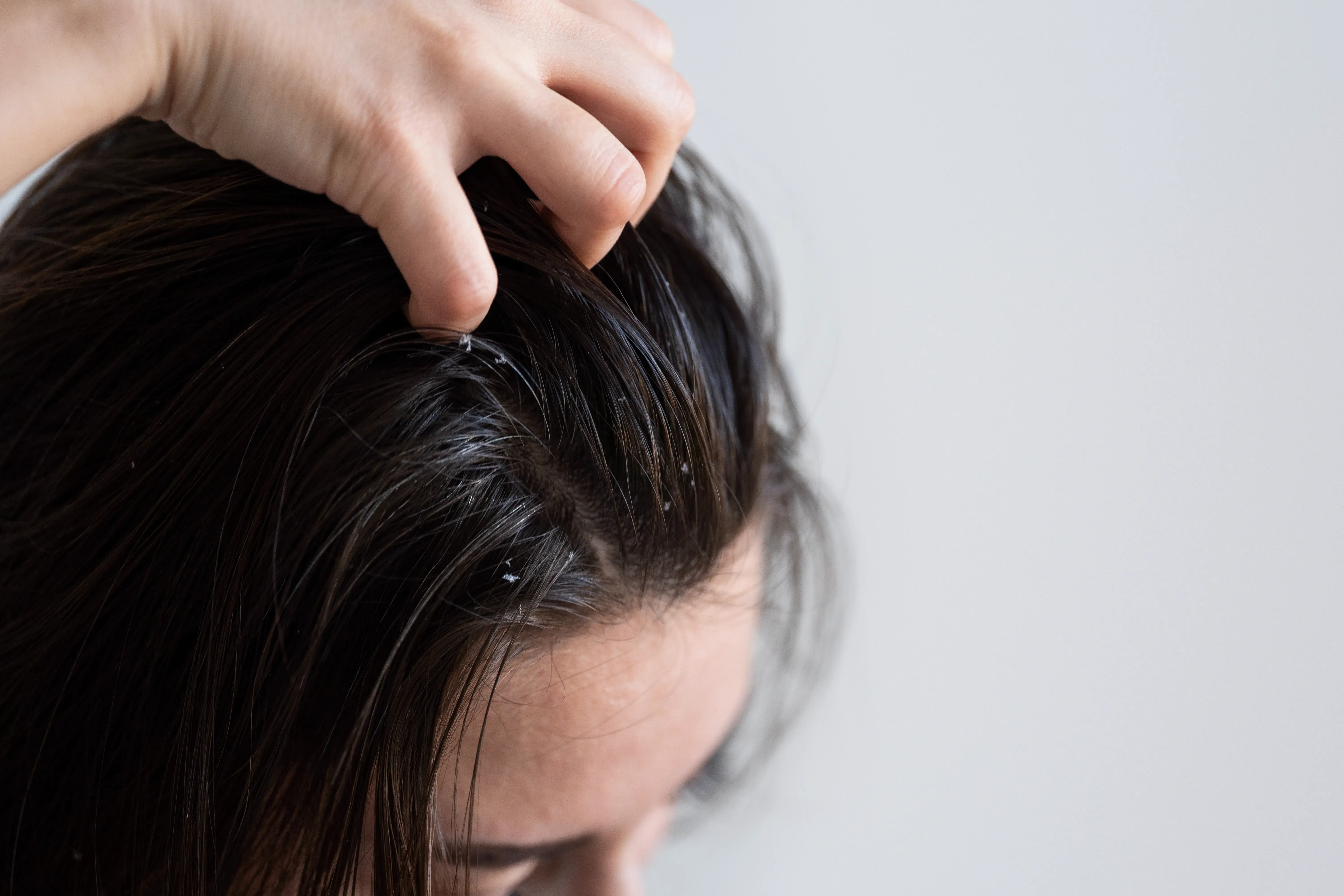
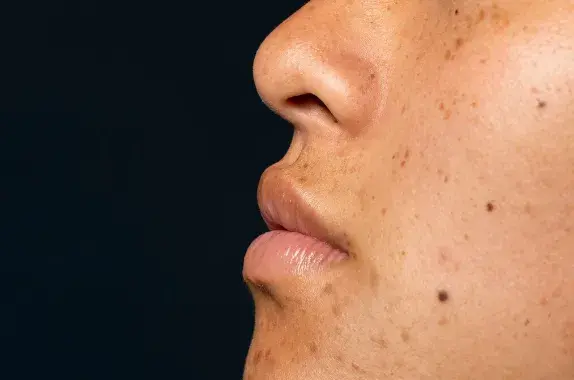
When that barrier is compromised, your skincare routine can suddenly start feeling different. Products that were once comfortable may sting, your skin may feel tight after cleansing, and dryness, redness or rough texture can become more noticeable.
The good news is that barrier care does not necessarily mean adding ten new products. The more useful approach is understanding which ingredients support the barrier and what role each one plays.
So, let’s look at the ingredients worth knowing, starting with the ones most closely linked to the skin’s natural lipid structure.
What Is the Skin Barrier?
The skin barrier is primarily located in the stratum corneum, the outermost layer of the epidermis.
Think of it as a carefully organised protective layer made up of skin cells and lipids. Among the most important lipids are ceramides, cholesterol and free fatty acids, which work together to form the lipid matrix between skin cells. This structure helps limit water loss and supports the skin’s protective function.
When this organisation is disrupted, the skin can lose water more easily and become more susceptible to dryness and irritation.
That is where barrier-supporting skincare comes in.
What Can Damage Your Skin Barrier?
Barrier damage is rarely caused by one thing alone. It can be the result of several small stresses adding up.
Common factors include:
- Over-cleansing or using harsh cleansers
- Frequent exfoliation
- Using multiple strong active ingredients at once
- Excessive exposure to UV radiation
- Dry or extreme weather
- Hot water
- Certain irritating skincare products
- Existing skin conditions such as eczema or dermatitis
Indian weather can add another layer to the problem. Hot, humid conditions can encourage sweating and frequent cleansing, while air conditioning can leave skin feeling dry. Pollution and regular sun exposure can also add environmental stress.
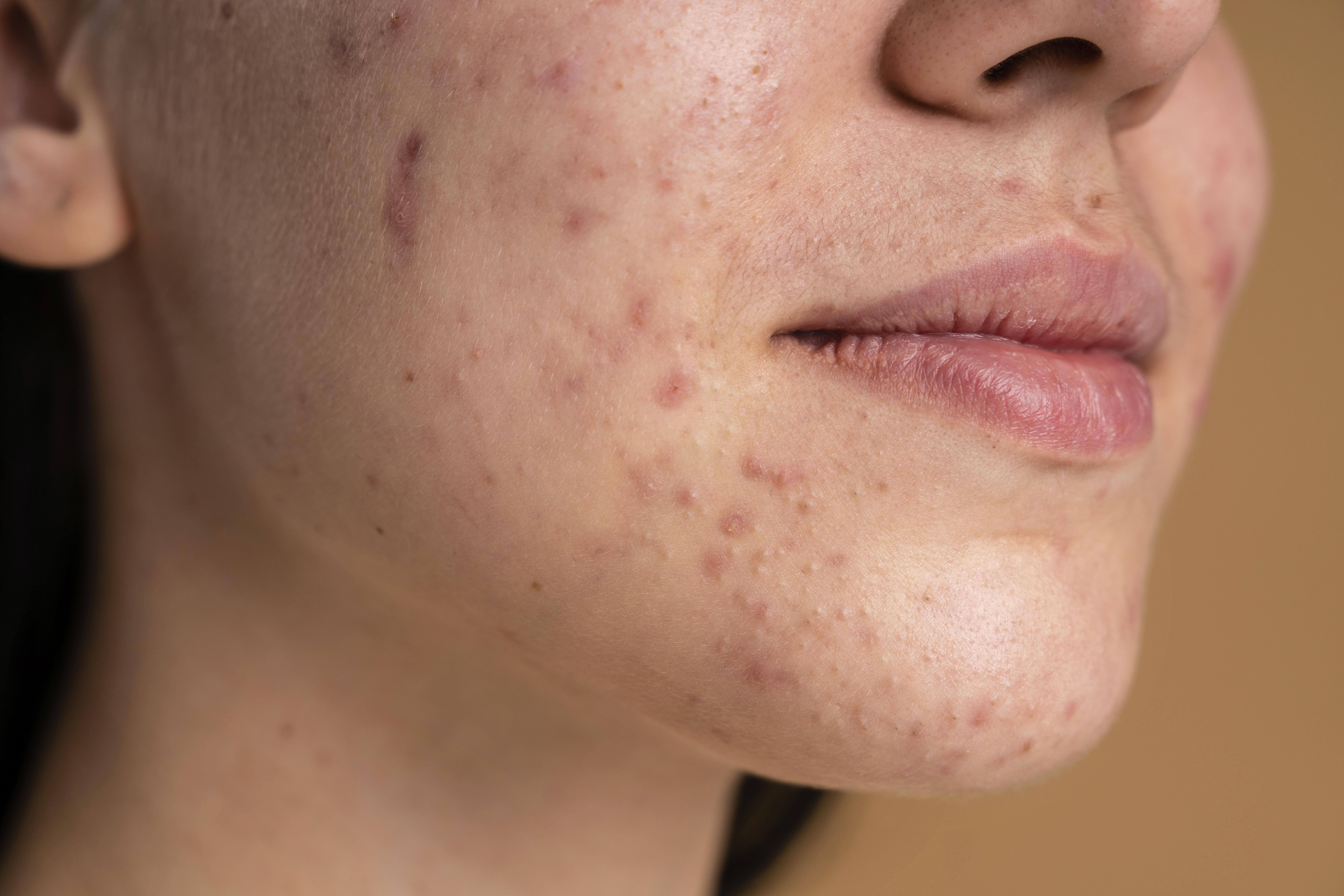
The result can be skin that feels tight, dry, sensitive, rough or unusually reactive.
Best Ingredients for Skin Barrier Repair
Not every moisturising ingredient does the same job. Some attract water, some help reduce water loss, while others support the lipid structure of the skin.
Here are some of the most useful ingredients to know.
1. Ceramides
If skin barrier repair had a headline ingredient, ceramides would be a strong contender.
Ceramides are naturally occurring lipids found in the stratum corneum. Together with cholesterol and free fatty acids, they form part of the organised lipid structure that helps maintain the barrier.
When choosing a moisturiser, you may see different ceramides listed on the ingredient label, such as:
- Ceramide NP
- Ceramide AP
- Ceramide EOP
The important point is not simply seeing the word ceramide on the label. The overall formulation matters too. Research suggests that the way ceramides are formulated can influence how effectively a product supports barrier function.
Best for:
Dryness, compromised barriers and skin that feels tight or uncomfortable after cleansing.
2. Niacinamide
Niacinamide, also known as nicotinamide or vitamin B3, is a particularly versatile skincare ingredient.
It is often associated with oil regulation and uneven skin tone, but it also has a role in supporting the skin barrier.
Research has found that topical nicotinamide can increase the production of ceramides and other stratum corneum lipids while reducing transepidermal water loss.
That makes niacinamide useful when you want an ingredient that supports barrier function while also fitting into a broader routine for concerns such as excess oil or uneven pigmentation.
Best for:
Combination or oily skin that also needs barrier support, as well as people looking for a versatile everyday active.
One caveat: higher-strength formulas are not automatically better. If your skin is already irritated, starting with a simpler, lower-strength formulation may be more comfortable.
3. Cholesterol
Cholesterol gets less attention in skincare conversations than ceramides, but biologically, it is an important part of the story.
Cholesterol is one of the three major lipid classes found in the stratum corneum, alongside ceramides and free fatty acids. These lipids contribute to the organised structure that supports the skin barrier.
This is why some barrier-focused moisturisers contain ceramides + cholesterol + fatty acids rather than relying on ceramides alone.
Best for:
Very dry or barrier-compromised skin, particularly when looking for a moisturiser designed around replenishing skin-identical lipids.
4. Fatty Acids
The third part of the barrier-lipid picture is free fatty acids.
They work alongside ceramides and cholesterol within the stratum corneum's lipid matrix. Linoleic acid is one fatty acid that has a specific role in epidermal lipid biology, including the formation of certain ceramides.
In skincare formulations, fatty acids may appear alongside other barrier-supporting lipids rather than as the headline ingredient.
Best for:
Supporting moisturisation and the lipid component of barrier-focused formulations.
5. Panthenol
Panthenol, or provitamin B5, is commonly used in moisturising and soothing formulations.
It works differently from ceramides. Rather than replacing a skin lipid, it is generally used for its humectant and conditioning properties, helping support hydration and comfort.
It can therefore make sense in a routine where the goal is not only to replenish lipids but also to keep the skin comfortably hydrated.
Best for:
Dry, uncomfortable or easily irritated skin that needs additional hydration.
6. Hyaluronic Acid
Hyaluronic acid is primarily known as a humectant, meaning it helps attract and hold water.
That makes it useful for hydration, but it is worth making an important distinction:
Hyaluronic acid hydrates. Ceramides support the lipid barrier.
They are not interchangeable.
A good barrier-focused moisturiser may combine humectants such as hyaluronic acid with emollients and barrier-supporting lipids. Moisturisers can work through several mechanisms, including attracting water, softening the stratum corneum and reducing water loss.
Best for:
Dehydrated skin that feels tight or lacks comfortable hydration.
Ceramides vs Niacinamide vs Cholesterol: What's the Difference?
|
Ingredient
|
What it primarily does
|
Good for
|
|
Ceramides
|
Support the skin's lipid barrier
|
Dryness, barrier disruption
|
|
Niacinamide
|
Supports barrier function and ceramide production
|
Barrier support, oiliness, uneven tone
|
|
Cholesterol
|
Forms part of the skin's natural lipid structure
|
Dry and compromised skin
|
|
Fatty acids
|
Support the lipid matrix
|
Barrier and moisturisation
|
|
Panthenol
|
Hydrates and conditions
|
Dry, sensitive-feeling skin
|
|
Hyaluronic acid
|
Attracts and retains water
|
Dehydrated skin
|
The takeaway is simple: you don't necessarily have to choose one.
A well-formulated moisturiser can combine several of these ingredients because they perform different jobs.
What Should You Avoid When Your Skin Barrier Is Compromised?
When skin is already irritated, adding more active ingredients is not always the answer.
Consider temporarily simplifying your routine if you are using several potentially irritating products at once.
Be particularly cautious with:
- Frequent physical exfoliation
- Strong exfoliating acids
- Multiple active serums layered together
- Retinoids when your skin is already irritated
- Strongly fragranced products
- Very hot water
- Aggressive cleansing
This does not mean these ingredients are inherently bad.
It means skin tolerance matters.
A product that works well for one person can be too much for another, especially when the barrier is already compromised.
How to Build a Simple Skin Barrier Repair Routine
You do not need a complicated routine to support your barrier.
Morning
1. Gentle cleanser
Use a cleanser that removes sweat, oil and product residue without leaving your skin feeling stripped.
2. Barrier-supporting moisturiser
Look for ingredients such as ceramides, cholesterol, fatty acids, panthenol or other moisturising agents.
3. Sunscreen
UV exposure can contribute to skin damage, so daily broad-spectrum sun protection remains an important part of protecting the skin. Bodycraft's existing skin-barrier guidance also recommends daily sunscreen as part of barrier care.
Evening
1. Gentle cleanse
Especially important if you have been wearing sunscreen or makeup.
2. Keep actives simple
If your skin is irritated, this is usually not the time to experiment with several new exfoliants.
3. Moisturise
Choose a richer or more barrier-focused moisturiser if your skin feels particularly dry.
Did You Know?
Ceramides, cholesterol and fatty acids are not random skincare ingredients grouped together for marketing.
They are major lipid components of the skin's stratum corneum and work within an organised structure that helps maintain the permeability barrier.
That is why formulations containing combinations of these lipids are often particularly interesting when the goal is barrier support.
When Should You See a Dermatologist?
Not every episode of dryness requires a clinic visit.
But if your skin remains persistently red, itchy, painful, flaky or unusually sensitive despite simplifying your routine, it is worth getting professional advice.
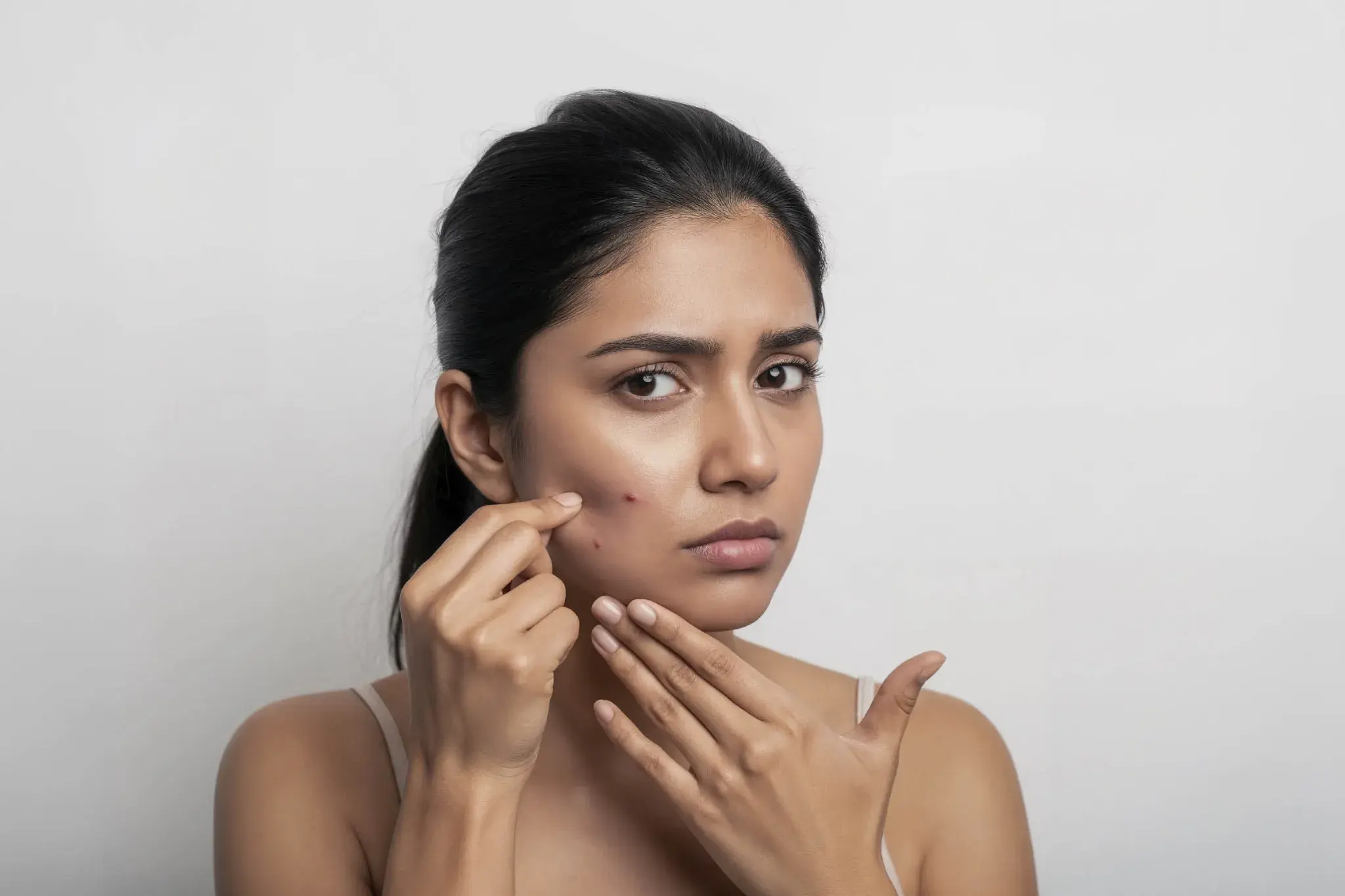
The same symptoms can sometimes occur with conditions such as eczema, dermatitis, acne or other inflammatory skin conditions, where simply adding a barrier cream may not address the underlying issue.
A dermatologist can assess your skin, identify the likely cause and recommend care based on your specific concern.
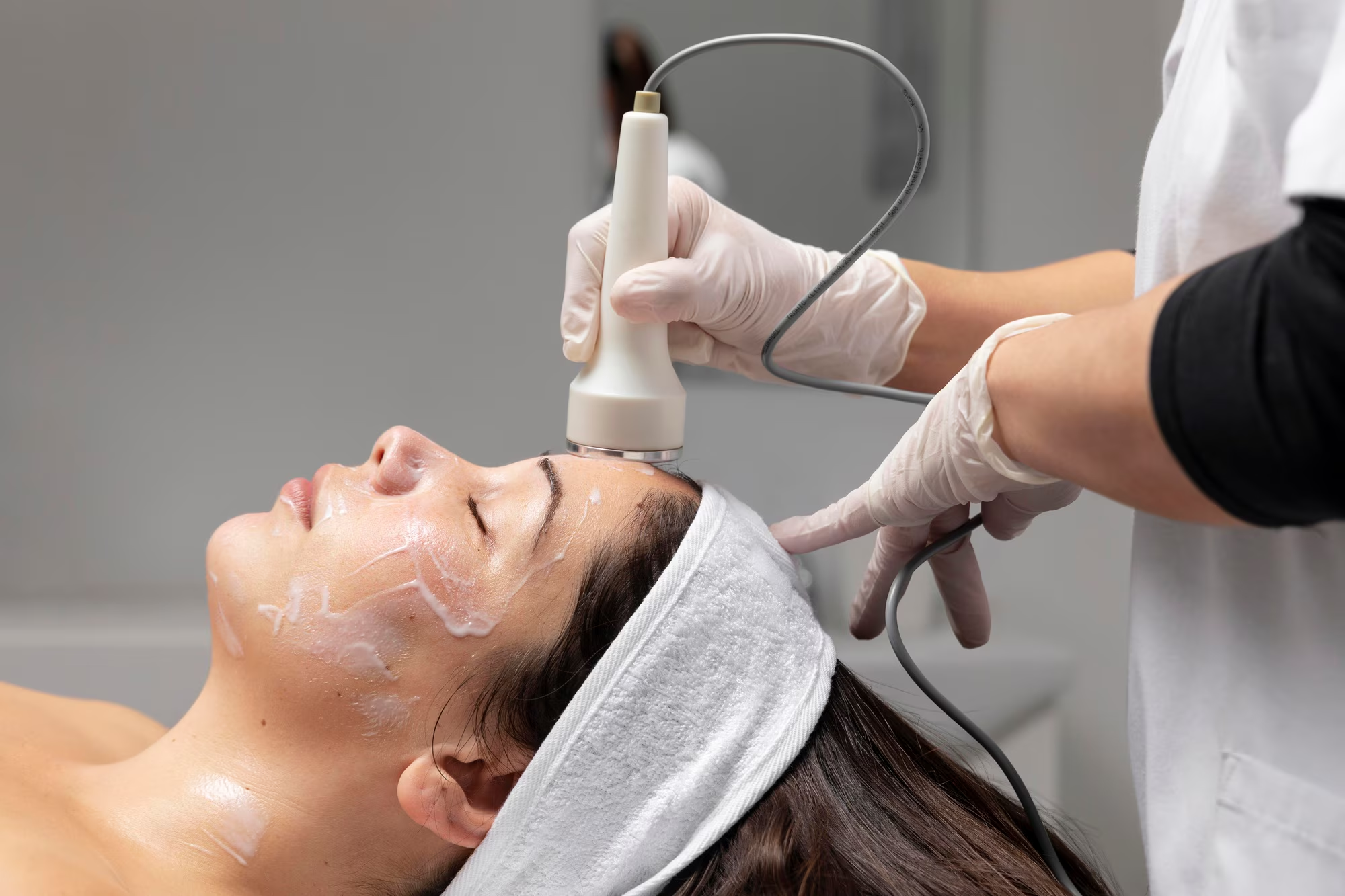
At Bodycraft, skin consultations cover concerns including acne, pigmentation, sensitive skin, texture and other skin-related concerns, with personalised consultation and treatment planning.
Explore Bodycraft Skin & Clinic Services
The Takeaway
Skin barrier repair is less about finding one miracle ingredient and more about giving the skin the right combination of support.
Ceramides help support the lipid barrier. Cholesterol and fatty acids form part of that same lipid structure.
Niacinamide can support barrier function and ceramide production, while ingredients such as panthenol and hyaluronic acid help with hydration and comfort.
And sometimes, the smartest skincare routine is the one with fewer steps.
If your skin is consistently dry, irritated or reactive, understanding why it is happening is more useful than simply adding another serum.
FAQs
1. Are ceramides good for a damaged skin barrier?
Yes. Ceramides are naturally present in the skin barrier and are important components of its lipid structure. Ceramide-containing formulations have shown potential to support barrier function, particularly in dry and barrier-impaired skin.
2. Is niacinamide good for skin barrier repair?
Niacinamide can support barrier function and has been shown to increase ceramide and other lipid production in the skin.
3. Are ceramides better than hyaluronic acid for skin barrier repair?
They do different jobs. Ceramides support the lipid barrier, while hyaluronic acid primarily helps attract and retain water. A moisturiser containing both can address different aspects of dryness and dehydration.
4. How long does it take to repair a damaged skin barrier?
There is no single timeline. It depends on what caused the disruption, how severe it is and whether the triggering factors are removed. Persistent redness, itching, burning or irritation should be assessed by a dermatologist rather than managed indefinitely through trial and error.
Explore More Articles:






.png)


-1.png)


-1.png)
-3.png)





.png)




-Aug-02-2026-05-23-10-1368-PM.png)



.webp)
-1.webp)
.webp)
-Jul-07-2026-12-19-56-1023-PM.webp)







-Jun-01-2026-02-54-50-5351-PM.png)
-Jun-01-2026-02-45-39-8016-PM.png)

-May-29-2026-03-30-08-6855-PM.png)



-1.webp)

-3.webp)






.webp)
.webp)
-1.webp)

.webp)
.webp)

.webp)