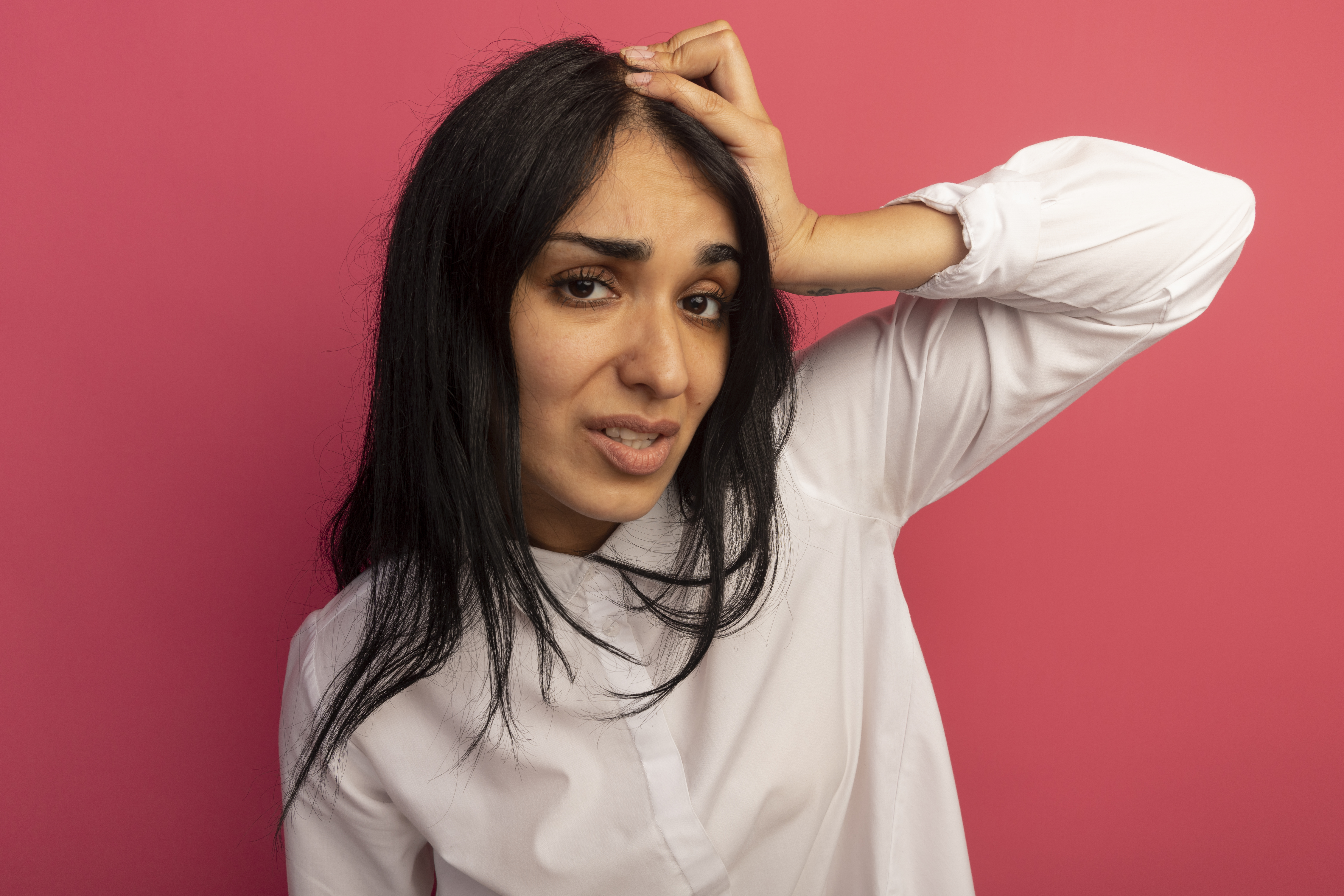
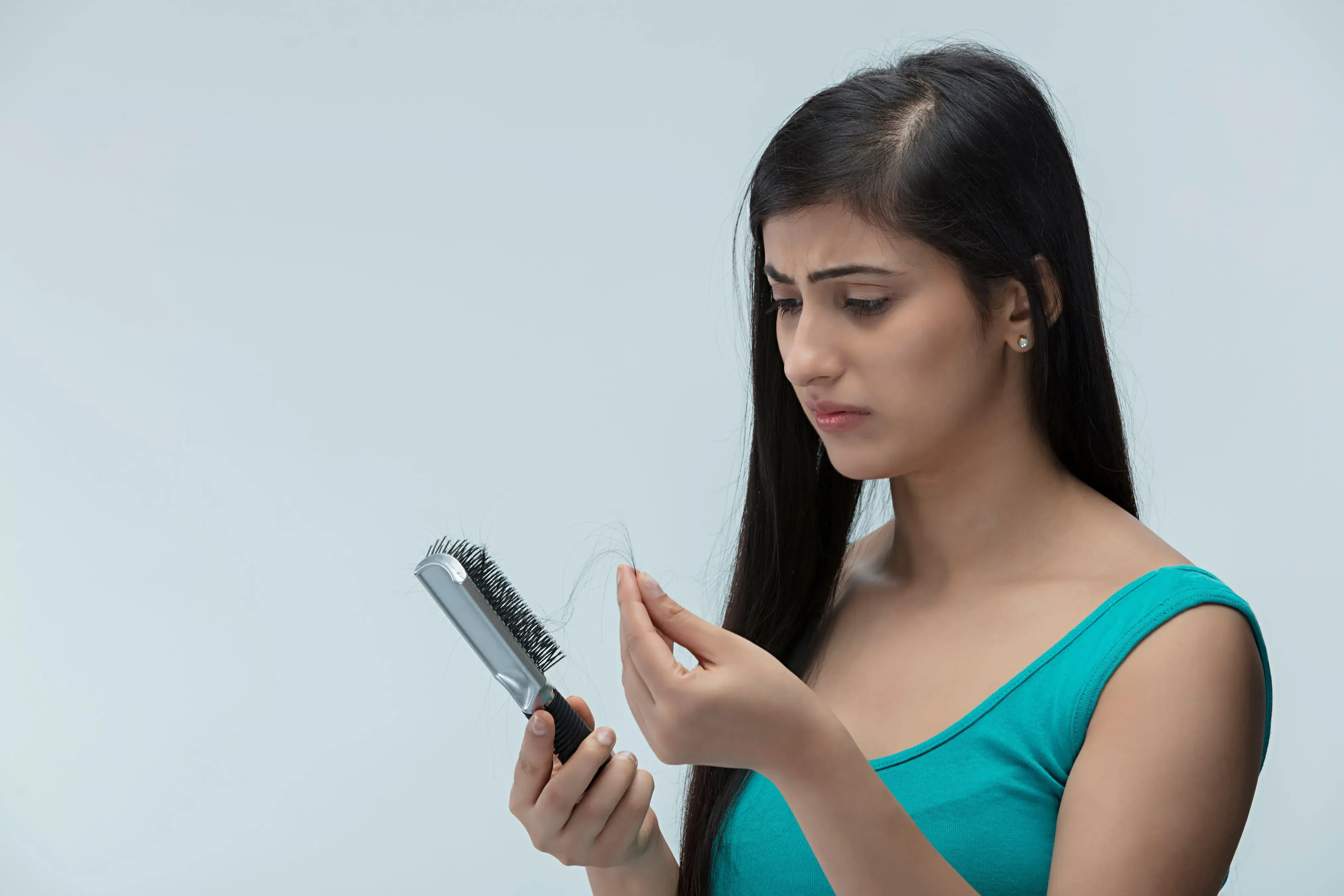
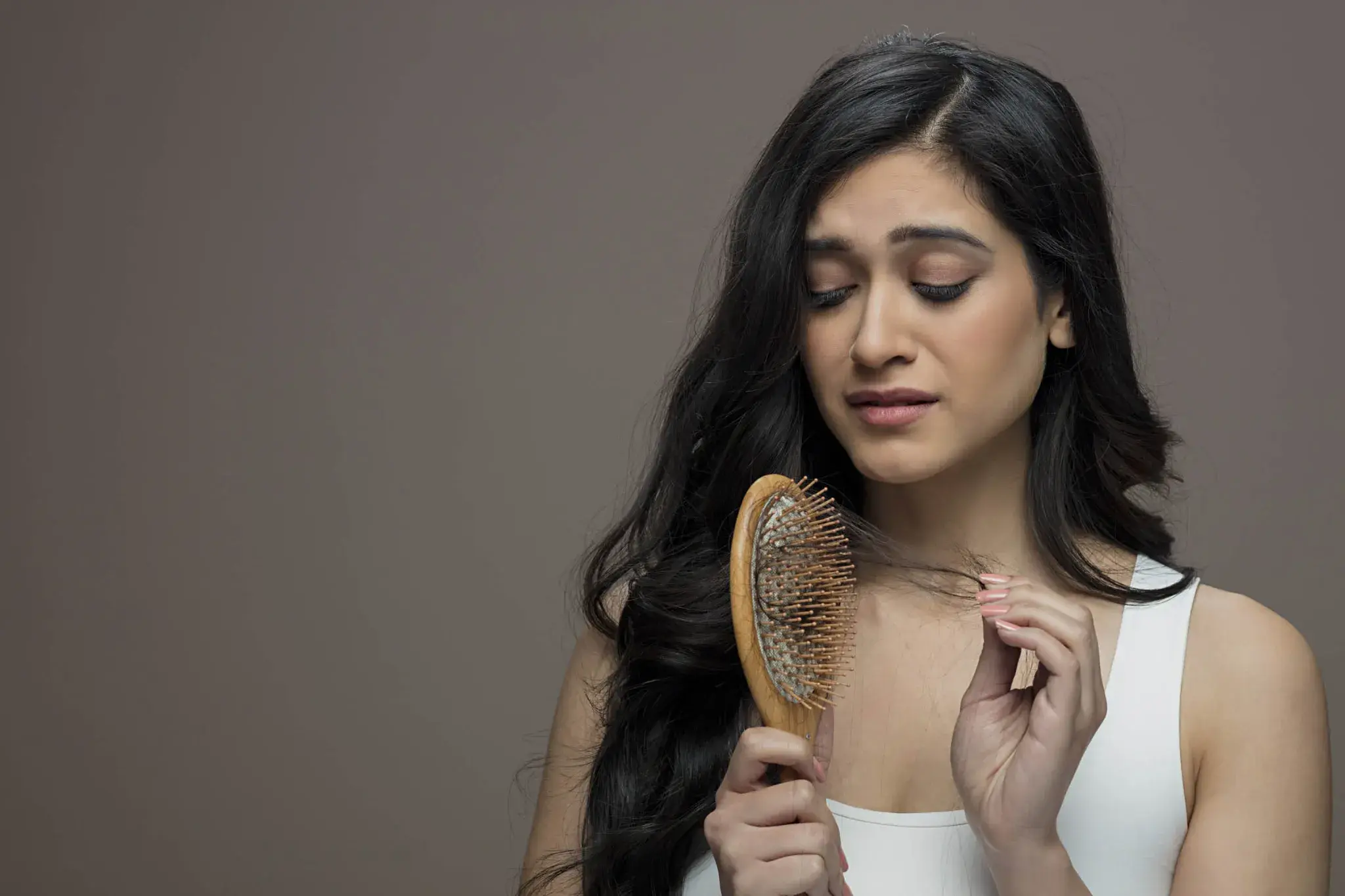
Noticing more hair strands on your pillow, comb, or shower drain during monsoon? Hair fall in monsoon is a common seasonal concern caused by increased humidity, scalp buildup, fungal activity, and weakened hair roots. While some seasonal shedding is temporary, excessive hair fall in monsoon may indicate underlying scalp imbalance that requires proper care and treatment.
Why Does Hair Fall Increase During Monsoon?
Hair fall in monsoon is commonly linked to increased humidity, scalp buildup, and seasonal changes that affect hair strength and scalp balance. Damp weather can weaken hair roots, increase fungal activity, and trigger temporary seasonal shedding.
- Increased humidity weakens the hair shaft and roots
- Sweat, oil, and dirt buildup affect scalp health
- Damp conditions encourage fungal scalp issues and dandruff
- Seasonal changes may increase temporary hair shedding
- Excess moisture can disrupt the scalp microbiome
While some seasonal shedding is normal, persistent or excessive hair fall in monsoon often indicates underlying scalp imbalance or weakened follicle health. If the shedding continues despite proper scalp care, an online hair doctor consultation can help assess the underlying cause and recommend appropriate treatment before the condition progresses.
H2: Common Causes of Hair Fall in Monsoon
Monsoon weather creates multiple scalp-related triggers that contribute to increased hair loss in monsoon, particularly when scalp hygiene and moisture control are compromised.
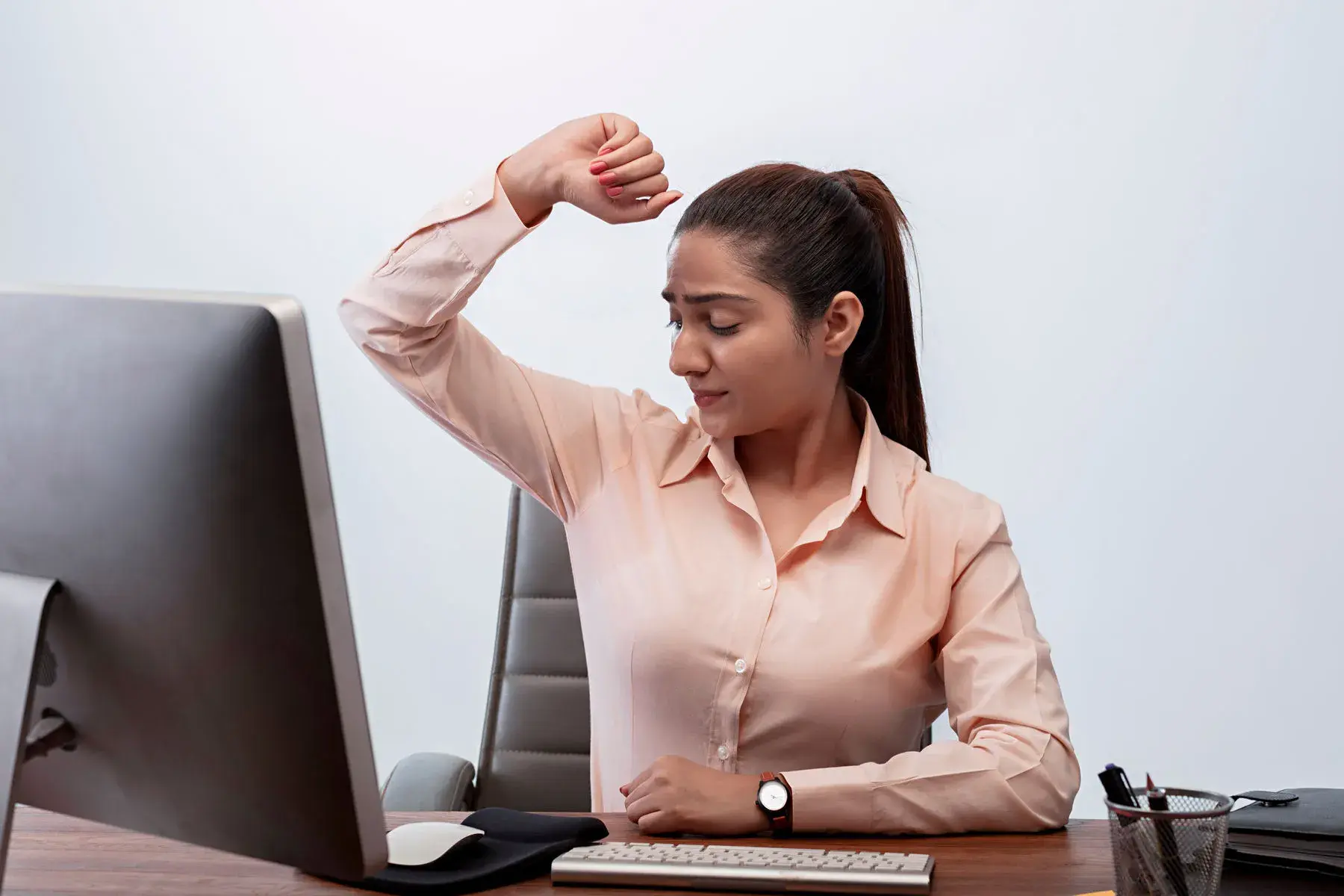
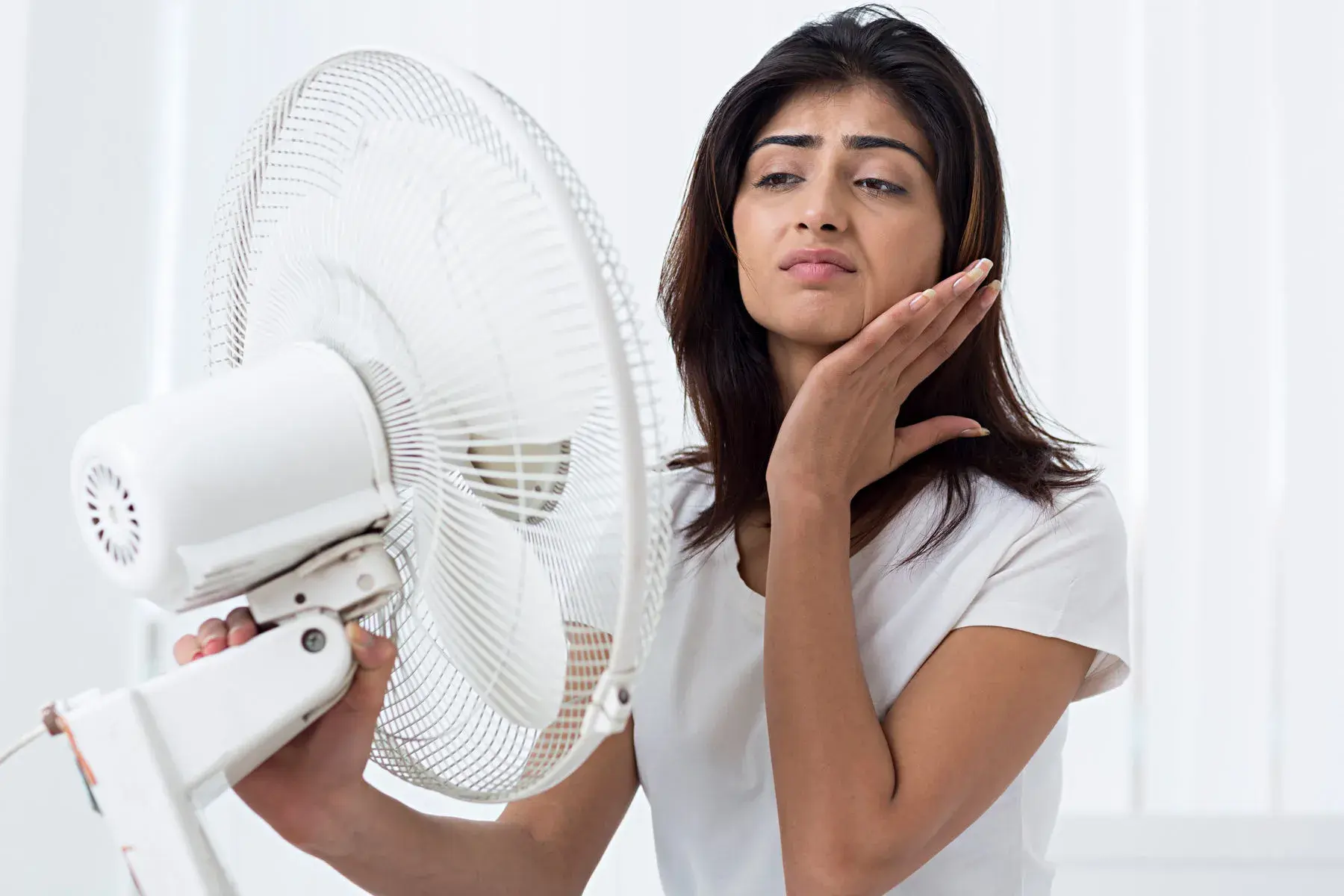
- Excess Humidity and Sweaty Scalp: High humidity increases sweat and oil production on the scalp, making hair roots feel weaker and more prone to shedding.
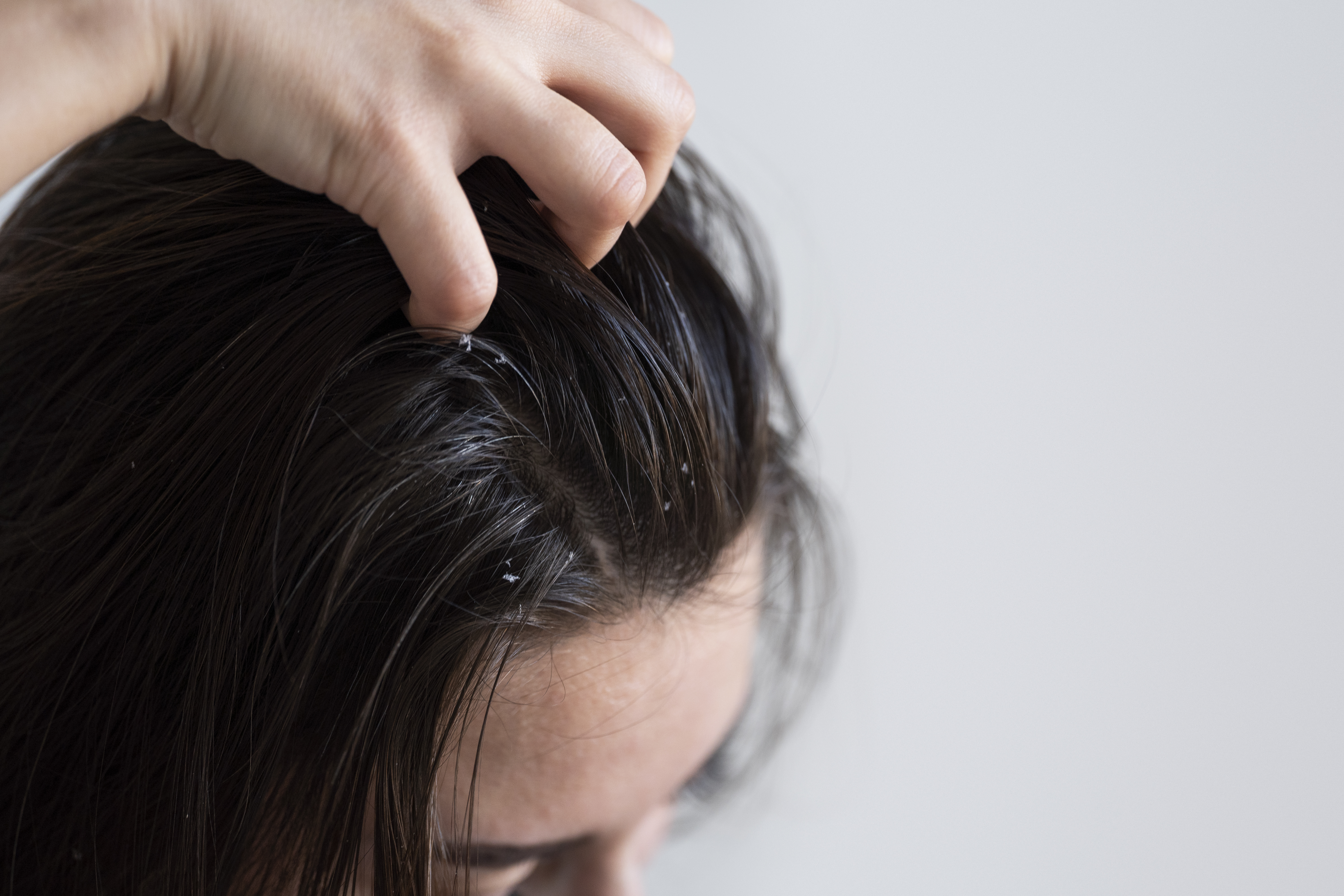
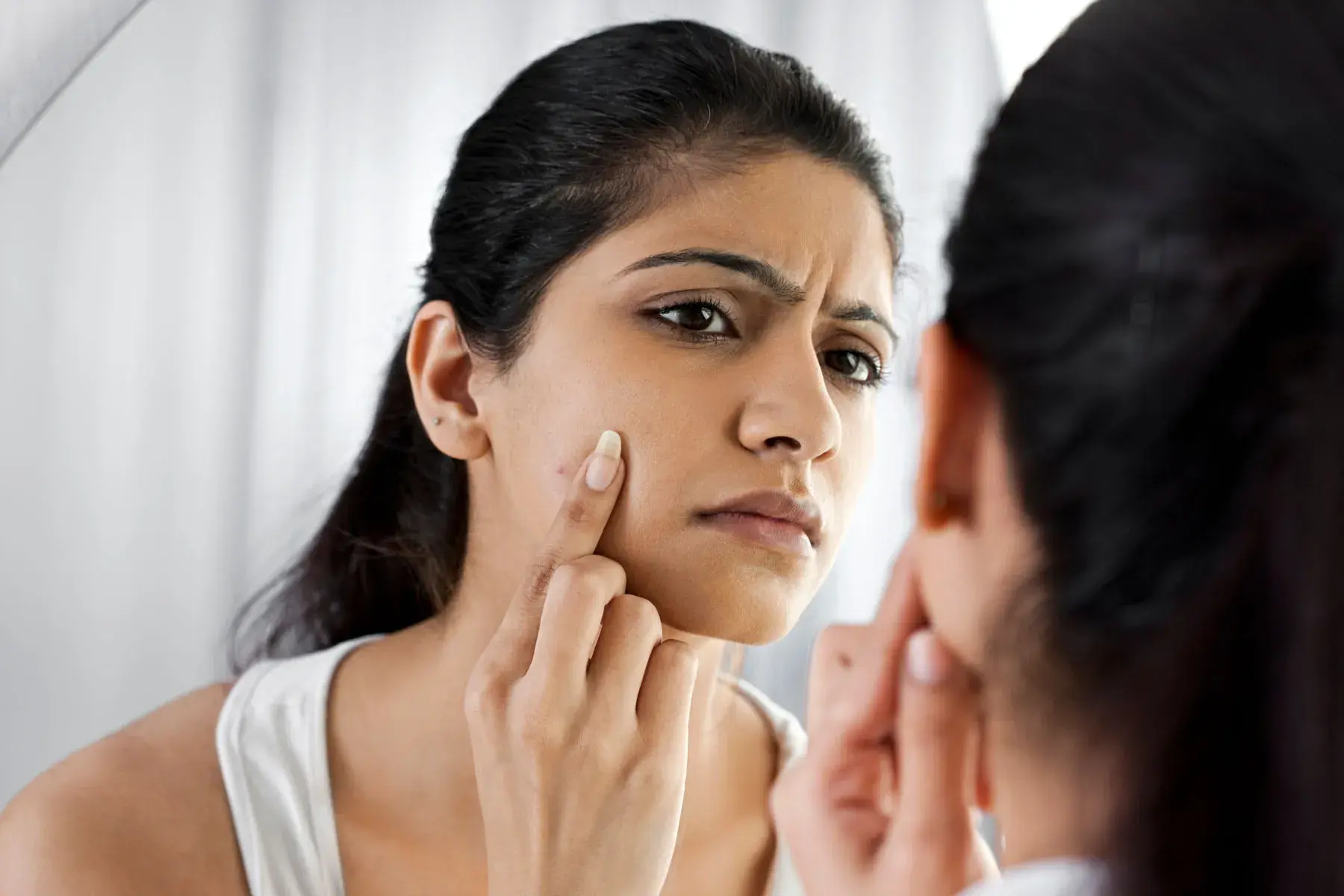
- Scalp Infections and Dandruff: Damp scalp conditions encourage fungal overgrowth, dandruff flare-ups, and irritation, all of which can contribute to hair fall in the rainy season.
- Rainwater, Pollution, and Dirt Exposure: Exposure to rainwater mixed with environmental pollutants may irritate the scalp and increase buildup around follicles.
- Excess Sebum and Product Buildup: Oil, sweat, dead skin cells, and styling products can accumulate more quickly during monsoon, leading to clogged follicles and poor scalp balance.
- Nutritional Deficiencies and Lifestyle Factors: Stress, dehydration, poor diet, and irregular routines may further worsen seasonal hair shedding and reduce overall hair resilience.
Together, these factors can disrupt scalp balance, weaken hair roots, and increase seasonal hair shedding during monsoon.
Signs of Excessive Hair Fall in Monsoon
While mild shedding can occur seasonally, too much hair fall in monsoon may indicate scalp inflammation, weakened follicles, or excessive moisture-related damage.
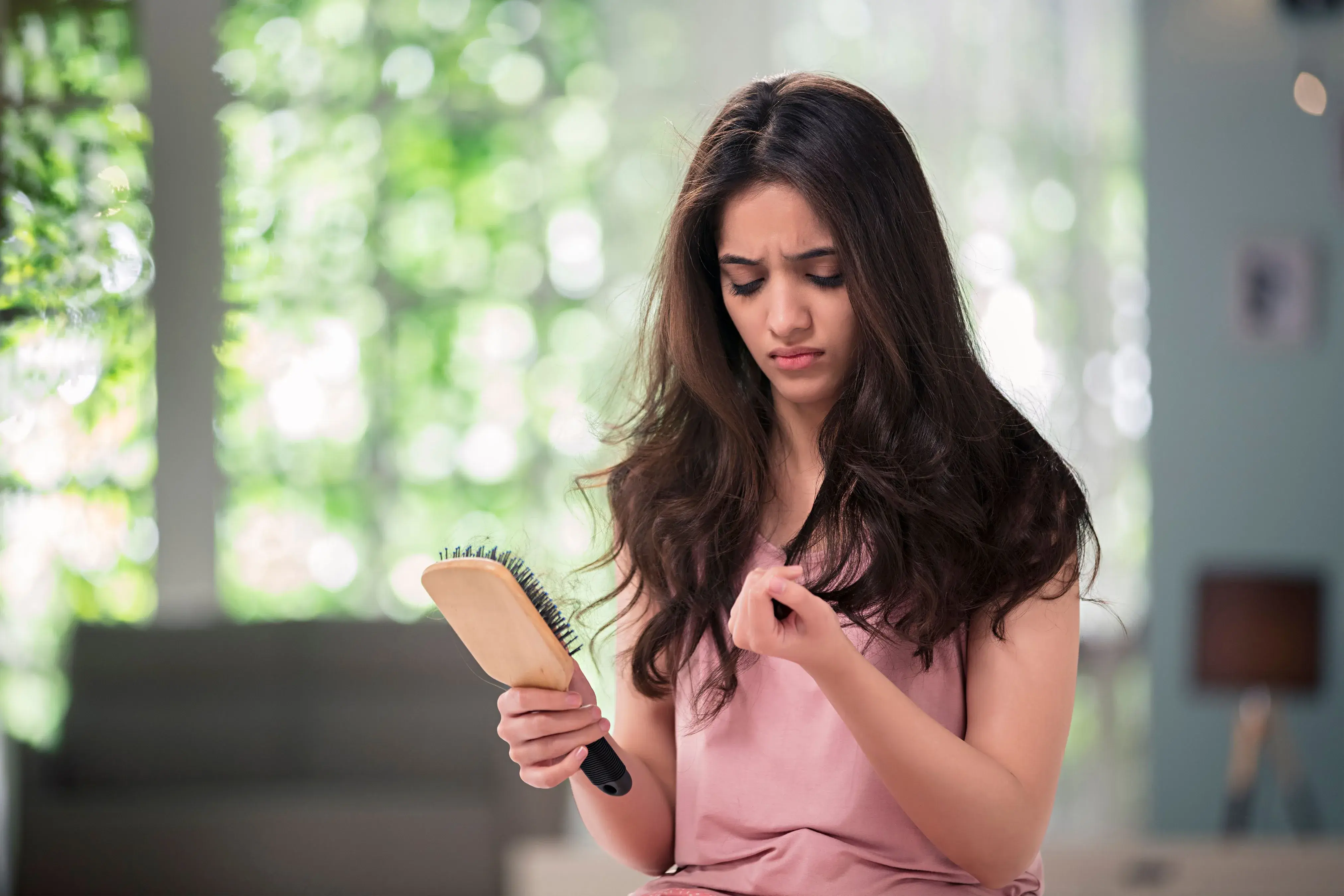
- Increased Hair Shedding While Washing or Combing: Hair shedding may become more noticeable during shampooing, brushing, or detangling.
- Weak, Frizzy, or Lifeless Hair Texture: Excess humidity can make hair appear rough, frizzy, and more prone to breakage.
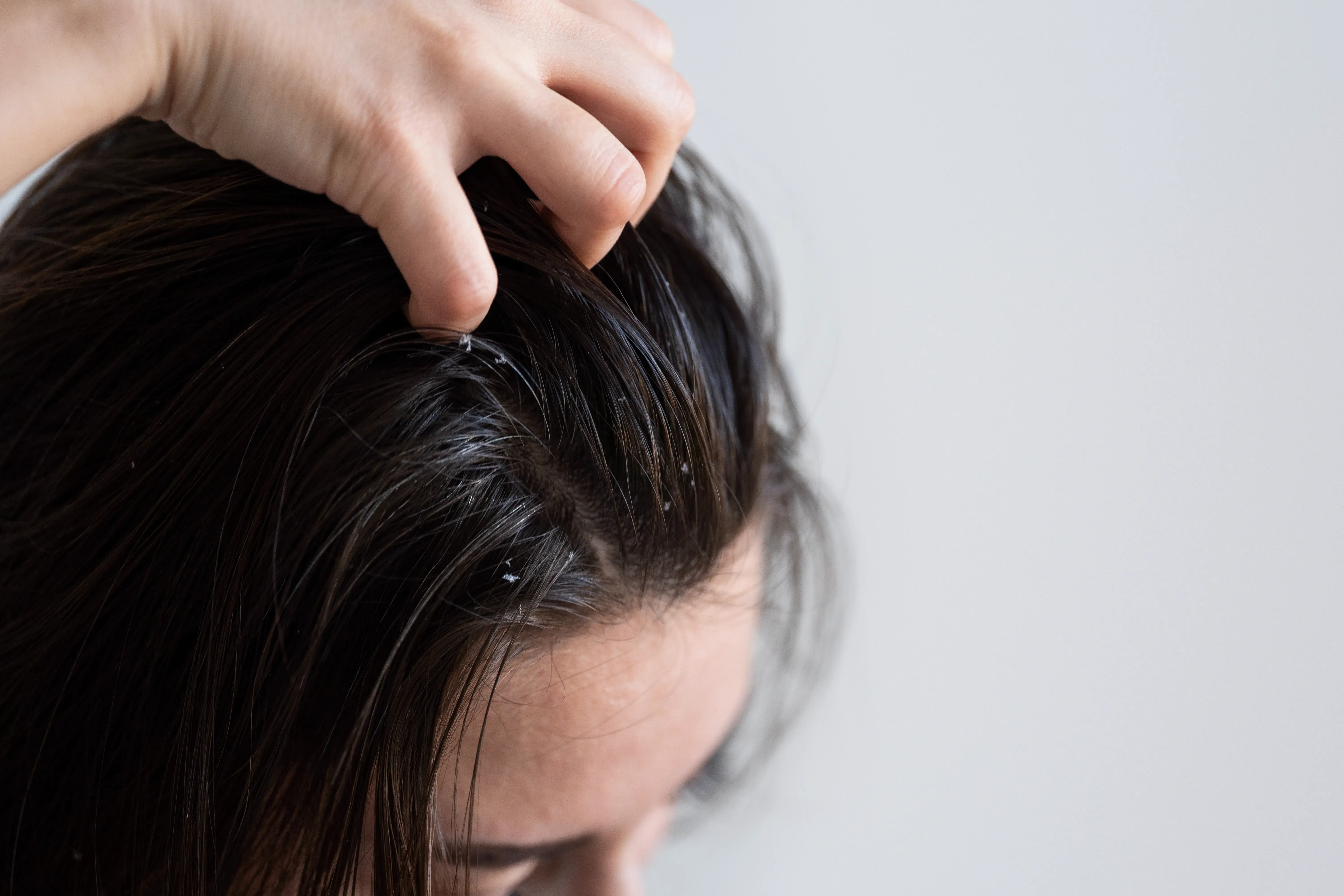
- Itchy Scalp and Dandruff Flare-Ups: Scalp itching, flakes, and irritation often increase during monsoon due to fungal activity and sweat buildup.
- Hair Thinning or Reduced Volume: Persistent excessive hair fall in monsoon may gradually affect overall hair density and volume.
Monitoring these changes early can help improve scalp recovery and reduce the risk of long-term follicle weakening.
How to Prevent Hair Fall During Monsoon
Consistent scalp care, moisture control, and timely treatment can help reduce seasonal hair loss and maintain healthier scalp conditions during monsoon.
- Keep Your Scalp Clean and Balanced
Regular cleansing helps remove sweat, excess oil, pollution, and scalp buildup that may weaken follicles.
- Avoid Keeping Hair Wet for Long
A damp scalp creates an ideal environment for fungal growth and scalp irritation. Drying the scalp properly after getting wet is essential during the monsoon.
- Use Lightweight Haircare Products
Heavy creams and oily formulations may worsen buildup and scalp congestion during humid weather. Lightweight products help maintain better scalp balance.
- Maintain a Hair-Friendly Diet
Protein, iron, vitamins, and adequate hydration support stronger hair structure and healthier follicle function.
- Reduce Excessive Heat Styling
Frequent heat styling can further weaken already fragile hair during humid weather and increase breakage.
For additional rainy season routines, following structured monsoon hair care tips can help improve overall scalp and hair health during seasonal changes.
Scalp Problems That Make Hair Fall Worse During Rainy Season
Monsoon-related scalp issues often play a major role in worsening hair loss in monsoon by disrupting follicle health and increasing inflammation.
- Dandruff and Fungal Overgrowth
Humidity and sweat create conditions where fungal organisms thrive, increasing dandruff, itching, and scalp irritation.
- Sebum Buildup and Clogged Follicles
Excess oil mixed with dirt and dead skin can block follicles and affect healthy hair growth.
- Scalp Irritation and Inflammation
Persistent inflammation weakens the scalp barrier and may disrupt the normal hair growth cycle.
- Increased Hair Breakage Due to Moisture
Excess moisture causes hair shafts to swell and weaken, making strands more vulnerable to breakage and rough texture.
Monsoon humidity can also affect overall skin balance, which is why many people simultaneously look for skin care tips for the monsoon to manage seasonal irritation and oiliness.
Hair Treatments for Excessive Hair Fall in Monsoon
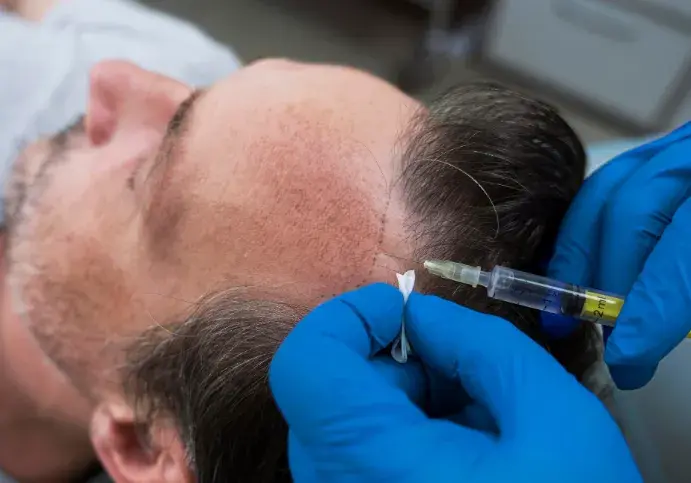
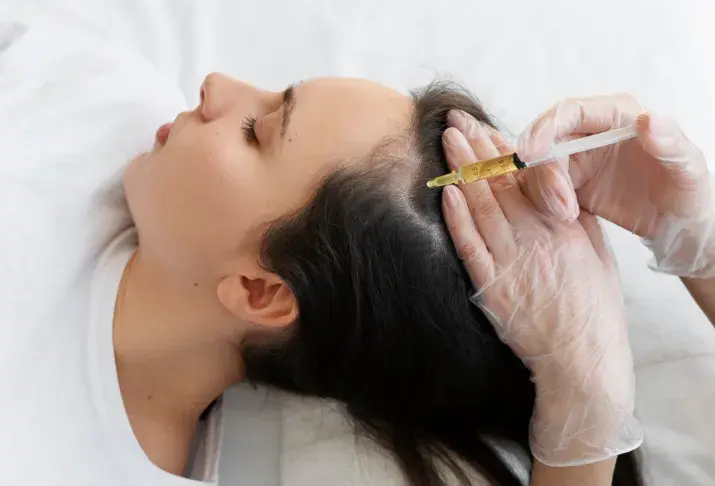
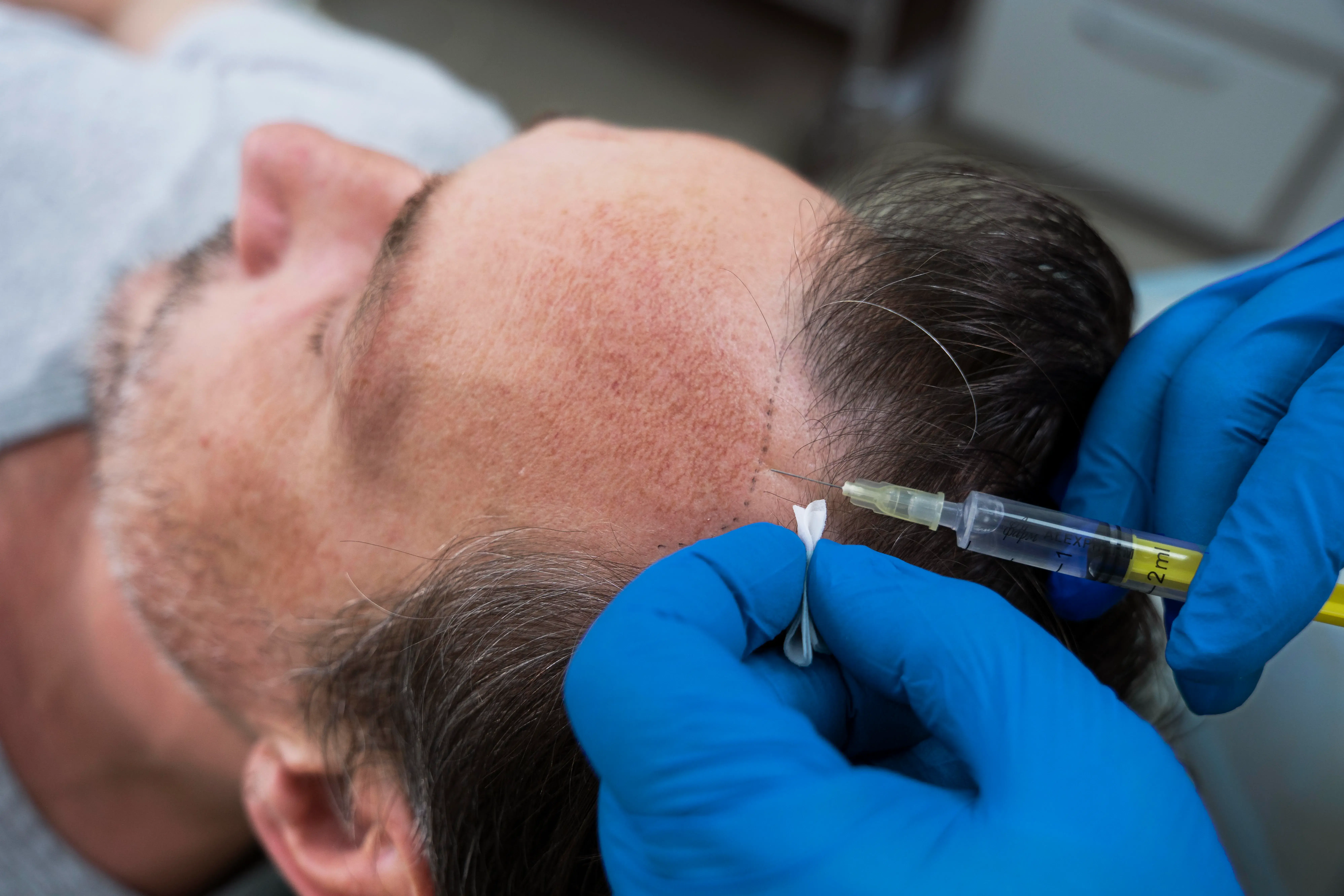
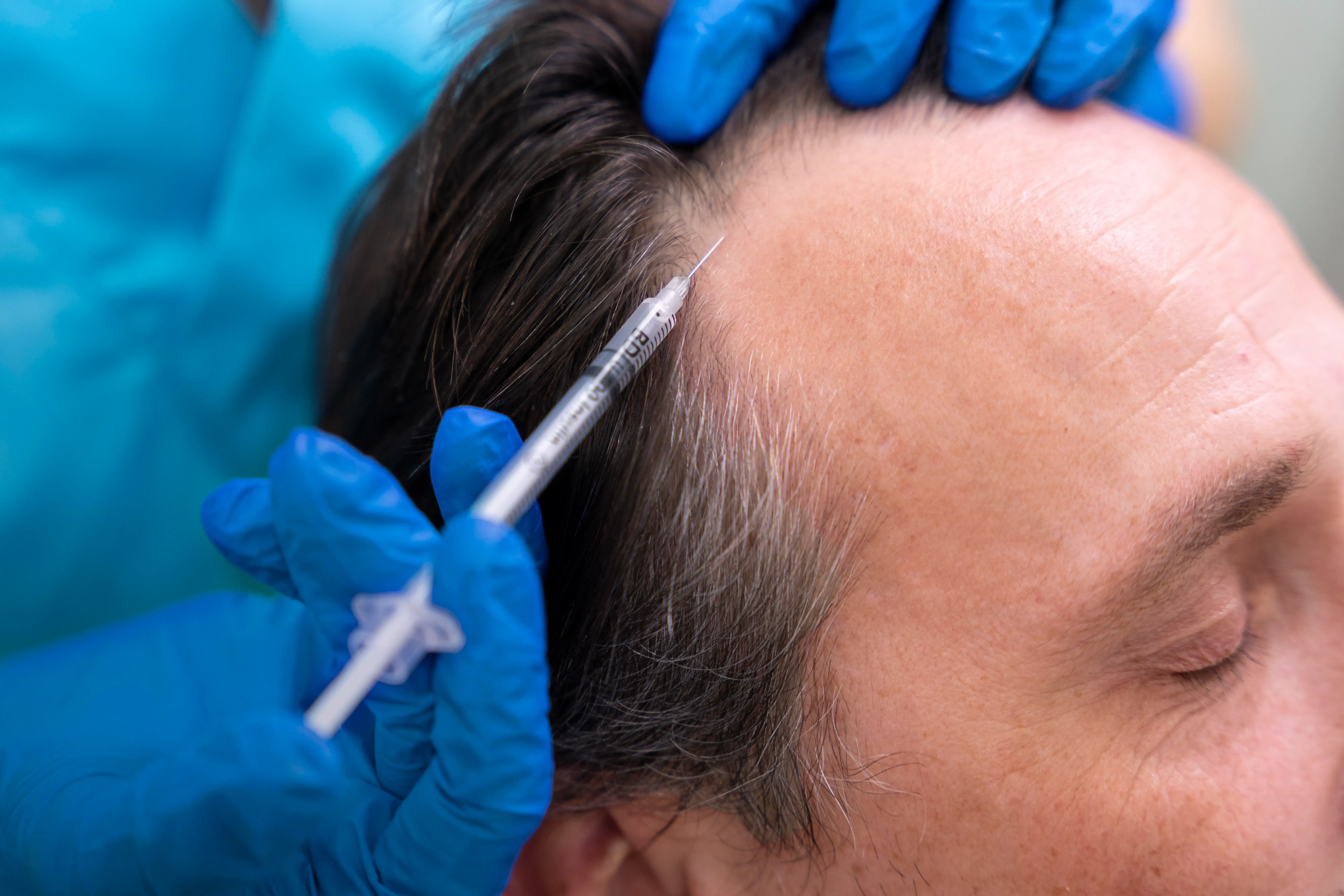
When seasonal hair shedding becomes excessive or persistent, PRP-based treatments can help strengthen weakened follicles, improve scalp health, and support healthier hair recovery during monsoon.
PRP Treatment for Hair Strengthening
PRP Treatment uses growth factors derived from your own blood to support follicle repair and improve overall scalp nourishment. PRP hair treatment is commonly used to strengthen weakened roots and support healthier hair growth during periods of seasonal hair loss.
Exosome Hair Treatment for Scalp Repair
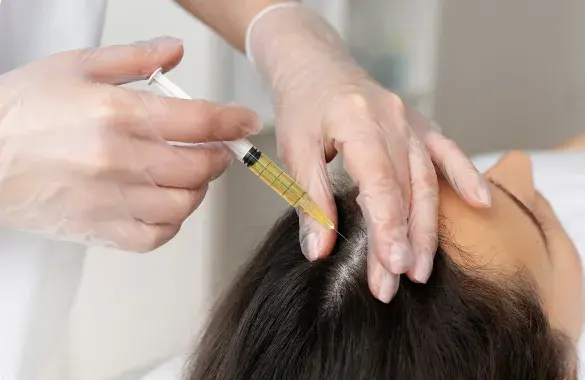
Exosome-based treatments help support scalp regeneration and follicle recovery by delivering growth-signalling factors that improve the scalp environment. They are often used to address weakened follicles, inflammation, and excessive seasonal shedding.
GFC Treatment for Hair Growth Support
GFC (Growth Factor Concentrate) treatment uses concentrated growth factors derived from your blood to help improve follicle nourishment, support healthier hair growth cycles, and strengthen thinning hair over time.
Scalp Support Treatments for Better Follicle Health
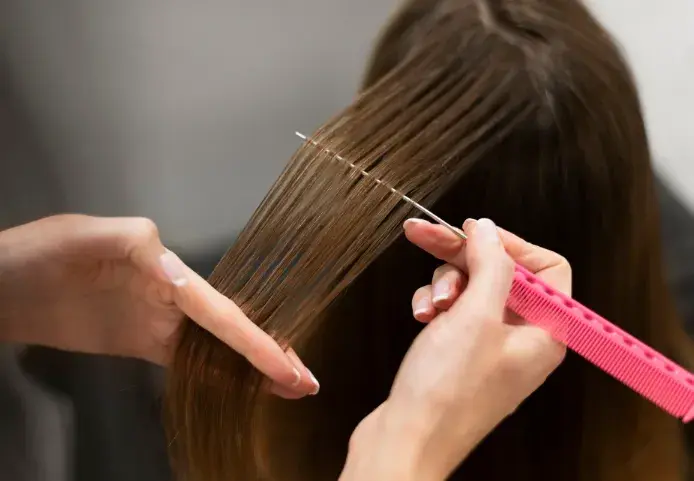
Professional scalp treatments help reduce buildup, improve scalp circulation, and create a healthier environment for stronger follicle function and reduced shedding.
Professional Hair Analysis and Personalised Care
Since hair fall patterns vary with scalp condition, inflammation, and follicle health, clinical hair analysis helps customise treatment plans more effectively.
Early Treatment for Better Hair Recovery
Addressing excessive hair fall in monsoon early can help minimise progressive thinning and improve overall treatment outcomes before follicle weakening worsens.
|
Why Choose Bodycraft?
At Bodycraft PRP Treatment, hair fall treatments are tailored based on your scalp condition, hair density, and degree of follicle weakening. With advanced scalp analysis, clinically guided PRP treatment, and personalised hair recovery plans, the focus is on strengthening hair health, improving scalp balance, and supporting long-term hair restoration rather than temporary seasonal fixes.
|
Hair Care Routine for Monsoon Hair Protection
A consistent haircare routine helps reduce moisture-related damage and supports better scalp balance during rainy weather.
Mild cleansing helps remove sweat, oil, and buildup without excessively drying the scalp.
- Proper Scalp Drying Habits
Ensuring the scalp dries properly after washing or rain exposure helps minimise fungal growth and irritation.
Using lightweight conditioners helps manage frizz and dryness without weighing the hair down.
- Regular Scalp Maintenance Treatments
Periodic scalp care treatments help maintain healthier follicles and reduce recurring buildup during humid months.
Consistent maintenance is often more effective than aggressive seasonal fixes when managing hair fall in monsoon.
What to Avoid During Monsoon Hair Fall Season
Certain habits can worsen scalp imbalance and increase seasonal hair shedding during humid weather.
- Over-Washing or Aggressive Rubbing: Excessive washing and harsh towel drying may weaken hair shafts and irritate the scalp.
- Heavy Oily Products on Damp Scalp: Applying thick oils on an already damp scalp may increase buildup and fungal growth.
- Excessive Heat Styling: Frequent blow-drying and heat styling can further weaken moisture-sensitive hair strands.
- Ignoring Persistent Scalp Issues: Untreated dandruff, itching, or scalp inflammation may worsen excessive hair shedding over time.
When Should You See a Hair Specialist?
Professional evaluation may be necessary when seasonal hair shedding becomes excessive, persistent, or associated with visible scalp concerns.
- Excessive hair fall lasting beyond seasonal shedding
- Noticeable thinning or reduced hair density
- Persistent dandruff, itching, or scalp irritation
- Hair fall not improving with routine care
- Increased scalp sensitivity or inflammation
Early assessment helps identify whether the issue is temporary seasonal shedding or a more significant scalp or follicular concern requiring targeted treatment.
Can Monsoon Hair Fall Be Controlled Effectively?
Yes, with the right scalp care, lifestyle support, and timely treatment, hair fall in the rainy season can often be managed effectively before it progresses into long-term thinning.
Importance of Scalp Health
Healthy follicles depend on a balanced scalp environment free from excessive buildup and inflammation.
Early Treatment Improves Hair Recovery
Addressing scalp issues and excessive shedding early helps improve treatment outcomes and reduce progressive weakening.
Professional Care Helps Reduce Long-Term Hair Damage
Targeted treatments and scalp therapies can support stronger follicles, healthier growth cycles, and better long-term hair resilience.
Managing Monsoon Hair Fall with the Right Scalp Care
Seasonal shedding during monsoon is common, but persistent or excessive hair fall should not be ignored. Humidity, fungal buildup, scalp inflammation, and weakened follicles can all contribute to increased hair loss in the monsoon if scalp health is not managed properly.
With consistent scalp care, balanced routines, and professional treatments when required, it is possible to reduce excessive shedding, strengthen follicles, and maintain healthier hair through seasonal changes.






.png)


-1.png)



-1.png)
-3.png)


.png)





-Aug-02-2026-05-23-10-1368-PM.png)



.webp)
-1.webp)
.webp)
-Jul-07-2026-12-19-56-1023-PM.webp)






-Jun-01-2026-02-54-50-5351-PM.png)
-Jun-01-2026-02-45-39-8016-PM.png)
-May-29-2026-03-30-08-6855-PM.png)
-1.webp)
-3.webp)







.webp)
.webp)
-1.webp)
.webp)
.webp)
.webp)