Hair thinning can be frustrating, especially when you've tried changing your hair care routine and still notice more scalp showing through. It's no surprise that treatments promising to support hair regrowth are getting attention.
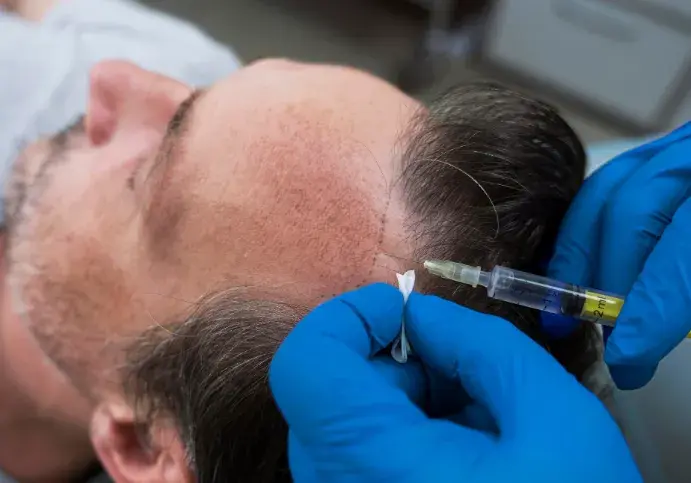
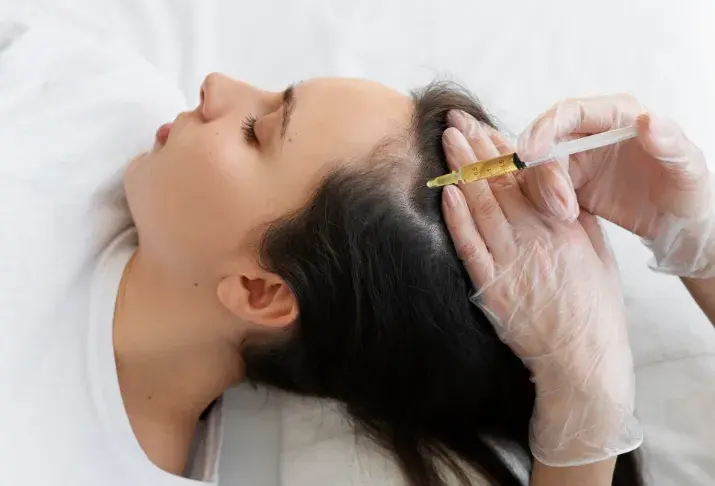
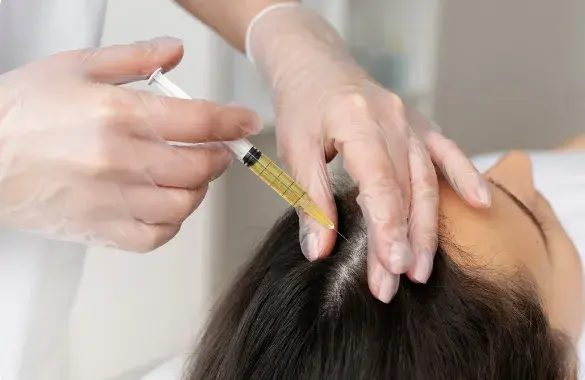
One treatment generating interest is exosome therapy for hair growth. It's often discussed alongside regenerative treatments such as PRP and GFC, with claims that it can stimulate hair follicles and improve hair density.
But what are exosomes, exactly? And does the science support the excitement around them?
The research is encouraging, but it is still developing. Here's what we know so far, what remains uncertain, and what to consider before exploring this treatment.
What Are Exosomes?
Exosomes are tiny, membrane-bound particles released by cells. They help cells communicate by carrying biological material, including proteins, lipids and certain types of RNA.
In research on hair loss, scientists are investigating whether these particles can influence the activity of cells involved in the hair growth cycle.
Some experimental studies suggest that exosomes may help regulate processes linked to follicle activity, cell signalling and the scalp's local environment. This has made them an area of interest in regenerative medicine.
However, exosomes are not the same as stem cells. They are particles released by cells, rather than living cells themselves. Their composition and potential effects depend on where they come from and how they are prepared.
Different exosome products can vary significantly, which makes it difficult to assume that every treatment marketed under the same name will produce the same results.
How Could Exosomes Support Hair Growth?
Hair growth depends on several interacting factors, including genetics, hormones, the hair growth cycle and the health of the follicles.
Researchers are studying whether exosomes could influence some of the biological processes involved in this cycle.
1. Supporting follicle activity
Some laboratory studies suggest that exosomes may influence cells involved in the hair follicle's growth phase. This could potentially help support hair growth, although laboratory findings do not automatically translate into proven benefits in people.
2. Influencing cellular signalling
Exosomes carry molecules that can affect how cells communicate. Researchers are investigating whether these signals can influence pathways associated with follicle development and hair growth.
3. Supporting the scalp environment
Certain studies suggest that exosomes may influence processes related to inflammation and the local environment around hair follicles. Whether these effects produce meaningful, lasting improvements in human hair growth remains an active area of research.
|
Doctor's Note
Hair loss is not one condition with one cause. Genetic hair loss, nutritional deficiencies, thyroid disorders, stress-related shedding and inflammatory scalp conditions may require very different approaches. Before considering a regenerative treatment, it is important to understand what is causing the hair loss in the first place.
|
What Does the Research Say?
This is where the distinction between potential and proven treatment becomes important.
A 2025 systematic review published in Clinical, Cosmetic and Investigational Dermatology examined 11 clinical studies involving exosome-based treatments for hair loss. The studies reported improvements in at least one measure, such as hair density or thickness.
However, the researchers also highlighted important limitations:
- Small study sizes: Many studies involved relatively few participants.
- Different formulations: Exosomes came from different biological sources and were prepared in different ways.
- Different treatment protocols: Delivery methods, doses and session schedules varied.
- Limited follow-up: Studies did not all track patients for the same length of time.
- More research needed: Larger, well-designed clinical trials are required to establish reliable treatment protocols and long-term outcomes.
A separate review of clinical studies published in Dermatologic Surgery in 2025 also highlighted the limited human evidence and the need for better standardisation and safety oversight.
So, are exosomes promising? Yes.
Are they a proven, predictable solution for hair loss? Not yet. Early findings are encouraging, but they do not establish how well the treatment works for every person, which formulation is most effective or how long the results may last.
|
Doctor's Note
When evaluating a new hair treatment, look beyond before-and-after photographs. Ask whether the results have been demonstrated in controlled human studies, how long participants were followed and whether the product used is the same as the one being offered to you. Early results are useful, but they are not a guarantee of individual outcomes.
|
Research references: 2025 systematic review of exosomes and hair regeneration and review of clinical studies in Dermatologic Surgery.
Who Might Benefit from Exosome Therapy?
Researchers are investigating exosome-based treatments for several forms of hair loss, including androgenetic alopecia, commonly known as pattern hair loss.
However, there is not enough evidence to confidently identify every type of hair loss that may respond, or to predict who will benefit most.
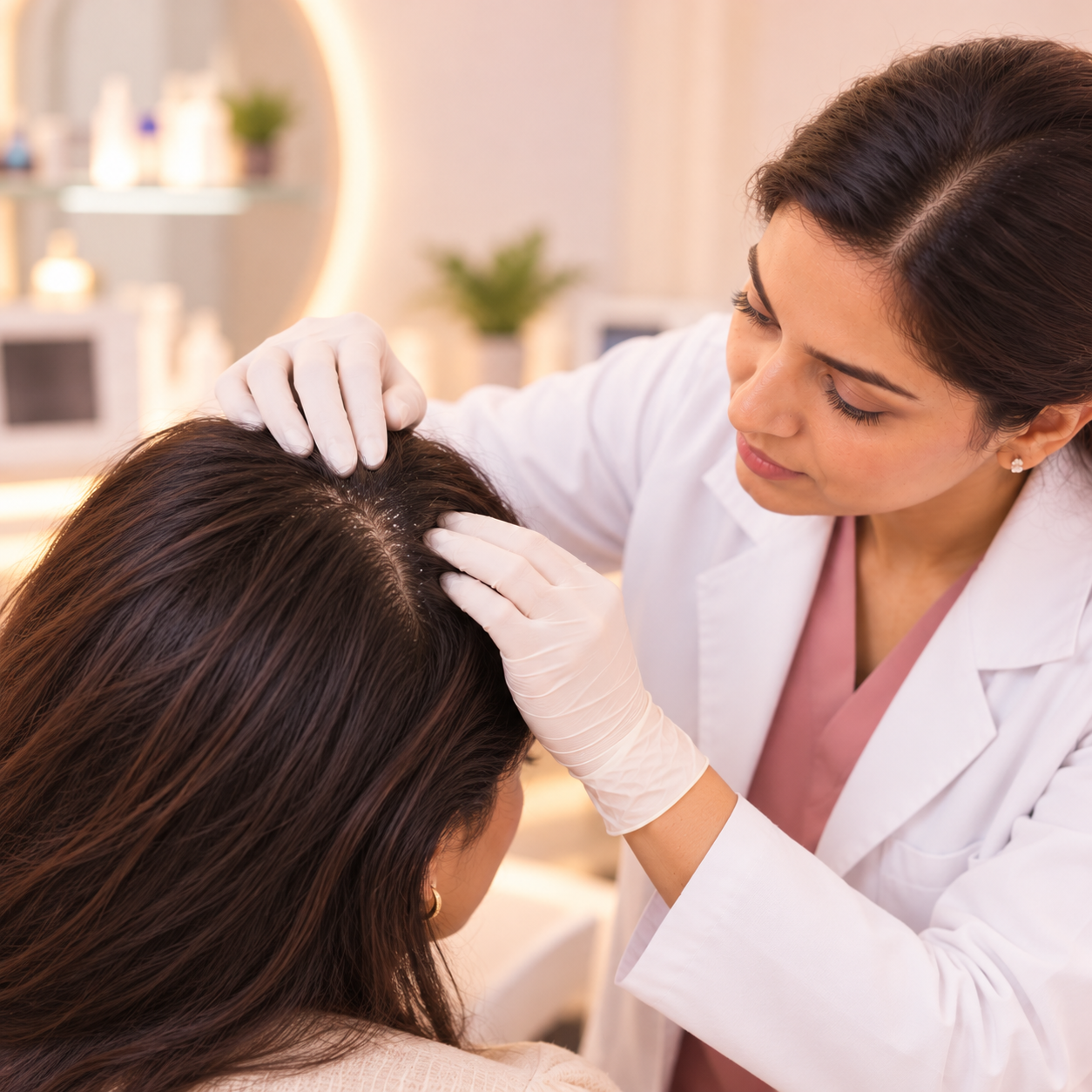
If you're noticing thinning around your crown, a widening parting or a gradually receding hairline, start with a proper assessment rather than assuming exosomes are the right option.
A dermatologist may consider factors such as:
- The pattern and duration of hair loss.
- Whether the follicles appear to be miniaturising.
- Scalp health and any signs of inflammation.
- Family history and relevant hormonal factors.
- Nutritional status, medications and medical history.
- Treatments already tried and how your hair responded.
This assessment can help determine whether you need an established hair-loss treatment, further investigation into an underlying condition, or a discussion about emerging therapies.
If you're experiencing persistent shedding or visible thinning, you can explorehair regrowth treatments at Bodycraft and discuss your concerns with a qualified professional.
Exosomes vs PRP vs GFC: What's the Difference?
These treatments are often mentioned together, but they are not interchangeable.
|
Treatment
|
What it involves
|
What to know about the evidence
|
|
Exosome therapy
|
Uses a preparation containing extracellular vesicles, marketed for their potential regenerative effects
|
Early clinical findings are promising, but formulations and protocols vary and stronger evidence is needed
|
|
PRP
|
Uses platelet-rich plasma prepared from a sample of the patient's own blood
|
Has a larger body of clinical research for certain types of hair loss, although protocols and results vary
|
|
GFC
|
Uses a preparation of growth factors obtained from the patient's own blood
|
An emerging option; evidence and protocols vary, and it should not be assumed to be equivalent to PRP
|
The key difference is what the preparation contains and how it is produced. Exosome products may come from different biological sources, while PRP and GFC treatments use material derived from the patient's blood.
None of these treatments should be selected based on the name alone. The product, preparation method, clinical evidence and suitability for your particular condition all matter.
You can read more about PRP hair regrowth at Bodycraft and GFC hair treatment to understand how these approaches differ from exosome-based therapies.
Are Exosome Treatments Safe?
Safety deserves as much attention as potential results.
Some small clinical studies have reported temporary effects such as scalp redness, irritation, swelling or itching. However, the available research is not extensive enough to establish the long-term safety of all exosome formulations.
Products can differ in their source material, manufacturing quality, purity, storage and handling. These differences may affect their safety and performance.
Before considering treatment, ask about:
- Product source: Where do the exosomes come from?
- Manufacturing standards: How are the product's identity, purity and quality assessed?
- Regulatory status: What approvals or authorisations apply to the specific product and procedure in your country?
- Clinical evidence: Is there published human research on the exact formulation being used?
- Possible risks: What side effects are known, and how are complications managed?
- Aftercare and follow-up: Who will monitor your progress and address concerns?
Regulatory status differs by country and product. The US Food and Drug Administration states that there are currently no FDA-approved exosome products and warns consumers about unapproved products marketed for therapeutic use. This is a US regulatory position, so it should not be interpreted as a complete statement of Indian regulations.
|
Doctor's Note
A treatment being offered at a clinic does not automatically mean that its safety and effectiveness have been established. Before proceeding with an emerging therapy, ask for clear information about the product, the evidence behind it, potential risks and the qualifications of the professional administering it.
Safety reference: US FDA consumer alert on regenerative medicine products, including exosomes.
|
What Should You Ask Before Considering Treatment?
If you're exploring exosome therapy for hair loss, use your consultation to get clear answers rather than relying on broad claims.
Here are a few questions worth asking:
- What is causing my hair loss? Understanding the diagnosis helps determine whether the proposed treatment is appropriate.
- What evidence supports this particular product? Ask about published human studies, not just laboratory research or testimonials.
- What results are realistic for my condition? Ask how improvement will be measured and when progress will be reviewed.
- What are my alternatives? Depending on the diagnosis, established medical treatments may be more appropriate or better supported by evidence.
- What are the risks and costs? Understand the full treatment plan, follow-up requirements and any additional expenses before committing.
It is also worth asking how your progress will be tracked. Standardised photographs, scalp assessments and appropriate hair-density measurements can make it easier to evaluate whether a treatment is helping over time.
FAQs
1. Do exosomes really help hair grow?
Early clinical studies have reported improvements in hair density or thickness in some participants. However, the evidence remains limited, and larger, better-controlled studies are needed to confirm effectiveness and identify who is most likely to benefit.
2. How many exosome sessions are needed for hair growth?
There is no universally established treatment schedule. The number of sessions depends on the product and protocol being offered, and reliable evidence is not yet sufficient to define one standard approach. Be cautious of guarantees about the number of sessions or results.
3. How long does it take to see results?
Hair growth takes time, and studies of exosome therapy have used different follow-up periods. There is no reliable timeline that applies to everyone. Ask the treating professional how progress will be measured and when the treatment plan will be reviewed.
4. Are exosomes better than PRP or GFC?
There is not enough high-quality comparative evidence to conclude that exosome therapy is better than PRP or GFC. The most appropriate option depends on your diagnosis, the evidence for the specific treatment and your individual circumstances.
5. Can exosomes reverse baldness?
There is currently insufficient evidence to claim that exosome therapy can reliably reverse baldness, particularly where follicles have been lost or severely damaged. A dermatologist can assess the extent of hair loss and explain which options may be realistic.
6. Should I try exosomes before other hair-loss treatments?
Not necessarily. Some established treatments have stronger evidence for particular types of hair loss. A dermatologist can help you understand the cause of your hair loss and compare the benefits, limitations and risks of available options before you decide.
Final Thoughts
Exosomes are an interesting development in hair-regeneration research. Their role in cellular communication gives researchers several reasons to investigate their potential, and early human studies have reported encouraging results.
But promising research is not the same as a proven treatment. Important questions about product quality, ideal candidates, long-term safety, treatment protocols and lasting results remain unanswered.
If you're experiencing hair thinning or persistent hair fall, the best starting point is a proper assessment of your scalp and the underlying cause. From there, you can make an informed decision about established treatments and newer options.
At Bodycraft, you can explore hair regrowth treatments and seek professional guidance on the options that may suit your needs.
Healthy hair care starts with understanding your hair loss, not chasing the newest treatment.
Explore More Articles: