Search for Indian hair care online and you will find plenty of confident instructions: oil overnight, wash only once a week, avoid sulphates, use a heavy mask and never comb wet hair.
The problem is that India does not have one climate, one water type or one hair texture. Indian hair can be fine or coarse, straight or tightly curled, untreated or repeatedly coloured. An oily scalp can coexist with dehydrated ends, while two people living in the same city may need completely different routines.
The most useful haircare plan is therefore not based on nationality alone. It should account for your:
- Scalp condition
- Strand texture and thickness
- Hair density
- Chemical and heat-styling history
- Local climate and water
- Lifestyle and wash frequency
- Main concern, such as buildup, frizz, breakage or shedding
There Is No Single “Indian Hair Type”
Human hair varies considerably in its diameter, shape, curl pattern, growth characteristics and response to environmental conditions. India’s genetic and geographical diversity makes a single description even less useful.
Within Indian hair, you may find:
- Fine, straight strands that become oily quickly
- Thick, straight hair that feels heavy after conditioning
- Loose waves that lose definition in humidity
- Curly or coily hair that needs more moisture and gentle detangling
- Dense hair that takes longer to cleanse and dry
- Sparse or fine hair that is easily weighed down
- Virgin hair with relatively low damage
- Coloured, bleached or smoothened hair with greater porosity and breakage risk
“Indian hair” can describe a cultural and geographical context, but it does not tell you which shampoo, oil or treatment your individual hair needs.
Start with the Scalp, Not the Hair Trend
A routine should begin with what is happening at the scalp.
Ask yourself:
- Does the scalp feel oily within a day or two of washing?
- Is there itching, flaking or visible buildup?
- Do you sweat heavily because of exercise, commuting or the climate?
- Does the scalp feel tight or uncomfortable after shampooing?
- Are you applying oils, dry shampoo or styling products near the roots?
- Is there persistent redness, tenderness or excessive shedding?
An oily or sweaty scalp may need more frequent cleansing. A dry or sensitive scalp may need a gentler shampoo and fewer potentially irritating products. Flaking should not automatically be treated by applying more oil, as different scalp conditions require different approaches.
The scalp and the hair lengths should also be assessed separately. Shampoo is mainly used to clean the scalp, while conditioner is primarily intended to improve the feel and manageability of the lengths.
How Often Should Indian Hair Be Washed?
There is no medically correct wash day that applies to everyone. Washing frequency should reflect how quickly the scalp accumulates oil, sweat, flakes and styling residue.
You may need to wash more frequently if:
- Your scalp becomes oily quickly.
- You exercise or sweat regularly.
- You live in a hot, humid environment.
- You use styling products near the roots.
- You have fine hair that loses volume with oil buildup.
You may wash less frequently if:
- Your scalp remains comfortable for several days.
- Your hair is curly, coily or naturally dry.
- Your lengths become rough with frequent shampooing.
- You use minimal styling products.
Curly and coily hair is generally more prone to dryness and breakage, so it often benefits from less frequent washing and more consistent conditioning. However, extending the interval too far can allow sweat, oil and product residue to accumulate on the scalp.
Rather than following a fixed schedule, adjust the frequency until the scalp feels clean without the lengths becoming persistently dry.
Choosing a Shampoo Without Following Labels Blindly
A shampoo should be selected according to its cleansing strength and intended purpose—not simply because it says “natural,” “sulphate-free” or “for Indian hair.”
For an oily or frequently sweaty scalp
Choose a shampoo that cleans effectively without requiring repeated applications. Apply it to the scalp and allow the lather to move through the lengths while rinsing.
For curly or dry hair
A moisturising shampoo may help reduce the stripped feeling that follows cleansing. Concentrate it on the scalp and avoid vigorously rubbing the lengths together.
For product or mineral buildup
An occasional clarifying or chelating shampoo may be useful. Clarifying products target oils and styling residue, while chelating formulas are designed to bind certain mineral deposits.
Hard-water minerals can accumulate within the cuticle layers and influence the physical behaviour of hair, particularly when the fibre is already chemically damaged.[3] This does not mean that everyone in a hard-water city needs a strong shampoo at every wash.
For dandruff or persistent flaking
An anti-dandruff shampoo should be used according to its instructions and applied mainly to the scalp. If flaking, redness or itching continues, the concern may need a dermatologist’s assessment rather than repeated salon treatments or home remedies.
Conditioner Is Not Optional but the Amount Is Personal
Conditioner reduces friction, improves detangling and helps the hair feel smoother. The amount and texture should match the strand rather than the passport.
Fine or straight hair may prefer:
- Lightweight conditioners
- Application from the mid-lengths down
- Smaller quantities
- Thorough rinsing
- Minimal layering of oils, masks and leave-ins
Thick, curly or coarse hair may need:
- Richer conditioners
- Conditioning throughout the lengths
- Section-by-section application
- A leave-in conditioner for added slip
- Gentle detangling while the hair is adequately lubricated
Coloured or chemically treated hair may benefit from:
- Conditioning at every wash
- Reduced heat exposure
- Periodic bond-support care
- Products selected for the actual level of damage
- Greater attention to the oldest sections near the ends
Leave-in conditioner is generally most useful on the mid-lengths and ends rather than the scalp. Curly, coarse and chemically treated hair may need more conditioning than fine, untreated hair.
Does Every Indian Hair Routine Need Oil?
Hair oiling has an important place in many Indian households, but it is not compulsory for healthy hair.
Research has found that coconut oil can penetrate the hair fibre and reduce protein loss when used before or after washing. This supports its use as a grooming product for certain hair types, particularly when the goal is to reduce friction and improve the condition of the lengths.
However, hair oil does not:
- Make every hair type grow faster
- Treat genetic hair loss
- Cure every cause of dandruff
- Reverse split ends
- Replace shampoo and conditioner
- Repair severe chemical damage permanently
A small amount used as a pre-wash treatment may work well for dry or breakage-prone lengths. Fine hair may need much less, while an oily or flaky scalp may not respond well to frequent overnight oiling.
If oil leaves the roots itchy or forces you to shampoo repeatedly, it is not helping your routine.
Why Climate Changes What Your Hair Needs
A routine that works in Bengaluru may behave differently during a visit to Chennai, Delhi, Mumbai or Dehradun. Seasonal changes can also alter the hair’s response.
In hot and humid weather
Humidity can disrupt styling and make wavy, curly or damaged hair appear frizzier. Sweat and scalp oil may also accumulate faster.
Try:
- Washing according to scalp buildup
- Using lightweight conditioner
- Applying styling products in smaller quantities
- Drying the scalp fully before tying the hair
- Using an anti-humidity finishing product when needed
During the monsoon
The combination of humidity, rain exposure and slower drying can make the scalp feel uncomfortable.
Focus on:
- Cleansing after heavy sweating or rain exposure
- Drying the roots properly
- Avoiding tight hairstyles on damp hair
- Cleaning combs, brushes and fabric hair accessories
- Watching for persistent itching or odour
In hot, dry or air-conditioned environments
The lengths may lose softness even when the scalp remains oily.
Consider:
- A more conditioning wash routine
- Leave-in care on the ends
- Reduced direct heat
- Protection from prolonged sun exposure
- Regular trimming of weathered ends
In hard-water areas
Look for repeated signs such as poor lathering, a coated feeling, dullness and mineral scale on fixtures. Use a clarifying or chelating product occasionally rather than assuming that every rough strand requires more oil.
Why Common Indian Hair Advice Often Fails
“Everyone should oil overnight”
Some people enjoy overnight oiling, while others develop buildup, itching or the need for aggressive cleansing. Duration should be based on comfort and hair response.
“Washing frequently causes hair fall”
Washing can release strands that had already completed their growth cycle. The sight of hair in the shower does not prove that shampoo caused it. At the same time, rough handling during washing can increase breakage.
“Sulphate-free shampoo is always gentler”
The complete formulation matters more than the presence or absence of one ingredient category. A poorly matched mild cleanser may leave buildup, while a stronger shampoo used occasionally may be appropriate.
“More conditioner means more hydration”
Fine hair can become flat or coated when too many rich products are layered. Hydration and manageability depend on using the right formula in an appropriate amount.
“Natural ingredients cannot cause problems”
Essential oils, herbal powders, onion juice, lemon and fragranced DIY mixtures can irritate the scalp. Natural origin does not guarantee safety or suitability.
“Trimming makes hair grow faster”
Trimming removes split and weathered ends, helping the hair look neater and break less. It does not change the biological growth rate at the follicle.
Match the Routine to the Hair in Front of You
Fine, straight hair with an oily scalp
A useful starting point may include:
- Regular scalp cleansing
- Lightweight conditioner on the ends
- Minimal oil near the roots
- Occasional clarifying if styling products are used
- Volumising products applied sparingly
Wavy hair that becomes frizzy in humidity
Consider:
- A gentle but effective shampoo
- Conditioner with good detangling slip
- Leave-in or styling cream in a small quantity
- Styling while the hair is damp
- Limiting repeated brushing after the wave pattern has formed
Curly or coily hair with dry lengths
The routine may need:
- Less frequent shampooing based on scalp comfort
- Sectioned washing and conditioning
- Richer conditioner throughout the lengths
- Detangling with adequate slip
- Leave-in conditioner or a suitable oil
- Reduced heat and manipulation
Coloured or smoothened hair in a hard-water city
Priorities may include:
- Colour-compatible shampoo
- Consistent conditioning
- Periodic mineral-removal care when buildup is present
- Lower styling temperatures
- Bond-support treatments where appropriate
- A plan for spacing future chemical services
Chemical colouring, bleaching, perming and straightening alter the hair fibre and can increase structural damage or reduce its physical resilience.[5][6] Once hair has been chemically processed, its treatment history may matter more than its original texture.
When a Professional Hair Assessment Helps
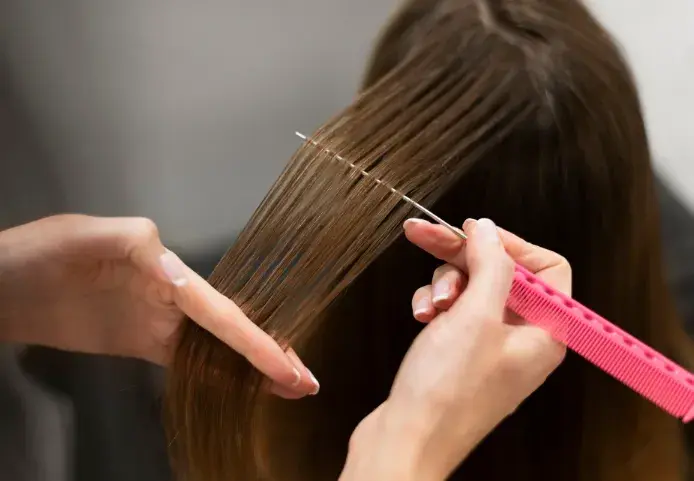
Homecare is often enough for routine cleansing and conditioning. A salon assessment becomes useful when you cannot tell whether the problem is dehydration, buildup, chemical damage or an unsuitable haircut.
Depending on the condition of the hair, a Bodycraft stylist may suggest:
- A customised option such as Reborn when the hair needs nourishment and improved manageability
- Hydra Revive Caviar Ritual for dry lengths that need more intensive conditioning
- Plex Stand Alone or OLAPLEX 4-in-1 Express Treatment when chemical or heat history has left the hair brittle
- An OLAPLEX Broad Spectrum Treatment when mineral and product buildup needs to be addressed before a creative colour service
These options are available across Bodycraft’s Alchemy hair therapies and Enhance colour services. The service should follow an assessment of the hair’s texture, porosity, chemical history and current condition rather than being selected only by trend.
Salon treatments can improve the feel, appearance and manageability of the hair fibre. They do not diagnose scalp disease or treat medical causes of hair loss.
When the Concern Is More Than Haircare
A change in shampoo or a conditioning treatment cannot address every scalp or hair concern.
Consult a dermatologist if you notice:
- Sudden or persistent shedding
- A widening part or receding hairline
- Clearly defined bald patches
- Significant scalp redness, pain or scaling
- Recurrent sores or pustules
- Loss of eyebrow or body hair
- Hair changes accompanied by fatigue, weight changes or other symptoms
- Breakage that continues despite reducing chemical and heat exposure
The aim is not to medicalise every bad hair day. It is to recognise when the concern begins at the scalp or follicle rather than the visible hair shaft.
|
For Concerns That Go Beyond Everyday Haircare
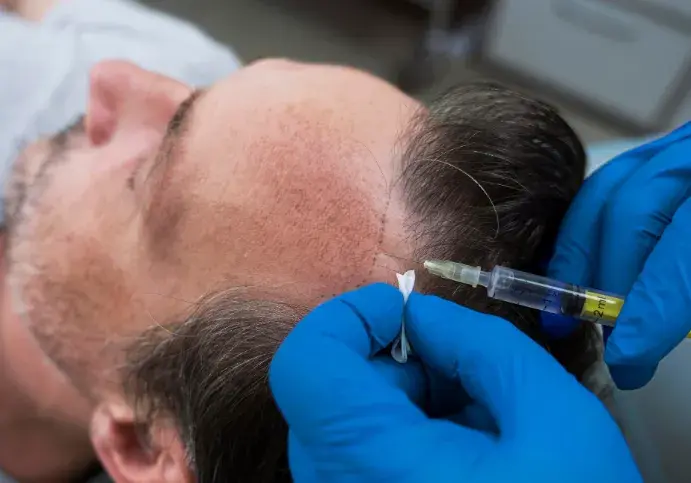
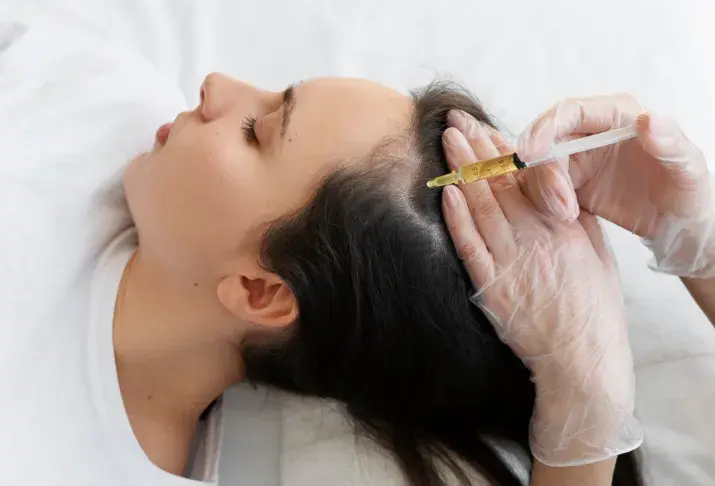
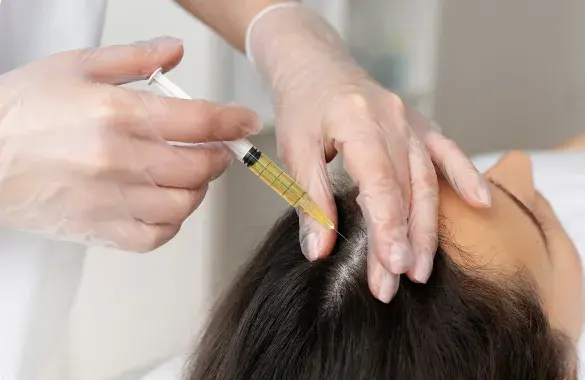
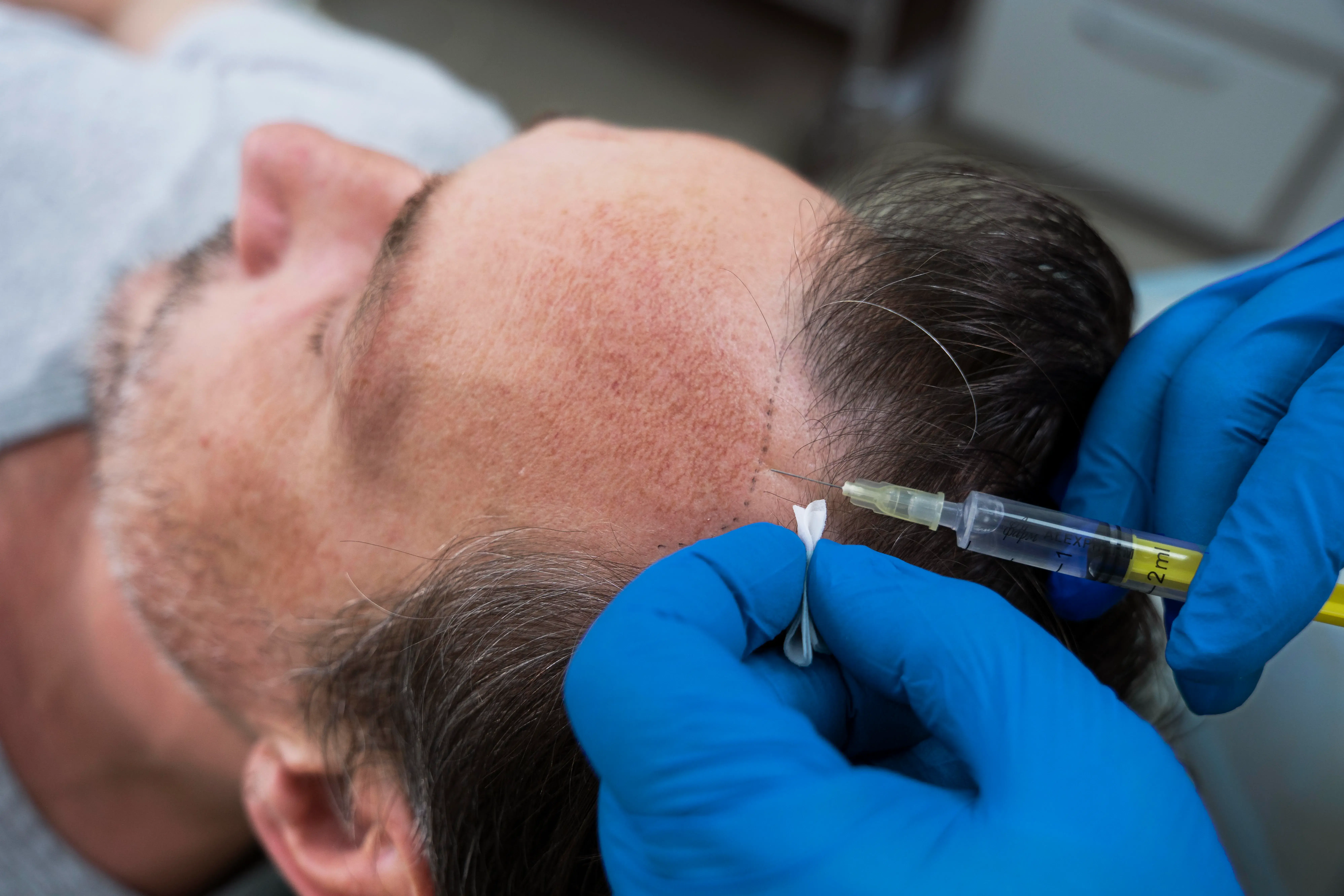
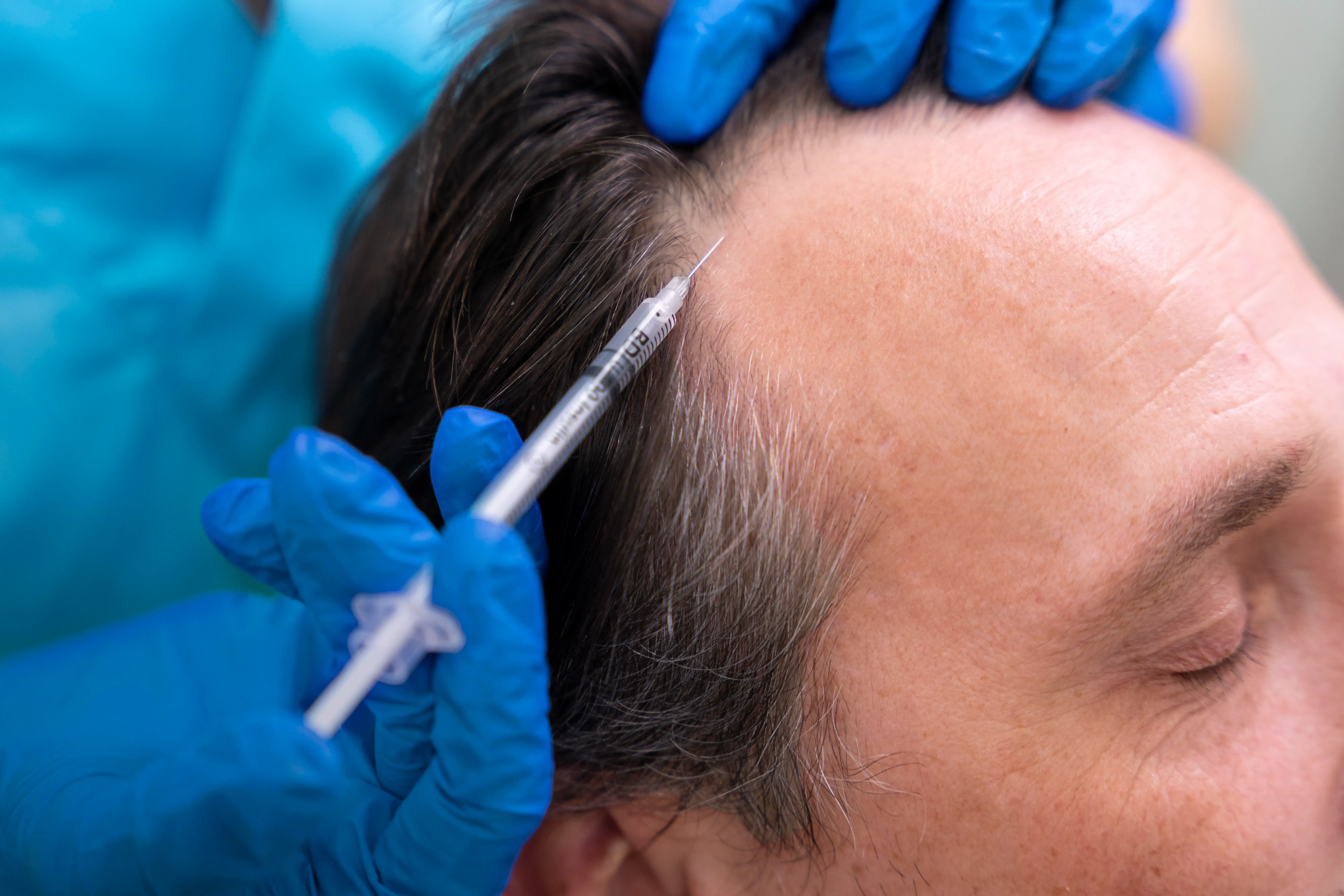
Persistent hair fall, progressive thinning and recurring scalp concerns may need more than a change in shampoo or a salon treatment. At Bodycraft Clinic, hair and scalp concerns are assessed before an appropriate plan is recommended. For suitable candidates, doctor-guided hair-regrowth treatments may include PRP, GFC and YouthX Hair. The recommended approach depends on the type and possible cause of the concern.
|
FAQs
What is the best Indian haircare routine?
There is no universal routine. Start with a shampoo suited to the scalp, a conditioner suited to the lengths and styling products chosen for the hair’s texture and environment.
How often should Indian hair be oiled?
Oil only as often as it improves manageability without causing buildup or irritation. Some people may use a small amount before every wash, while others may prefer occasional oiling or none at all.
Is Indian hair naturally thick?
Some Indians have thick individual strands or high density, while others have fine or sparse hair. Hair diameter and density vary widely between individuals.
Does Indian hair need special products?
Not necessarily. Products should be chosen for the scalp, strand and service history. A product marketed for “Indian hair” is not automatically better suited to your individual needs.
How can I tell whether my hair needs moisture or bond care?
Hair that is dry but otherwise resilient may respond to conditioning. Hair weakened by bleaching, colouring or repeated high heat may need a damage-focused routine and professional assessment. The two concerns can also occur together.
Can one routine work throughout the year?
Not always. Wash frequency, conditioning and styling may need to change during humid summers, monsoons, dry winters or travel between cities.
Build a Routine Around Your Hair, Not a Label
Effective Indian hair care begins with observation rather than assumptions.
Pay attention to:
- How quickly the scalp becomes oily
- How the lengths feel after washing
- Whether the hair is breaking or shedding
- How it responds to humidity and water
- The effect of colouring, smoothening and heat
- Whether products improve manageability or simply create buildup
Your routine does not need to follow every traditional remedy or global trend. It needs to keep the scalp comfortable, make the hair manageable and reduce avoidable damage.
When those three goals are met, haircare becomes much simpler—and far more personal.
Explore Bodycraft’s hair services for professional care selected according to your hair texture, treatment history and styling goals.
Scientific References
- Loussouarn G, et al. “Diversity in Human Hair Growth, Diameter, Colour and Shape: An In Vivo Study on Young Adults from 24 Different Ethnic Groups Observed in the Five Continents.” European Journal of Dermatology. 2016. Available at: PubMed
- Rele AS, Mohile RB. “Effect of Mineral Oil, Sunflower Oil, and Coconut Oil on Prevention of Hair Damage.” Journal of Cosmetic Science. 2003;54(2):175–192. Available at: PubMed
- Evans AO, Marsh JM, Wickett RR. “The Structural Implications of Water Hardness Metal Uptake by Human Hair.” International Journal of Cosmetic Science. 2011;33(5):477–482. DOI: 10.1111/j.1468-2494.2011.00659.x. Available at: PubMed
- American Academy of Dermatology Association. “Six Curly Hair Care Tips from Dermatologists.” Available at: American Academy of Dermatology
- He X, Cao W, Nie F, Wang Y. “Mechanisms of Impairment in Hair and Scalp Induced by Hair Dyeing and Perming and Potential Interventions.” Frontiers in Medicine. 2023. Available at: PubMed
- Bloch LD, et al. “Chemical and Physical Treatments Damage Caucasian and Afro-Ethnic Hair Fibre: Analytical and Image Assays.” Journal of the European Academy of Dermatology and Venereology. 2019;33(11). Available at: PubMed
- American Academy of Dermatology Association. “Dermatologists’ Top Tips for Using Leave-In Conditioner.” Available at: American Academy of Dermatology
Explore More Articles:






.png)





.png)
.png)


-1.png)


-1.png)
-3.png)



.png)




-Aug-02-2026-05-23-10-1368-PM.png)




.webp)
-1.webp)
.webp)
-Jul-07-2026-12-19-56-1023-PM.webp)





-Jun-01-2026-02-54-50-5351-PM.png)
-Jun-01-2026-02-45-39-8016-PM.png)

-May-29-2026-03-30-08-6855-PM.png)

-1.webp)

-3.webp)







.webp)
.webp)

-1.webp)
.webp)