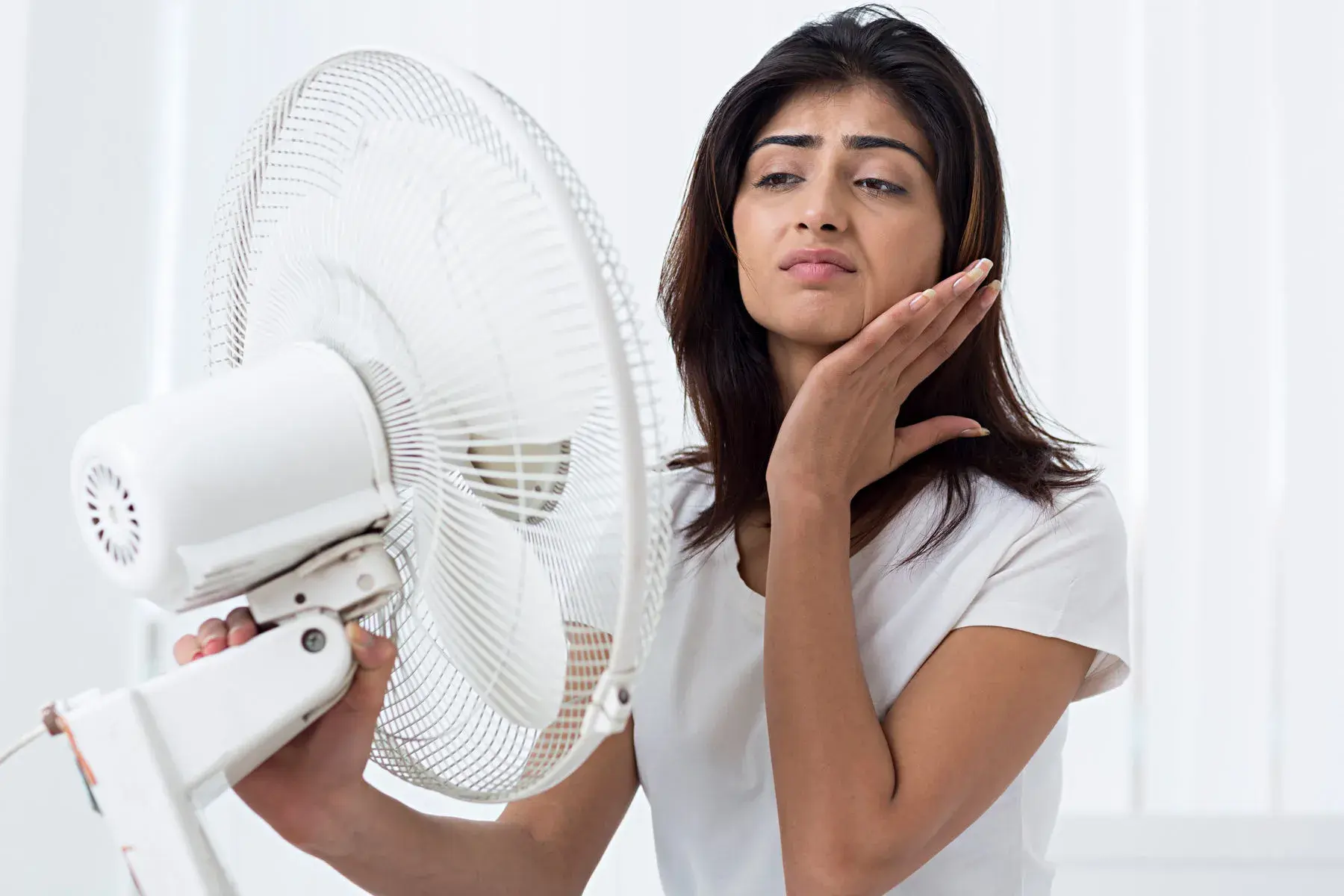
If your first thought before leaving the house is, “Will I sweat through this outfit?”, excessive sweating may be affecting your life more than you realise. Generalised hyperhidrosis can lead to persistent sweating even without heat, exercise, or stress. Unlike occasional sweating after exercise or in hot weather, this condition can interfere with comfort, sleep, confidence, and everyday life.
Understanding generalised hyperhidrosissymptoms, causes, and treatment options is the first step toward managing it effectively.
What Is Generalised Hyperhidrosis?
Generalised hyperhidrosis is a condition that causes excessive sweating across multiple or large areas of the body. Unlike focal hyperhidrosis, which affects specific areas like the underarms, palms, or feet, it involves widespread sweating that may occur even during rest or sleep.
In many cases, it is linked to an underlying medical condition, medication, or hormonal imbalance. Because of this, diagnosis and treatment often focus on identifying the root cause alongside managing sweat production.
Generalised Hyperhidrosis Causes Explained
There are several possible causes, ranging from medical conditions to medication-related triggers.
Underlying Medical Conditions
Certain health conditions can overstimulate sweat glands, leading to full-body sweating. Common examples include:
- Thyroid disorders
- Diabetes
- Infections
- Obesity
- Autoimmune conditions
In these cases, sweating may improve once the underlying condition is properly managed.
Medication-Induced Sweating
Some medications can trigger excessive sweating as a side effect. These may include:
- Antidepressants
- Pain medications
- Hormonal treatments
- Certain blood pressure medications
A doctor may evaluate whether medication changes are needed.
Hormonal Changes
Hormonal fluctuations during menopause, pregnancy, or metabolic changes can increase sweat production and trigger generalized sweating episodes.
Neurological or Systemic Factors
In some cases, the nervous system may overstimulate sweat glands, leading to persistent sweating across the body. Neurological disorders and systemic conditions may contribute to these symptoms.
Generalised Hyperhidrosis Symptoms to Watch For
The symptoms can vary depending on the underlying cause and severity.
Sweating Across Large Areas of the Body
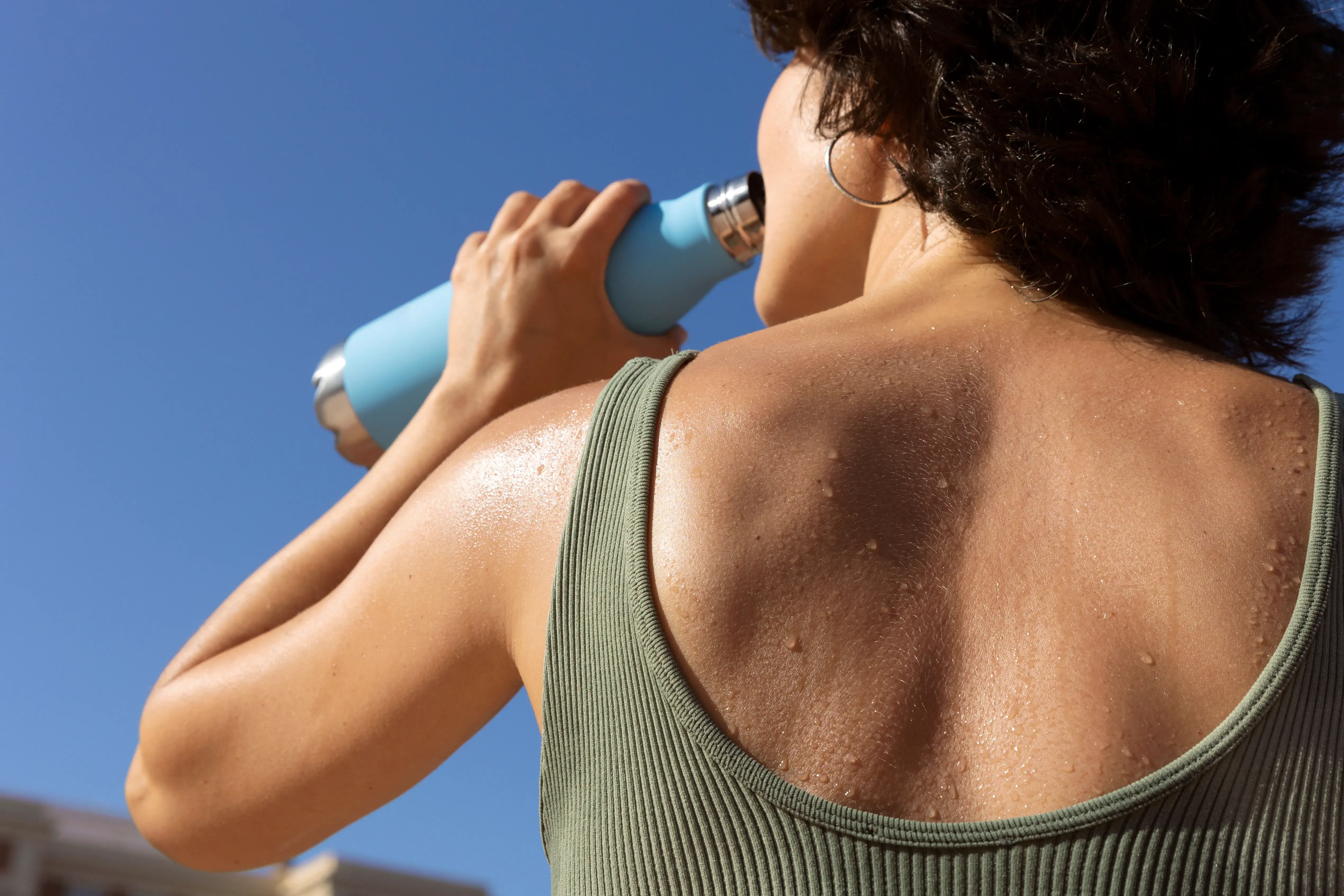
One of the most noticeable symptoms is excessive sweating affecting the chest, back, scalp, arms, or multiple body regions simultaneously.
Occurs Even During Rest or Sleep
Unlike normal sweating caused by heat or physical activity, sweating may continue even while sitting still or sleeping.
Night Sweats and Persistent Moisture
Frequent night sweats, damp clothing, or a constant feeling of moisture are common concerns.
Fatigue or Discomfort Due to Fluid Loss
Heavy sweating over long periods may lead to dehydration, tiredness, or physical discomfort.
How Generalised Hyperhidrosis Is Different from Focal Hyperhidrosis
Although both conditions involve excessive sweating, there are important differences between generalized and focal hyperhidrosis.
|
Factor
|
Focal Hyperhidrosis
|
Generalized Hyperhidrosis
|
|
Sweating Area
|
Specific areas like palms, underarms, or feet
|
Larger or multiple body areas
|
|
Cause
|
Usually no clear medical cause
|
Often linked to medical conditions or medications
|
|
Sweating Pattern
|
Localised sweating
|
Full-body sweating, even during rest or sleep
|
|
Common Triggers
|
Stress, heat, emotions
|
Health conditions, hormones, medications
|
|
Treatment
|
Botox, iontophoresis, and topical treatments
|
Medical evaluation and symptom management
|
|
Daily Impact
|
Affects specific activities
|
Affects overall comfort and daily life
|
How Is Generalised Hyperhidrosis Diagnosed?
Proper diagnosis is important because excessive sweating may sometimes indicate an underlying medical concern.
Clinical Evaluation and Medical History
Doctors usually begin by reviewing symptoms, sweating patterns, medical history, and medication use.
Blood Tests and Diagnostic Investigations
Blood tests or additional investigations may help identify hormonal imbalances, infections, thyroid disorders, or metabolic conditions.
Identifying Underlying Conditions
The goal is not only to manage sweating but also to identify and treat the underlying cause of the condition.
Generalised Hyperhidrosis Treatment Options
This treatment focuses on controlling excessive sweating while addressing any underlying condition that may be causing it.
Treating Underlying Medical Conditions
Managing thyroid disorders, infections, diabetes, or hormonal imbalances may significantly reduce sweating symptoms.
Oral Medications for Sweat Control
Doctors may prescribe medications that help regulate sweat gland activity and reduce excessive sweating throughout the body.
Advanced Medical Treatments for Symptom Relief
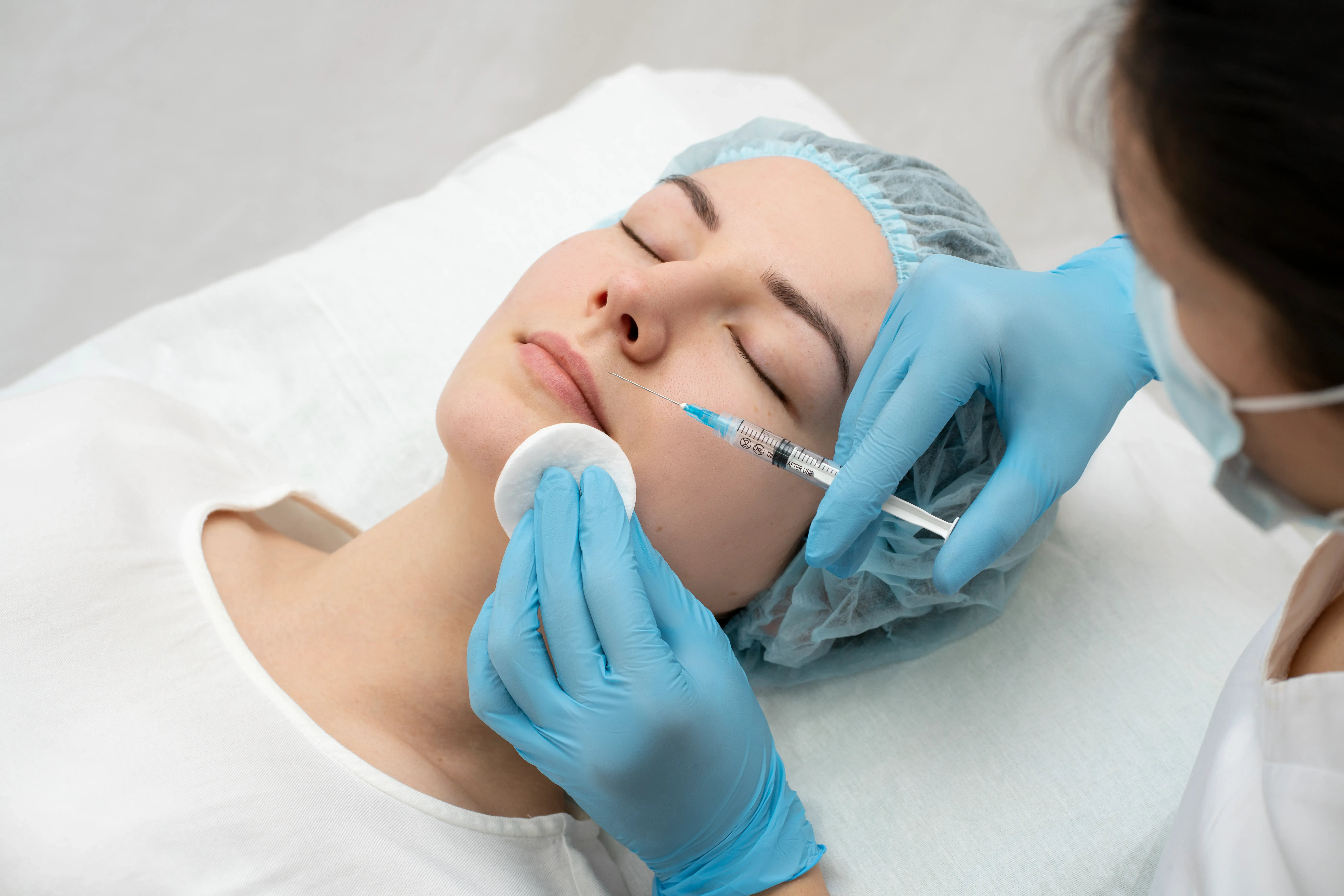
In some cases, dermatology treatments may be used to manage sweating in high-impact areas, such as the underarms or palms.
Long-Term Management Strategies
Many people benefit from combining medical treatment with lifestyle changes and regular follow-ups for ongoing sweat control.
Advanced Medical Treatments for Excessive Sweating
Modern treatments for excessive sweating are designed to improve comfort and quality of life.
Prescription Medications for Sweat Regulation
Prescription medications may help reduce sweat gland stimulation and improve symptom management.
Botulinum Toxin (Botox) for Targeted Areas
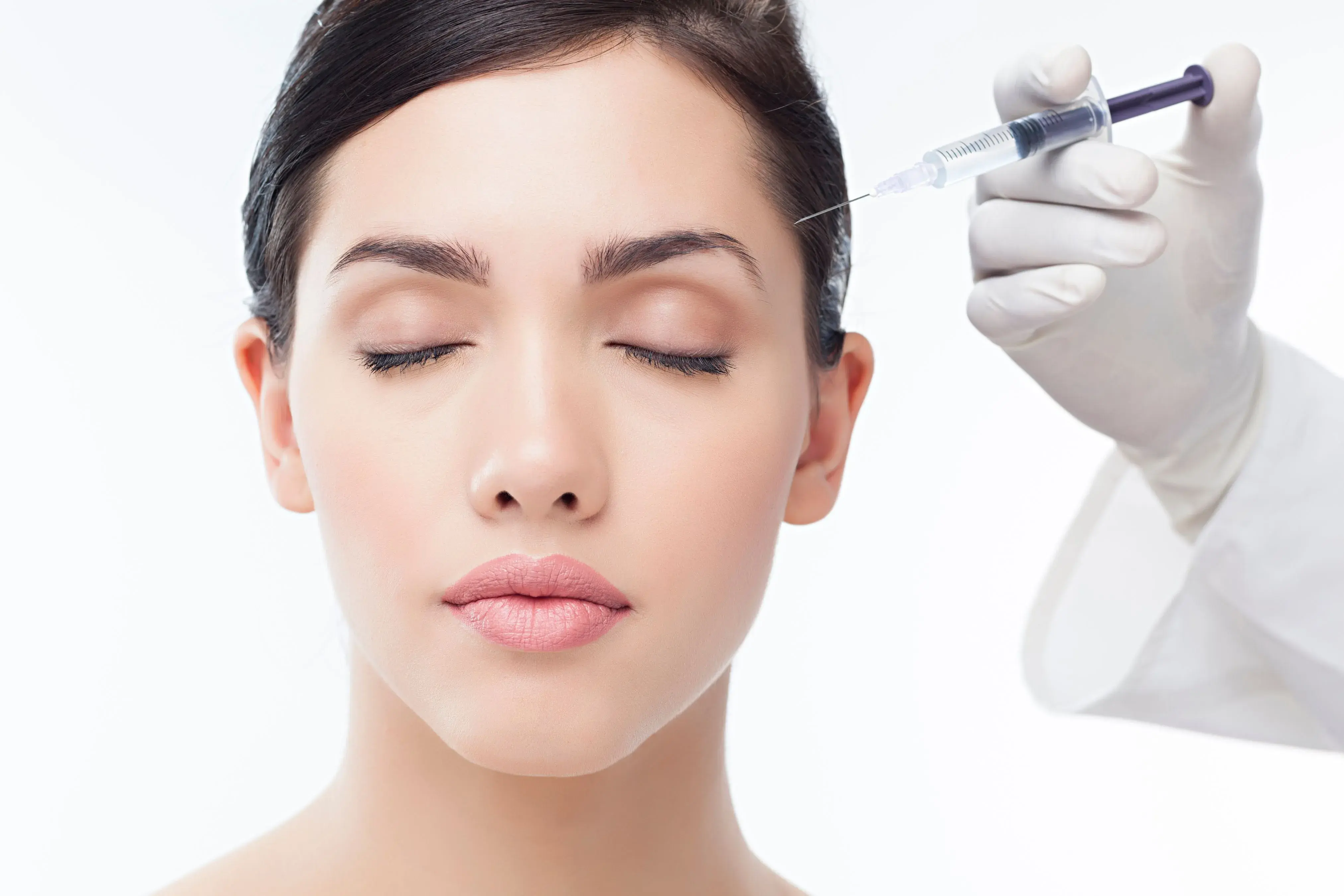
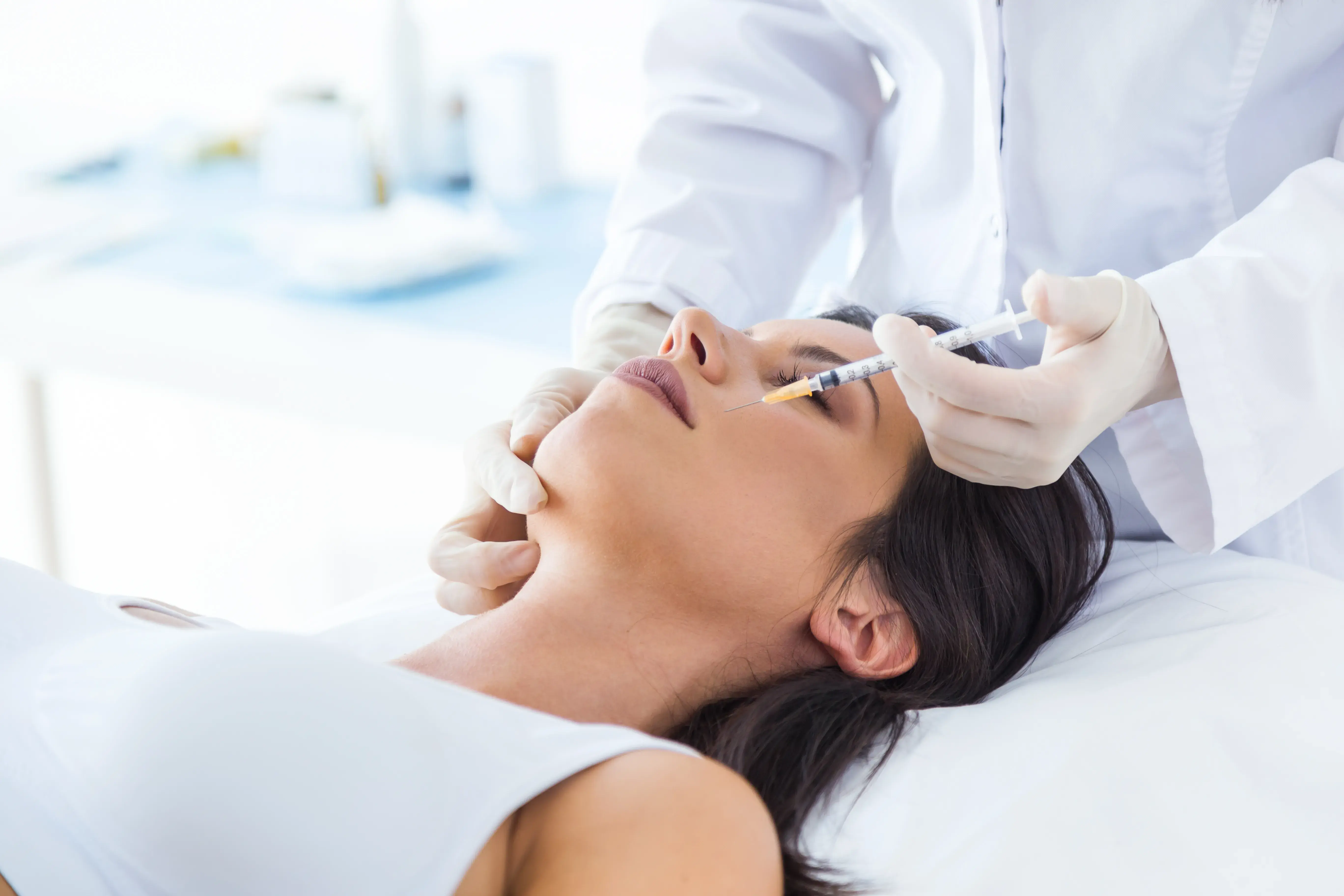
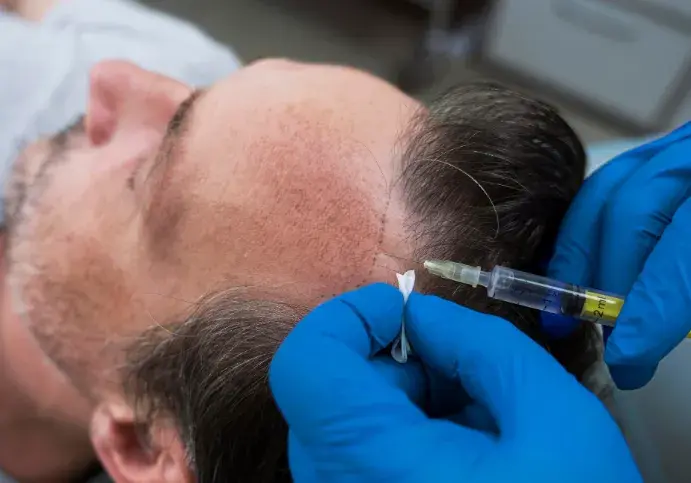
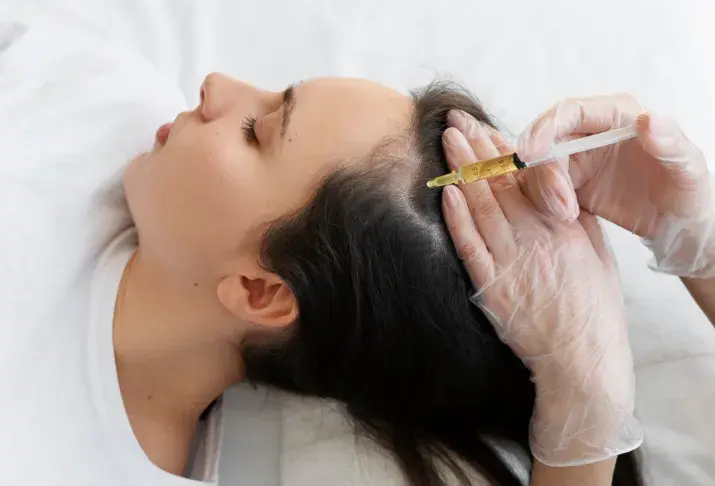
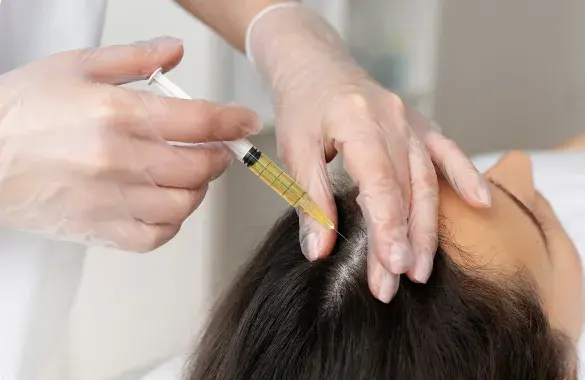
Botox for sweating is commonly used for localised areas such as the underarms, palms, or scalp, where sweating is especially severe.
Device-Based and Energy Treatments
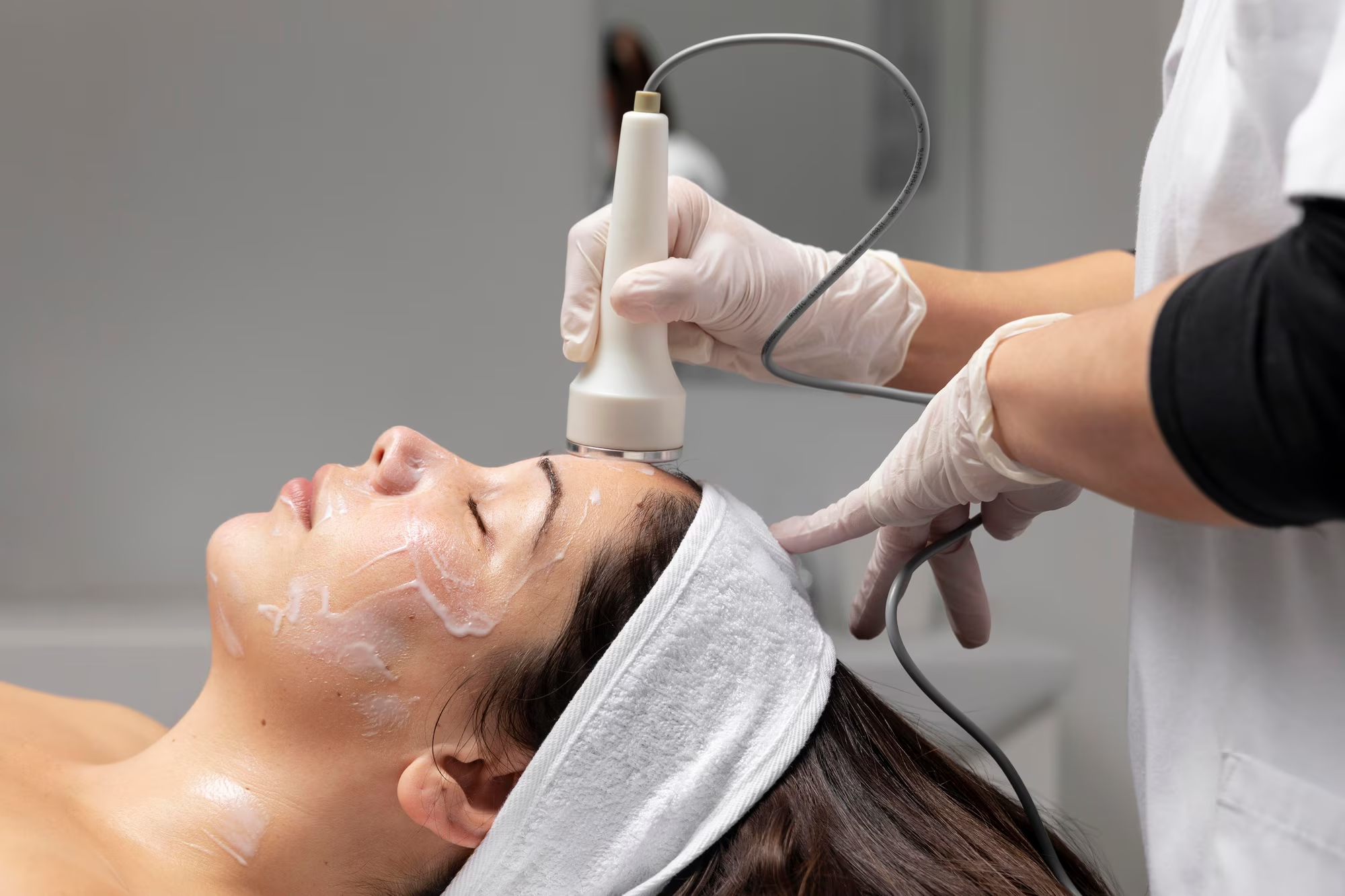
Certain energy-based or device-led treatments may help reduce sweat gland activity in specific regions.
Personalised Treatment Plans
Since generalized hyperhidrosis can have different underlying causes, treatment plans are usually customised according to symptoms, health conditions, and severity.
Tired of Excessive Sweating?
At Bodycraft, our experts offer advanced sweat-control treatments and personalised care plans to help you feel fresher, more comfortable, and more confident every day.
Book your consultation today and take the first step towards long-term relief.
|
Impact and Complications of Generalised Hyperhidrosis
Excessive sweating can affect more than physical comfort.
- Skin Infections and Irritation: Constant moisture may increase the risk of fungal infections, rashes, and skin irritation.
- Dehydration and Electrolyte Imbalance: Heavy sweating over time can contribute to dehydration and mineral loss.
- Emotional and Social Distress: Many people experience embarrassment, anxiety, or reduced confidence because of visible sweating.
- Reduced Quality of Life: Daily activities, sleep, work, and social interactions may become more difficult to manage comfortably.
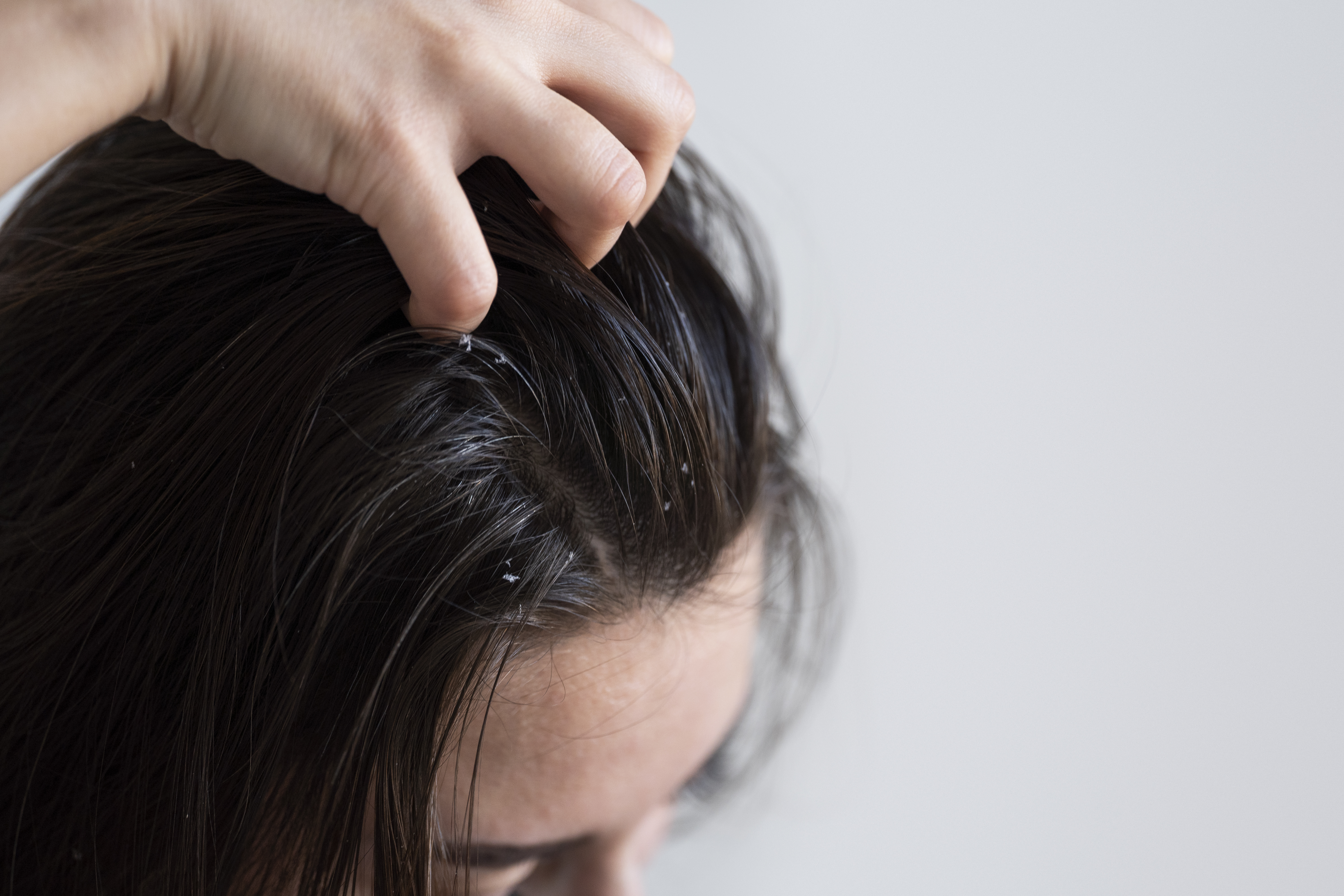
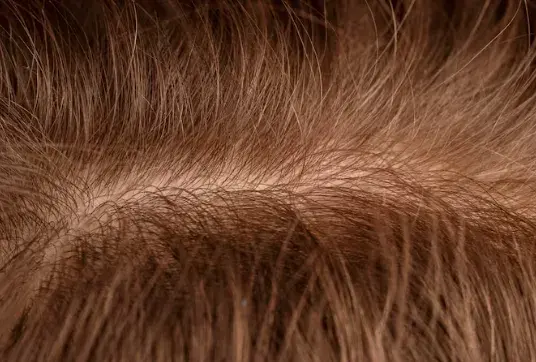
People experiencing generalised hyperhidrosis often notice increased scalp sweat and oil build-up throughout the day. This can sometimes lead to itchiness, discomfort, and concerns around scalp health, which is why many people wonder, Can Sweat Cause Hair Loss? Maintaining proper scalp hygiene and managing excessive sweating can help reduce irritation and buildup.
How to Manage Generalised Hyperhidrosis in Daily Life
Professional treatment is important, but daily habits can also help improve comfort.
- Wearing Breathable, Moisture-Wicking Fabrics: Lightweight, breathable fabrics may help reduce discomfort from sweat accumulation.
- Maintaining Hydration and Hygiene: Drinking enough fluids and following a regular hygiene routine can help prevent irritation and dehydration.
- Monitoring Triggers and Patterns: Keeping track of stress, weather changes, foods, or activities that worsen sweating may help better manage symptoms.
- Regular Medical Follow-Ups: Ongoing consultations help ensure that treatment remains effective and is adjusted as symptoms change, if needed.
When Should You See a Doctor for Generalised Hyperhidrosis?
You should seek medical advice if:
- Sweating starts suddenly
- Night sweats occur frequently
- Sweating affects sleep or daily activities
- You experience fatigue, weight loss, or other symptoms alongside sweating
- Symptoms do not improve over time
Early diagnosis can help identify underlying causes and improve treatment outcomes. If you are experiencing persistent, unexplained sweating, you can book a dermatologist online consultation to discuss your symptoms, review your medical history, and explore potential diagnostic investigations.
Can Generalised Hyperhidrosis Be Treated Effectively?
While this treatment may not always completely cure the condition, it can often be managed successfully with the right medical support and treatment plan.
- Managing Symptoms vs Curing the Root Cause: Treatment may focus on reducing sweating, improving comfort, and, where possible, addressing underlying health conditions.
- Importance of Early Diagnosis: Identifying the cause early can help prevent complications and improve quality of life.
- Role of Ongoing Treatment and Monitoring: Consistent care, follow-ups, and personalised treatment strategies can help people manage symptoms more effectively over time.
Living More Comfortably with Excessive Sweating
Living with generalised hyperhidrosis can feel physically and emotionally exhausting, especially when sweating starts affecting your confidence, comfort, or daily routine. But with proper diagnosis, medical guidance, and the right treatment, symptoms can often be managed effectively.
Seeking professional care early can help you better understand the cause of excessive sweating and find long-term solutions that improve everyday comfort and quality of life.
FAQs
1. Is generalised hyperhidrosis permanent?
The condition can often be managed effectively with medical treatment and lifestyle changes, though long-term care may sometimes be needed depending on the cause.
2. What causes generalised hyperhidrosis?
Generalised hyperhidrosis may be caused by thyroid disorders, diabetes, infections, hormonal changes, medications, or neurological conditions.
3. What are the symptoms of generalised hyperhidrosis?
Common generalised hyperhidrosissymptoms include widespread sweating, night sweats, sweating during rest, persistent dampness, fatigue, and skin irritation.





.png)


-1.png)


-1.png)
-3.png)




.png)




-Aug-02-2026-05-23-10-1368-PM.png)


.webp)
-1.webp)
.webp)
-Jul-07-2026-12-19-56-1023-PM.webp)




-Jun-01-2026-02-54-50-5351-PM.png)
-Jun-01-2026-02-45-39-8016-PM.png)
-May-29-2026-03-30-08-6855-PM.png)

-1.webp)

-3.webp)



.webp)
.webp)
-1.webp)

.webp)
.webp)
.webp)