By Dr. Sindhu P.S., Dermatologist, Bodycraft Clinic | Last reviewed: November 2026
Have You Started Noticing Your Hairline in Every Photograph?
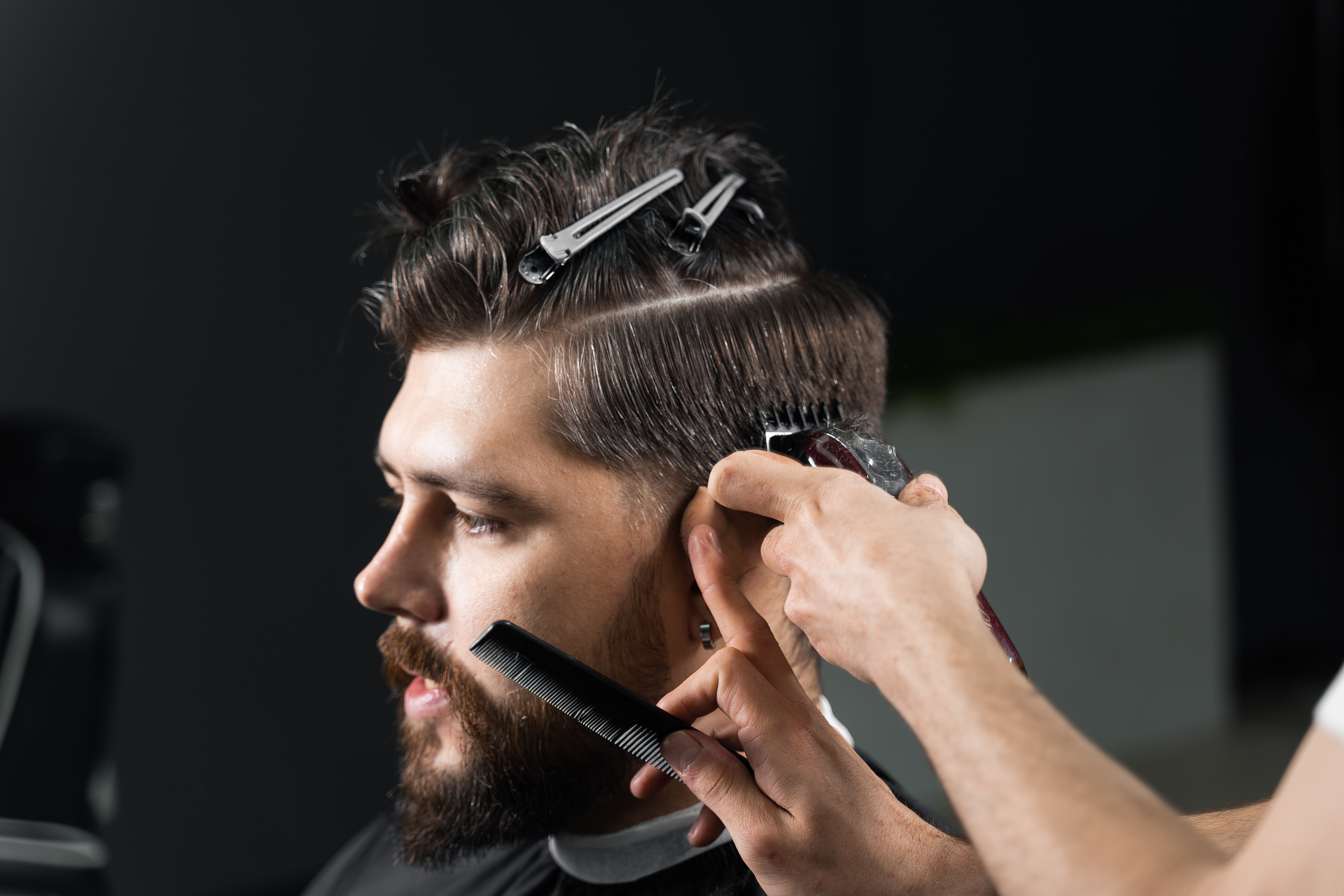
You know that moment when you look at an old photograph and realise your hair used to look different? Maybe the corners near your temples seem further back, or your forehead looks more prominent.
It's easy to blame ageing, a different hairstyle or a bad haircut. But sometimes, these changes can be early signs of male pattern hair loss.
One thing I want men to understand is that a changing hairline doesn't always mean they're going bald. When assessing a receding hairline, I first look at whether it's naturally maturing or progressively thinning. The distinction matters because the two don't necessarily need the same approach.
5 Early Signs of a Receding Hairline in Men
Hairline changes are usually gradual. Comparing older photographs with recent ones can help you recognise them.
-
Your temples don't look the same anymore
Pay attention to the corners of your forehead. If the hair around your temples is moving backwards, it could be an early sign of a receding hairline. Over time, this may create an M-shaped appearance.
-
Your hair looks thinner around the front
Your hair might still look full from a distance, but the front may have lost some density. In male pattern hair loss, affected follicles gradually produce finer and shorter strands. This is known as miniaturisation.
-
Your forehead seems more noticeable
Have you looked at a photograph and felt that your forehead appeared bigger? A receding frontal hairline can create that impression. I wouldn't use this sign alone to identify hair loss, but it is worth considering alongside other changes.
-
You're noticing thinning around the crown
Hair loss doesn't always begin at the temples. Some men also experience thinning around the crown, or the top of the head. This is another area I consider when assessing hair loss.
-
The changes keep showing up in newer photographs
One photograph isn't enough to establish a pattern. But if your hairline looks progressively different across pictures taken several months apart, it's worth getting it checked.
Mature Hairline or Receding Hairline: How Do I Tell the Difference?
A mature hairline is a natural change that can happen as you move from adolescence into adulthood. It generally settles into a slightly higher position.
A receding hairline associated with male pattern hair loss may continue moving backwards, often alongside progressive thinning.
|
Mature hairline
|
Receding hairline
|
|
Moves slightly higher and stabilizes
|
May continue moving backwards
|
|
Density is generally maintained
|
Hair may become finer
|
|
Usually has a relatively even outline
|
May develop an M shape
|
|
Doesn't necessarily indicate hair loss
|
May be linked to male pattern hair loss
|
If you're unsure, I wouldn't recommend relying on photographs alone. A dermatologist can examine your scalp and assess the pattern.
Understanding the Stages of Male Pattern Baldness
The Norwood scale is commonly used to describe male pattern hair loss.
- Stage 1: Little or no noticeable recession.
- Stage 2: Slight recession around the temples.
- Stage 3: More visible recession, often creating an M-shaped hairline.
- Stage 4: Deeper frontal recession and noticeable crown thinning.
- Stage 5: Frontal and crown hair-loss areas become larger.
- Stages 6 and 7: Hair loss progresses, leaving a smaller area across the sides and back.
I wouldn't use these stages to predict exactly how your hair will change. Not everyone follows the same progression.
Why Is Your Hairline Receding?
Male pattern hair loss is one of the most common receding hairline causes. Genetics and sensitivity to a hormone called dihydrotestosterone (DHT) play an important role.
DHT can cause susceptible hair follicles to shrink, making the hair progressively finer and shorter.
However, not every case of thinning is male pattern baldness. Medical conditions, nutritional deficiencies, stress and certain medications can also contribute. Identifying the cause is an important first step.
What Can Actually Help a Receding Hairline?
Treatment depends on your medical history, hair-loss pattern and how advanced it is. Here are some options a dermatologist may discuss.
-
Minoxidil: A commonly used treatment that may help slow hair loss and support hair growth. It requires consistent use, and results vary.
-
Finasteride: A prescription medication that reduces the conversion of testosterone into DHT. It may help slow male pattern hair loss, but suitability and possible side effects should be discussed with a doctor.
-
Hair transplantation: This may be considered for selected individuals. Hair-loss patterns and available donor hair are important considerations.
I always want to emphasise that treatment isn't a one-size-fits-all decision. An individual assessment helps determine the appropriate options.
Don't Wait Until the Change Becomes More Noticeable
You don't need to panic over every strand on your pillow, but you shouldn't ignore progressive changes either.
Pay attention to your temples, the front of your scalp and the crown. If you notice consistent thinning, get it assessed rather than experimenting with products promising quick regrowth.
The goal isn't necessarily to get your teenage hairline back. It's to understand what's happening and make informed decisions before the changes progress further.
Frequently Asked Questions
1. Can a receding hairline grow back?
It depends on the cause and how advanced the hair loss is. Some treatments may improve density or slow further loss, but results vary.
2. How do I distinguish a mature hairline from male pattern baldness?
A mature hairline generally settles after moving slightly higher. Male pattern hair loss may involve continued recession and thinning.
3. At what age does a receding hairline start?
It can begin in early adulthood, but there's no fixed age. Genetics and hormonal sensitivity influence its progression.
4. Does wearing a cap cause a receding hairline?
Wearing a cap normally doesn't cause male pattern hair loss. However, repeatedly tight hairstyles can contribute to traction alopecia.
5. Should I wait before seeking help?
No. If you notice progressive thinning, an early assessment can help identify the cause and available treatment options.
Disclaimer: This article is for general information and does not replace a medical consultation. Hair-loss causes, treatment suitability and results vary. Consult a qualified dermatologist for personalised advice.
Explore More Articles: