Your skin looks dull, your pores seem more noticeable, or those stubborn dark spots just won't fade. You've tried changing your skincare routine, but you're wondering if a professional treatment might help.
That's when you come across two options: a chemical peel and a Medi-Facial.
Both can improve the appearance of your skin, but they work differently. A chemical peel uses a specially selected solution to exfoliate the skin and address concerns such as pigmentation, acne and uneven texture. A Hydra-Medi Facial, on the other hand, combines cleansing, exfoliation and hydration to leave the skin feeling smoother, cleaner and refreshed.
So, which one should you choose?
The answer depends on what your skin needs, how sensitive it is, and the kind of results you're hoping to achieve. Let's understand the difference.
What Is a Chemical Peel?
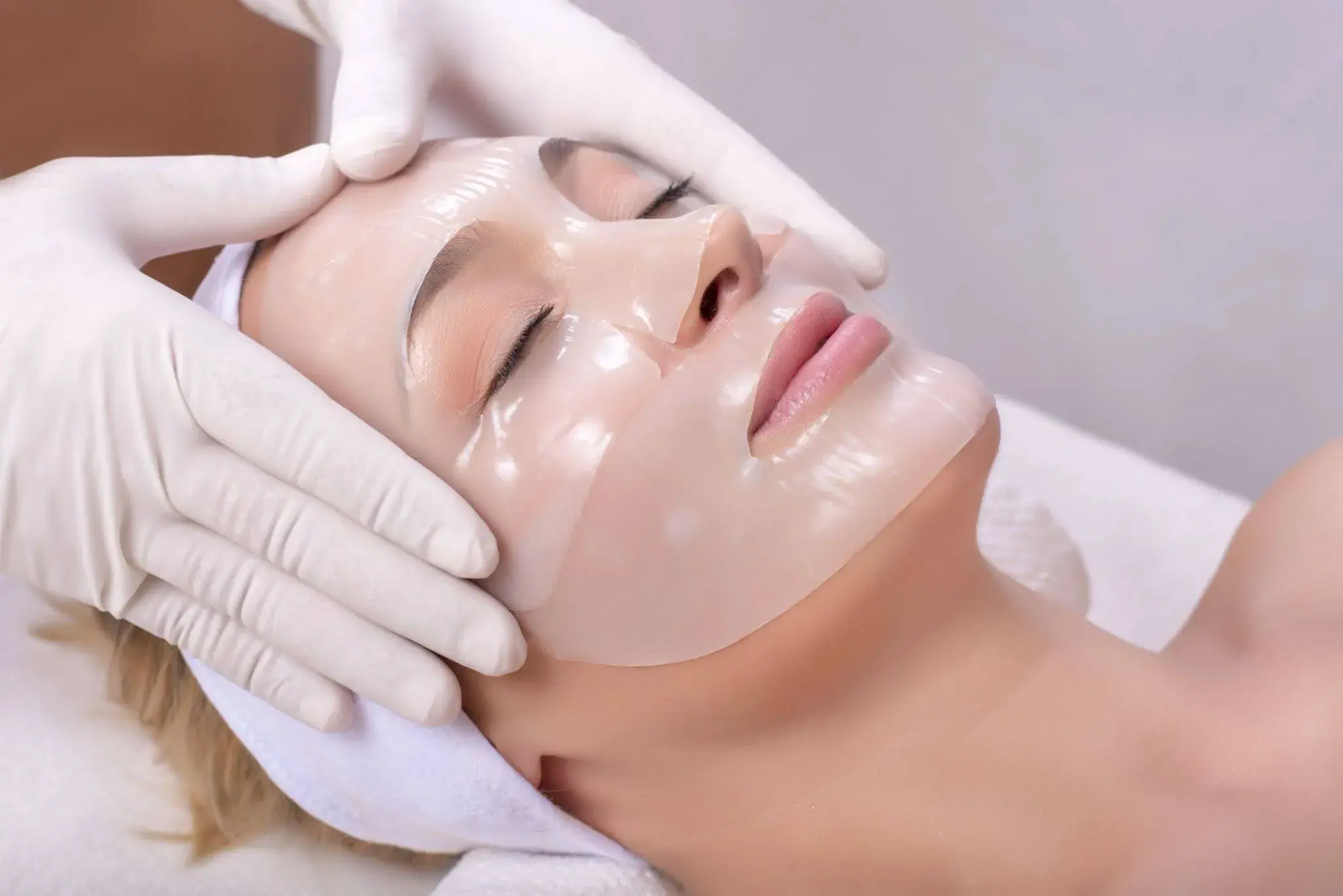
A chemical peel is a professional skin treatment that uses a carefully selected chemical solution to exfoliate the skin. Depending on the type and strength of the peel, it can work at different depths to improve concerns such as uneven skin tone, acne, pigmentation and rough texture.
Different peels use different ingredients. Glycolic acid and lactic acid are examples of ingredients used in certain peels, while other formulations may be selected for concerns such as acne or stubborn pigmentation.
At Bodycraft, chemical peels are selected according to your skin's needs, rather than using the same treatment for everyone.
What can a chemical peel help with?
- Pigmentation and dark spots: Certain peels can help improve the appearance of uneven pigmentation.
- Acne and clogged pores: Selected formulations may help manage breakouts and excess oil.
- Uneven skin texture: Exfoliation can help smooth roughness and improve skin clarity.
- Post-acne marks: Some peels may help fade the discolouration left behind after breakouts.
- Fine lines and sun damage: Depending on the peel, treatment may improve the appearance of early signs of ageing and sun-related changes.
It's important to remember that not every peel treats every concern. The formulation, strength and depth of treatment all matter.
|
Doctor's Note
Chemical peels should be chosen according to the concern being treated, your skin type and your medical history. A stronger peel is not automatically a better peel. Using the wrong formulation or treating the skin too aggressively can lead to irritation and changes in pigmentation.
Explore Chemical Peel Treatments at Bodycraft to learn more about the available options.
|
What Is a Hydra-Medi Facial?
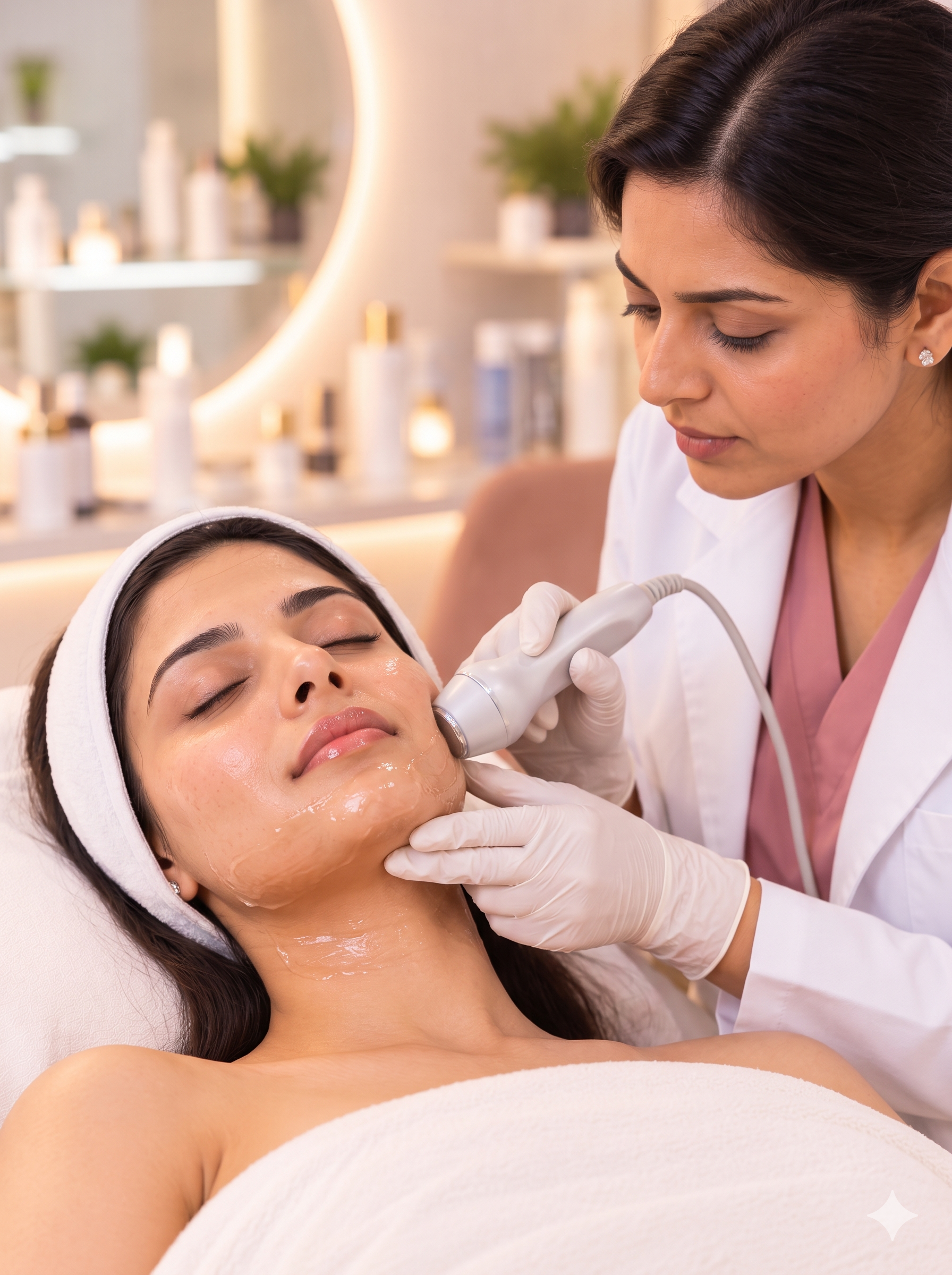
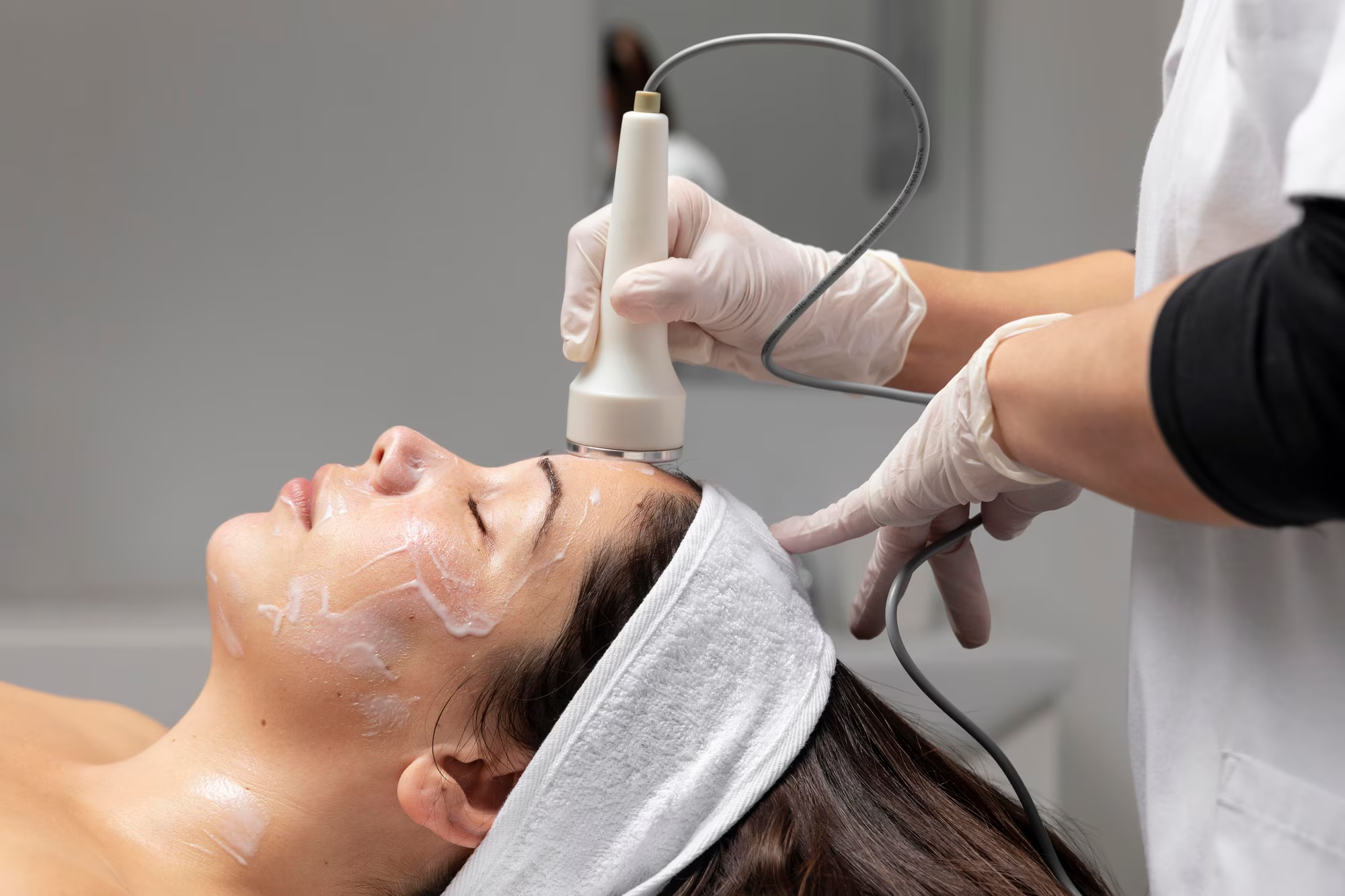
A Hydra-Medi Facial is a multi-step skin treatment that combines cleansing, exfoliation, extraction and hydration. At Bodycraft, the treatment also incorporates technologies such as radiofrequency (RF) and ultrasound, alongside hydrating and antioxidant serums.
Unlike a chemical peel, which is selected primarily for targeted exfoliation and specific skin concerns, a Hydra-Medi Facial focuses on refreshing the skin, clearing away surface build-up and improving hydration.
What can a Hydra-Medi Facial help with?
- Dull-looking skin: Gentle exfoliation helps remove accumulated dead skin cells and refresh the complexion.
- Dehydrated skin: Hydrating serums help replenish moisture and improve skin softness.
- Congested pores: Cleansing and extraction can help clear certain types of pore build-up.
- Rough skin texture: Exfoliation can leave the skin feeling smoother.
- Lack of radiance: The combination of cleansing and hydration can give the skin a fresher appearance.
A Hydra-Medi Facial may be a useful option when your skin feels dry, looks tired or needs a thorough refresh without the peeling process associated with some chemical peels.
However, it is not a substitute for every dermatological treatment. Persistent acne, significant pigmentation or other ongoing skin concerns may need a more targeted approach.
|
Doctor's Note
Hydration and exfoliation can improve the way skin looks and feels, but they do not address every underlying cause of dullness or pigmentation. If a concern keeps returning despite regular skincare, it is worth getting it assessed rather than repeatedly opting for facials.
Discover Hydra-Medi Facial at Bodycraft to understand how the treatment works.
|
Chemical Peel vs Medi-Facial: Key Differences
Both treatments can improve skin appearance, but their approach and recovery requirements differ.
|
Factor
|
Chemical Peel
|
Hydra-Medi Facial
|
|
Primary purpose
|
Targeted exfoliation and improvement of specific skin concerns
|
Cleansing, exfoliation and hydration
|
|
Best suited to
|
Selected cases of pigmentation, acne, uneven tone and texture
|
Dullness, dehydration, surface congestion and lack of radiance
|
|
How it works
|
Uses a chemical solution to exfoliate the skin at a selected depth
|
Combines cleansing, exfoliation, extraction and hydrating serums, with additional technologies
|
|
Downtime
|
Depends on the peel. Dryness, flaking, redness or recovery time may occur
|
Usually involves minimal downtime, though temporary redness or itching can occur
|
|
Results
|
Develop over time according to the peel, concern and treatment plan
|
Skin may look and feel refreshed and hydrated after treatment
|
|
Number of sessions
|
Varies by peel type and skin concern
|
Depends on skin needs and the recommended treatment plan
|
Neither treatment is universally better. A chemical peel may be more appropriate for a specific concern that requires targeted treatment, while a Hydra-Medi Facial may be better suited to skin that needs cleansing and hydration.
The right choice depends on your skin assessment, not simply on which treatment promises a more immediate result.
Which Treatment Is Right for Your Skin Concern?
Let's make the choice a little easier by looking at common skin concerns.
1. If your skin looks dull and feels dehydrated
Consider a Hydra-Medi Facial.
When your skin feels tight, looks tired or lacks radiance, hydration and gentle exfoliation may help improve its appearance. A Hydra-Medi Facial combines these steps to leave the skin feeling smoother and more moisturised.
If dehydration is the main concern, your everyday routine matters too. A suitable moisturiser and regular sunscreen use help support your skin between treatments.
2. If you're dealing with pigmentation or dark spots
A chemical peel may be worth discussing with a dermatologist.
Certain chemical peels can help improve uneven pigmentation and the appearance of post-acne marks. However, pigmentation can have different causes, including sun exposure, hormonal changes and inflammation.
The treatment needs to be chosen carefully, especially for Indian skin tones, where irritation from an unsuitable procedure can sometimes make pigmentation worse.
For persistent or recurring dark patches, an assessment is important before choosing a treatment.
3. If your skin feels congested or you have blackheads
A Hydra-Medi Facial may help with surface congestion.
The cleansing and extraction steps can help clear certain types of pore build-up. If you're also experiencing frequent breakouts or inflammatory acne, however, a facial alone may not be enough.
A dermatologist can help determine whether a facial, a specific chemical peel or a separate acne treatment is more suitable.
4. If you have post-acne marks and uneven texture
A chemical peel may be an option, depending on the type of marks.
Flat brown or dark marks left after acne are different from indented or raised acne scars. Some chemical peels may improve pigmentation and superficial texture, but deeper scars often require other treatments.
If acne scarring is your primary concern, explore Microneedling at Bodycraft as another treatment to discuss with a skin professional.
5. If you want your skin to look fresher before an event
A Hydra-Medi Facial may be a more suitable starting point.
If your goal is smoother, hydrated-looking skin before a celebration or an important occasion, a Hydra-Medi Facial may fit your needs.
That said, even treatments with minimal downtime can occasionally cause temporary redness or sensitivity. Avoid trying a new treatment immediately before an important event, particularly if your skin is reactive.
Doctor's Note
The same person can have more than one skin concern. For example, your skin may be dehydrated while also showing pigmentation. A professional assessment helps prioritise what should be treated first and whether one treatment, a combination of treatments or a skincare routine adjustment is the most appropriate approach.
Can You Get Both Treatments?
Yes, a chemical peel and a Hydra-Medi Facial may both feature in a person's skincare plan, but they should not automatically be performed together or scheduled close to each other.
Both treatments involve exfoliation. Combining them without considering your skin's condition, the peel's strength and the recovery period can increase the risk of irritation.
A dermatologist may recommend using different treatments at separate appointments, depending on your skin concerns and how your skin responds.
If your skin is currently irritated, sunburnt or recovering from another procedure, treatment may need to be postponed. Your provider should also know about any prescription skincare, acne medication or recent procedures before recommending a plan.
What Should You Know Before Booking?
Whichever treatment you choose, a few basics can help you make a more informed decision.
- Get your skin assessed: Explain your main concerns, skin sensitivity, medical history and current skincare routine.
- Share the products you use: Ingredients such as retinoids and exfoliating acids can affect how your skin tolerates a treatment.
- Follow pre-treatment advice: Instructions vary by procedure. Don't stop prescribed medication unless your treating professional advises you to.
- Protect your skin from the sun: Use broad-spectrum sunscreen and follow the specific sun-exposure guidance provided after treatment.
- Follow the aftercare plan: Avoid picking or peeling flaking skin, and use only the products recommended during recovery.
After a chemical peel, temporary dryness, flaking, redness or sensitivity may occur, depending on its depth. A Hydra-Medi Facial generally requires less recovery time, but temporary redness or itching is still possible.
If you experience severe pain, blistering or worsening irritation after a procedure, contact your treating professional promptly.
For personalised guidance, you can consult a skin doctor at Bodycraft.
FAQs
1. Is a chemical peel better than a Medi-Facial?
Neither is inherently better. A chemical peel may be more appropriate for selected concerns such as pigmentation, acne or uneven texture. A Hydra-Medi Facial may suit skin that needs cleansing, exfoliation and hydration. The right choice depends on your skin and treatment goals.
2. Which treatment gives faster results?
A Hydra-Medi Facial may leave skin looking more hydrated and refreshed after a session. Results from chemical peels vary according to the type of peel and the concern being treated. Pigmentation and acne-related concerns may require multiple sessions and ongoing skincare.
3. Is a chemical peel safe for Indian skin?
Chemical peels can be suitable for Indian skin when the formulation and strength are selected appropriately. However, some skin tones are more prone to post-inflammatory pigmentation after irritation. A qualified professional should assess your skin and recommend the right treatment.
4. Does a Hydra-Medi Facial help with pigmentation?
It may help improve the appearance of dullness and uneven-looking skin, depending on the treatment plan. However, persistent pigmentation may need a more targeted assessment and treatment. A Hydra-Medi Facial should not be considered a guaranteed solution for all types of dark spots.
5. How often should I get a chemical peel or Hydra-Medi Facial?
There is no single schedule that works for everyone. The frequency depends on the peel type, your skin concerns, sensitivity and response to treatment. Your dermatologist or treatment provider can recommend an appropriate interval.
6. Can I get either treatment before a wedding or special event?
Possibly, but plan ahead. Chemical peels can cause temporary redness or flaking, while a Hydra-Medi Facial may occasionally cause short-lived sensitivity. If you have never tried the treatment before, avoid booking it at the last minute.
Final Thoughts
Choosing between a chemical peel and a Hydra-Medi Facial starts with understanding what your skin actually needs.
If your main concern is dehydration, dullness or surface congestion, a Hydra-Medi Facial may be a good option to explore. If you're looking to address specific concerns such as pigmentation, acne or uneven texture, a suitable chemical peel may be worth discussing with a dermatologist.
And if you're not sure which category your concern falls into, that's perfectly fine. You don't need to diagnose your own skin before booking a consultation.
At Bodycraft, the first step is understanding your skin and choosing a treatment that suits its needs.
Ready to find the right treatment for your skin?
Explore Chemical Peels at Bodycraft or discover the Hydra-Medi Facial to learn more and book a consultation.
Explore More Articles: