



.png)


-1.png)



-1.png)
-3.png)



.png)



-Aug-02-2026-05-23-10-1368-PM.png)



.webp)
-1.webp)
.webp)
-Jul-07-2026-12-19-56-1023-PM.webp)



-Jun-01-2026-02-54-50-5351-PM.png)
-Jun-01-2026-02-45-39-8016-PM.png)
-May-29-2026-03-30-08-6855-PM.png)

-1.webp)

-3.webp)




.webp)
.webp)
-1.webp)
.webp)
.webp)
.webp)

Hair
Hair
8 minutes read | 1 Jun 26
Get a complimentary consultation today. Get in touch
What Is Malassezia on the Scalp?
Malassezia is a naturally occurring yeast found on the scalp that forms part of the skin’s normal microbiome. In balanced levels, it is harmless and coexists with other microorganisms on the scalp. However, when it overgrows, it can trigger irritation, dandruff, and persistent flaking.
Malassezia overgrowth is one of the most common causes of Malassezia dandruff, often linked to chronic scalp discomfort, itchiness, and visible flakes. While it is not an external infection in most cases, its imbalance can disrupt scalp health significantly.
In simple terms, Malassezia becomes a concern not because it is present, but because it becomes overactive under certain scalp conditions.
What Causes Malassezia Overgrowth on the Scalp?
Malassezia overgrowth is rarely caused by a single factor. Instead, it results from a combination of biological, environmental, and lifestyle triggers that disrupt scalp homeostasis.
Excess Sebum Production and Oil Imbalance
Malassezia thrives on lipids found in sebum. Increased oil production, often seen in individuals with oily scalp types, provides an ideal nutrient-rich environment for fungal proliferation. This is why malassezia on the scalp is frequently associated with greasy dandruff rather than dry flakes.
Humidity, Sweat, and Environmental Heat Stress
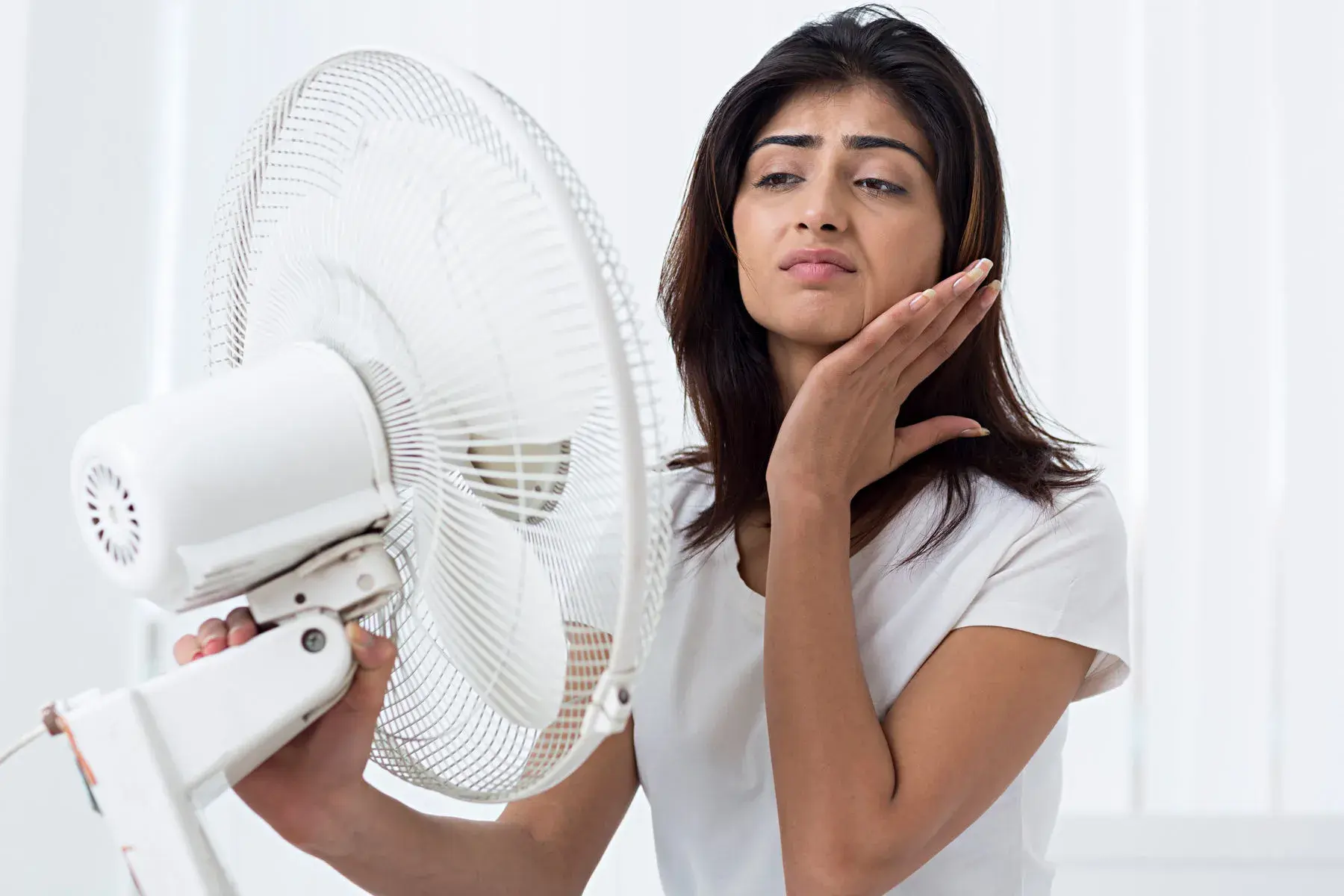
High humidity and prolonged sweat exposure alter scalp pH and moisture levels, creating a microenvironment that encourages fungal growth. This is particularly common in tropical climates, where scalp fungus activity tends to flare up more frequently.
Compromised Scalp Barrier Function
A weakened stratum corneum (outer scalp barrier) reduces the skin’s ability to regulate microbial balance. When the barrier is impaired due to harsh shampoos, over-washing, or sensitivity, Malassezia can interact more aggressively with scalp lipids, leading to inflammation.
Hormonal, Stress, and Immune Modulation Factors
Sebum production is hormonally regulated, particularly by androgens. Stress-related cortisol elevation can also influence immune response and sebum activity. Together, these factors create conditions that exacerbate Malassezia dandruff in predisposed individuals.
Common Symptoms of Malassezia Dandruff
The symptoms of malassezia dandruff go beyond occasional flaking and often involve ongoing scalp inflammation, oil imbalance, and irritation. Since Malassezia interacts closely with scalp sebum, symptoms are usually more persistent and inflammatory compared to simple dry scalp conditions.
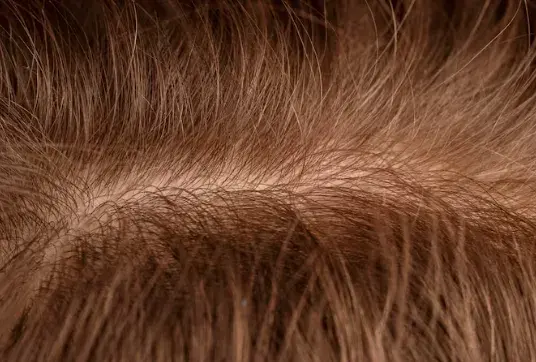
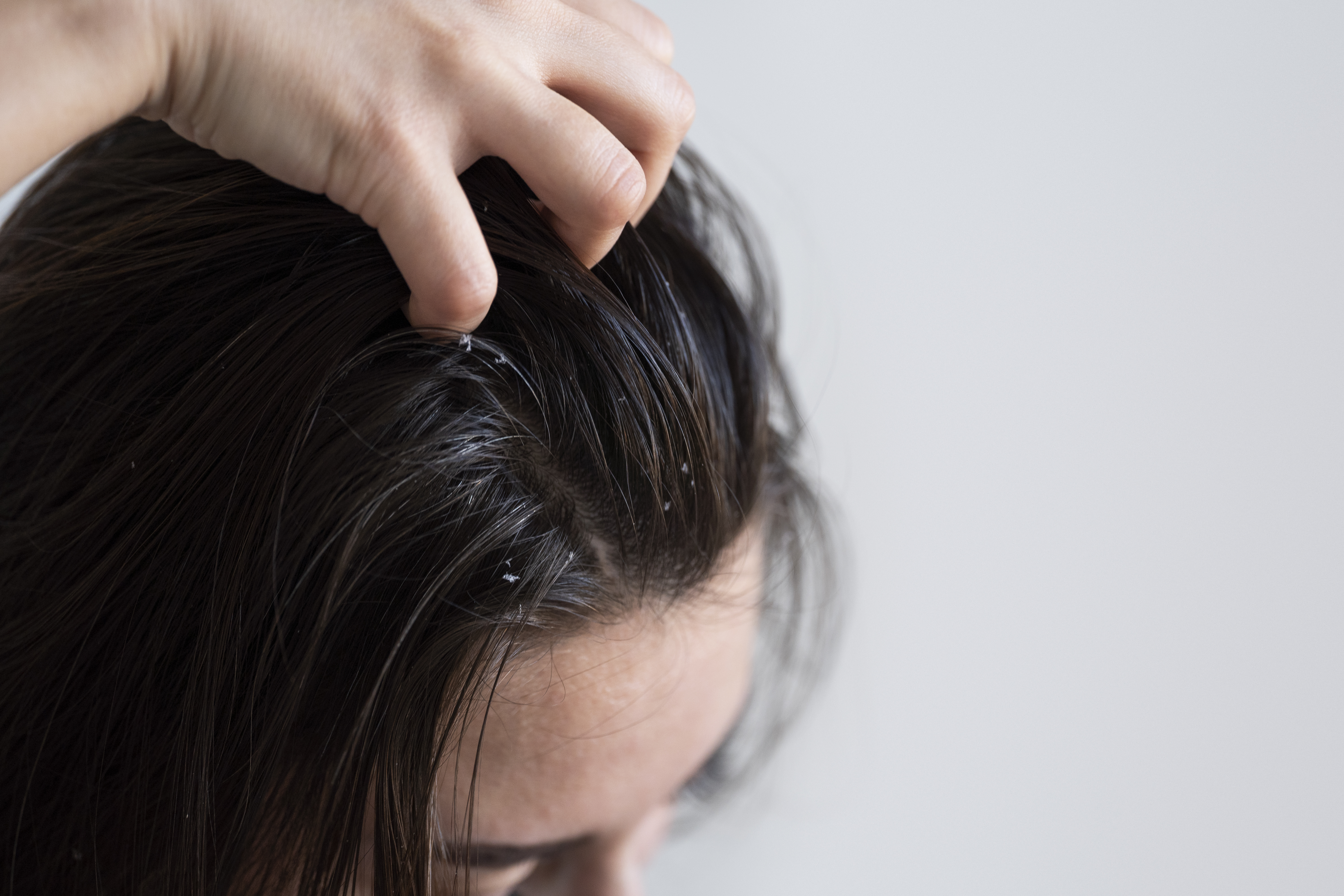
- Persistent Dandruff and Visible Flaking: One of the most noticeable signs is recurring dandruff that continues despite regular washing. The flakes are often larger, oily, or yellowish in appearance and may stick to the scalp or hair strands rather than shedding easily.
- Itching and Scalp Irritation: Persistent itching is common in fungal dandruff and is triggered by inflammatory reactions caused by fungal by-products on the scalp. This irritation may worsen with sweating, heat, oil buildup, or delayed cleansing.
- Greasy Scalp with Product Buildup: Because Malassezia thrives in oil-rich environments, the scalp often feels greasy or coated. Excess sebum combined with dead skin cells and fungal buildup can create a heavy, sticky residue on the scalp surface.
- Redness and Scalp Sensitivity: Ongoing inflammation may lead to visible redness, tenderness, and increased scalp sensitivity. In more active flare-ups, the scalp may feel uncomfortable, tight, or irritated, even with routine hair care products.
How Malassezia Affects Scalp and Hair Health
Beyond visible dandruff, chronic Malassezia imbalance can alter the scalp ecosystem and follicular environment.
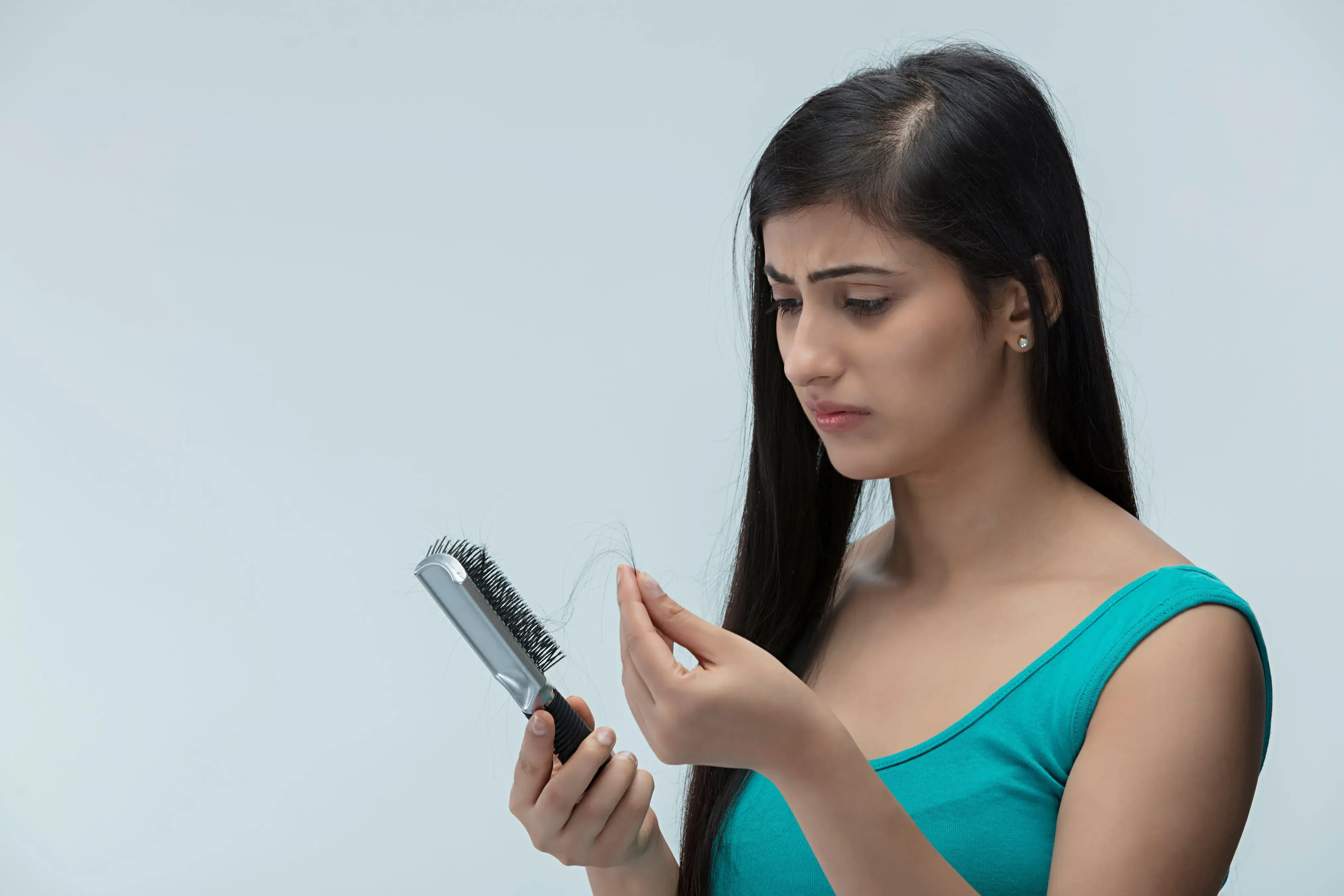
Persistent fungal dandruff is also one reason many people ask whether dandruff causes hair fall, as chronic scalp inflammation may affect the hair growth cycle over time.
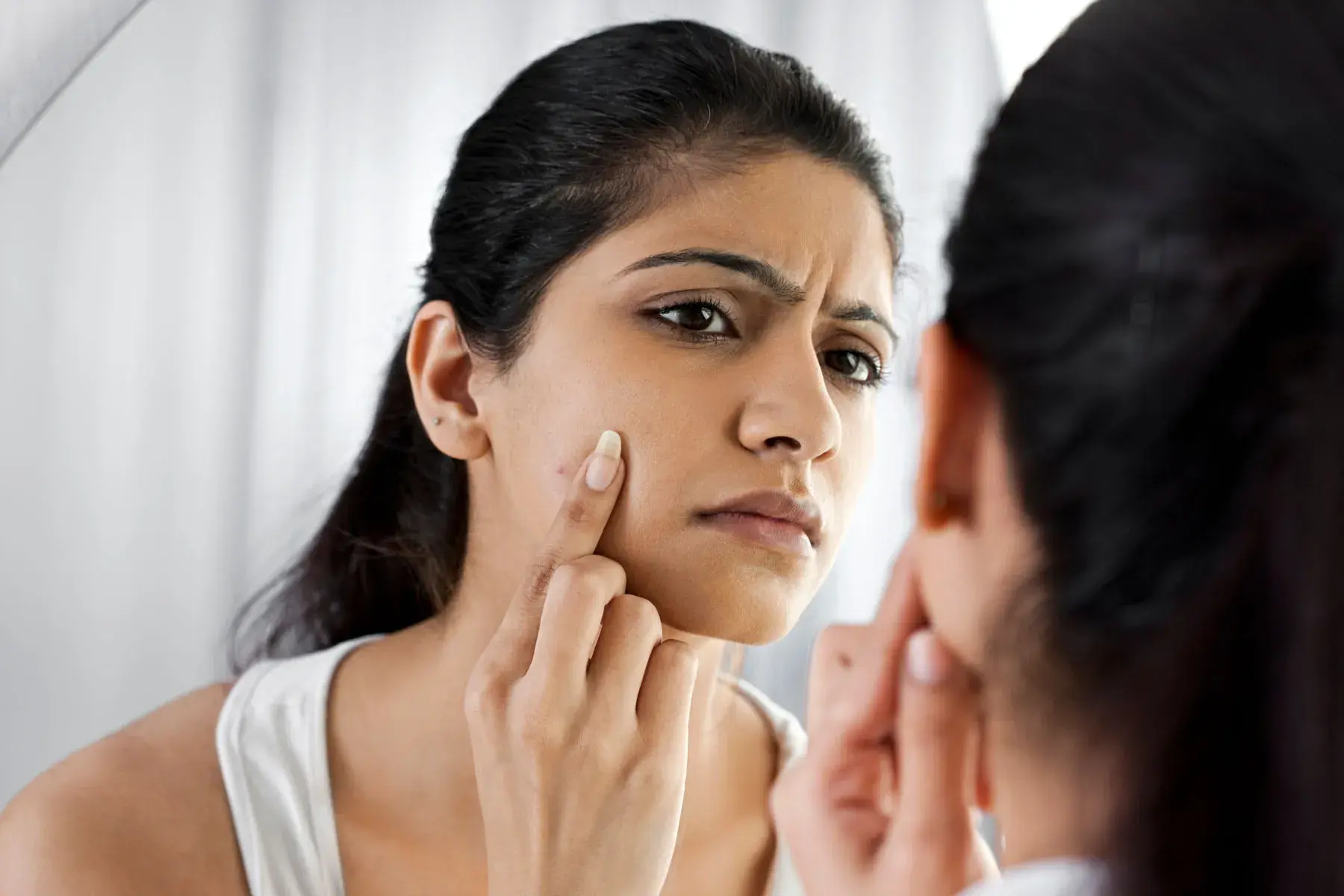
A lot of people also wonder whether dandruff causes acne, especially when scalp oil, flakes, and inflammation begin affecting the forehead and hairline area.
Malassezia Dandruff vs Regular Dandruff: What’s the Difference?
While both conditions cause scalp flaking, malassezia dandruff is linked to fungal overgrowth and inflammation, whereas regular dandruff or dry scalp is often related to dehydration or mild irritation.
Fungal dandruff vs dry scalp flaking
Malassezia-related dandruff is driven by yeast overgrowth and inflammation, whereas dry scalp flakes are caused by dehydration and barrier lipid deficiency.
Inflammation-driven vs non-inflammatory patterns
Malassezia dandruff typically presents with redness, itching, and oiliness, while dry scalp is usually non-inflammatory.
Response to standard shampoos
Conventional anti-dandruff shampoos may provide temporary relief but often fail to address fungal biofilm activity, leading to recurrence.
Because malassezia on the scalp involves microbial imbalance and inflammation, it often requires a more specialised treatment approach than routine dandruff care.
How Is Malassezia on the Scalp Diagnosed?
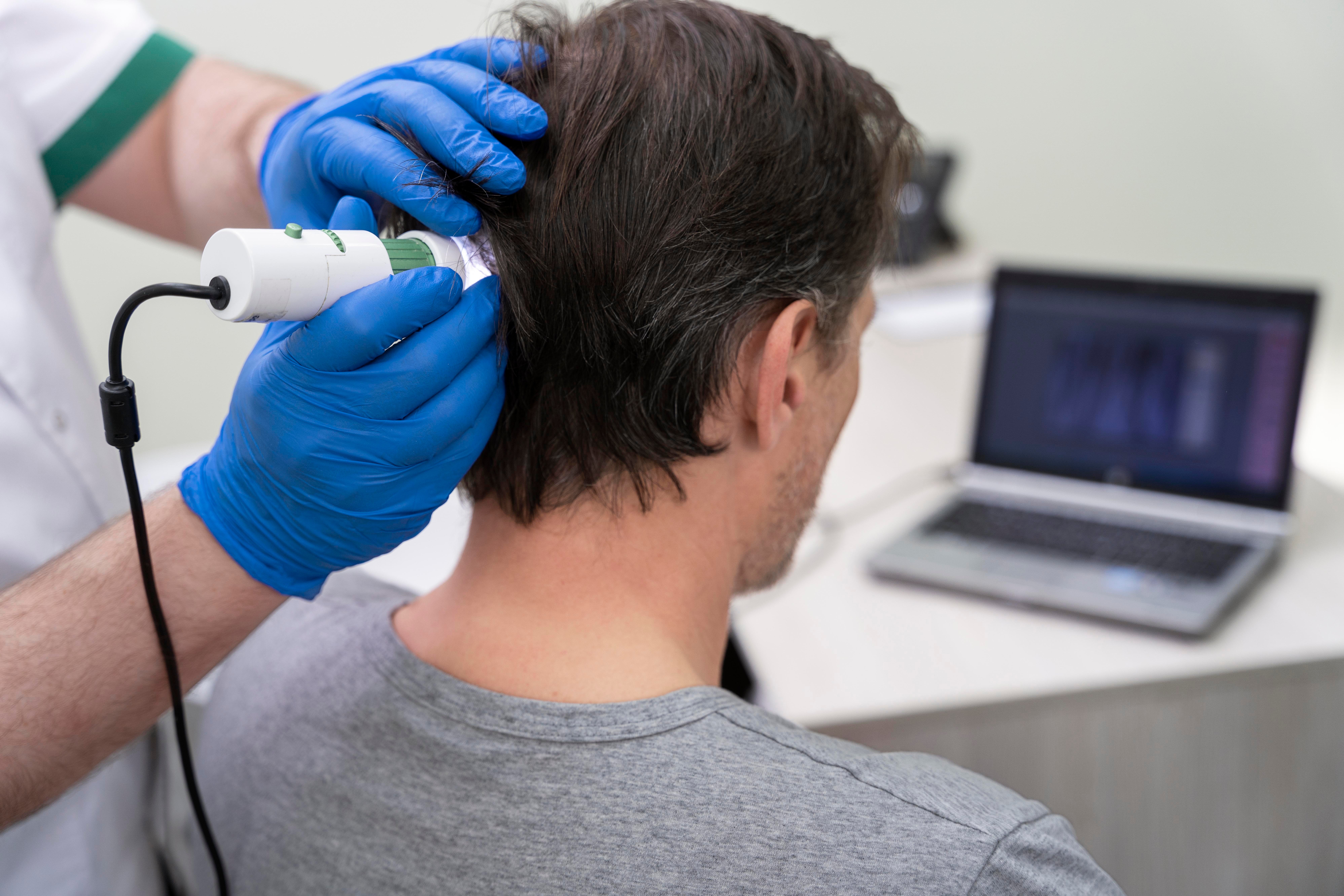
Diagnosis of malassezia on the scalp is primarily clinical and based on scalp examination, symptom history, and visible inflammation patterns. Since fungal dandruff can closely resemble dry scalp or product-related irritation, identifying the underlying cause is important for selecting the right treatment approach.
During the evaluation, a specialist typically assesses:
- Degree of flaking, oiliness, and scalp buildup
- Presence of redness, irritation, or inflammation
- Pattern and distribution of dandruff across the scalp
- Itching severity and recurrence frequency
- Response history to anti-dandruff shampoos or topical products
In persistent or treatment-resistant cases, underlying conditions such as seborrheic dermatitis may also be considered. A detailed scalp assessment helps differentiate temporary flaking from chronic fungal imbalance and guides a more targeted malassezia scalp treatment plan.
Malassezia Dandruff Treatment Options
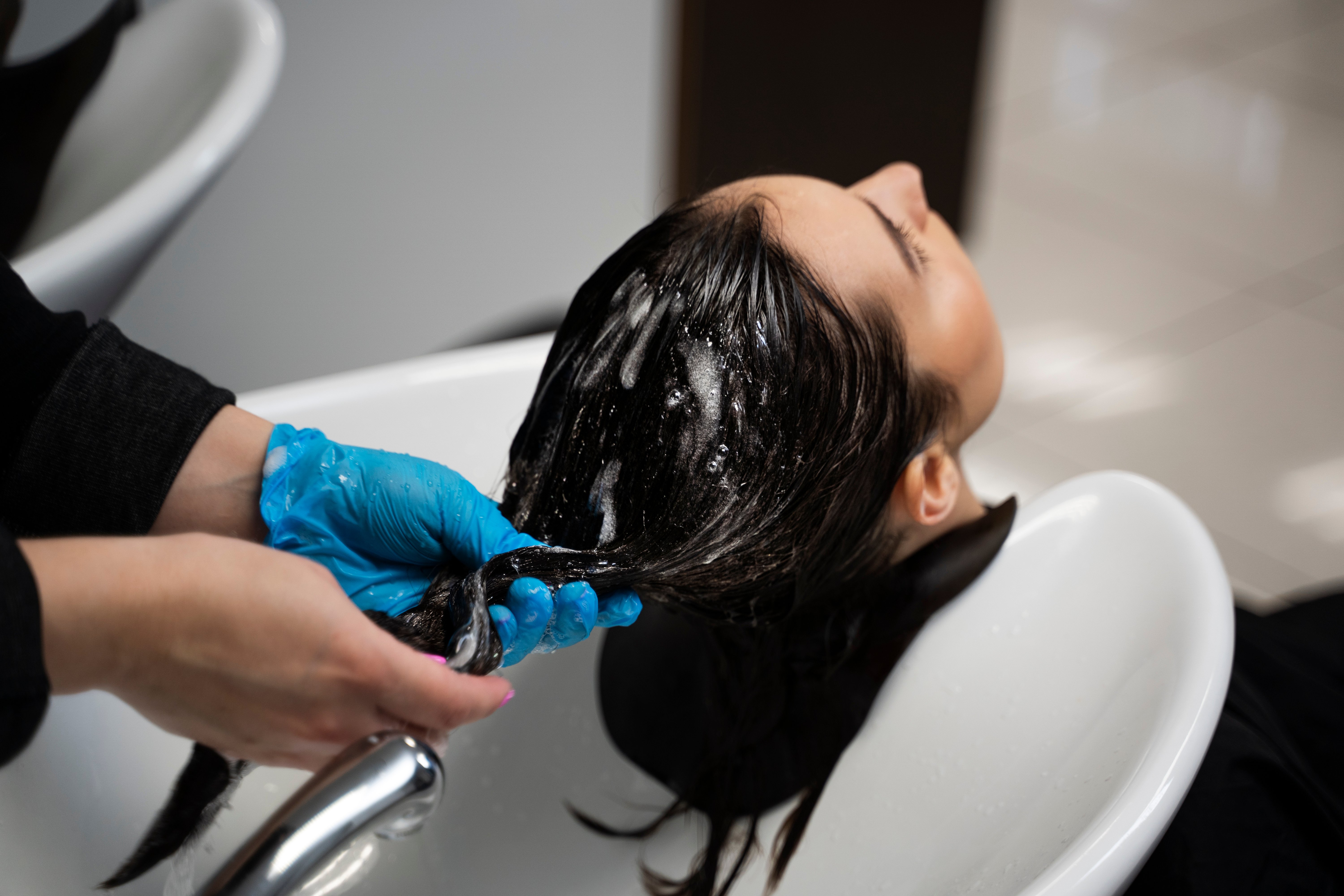
Effective malassezia dandruff treatment focuses on more than just removing visible flakes. The goal is to control fungal overgrowth, reduce inflammation, regulate excess oil production, and restore the scalp’s natural barrier balance. Since Malassezia is a naturally occurring part of the scalp microbiome, treatment is aimed at long-term management rather than permanent elimination.
Medicated Antifungal Scalp Treatments
Antifungal shampoos and topical treatments are commonly used to reduce Malassezia overgrowth on the scalp. Ingredients such as ketoconazole, zinc pyrithione, or selenium sulphide help control fungal activity while reducing itching, flaking, and inflammation.
These treatments are typically used in a structured manner depending on symptom severity, as excessive or inconsistent use may disrupt the scalp barrier further.
Professional Scalp Cleansing and Care
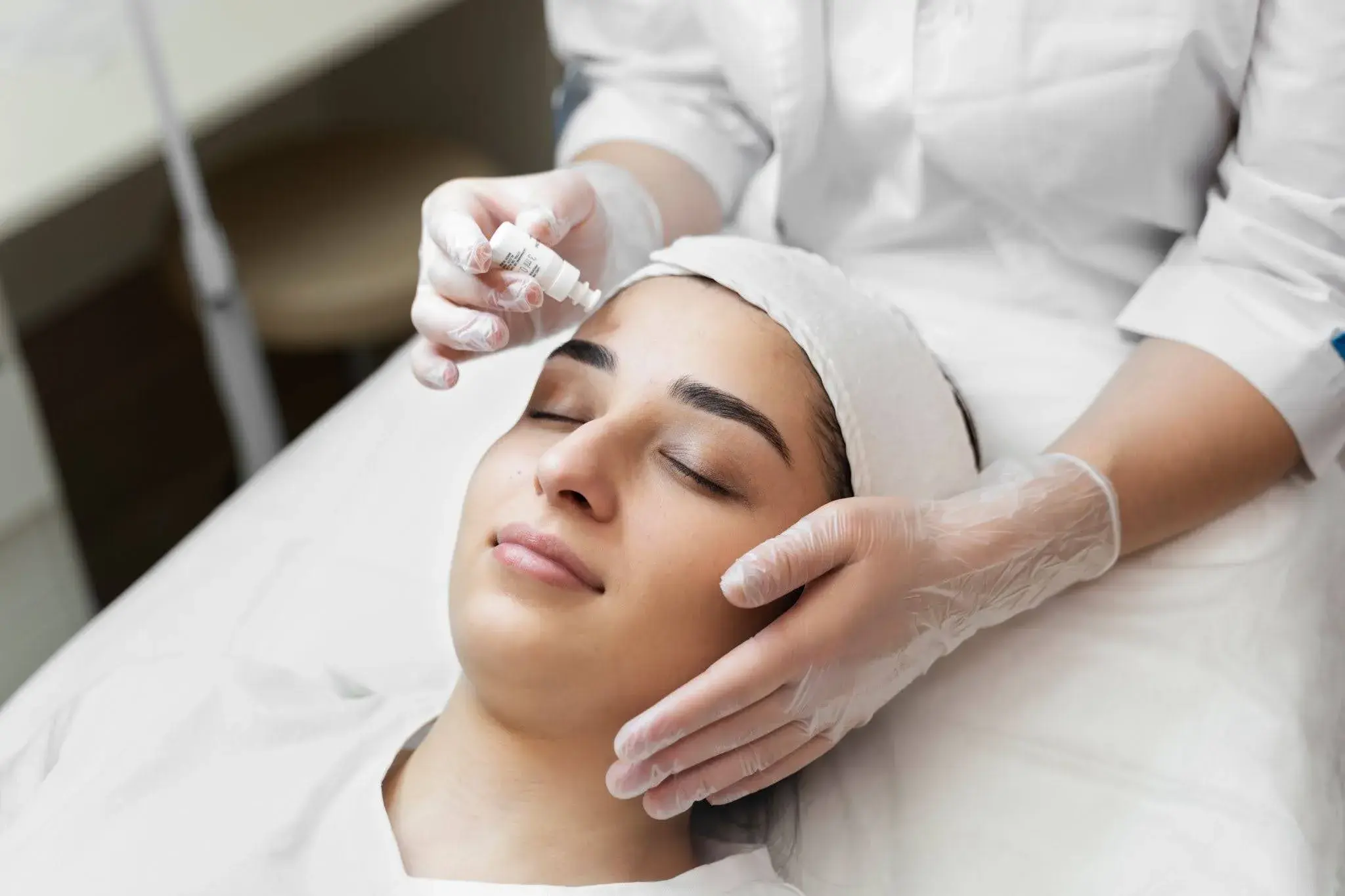
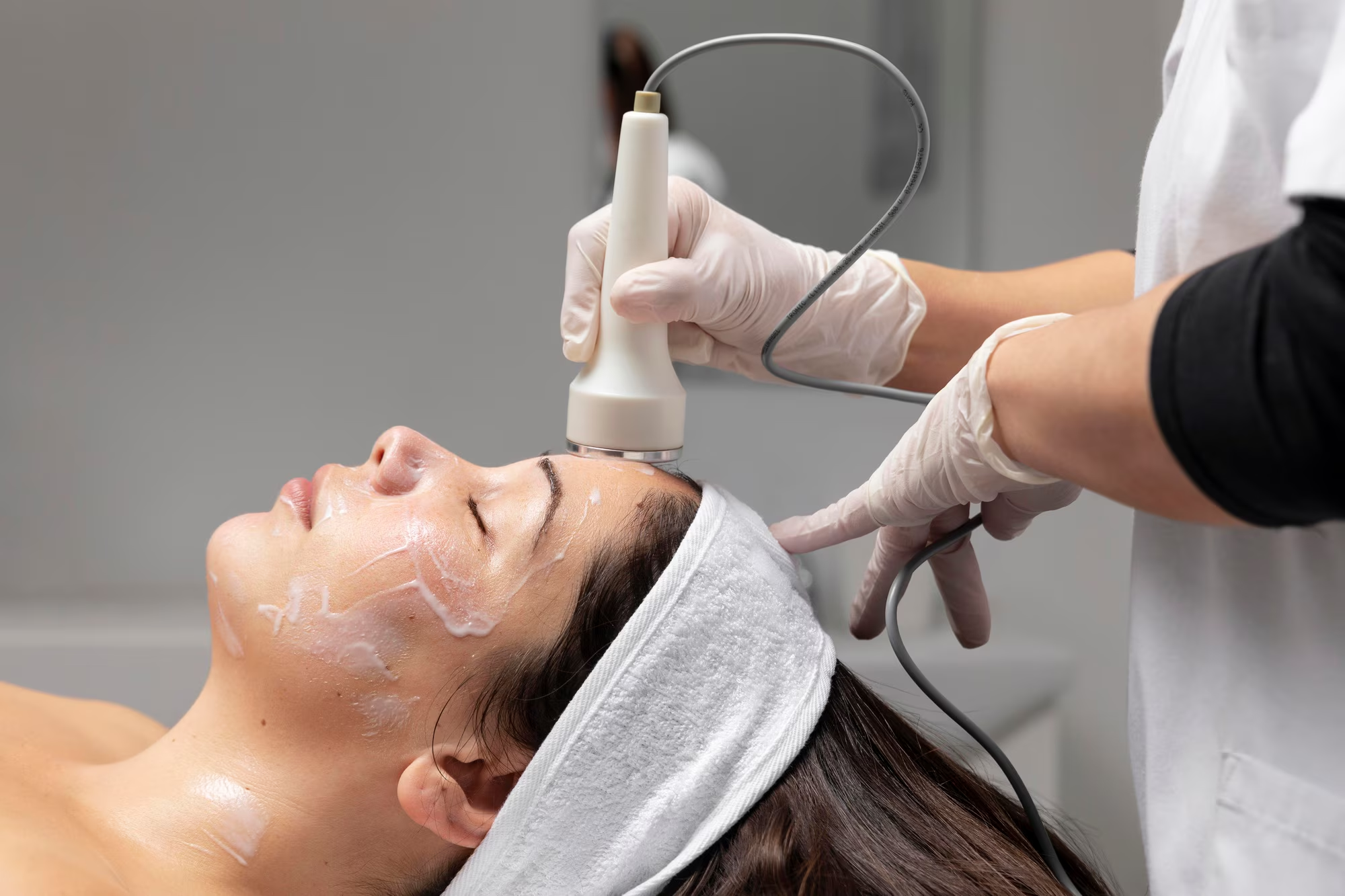
In cases of persistent buildup or oily fungal dandruff, professional scalp cleansing treatments can help remove accumulated sebum, dead skin cells, sweat residue, and microbial deposits from the scalp surface.
Deep scalp purification also improves product penetration and helps create a healthier environment for scalp recovery, particularly in individuals with recurring malassezia on the scalp symptoms.
Anti-Inflammatory and Barrier Repair Support
Chronic fungal activity often weakens the scalp barrier and increases sensitivity. Treatments focused on calming inflammation and restoring barrier integrity help reduce redness, irritation, and recurring itchiness.
Since fungal dandruff often requires a more targeted approach than routine scalp care, understanding how to get rid of dandruff can help support long-term scalp management and prevention strategies.
Long-Term Scalp Maintenance Plans
Because Malassezia can recur under favourable conditions, ongoing scalp maintenance is essential. This may include periodic antifungal use, regular scalp treatments, oil management strategies, and personalised hair care recommendations.
Long-term maintenance helps stabilise the scalp microbiome, reduce inflammation cycles, and support healthier scalp and hair conditions over time.
Why Choose Pinedruff for Malassezia Dandruff Treatment?At Bodycraft, Pinedruff Anti-Dandruff Treatment is a scalp treatment designed to target dandruff at the root by controlling fungal overgrowth, reducing scalp inflammation, and restoring long-term scalp balance. Unlike temporary anti-dandruff solutions, Pinedruff combines medical scalp exfoliation, anti-fungal scalp therapy, and personalised scalp care to help manage persistent dandruff, itching, oiliness, and scalp buildup more effectively. Suitable for persistent dandruff, oily scalp conditions, recurring flakes, itching, and mild seborrheic scalp concerns. |
Malassezia Scalp Treatment for Healthier Hair
For persistent fungal dandruff and chronic scalp imbalance, advanced treatments can help restore scalp health beyond surface-level cleansing.
Deep Scalp Rejuvenation for Follicle Health
Excess oil, dead skin cells, and microbial buildup can create an unhealthy scalp environment that weakens follicles over time. YouthX Hair treatments include deep scalp cleansing and exfoliation techniques that help purify the scalp, improve circulation, and support healthier follicular conditions.
Growth Factor-Based Scalp Support
Advanced scalp support treatments use regenerative ingredients and growth factor-based technology to help improve scalp recovery and overall hair quality. These treatments are designed to support scalp repair while strengthening weakened follicles affected by ongoing inflammation or dandruff-related stress.
Treatments That Support Hair Density and Regrowth
Chronic scalp inflammation associated with malassezia dandruff may contribute to increased hair shedding over time. Treatments focused on follicle stimulation and scalp rejuvenation help support healthier hair density, improve texture, and reduce visible thinning.
Personalised Scalp and Hair Recovery Plans
Since scalp conditions vary from person to person, treatment plans are tailored based on scalp type, oil production, inflammation levels, and severity of symptoms. Ongoing monitoring and maintenance help support long-term scalp balance and healthier hair recovery.
Why Choose Bodycraft?At Bodycraft YouthX Hair, scalp and hair treatments are designed through a personalised, medically guided approach that focuses on long-term scalp health rather than temporary symptom relief. Every treatment begins with a one-on-one consultation to assess scalp condition, hair concerns, and overall follicular health. With advanced scalp rejuvenation protocols, sterile treatment environments, and continuous pre- and post-care guidance, the focus is on restoring scalp balance, reducing inflammation, and supporting healthier hair growth through structured, evidence-based care. |
How to Prevent Malassezia Overgrowth on the Scalp
Preventing malassezia on the scalp focuses on maintaining a balanced scalp environment and reducing conditions that encourage fungal overgrowth. Since Malassezia naturally exists on the scalp, prevention is centred on controlling excess oil, minimising irritation, and supporting overall scalp health.
Maintain Regular Scalp Hygiene
Consistent cleansing helps remove excess sebum, sweat, dead skin cells, and buildup that can contribute to fungal imbalance. At the same time, overly harsh cleansing should be avoided, as it may weaken the scalp barrier.
Use Scalp-Friendly Hair Care Products
Gentle, scalp-supportive products help maintain the scalp microbiome without triggering additional dryness or irritation. Heavy or overly harsh products may worsen sensitivity and buildup.
Schedule Professional Scalp Treatments
Periodic scalp treatments help deeply cleanse buildup, regulate oil levels, and support a healthier scalp environment, especially for individuals with recurring fungal dandruff.
Consistent scalp care plays an important role in maintaining microbiome balance and reducing the recurrence of malassezia dandruff over time.
When Should You See a Specialist for Scalp Flaking or Itching?
You should book a dermatologist online consultation if you notice:
- Persistent dandruff despite medicated shampoos
- Severe or recurring itching
- Hair fall along with scalp irritation
- Chronic redness or inflammation
Early intervention can prevent progression and improve treatment outcomes significantly.
Can Malassezia Dandruff Be Managed Long-Term?
Yes, with the right approach, malassezia scalp treatment can be effectively managed long-term. Since Malassezia naturally exists on the scalp, treatment focuses on controlling overgrowth, reducing inflammation, and maintaining scalp balance.
- Importance of Ongoing Scalp Care: Regular scalp care helps manage excess oil, buildup, and recurring microbial imbalance, reducing the likelihood of flare-ups.
- Early Treatment Helps Prevent Worsening: Addressing persistent itching, flaking, or irritation early can help minimise chronic inflammation and scalp sensitivity over time.
- Consistent Maintenance Supports Scalp Balance: A combination of scalp-friendly products, periodic professional treatments, and long-term care routines helps maintain a healthier and more stable scalp environment.
Managing Malassezia for a Healthier Scalp
Persistent dandruff, itching, and flaking may often be linked to Malassezia on the scalp rather than simple dryness. Since fungal overgrowth can disrupt scalp balance and trigger inflammation, early diagnosis and targeted care are important.
With the right Malassezia dandruff treatment, consistent scalp maintenance, and professional guidance, it is possible to manage symptoms effectively and support long-term scalp and hair health.
Get in touch


A little game. A big surprise!
Pull the slot machine lever to reveal your exclusive Bodycraft reward

A little game. A big surprise!
Pull the slot machine lever to reveal your exclusive Bodycraft reward