





.png)


-1.png)





-1.png)

-3.png)

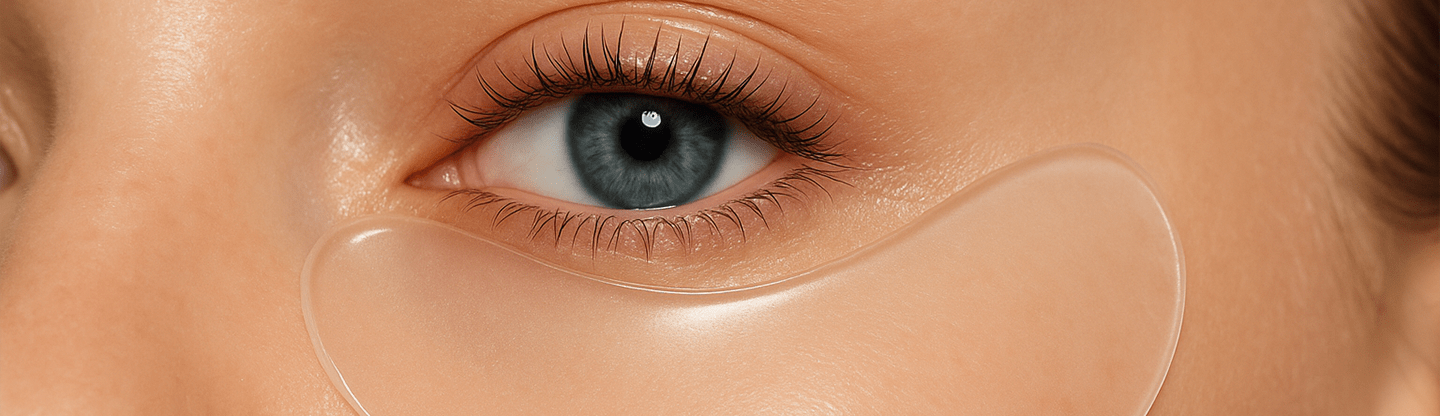

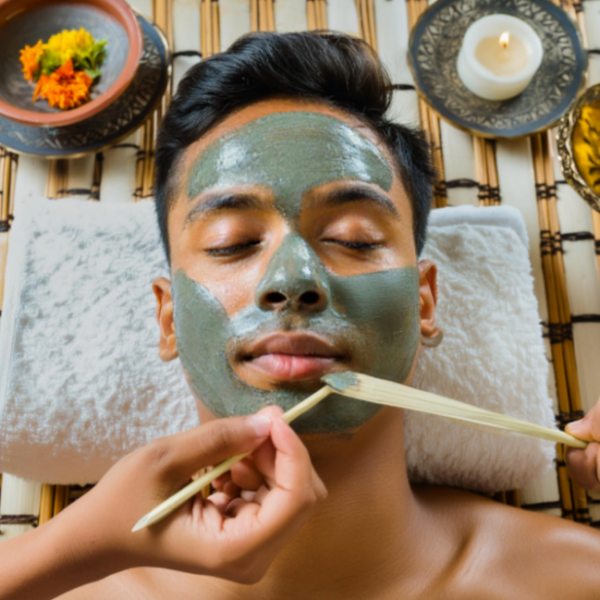
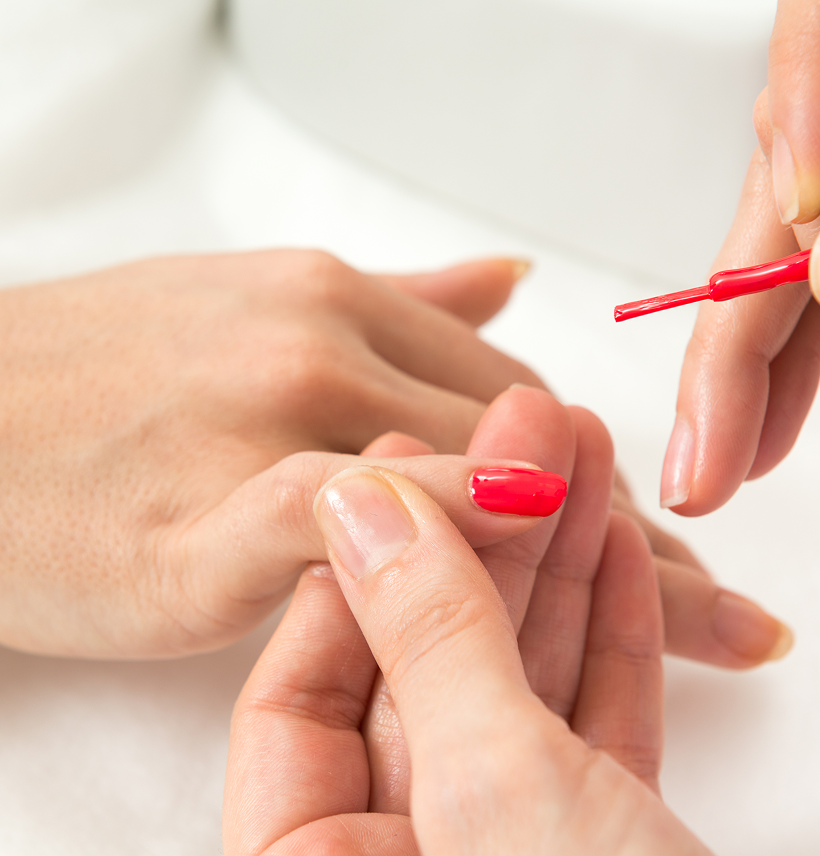


.png)


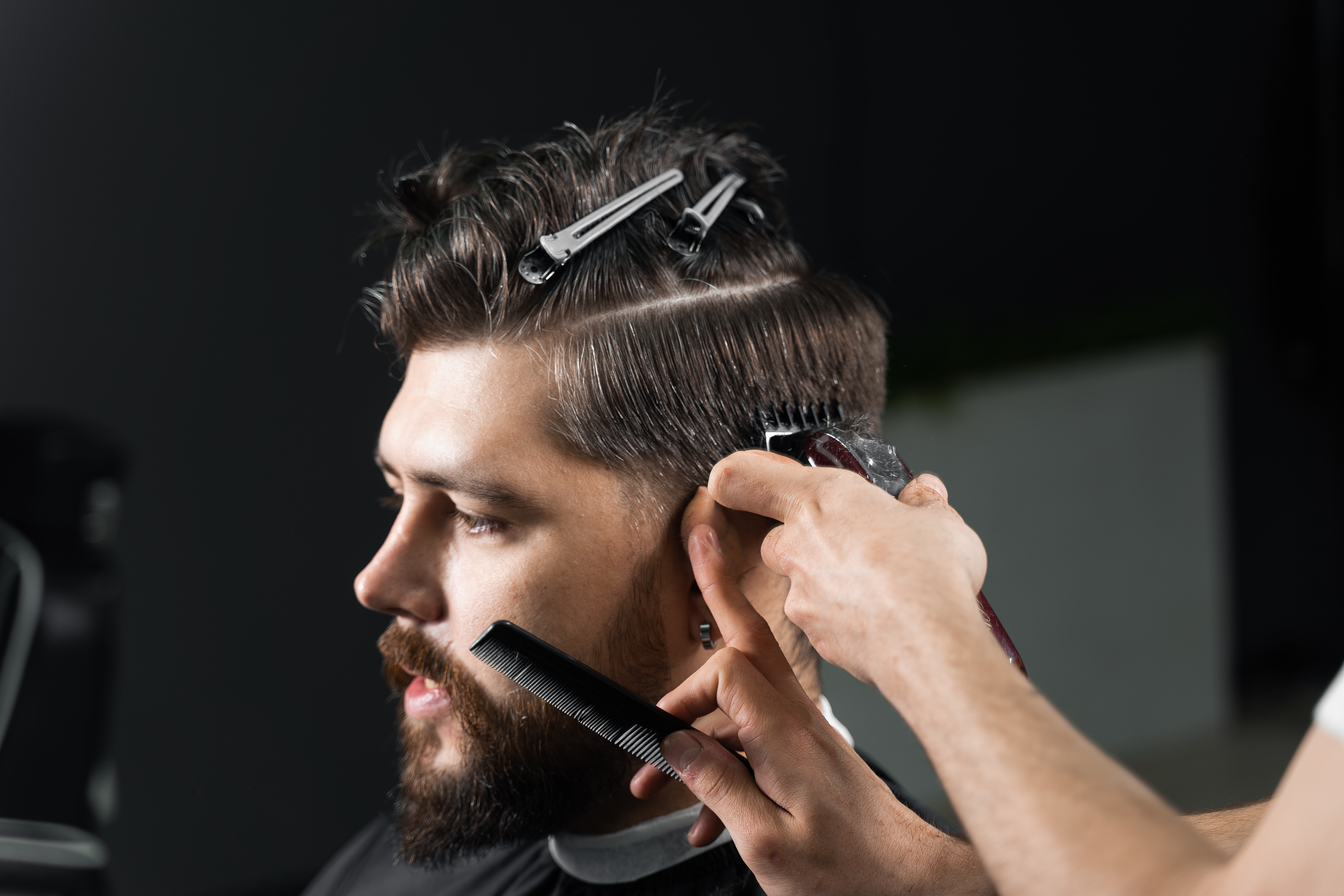



-Aug-02-2026-05-23-10-1368-PM.png)




.webp)
-1.webp)
.webp)
-Jul-07-2026-12-19-56-1023-PM.webp)










-Jun-01-2026-02-54-50-5351-PM.png)
-Jun-01-2026-02-45-39-8016-PM.png)


-May-29-2026-03-30-08-6855-PM.png)


-1.webp)

-3.webp)








.webp)
.webp)


-1.webp)

.webp)
Skin
Skin
5 minutes read | 10 Mar 26
Get a complimentary consultation today. Get in touch
That post-facial glow is not just about the treatment itself. What you do next plays a big role in how long the results last. A facial leaves your skin refreshed, deeply cleansed, and slightly more receptive than usual, which makes aftercare especially important. With a few mindful habits, you can help your skin stay calm, hydrated, and radiant for days, sometimes even weeks. Let’s understand how to care for your skin after a facial the right way.
What Is a Facial?
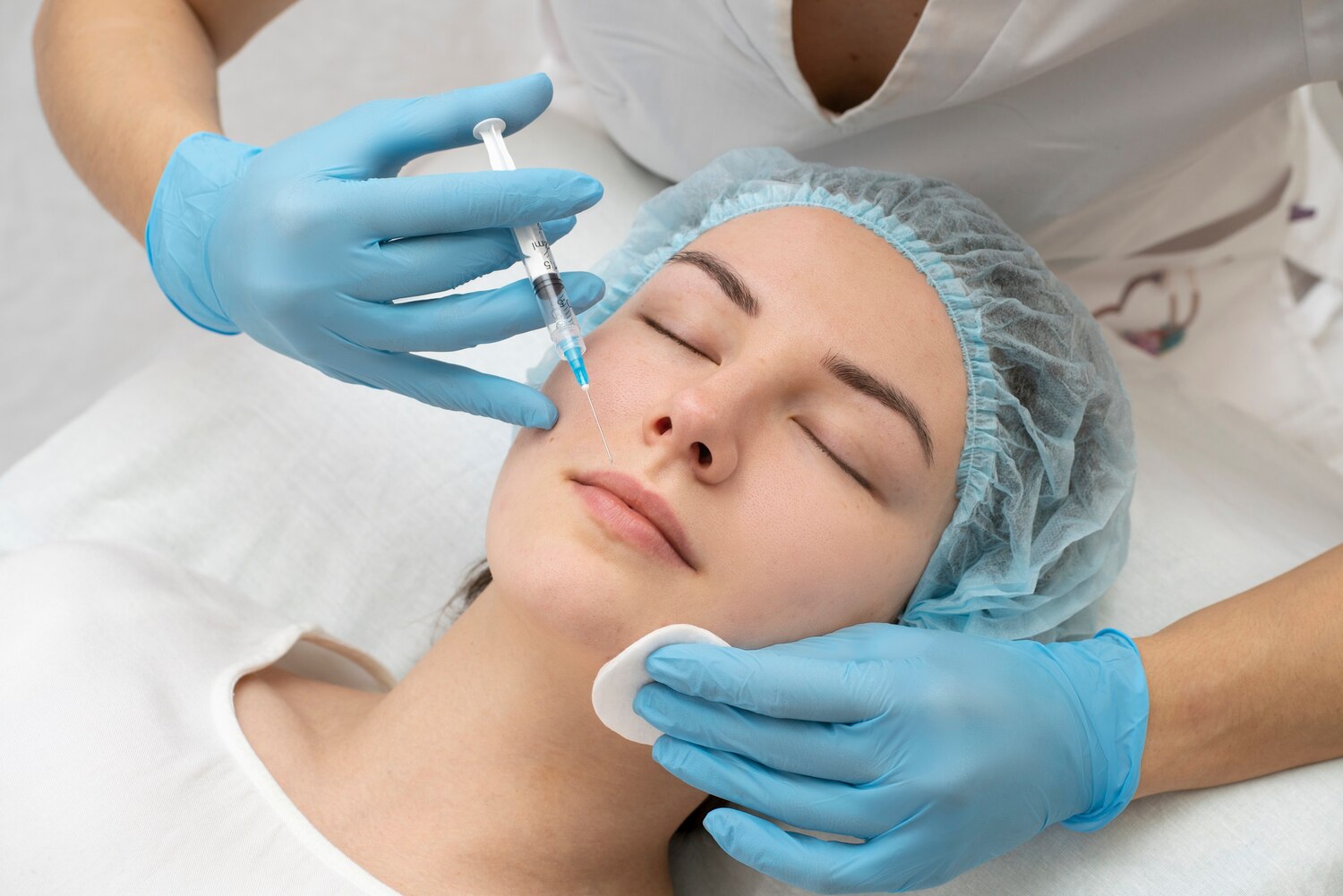
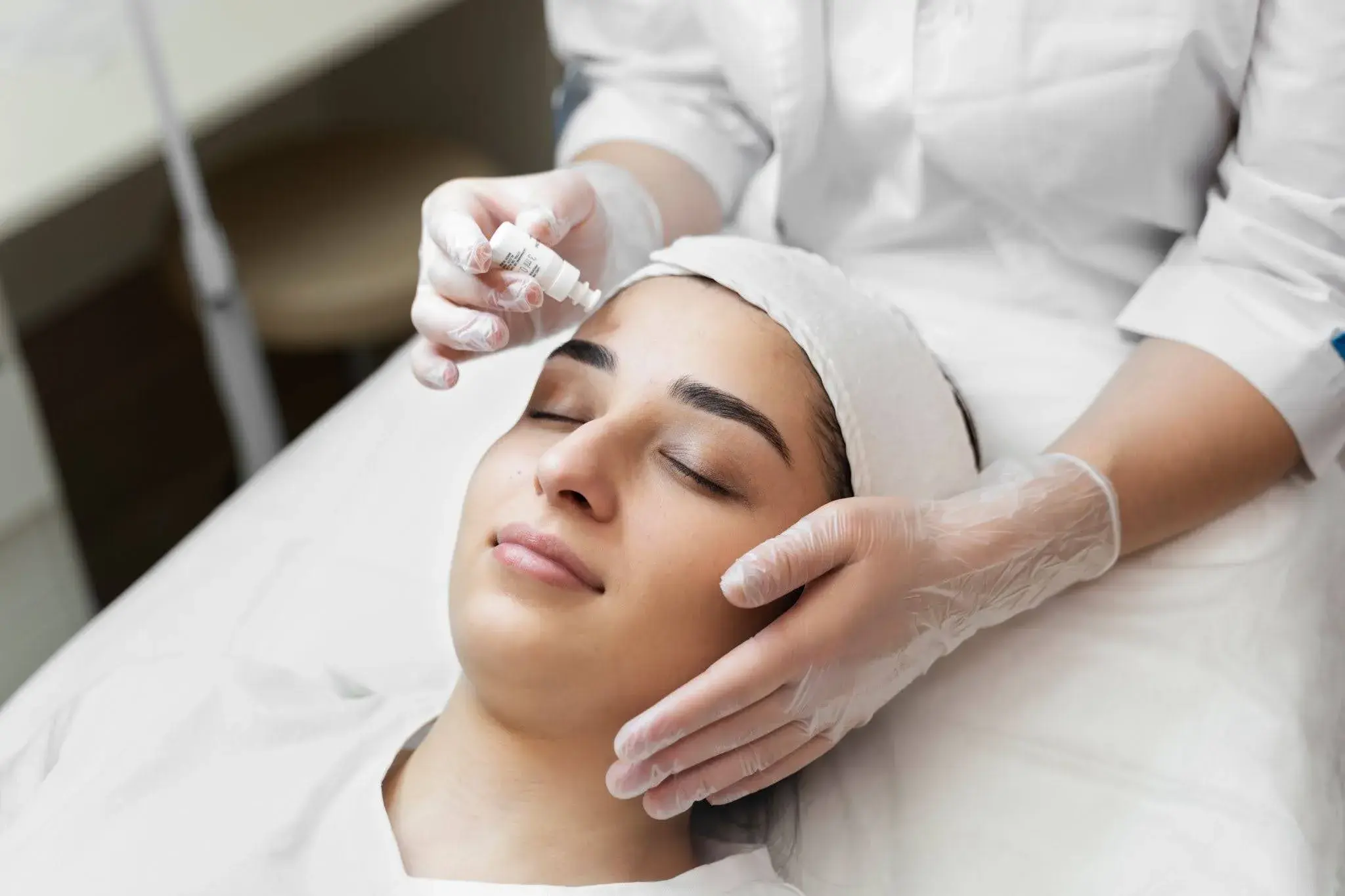
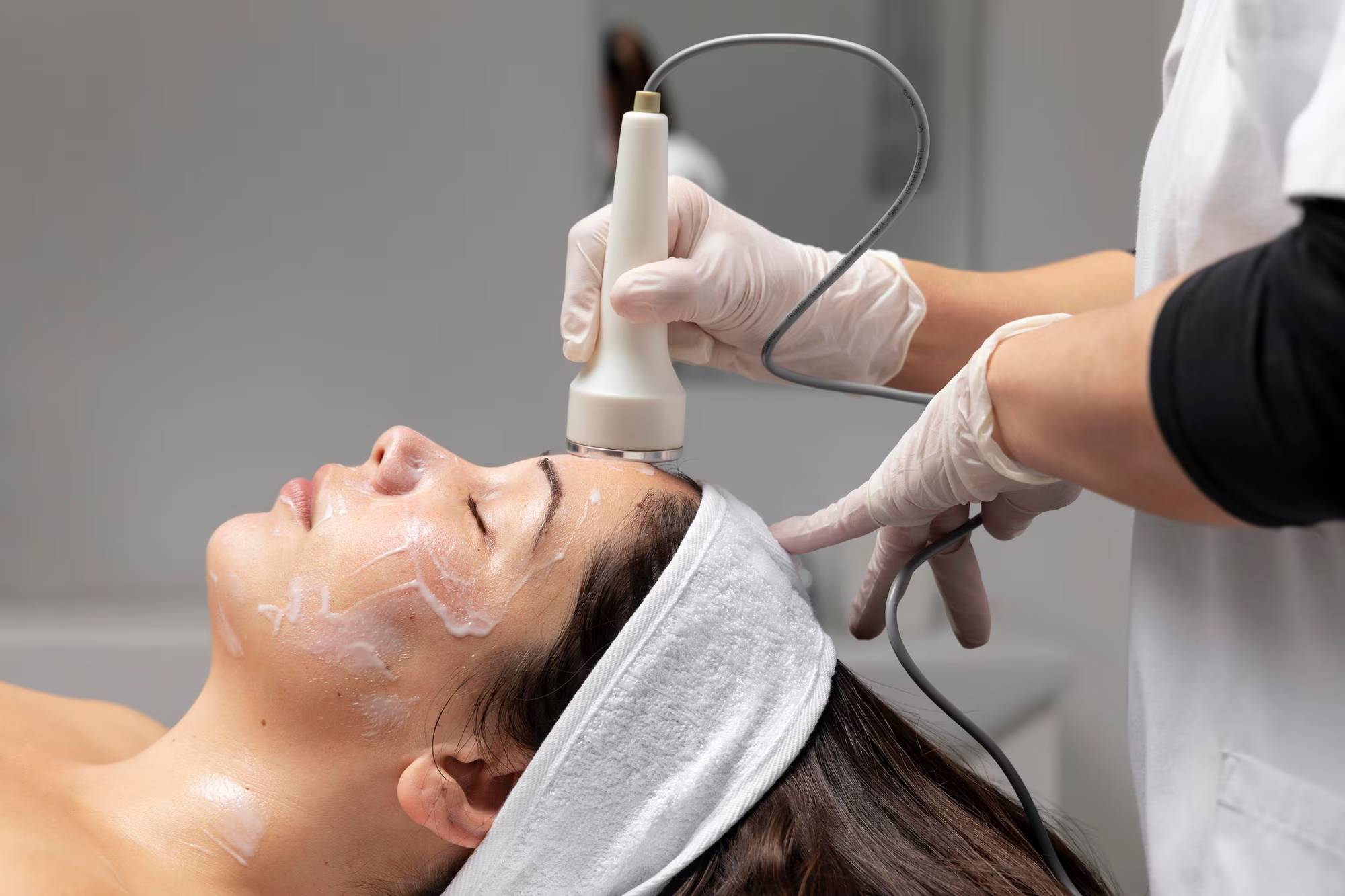
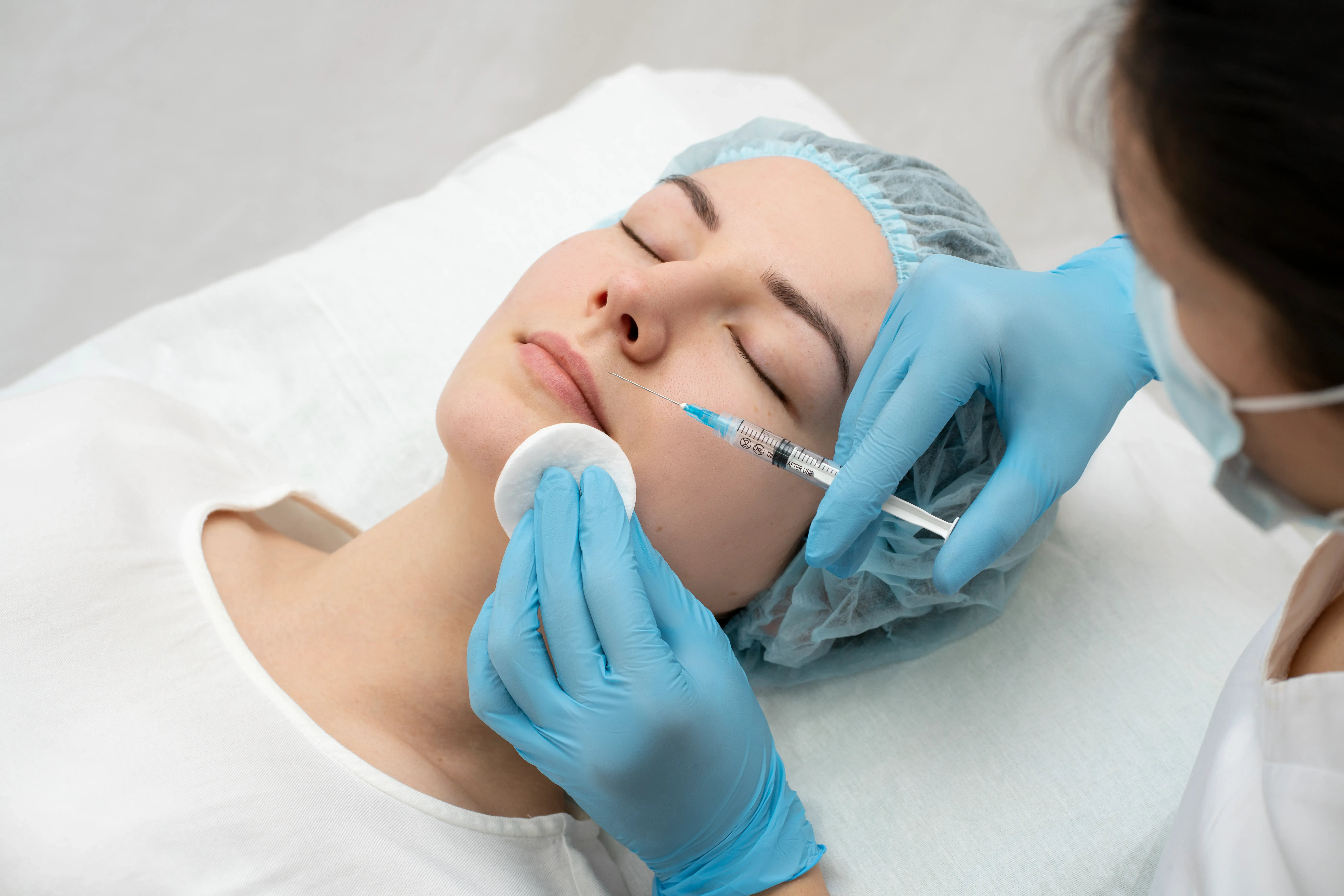
A facial is a professional skin treatment designed to cleanse, exfoliate, nourish, and rebalance the skin using expert techniques and skin-specific products. Facials are thoughtfully customised based on individual skin needs, whether the focus is hydration, brightening, calming care, or a deeper cleanse.
Beyond being a relaxing experience, a facial works beneath the surface. It supports the skin’s natural renewal process while addressing concerns gently and safely. It is not about changing your skin. It is about helping it function at its best.
Why Is Facial Important for Skin Health?
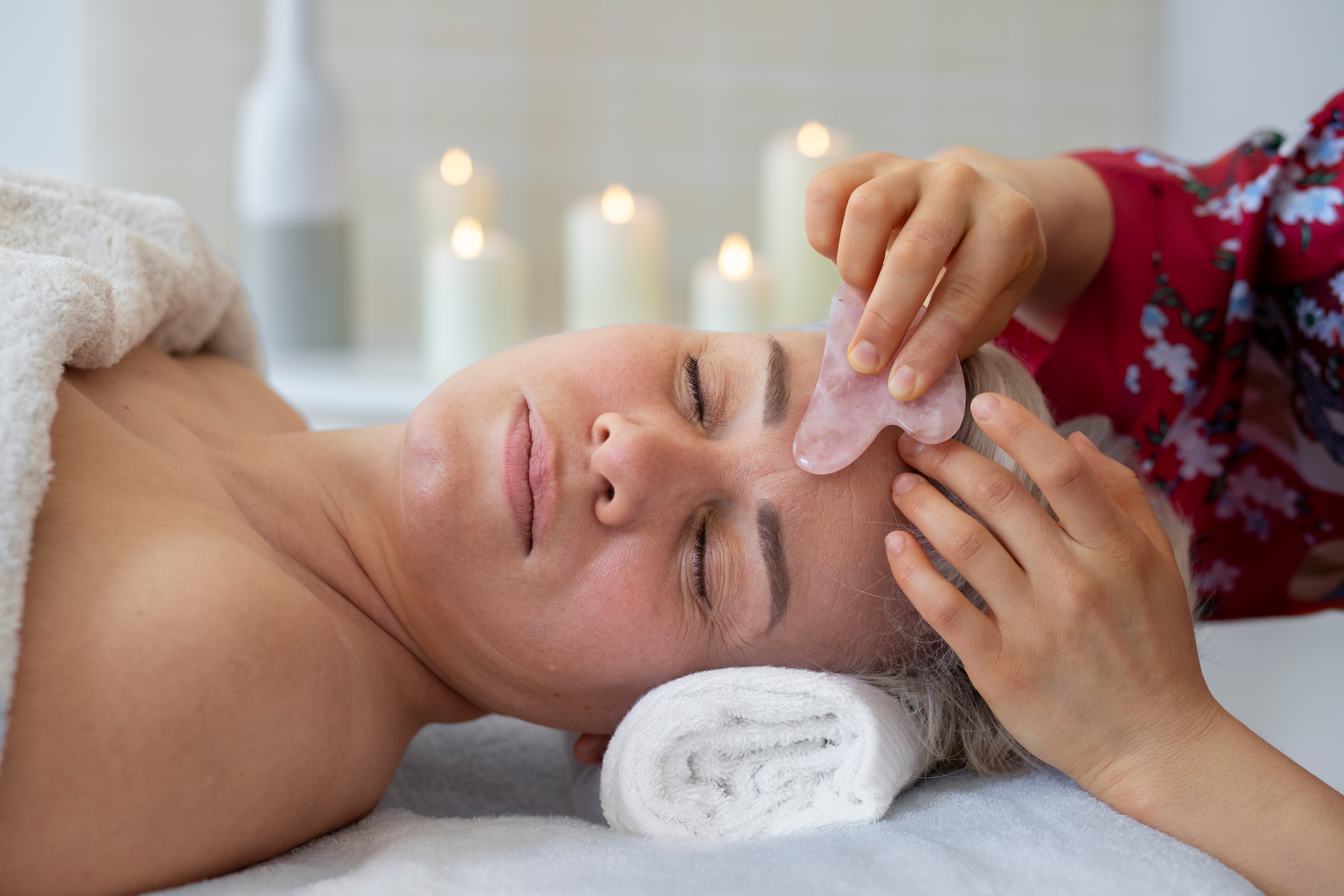
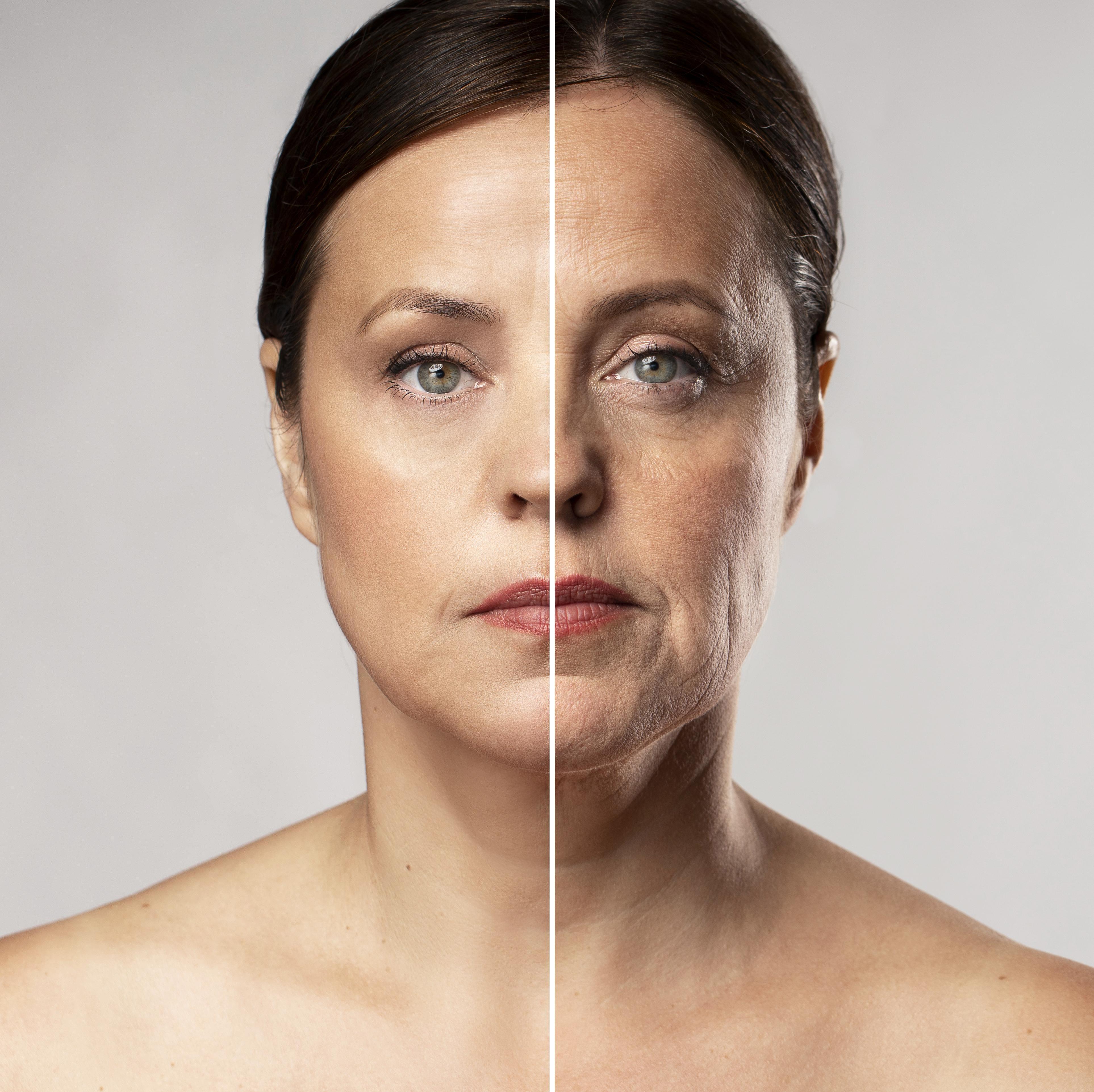
Daily cleansing and moisturising are important routines, but your skin needs more than that. Skin faces pollution, stress, makeup, and sun exposure every day, and over time, this can dull its natural glow. This is where the importance of facial treatment truly shows.
A professional facial reaches deeper layers of the skin that at-home routines often cannot. It helps clear impurities, improves circulation, and supports cell renewal while maintaining balance. Facial importance lies in prevention as much as correction. Regular facials help skin stay resilient, hydrated, and better prepared to handle everyday stress.
Key Benefits of Facial for Skin Health
Facials are often associated with an instant glow, but their real value goes much deeper. Here is how they support long-term skin health.
Deep cleansing without disruption
Professional cleansing removes built-up dirt, excess oil, and environmental pollutants that daily washing can miss. This process respects the skin barrier rather than stripping it, which underlines the importance of facial treatment in keeping skin balanced, comfortable, and resilient over time.
Improved blood circulation
Facial massage stimulates healthy blood flow, allowing oxygen and essential nutrients to reach skin cells more efficiently. This boost in circulation supports cell renewal and brings out a natural glow, reinforcing the long-term importance of facial care for skin vitality.
Gentle exfoliation and renewal
Unlike harsh scrubs used too often at home, controlled exfoliation during a facial removes dead skin cells evenly and safely. This encourages fresh skin to surface without irritation, highlighting the true facial importance in maintaining smooth, refined texture.
Better absorption of skincare
Once surface buildup is cleared, the skin becomes more receptive to serums and moisturisers. This means products can work more effectively, which further explains the importance of facial treatment as part of a well-rounded skincare routine.
Stress relief that shows on your skin
Facials promote relaxation, helping reduce stress hormones that are known to trigger breakouts and sensitivity. When the mind feels calmer, the skin often follows, reminding us that the importance of facial care goes beyond the surface.
How Facials Help Maintain Skin Hydration
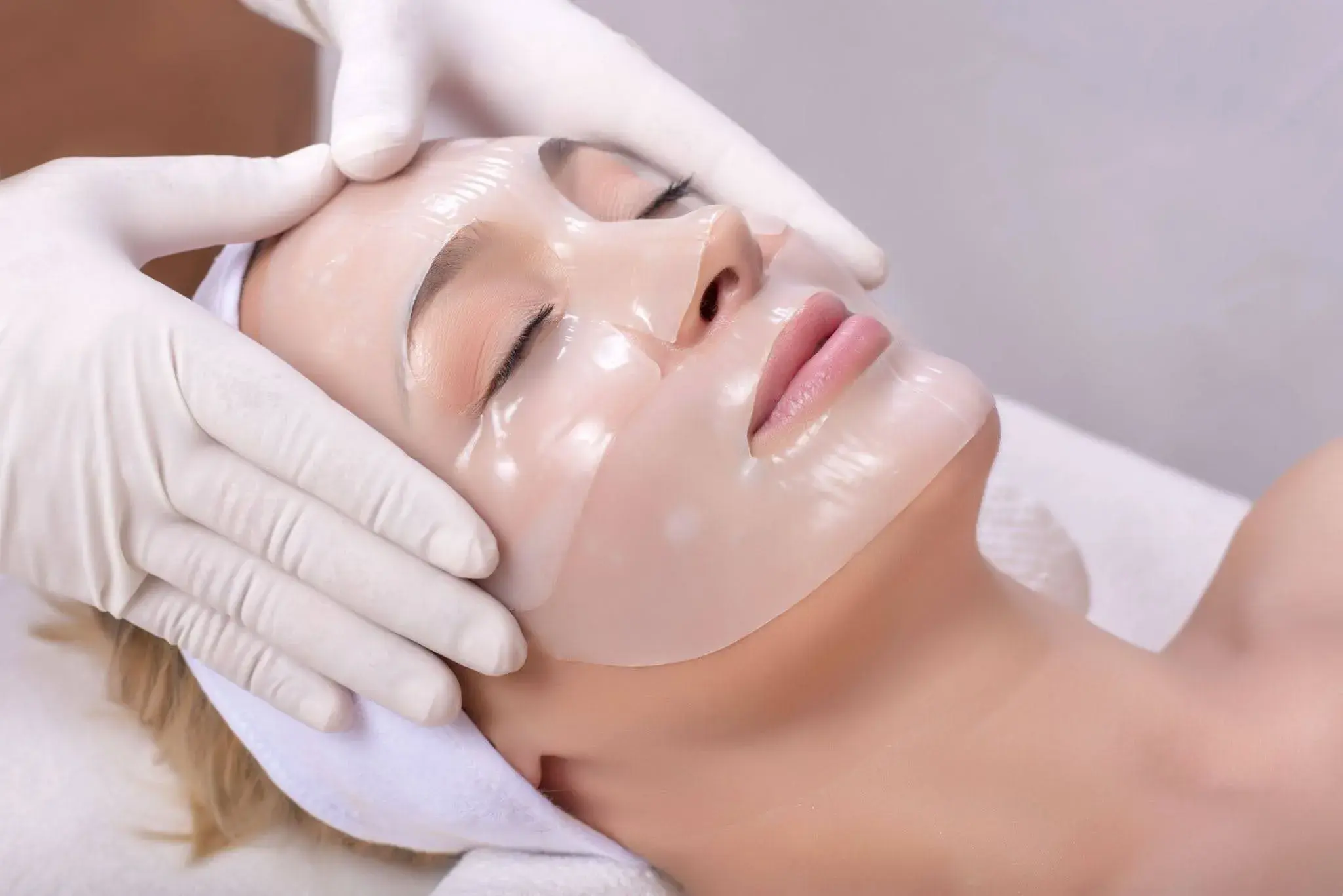
Hydrated skin looks healthier, feels more comfortable, and responds better to daily care. Facials support hydration in layered, thoughtful ways that go beyond surface moisturising.
- Professional exfoliation removes dead skin cells that can block moisture from penetrating deeply.
- Targeted masks and serums replenish lost moisture using ingredients suited to your skin type, helping restore softness and balance without overwhelming the skin.
- Facial massage improves blood circulation and supports lymphatic drainage, allowing the skin to retain hydration.
- Strengthened hydration levels help skin adapt better to changing climates and environmental stress, emphasising the overall facial importance in maintaining plump, comfortable skin even after the treatment day.
Aftercare Tips to Maintain Facial Results
Your skin has been actively treated during a facial, so aftercare is about giving it the space and support it needs to recover beautifully.
-
Keep cleansing gently:
Use a mild cleanser for the first 24 hours. Avoid scrubs, exfoliating acids, or anything abrasive.
-
Prioritise hydration:
Apply a soothing moisturiser to lock in moisture. Hydrated skin recovers faster and holds on to that glow, reinforcing the importance of facial aftercare.
-
Never skip sunscreen:
Skin can be more sensitive after a facial. A broad-spectrum sunscreen helps prevent irritation and pigmentation, even on cloudy days.
-
Pause active ingredients briefly:
Retinol, strong acids, or new products should be avoided for 48 to 72 hours to allow the skin to rebalance.
-
Avoid excess heat and intense workouts:
Steam rooms, saunas, and heavy exercise can increase redness or sensitivity immediately after a facial. Light movement is fine.
-
Keep hands away from your face:
Touching freshly treated skin can introduce bacteria and lead to breakouts.
-
Pay attention to how your skin feels:
Mild redness is normal. Persistent burning or irritation is not and should be checked by a professional.
Listening to Your Skin After the Glow
A facial gives your skin a fresh start, but it is the care that follows that keeps the results visible and comfortable. When you understand the importance of facial treatment and support it with gentle aftercare, your skin stays calmer, better hydrated, and more resilient. Thoughtful habits, not rushed routines, allow your skin to recover beautifully. Healthy skin is not about doing more. It is about doing what truly works for your skin.
Why Choose Bodycraft?
At Bodycraft, facials are never one-size-fits-all. Every treatment begins with understanding your skin as it is today, not what it is expected to be. Our experts focus on skin health first, choosing techniques and products that support balance, comfort, and long-term results rather than quick fixes. BOOK NOW
FAQ’s
1.Is facial good for skin health?
Yes, facials support skin health by deep cleansing, improving circulation, and maintaining hydration.
2. How often should you get a facial?
For most skin types, a facial every four to six weeks works well, as this aligns with the skin’s natural renewal cycle. Regular treatments help maintain results and reinforce overall facial importance.
3. Are facials suitable for all skin types?
Facials can be customised for different skin types, including sensitive, oily, dry, and combination skin. This flexibility explains the importance of facial care when it is tailored to individual skin needs.
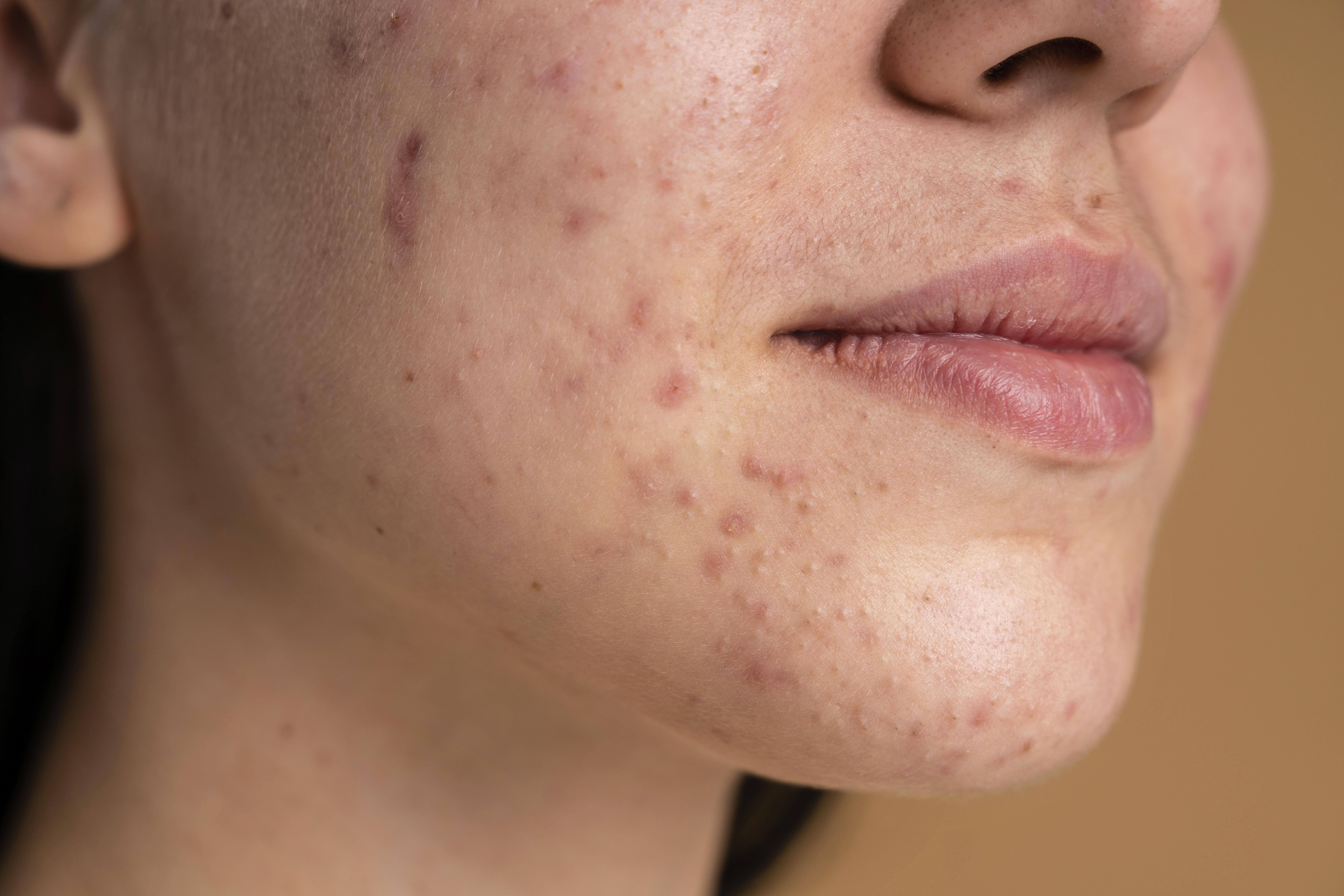
4. Can facials help with acne and pigmentation?
Facials can support acne-prone and pigmented skin by improving clarity and encouraging healthy cell turnover. While results vary, this shows the importance of facial treatment as part of a guided skincare approach.
Get in touch


A little game. A big surprise!
Pull the slot machine lever to reveal your exclusive Bodycraft reward








A little game. A big surprise!
Pull the slot machine lever to reveal your exclusive Bodycraft reward