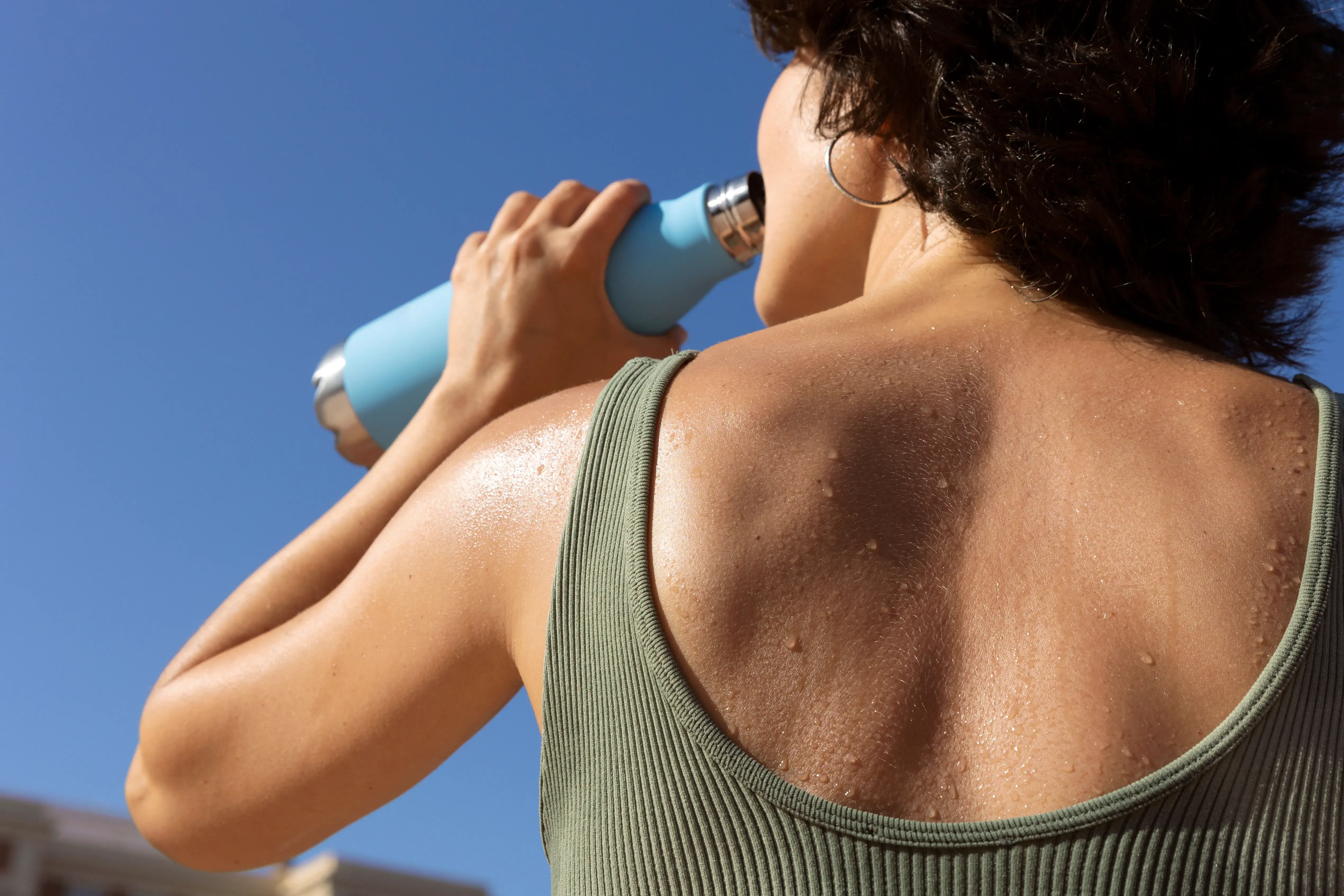
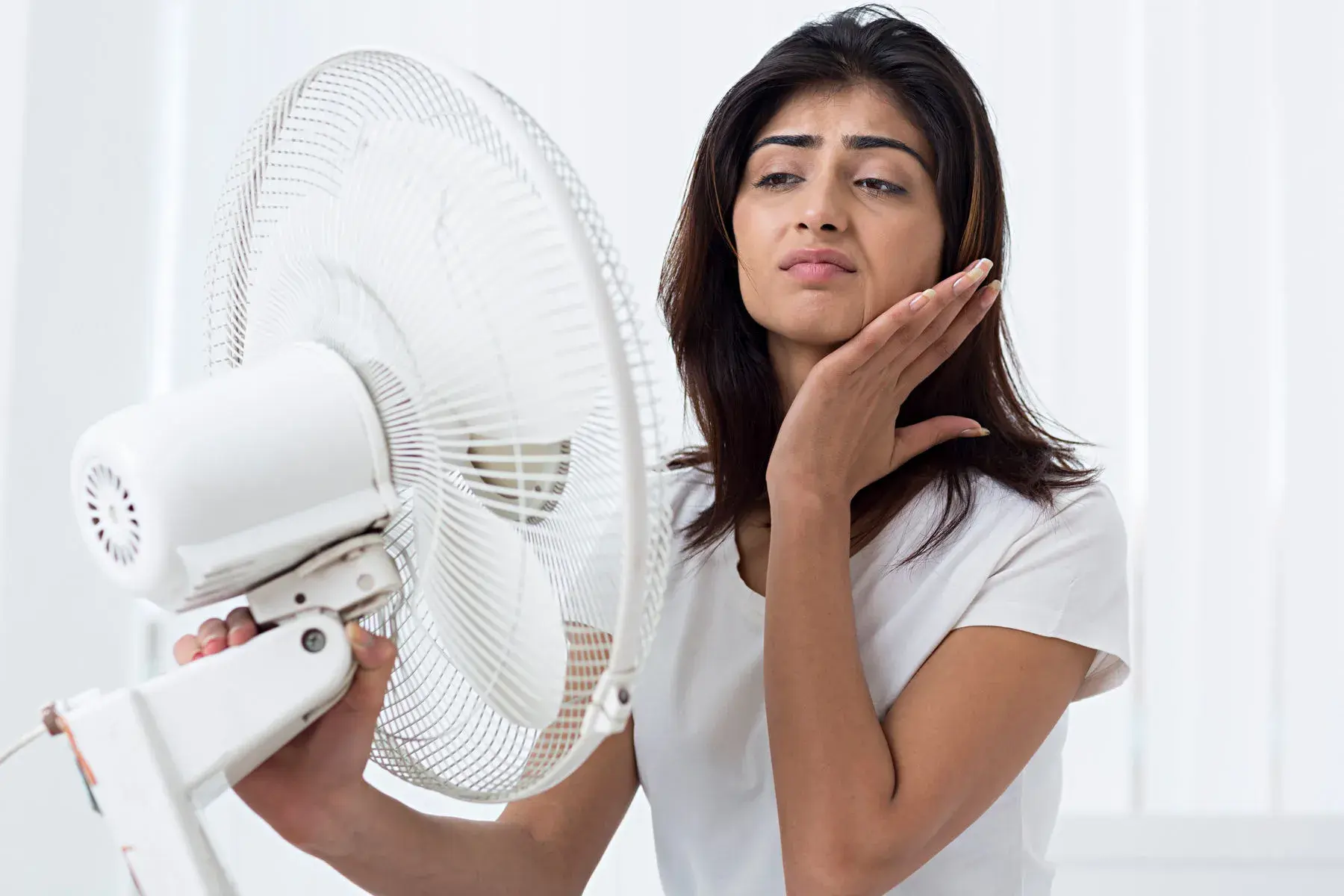
If you constantly find yourself wiping your hands, avoiding certain colours in summer, or feeling uncomfortable because of visible sweat patches, it may be more than just heat. Excessive sweating can happen even in cool environments or without physical activity, making everyday situations feel frustrating and uncomfortable.
The good news is that hyperhidrosis treatment has advanced significantly in recent years. From medical-grade solutions to advanced sweat reduction therapies, excessive sweating can now be effectively managed with personalised care.
What Is Hyperhidrosis (Excessive Sweating)?
Hyperhidrosis is a condition that causes excessive sweating beyond the body’s normal cooling needs. It can affect specific areas such as the hands, underarms, face, scalp, or feet, and in some cases, the entire body.
Unlike regular sweating caused by heat or physical activity, hyperhidrosis can happen unexpectedly and interfere with everyday activities. Many people experience difficulty holding objects, shaking hands, wearing certain clothes, or managing visible sweat patches throughout the day.
In addition to physical discomfort, excessive sweating can also impact emotional well-being and self-confidence.
What Causes Hyperhidrosis?
Understanding hyperhidrosis causes and treatment begins with identifying whether the condition is primary or secondary.
Primary Hyperhidrosis
Primary hyperhidrosis usually develops without an underlying medical condition. It is often linked to overactive sweat glands and may run in families. Sweating typically affects specific areas, such as the palms, soles, underarms, or the face.
Episodes may become more noticeable during stress, anxiety, warm weather, or social situations.
Secondary Hyperhidrosis
Secondary hyperhidrosis occurs due to an underlying factor or health condition. Common triggers include:
- Hormonal changes
- Certain medications
- Thyroid disorders
- Diabetes
- Menopause
- Stress and anxiety
- Infections or neurological conditions
In these cases, excessive sweating treatment may involve addressing both the sweating and the root cause.
Common Symptoms of Excessive Sweating
The symptoms of hyperhidrosis can vary depending on severity and affected areas.
- Constant Sweating Even Without Heat or Activity:One of the most common signs is persistent sweating that occurs even in cool temperatures or while resting.
- Sweaty Hands, Feet, or Underarms:Sweaty and underarm sweat control are among the most common concerns because these areas significantly affect daily comfort.
- Skin Irritation or Infections: Constant moisture on the skin can lead to irritation, fungal infections, body odour, or rashes.
- Social Discomfort and Confidence Issues: Many individuals feel self-conscious about visible sweating and avoid social interactions, handshakes, and certain clothing styles.
How Hyperhidrosis Affects Your Daily Life
Excessive sweating is more than a seasonal inconvenience. It can affect both personal and professional life in subtle but significant ways.
People with hyperhidrosis may struggle with:
- Frequent clothing changes
- Difficulty using phones, laptops, or paper documents
- Avoiding social gatherings
- Embarrassment in meetings or public settings
- Skin sensitivity and recurring irritation
Excessive sweating can also affect scalp hygiene and comfort during summer. Many people experiencing heavy sweating often wonder, Can Sweat Cause Hair Loss? While sweat itself may not directly lead to hair fall, constant moisture, oil build-up, and scalp irritation can contribute to scalp-related concerns over time.
Over time, these challenges can impact confidence, productivity, and emotional well-being.
Hyperhidrosis Treatment: What Are Your Options?
Hyperhidrosis treatment depends on the severity of sweating, the affected body area, and whether the condition is primary or secondary.
Topical Treatments and Medical-Grade Solutions
Dermatologists may recommend prescription-strength antiperspirants or topical formulations designed to temporarily reduce sweat production.
These are often used for mild to moderate cases of underarm sweating.
Oral Medications (When Required)
In some situations, oral medications may help reduce sweat gland activity. These are generally prescribed after evaluating individual symptoms and medical history.
Advanced Clinical Treatments for Sweat Control
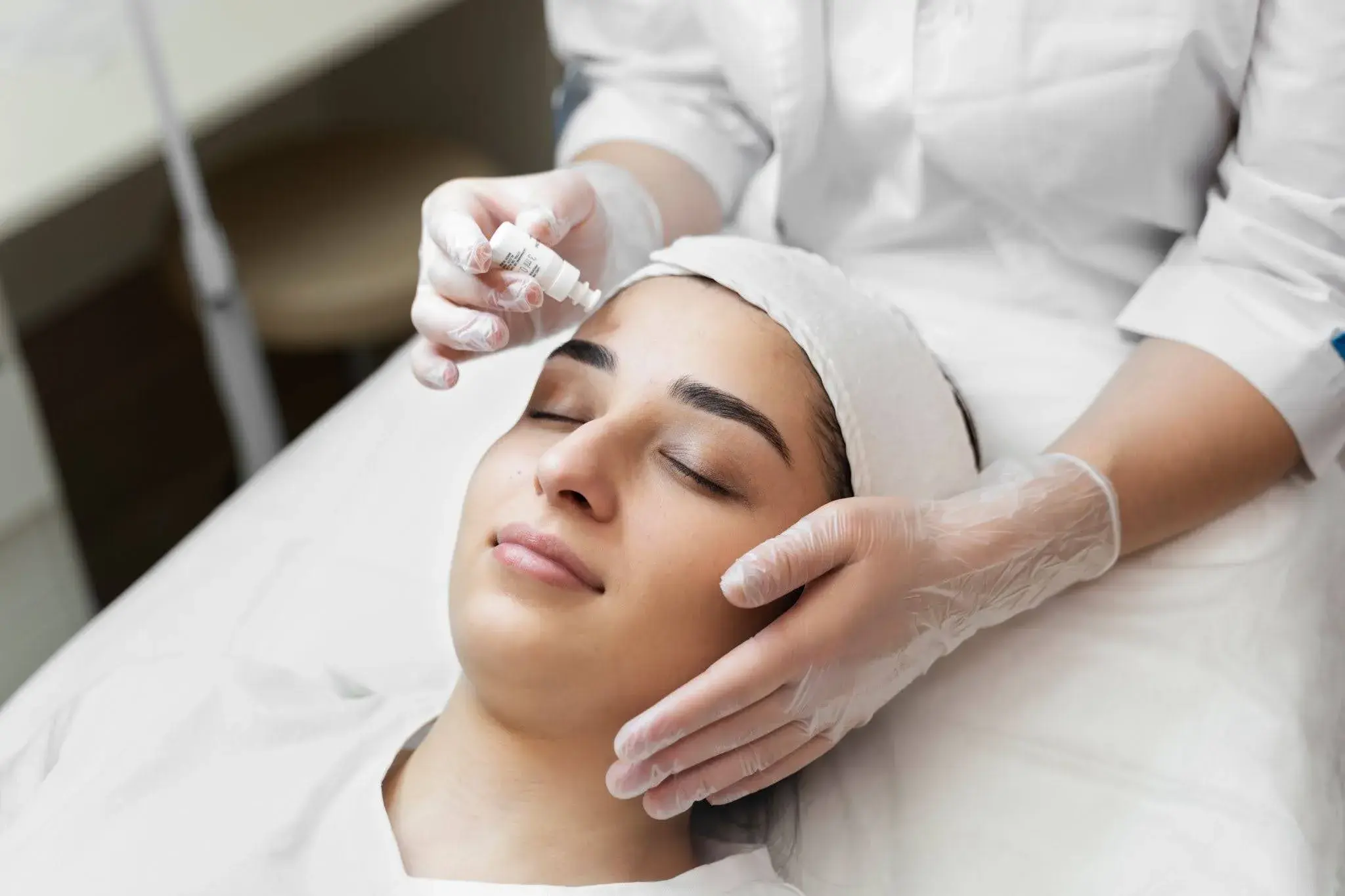
For persistent sweating, advanced dermatology treatments can provide longer-lasting relief. These procedures target sweat glands more effectively than regular topical care.
Long-Term Management Approaches
Managing hyperhidrosis often involves a combination of professional treatment, trigger management, and maintenance sessions for long-term sweat control.
Advanced Treatments for Hyperhidrosis (Excessive Sweating Treatment)
Modern excessive sweating treatment options are designed to reduce sweat production safely and effectively while improving overall comfort.
Botulinum Toxin (Botox) for Sweat Reduction
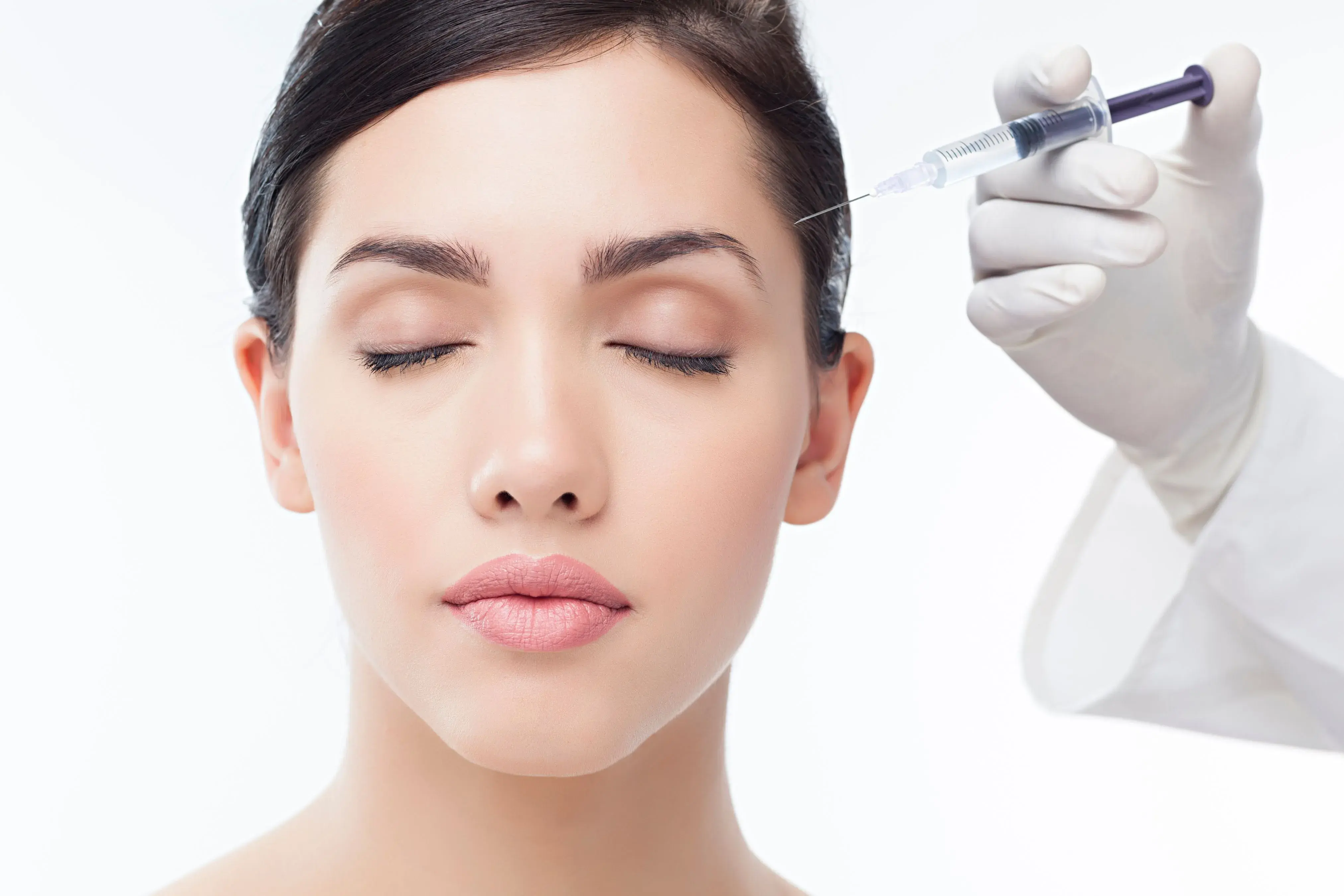
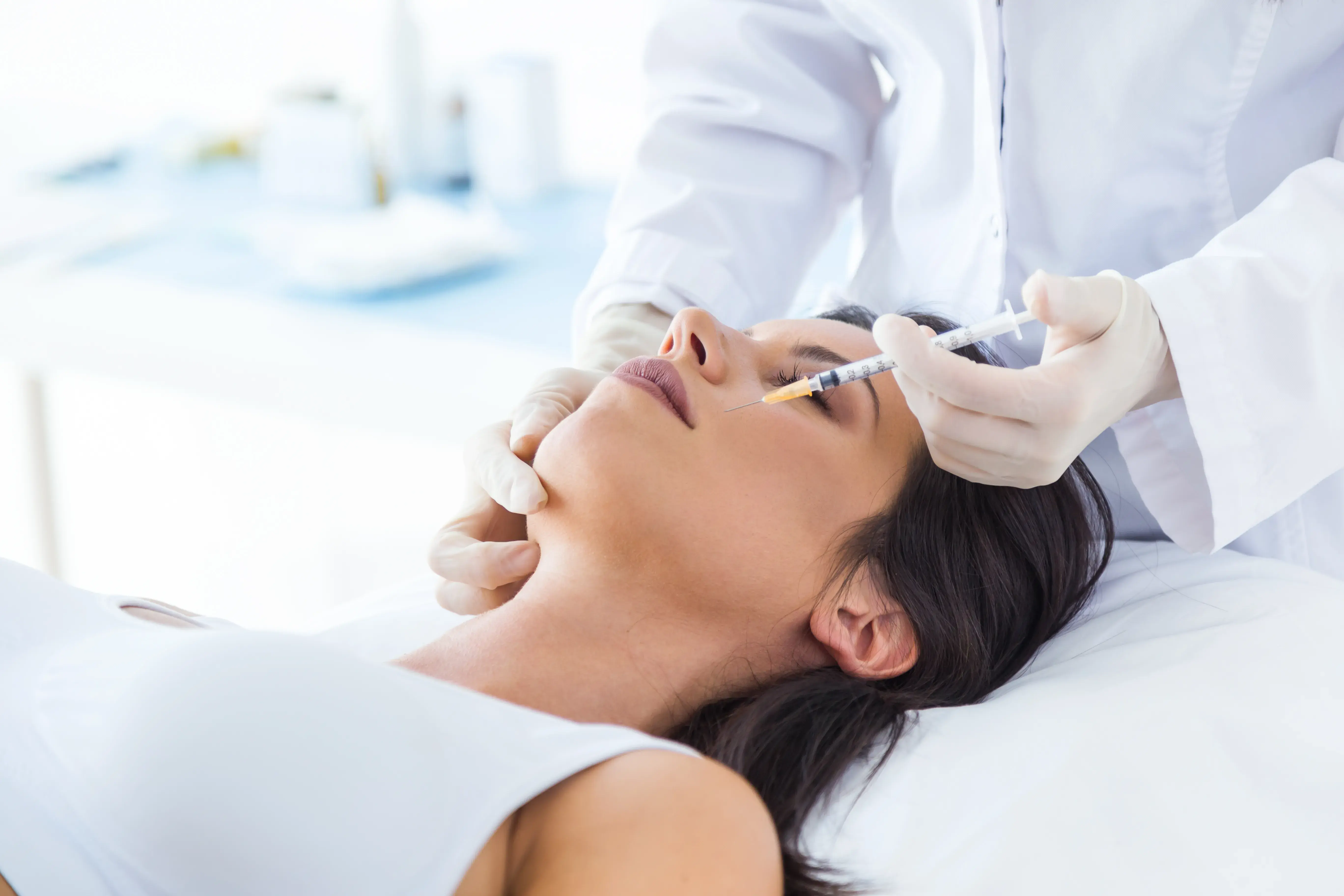
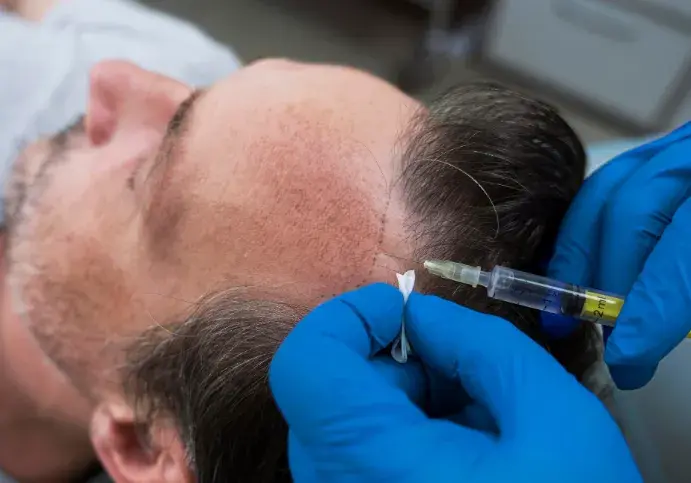
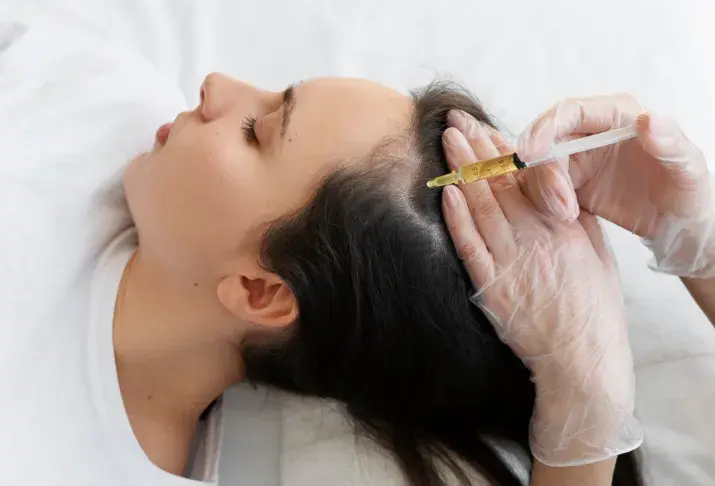
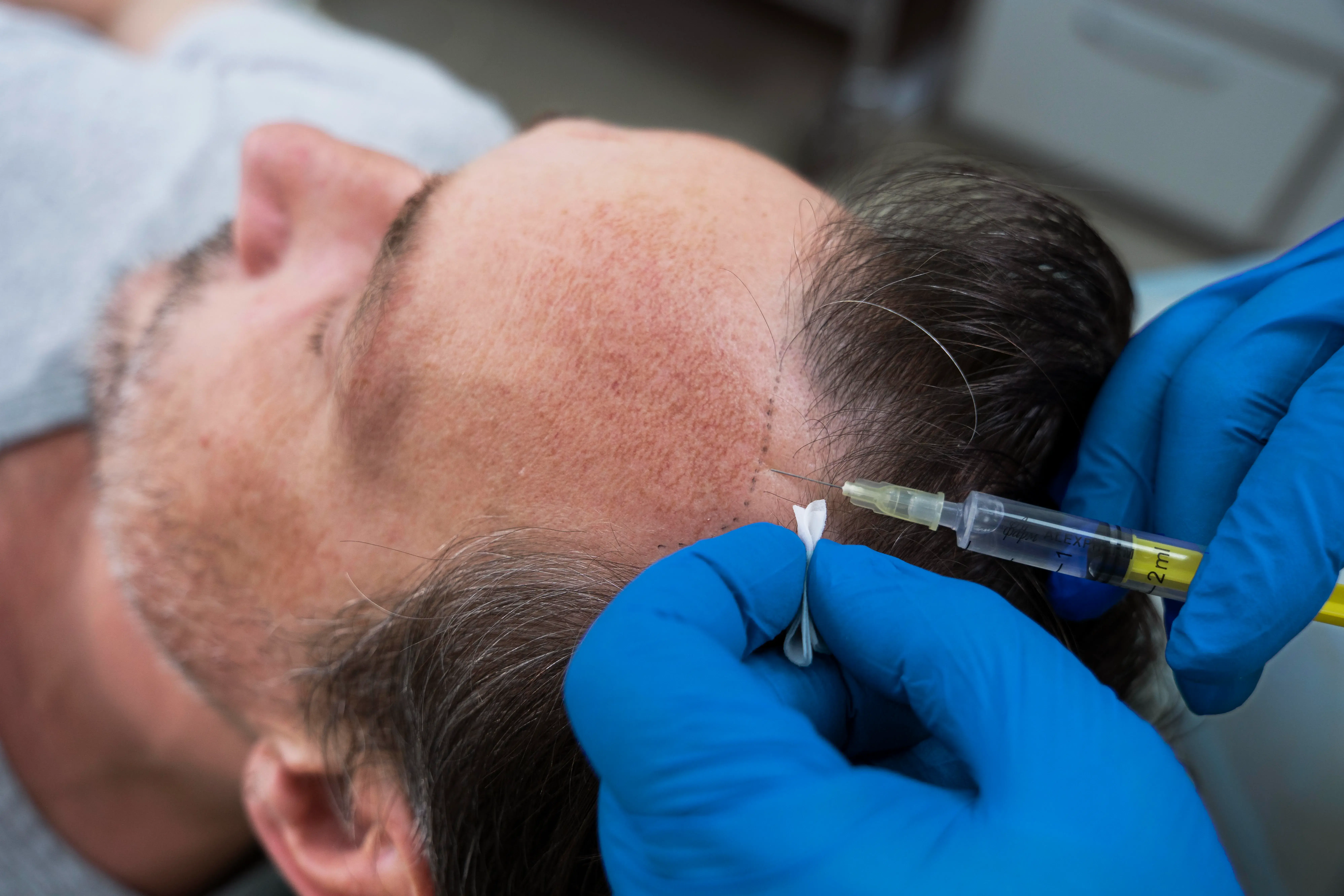
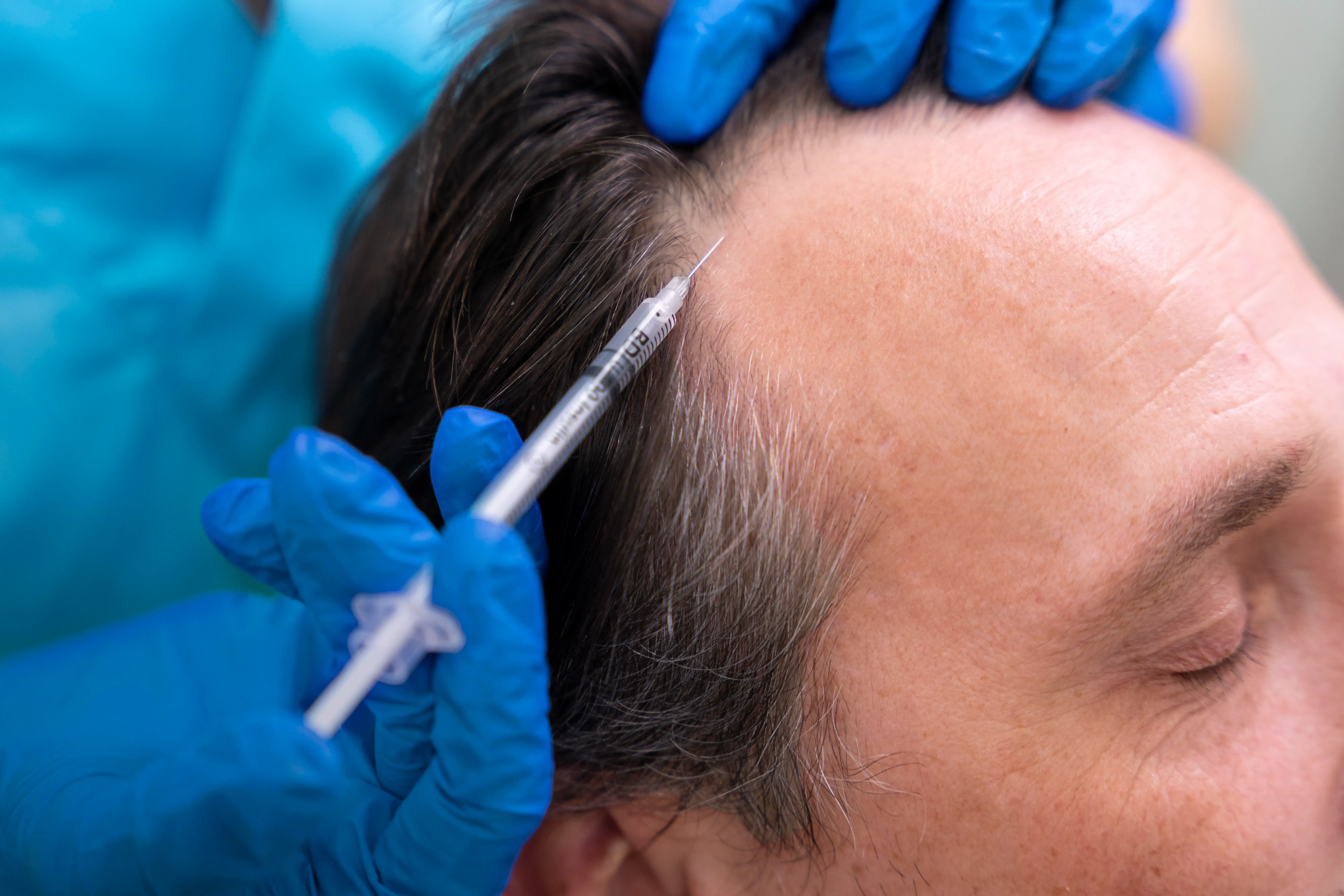
Botulinum toxin injections, commonly known as Botox for sweating, work by temporarily blocking the nerve signals that activate sweat glands.
This treatment is particularly effective for:
- Underarm sweating
- Sweaty palms
- Excessive sweating in the feet
Results usually begin within a few days and can last several months before maintenance sessions are needed.
Iontophoresis for Sweaty Hands and Feet
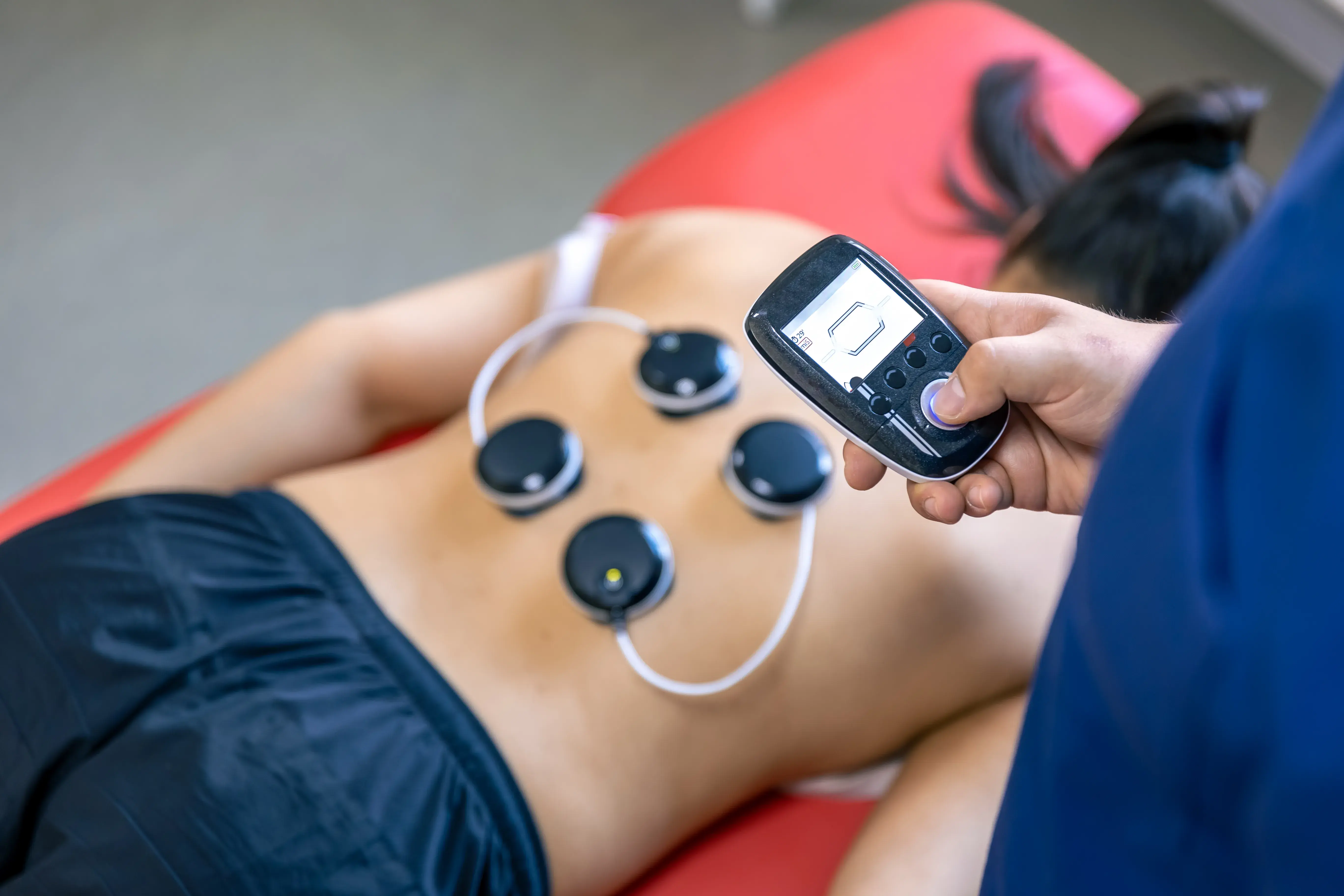
Iontophoresis treatment uses mild electrical currents passed through water to reduce sweating in the hands and feet.
It is widely used as a sweaty hands treatment because it is non-invasive and suitable for ongoing sweat management.
Laser and Energy-Based Treatments
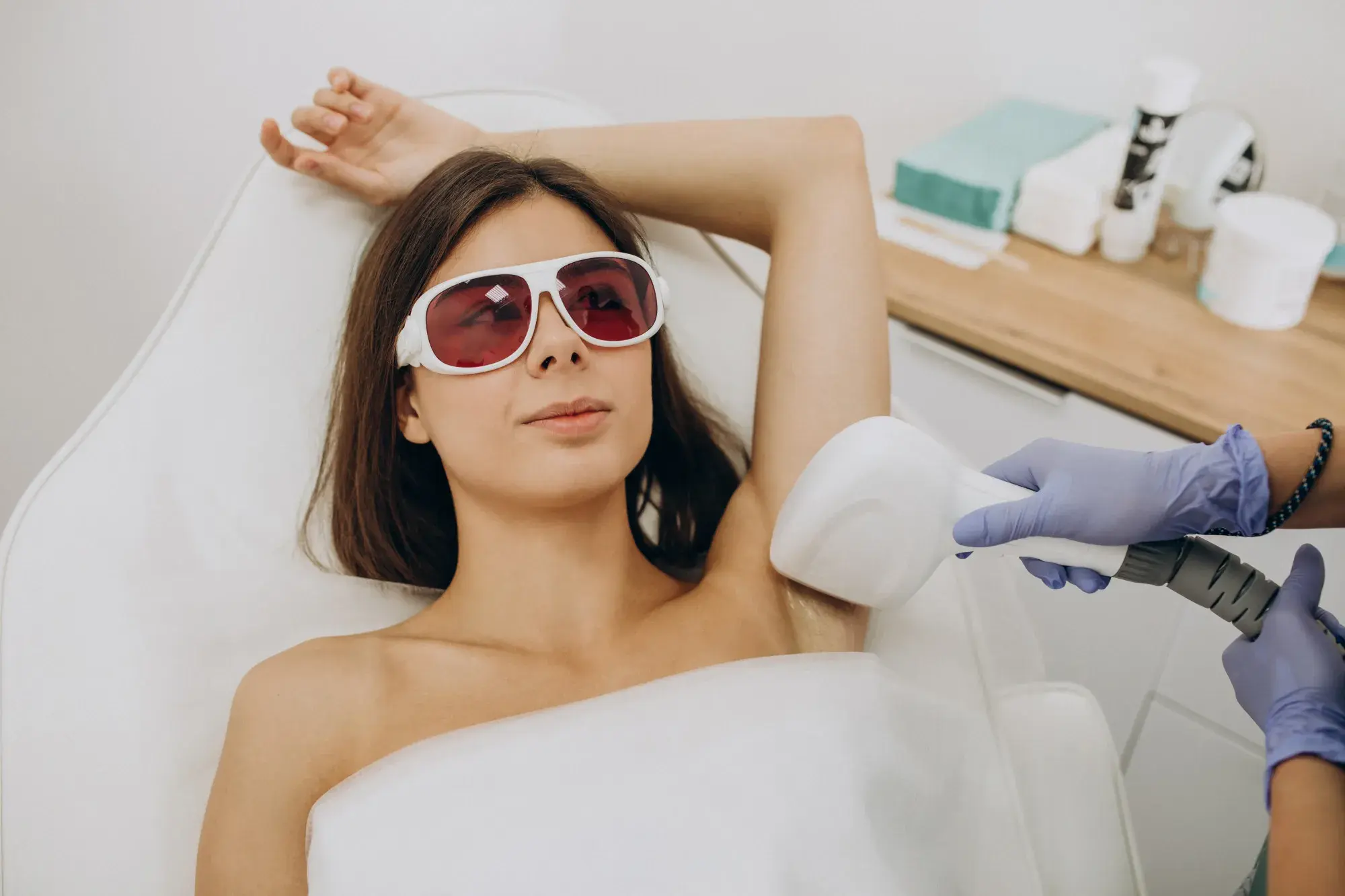
Some advanced sweat-reduction therapies use laser or energy-based technologies to target and reduce sweat glands directly.
These treatments may help provide a longer-term reduction in sweating, especially in the underarm area.
Customised Treatment Plans Based on Severity
Since every case is different, dermatologists typically create personalised treatment plans based on the affected area, sweating severity, lifestyle factors, and underlying triggers. If you are ready to explore a treatment plan designed for your specific needs, you can consult skin specialist online to receive expert guidance.
How to Reduce Sweating During Summer
While professional treatment is important for persistent sweating, certain habits can also help reduce discomfort during hot weather.
- Wearing Breathable Fabrics: Loose-fitting cotton and moisture-wicking fabrics can help minimise sweat build-up and improve comfort.
- Maintaining Proper Hygiene: Regular cleansing and changing into dry clothing can help manage odour, irritation, and bacterial growth.
- Managing Triggers Like Stress and Heat: Stress and anxiety can worsen excessive sweating. Identifying triggers and managing heat exposure may help reduce flare-ups.
- Regular Professional Treatment for Control; For moderate to severe hyperhidrosis, consistent dermatology treatment often provides the most effective long-term relief.
Sweaty Hands Treatment: What Works Best?
The palms are one of the most commonly affected areas in hyperhidrosis. Excessive sweating in the hands can interfere with work, social interactions, and everyday tasks.
Two of the most effective sweaty palms treatment options include:
- Botox injections for temporary sweat reduction
- Iontophoresis treatment for ongoing sweat control
Early treatment can help prevent worsening symptoms and significantly improve comfort.
Why Choose Bodycraft for Hyperhidrosis Treatment?
At Bodycraft, hyperhidrosis treatment plans are tailored to your specific concerns, whether it’s underarm sweating, sweaty palms, or excessive sweating that affects daily comfort. With advanced dermatology treatments, experienced specialists, and personalised care, we focus on helping you achieve long-term, safe, and effective sweat control.
Book your consultation today for professional guidance and customised treatment options.
|
How Long Does Hyperhidrosis Treatment Take to Work?
The timeline for visible improvement depends on the treatment method used.
- Botox for sweating may show results within a few days and can last for several months.
- Iontophoresis treatment typically shows gradual improvement over multiple sessions.
- Laser-based procedures may require follow-up sessions for optimal results.
Long-term sweat control usually works best with consistency and professional guidance.
When Should You See a Doctor for Excessive Sweating?
It may be time to seek medical advice if:
- Sweating becomes sudden or severe
- Daily activities are affected
- Basic sweat-control methods stop working
- Sweating occurs alongside other symptoms like weight loss, fever, or fatigue
A dermatologist can identify the underlying cause and recommend the most suitable excessive sweating treatment.
Can Hyperhidrosis Be Prevented or Managed Long-Term?
While hyperhidrosis may not always be completely preventable, it can often be managed successfully with the right approach.
Ongoing Treatment and Maintenance
Many advanced treatments provide long-term relief when combined with regular maintenance sessions.
Lifestyle and Trigger Management
Reducing heat exposure, managing stress, and following a skincare routine can help minimise flare-ups.
Regular Medical Consultation
Consistent follow-ups with a dermatologist help ensure the treatment remains effective over time.
If sweating is affecting your comfort, confidence, or daily routine, seeking professional hyperhidrosis treatment early can significantly improve symptom management and quality of life.
Take Control of Excessive Sweating with the Right Treatment
Excessive sweating can feel frustrating, especially when it starts affecting your comfort, confidence, or daily routine. But with the right hyperhidrosis treatment and professional guidance, managing sweat control becomes much easier. From sweaty hands treatment to advanced solutions for underarm sweating, today’s treatments are designed to help you feel more comfortable and confident in everyday situations.
FAQs
1. How long does hyperhidrosis treatment last?
The duration depends on the treatment type. Botox results may last several months, while iontophoresis often requires regular maintenance sessions for continued sweat control.
2. Can stress make hyperhidrosis worse?
Yes, stress and anxiety can trigger or worsen excessive sweating, particularly in areas like the palms, face, and underarms.
3. When should I see a doctor for excessive sweating?
You should consult a doctor if sweating becomes severe, affects your daily activities, or occurs along with symptoms such as fatigue, fever, or sudden weight loss.





.png)


-1.png)


-1.png)
-3.png)




.png)




-Aug-02-2026-05-23-10-1368-PM.png)


.webp)
-1.webp)
.webp)
-Jul-07-2026-12-19-56-1023-PM.webp)



-Jun-01-2026-02-54-50-5351-PM.png)
-Jun-01-2026-02-45-39-8016-PM.png)

-May-29-2026-03-30-08-6855-PM.png)

-1.webp)

-3.webp)



.webp)
.webp)
-1.webp)
.webp)
.webp)
.webp)