Get a complimentary consultation today. Get in touch
Microneedling has moved from a niche dermatology procedure to one of the most requested treatments for texture and scarring, but it's also one of the most misunderstood. Here's what microneedling for skin actually does, who it genuinely helps, and what recovery really looks like.
What Is Microneedling?
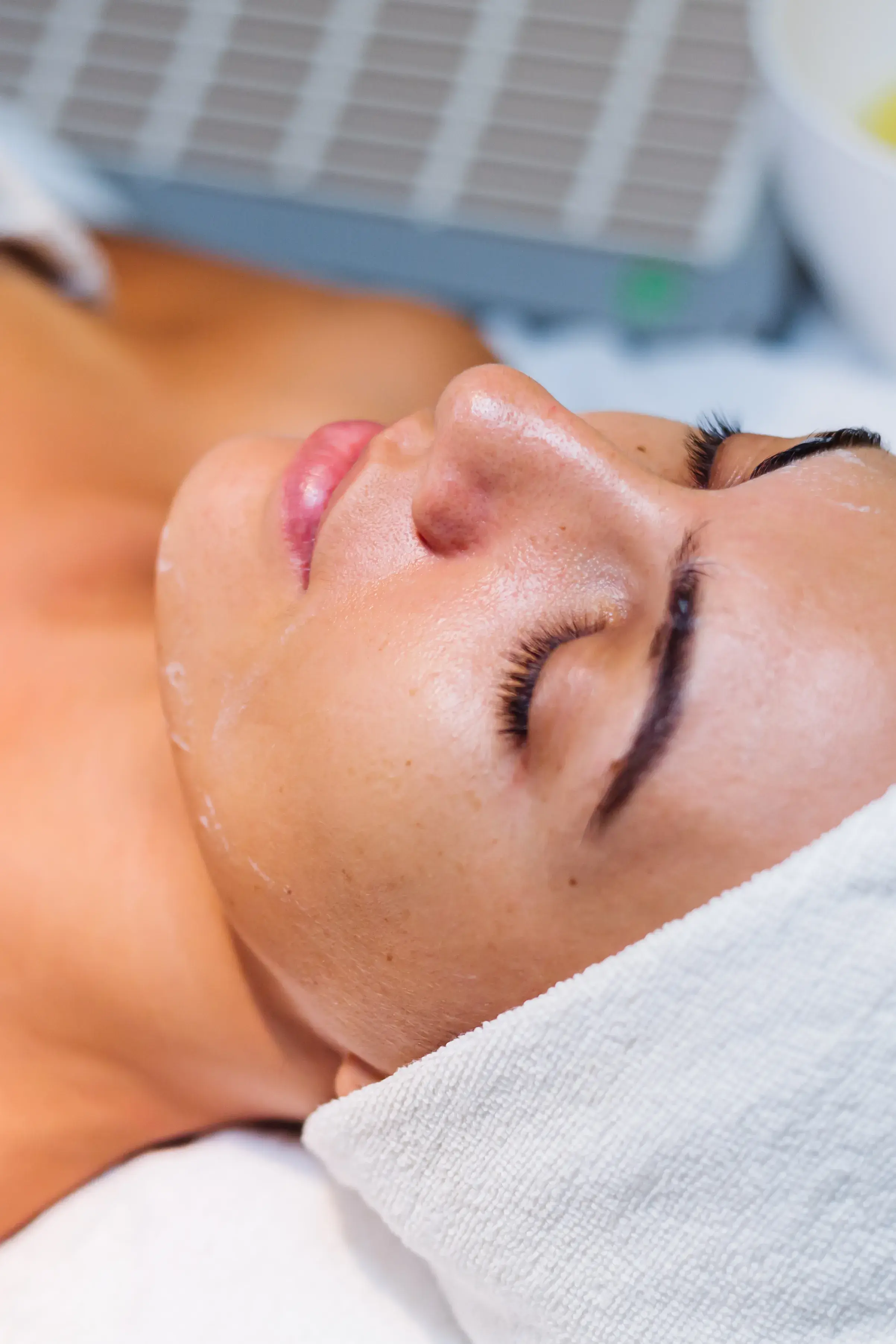
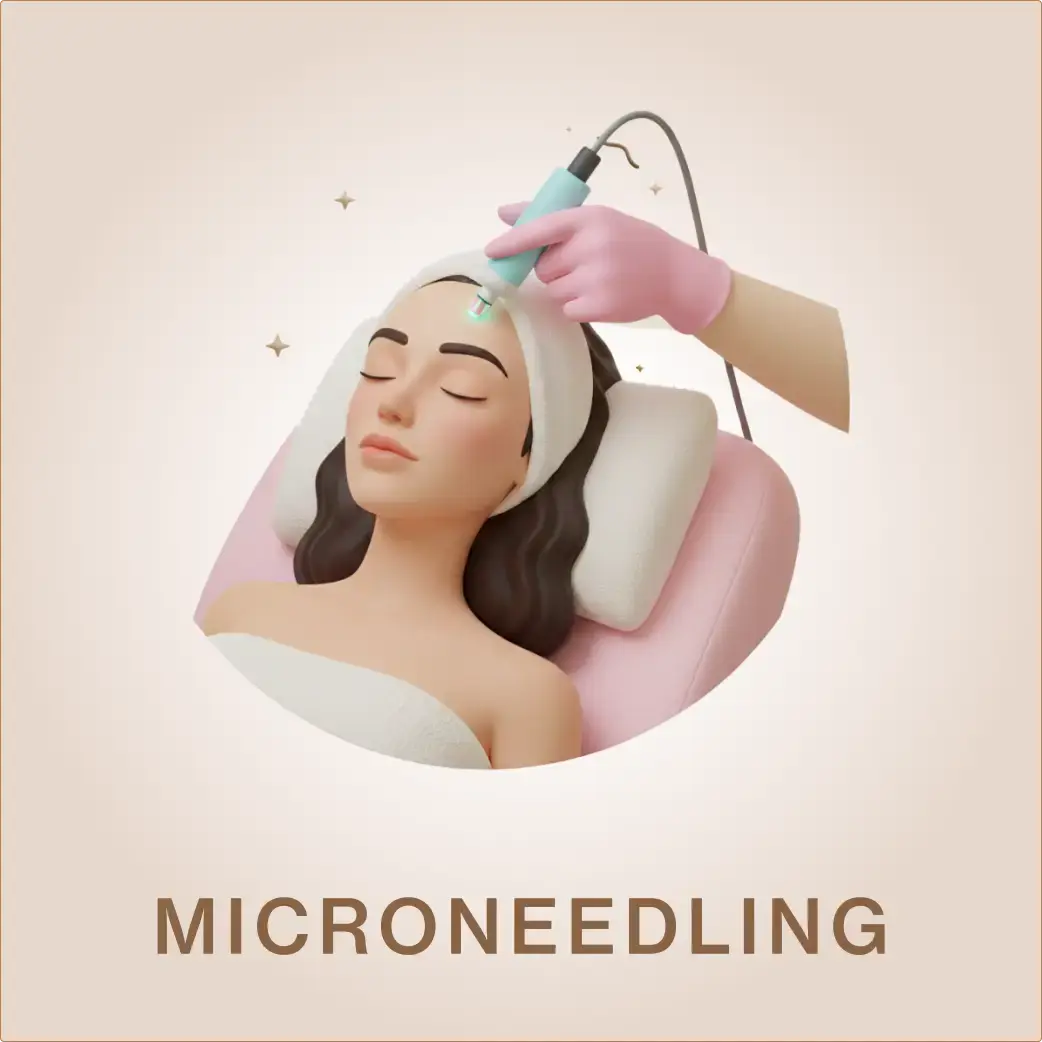
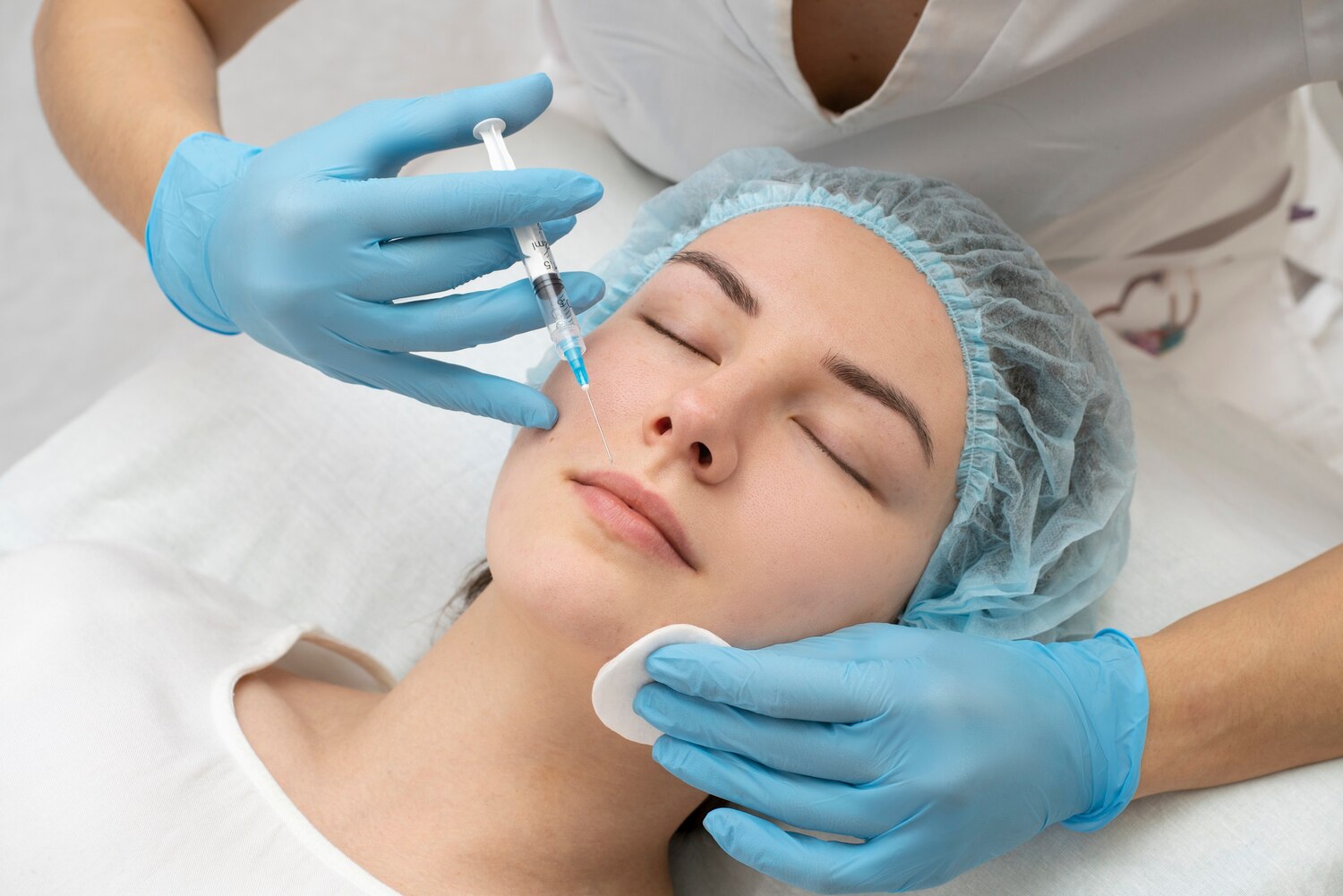
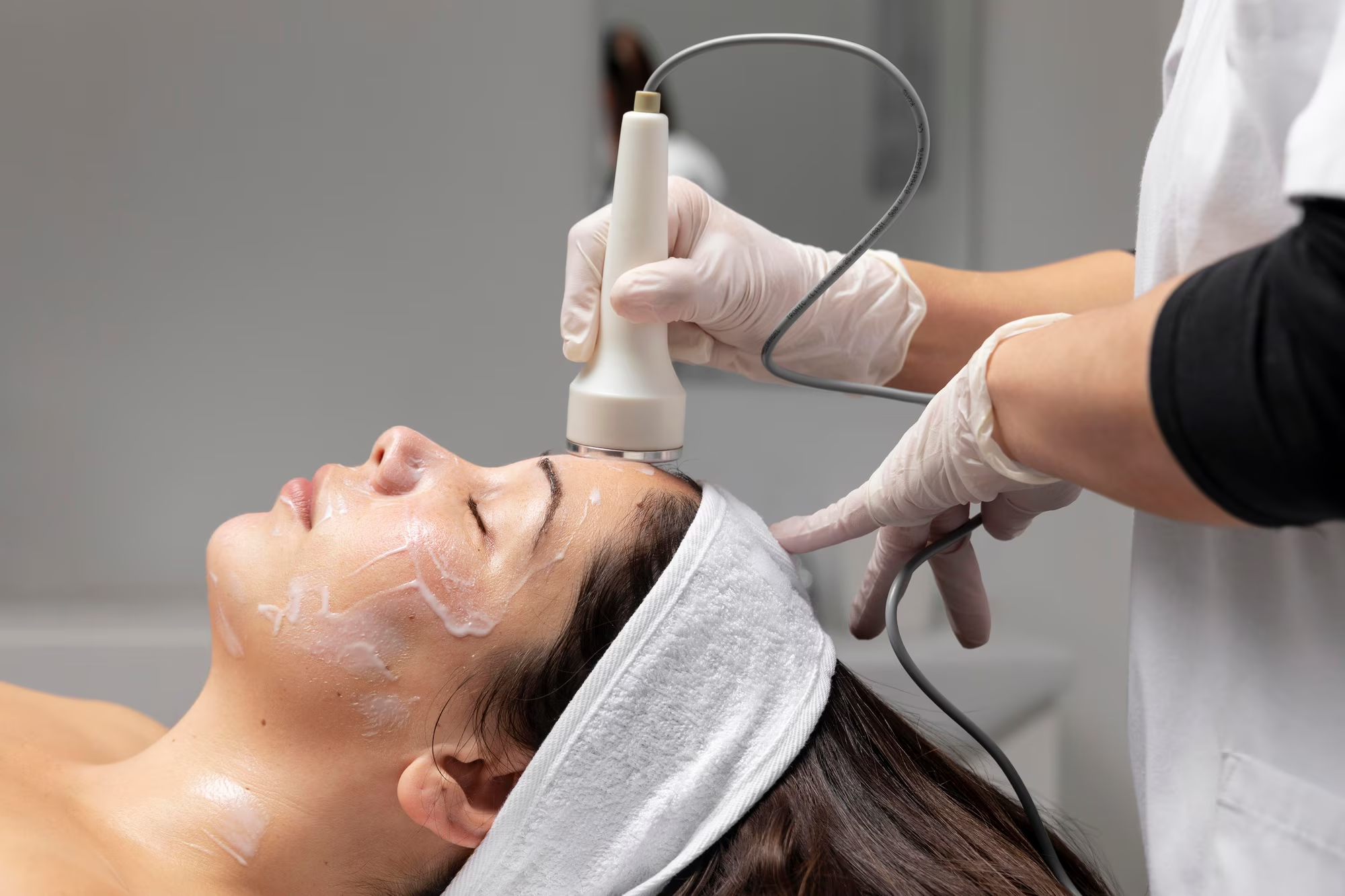
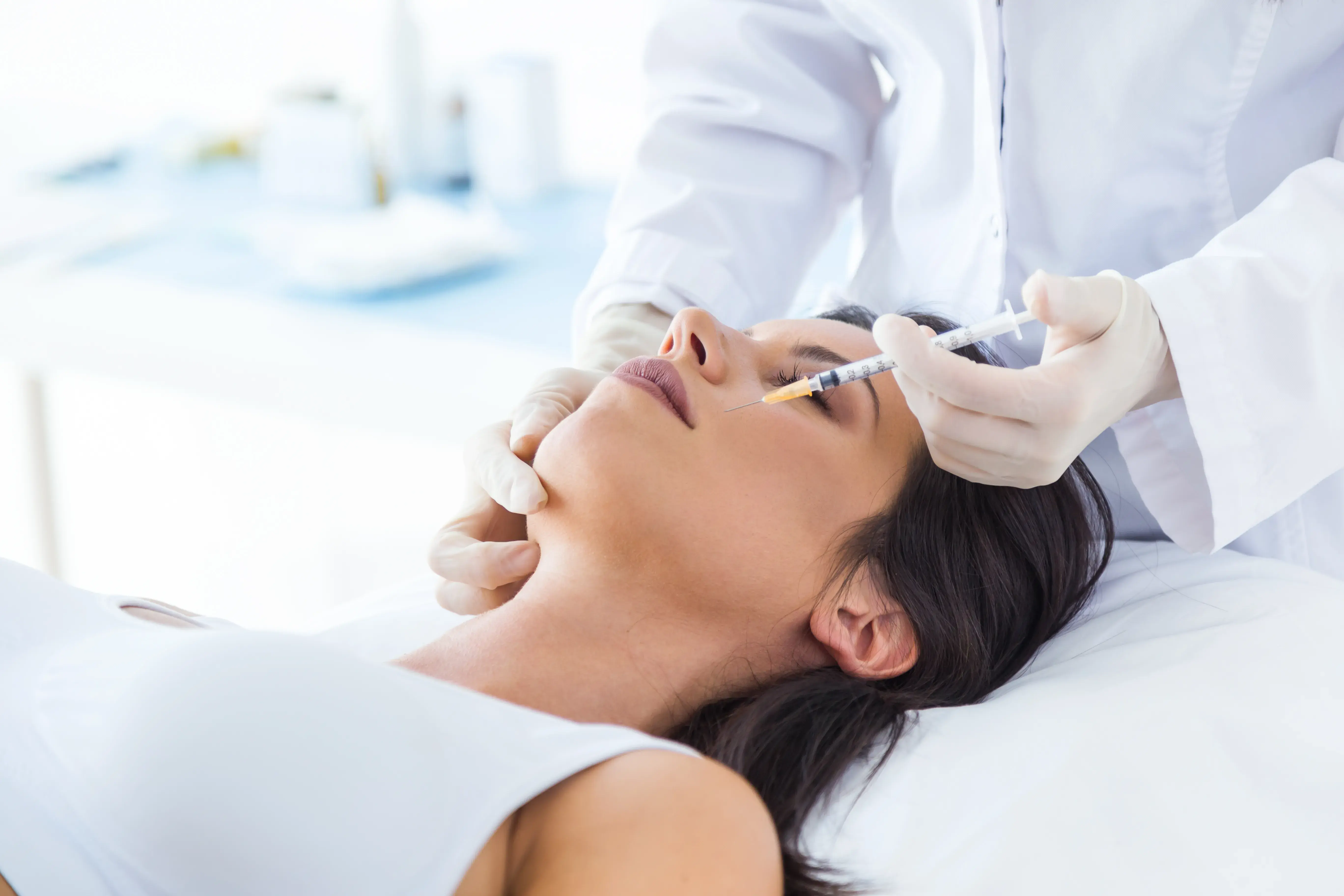
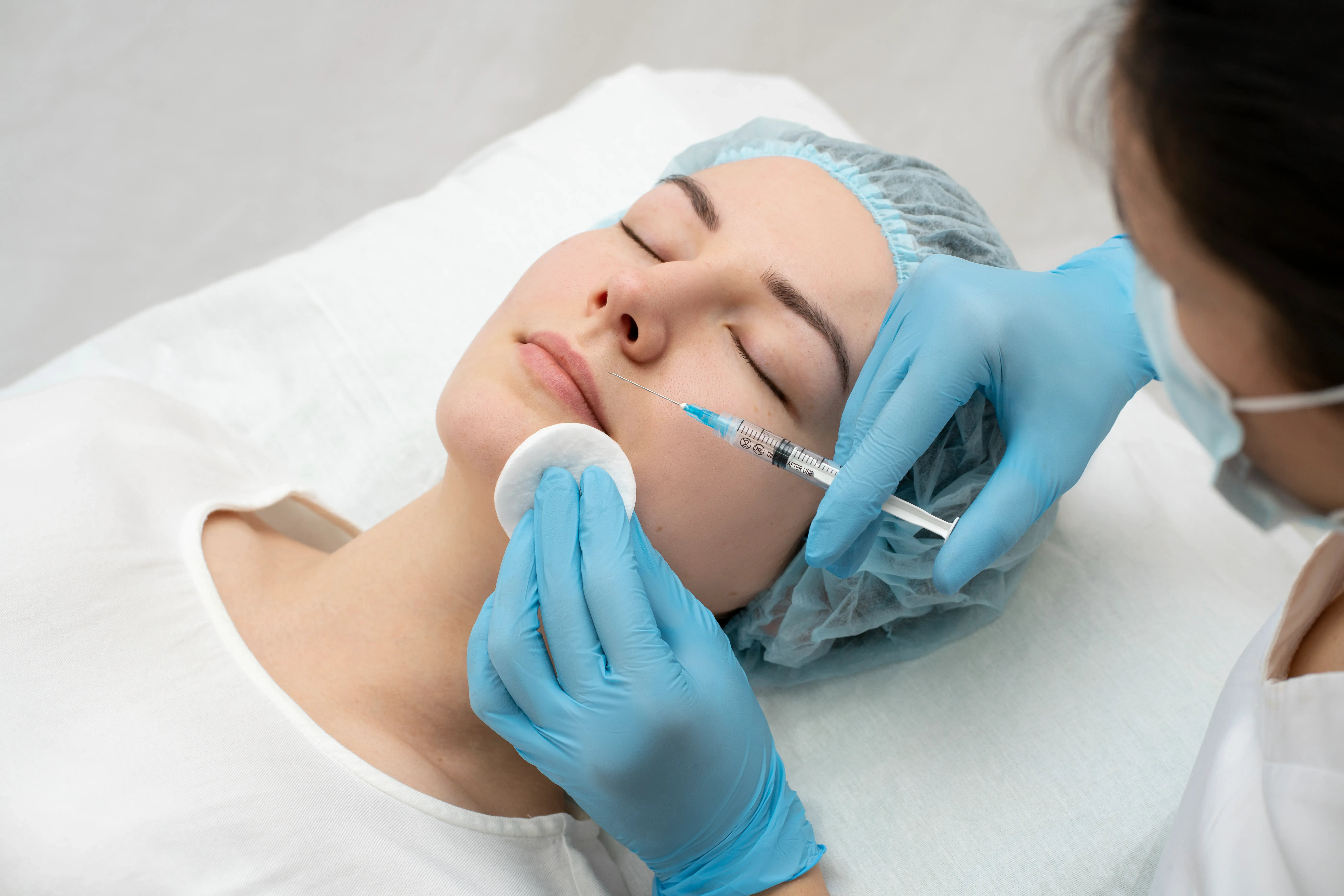
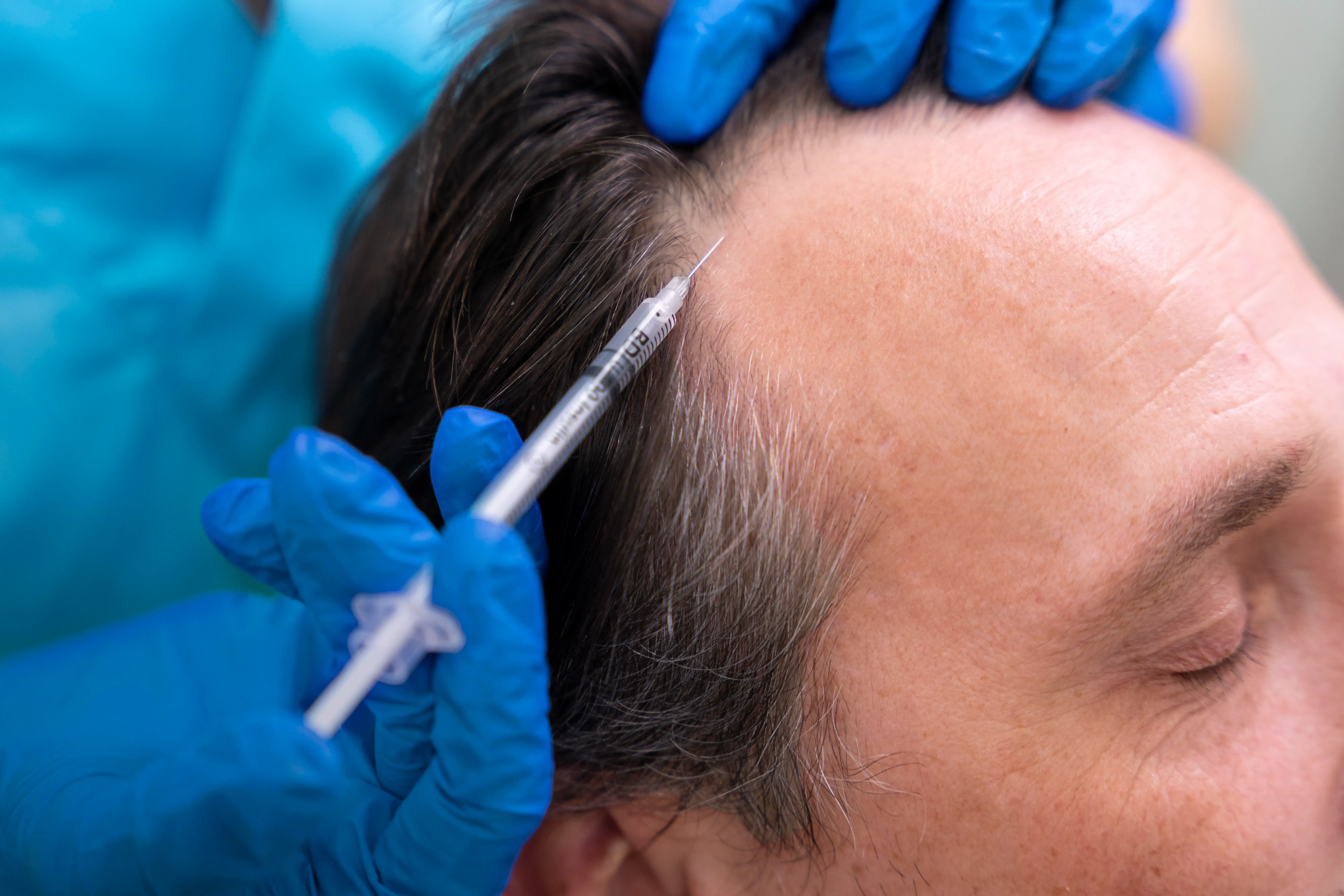
Microneedling uses a device fitted with fine, sterile needles to create controlled micro-injuries in the skin. This sounds counterintuitive, deliberately injuring skin to improve it, but those micro-injuries trigger the body's natural wound-healing response, prompting new collagen and elastin production.
|
Did You Know?
The same wound-healing cascade microneedling relies on is the reason it's sometimes combined with other treatments applied right after, like PRP (platelet-rich plasma) or growth-factor serums. The micro-channels created by the needles temporarily allow these to penetrate more effectively than they would on intact skin.
|
Microneedling Benefits
|
Concern
|
How Microneedling Helps
|
|
Acne scars
|
Encourages collagen remodelling that can soften pitted or depressed scarring
|
|
Uneven texture
|
Smooths rough patches over a series of sessions
|
|
Enlarged-looking pores
|
May reduce their appearance as skin firms
|
|
Fine lines
|
Supports collagen production that can soften early lines
|
|
Mild pigmentation
|
Can support more even tone, though it isn't a primary pigmentation treatment
|
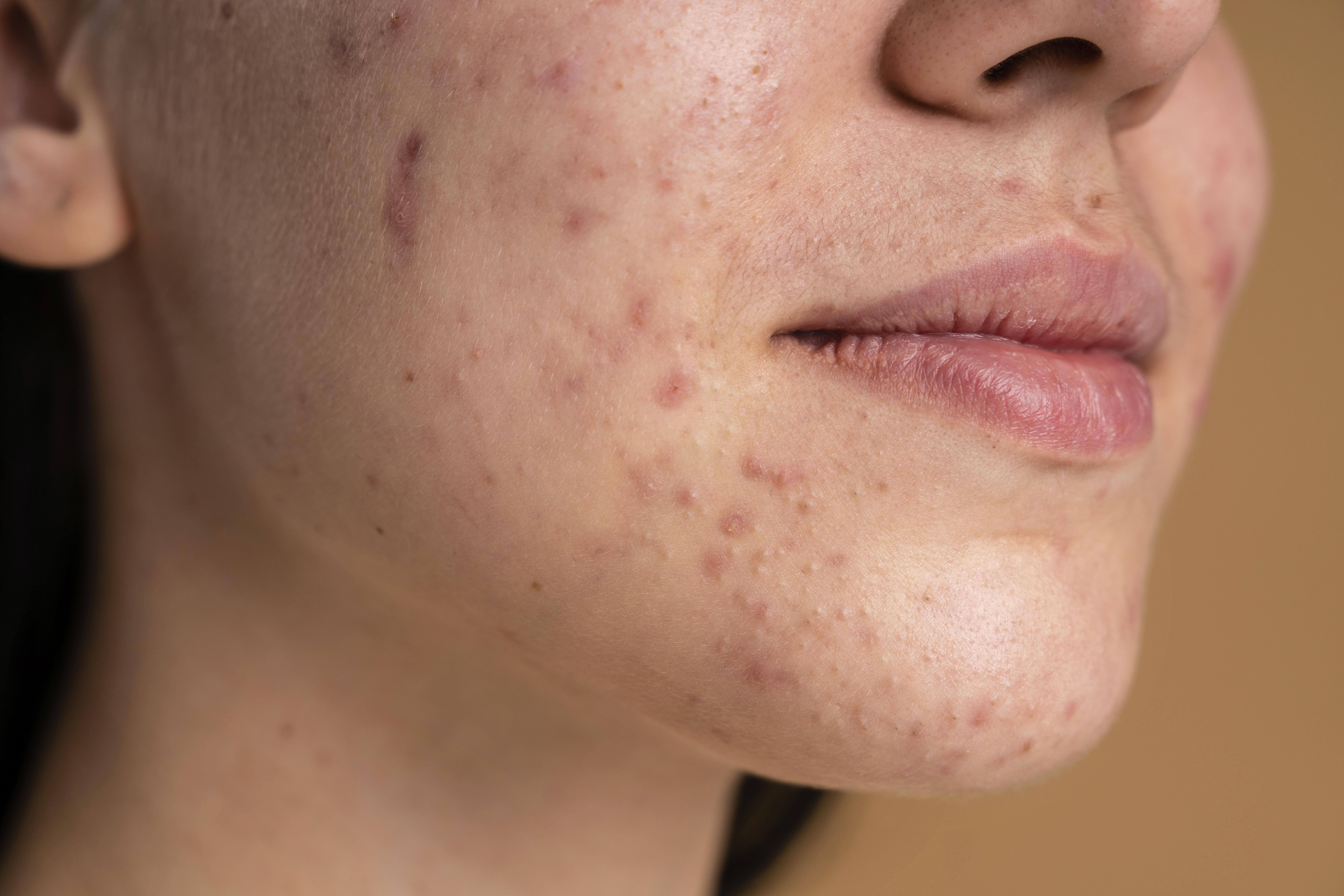
Microneedling for Acne Scars
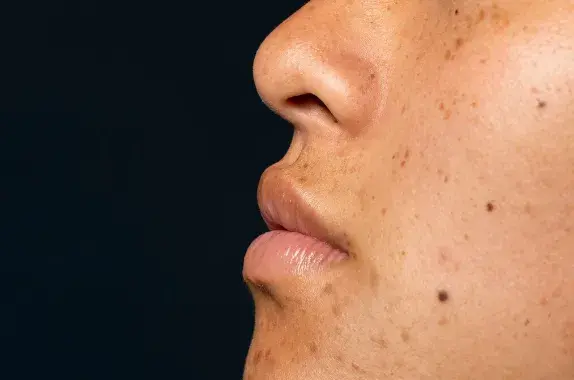
This is where microneedling has the strongest track record. Depressed or pitted acne scars, the kind that create visible texture rather than just discolouration, respond to the collagen-building process better than most topical treatments alone. It typically takes multiple sessions, spaced four to six weeks apart, before meaningful improvement shows.
The Process: What to Expect
-
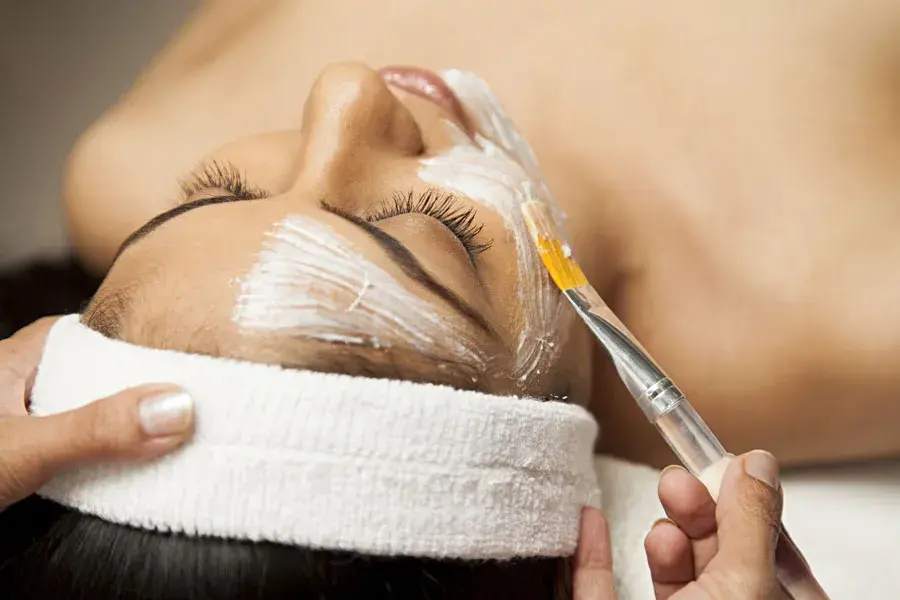
A numbing cream is applied for 20 to 30 minutes before treatment.
-
The device is passed over the treatment area, with needle depth adjusted based on the concern and skin thickness.
- Sessions typically take 30 to 60 minutes depending on the area treated.
- A calming serum or mask is applied immediately after to support healing.
Microneedling vs. Dermaroller
|
Factor
|
Professional Microneedling
|
At-Home Dermaroller
|
|
Needle depth control
|
Precise, adjustable by a trained provider
|
Fixed, less controlled
|
|
Sterility
|
Single-use, medical-grade needles
|
Often reused, higher infection risk if not properly sanitised
|
|
Results
|
More consistent, deeper collagen stimulation
|
Milder effect, mainly surface-level
|
|
Supervision
|
Assessed and monitored throughout
|
Self-administered
|
|
Best suited for
|
Scarring, deeper texture concerns
|
General maintenance, very mild texture support
|
A dermaroller isn't inherently unsafe, but it works at a much shallower, less controlled level, and shouldn't be expected to deliver results comparable to professional microneedling.
Recovery Time
|
Timeframe
|
What to Expect
|
|
Immediately after
|
Redness and a sunburn-like sensation, similar to mild windburn
|
|
Day 1 to 2
|
Redness fades, mild swelling and sensitivity may persist
|
|
Day 3 to 5
|
Skin looks mostly normal, may feel slightly rough or dry
|
|
Week 2 onward
|
Skin continues to rebuild collagen; visible improvement builds over following weeks
|
Does Microneedling Really Work?
For acne scarring and textural concerns specifically, yes, it has solid clinical support and is considered a reasonably effective treatment when done professionally and consistently. It isn't a miracle single-session fix, and it works better as part of a series than a one-off treatment. For concerns like deep pigmentation or significant volume loss, other treatments are usually more appropriate.
When to See a Dermatologist
If you're dealing with acne scarring, uneven texture or early signs of ageing and want to know whether microneedling is the right fit, a professional assessment matters more than guessing based on before-and-after photos online. At Bodycraft Clinic, our dermatologists can evaluate your scarring type and skin thickness to determine whether microneedling, or a different treatment entirely, makes sense for you.
FAQs
How many microneedling sessions will I need?
Most acne scarring or texture concerns need four to six sessions, spaced about a month apart, for visible improvement.
Is microneedling painful?
A numbing cream is applied beforehand, so most people describe it as mild discomfort rather than pain.
How long is the downtime after microneedling?
Most people see redness settle within one to two days, though skin may feel slightly sensitive for a few days after.
Can microneedling remove acne scars completely?
It can significantly soften the appearance of depressed scars, but complete removal isn't typically realistic. Results vary by scar depth and skin type.
Is a dermaroller as effective as professional microneedling?
No. Dermarollers work at a shallower, less controlled depth and generally deliver milder results than professional treatment.
Can I wear makeup after a microneedling session?
Most providers recommend waiting 24 hours to let the skin begin healing before applying makeup.
Is microneedling safe for all skin types?
It's generally safe across skin tones, though active acne, certain skin conditions, or very sensitive skin may need a modified approach or a different treatment altogether.
What should I avoid after microneedling?
Sun exposure, harsh actives like retinoids or acids, and strenuous exercise that causes heavy sweating are usually best avoided for the first few days
Explore More Articles:





.png)


-1.png)



-1.png)
-3.png)





.png)




-Aug-02-2026-05-23-10-1368-PM.png)


.webp)
-1.webp)
.webp)
-Jul-07-2026-12-19-56-1023-PM.webp)





-Jun-01-2026-02-54-50-5351-PM.png)
-Jun-01-2026-02-45-39-8016-PM.png)

-May-29-2026-03-30-08-6855-PM.png)


-1.webp)

-3.webp)


.webp)
.webp)
-1.webp)

.webp)
.webp)
.webp)