The comparison is therefore not simply about which ingredient is “stronger”. The treatment protocol, the product being used and your individual skin concern all matter. “Vampire facial” and “exosome facial” are often discussed together because both have become popular in the world of skin rejuvenation.
But they are not the same treatment.
A vampire facial generally refers to PRP-based treatment, where platelet-rich plasma is prepared from your own blood and used as part of the procedure. Exosome treatments use preparations containing extracellular vesicles and associated biological components intended to support skin rejuvenation.
So which one is better?
There is no universal winner. The more useful question is which treatment is appropriate for your skin concern, medical history and treatment goals.
This guide explains the exosome facial vs vampire facial debate, how the treatments differ, what they may be used for, and what to consider before choosing either.
What Is a Vampire Facial?
“Vampire facial” is a popular term used for procedures involving platelet-rich plasma, or PRP.
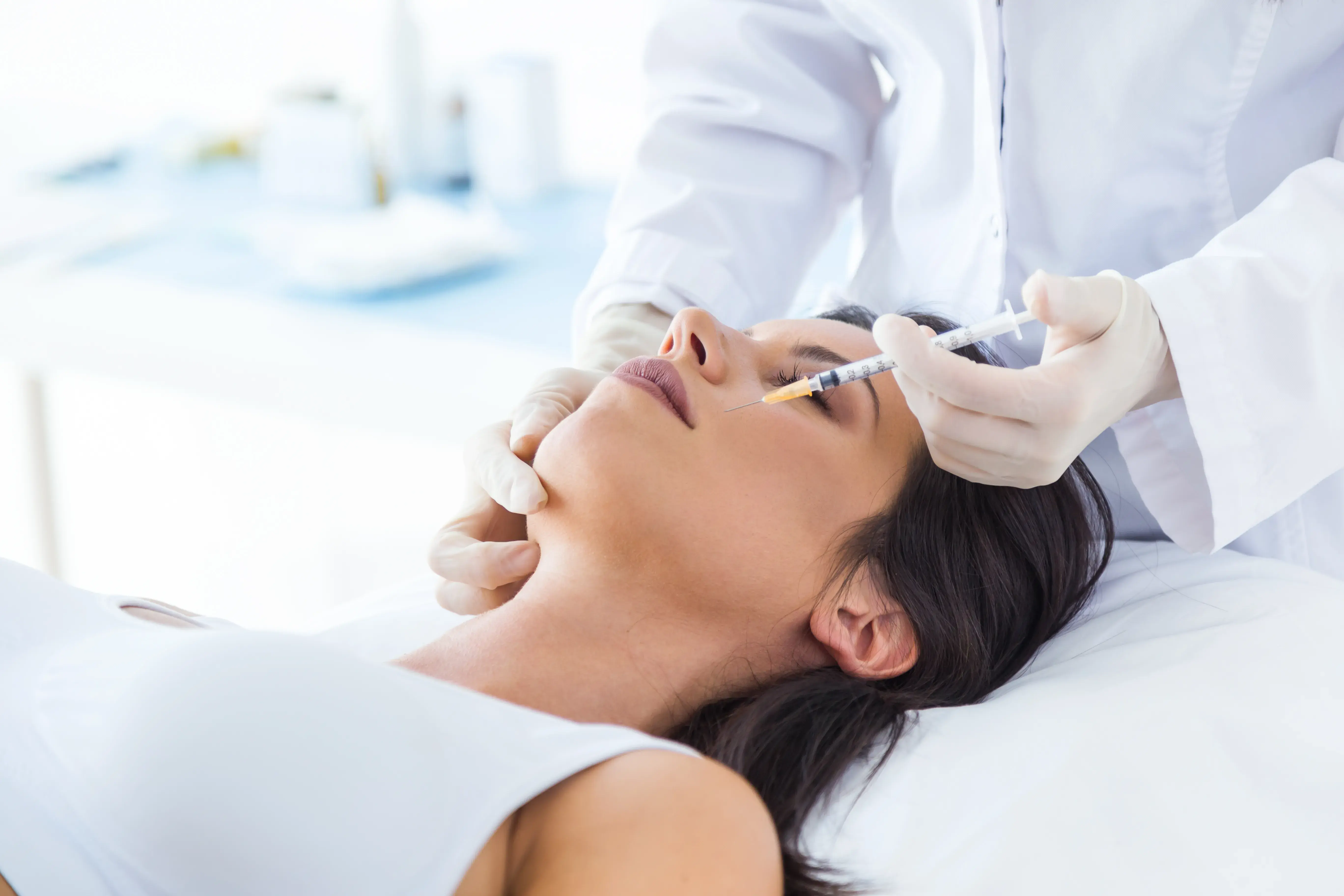
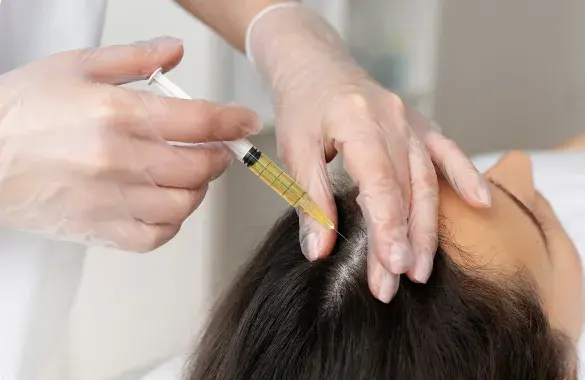
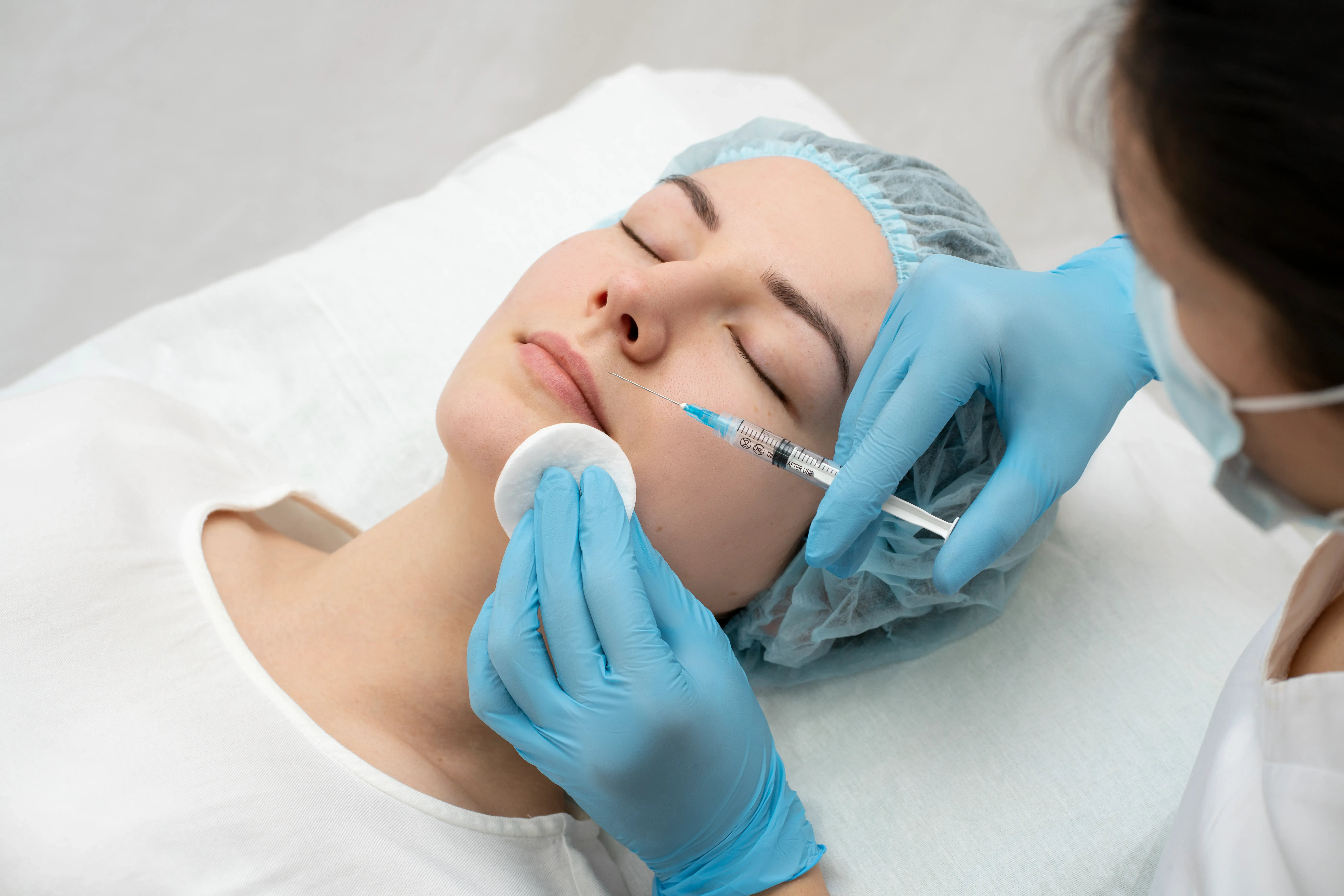
A small amount of your own blood is collected and processed to concentrate platelets in plasma. The resulting PRP may then be used with techniques such as microneedling or applied or injected according to the treatment protocol.
PRP contains growth factors and other signalling molecules that are involved in tissue repair.
The exact procedure, concentration and delivery method can vary between clinics.
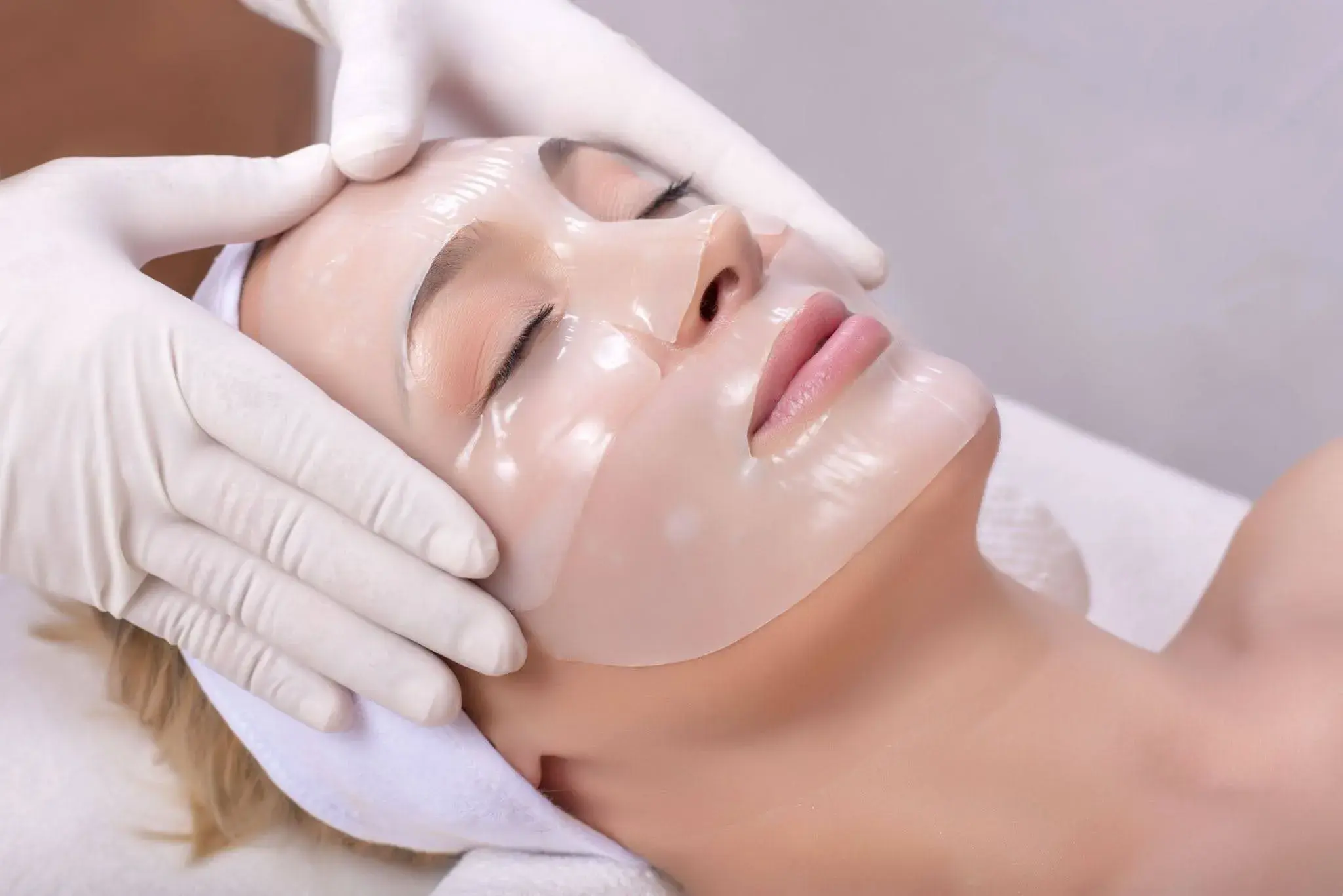
What Is an Exosome Facial?
Exosomes are extracellular vesicles involved in cell-to-cell communication.
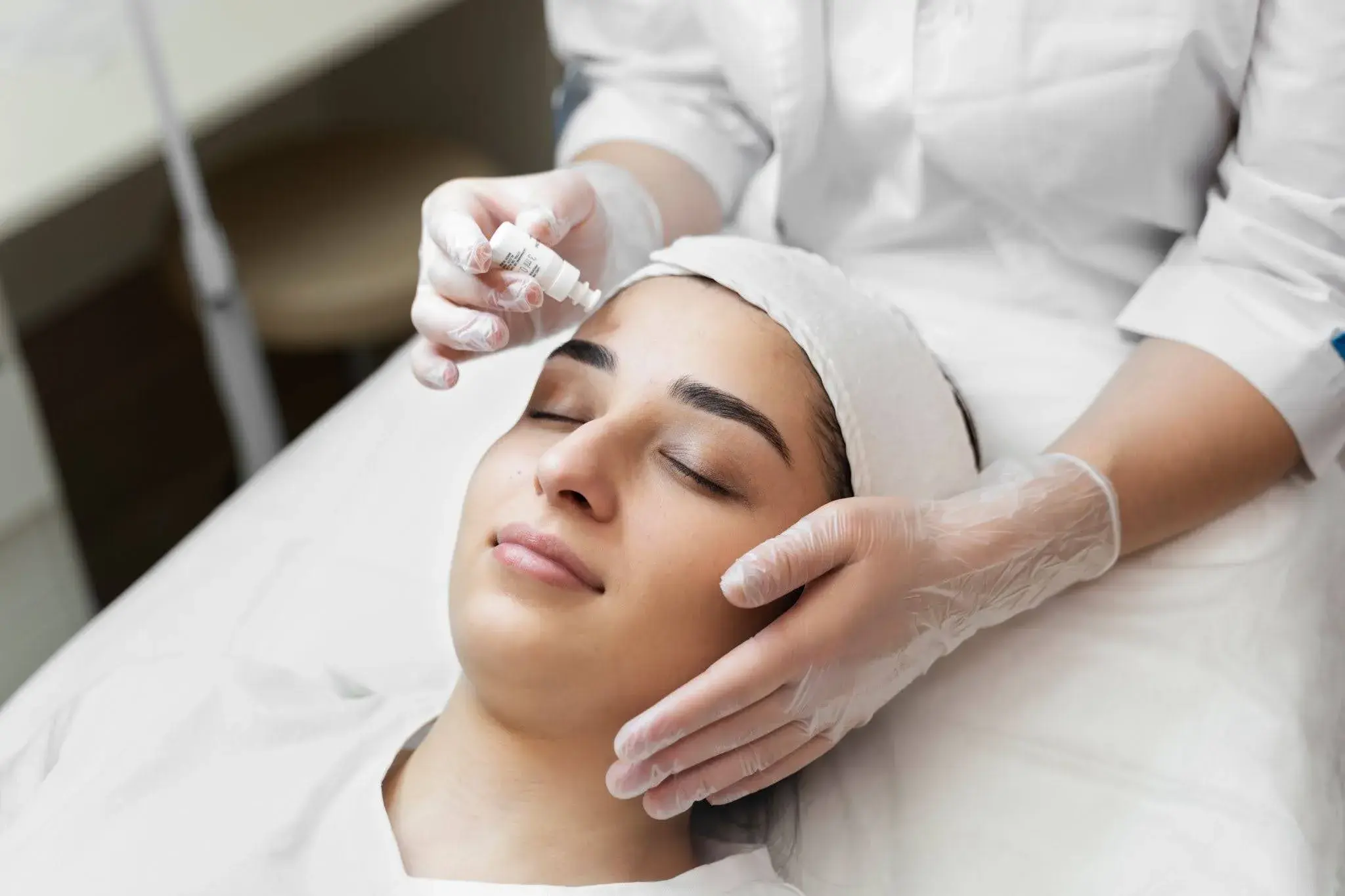
In aesthetic medicine, exosome-based products are being investigated and used in some settings for skin rejuvenation and hair-related applications. They are generally discussed for their potential role in supporting skin repair and regeneration.
However, it is important to understand that “exosome facial” is not one standardised treatment.
The source, preparation, composition, regulatory status and method of application can differ considerably between products. This makes it important to know exactly what a clinic is offering rather than choosing a treatment based on the name alone.
Fact worth knowing: The term “exosome facial” can refer to different formulations and protocols. Asking what product is being used, where it comes from and how it will be administered is an important part of making an informed decision.
Learn more about Bodycraft’s clinical skin services
Exosome Facial vs PRP: What Is the Difference?
When comparing exosome facial vs PRP, the biggest difference is where the material used in the treatment comes from and how it is prepared.
|
Feature
|
PRP / Vampire Facial
|
Exosome Treatment
|
|
Main material
|
Platelet-rich plasma from your own blood
|
Exosome-containing preparation
|
|
Source
|
Patient's own blood
|
Depends on the specific product
|
|
How it is prepared
|
Blood is collected and processed to separate PRP
|
Preparation varies according to the product and manufacturer
|
|
Commonly discussed for
|
Skin rejuvenation, texture and overall skin quality
|
Skin rejuvenation and supporting skin recovery
|
|
Procedure
|
May involve microneedling, application or injections depending on protocol
|
Delivery method varies by product and treatment protocol
|
|
Standardisation
|
PRP protocols can vary between clinics
|
Products can vary considerably in source, composition and preparation
|
|
Downtime
|
Depends on the technique used
|
Depends on the product and delivery method
|
|
Suitability
|
Depends on skin concern, health and treatment goals
|
Depends on the product, skin concern and individual suitability
|
The comparison is therefore not simply about which ingredient is “stronger”. The treatment protocol, the product being used and your individual skin concern all matter.
Exosome vs PRP for Skin: Which One Is Better?
There is no single answer to which is better exosome or PRP facial because both are used differently and the available evidence and protocols are not identical.
PRP May Be Considered When:
PRP may be considered as part of a skin rejuvenation plan when the goal is to improve overall skin quality, texture or the appearance of certain signs of ageing.
It may be particularly relevant when a patient is comfortable with a treatment involving their own blood and the recommended procedure includes PRP as part of the protocol.
The technique used alongside PRP also matters. PRP combined with microneedling, for example, is different from PRP being injected into specific areas.
Exosome Treatment May Be Considered When:
Exosome-based treatments may be considered for skin rejuvenation when a suitable product and protocol are available for the individual's concern.
However, because exosome products are not all identical, the treatment should not be selected based only on the word “exosome”.
The specific formulation, source, preparation and method of application should be discussed with the treating professional before proceeding.
What About Microneedling?
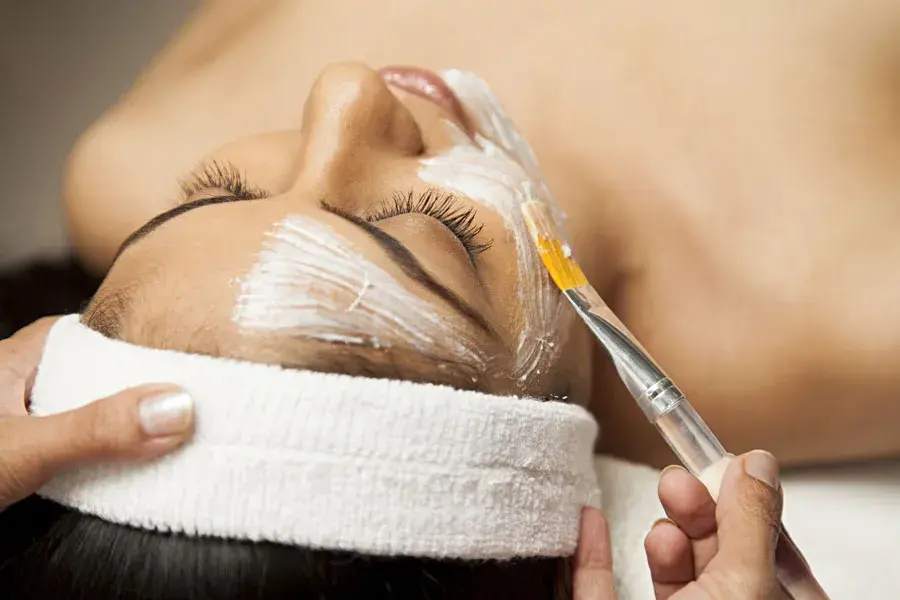
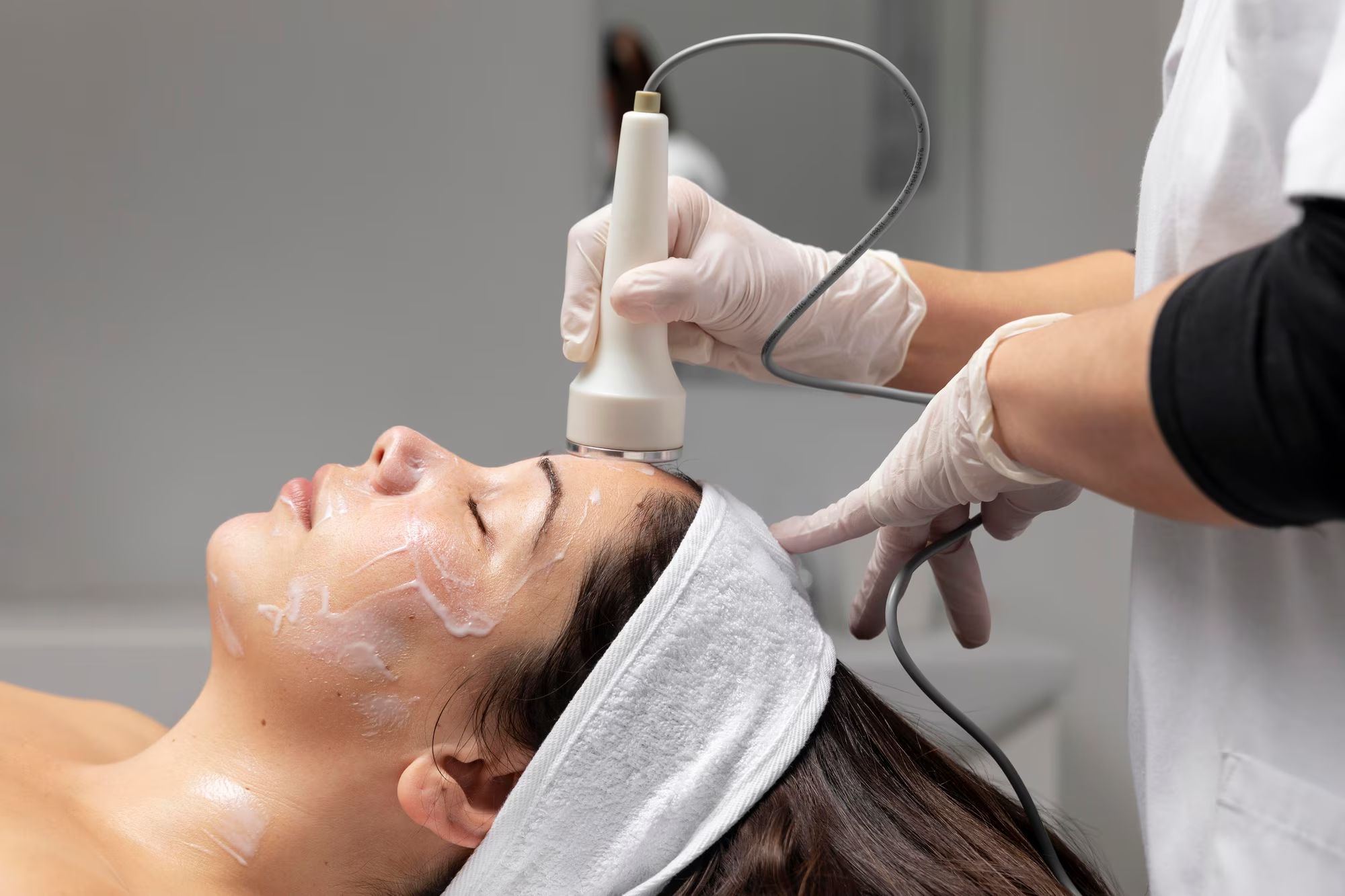
Microneedling is a procedure that creates controlled micro-injuries in the skin to stimulate the skin's natural repair response.
It may be used on its own or combined with other substances or treatments depending on the protocol.
This is important when comparing these treatments because a “vampire facial” is not necessarily one fixed procedure. Some clinics may use PRP with microneedling, while others may use a different delivery method.
The same applies to exosome treatments.
The name of the facial does not tell you the complete treatment. The technique, product and protocol matter.
Which Has Less Downtime?
Downtime depends on how the treatment is performed rather than simply whether it is PRP or exosome-based.
Microneedling can cause temporary redness, sensitivity, swelling or a tight feeling. Injectable procedures may also cause temporary swelling or bruising.
If a treatment involves only topical application or a less invasive delivery method, the recovery period may be different.
Your practitioner should explain what to expect based on the exact procedure being recommended.
Results, Limitations and What Affects Them
Skin rejuvenation treatments are not a replacement for a consistent skincare routine or healthy skin habits.
Results can also vary depending on:
- Your age and skin condition
- The concern being treated
- The treatment technique
- The product or preparation used
- Number of sessions
- Sun exposure
- Existing skin conditions
- How your skin responds to treatment
- Aftercare and sun protection
Neither treatment should be presented as a guaranteed solution for every form of pigmentation, acne scarring, ageing or uneven texture.
For deeper acne scars, significant volume loss or active skin disease, a different treatment approach may be more appropriate.
Are These Treatments Safe?
Both treatments should be approached as medical or aesthetic procedures rather than ordinary facials.
Before booking, discuss:
- The exact product being used
- Where the product comes from
- How it will be prepared or administered
- Whether the treatment is appropriate for your skin concern
- Expected downtime
- Possible side effects
- How many sessions may be recommended
- What aftercare will be required
PRP involves drawing blood, so your medical history and any relevant blood-related conditions or medications should be discussed beforehand.
For exosome treatments, understanding the specific product being used is particularly important because formulations and sources can vary.
If you have active skin inflammation, infection, significant irritation or another ongoing skin condition, treatment may need to be postponed or modified.
Which Treatment Is Right for You?
The right choice depends less on which treatment is trending and more on what you are actually trying to improve.
For Uneven Texture
If your main concern is rough or uneven skin texture, your dermatologist may consider treatments such as microneedling, PRP or other resurfacing approaches depending on the cause and severity.
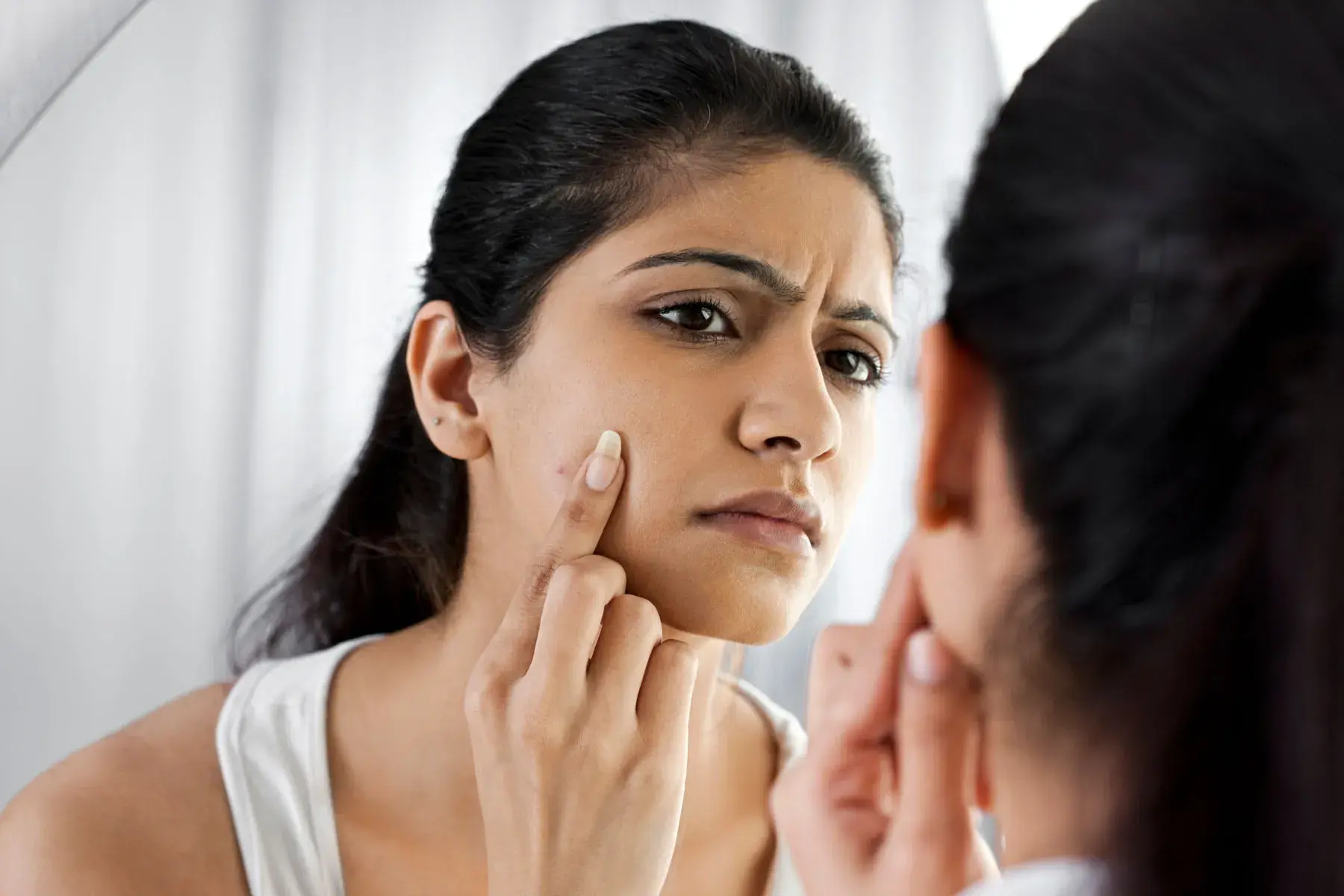
For Acne Scars
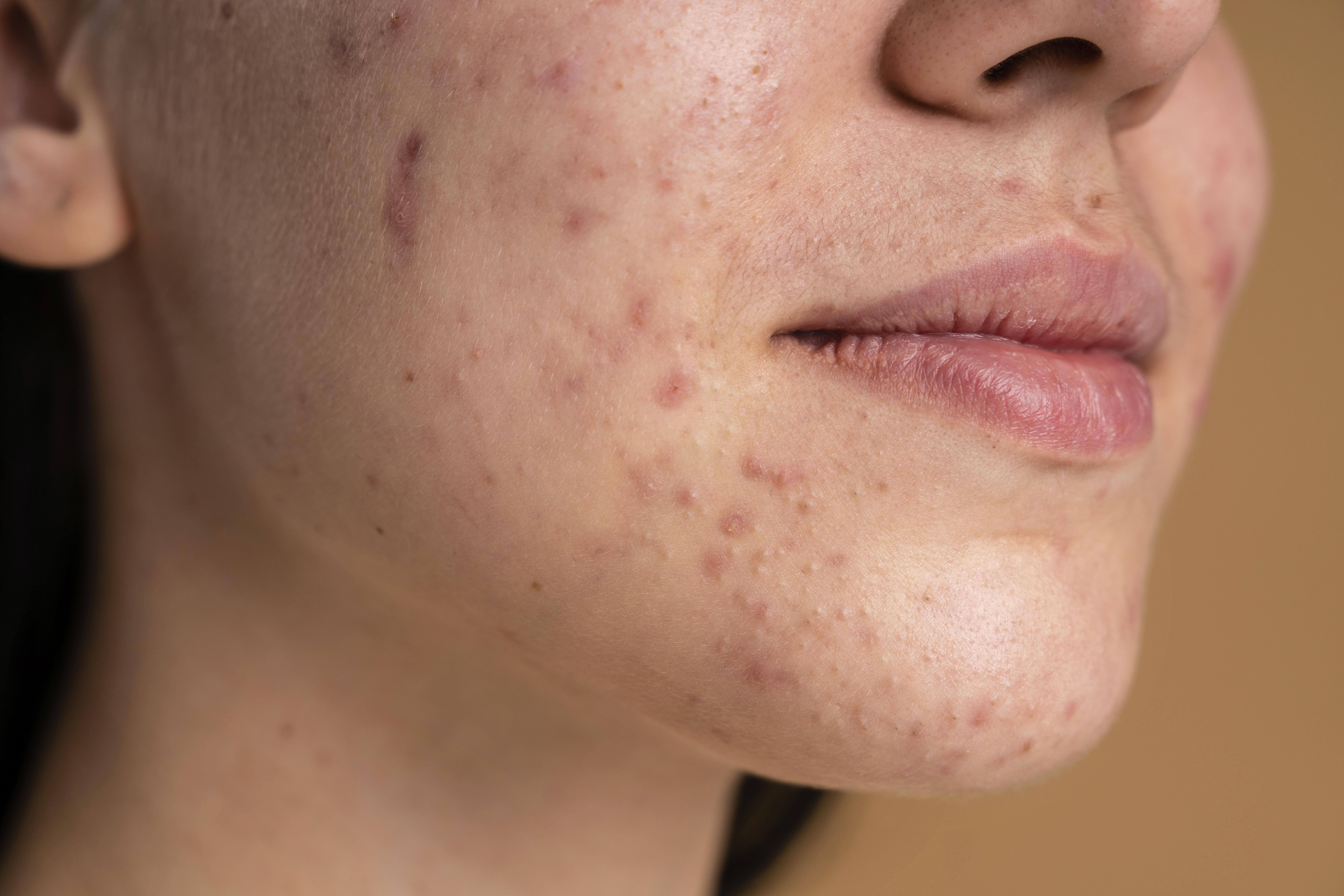
Acne scars can be different in depth and type, so there is no single facial that works for every scar.
Rolling scars, boxcar scars and deeper scars may require different combinations of treatments. A clinical assessment is useful before deciding whether PRP, exosome-based treatment, microneedling or another procedure is appropriate.
For Fine Lines and Early Signs of Ageing
Both PRP and some exosome-based approaches may be discussed as part of a broader skin rejuvenation plan.
However, the most suitable option depends on your skin quality, age, degree of photoageing and treatment goals.
For Sensitive or Inflamed Skin
If your skin is currently irritated, inflamed or experiencing an active skin condition, a rejuvenation procedure may not be the first step.
The underlying problem should be assessed and controlled before adding an aesthetic treatment.
What Should You Ask Before Booking?
Before choosing between these treatments, ask the clinic:
- What exactly is being used in the treatment?
- Is the treatment PRP, exosome-based or a combination?
- Where does the product come from?
- How is it prepared?
- How will it be delivered?
- What concern is the treatment intended to address?
- How many sessions might I need?
- What downtime should I expect?
- What are the possible side effects?
- Who will perform the procedure?
These questions can help you compare treatments based on the actual procedure rather than the name being used to market it.
FAQs
Is a vampire facial the same as PRP?
A vampire facial generally refers to a PRP-based procedure. However, the exact technique can differ between clinics. Some protocols use PRP with microneedling, while others may involve application or injections.
What is the difference between exosome and vampire facial?
The main difference is the material used. A vampire facial generally uses PRP prepared from the patient's own blood, while an exosome treatment uses an exosome-containing preparation. The source, formulation and delivery method can vary between exosome products.
Can PRP and exosomes be used together?
They may be used together in some treatment protocols, but this depends on the specific products, technique and clinical rationale. Combining treatments is not automatically better.
How long does it take to see results?
Results vary depending on the treatment, the concern being addressed and the number of sessions. Skin rejuvenation is generally a gradual process rather than an instant change.
Is exosome facial vs vampire facial better for acne scars?
Neither should be considered universally better for acne scars. The type and depth of the scar matter, and treatment may involve microneedling, PRP, resurfacing or other procedures depending on the individual case.
Can I get these treatments if I have sensitive skin?
Sensitive skin does not automatically rule out treatment, but active irritation or inflammation should be assessed first. Your practitioner can determine whether the treatment is appropriate and whether the protocol needs to be modified.
The best choice is not necessarily the newer or more talked-about treatment. It is the one that makes sense for your skin, your concern and the procedure being recommended.
Book a consultation with a Bodycraft dermatologist to understand which skin rejuvenation approach may be suitable for you.
Explore More Articles:






.png)


-1.png)


-1.png)
-3.png)





.png)




-Aug-02-2026-05-23-10-1368-PM.png)


.webp)
-1.webp)
.webp)
-Jul-07-2026-12-19-56-1023-PM.webp)







-Jun-01-2026-02-54-50-5351-PM.png)
-Jun-01-2026-02-45-39-8016-PM.png)


-May-29-2026-03-30-08-6855-PM.png)



-1.webp)

-3.webp)





.webp)
.webp)
-1.webp)

.webp)
.webp)

.webp)