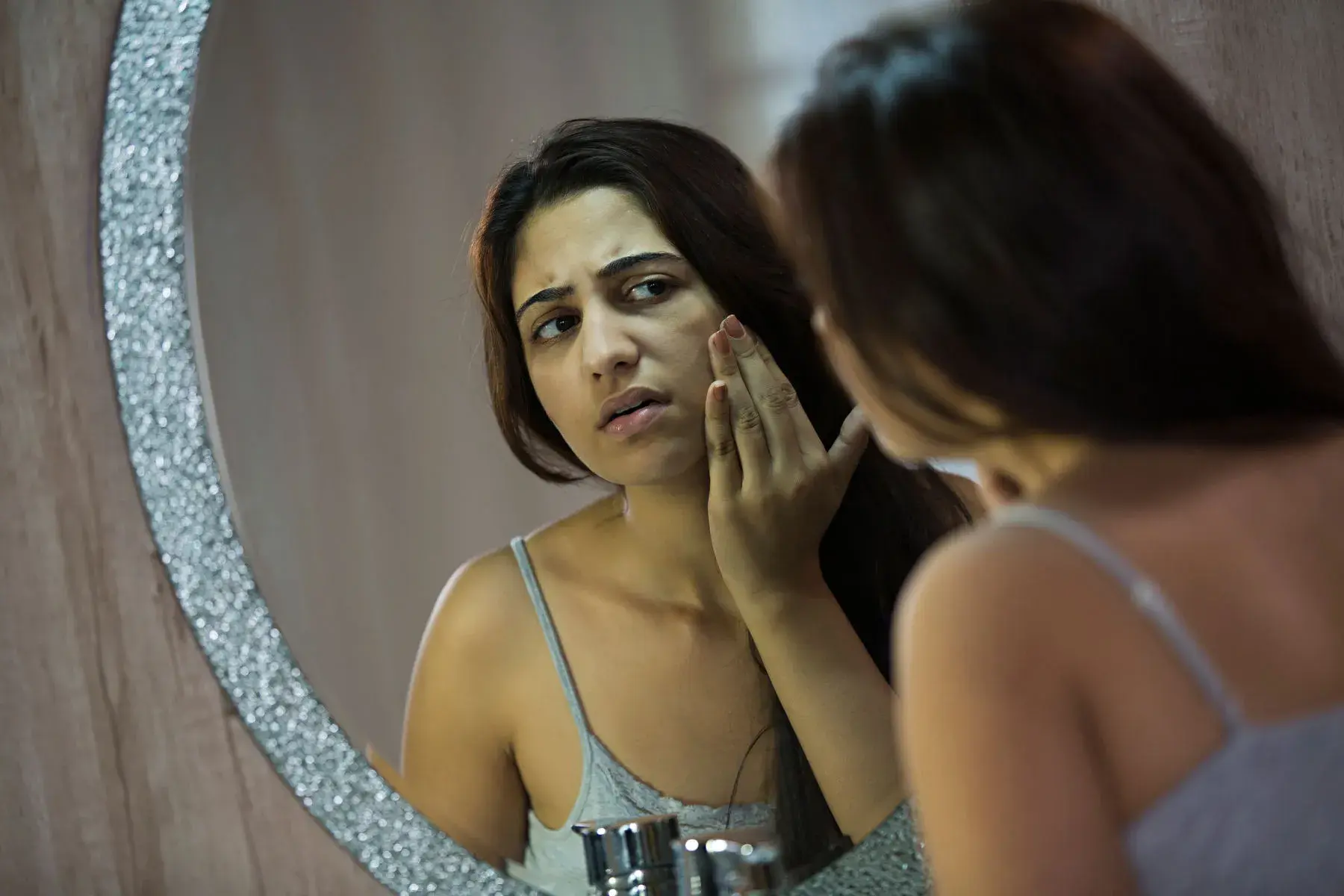
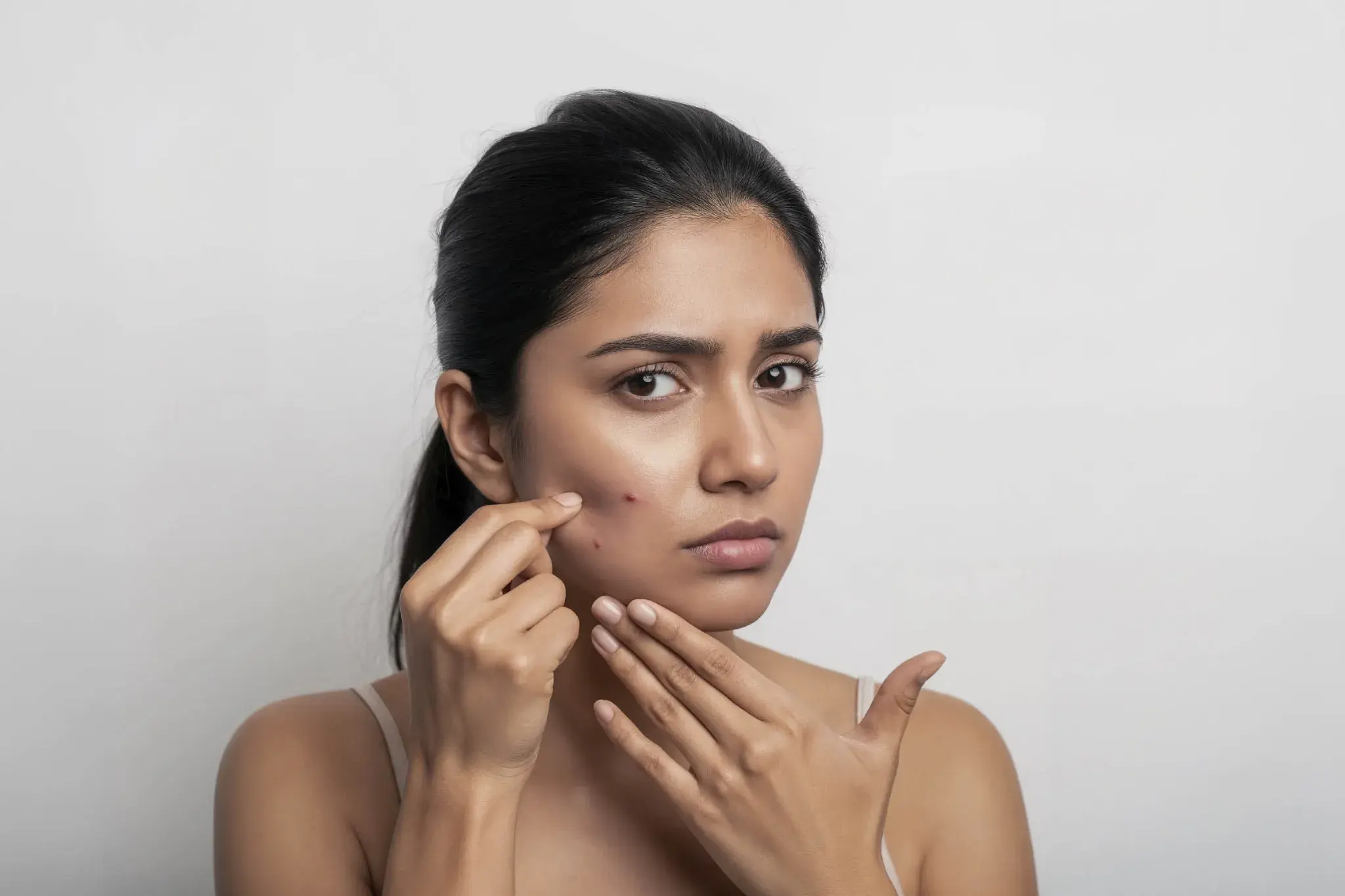
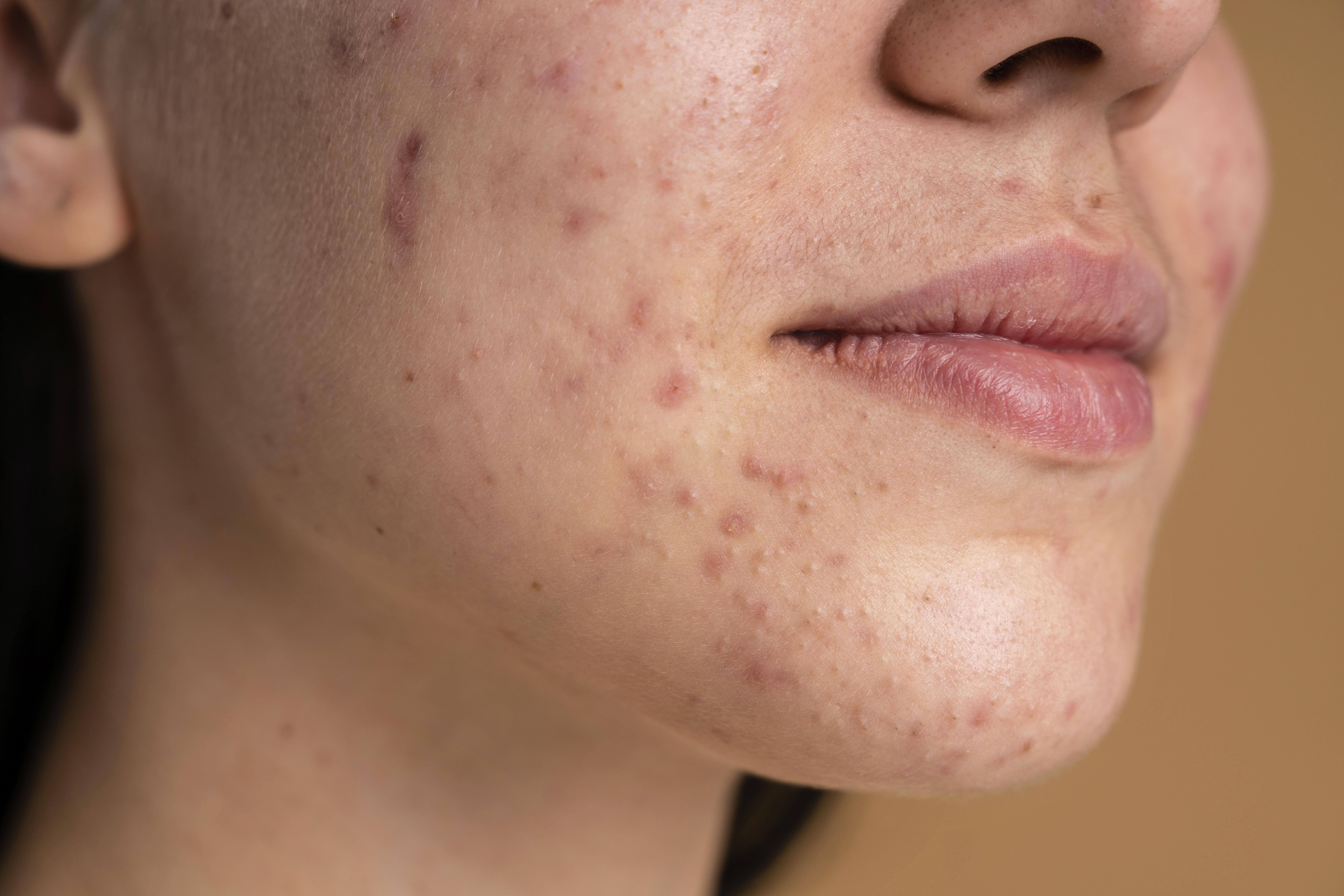
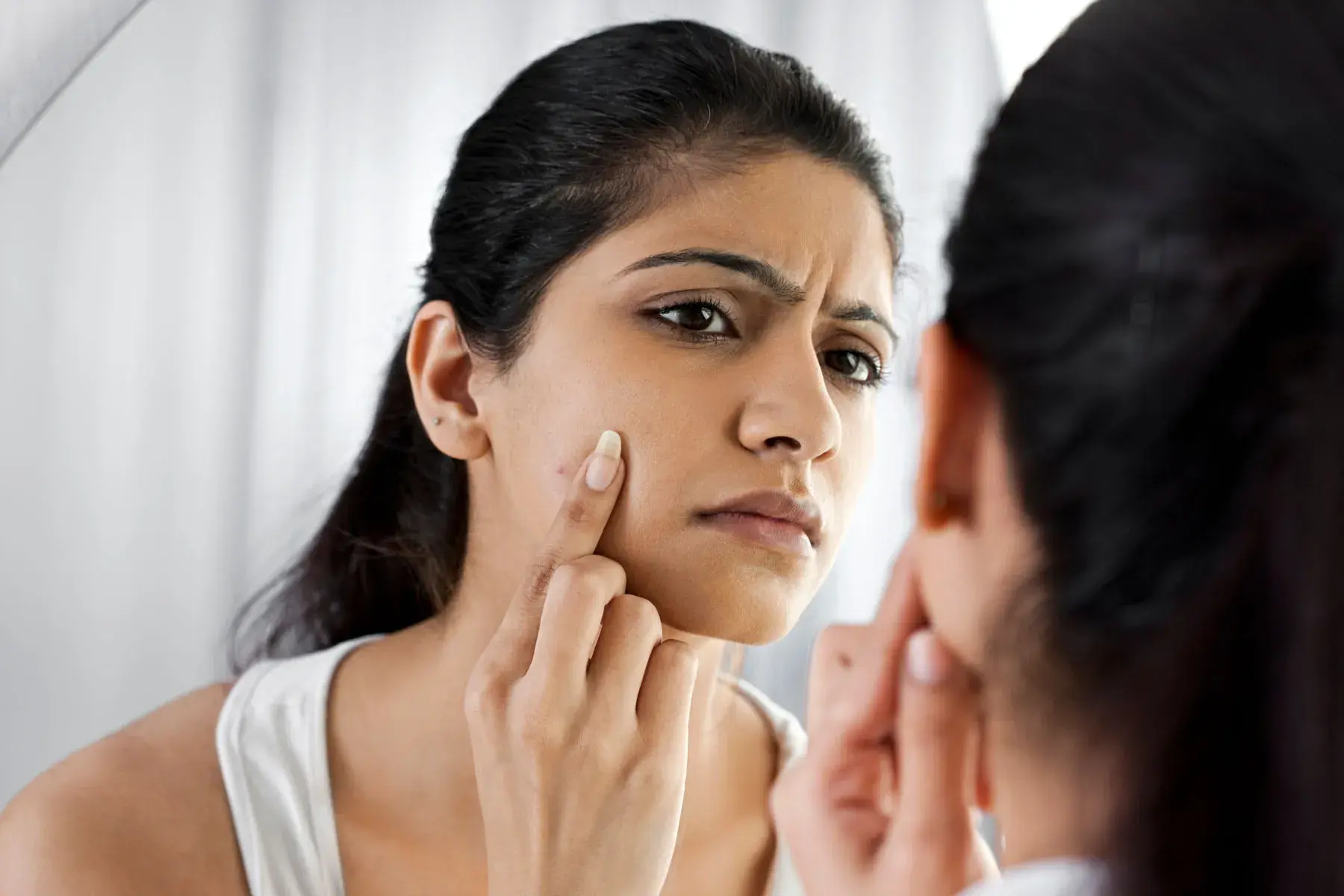
If you've been treating stubborn breakouts with acne products but nothing seems to work, you may be dealing with something other than traditional acne. Fungal acne on the face, also known as Malassezia folliculitis, is a common skin concern that can easily be mistaken for acne because the bumps look similar at first glance.
Unlike regular acne, fungal acne develops when an overgrowth of yeast affects the hair follicles, often leading to clusters of small, itchy bumps. Identifying the difference is the first step towards choosing the right treatment.
In this guide, we'll explain what fungal acne is, how dermatologists diagnose it, and the treatment options that can help improve your skin while reducing the chances of recurring flare-ups.
What Is Fungal Acne?
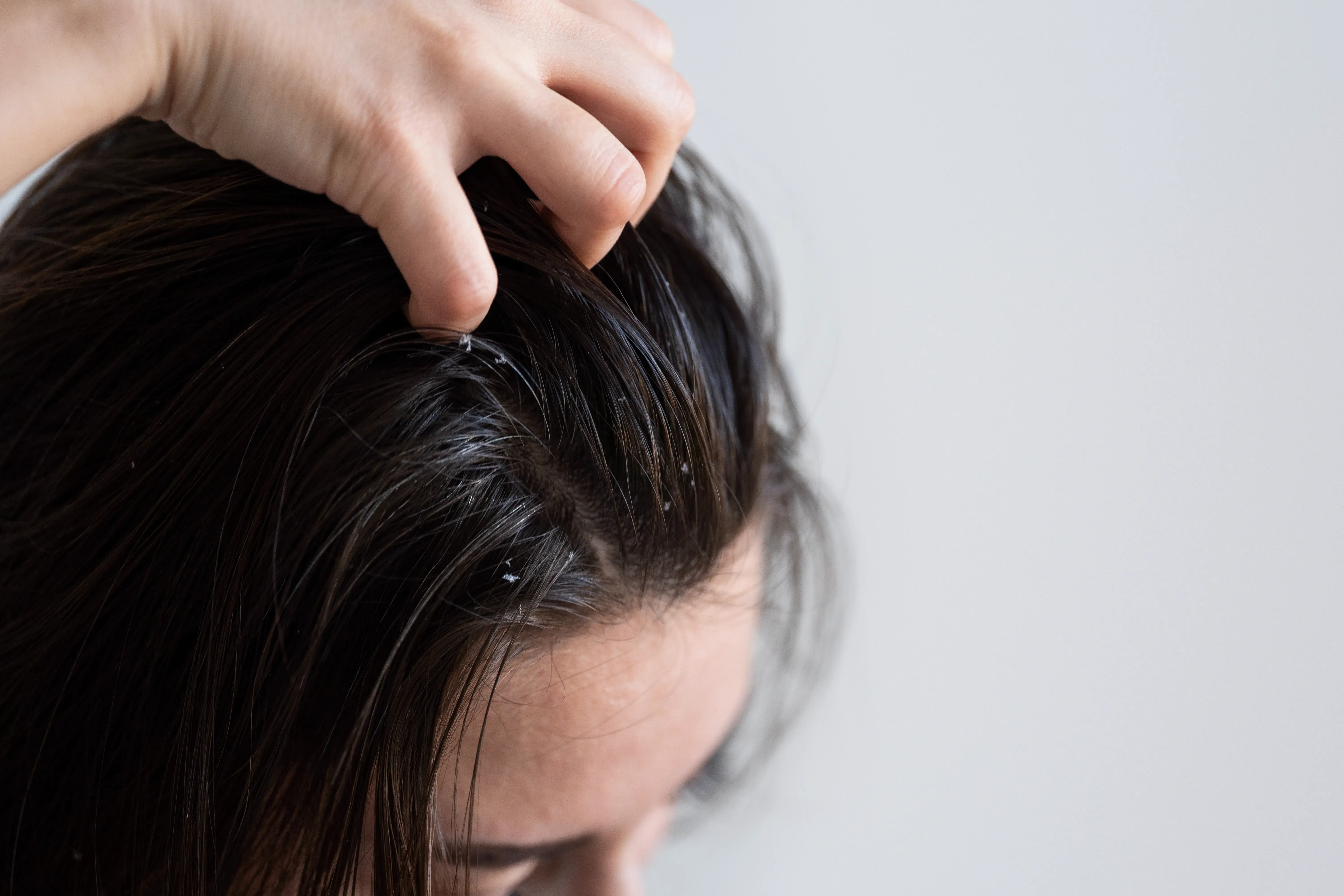
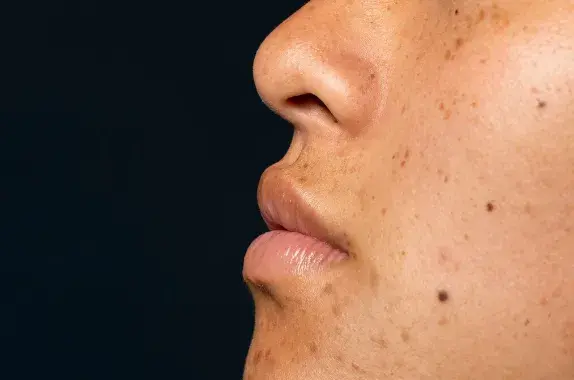
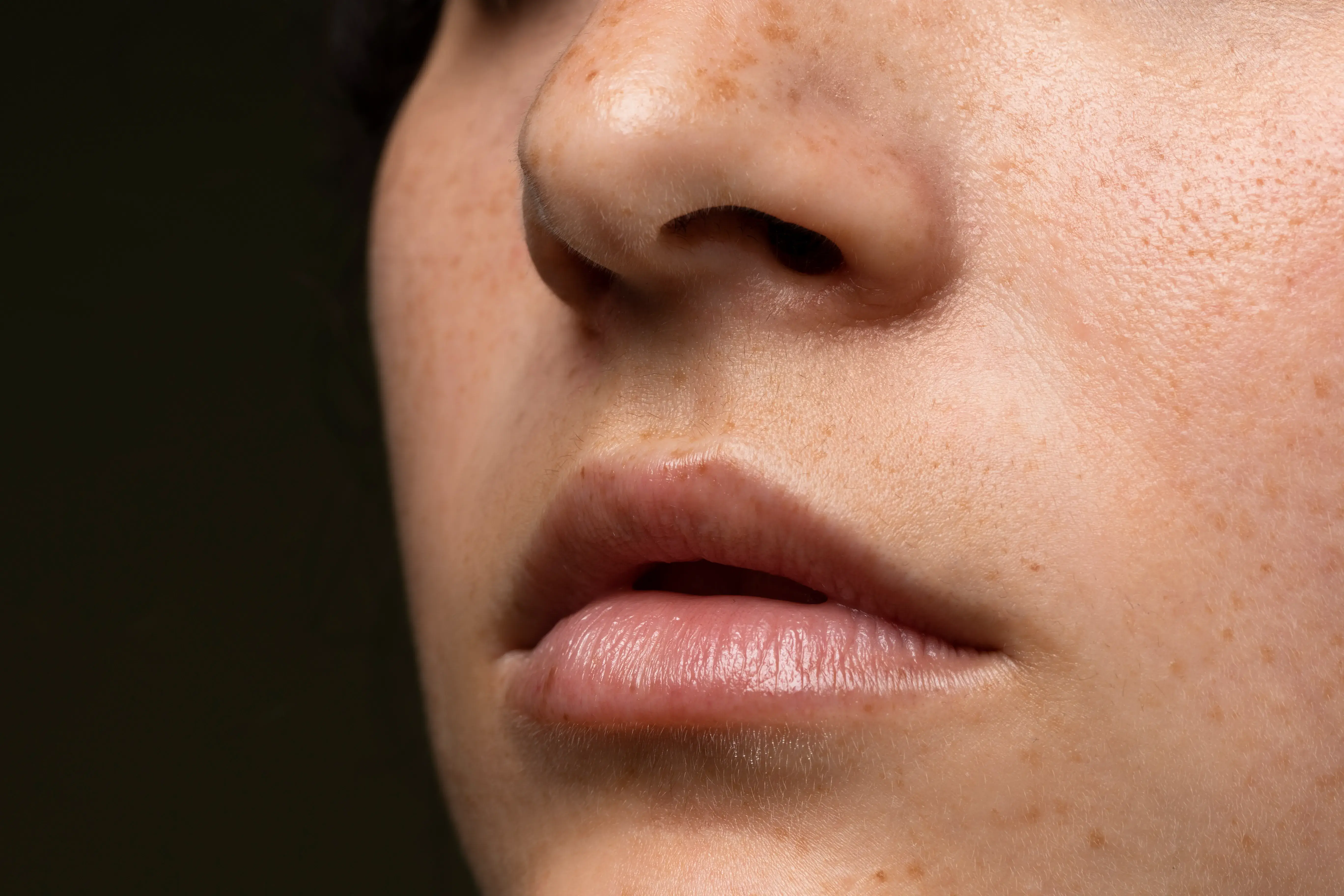
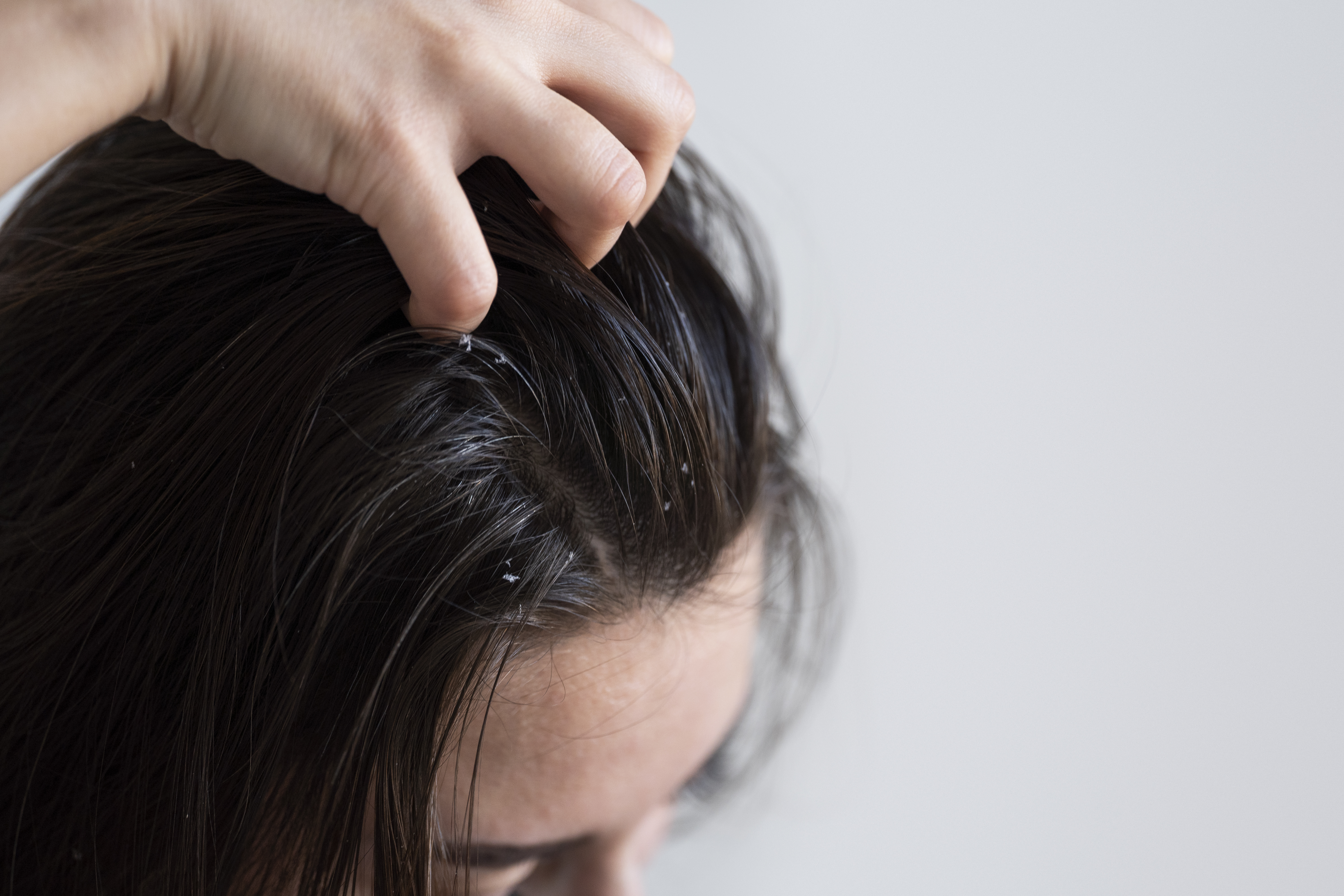
Fungal acne is a skin condition caused by an overgrowth of yeast, known as Malassezia, within the hair follicles. Despite its name, it isn't a form of acne but a type of folliculitis. It commonly appears on the forehead, cheeks, jawline, chest, and upper back as clusters of tiny bumps that may feel itchy or irritated.
- It's caused by yeast overgrowth in the hair follicles, not clogged pores in the traditional sense.
- Medically, it's known as Malassezia folliculitis
- It commonly appears on the forehead, cheeks, jawline, and chest, especially in areas prone to sweat and oil buildup.up
Because it looks so similar to regular breakouts, fungal acne is often treated the wrong way, which is why it tends to stick around longer than expected.
Fungal Acne vs Regular Acne: What's the Difference?
Although they may look alike, fungal acne and acne vulgaris develop for different reasons and respond to different treatments.
|
Feature
|
Fungal Acne (Malassezia Folliculitis)
|
Regular Acne (Acne Vulgaris)
|
|
Appearance
|
Small, uniform bumps that often appear in clusters
|
A mix of blackheads, whiteheads, pimples, nodules, and cysts
|
|
Cause
|
Overgrowth of Malassezia yeast in the hair follicles
|
Excess oil, clogged pores, bacteria, and inflammation
|
|
Size of Bumps
|
Bumps are usually similar in size
|
Blemishes vary in size and severity
|
|
Itchiness
|
Often itchy and irritated
|
Usually not itchy, though inflamed pimples may be tender
|
|
Common Areas
|
Forehead, cheeks, jawline, chest, shoulders, and upper back
|
Face, chest, shoulders, and back
|
|
Presence of Blackheads
|
Blackheads and whiteheads are typically absent
|
Blackheads and whiteheads are common
|
|
Triggers
|
Sweating, humidity, oily skin, occlusive skincare products, and antibiotic use
|
Hormonal changes, excess oil production, genetics, stress, and clogged pores
|
|
Skin Type
|
More common in people with oily or sweaty skin
|
Can affect all skin types, though oily skin is more prone
|
|
Response to Acne Products
|
May not improve with conventional acne treatments and can sometimes worsen
|
Often responds to acne-specific skincare and treatments
|
|
Treatment Approach
|
Antifungal medications, oil management, and dermatologist-guided supportive treatments
|
Treatments that target clogged pores, bacteria, inflammation, and excess oil
|
|
Risk of Recurrence
|
May recur in hot, humid conditions if triggers aren't managed
|
May flare due to hormonal changes, stress, or excess oil production
|
What Causes Fungal Acne on the Face?
Several factors can encourage the overgrowth of yeast that leads to fungal acne.
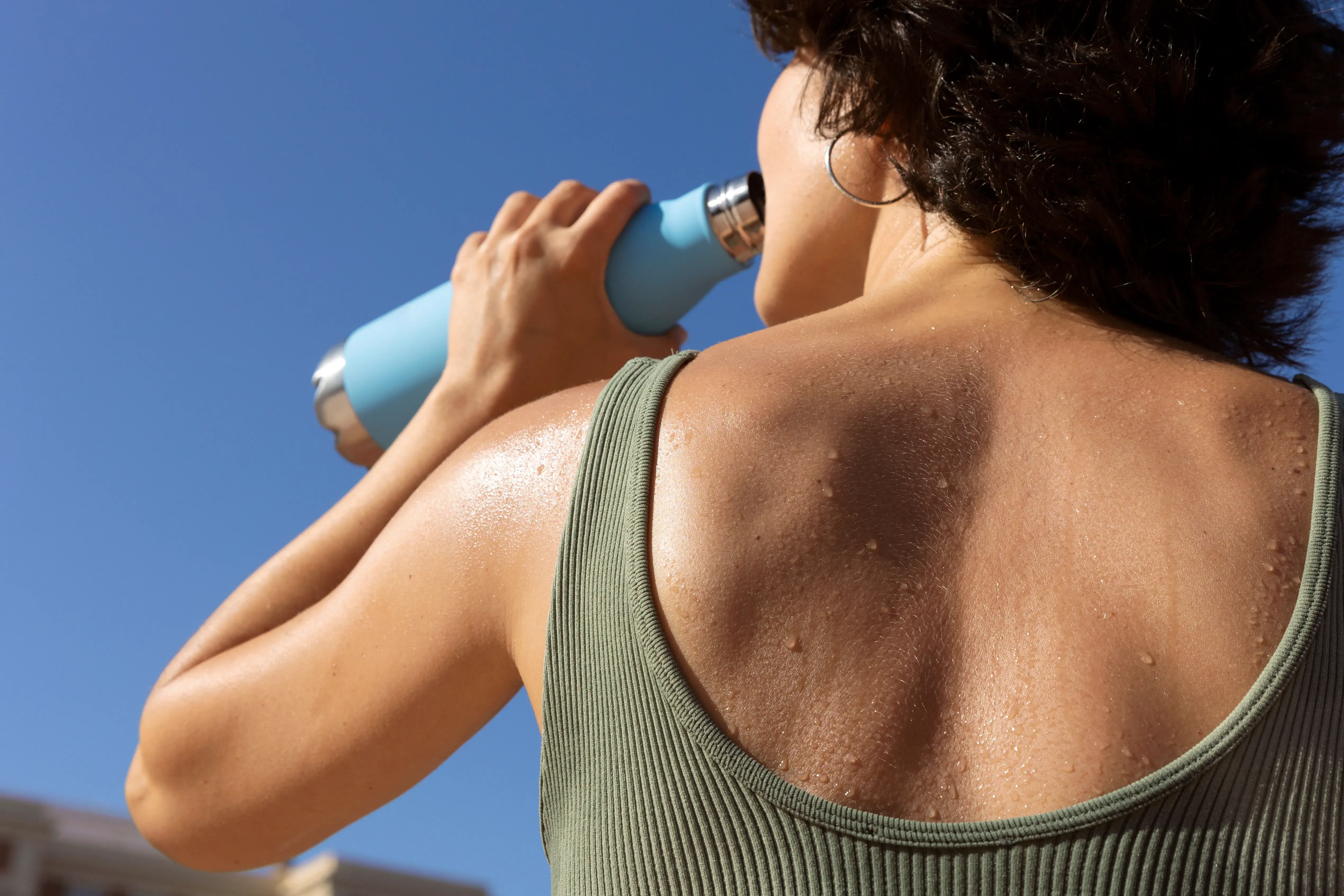
Excess oil and sweat buildup
The yeast naturally found on the skin thrives in oily environments, making excess sebum and sweat common contributing factors.
Humidity and hot weather
Warm climates create conditions that support yeast growth, which is why fungal acne often becomes more noticeable during summer.
Occlusive skincare and heavy products
Rich creams and oil-heavy products may trap heat and moisture against the skin, creating an environment where yeast can multiply more easily.
Antibiotic use and microbiome imbalance
Long-term or frequent antibiotic use may alter the skin's natural balance of microorganisms, allowing yeast to grow unchecked.
Poorly managed oily skin
Excess oil production can contribute to recurring breakouts if not managed with an appropriate skincare routine.
Common Symptoms of Fungal Acne
Recognising these signs early can help you seek the right treatment sooner.
- Tiny, uniform bumps scattered across the skin
- Itching and irritation, especially after sweating
- Clusters concentrated on the forehead, cheeks, or jawline
- Breakouts that don't respond to typical acne treatments
How Dermatologists Diagnose Fungal Acne
Since fungal acne so closely resembles regular breakouts, professional diagnosis makes a real difference.
Dermatologists typically assess the pattern and texture of the breakout, differentiate it from acne vulgaris based on its uniform appearance and itchiness, and evaluate potential triggers such as sweat, product use, and skin type. This clinical evaluation is what allows a dermatologist to recommend the right fungal acne treatment instead of one designed for regular acne, which can sometimes make fungal acne worse.
How to Treat Fungal Acne on Face Effectively
Successful fungal acne treatment focuses on controlling yeast overgrowth, managing excess oil, and supporting a healthy skin barrier.
Medicated Antifungal Treatments
Dermatologists may recommend topical or oral antifungal medications depending on the severity of your condition.
Oil Control and Exfoliating Treatments
Managing excess oil and removing surface build-up can help create a healthier skin environment while improving overall skin texture.
Professional Chemical Peels for Congested Skin
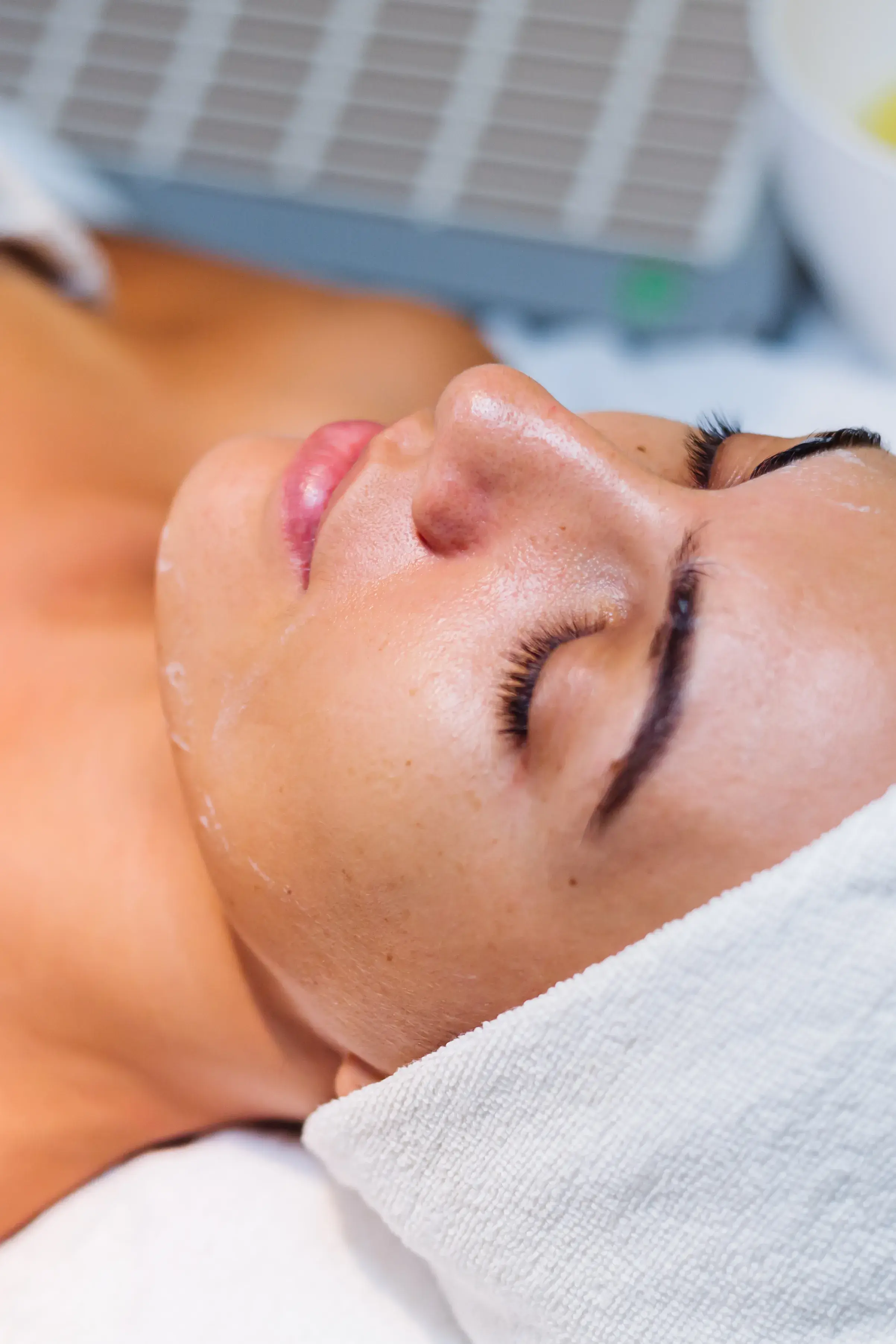
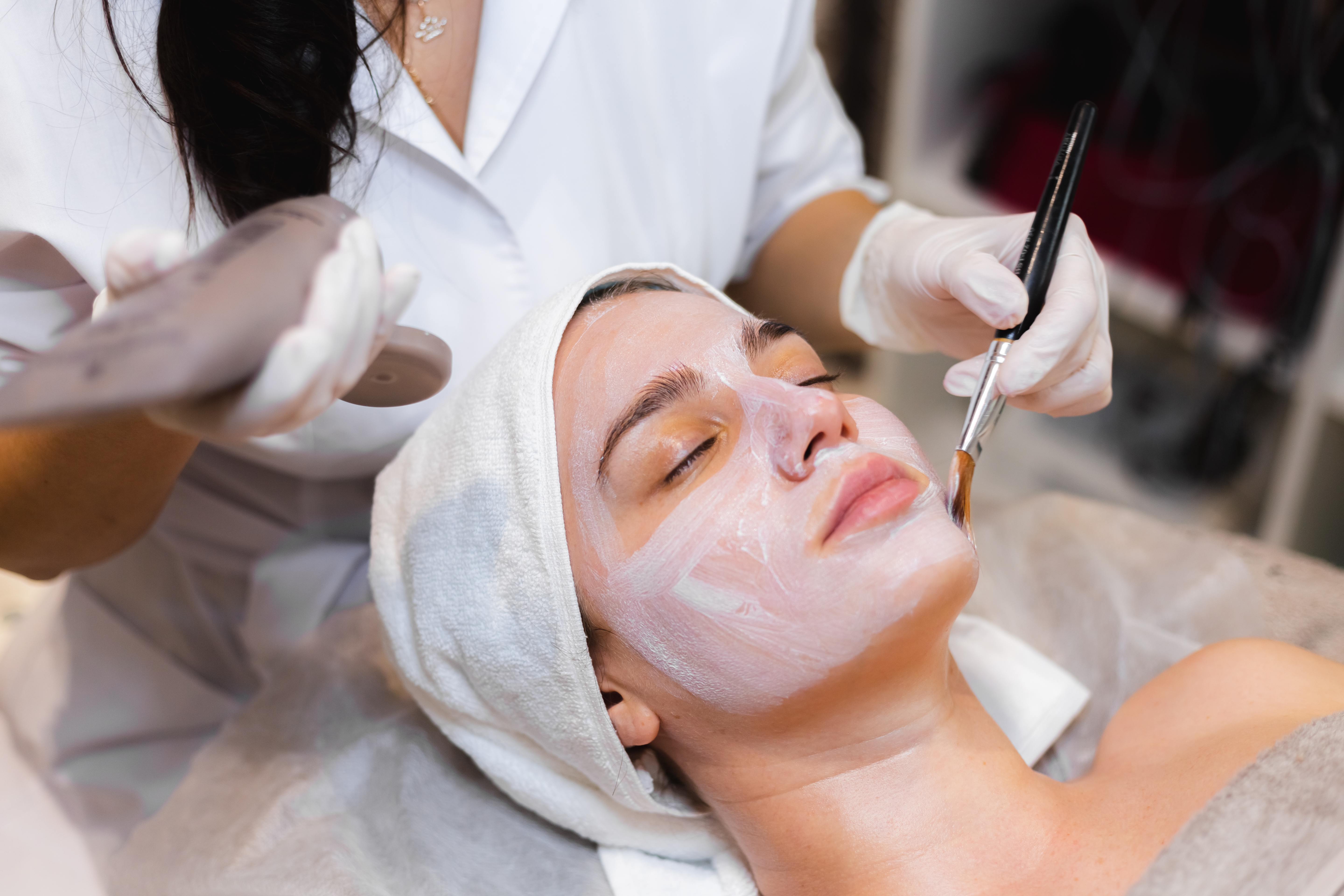
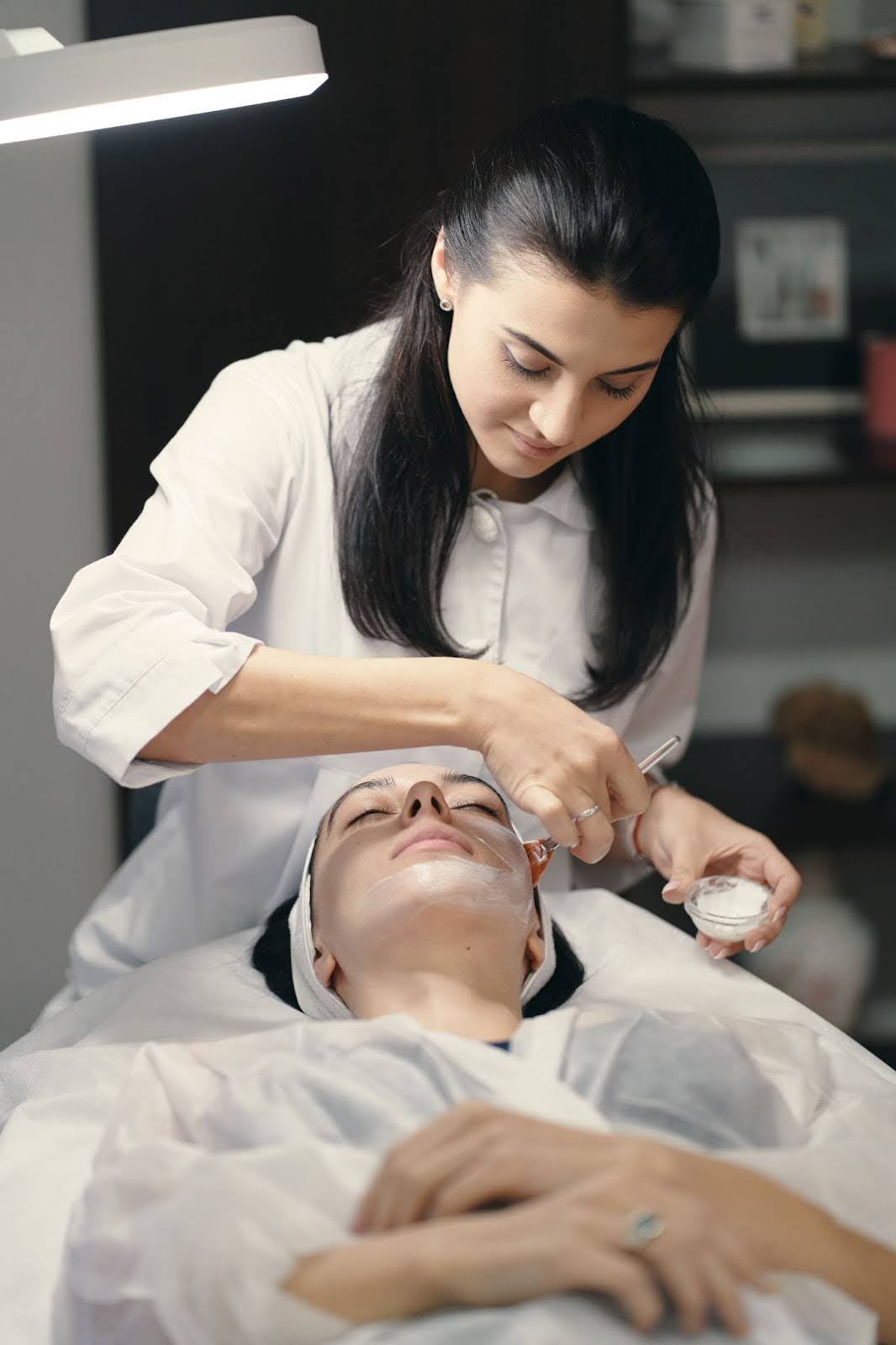
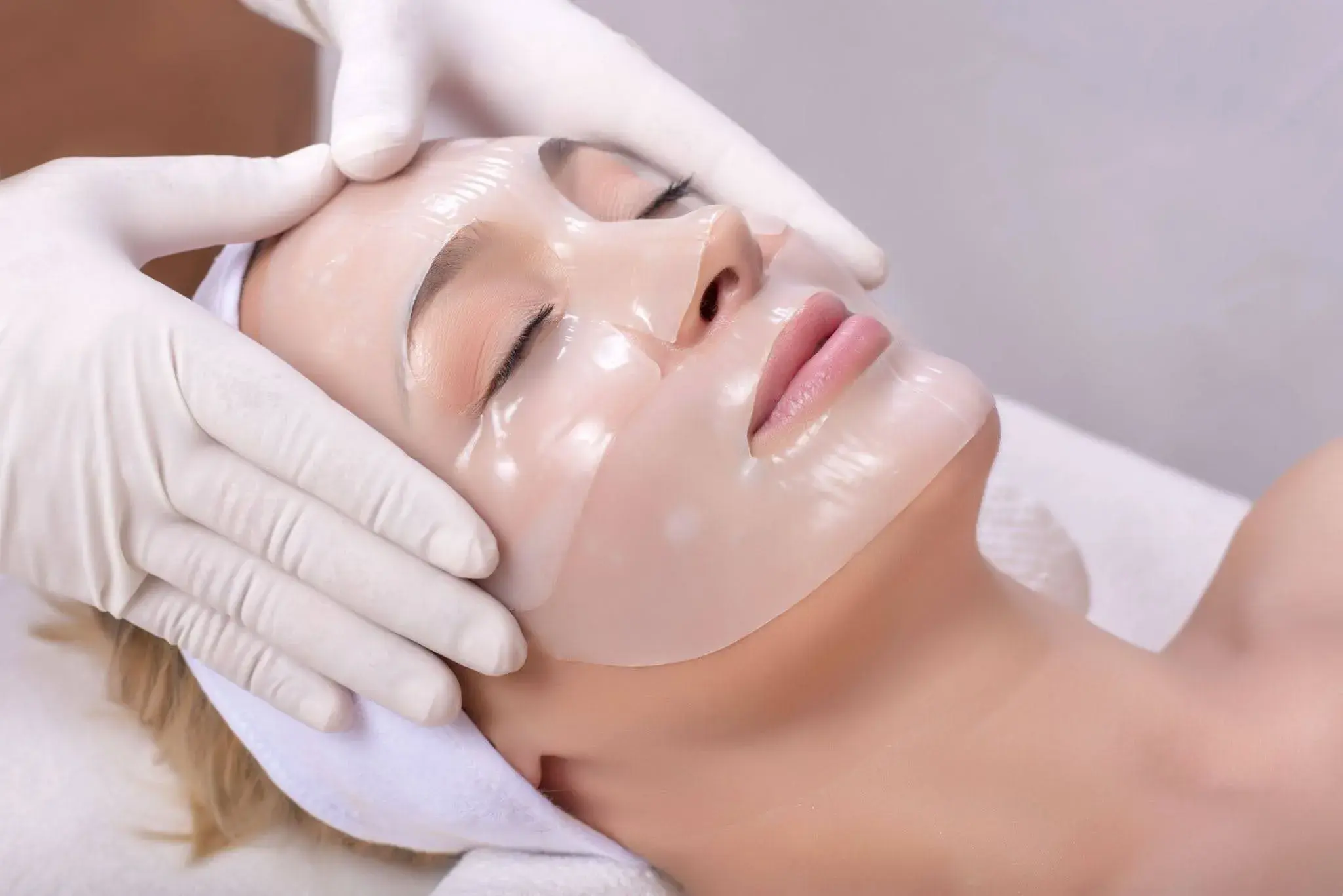
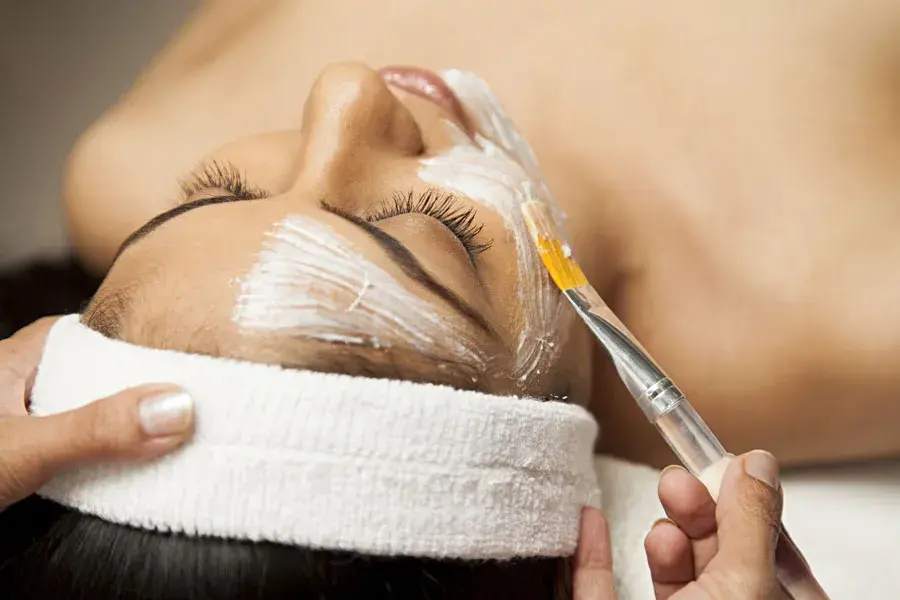
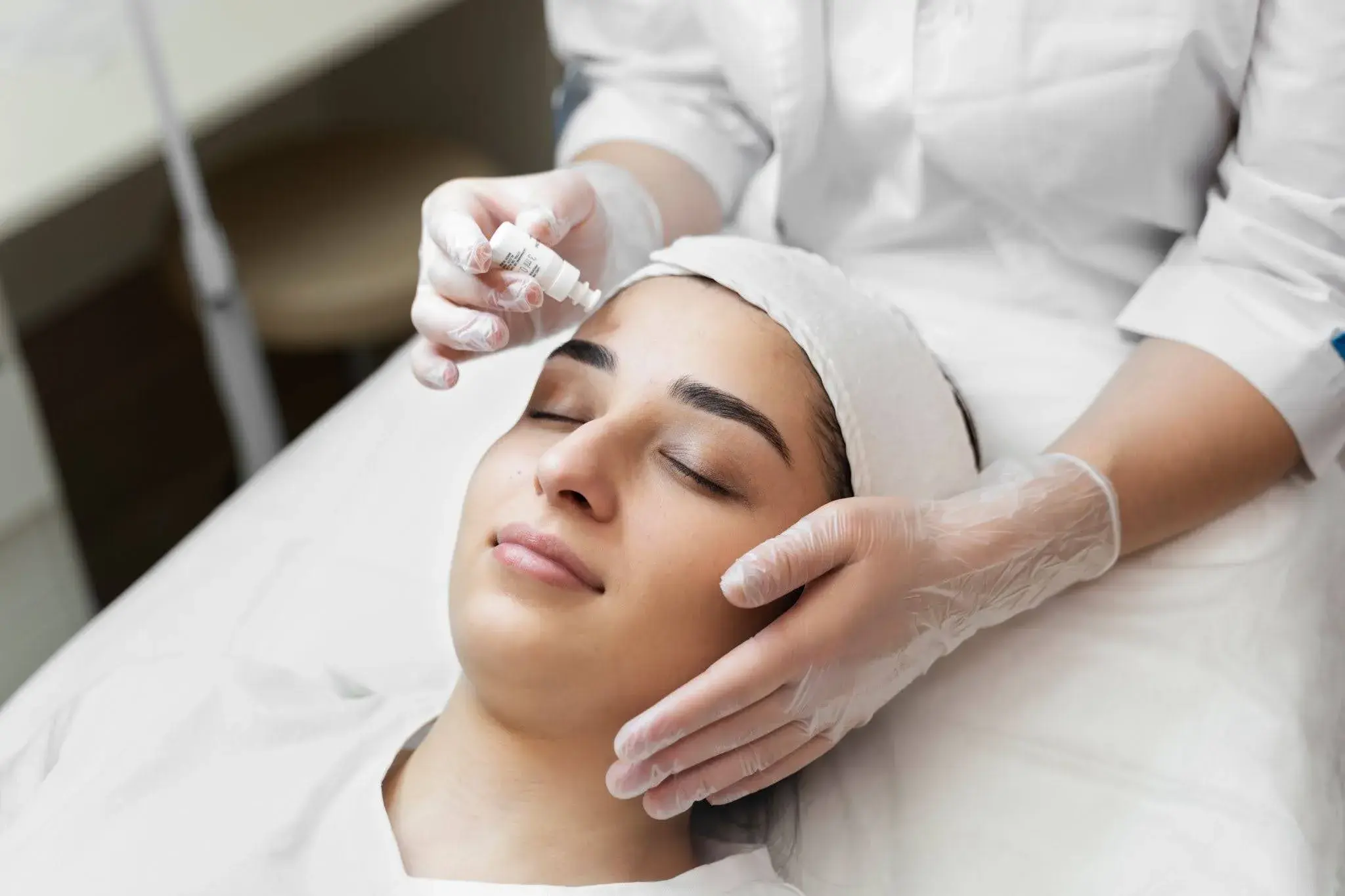
When recommended by a dermatologist, chemical peel treatments can help exfoliate dead skin cells, reduce congestion, and support smoother-looking skin. While chemical peels do not treat the yeast itself, they may complement a broader acne management plan by improving skin renewal and reducing pore blockage.
Best Professional Treatments for Fungal Acne
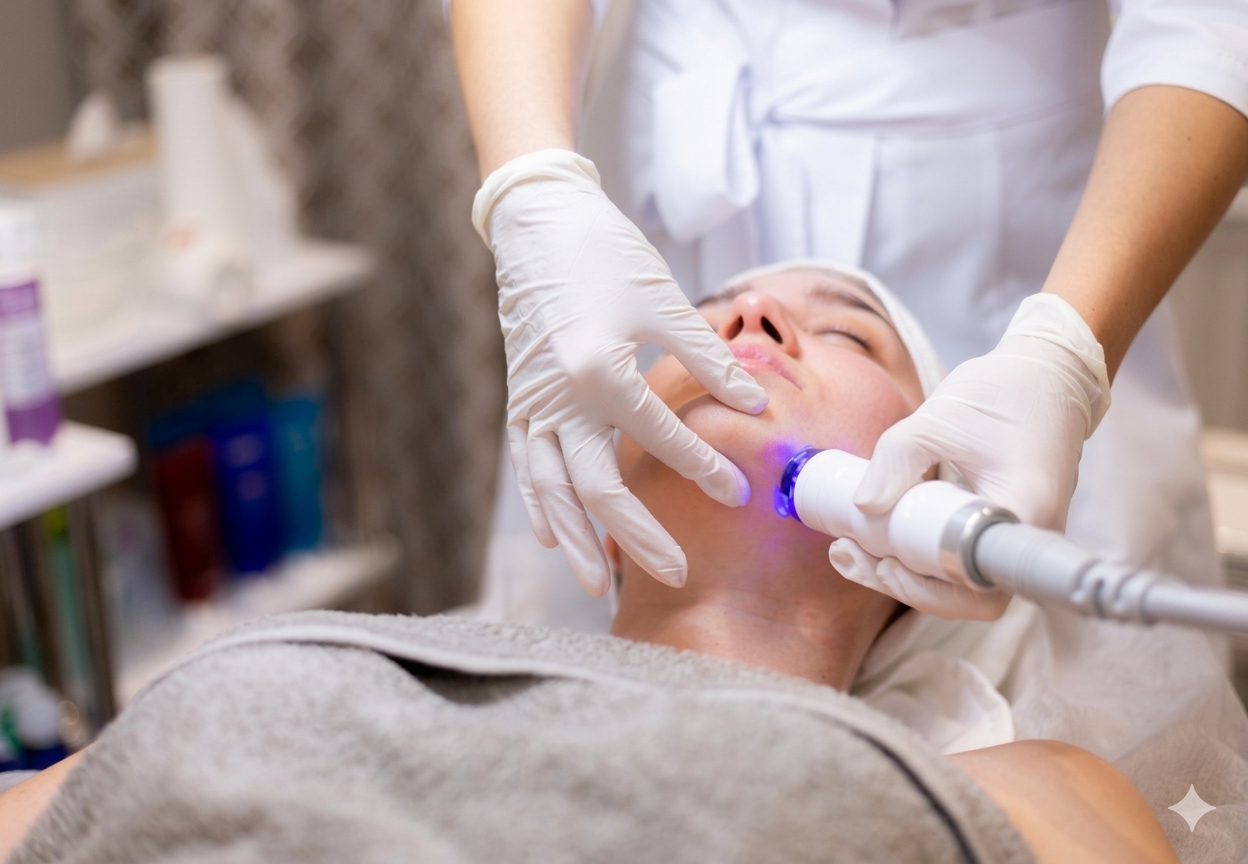
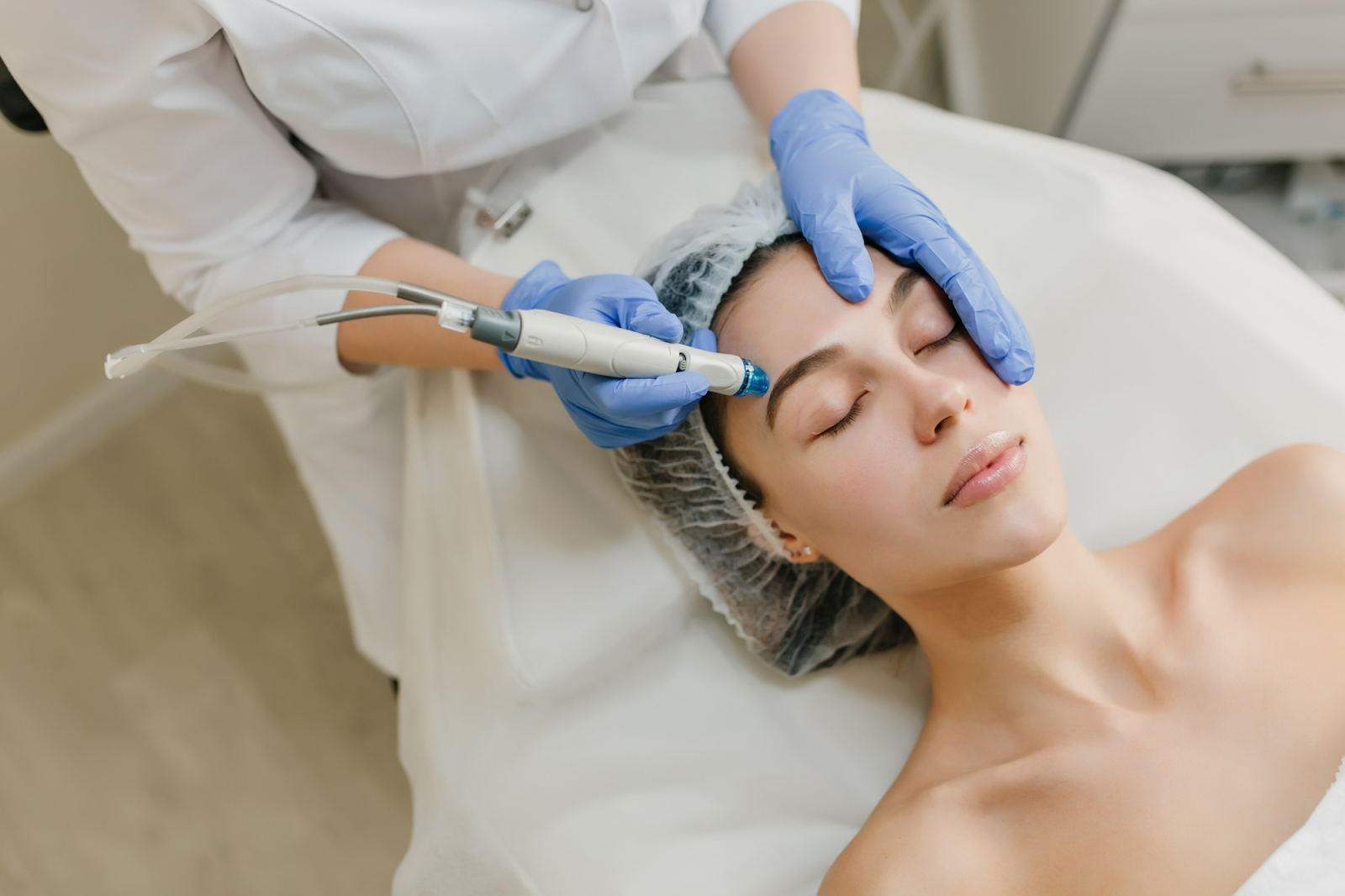
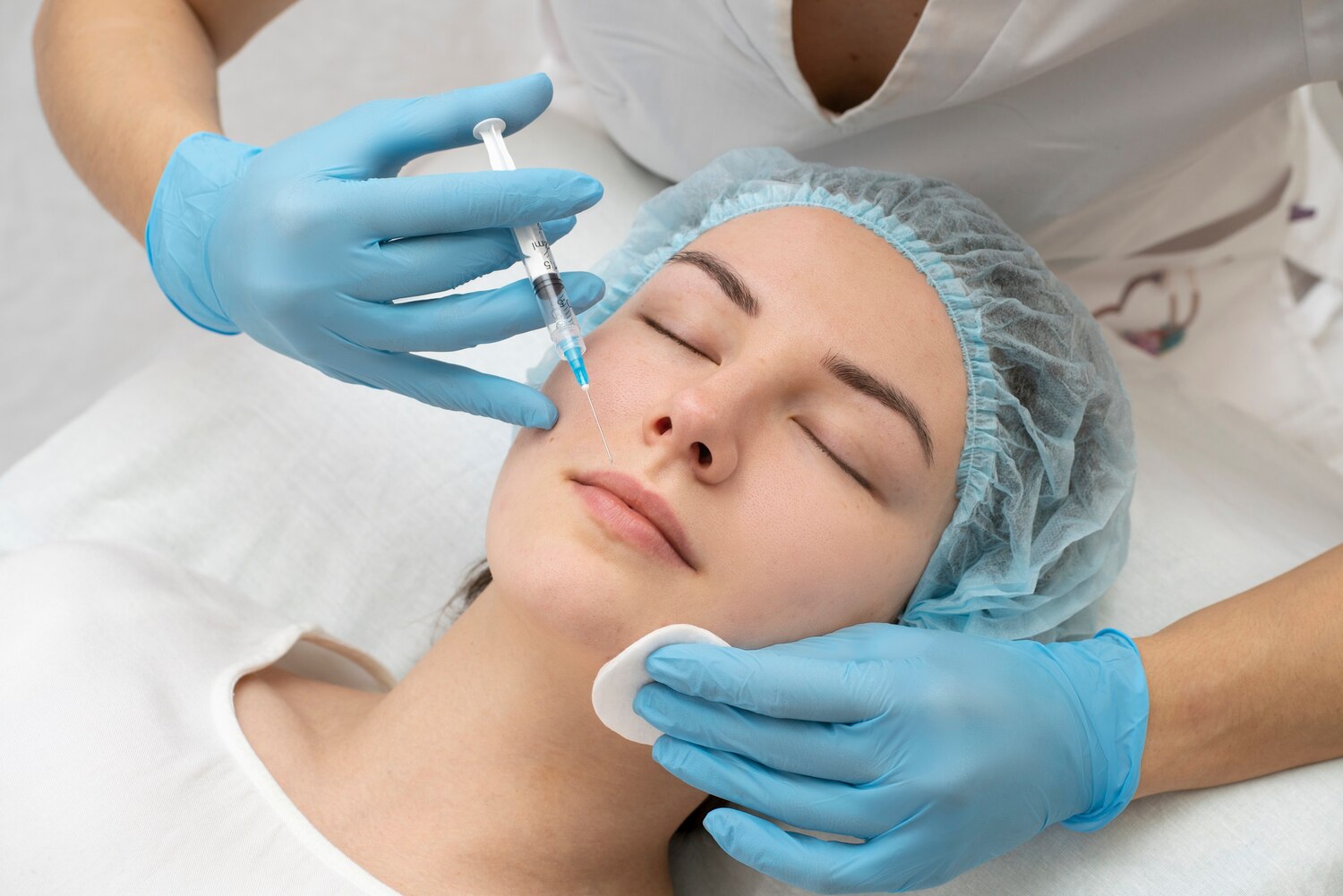
Once fungal acne has been accurately diagnosed, your dermatologist may recommend professional treatments to complement your medical management plan and improve overall skin health.
H3: Glycolic Face Peel
The Glycolic Face Peel gently exfoliates dead skin cells, helping reduce surface congestion and improve overall skin texture. It is often recommended for oily and congested skin as part of a personalised acne management plan.
Azelac Face Peel
Suitable for oily and acne-prone skin, the Azelac Face Peel helps manage excess sebum while supporting a clearer, more balanced complexion.
Black Peel Face
The Black Peel Face helps reduce congestion, refine skin texture, and improve the appearance of acne-prone skin, making it a suitable option for individuals with persistent breakouts.
Lactic Face Peel
The Lactic Face Peel provides gentle exfoliation while helping maintain the skin's natural hydration, making it a suitable choice for selected skin types that require a milder approach.
Glow Peel
The Glow Peel helps revitalise dull, congested skin by promoting a smoother, brighter, and more even-looking complexion as your skin recovers.
Skincare Routine for Fungal Acne Prone Skin
A consistent, well-suited skincare routine plays an important role in managing fungal acne on the face and supporting long-term skin health.
- Cleanse gently without over-drying by using a gentle cleanser that removes excess oil, sweat, and impurities without disrupting your skin barrier.
- Choose lightweight, non-comedogenic products to help minimise clogged follicles and reduce excess oil and surface build-up.
- Exfoliate under professional guidance to remove dead skin cells and improve skin texture while avoiding unnecessary irritation.
- Wear a lightweight, oil-free sunscreen every day to protect your skin from UV damage while helping manage excess shine.
|
Expert Quote
"One of the biggest misconceptions about chemical peels is that more peeling means better results. In reality, healthy skin responds gradually. A well-planned series of peels, combined with the right at-home skincare and daily sunscreen, delivers safer, longer-lasting improvements than an aggressive treatment. Especially for Indian skin, the goal is to strengthen the skin while improving concerns like pigmentation and texture, not to over-treat it."
— Dr. Mikki Singh, Board-Certified Dermatologist, Founder & MD, Bodycraft Clinics
|
What to Avoid If You Have Fungal Acne
Certain habits can unintentionally worsen fungal acne or slow down recovery.
- Heavy creams and oily products that trap moisture against the skin
- Overuse of harsh acne products meant for bacterial acne, not fungal acne
- Excess sweating without cleansing soon after
- Self-treating persistent breakouts without a proper diagnosis
Can Fungal Acne Come Back?
Yes. Fungal acne can recur, especially if the underlying triggers aren't managed. Factors such as hot weather, excessive sweating, oily skin, and unsuitable skincare products may contribute to future flare-ups.
With consistent skincare, appropriate treatment, and dermatologist-guided management, many people can improve long-term control and reduce the frequency of recurrence.
When Should You See a Dermatologist for Fungal Acne Treatment?
Consider consulting a dermatologist if:
- Your breakouts persist despite using acne products.
- The bumps are itchy, spreading, or becoming more frequent.
- Your skin flares up repeatedly during warm or humid weather.
- You're unsure whether you're dealing with fungal acne or another skin condition.
|
Why Choose Bodycraft for Fungal Acne Treatment?
At Bodycraft, fungal acne treatment goes beyond a one-size-fits-all product routine. Our dermatologists take the time to correctly diagnose the cause behind your breakouts and build a plan around it, combining medical expertise with advanced treatments, such as chemical peels, to support oil control, exfoliation, and skin barrier recovery. Every plan is tailored to your skin type, severity, and triggers, so you can work towards clearer skin with confidence.
Book your consultation today and take the first step towards calmer, healthier skin.
|
Clearer Skin Starts with the Right Diagnosis
Treating fungal acne on the face begins with understanding what's causing your breakouts. Rather than relying on trial and error, an accurate diagnosis allows you to choose treatments that address your skin's specific needs.
With the right combination of dermatologist-guided care, an appropriate skincare routine, and professional treatments where needed, you can manage recurring breakouts more effectively and work towards healthier, clearer-looking skin over time.





.png)


-1.png)


-1.png)
-3.png)




.png)




-Aug-02-2026-05-23-10-1368-PM.png)




.webp)
-1.webp)
.webp)
-Jul-07-2026-12-19-56-1023-PM.webp)





-Jun-01-2026-02-54-50-5351-PM.png)
-Jun-01-2026-02-45-39-8016-PM.png)

-May-29-2026-03-30-08-6855-PM.png)


-1.webp)

-3.webp)



.webp)
.webp)
-1.webp)
.webp)
.webp)
.webp)