





.png)


-1.png)



-1.png)

-3.png)





.png)




-Aug-02-2026-05-23-10-1368-PM.png)


.webp)
-1.webp)
.webp)
-Jul-07-2026-12-19-56-1023-PM.webp)






-Jun-01-2026-02-54-50-5351-PM.png)
-Jun-01-2026-02-45-39-8016-PM.png)

-May-29-2026-03-30-08-6855-PM.png)


-1.webp)

-3.webp)






.webp)
.webp)
-1.webp)

.webp)
.webp)

.webp)


Skin
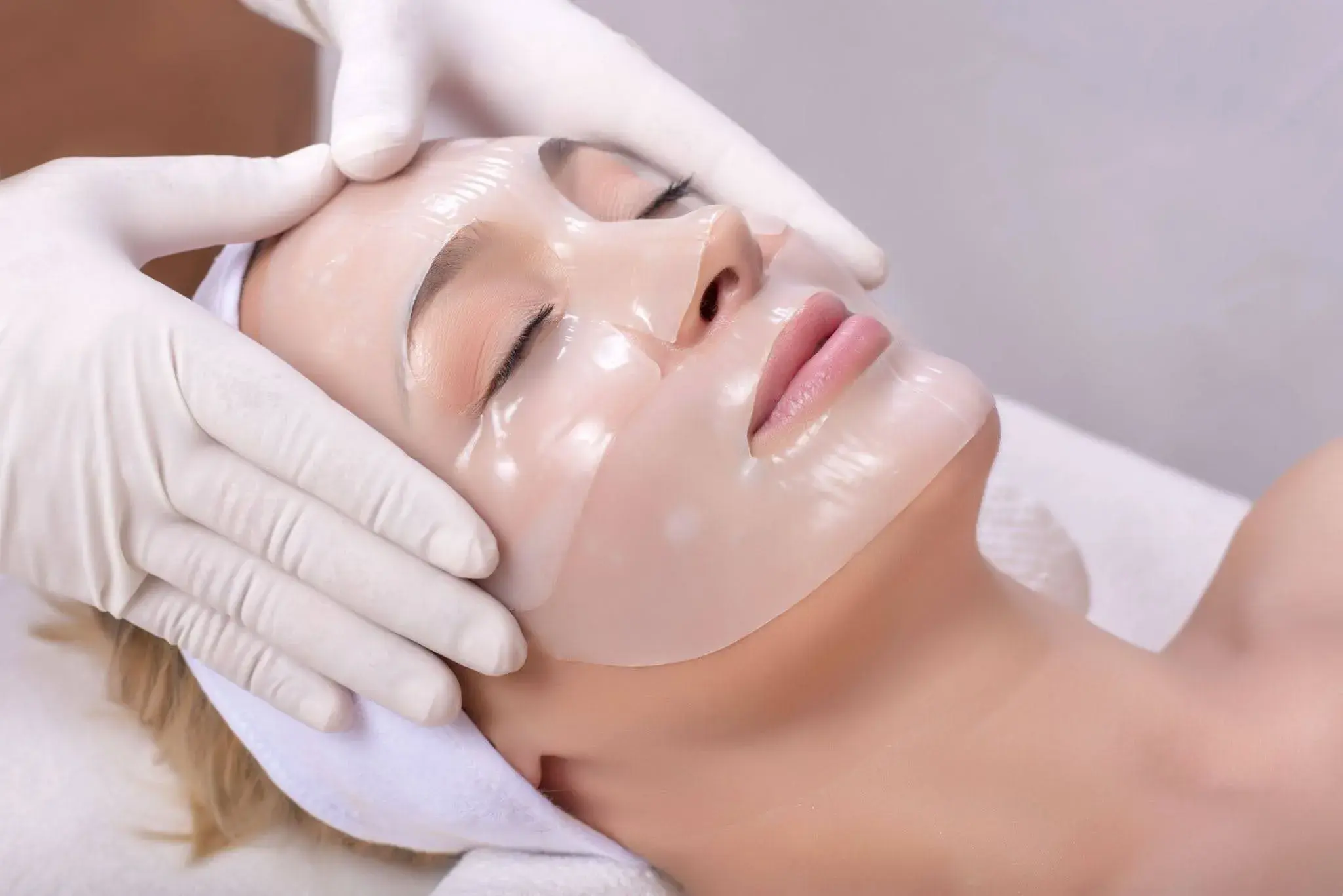
Skin
13 minutes read | 7 Jul 26
Get a complimentary consultation today. Get in touch
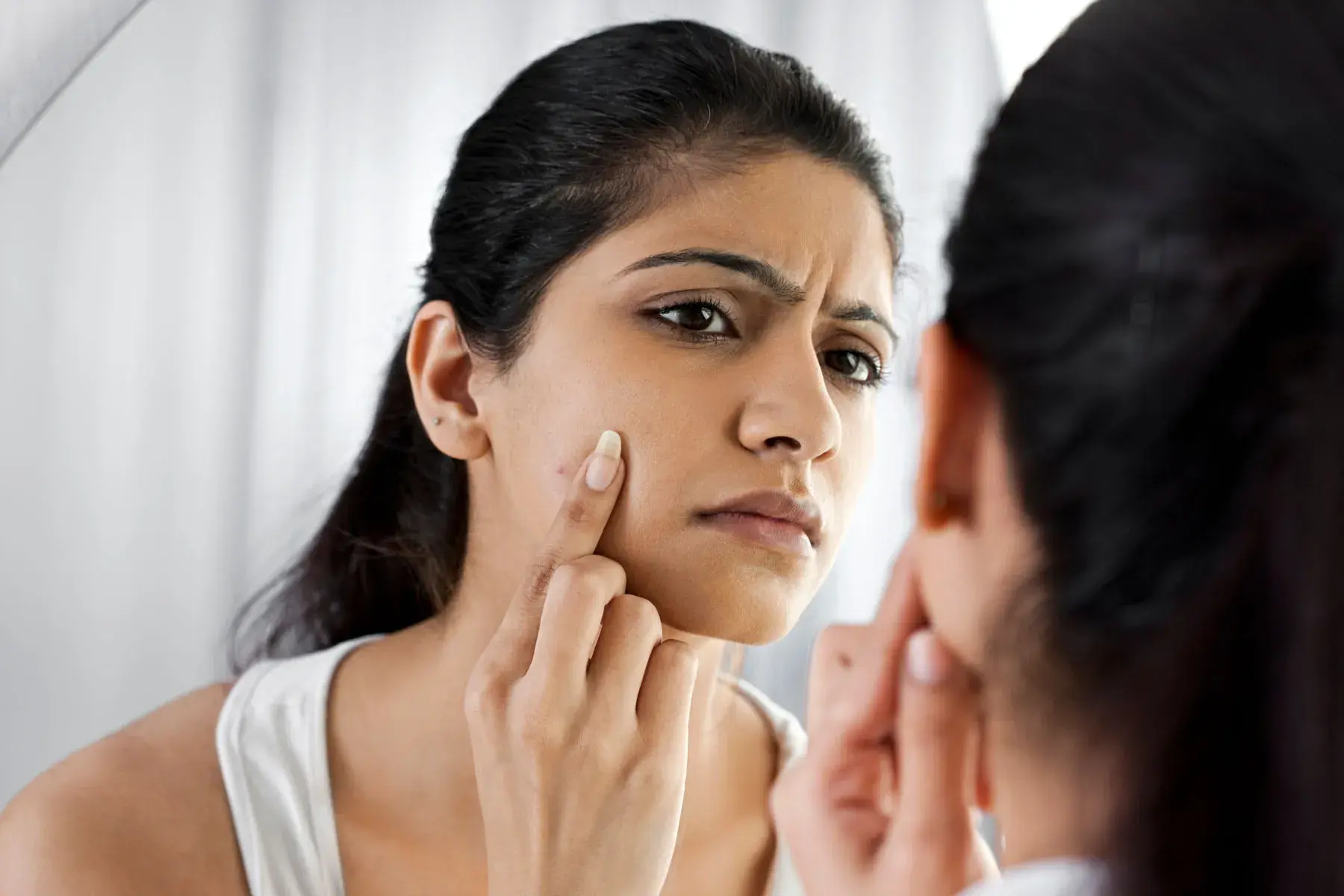
Melasma does not behave the way most people expect it to. You treat it, it fades, and then a few months later, after sun exposure or a hormonal shift, it returns. For patients who have cycled through topical creams, standard peels, and home remedies without lasting results, Dermamelan chemical peel is often the first clinical intervention that actually breaks that cycle.
What Is a Dermamelan Peel?
Dermamelan peel is a professional depigmentation system developed by Mesoestetic, a Spanish dermatology company. It is not a conventional chemical peel in the standard sense. Where most peels work by removing the outer layers of skin to reveal fresher skin beneath, Dermamelan works at a deeper level. It directly inhibits the enzymatic process that produces excess melanin in the first place.
This distinction matters. Surface exfoliation can improve the appearance of mild pigmentation, but it does not address what is driving the melanin overproduction. Dermamelan targets the mechanism, not just the visible result. For stubborn or hormonally driven melasma that has not responded to topical-only treatment, this makes it a fundamentally different clinical tool.
The treatment procedure is delivered in two-phases: an in-clinic mask application followed by a structured at-home maintenance regimen that continues for three to four months. Both phases are important, the mask initiates the depigmentation process, and the maintenance phase consolidates and sustains it.
How Does the Dermamelan Chemical Peel Work?
Reducing Excess Melanin Production
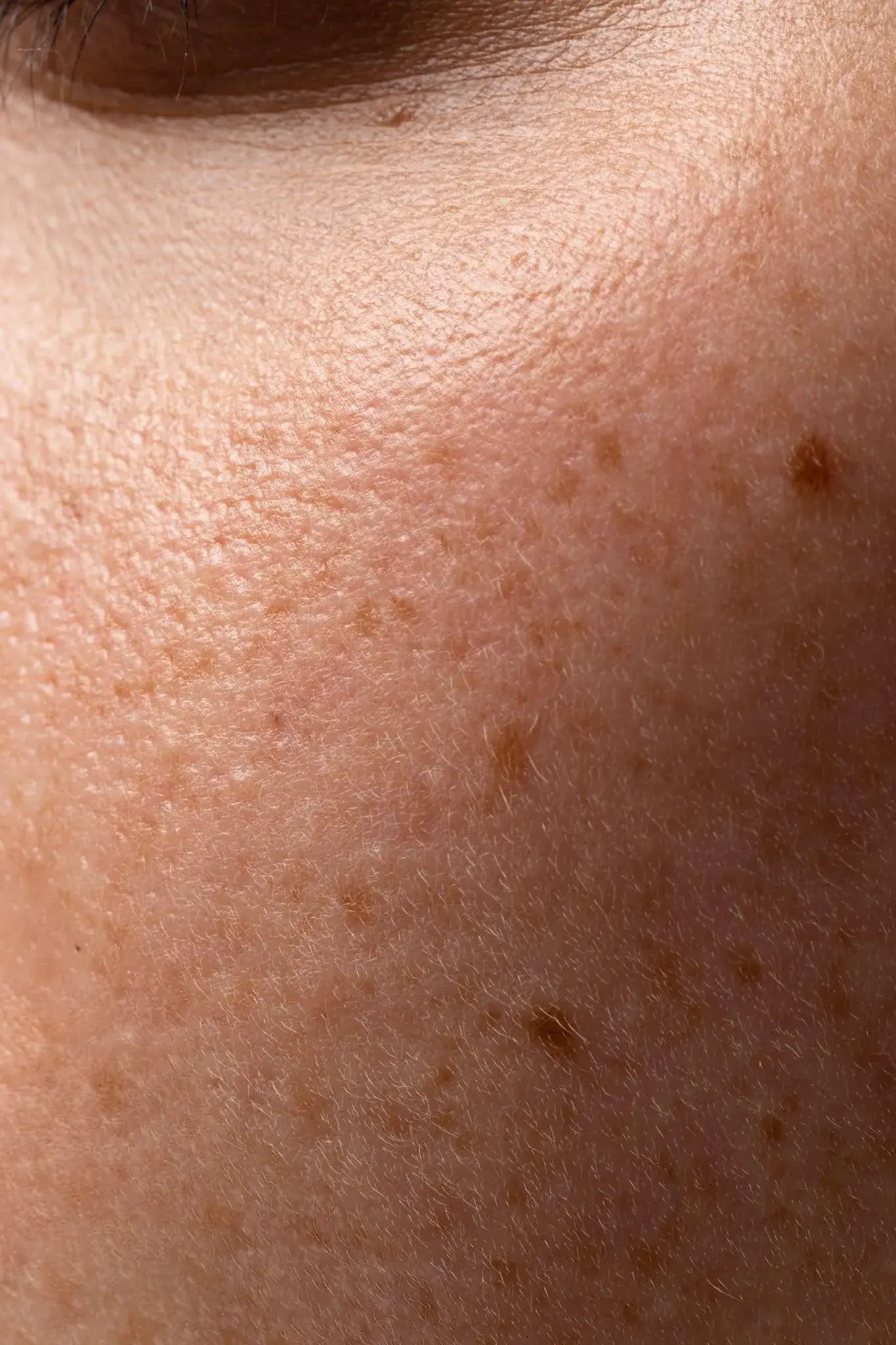
Melanin production is regulated by a series of enzymatic reactions. The most important being tyrosinase activity. In conditions like melasma and post-inflammatory hyperpigmentation, this process becomes dysregulated. The melanocytes overproduce pigment in response to hormonal signals, UV exposure, or inflammation. Dermamelan chemical peel works by inhibiting tyrosinase and disrupting the melanogenesis pathway at multiple points simultaneously. Rather than relying on a single mechanism, it targets several steps in the chain. Which is why it performs in cases where single-agent topical therapies have failed.
What Are the Active Ingredients in Dermamelan?
- Kojic acid — inhibits tyrosinase directly, reducing melanin synthesis at the enzymatic level
- Phytic acid — chelates the copper ions required for tyrosinase activity
- Ascorbic acid (Vitamin C) — reduces existing melanin and provides antioxidant protection against further UV-triggered pigmentation
- Arbutin — a natural tyrosinase inhibitor that works synergistically with kojic acid
- Azelaic acid — inhibits abnormal melanocyte activity, particularly relevant for post-inflammatory hyperpigmentation
- Retinoic acid derivatives — accelerate cellular turnover, helping the skin shed pigmented cells more efficiently
|
Interesting Fact: Tyrosinase is the key enzyme responsible for melanin synthesis. Dermamelan's multi-ingredient approach inhibits tyrosinase through four distinct mechanisms. Making it significantly harder for the pigmentation pathway to work around the intervention than with single-agent treatments. |
Accelerating Skin Renewal
Alongside melanin suppression, Dermamelan accelerates the rate at which the skin renews itself. This is where the retinoic acid derivatives play a key role. It pushes the skin to shed pigmented surface cells faster and replaces them with cells that have been produced under reduced melanin activity. The result is not just lighter pigmentation but improved overall skin clarity, texture, and radiance over the course of treatment.
Combining In-Clinic Treatment with At-Home Maintenance
The at-home regimen, a daily depigmenting cream and maintenance gel continued for three to four months. It sustains the tyrosinase inhibition initiated by the mask and prevents melanin from rebounding as the skin renews.
What Skin Concerns Can Dermamelan Chemical Peel Treat?
Melasma

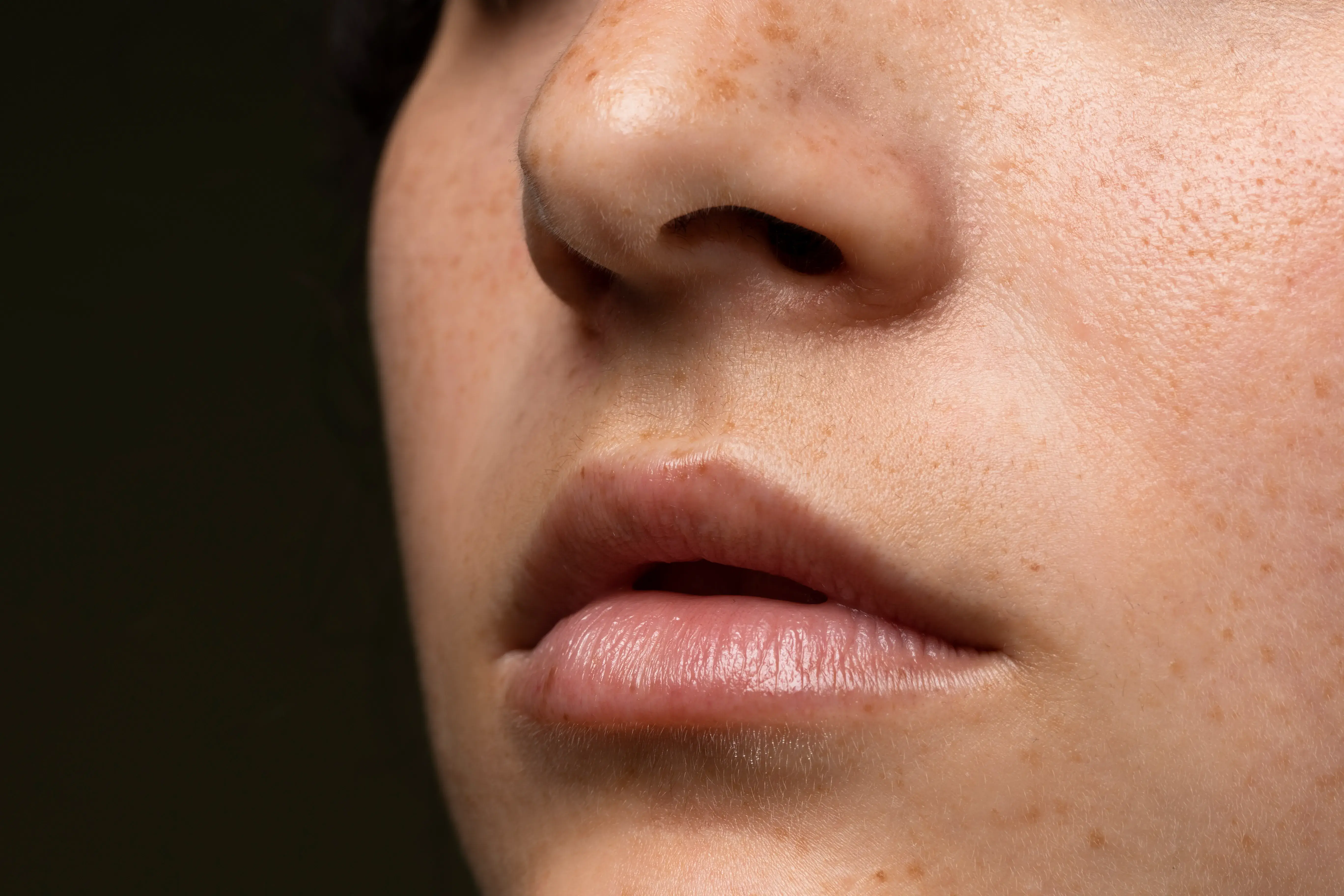
Melasma is the primary indication for Dermamelan and the condition it was specifically developed to address. It appears as symmetrical patches of brown or grey-brown pigmentation. Most commonly on the forehead, cheeks, upper lip, and jawline. It is driven by a combination of hormonal activity and UV exposure. It is chronic by nature, which means treatment achieves remission rather than a permanent cure. Dermamelan is particularly effective for moderate to severe melasma, and for dermal-component melasma that has not responded to topical-only regimens.
Sun-Induced Pigmentation

Cumulative UV exposure over time leads to diffuse photodamage. These are mottled discolouration, uneven tone, and the gradual appearance of dark patches across areas of chronic sun exposure. Dermamelan's multi-pathway approach addresses this type of pigmentation effectively, particularly when it presents as a diffuse pattern rather than isolated discrete spots.
Post-Inflammatory Hyperpigmentation (PIH)
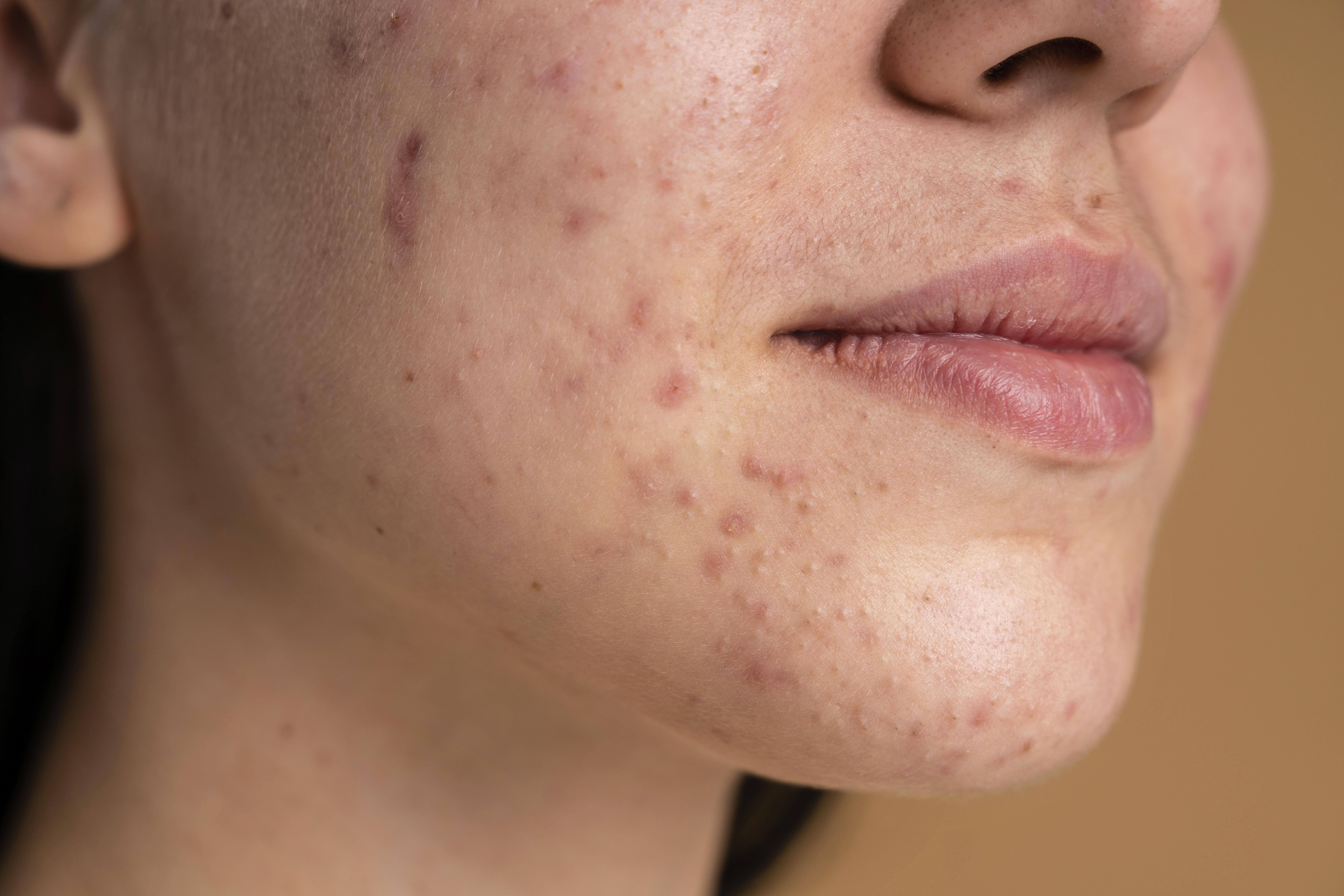
PIH develops when skin inflammation, from acne, injury, or procedural trauma, triggers excess melanin production as part of the healing response. It is one of the most common pigmentation concerns in Indian skin and one of the most persistent when left untreated. Dermamelan addresses PIH through azelaic acid's ability to specifically inhibit the abnormal melanocyte activity associated with inflammation-triggered pigmentation.
Uneven Skin Tone and Dark Spots
Beyond defined conditions like melasma and PIH, Dermamelan peel addresses generalised uneven skin tone. Areas of diffuse discolouration, dullness, and surface irregularity that do not fit a single diagnostic category but significantly affect the appearance of the skin.
Who Is Dermamelan Chemical Peel Particularly Suited For in Indian Skin?
Indian skin predominantly falls within Fitzpatrick skin types III to V. A range characterised by higher baseline melanin activity and a stronger tendency to produce excess pigment in response to UV exposure, hormonal changes, and inflammation. This same characteristic that makes Indian skin more prone to pigmentation also makes it more vulnerable to certain treatment approaches. Heat-based laser protocols, for example, carry a real risk of triggering post-treatment hyperpigmentation in darker skin tones. Dermamelan's non-thermal mechanism avoids this entirely, making it a clinically appropriate option where lasers would be contraindicated or higher risk.
|
If the concerns above match what your skin has been dealing with, particularly persistent melasma or pigmentation that has not responded to topical products. A dermatologist assessment is the most reliable next step. Book a consultation at Bodycraft Clinic to understand what is driving your pigmentation and which approach suits your skin. |
Benefits of Dermamelan Chemical Peel Treatment
Targets Stubborn Pigmentation at the Source
Most pigmentation treatments address what is visible. Dermamelan peel addresses what is driving the visibility. By inhibiting melanin production at the enzymatic level rather than simply removing pigmented skin cells. It works on the underlying cause, which is why it delivers more durable results in cases where surface-only approaches have repeatedly fallen short.
Promotes a Brighter and More Even Complexion
As melanin production is suppressed and the skin renews at an accelerated rate, overall skin tone becomes more even and the complexion visibly brighter. Patients typically report an improved radiance that goes beyond the targeted pigmentation areas. A consequence of the combined exfoliating and melanin-inhibiting activity across the full treatment area.
Helps Improve Overall Skin Texture
The accelerated cellular turnover induced by Dermamelan's retinoic acid components improves skin texture alongside tone. Patients with concurrent concerns, enlarged pores, rough texture, mild acne, often notice improvement in these areas as a secondary benefit of the treatment.
Suitable for Long-Term Pigmentation Management
Dermamelan peel is not a one-and-done treatment, it is a clinical system designed for sustained pigmentation management. With proper maintenance and consistent sun protection, results can be sustained for twelve to eighteen months or more, and periodic re-treatment every twelve to eighteen months provides ongoing control for chronic conditions like melasma.
What Makes Dermamelan Different from Traditional Chemical Peels?
|
Aspect |
Traditional Chemical Peels |
Dermamelan |
|
How It Works |
Exfoliates the upper layers of skin to remove pigmented cells and encourage skin renewal. |
Targets excess melanin production at its source, helping prevent new pigmentation from forming. |
|
Primary Goal |
Improves acne, texture, mild pigmentation, and overall skin appearance. |
Specifically designed to treat moderate to severe and stubborn pigmentation concerns. |
|
Recovery & Maintenance |
Downtime varies depending on the peel, with minimal to moderate aftercare requirements. |
Typically involves 5–7 days of peeling followed by a 3–4 month maintenance phase for optimal results. |
|
Best For |
Mild pigmentation, acne, uneven texture, and general skin rejuvenation. |
Melasma, resistant post-acne marks, and persistent pigmentation that has not responded well to other treatments. |
|
Not sure which chemical peel approach is appropriate for your specific concern? This guide breaks down the options by skin type and pigmentation concern — which chemical peel is best for skin whitening. |
Who Is an Ideal Candidate for a Dermamelan Peel?
Dermamelan is most appropriate for:
- Patients with moderate to severe melasma, particularly where topical regimens have delivered inconsistent or temporary results
- Individuals with post-inflammatory hyperpigmentation from acne or procedural causes
- People with diffuse sun-induced pigmentation across the face
- Patients with Fitzpatrick skin types III to V seeking a non-thermal depigmentation approach
- Those who can commit to the at-home maintenance regimen and consistent daily SPF for the duration of the treatment course
Who Should Not Have Dermamelan?
The following are contraindications for Dermamelan treatment:
- Active skin infection or open wound in the treatment area
- Pregnancy or breastfeeding
- Active isotretinoin use, or within six months of completing a course
- Chemical peel, laser, or microneedling within the past four weeks
- History of keloid or hypertrophic scarring
- Known allergy to any active ingredient in the formulation
- Significantly compromised skin barrier or active eczema in the treatment area
- Recent significant sun exposure or active tan
|
At Bodycraft Clinic, Chemical Peels including Dermamelan Professionally administered chemical peel treatments tailored to your skin type, pigmentation concern, and lifestyle, assessed and delivered by certified dermatologists. |
What to Expect During the Dermamelan Treatment Process
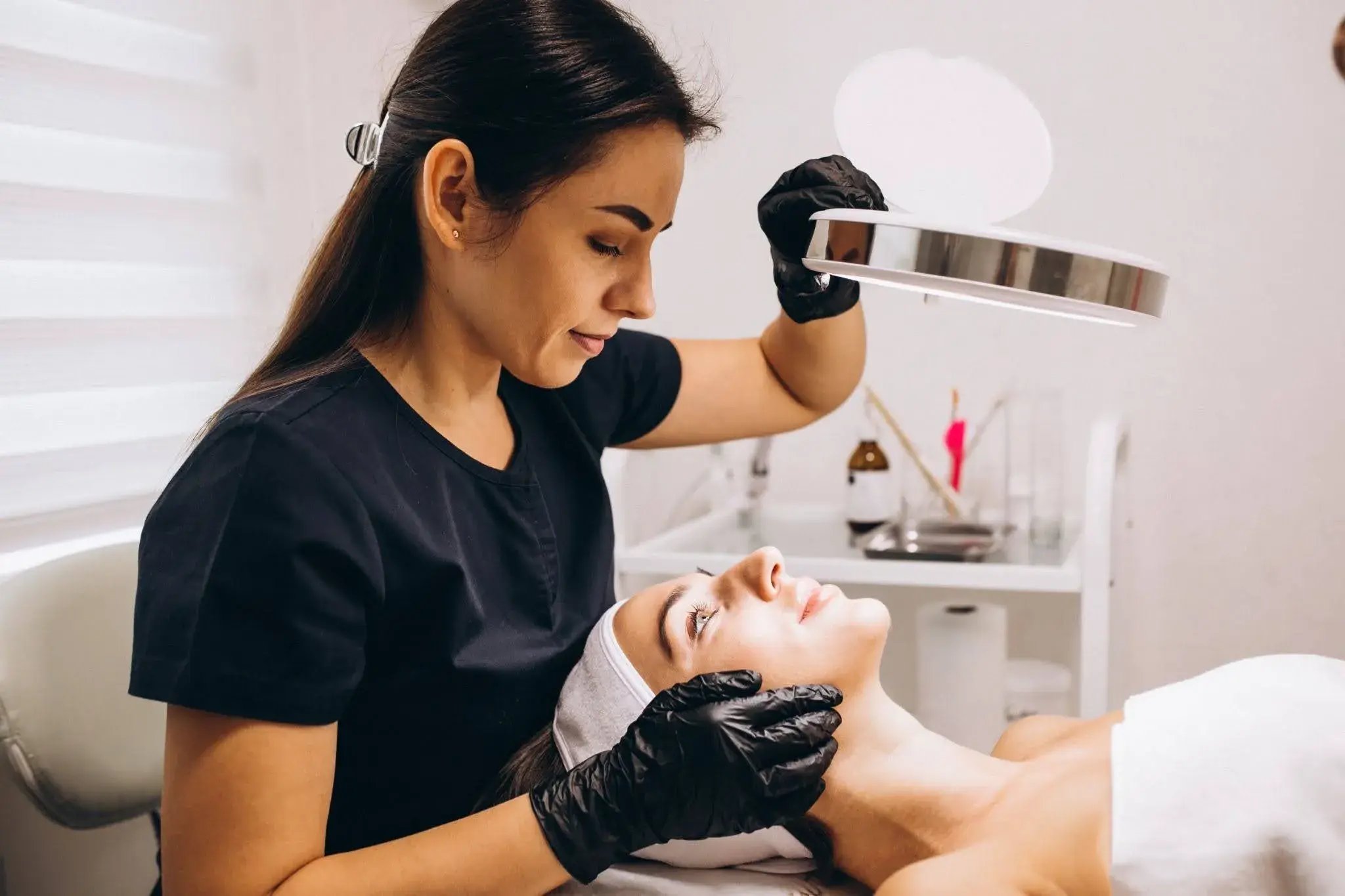
Initial Skin Evaluation
Before any treatment is planned, a full clinical assessment is conducted. This covers the pattern, depth, and severity of pigmentation, skin type and Fitzpatrick classification, hormonal history and any relevant medical background, current skincare routine and previous treatments, and lifestyle factors including sun exposure habits and downtime availability.
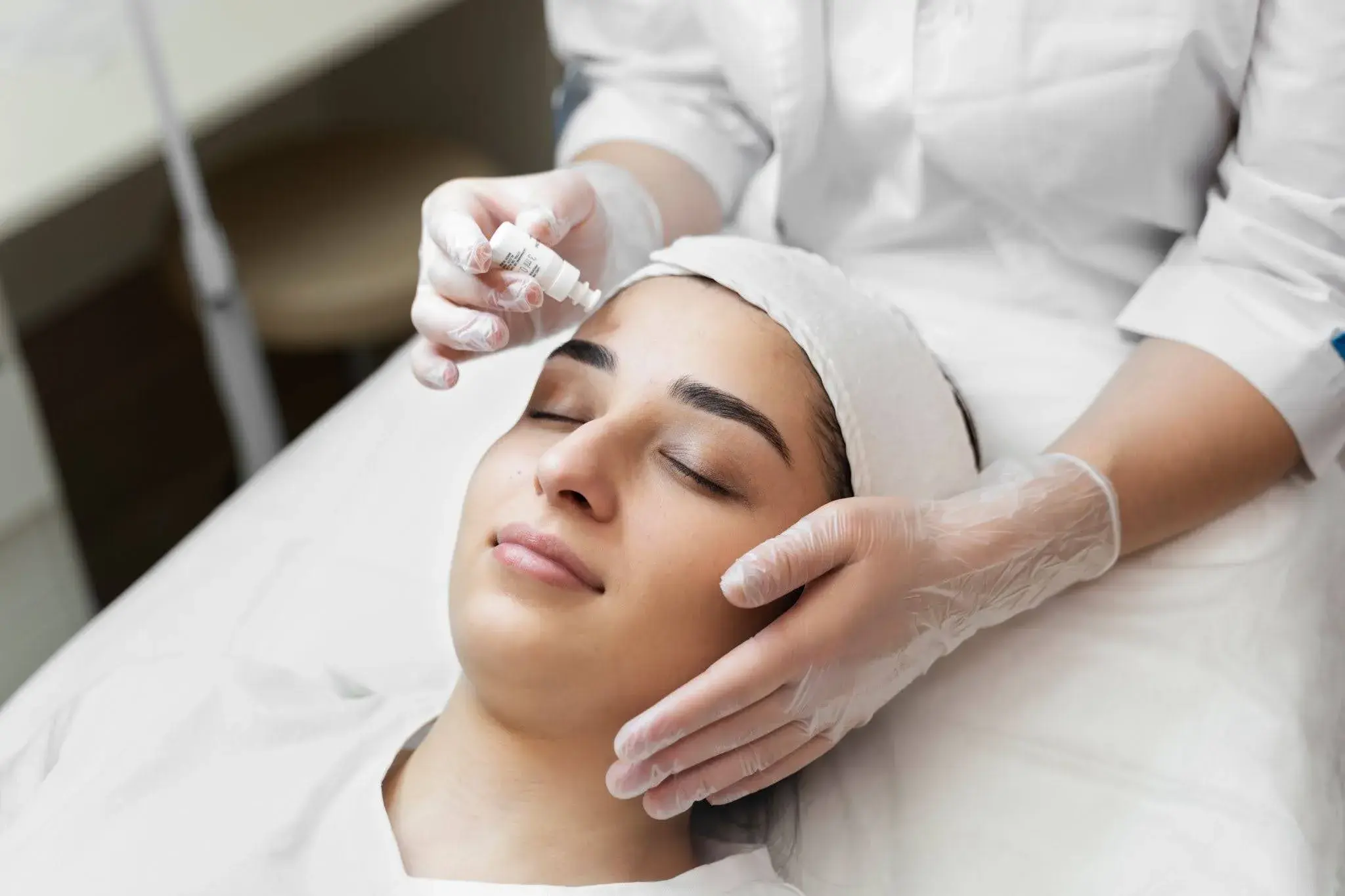
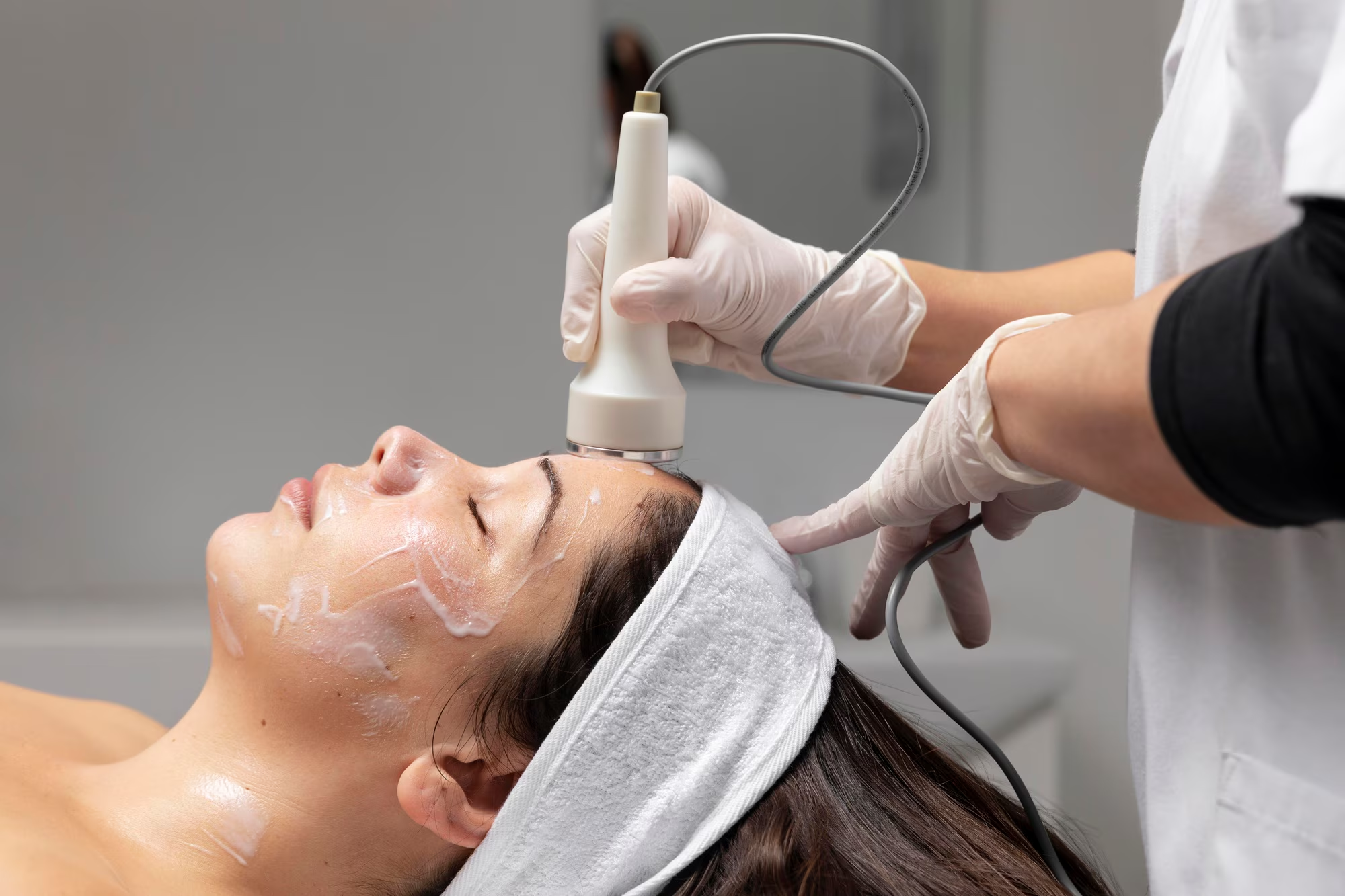
In-Clinic Peel Application
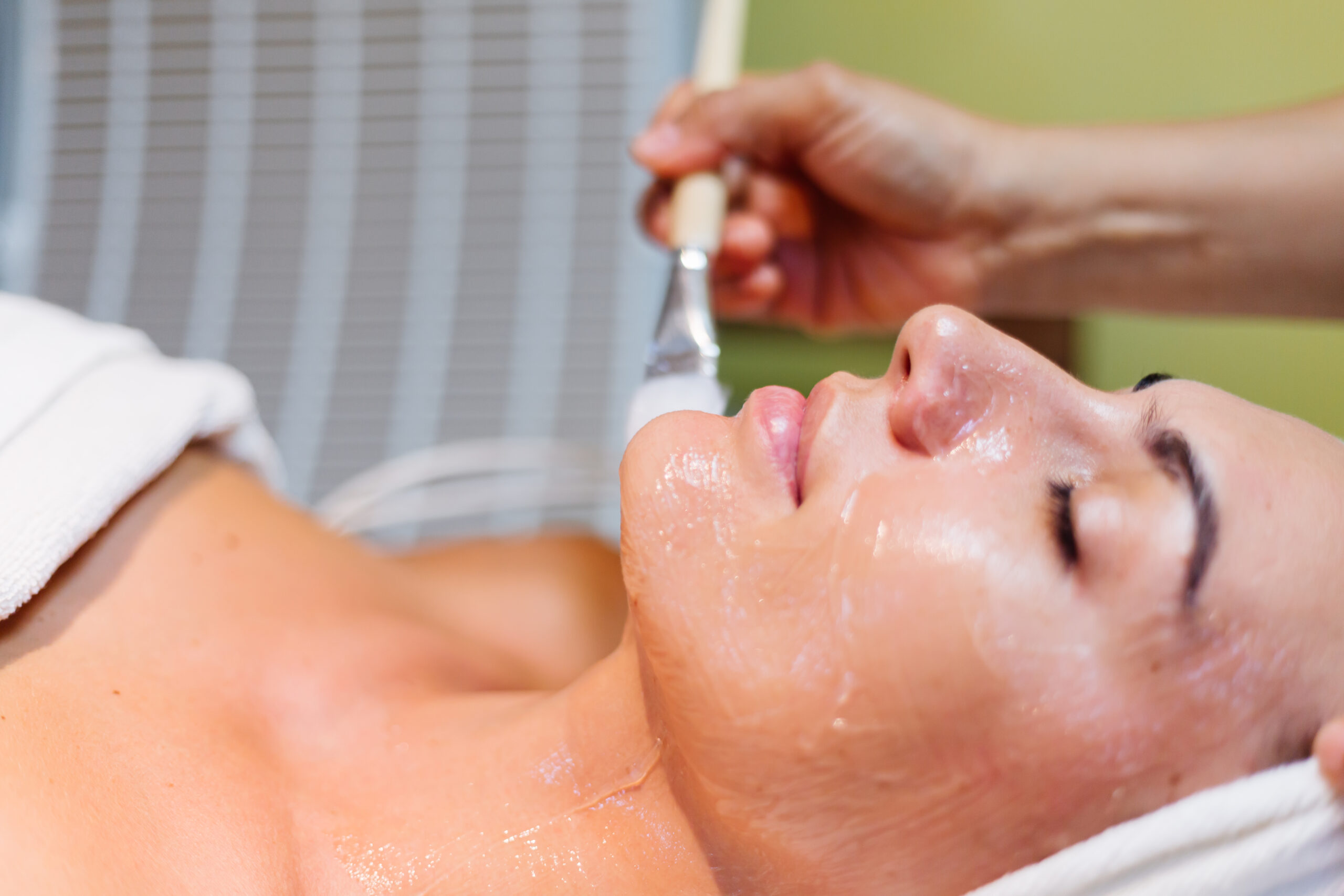
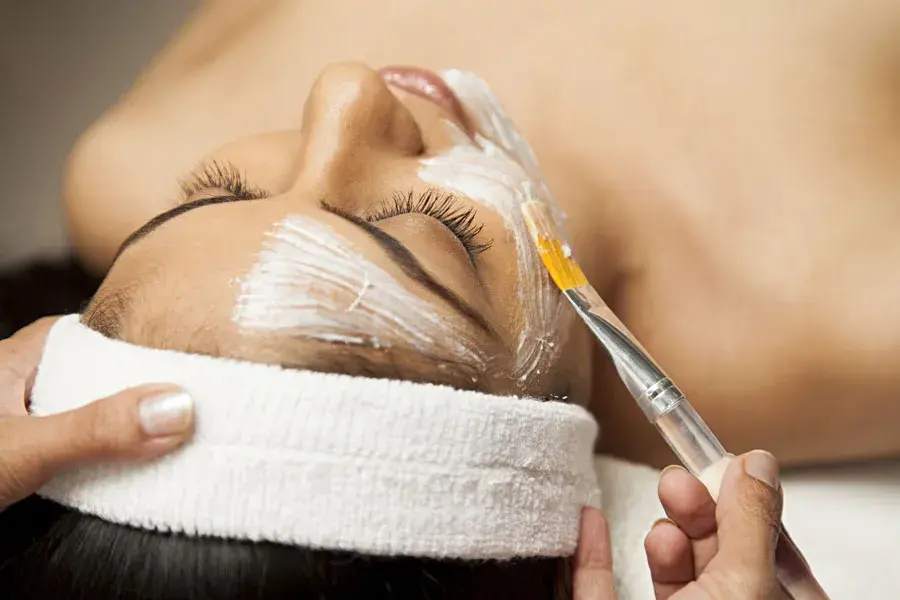
The application appointment is straightforward and takes approximately thirty minutes. The skin is thoroughly cleansed and degreased before application to maximise penetration of the active ingredients. The Dermamelan mask is then applied across the full face as a thick, opaque cream. It is left in place for eight to twelve hours, sometimes longer depending on skin type and pigmentation severity, and the patient leaves the clinic wearing it. The mask appears as a pale yellow film across the face during the wear period. Most patients experience mild warmth or tingling. The mask is removed at home at the prescribed time using gentle soap and lukewarm water.
Home Care and Maintenance Protocol
The at-home regimen begins a few days after the mask, once the initial peeling has settled. It typically consists of a daily depigmenting cream and a maintenance gel, applied morning and evening alongside daily SPF 50. The regimen runs for three to four months. This phase is not optional, it is where the sustained tyrosinase inhibition that determines long-term results takes place.
Follow-Up Appointments and Progress Monitoring
Follow-up appointments allow the dermatologist to assess the skin's response, adjust the at-home regimen if needed, and determine whether a second mask application is warranted for more extensive or resistant cases. For most patients, a single mask combined with the full maintenance course is sufficient. For severe or stubborn melasma, a second mask two to four weeks after the first can enhance outcomes.
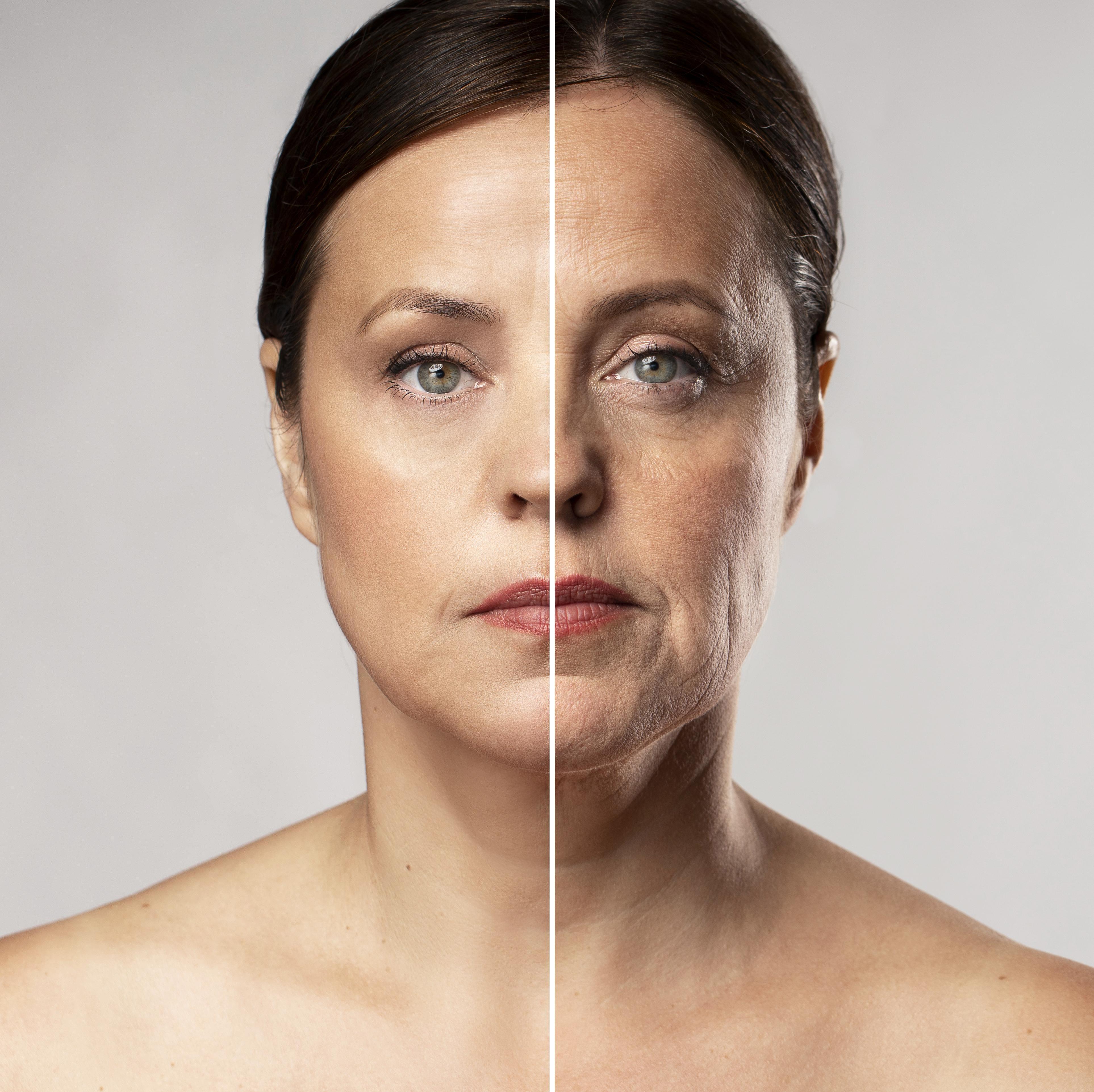
Dermamelan Peel Before and After: When Will You See Results?
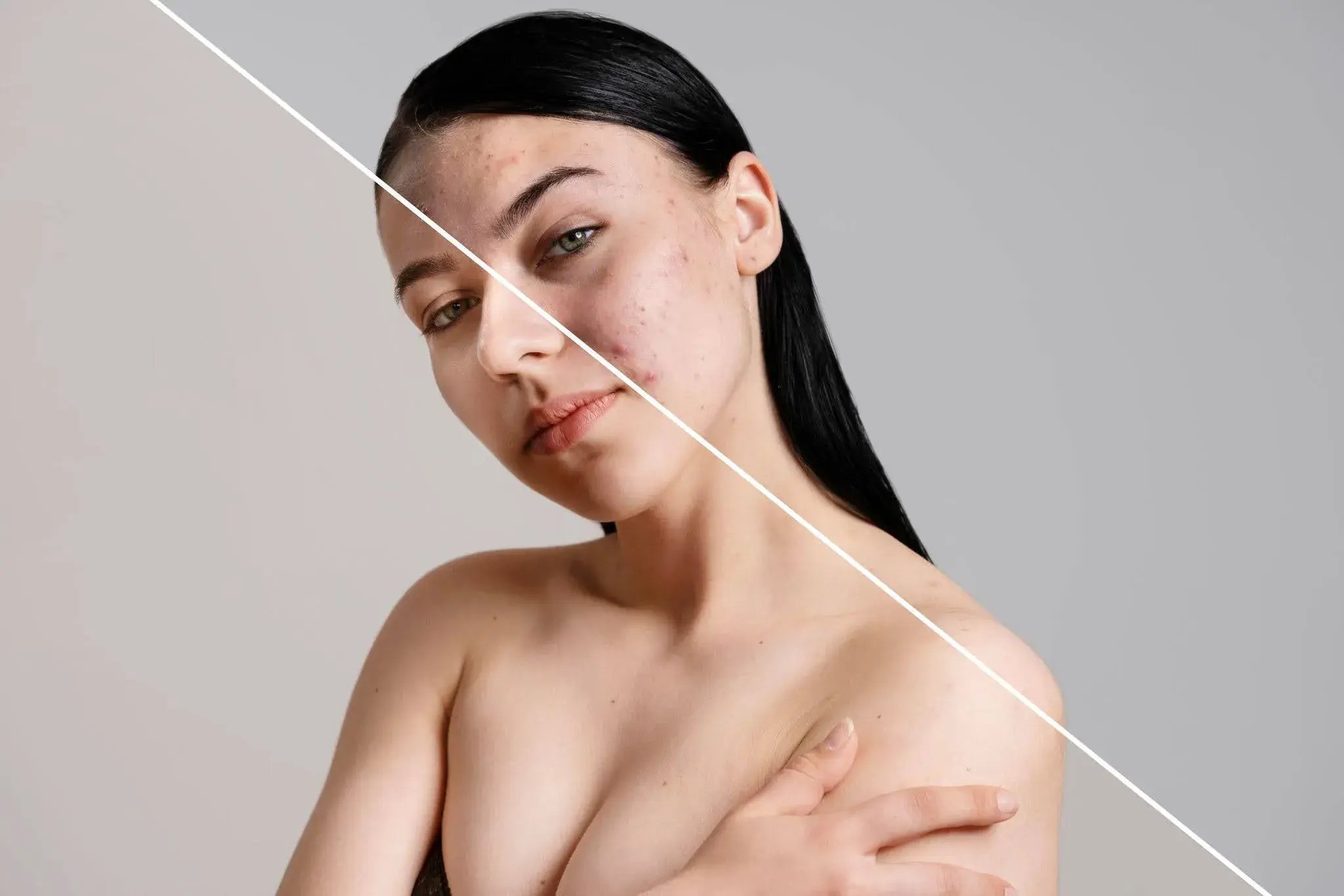
Note: This is a representative image. Every skin is unique, so results may differ from person to person.
Week by Week Results Timeline
- Days one to seven — the initial peeling phase. The skin sheds and pigmentation may temporarily appear more pronounced before improvement begins. This is a normal part of the process.
- Week two — initial brightening becomes visible. Pigmented patches begin to lighten noticeably.
- Weeks three to six — clear improvement in tone and texture. Pigmentation is measurably lighter and skin appears more even.
- Months two to three — optimal results emerge as the at-home regimen completes its course and sustained melanin inhibition consolidates the improvement.
- Beyond three months — the maintenance phase sustains results. At-home products and daily SPF become the primary tools for long-term pigmentation control.
Peeling and Redness After Treatment
Both peeling and redness are expected responses to Dermamelan. They are signs that the treatment is working, not signs that something has gone wrong. Redness typically resolves within 48 to 72 hours of mask removal. Peeling follows over days three to seven. The key instruction is not to assist the peeling by picking or pulling at the skin. Doing so increases the risk of post-inflammatory marks and disrupts the healing process.
Importance of Adherence to Maintenance Care
The at-home maintenance phase is where most patients either sustain their results or lose them. Skipping or shortening it allows the melanin production pathway to reactivate, and pigmentation to return.
Sun Protection During Recovery
Daily broad-spectrum SPF 50 is non-negotiable throughout the entire treatment period, during recovery and for the full duration of the maintenance phase. Treated skin is significantly more photosensitive, and any unprotected UV exposure during this period can trigger a rebound in melanin production that undoes the treatment's clinical effect. Ideally, SPF with iron oxide content is recommended for patients with melasma. As iron oxide provides protection against visible light, a known melasma trigger that standard SPF does not fully block.
Skincare Practices to Support Healing
During recovery, the skincare routine should be simplified to the essentials. The prescribed medical-grade moisturiser, the Dermamelan maintenance products as directed, and SPF 50. Avoid additional actives like vitamin C serums, retinoids, and exfoliating acids as they drive irritation that compromises the skin barrier and undermines results.
What to Avoid After Dermamelan
- Applying Dermamelan without a committed daily SPF regimen
- Introducing aggressive home actives like high-concentration retinoids, glycolic acids, or strong vitamin C during the maintenance phase can cause irritation that compromises the barrier and the treatment outcome
- Picking or assisting the peeling skin
- Heat exposure, saunas, and steam rooms during the recovery period
- Booking laser, microneedling, or a further chemical peel within four weeks before or after treatment
Setting Realistic Expectations
Dermamelan delivers significant, clinically measurable improvement in moderate to severe pigmentation. It does not guarantee permanent removal. Melasma in particular is a chronic condition, the goal is sustained remission rather than a permanent cure. Patients who commit to the maintenance regimen, wear daily SPF 50, and attend follow-up appointments consistently achieve the most durable outcomes.
Are There Any Side Effects or Precautions?
Expected and temporary:
- Mild redness immediately following mask removal. It resolves within 48 to 72 hours
- Tight, sensitive sensation in the days after removal. It’s a part of normal barrier recovery
- Peeling and flaking in the first week. It is expected and a normal part of the treatment
- Mild irritation from the early at-home products as the skin adapts to the active ingredients
- Increased photosensitivity throughout the treatment period
Less common:
- Prolonged redness beyond one week. It is uncommon and usually settles with appropriate moisturiser support
- Paradoxical pigmentation worsening if sun protection is inadequate
- Cold sore reactivation in patients with a history of herpes simplex. Preventive antivirals for this can be arranged where relevant
Serious complications are uncommon when treatment is administered by an experienced clinician and the aftercare protocol is followed. Patient selection and the adjustment of mask wear duration to skin type are the primary factors in minimising risk.
Dermamelan vs Cosmelan: How Are They Different?
|
Comparison Factor |
Dermamelan |
Cosmelan |
|
Developer |
Mesoestetic |
Mesoestetic |
|
Target pigmentation severity |
Moderate to severe melasma and resistant PIH |
Mild to moderate pigmentation and melasma |
|
Treatment intensity |
Higher. Longer mask wear, more intensive initial phase |
Moderate. Slightly lower intensity initial application |
|
Maintenance protocol |
Structured 3 to 4 month at-home regimen |
Similar maintenance regimen, slightly lower concentration products |
|
Suitable candidates |
Established, stubborn or hormonally driven melasma |
Broader range of pigmentation including milder cases |
|
Recovery |
5 to 7 days visible peeling and redness |
3 to 5 days typically |
|
Professional supervision |
Essential. Dermatologist-administered |
Essential. Dermatologist-administered |
The choice between the two is made at consultation based on the severity and pattern of your pigmentation, your skin type, and your tolerance for downtime.
How Much Does Dermamelan Peel Treatment Cost?
Dermamelan pricing varies based on several clinical and practical factors:
- The extent and severity of pigmentation being treated
- Whether a single mask or repeated applications are required
- The number of follow-up appointments included in the treatment plan
- The full at-home maintenance product kit required for three to four months of use
For an accurate understanding of what your treatment would involve and cost, a consultation is the appropriate starting point..
For context on what influences the cost of professional chemical peel treatments more broadly, this guide covers the key pricing factors in detail — how much does a chemical peel cost.
Clearer Skin Starts with the Right Approach
Stubborn pigmentation needs more than surface level treatment. Dermamelan targets excess pigment at its source and helps reduce the chances of it returning.
The best results come from consistency. Follow the maintenance plan, protect your skin from UV exposure, and trust the process. Combined with the right clinical guidance, this approach can deliver results that last.
|
Not sure where to start with your pigmentation concern? Our dermatologists at Bodycraft Clinic offer both in-person and online consultations. If you would like to discuss your skin before committing to a treatment, a FREE online dermatologist consultation is a practical first step, book here, or chat with us directly to ask any questions before you book. |
FAQs
1. Is Dermamelan suitable for men?
Yes. While melasma is statistically more common in women, driven largely by hormonal factors, men do develop melasma and other forms of stubborn pigmentation. Dermamelan's protocol is identical regardless of gender, and clinical outcomes are equivalent. Men seeking treatment for sun-induced pigmentation, post-acne marks, or melasma are appropriate candidates for assessment.
2. Which areas of the face and body can Dermamelan treat?
Dermamelan is formulated for facial use and applied across the full face. The neck and décolletage are sometimes treated alongside the face in patients with extended pigmentation, though technique and recovery profile differ slightly in these areas. Dermamelan is not designed for general body pigmentation, different formulations exist for body-specific concerns.
3. Can Dermamelan be combined with other skin treatments?
Yes, in carefully staged sequences. A minimum gap of four weeks is recommended between Dermamelan and any laser, microneedling, or additional chemical peel. For patients with particularly resistant melasma, combining Dermamelan with oral tranexamic acid is sometimes recommended. This is assessed individually at consultation based on the clinical presentation.
Get in touch


A little game. A big surprise!
Pull the slot machine lever to reveal your exclusive Bodycraft reward








A little game. A big surprise!
Pull the slot machine lever to reveal your exclusive Bodycraft reward