Get a complimentary consultation today. Get in touch
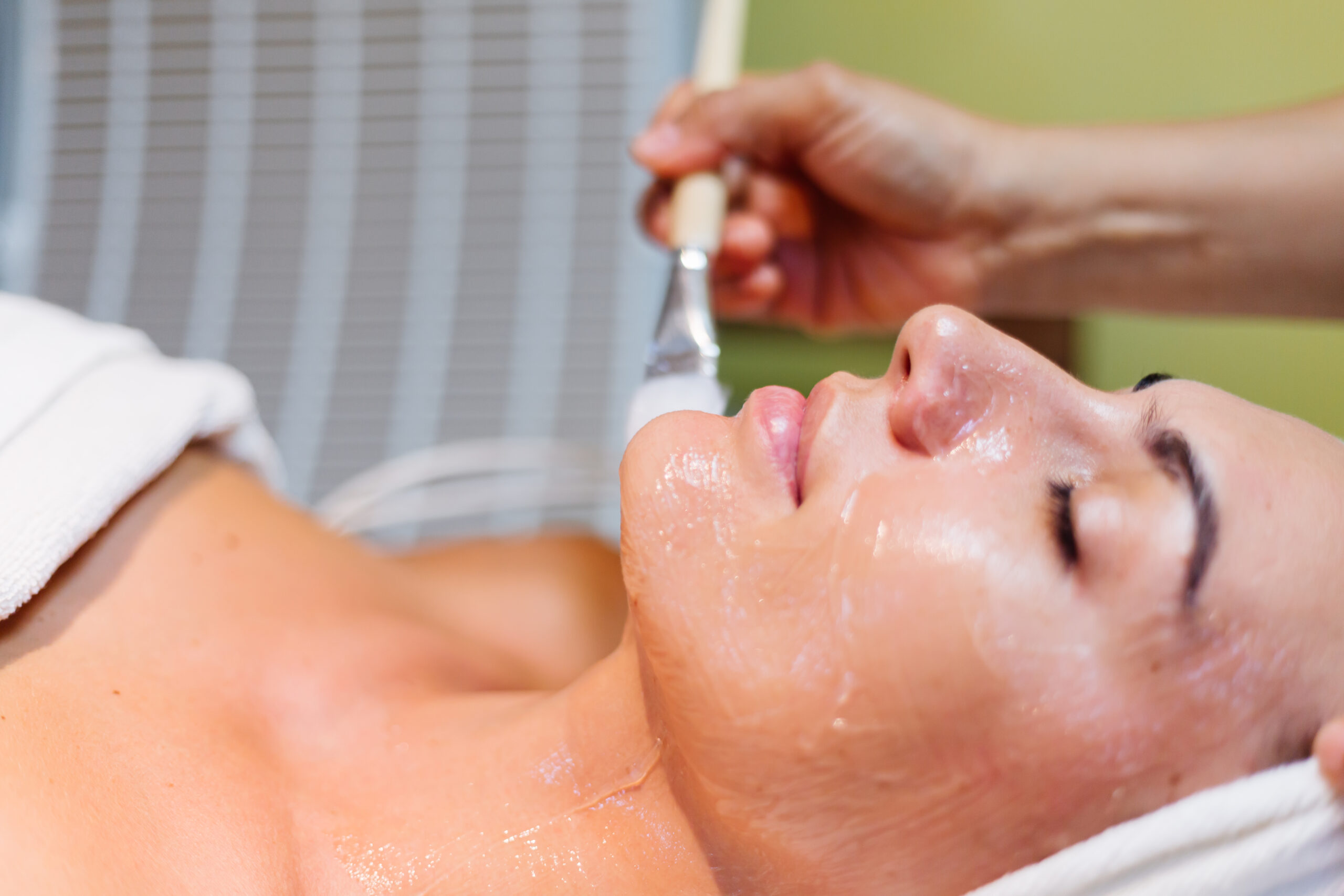
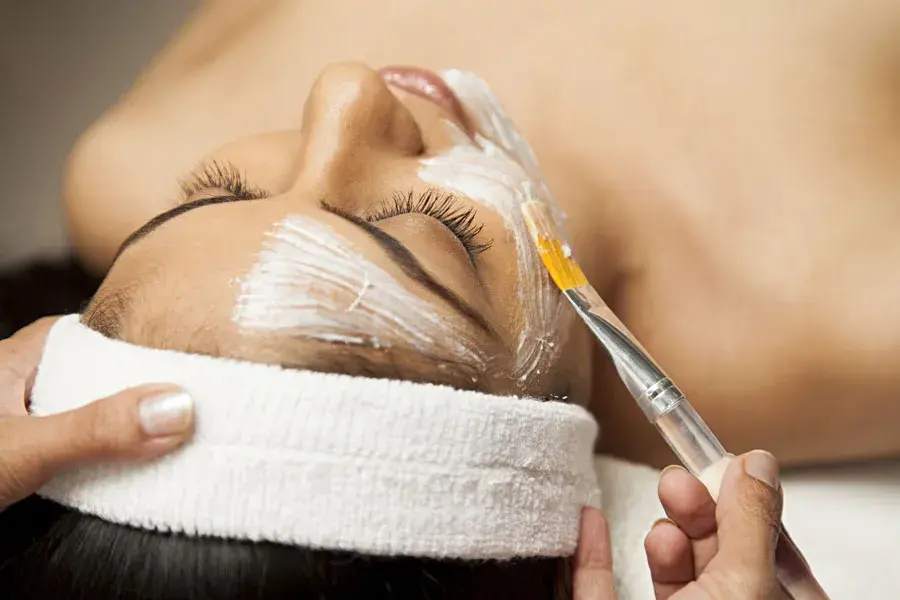
"Skin Whitening" techniques are for making the skin look brighter, more luminous, and even-toned by removing dark spots and hyperpigmentation. Among the methods, chemical peels are the most effective.
The brightening effect of a chemical peel is a result of its ability to remove dead dull skin cells which contain a high amount of melanin and to stimulate new skin growth that has less pigment.
When it comes to chemical peel that lightens or brightens the skin, dermatologists generally decide on the following agents. The categorization of these agents is based on their degree of gentleness as well as the skin type that will benefit from them the most:
1. The Gentle Brighteners (Best for Sensitive or Darker Skin)
|
Peel Type
|
Derived From
|
Best For
|
Why It Works for Brightening
|
|
Lactic Acid
|
Milk
|
Dry, Sensitive, or First-Time Peel Users
|
Hydrates while exfoliating; one of the gentlest AHAs, minimizing irritation risk.
|
|
Mandelic Acid
|
Almonds
|
Oily, Acne-Prone, or Darker Skin Tones
|
Larger molecule size penetrates slower, making it less irritating and excellent for reducing post-acne dark marks (PIH).
|
2. The Gold Standard (Best for General Dullness & Mild Spots)
Glycolic Acid is considered the most representative and popular member of the Alpha Hydroxy Acid family (AHAs). With its small molecular size, glycoilic acid can effectively reach the skin layers where the dead cells are and break them down. For texture, glow, and mild sun spot fading, this acid is a very powerful 3-6 treatment series.
For Stubborn Pigmentation: Combination Peels What if melasma or severe sun damage is behind the stubborn pigmentation? Just think a mild peel to be insufficient in this case. Hence, the most effective results are commonly attributed to combo peels.
These salon-grade treatments combine several lightening components such as TCA (Trichloroacetic Acid), Retinol, Kojic Acid, and Hydroquinone, to deal with pigmentation at various skin layers. They entail more time off but also deliver the most radical and comprehensive skin renewal.
A Safety Essential
Chemical peels are very good in skin brightening but a professional qualified should carry out the procedure. A wrong peel application, in particular with medium or deep peels, can result in Post-Inflammatory Hyperpigmentation (PIH), which in turn causes the skin to darken - the exact opposite of what you want.
Its best to consult a dermatologist for the best peel for your skin. You may also consider taking a skin analysis test for your skin type, tone, and the depth of your pigmentation can be examined. This can decide the safest, most effective treatment route.
Quick FAQ
Do chemical peels bleach the skin?
Not at all. They do not bleach. They exfoliate and limit pigment production in the skin thus uncovering the natural, healthier, and brighter skin.
Is sun protection necessary?
Definitely. It is especially necessary after a peel when the skin is new and vulnerable to UV rays which can very quickly cause the pigmentation problem you have just treated to come back.
Explore More Articles:
Get in touch





.png)


-1.png)



-1.png)
-3.png)




.png)




-Aug-02-2026-05-23-10-1368-PM.png)


.webp)
-1.webp)
.webp)
-Jul-07-2026-12-19-56-1023-PM.webp)




-Jun-01-2026-02-54-50-5351-PM.png)
-Jun-01-2026-02-45-39-8016-PM.png)

-May-29-2026-03-30-08-6855-PM.png)


-1.webp)

-3.webp)

.webp)
.webp)
-1.webp)

.webp)
.webp)

.webp)

.png)