



.png)




.png)
.png)


-1.png)




-1.png)
-3.png)



.png)




-Aug-02-2026-05-23-10-1368-PM.png)



.webp)
-1.webp)
.webp)
-Jul-07-2026-12-19-56-1023-PM.webp)




-Jun-01-2026-02-54-50-5351-PM.png)
-Jun-01-2026-02-45-39-8016-PM.png)
-May-29-2026-03-30-08-6855-PM.png)
-1.webp)

-3.webp)




.webp)
.webp)
-1.webp)
.webp)
Hair
-Jan-27-2026-08-16-49-0564-AM.jpg)
Hair
4 minutes read | 27 Jan 26
Get a complimentary consultation today. Get in touch
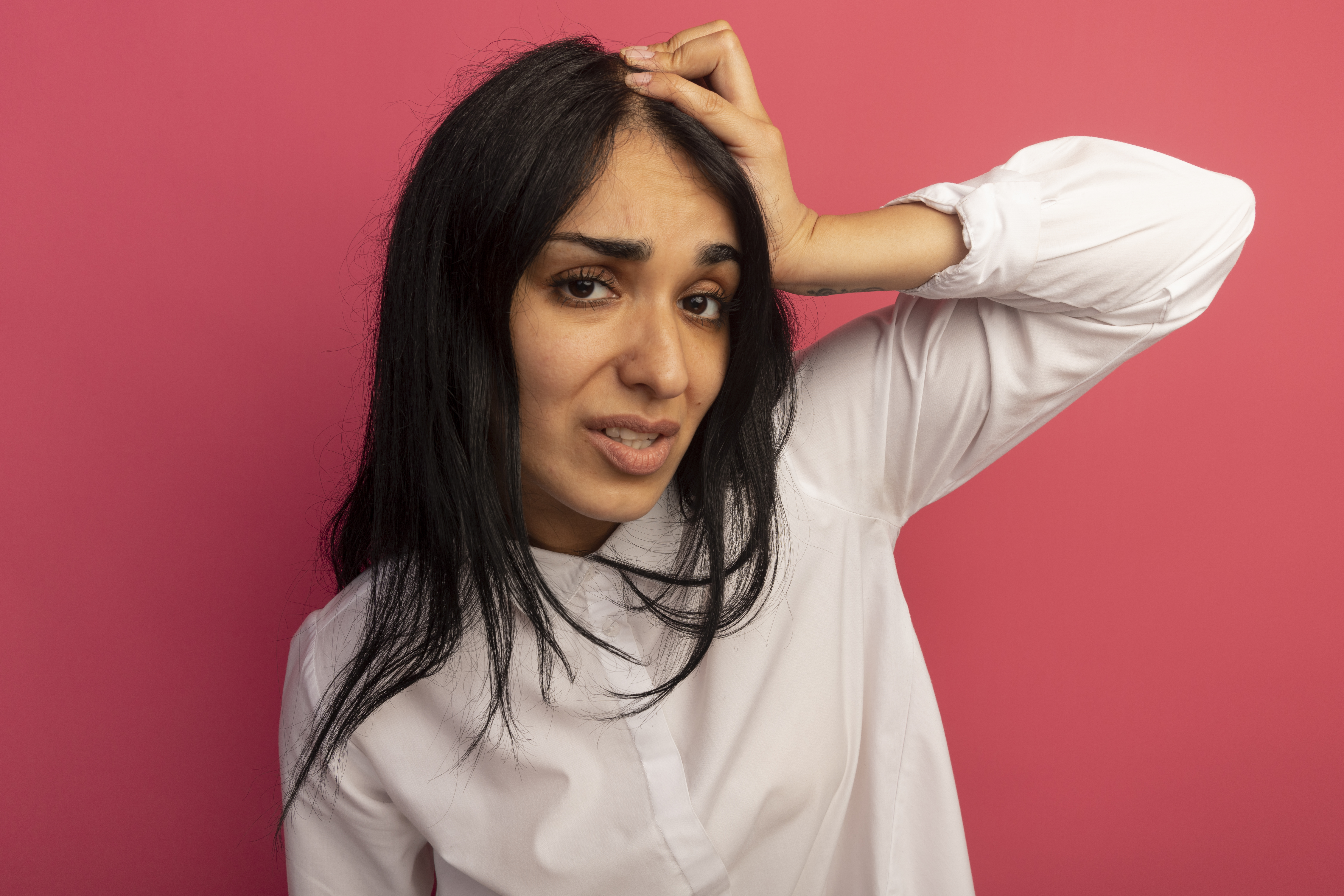
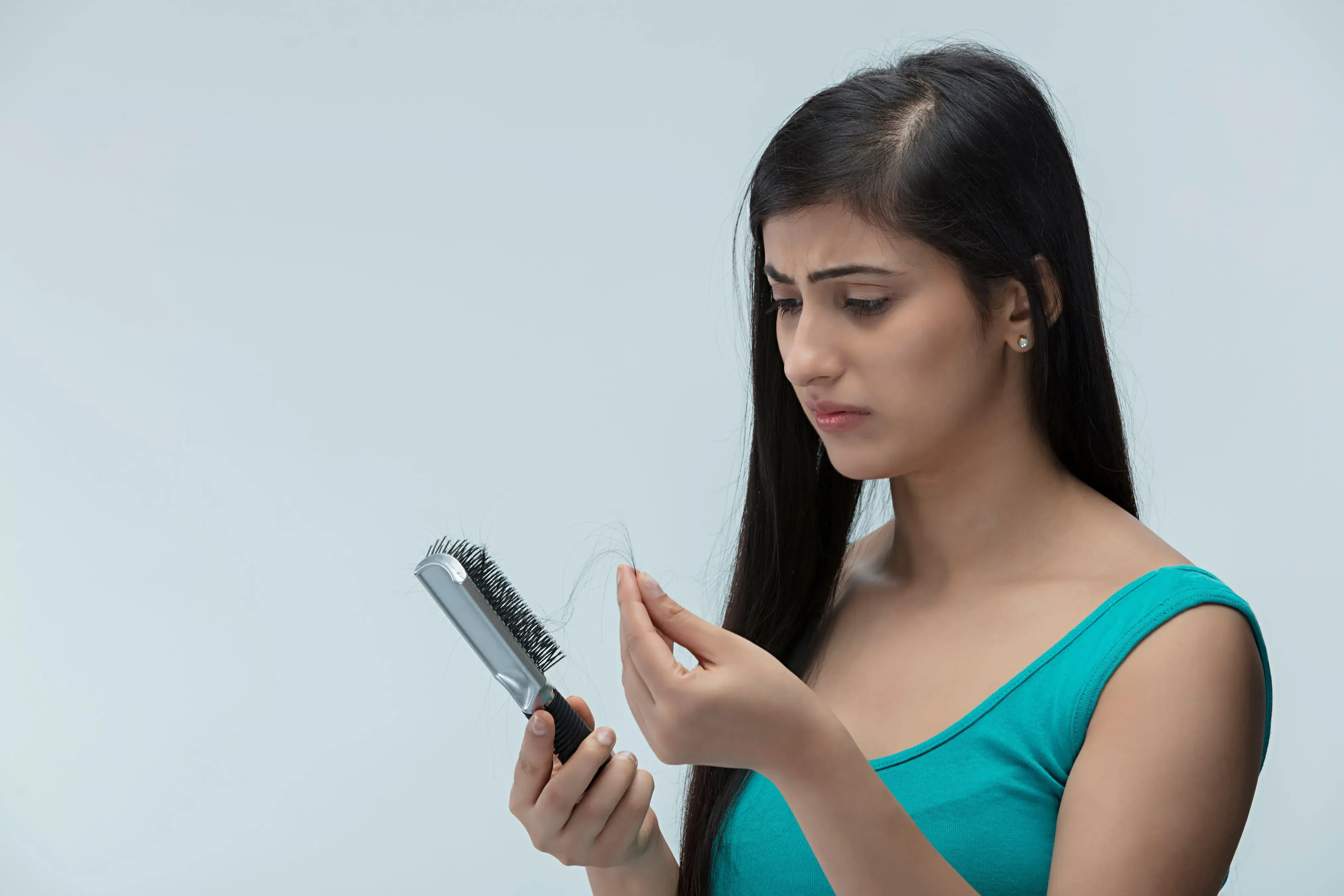
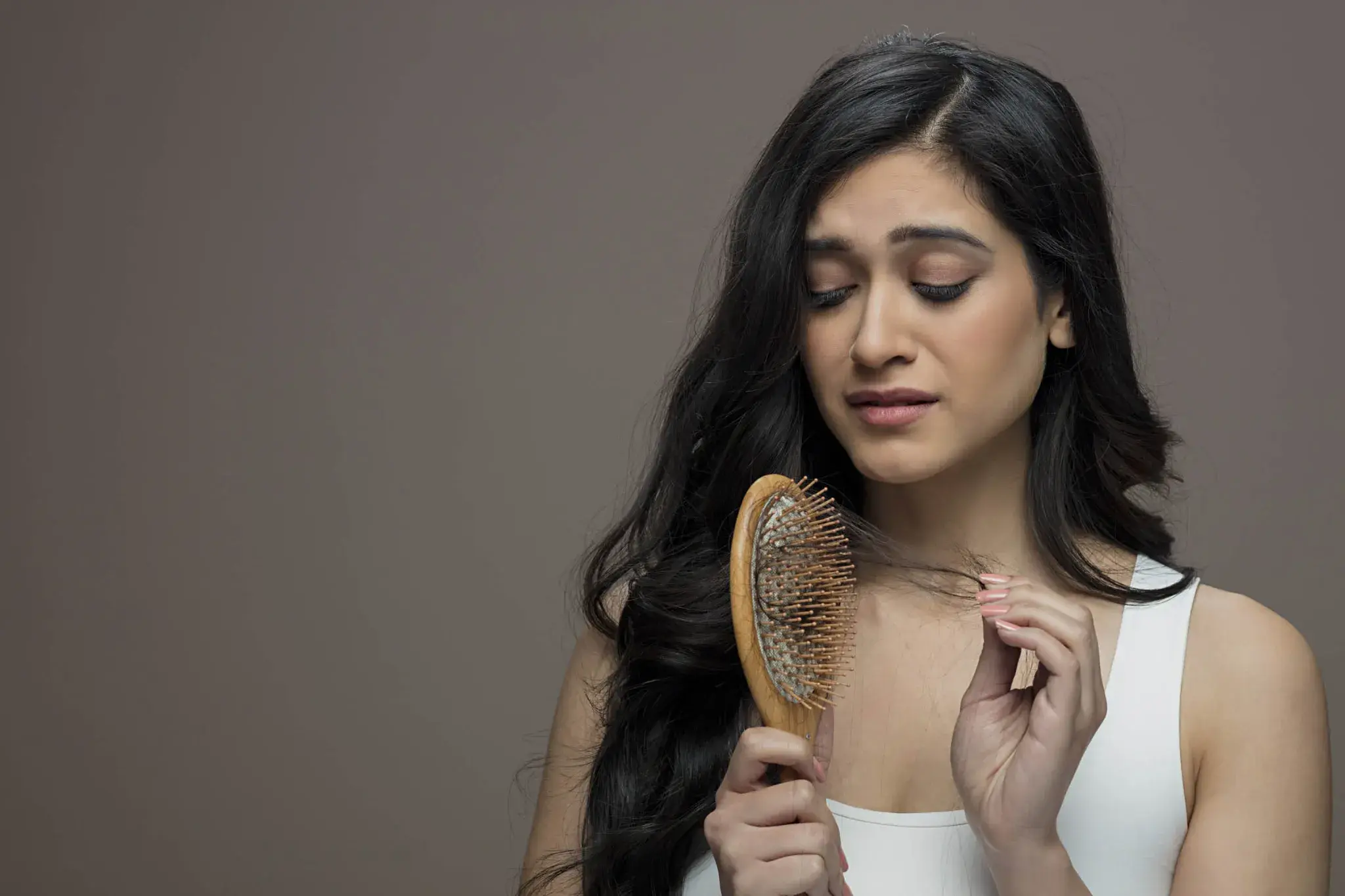
Seeing hair on your pillow, bathroom floor, or hairbrush can be unsettling especially when it feels like it’s more than usual. Hair fall in women is incredibly common, but understanding why it’s happening is the first step towards treating it effectively.
From lifestyle changes to hormonal shifts, there are several reasons behind female hair fall. The good news? Most causes are manageable with the right care, consistency, and professional guidance.
How to Know If Your Hair Fall Is Normal or Excessive?
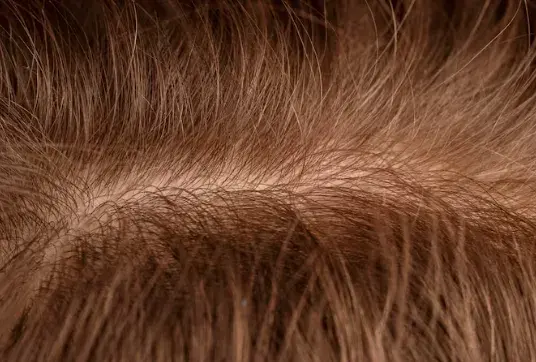
Losing 50–100 strands of hair a day is considered normal as part of the natural hair growth cycle. However, hair fall may be excessive if you notice:
- Visible thinning or widening of the part
- Excess hair shedding during washing or brushing
- Reduced hair volume or weaker ponytails
- Hair that feels finer over time
If hair fall persists for several weeks or worsens suddenly, it may be time to look beyond everyday shedding.
10 Common Causes of Hair Fall in Women
Hair fall rarely has a single cause. In most cases, female hair fall is the result of internal changes combined with external stress on the hair and scalp. Identifying the underlying trigger helps determine the most effective treatment approach.
1. Hormonal Imbalances
Hormonal fluctuations caused by conditions such as PCOS, thyroid disorders, pregnancy, postpartum changes, or menopause can disrupt the natural hair growth cycle. This often results in increased shedding or slower regrowth.
2. Nutritional Deficiencies
Hair needs adequate protein, iron, vitamins, and minerals to grow strong. Deficiencies in iron, vitamin D, B vitamins, or protein are a common cause of hair fall in women, especially with irregular diets.
3. Stress and Emotional Fatigue
Prolonged stress can push hair follicles into the shedding phase, leading to noticeable hair fall a few months later. This type of shedding often feels sudden and alarming.
4. Poor Scalp Health
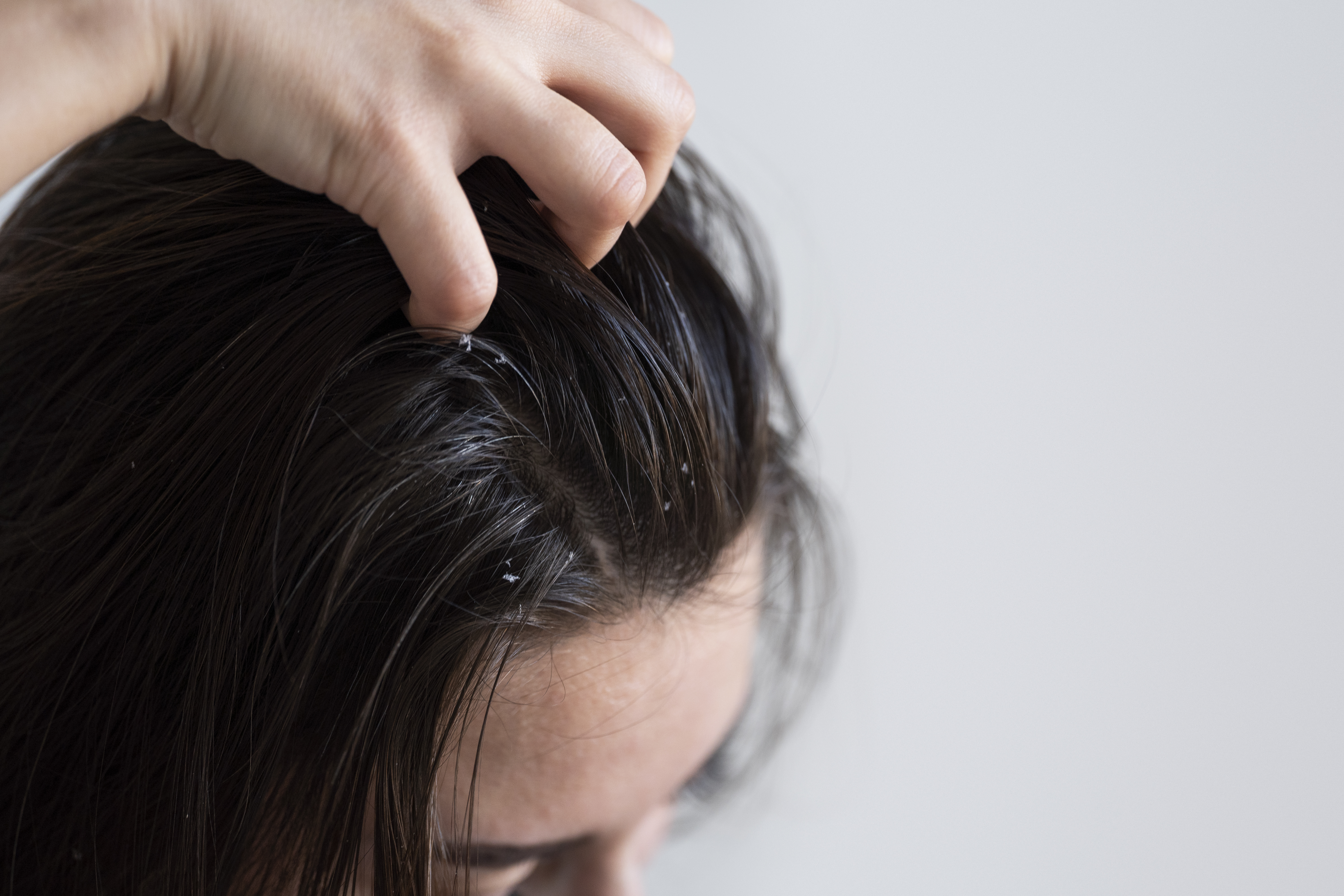
An unhealthy scalp, whether oily, dry, flaky, or congested, can weaken hair at the root. Over time, this leads to increased shedding and slower regrowth.
5. Excessive Heat Styling
Frequent use of straighteners, curlers, and blow dryers weakens the hair shaft, causing breakage that is often mistaken for hair fall.
6. Chemical Treatments
Repeated colouring, smoothing, or perming can compromise hair structure, making it brittle and prone to breakage.
7. Tight Hairstyles
Constant tension from tight ponytails, buns, or braids can stress the hair follicles, leading to traction-related hair fall, especially around the hairline.
8. Postpartum Hair Fall
After childbirth, hormonal shifts often cause heavy shedding. While temporary, postpartum hair fall can feel intense and concerning.
9. Age-Related Hair Thinning
With age, hair growth slows and individual strands become finer, leading to reduced volume and density.
10. Underlying Medical Conditions
Autoimmune disorders, severe illness, or certain medications can trigger excessive hair fall.
When Should You See a Doctor About Hair Fall?
You should consider medical advice if:
- Hair fall is sudden or severe
- You notice bald patches or scalp irritation
- Hair fall continues despite lifestyle changes
- It’s accompanied by fatigue, weight changes, or irregular periods
A combined medical and professional hair care approach often delivers the best results.
Professional Hair Fall Treatments for Women
-Jan-27-2026-08-30-14-2370-AM.jpg?width=684&height=518&name=unnamed%20(3)-Jan-27-2026-08-30-14-2370-AM.jpg)
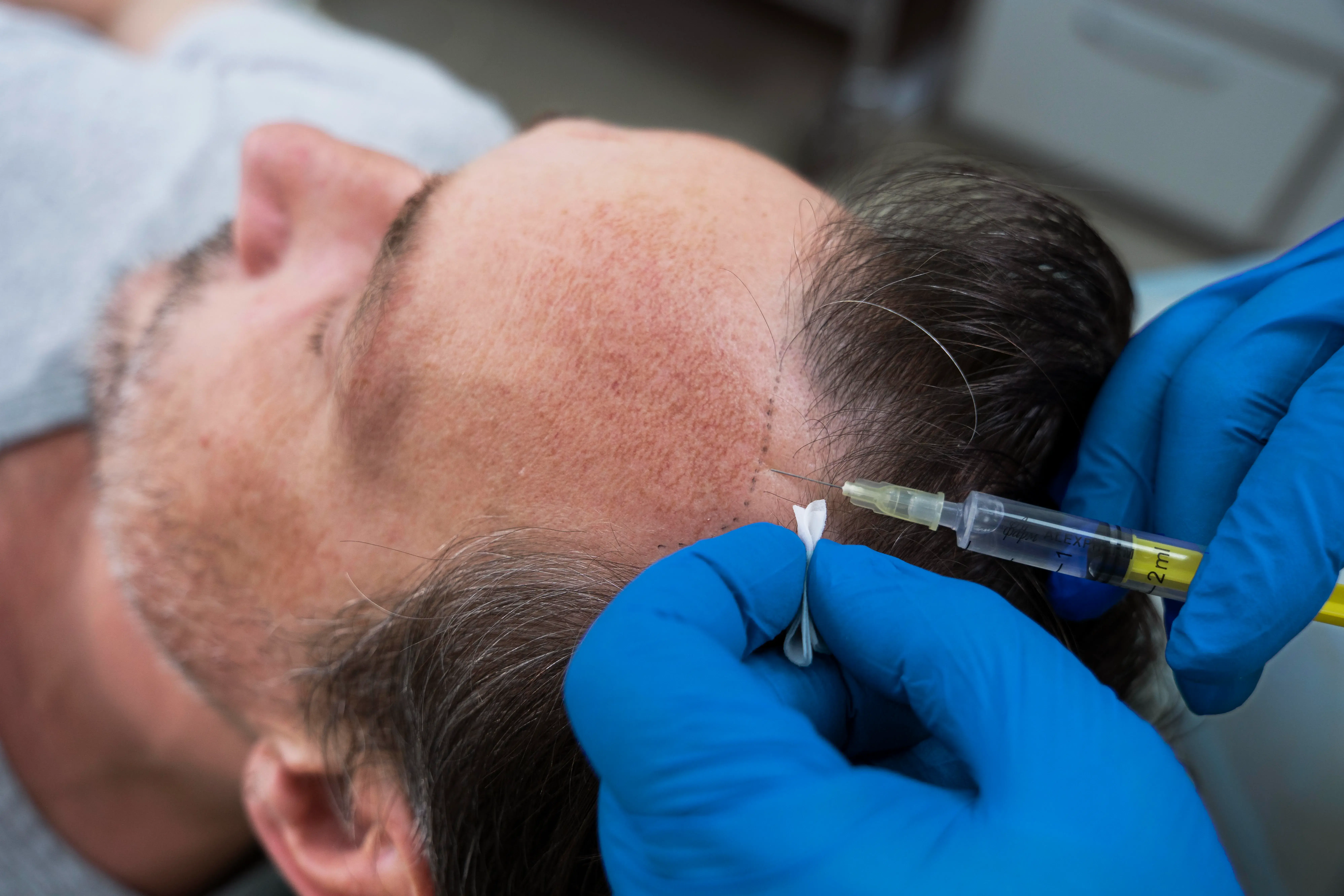
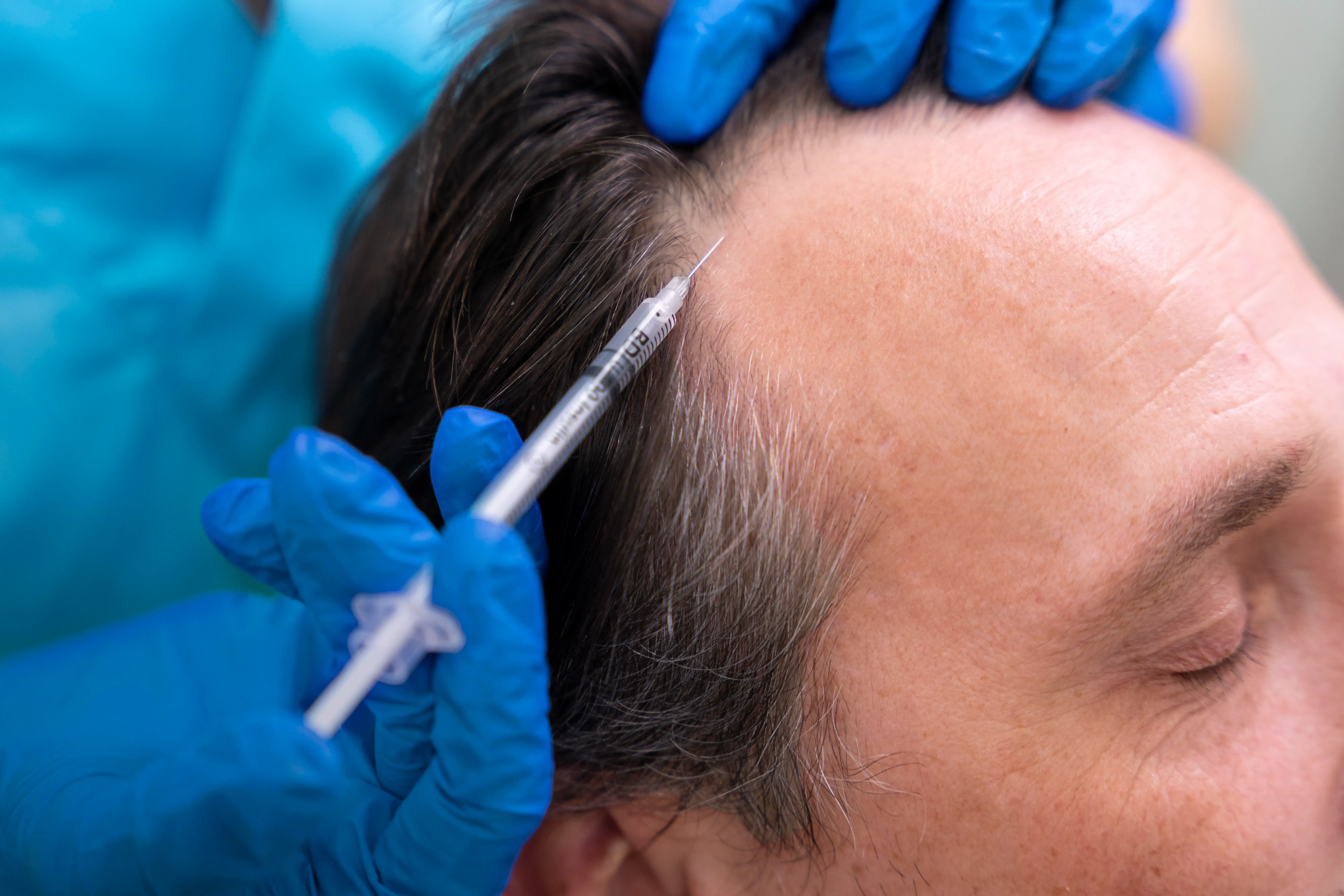
When hair fall goes beyond normal shedding, professional interventions can help strengthen hair, stimulate growth, and improve overall scalp health. Here are some of the most effective, clinically backed treatments for female hair fall:
QR678 Hair Growth Treatment
A non-surgical, clinically proven therapy that stimulates dormant hair follicles and promotes natural hair regrowth. It is ideal for early to moderate thinning and helps restore volume and density over multiple sessions.
PRP (Platelet-Rich Plasma) Hair Regrowth Treatment
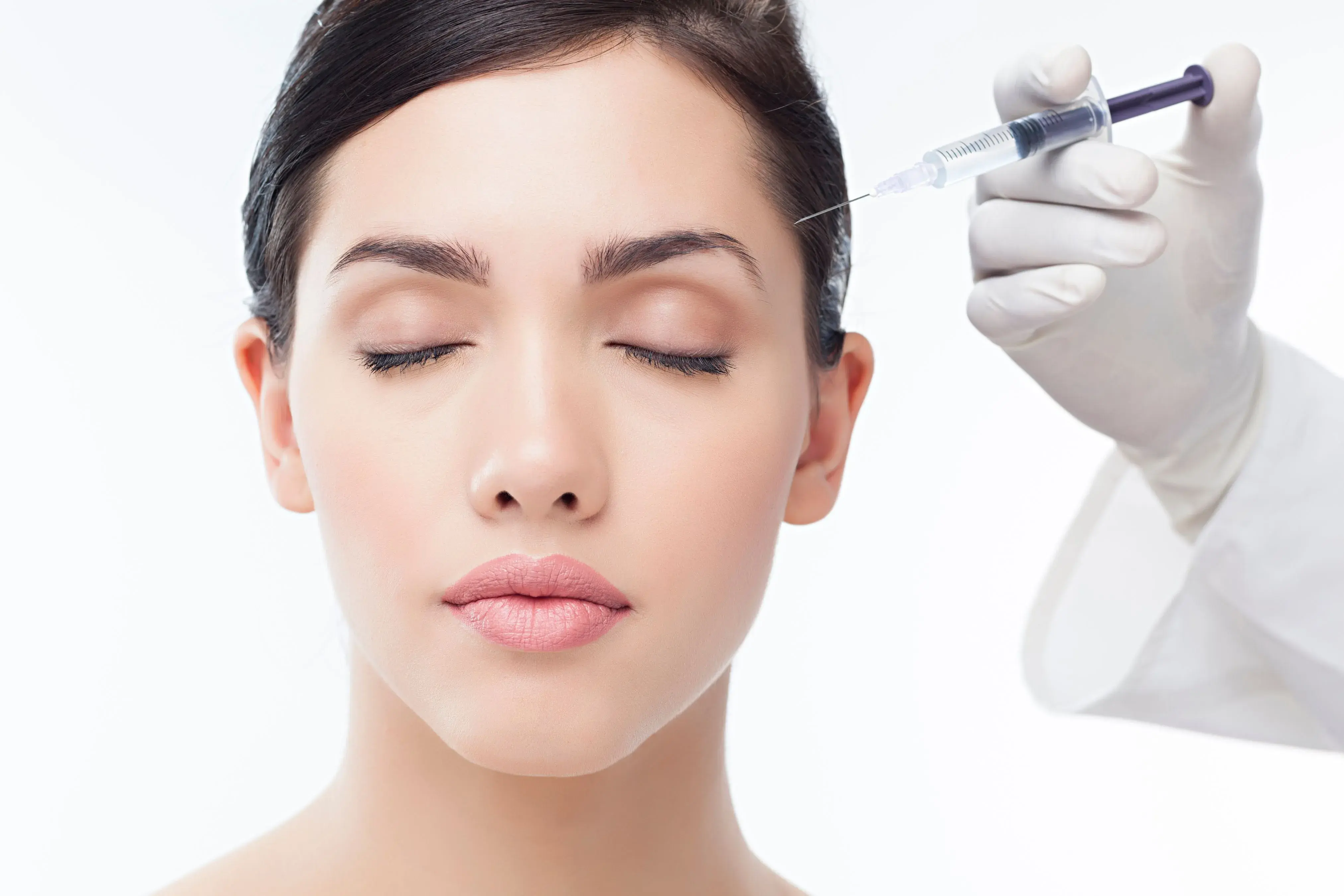
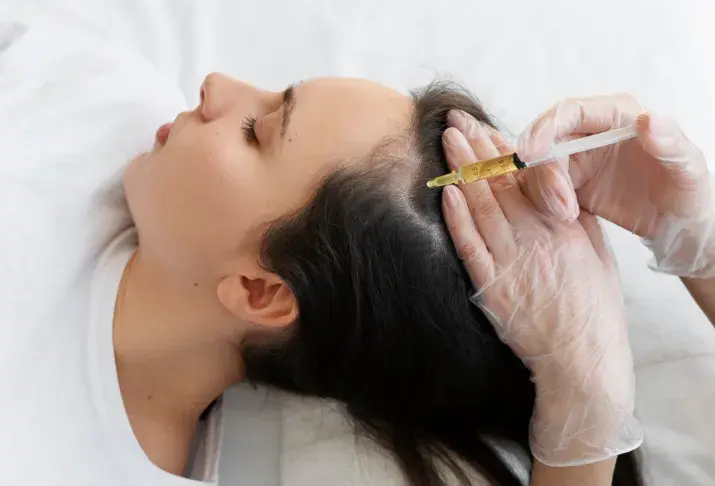
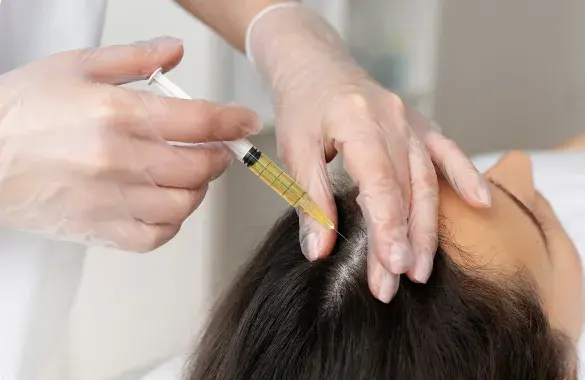
This treatment uses growth factors derived from your own blood to strengthen hair follicles, reduce hair fall, and encourage healthier regrowth. It is safe, minimally invasive, and tailored to individual hair concerns.
GFC (Growth Factor Concentrate) Hair Loss Treatment
GFC delivers concentrated growth factors directly to the scalp to improve hair thickness, density, and overall scalp health. It works effectively when combined with supportive hair care routines.
Why These Treatments Work
- Target the root causes of hair fall
- Improve hair density and texture over time
- Clinically proven, minimally invasive, and safe
- Support long-term hair health with visible results
|
Why Choose Bodycraft: At Bodycraft, every hair fall treatment is personalised, from detailed scalp analysis to the therapies chosen for your specific hair concerns. Their specialists ensure stronger roots, visible hair regrowth, and long-lasting scalp health in a safe, professional, and relaxing environment. Book your appointment today. |
Taking the First Step Towards Healthier Hair
Hair fall can be distressing, but understanding the causes and opting for professional, targeted treatments makes a real difference. With personalised care, clinically proven therapies, and consistent follow-up, stronger, fuller, and healthier hair is achievable. Start your journey today and give your hair the care it deserves.
FAQs
1. How long does it take to see results from hair fall treatments?
Most women notice reduced hair fall within 4–6 weeks, while visible regrowth may take 3–4 months, depending on the cause and treatment consistency.
2. Does washing hair daily cause hair fall?
No. Washing removes shed hair that has already completed its growth cycle. Using the right shampoo and gentle techniques is key.
3. Does cutting hair reduce hair fall?
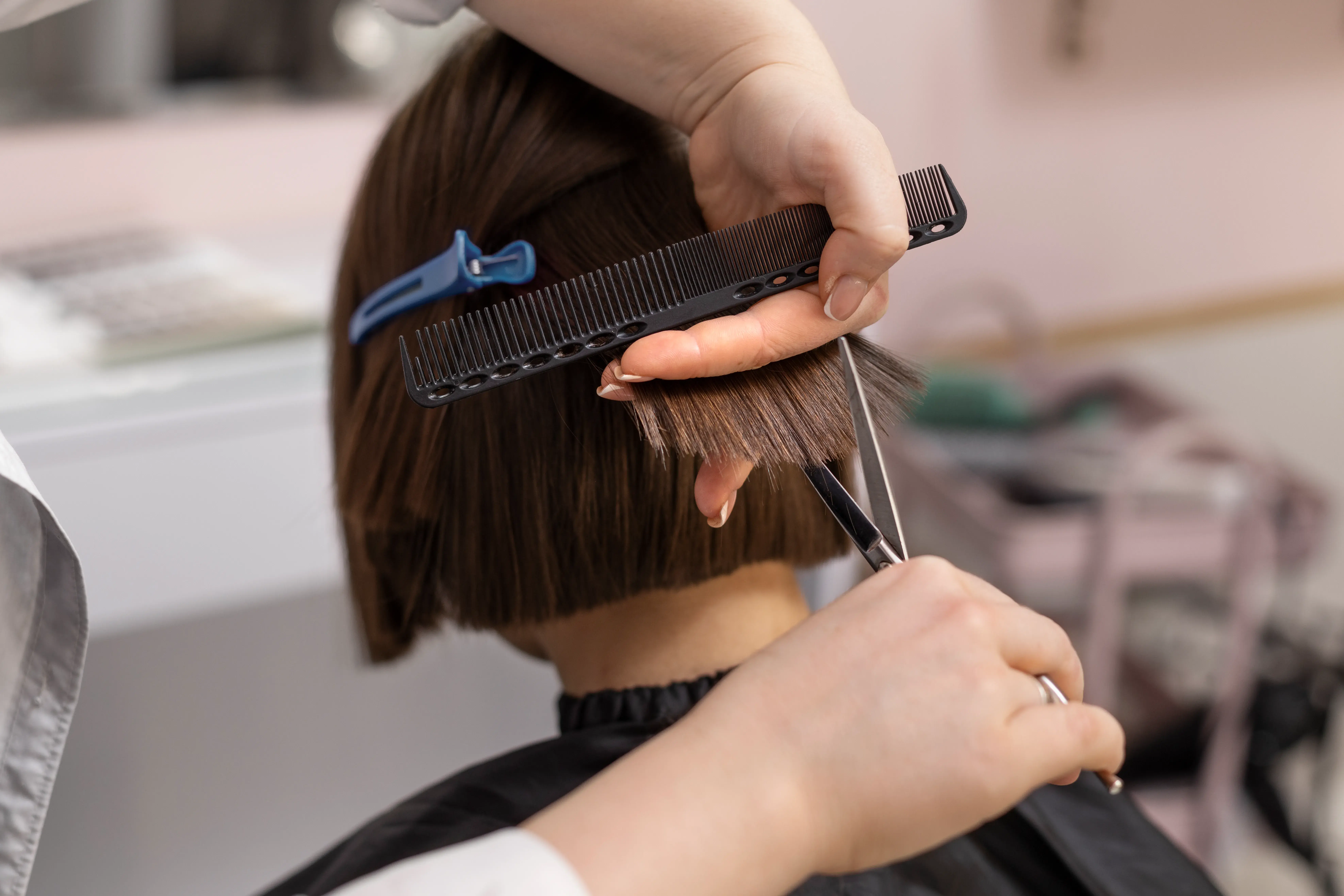
Haircuts don’t stop hair fall at the root, but regular trims reduce breakage and make hair look healthier and fuller.
4. Can lifestyle changes help with hair fall?
Yes. A balanced diet, stress management, gentle hair care, and avoiding excessive heat or chemical treatments are all important parts of an effective hairfall solution for female. Combined with professional treatments, these lifestyle adjustments can significantly reduce hair fall and support healthier hair growth.
Get in touch


A little game. A big surprise!
Pull the slot machine lever to reveal your exclusive Bodycraft reward
A little game. A big surprise!
Pull the slot machine lever to reveal your exclusive Bodycraft reward