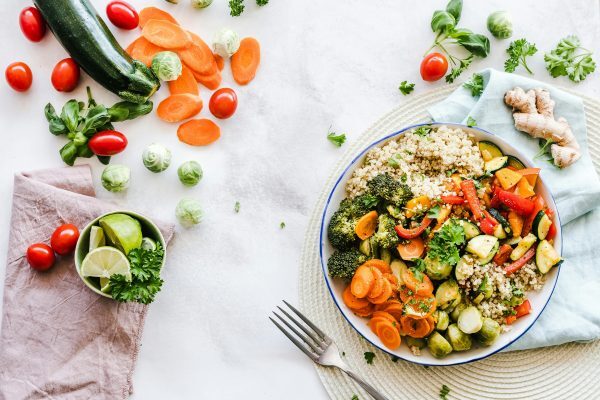
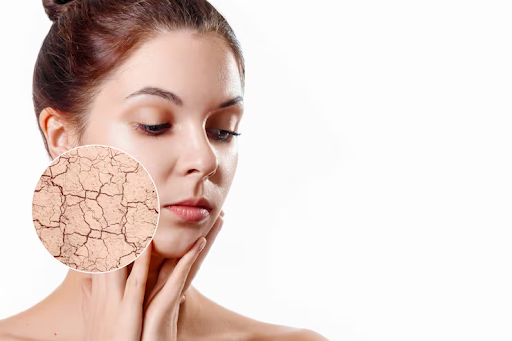
Winter can make even a well-behaved complexion feel dry, tight, rough, or unusually dull. Colder air, lower humidity, indoor heating, hot showers, and reduced water intake can all affect the skin’s moisture balance. While moisturiser and sunscreen remain essential, what you eat can support the skin from within.
The best antioxidant-rich foods for glowing skin in winter include amla, guava, citrus fruits, carrots, sweet potatoes, leafy greens, tomatoes, pomegranates, nuts, seeds, and other colourful whole foods. These provide nutrients such as vitamins C and E, carotenoids, polyphenols, healthy fats, zinc, and protein.
However, no fruit, vegetable, or so-called superfood can create an overnight glow. A useful winter skincare diet is varied, balanced, and consistent—and works alongside appropriate topical skincare rather than replacing it.
Why Can Skin Look Dull or Dry During Winter?
Skin contains a protective outer barrier that helps hold water in and keep irritants out. During winter, environmental and lifestyle changes can disturb this balance.
Common contributors include:
- Low humidity outdoors
- Indoor heaters that reduce moisture in the air
- Long showers with very hot water
- Harsh cleansers or excessive exfoliation
- Reduced water intake because you feel less thirsty
- Lower consumption of fresh fruits and vegetables
- Inadequate dietary fat or protein
- Poor sleep, stress, smoking, and alcohol consumption
- Skin conditions such as eczema or psoriasis
Food can not correct all these factors. Nevertheless, a balanced diet for healthy, glowing skin can supply the nutrients required for normal skin structure, repair, and antioxidant defence.
What Do Antioxidants Actually Do for the Skin?
Normal cellular processes and external factors such as ultraviolet radiation, pollution, and smoking can generate unstable molecules known as free radicals. When free-radical production exceeds the body’s protective capacity, it contributes to oxidative stress.
Antioxidants help neutralise these molecules. Important dietary antioxidants and skin-supporting nutrients include:
- Vitamin C: An antioxidant required for normal collagen synthesis
- Vitamin E: A fat-soluble antioxidant that helps protect cells from oxidative damage
- Carotenoids: Plant pigments such as beta-carotene, lycopene, and lutein
- Polyphenols: A diverse group of plant compounds present in fruits, vegetables, tea, cocoa, herbs, and spices
- Selenium and zinc: Minerals involved in antioxidant systems and normal tissue repair
- Omega-3 fatty acids: Not conventional antioxidants, but useful components of a nutritionally balanced, skin-supportive diet
- Protein: Supplies amino acids used to build and repair body tissues
Research supports an association between balanced nutrition and several aspects of skin health, but the response to any individual food varies. It is more useful to improve the overall dietary pattern than to rely on a single “anti-ageing” ingredient.
|
More Than a Skin Nutrient
Vitamin C does more than participate in collagen synthesis. It also helps the body absorb iron from plant foods. Adding lemon to dal, pairing guava with a meal, or including bell peppers with beans can therefore make an everyday meal nutritionally smarter—not simply more “skin-friendly.”
|
12 Antioxidant Foods for Skin Health This Winter
1. Amla
Amla, or Indian gooseberry, is a convenient seasonal addition to an Indian winter diet. It is known for its vitamin C content and also contains naturally occurring plant compounds.
Vitamin C is required for collagen synthesis and functions as a physiological antioxidant. This makes amla one of the most useful vitamin C foods for glowing skin, although it should not be treated as a collagen treatment by itself.
Ways to include amla:
- Eat fresh amla with a small amount of seasoning
- Add chopped amla to chutney
- Use unsweetened amla preparations
- Mix it into salads
- Choose low-sugar options rather than heavily sweetened amla candy or murabba
If amla causes acidity or digestive discomfort, choose a smaller serving or another vitamin C source.
2. Guava
Guava is another accessible winter fruit that provides vitamin C, fibre, carotenoids, and other plant compounds.
Eat the fruit whole where possible. Whole fruit retains fibre and is generally more satisfying than strained juice.
Try:
- Sliced guava with a pinch of chaat masala
- Guava in a fruit bowl
- Chopped guava with pomegranate and citrus
- Guava paired with yoghurt and seeds
Guava is an easy option for people searching for practical fruits for glowing skin in winter without relying on imported produce.
3. Oranges, Mosambi, and Other Citrus Fruits
Citrus fruits provide vitamin C along with flavonoids and water. Oranges, mandarins, mosambi, grapefruit, and lemon can all contribute to dietary variety.
Use them as:
- Whole fruit between meals
- Orange segments in a salad
- Lemon juice added to cooked vegetables or dal
- Citrus combined with nuts for a more filling snack
Fruit juice is not nutritionally identical to whole fruit because much of the fibre may be removed. Indian dietary guidance encourages variety and generally favours whole or minimally processed foods.
4. Carrots
Winter carrots provide beta-carotene, a pigment that the body can convert into vitamin A according to its needs. Vitamin A contributes to the maintenance of normal skin and other tissues.
Enjoy carrots:
- Raw in salads
- Lightly cooked in vegetable dishes
- Roasted with herbs
- Added to soups
- Mixed into a vegetable paratha filling
- Paired with hummus or yoghurt dip
Carrots are valuable skin-friendly winter foods, but consuming excessive quantities will not make the skin glow faster. Extremely high, repeated intake of carotene-rich foods can temporarily give the skin a yellow-orange tint.
5. Sweet Potatoes and Pumpkin
Sweet potatoes and pumpkin supply carotenoids, fibre, and complex carbohydrates. Their warm texture also makes them easier to include during colder months than a cold salad.
Options include:
- Roasted sweet potato chaat
- Pumpkin soup
- Sweet potato added to a grain bowl
- Pumpkin sabzi
- Mashed sweet potato alongside a protein source
They are particularly helpful when you want orange vegetables for healthy skin but do not enjoy raw carrots.
6. Spinach, Methi, Bathua, and Other Leafy Greens
Dark green vegetables provide carotenoids, vitamin C, folate, and several minerals. Winter is an excellent time to rotate local leafy greens instead of eating only spinach every day.
Consider:
- Methi dal
- Palak with chickpeas or paneer
- Bathua raita
- Sarson saag
- Greens added to soup or khichdi
- Stir-fried greens with sesame seeds
Rotating vegetables gives the diet a broader nutritional profile and makes it easier to maintain consistently.
7. Tomatoes and Red Bell Peppers
Tomatoes contain lycopene, while red bell peppers offer carotenoids and vitamin C. These foods add antioxidant variety rather than acting as standalone skin treatments.
Use them in:
- Tomato-based soups
- Mixed vegetable curries
- Fresh salsa
- Roasted vegetable bowls
- Egg, paneer, or tofu dishes
- Dal and bean preparations
People with reflux or sensitivity to acidic food may need to adjust the quantity of tomatoes rather than forcing them into the diet for a perceived skincare benefit.
8. Pomegranates, Grapes, and Berries
Red, purple, and blue plant foods contain different polyphenols and pigments. Pomegranate, dark grapes, strawberries, and other available berries can add variety to a winter diet for glowing skin.
Choose whole fruit and sensible portions rather than syrups, sweetened juices, or expensive concentrated powders.
Simple combinations include:
- Pomegranate with plain yoghurt
- Strawberries with oats
- Grapes with a small handful of nuts
- Pomegranate seeds over salads
- Mixed fruit with unsweetened curd
Berries can be nutritious, but they are not compulsory. Seasonal Indian fruits can fulfil the same purpose of increasing dietary diversity.
9. Almonds, Walnuts, and Peanuts
Nuts provide dietary fats, protein, minerals, and vitamin E in varying amounts. Almonds are a familiar vitamin E-rich food for skin, while walnuts also supply alpha-linolenic acid, a plant-based omega-3 fatty acid.
Practical portions may include:
- A small handful of unsalted nuts
- Chopped nuts over porridge
- Peanut or almond butter without excessive added sugar
- Walnuts added to salads
- Nuts paired with fruit for a balanced snack
Nuts are nutrient-dense and easy to overeat. A moderate portion is usually enough; more is not automatically better for the skin.
10. Flaxseeds, Chia Seeds, Sesame Seeds, and Sunflower Seeds
Seeds provide healthy fats, fibre, vitamin E, minerals, and plant compounds. Flaxseeds and chia seeds supply plant-based omega-3 fats, while sunflower seeds are a useful vitamin E source.
Try:
- Ground flaxseed in curd or oats
- Chia seeds in an unsweetened pudding
- Sesame chutney
- Seeds sprinkled over soup or salad
- A mixed-seed topping for breakfast
Whole flaxseeds can pass through the digestive tract without being fully broken down, so ground flaxseed may be more practical. Increase high-fibre foods gradually and drink sufficient fluids.
11. Fatty Fish or Plant-Based Alternatives
Fish such as sardines, salmon, and mackerel provide EPA and DHA omega-3 fatty acids. For vegetarian diets, walnuts, chia seeds, and flaxseeds provide ALA, which the body can convert to EPA and DHA only to a limited extent.
Omega-3 foods are not instant cures for dryness, but adequate dietary fat is part of a balanced diet and may support normal skin-barrier function.
If you eat fish:
- Prefer grilled, baked, curried, or lightly cooked preparations
- Vary the type of fish consumed
- Avoid treating deep-fried fish as the only omega-3 source
If you follow a vegetarian or vegan diet, include a rotation of seeds, walnuts, soy foods, and other nutrient-dense fats. Speak with a qualified dietitian if you are concerned about meeting specific fatty-acid requirements.
12. Dal, Beans, Eggs, Curd, Paneer, Tofu, and Lean Meat
These foods are not all antioxidant-rich, but they belong in a discussion about the best foods for healthy skin in winter because antioxidants cannot compensate for insufficient protein.
Protein supplies amino acids required for tissue maintenance and repair. Depending on your dietary preferences, include:
- Dal and rice
- Rajma or chole
- Eggs
- Plain curd or Greek yoghurt
- Paneer or tofu
- Fish or lean meat
- Soybeans or soy chunks
- Mixed lentil soups
Rather than asking which food “boosts collagen naturally,” focus on supplying the body with vitamin C, adequate protein, and an overall balanced diet. Vitamin C participates in collagen synthesis, but food cannot selectively direct collagen to the face or erase established wrinkles.
Can Hydrating Foods Prevent Dry Skin in Winter?
Cucumber, oranges, guava, soups, curd, and water-rich vegetables can contribute to total fluid intake. However, the term hydrating foods for dry skin can be misleading.
Eating water-rich food supports general hydration, but winter dryness often results from water escaping through a weakened skin barrier. Diet alone may not correct that.
For better winter comfort:
- Drink water regularly even when you do not feel very thirsty.
- Include soups, dal, curd, fruit, and vegetables.
- Limit excessive alcohol, which can contribute to dehydration.
- Keep very sugary hot drinks occasional.
- Use lukewarm instead of extremely hot water for bathing.
- Apply moisturiser shortly after bathing.
- Choose a gentle cleanser.
- Continue wearing sunscreen.
No food can guarantee the prevention of dry skin in winter. Persistent cracking, itching, redness, or scaling may indicate eczema, dermatitis, psoriasis, or another condition that requires professional care.
A One-Day Winter Skincare Diet Example
There is no universal meal plan, but the following example shows how antioxidant-rich foods, protein, and healthy fats can fit together.
Breakfast
Choose one:
- Vegetable omelette with spinach and tomato, plus guava
- Oats with curd, pomegranate, walnuts, and ground flaxseed
- Besan chilla with vegetables and amla chutney
- Vegetable poha with peanuts and an orange
Mid-Morning
- Whole fruit
- Unsweetened buttermilk
- Amla or guava
- A small handful of nuts
Lunch
Build the plate with:
- One or more cooked vegetables
- Dal, beans, curd, paneer, tofu, fish, or lean meat
- Roti, rice, or another suitable grain
- A fresh salad if tolerated
- Lemon added after cooking
Evening Snack
- Roasted chana
- Fruit with nuts
- Plain yoghurt with seeds
- Vegetable soup
- Unsweetened tea with a protein-rich snack
Dinner
Keep it balanced rather than excessively restrictive:
- Mixed vegetable khichdi with curd
- Fish with greens and rice
- Paneer or tofu with vegetables and roti
- Lentil soup with roasted vegetables
- Rajma with rice and a seasonal salad
The purpose is not to create a “perfect” skin diet. It is to make nutrient-dense food the default more often.
Foods and Habits to Keep in Perspective
A healthy diet does not require banning every sweet or fried food. Frequency and overall pattern matter more than occasional consumption.
Try to moderate:
- Sugar-heavy beverages
- Excessively sweetened winter desserts
- Frequent deep-fried snacks
- Highly processed foods replacing regular meals
- Excessive alcohol
- Very salty packaged snacks
- Repeated crash diets
- Unnecessary high-dose supplements
Supplements should not automatically replace whole foods. High doses of vitamins A and E, among others, can cause adverse effects or interact with medicines. People who are pregnant, have a medical condition, take prescription medication, or are being treated for cancer should seek individual advice before taking antioxidant supplements.
Food, Facials, and Dermatology Do Different Jobs
Diet helps supply nutrients throughout the body, while topical skincare acts directly on the skin’s surface.
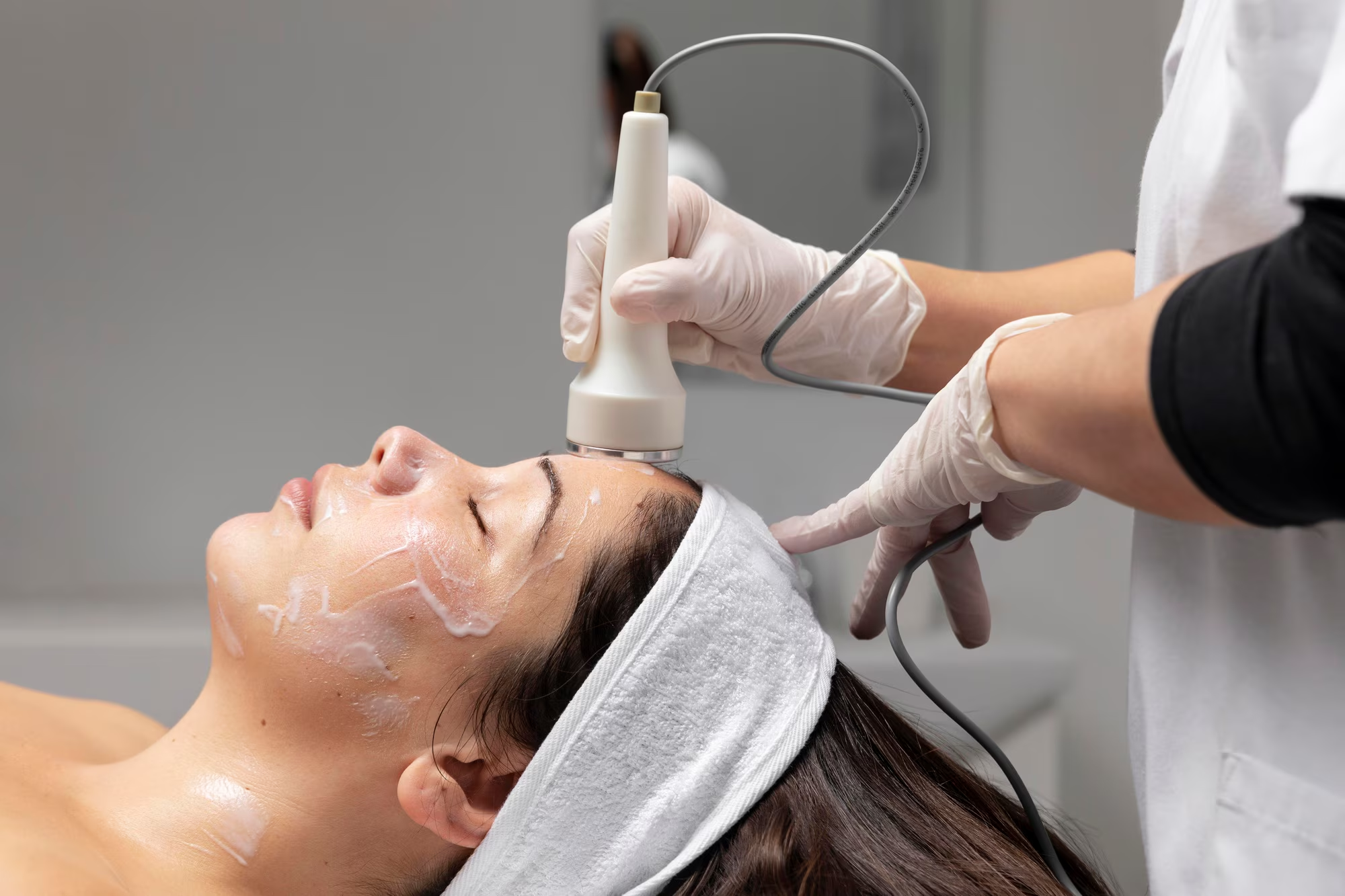
Professional facials can address concerns such as surface buildup, temporary dehydration, and texture. Medical treatment may be needed for dermatitis, persistent pigmentation, acne, or other diagnosed conditions.
If winter has left your skin feeling rough or lacklustre, Bodycraft’s skin services include facial options for hydration, cleansing, radiance, and sensitive skin. The appropriate service should be selected according to your current skin condition rather than the promise of “glow” alone.
When dryness or dullness needs clinical assessment, Bodycraft Clinic also offers the Hydra-Medi Facial, which combines cleansing, exfoliation, and hydration-focused steps. A consultation can help establish whether a facial is suitable or whether your symptoms point to a condition requiring dermatological treatment.
Dietary improvement and professional skincare can complement one another, but neither should be positioned as an instant or permanent transformation.
Let Winter Colour Your Plate
A successful winter diet for glowing skin is not built around one expensive powder, exotic berry, or daily glass of juice. It is built by repeatedly choosing colourful vegetables, seasonal fruit, adequate protein, nuts, seeds, healthy fats, and enough fluids.
Start small:
- Add one seasonal fruit each day.
- Include two different vegetables at a main meal.
- Pair carbohydrates with protein.
- Rotate nuts and seeds.
- Keep water visible and accessible.
- Continue moisturiser and sunscreen throughout winter.
These habits cannot promise flawless skin, but they can support normal skin function and wider health making them far more valuable than any short-lived “glow diet.”
FAQs
Which antioxidant is best for glowing skin?
There is no single best antioxidant. Vitamin C, vitamin E, carotenoids, and polyphenols perform different roles. Eating a variety of colourful fruits, vegetables, nuts, seeds, and legumes is generally more sensible than concentrating on one nutrient.
Which fruit is best for glowing skin in winter?
Amla, guava, oranges, pomegranate, grapes, and seasonal berries are all useful choices. The best fruit is one that is accessible, suits your health needs, and can be eaten consistently as part of a varied diet.
Can vitamin C foods increase collagen?
Vitamin C is required for normal collagen synthesis, but eating more vitamin C does not automatically create unlimited collagen or erase wrinkles. Adequate protein and overall nutritional status also matter.
Are nuts good for dry skin?
Nuts provide vitamin E, healthy fats, protein, and minerals, making them a useful part of a balanced diet. They cannot replace moisturiser or treat a damaged skin barrier.
How much water should I drink for glowing skin?
Fluid requirements vary according to body size, diet, weather, exercise, pregnancy, health conditions, and medication. Drink regularly and observe thirst and urine colour rather than forcing an arbitrary amount. People with kidney, heart, or fluid-balance conditions should follow medical guidance.
Do antioxidant supplements improve skin faster than food?
Not necessarily. Supplement evidence varies by ingredient, dosage, and outcome, and higher doses can introduce risks. Whole foods provide combinations of fibre, micronutrients, and plant compounds that a single supplement may not offer.
Scientific and Medical References
- Bioactive Compounds for Skin Health: A Review – Nutrients
- Vitamin C: Fact Sheet for Health Professionals – National Institutes of Health
- Dietary Guidelines for Indians – ICMR–National Institute of Nutrition
- Vitamin A and Carotenoids: Fact Sheet for Consumers – National Institutes of Health
- Omega-3 Fatty Acids: Fact Sheet for Consumers – National Institutes of Health
- Vitamin E: Fact Sheet for Consumers — National Institutes of Health
- Dietary Supplements and the Skin: Focus on Photoprotection and Antioxidant Activity – Nutrients
- You Are What You Eat: Fruit and Vegetable Consumption and Skin-Colour Changes – PLOS ONE
- Effects of Dietary Fat Type and Emulsification on Carotenoid Absorption: A Randomised Crossover Trial – The American Journal of Clinical Nutrition
Explore More Articles:






.png)





.png)
.png)


-1.png)





-1.png)
-3.png)






.png)







-Aug-02-2026-05-23-10-1368-PM.png)




.webp)
-1.webp)
.webp)
-Jul-07-2026-12-19-56-1023-PM.webp)











-Jun-01-2026-02-54-50-5351-PM.png)
-Jun-01-2026-02-45-39-8016-PM.png)


-May-29-2026-03-30-08-6855-PM.png)



-1.webp)


-3.webp)












.webp)
.webp)






-1.webp)

.webp)