



.png)


-1.png)


-1.png)
-3.png)




.png)




-Aug-02-2026-05-23-10-1368-PM.png)



.webp)
-1.webp)
.webp)
-Jul-07-2026-12-19-56-1023-PM.webp)





-Jun-01-2026-02-54-50-5351-PM.png)
-Jun-01-2026-02-45-39-8016-PM.png)

-May-29-2026-03-30-08-6855-PM.png)


-1.webp)

-3.webp)




.webp)
.webp)
-1.webp)

.webp)
.webp)
.webp)

Skin
Skin
9 minutes read | 7 Jul 26
Get a complimentary consultation today. Get in touch
You run your hand along your upper arm and feel it before you see it. The tiny, rough bumps scattered across the skin, almost like sandpaper. It just sits there, slightly red, slightly bumpy, completely resistant to every body scrub and moisturiser you have tried. If this sounds familiar, you are likely dealing with keratosis pilaris and you are far from alone.
Keratosis pilaris, often called "chicken skin," is one of the most common skin conditions seen in clinical practice. It is harmless, it is not contagious, and it is not a sign of poor hygiene, despite how often people assume otherwise. It develops when keratin, a protein that protects the skin, builds up around hair follicles and forms small, hard plugs. The result is the textured, bumpy appearance most people associate with the back of the arms or the thighs.
This guide breaks down what keratosis pilaris actually is, why it happens, how it is diagnosed, and which treatment approaches genuinely help, including where laser hair removal fits into the picture for select cases.
Keratosis Pilaris Symptoms: How to Recognise the Condition
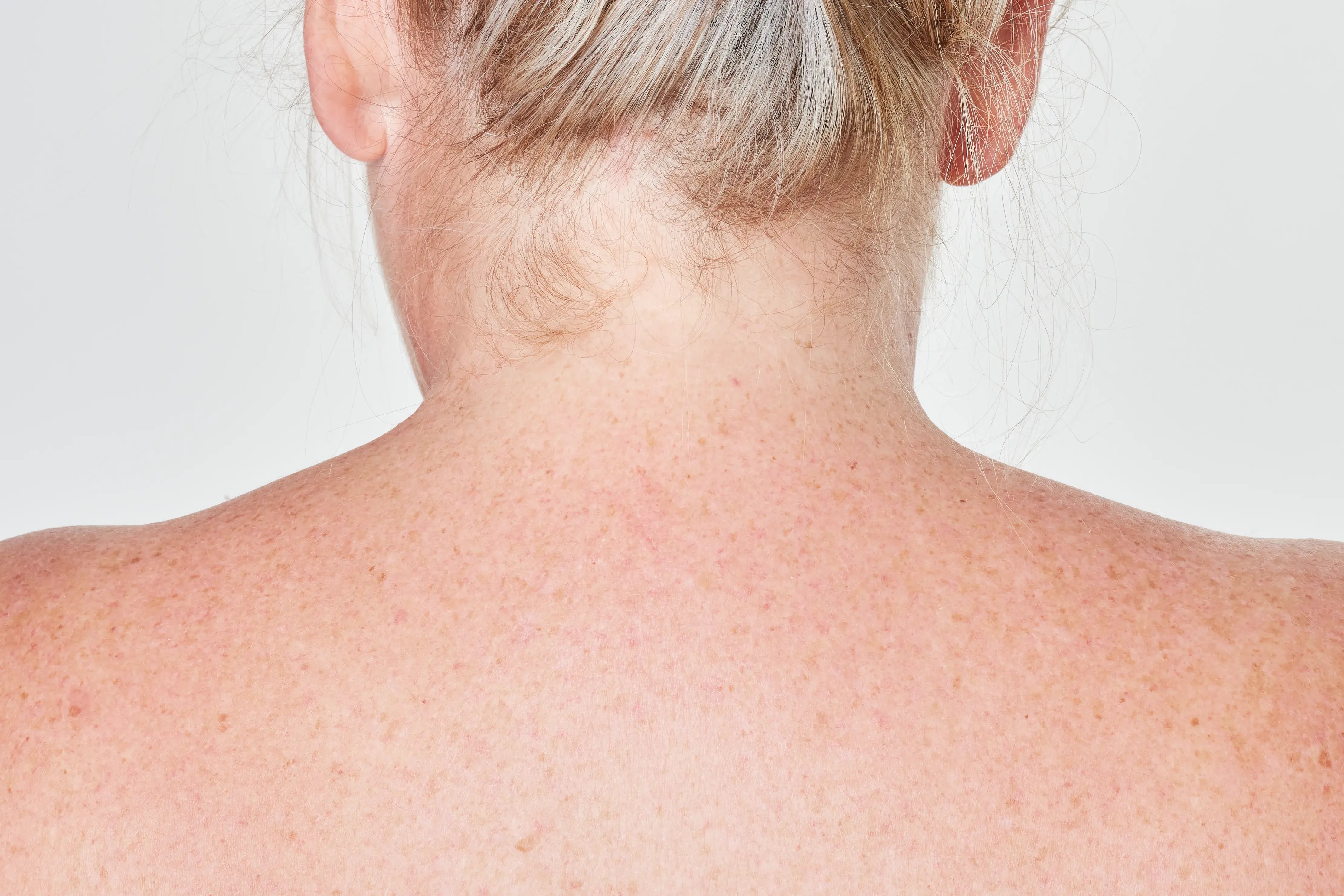
Keratosis pilaris symptoms are usually mild and easy to overlook at first. Which is why so many people live with it for years before seeking any professional input.
Small, Rough Bumps on the Skin
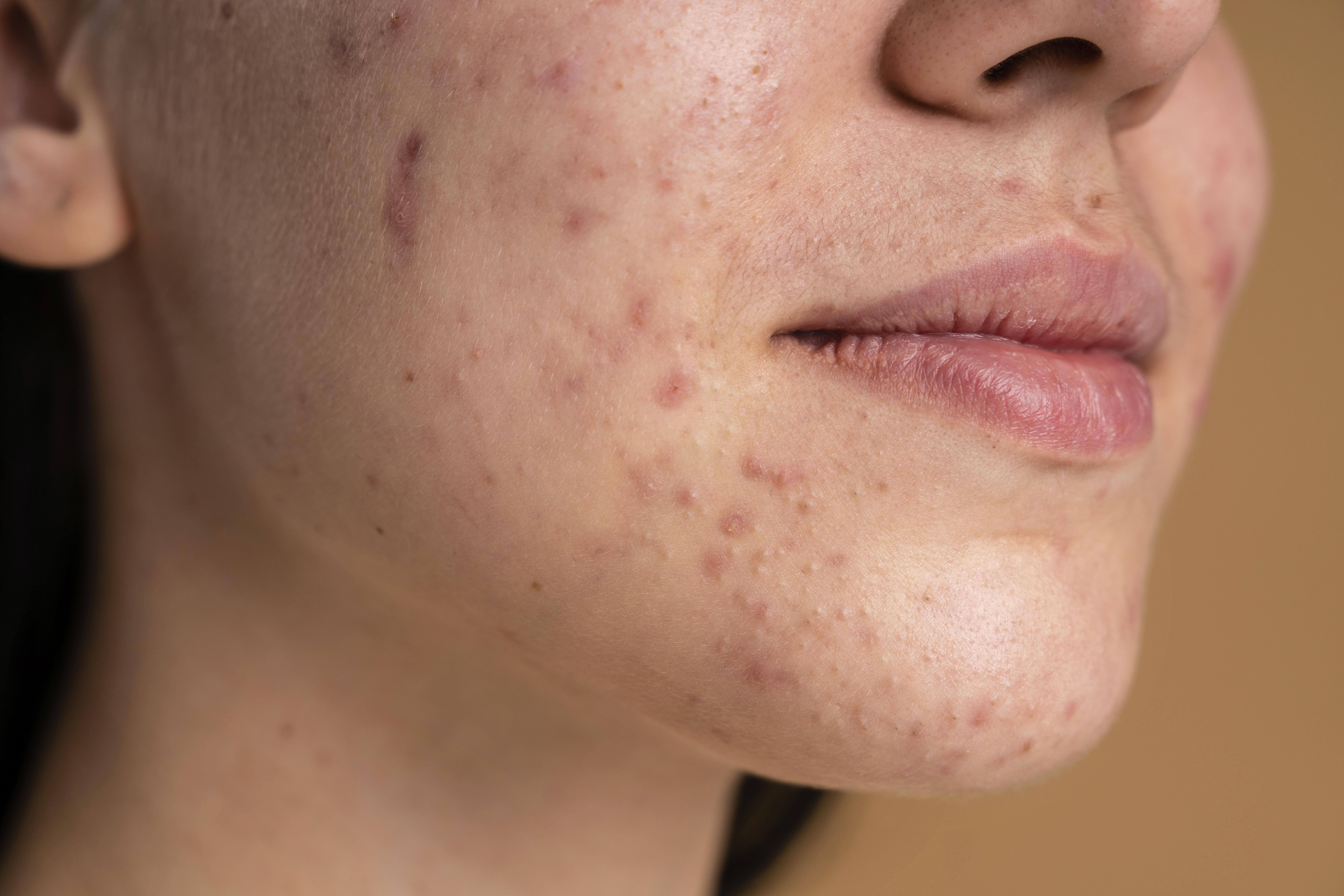
The hallmark sign is a cluster of tiny, raised bumps, each centred around a hair follicle. They are typically skin-coloured, white, or slightly red, and feel rough to the touch rather than smooth.
Dry, Sandpaper-Like Texture
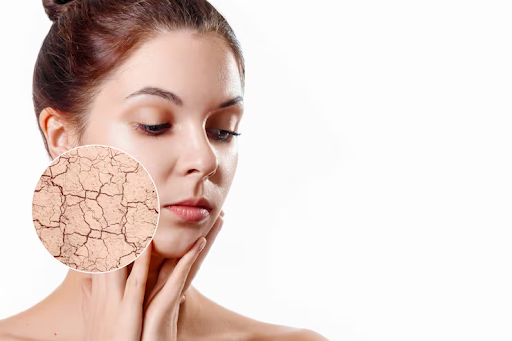
The affected skin often feels persistently dry, no matter how much moisturiser is applied. This sandpaper-like texture is one of the most commonly reported keratosis pilaris symptoms and tends to worsen with frequent washing or harsh soaps.
Mild Redness or Skin Discoloration
In lighter skin tones, the bumps often appear pink or red. In deeper skin tones, they may appear darker than the surrounding skin. This discolouration is usually mild and fluctuates with weather and skin hydration levels.
Occasional Itching or Irritation
While keratosis pilaris is not typically painful, some people experience mild itching. Usually when the skin is very dry or after sun exposure.
Where Does Keratosis Pilaris Commonly Appear?
Upper Arms
The back of the upper arms is the most frequently affected area and often the first place people notice the bumps.
Thighs
The fronts and outer sides of the thighs are also common sites, particularly in younger patients.
Buttocks
Keratosis pilaris on the buttocks is common but less visible, which means it often goes unaddressed for longer.
Cheeks and Other Areas
In some cases, particularly in children, keratosis pilaris can appear on the cheeks, giving the skin a persistently rough, slightly flushed look.
|
Fact: Keratosis pilaris affects an estimated 50 to 80 percent of adolescents and around 40 percent of adults at some point in their lives, making it one of the most common benign skin conditions seen in dermatology clinics worldwide. |
Keratosis Pilaris Causes: Why Does It Happen?
Constant Body Hair Shaving
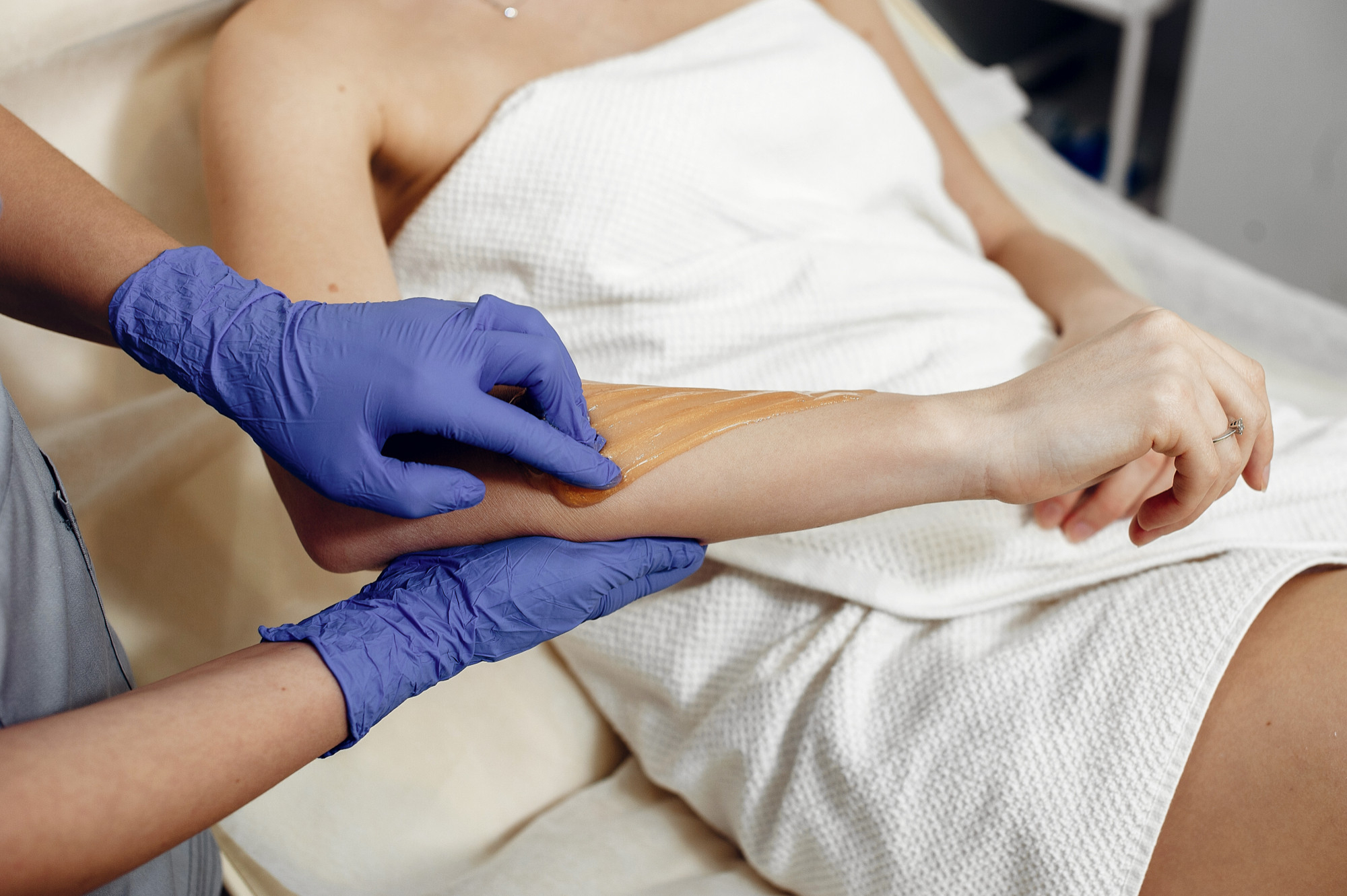
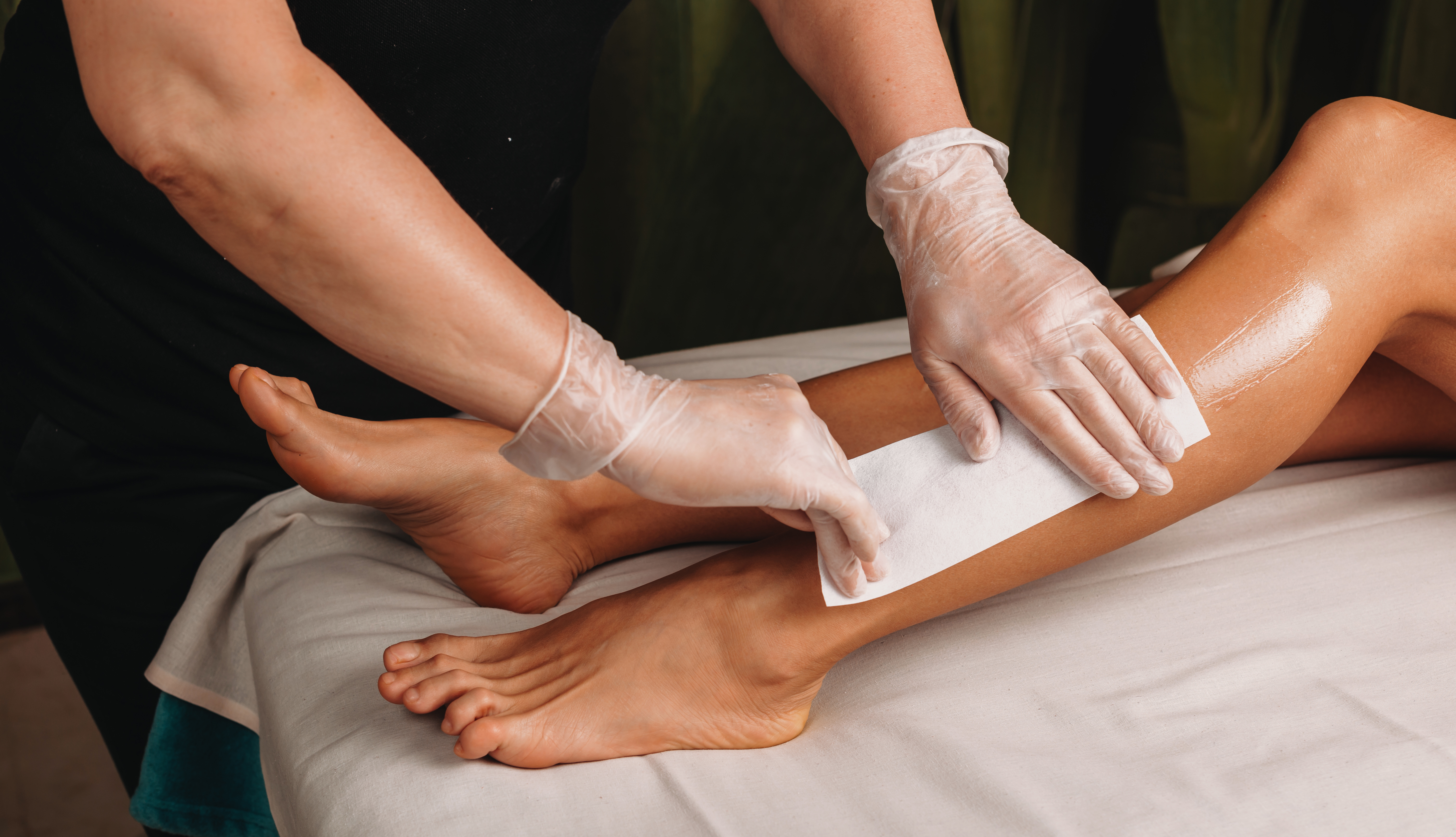
One of the causes of keratosis pilaris is due to constant shaving and Laser Hair Reduction is a safer alternative to shaving and reduces the risk of keratosis pilaris.
Keratin Build-Up Around Hair Follicles
At its core, keratosis pilaris causes trace back to excess keratin production. This keratin forms a hard plug at the opening of the hair follicle, trapping the hair beneath the skin's surface and creating the characteristic bump.
Genetic Predisposition
Keratosis pilaris frequently runs in families. If a parent has it, there is a significantly higher likelihood that their children will develop it too, often appearing first in childhood or adolescence.
Dry Skin and Seasonal Changes
Low humidity and cold, dry weather tend to worsen keratosis pilaris. Many patients notice their skin texture becomes more pronounced during winter months and improves somewhat in humid conditions.
Associated Skin Conditions Like Eczema
Keratosis pilaris is more common in people who also have eczema, atopic dermatitis, or generally dry, sensitive skin. The shared link is a compromised skin barrier, which makes keratin buildup more likely.
Is Keratosis Pilaris the Same as Goosebumps or Acne?
A lot of confusion exists around what keratosis pilaris actually is. Here is a clear breakdown.
|
Condition |
Key Difference |
|
Keratosis Pilaris |
Persistent rough bumps caused by keratin buildup around hair follicles |
|
Goosebumps |
A temporary reaction to cold temperatures or emotional response and resolves within minutes |
|
Body Acne |
Inflamed pimples caused by clogged pores and bacterial activity, often tender or pus-filled |
Unlike goosebumps, keratosis pilaris does not disappear once you warm up. And unlike acne, it is not driven by bacteria or inflammation in the same way. And so standard acne treatments for keratosis pilaris are not effective against it.
H2: How Is Keratosis Pilaris Diagnosed?
Diagnosing keratosis pilaris is usually straightforward for a dermatologist and rarely requires extensive testing.
- Visual skin examination: In most cases, the bumps and texture are distinctive enough for a dermatologist to diagnose keratosis pilaris simply by examining the skin.
- Medical history and symptom assessment: Your dermatologist will ask about family history, when the bumps first appeared, and whether you have any associated dry skin conditions.
- Differentiating KP from similar skin conditions: Because keratosis pilaris can resemble folliculitis, mild eczema, or even early acne, a professional assessment helps rule out conditions that require a different treatment approach altogether.
If you are also noticing small bumps specifically on your face and are unsure whether they are keratosis pilaris or something else, this guide on how to get rid of tiny bumps on your face quickly breaks down the most common causes and what to do about each one.
Keratosis Pilaris Treatment Options
There is no single cure for keratosis pilaris, but several professional approaches can meaningfully improve skin texture and reduce its appearance over time.
Professional Exfoliating Treatments
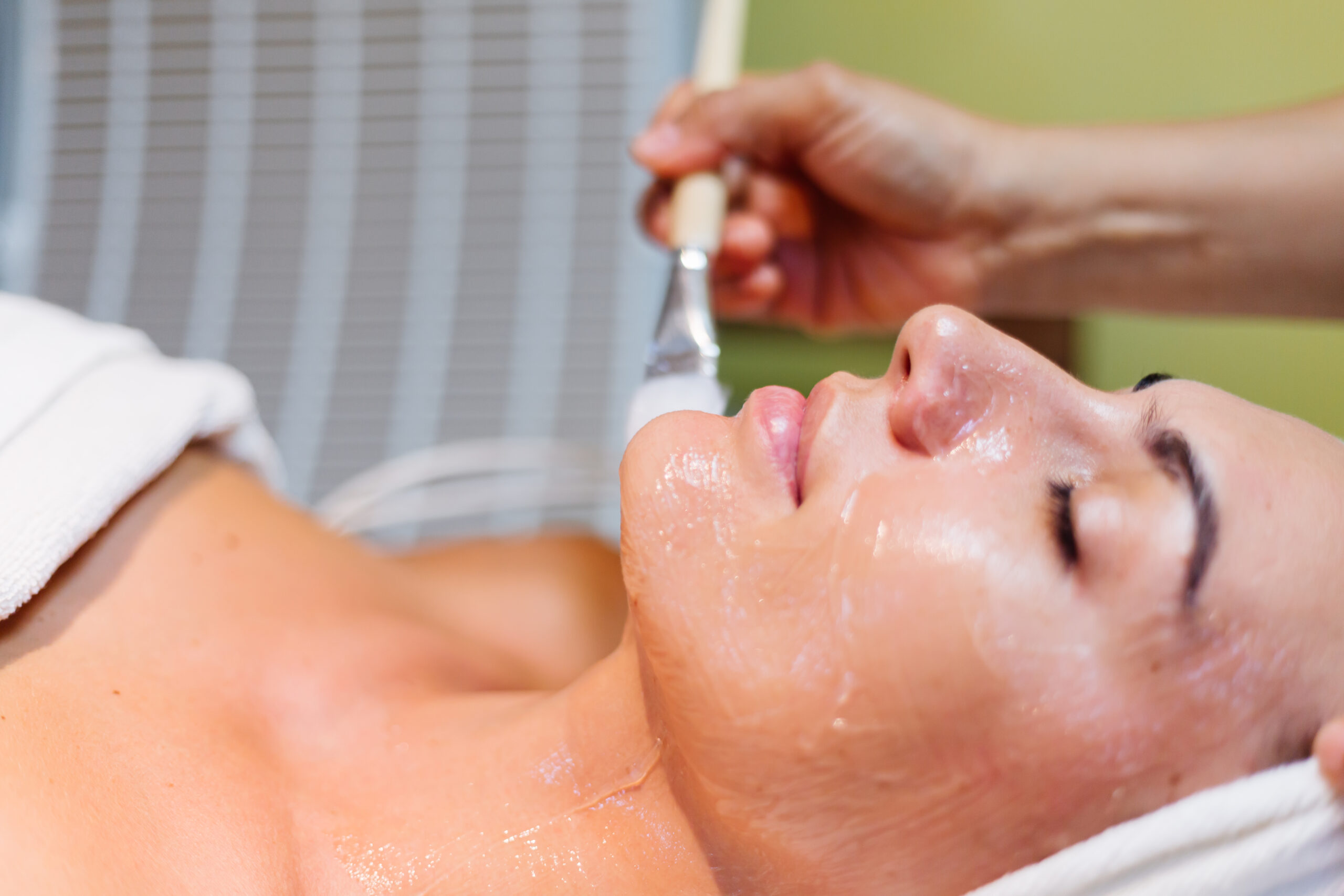
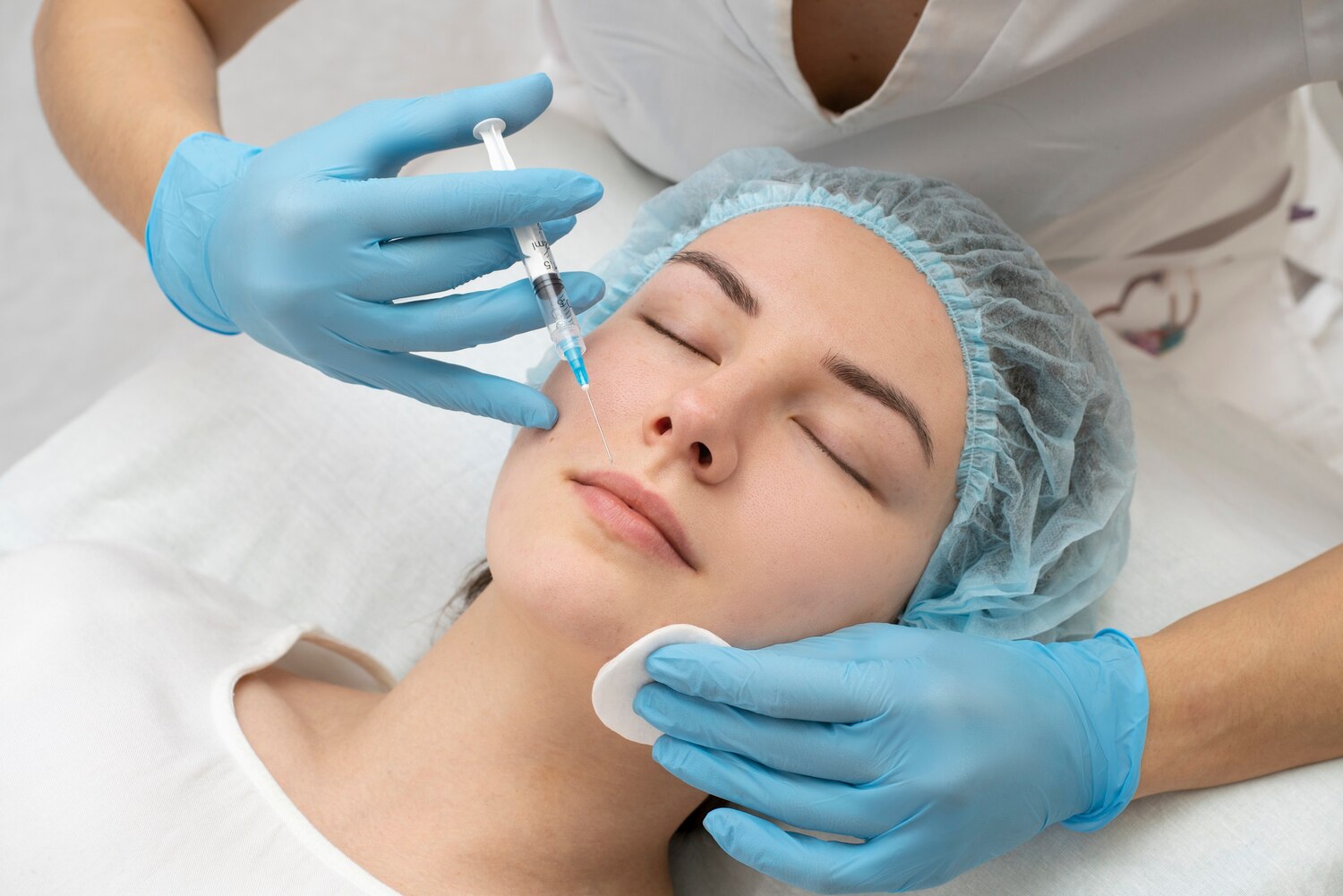
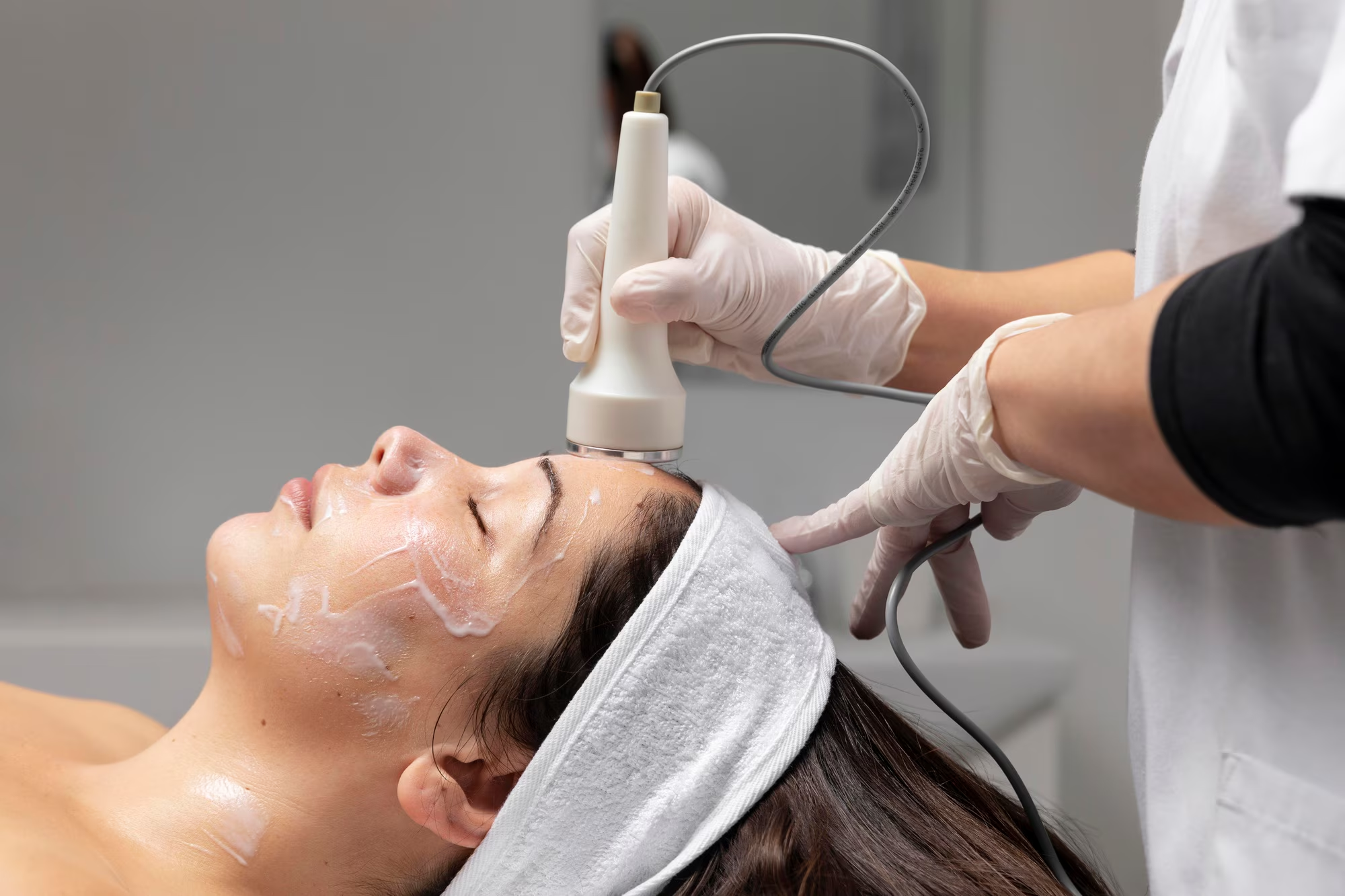
Controlled chemical exfoliation helps clear the keratin buildup at the follicle opening without the irritation caused by harsh physical scrubs. This is typically the first line of professional keratosis pilaris treatment.
Laser-Based Treatments for Smoother Skin
Certain laser treatments can help reduce the redness and bumpy texture associated with keratosis pilaris, particularly in more persistent or visually prominent cases. This is assessed on an individual basis during a dermatologist consultation.
Customised Dermatological Care Plans
Because keratosis pilaris varies significantly in severity and underlying skin type, a one-size-fits-all approach rarely works. A dermatologist-designed plan typically combines exfoliation, barrier-supporting skincare, and periodic in-clinic treatments.
Long-Term Skin Texture Management
Keratosis pilaris tends to be a long-term, recurring condition rather than something that is "cured" permanently. Ongoing, consistent care is what keeps the skin smoother over time, rather than a single treatment session.
Can Laser Hair Removal Help Improve Keratosis Pilaris?
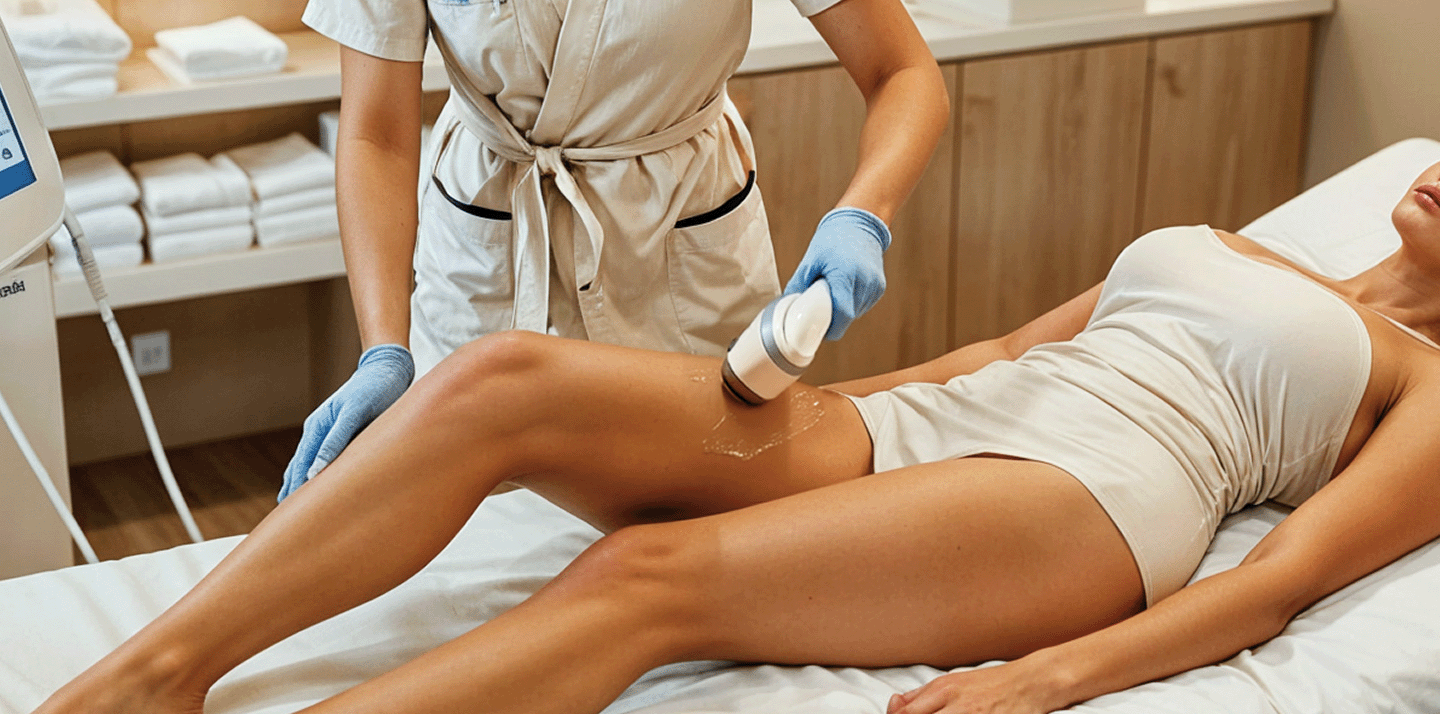
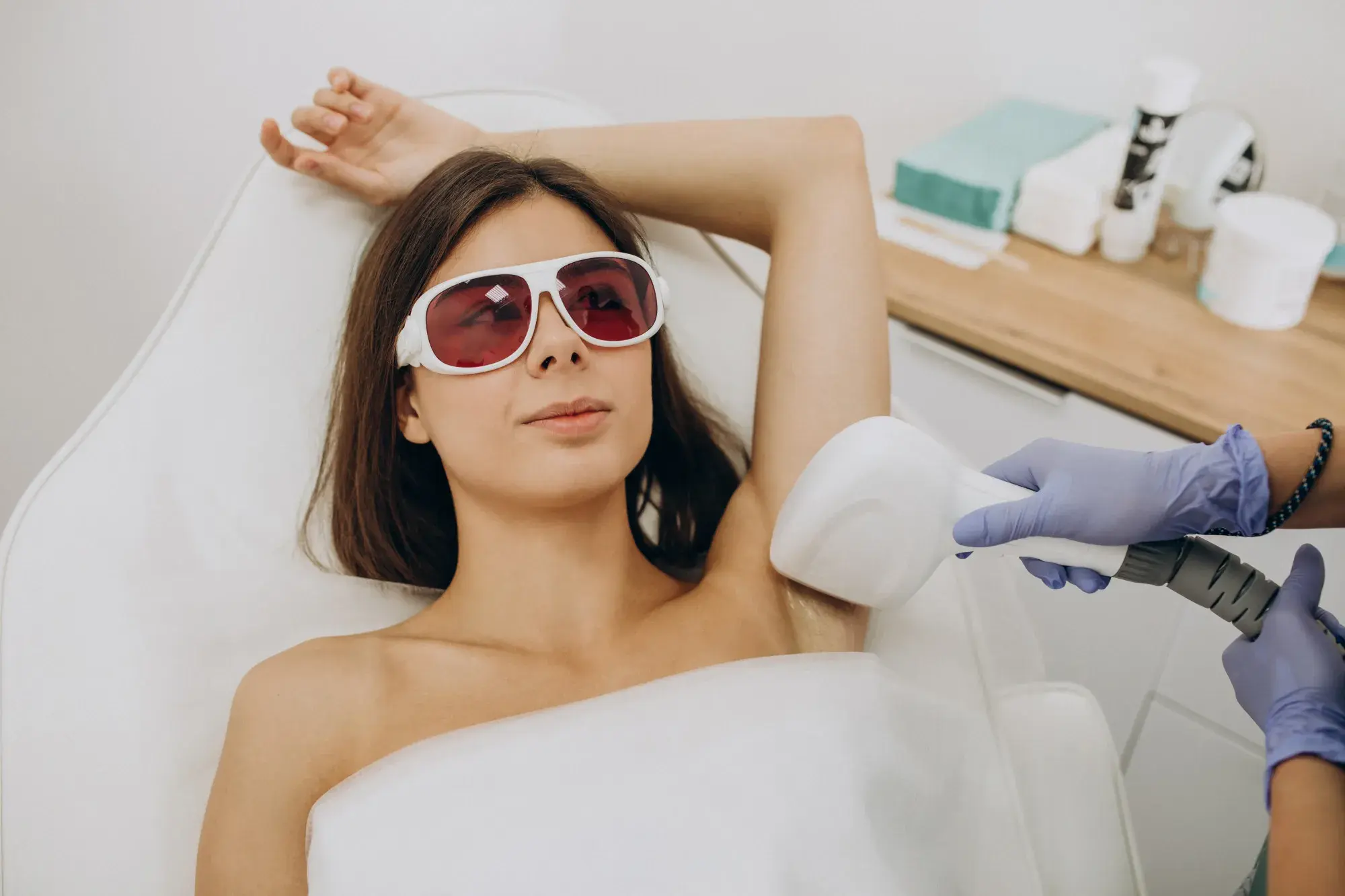
This is a question that comes up often, particularly from patients already considering laser hair reduction for unrelated reasons. The relationship between hair follicles and keratosis pilaris means that, in some cases, laser hair removal can offer a secondary benefit alongside its primary purpose.
Since keratosis pilaris develops around the hair follicle itself, reducing hair growth in the affected area can, for some patients, reduce the follicular irritation that contributes to the bumpy texture. This is not a guaranteed or universal outcome and it depends on the individual's skin type, the severity of the keratosis pilaris, and how the hair follicles in that specific area are affected by the laser.
As Dr Mikki Singh (Head Bodycraft Clinic) explains, when it comes to laser-based treatments more broadly, "The single biggest factor is the contrast between hair and skin. The laser targets the pigment in the hair, so dark, coarse hair responds best. While grey, white, blonde or very fine hair responds poorly. Skin tone matters too, for Indian and deeper skin tones, we choose the right wavelength and settings so we get results safely without pigmentation issues."
This is exactly why a professional assessment is essential before considering laser hair removal as part of a keratosis pilaris management plan. Not every case will respond the same way, and the suitability of the treatment depends entirely on an individual evaluation of your skin and hair type. If you are exploring this option, you can learn more about laser hair removal machines used in professional settings and what to expect from the technology itself.
How Long Does It Take to See Improvement in Keratosis Pilaris?
Factors That Influence Results
The timeline for visible improvement depends on the severity of the keratosis pilaris, your skin type, and how consistently you follow the recommended treatment plan. Mild cases often show improvement faster than longstanding, more severe presentations.
Importance of Consistent Treatment
Keratosis pilaris does not respond well to occasional or inconsistent care. Most dermatologists recommend a structured, ongoing approach rather than a single treatment, since the underlying keratin production tends to continue unless actively managed.
Maintaining Long-Term Skin Smoothness
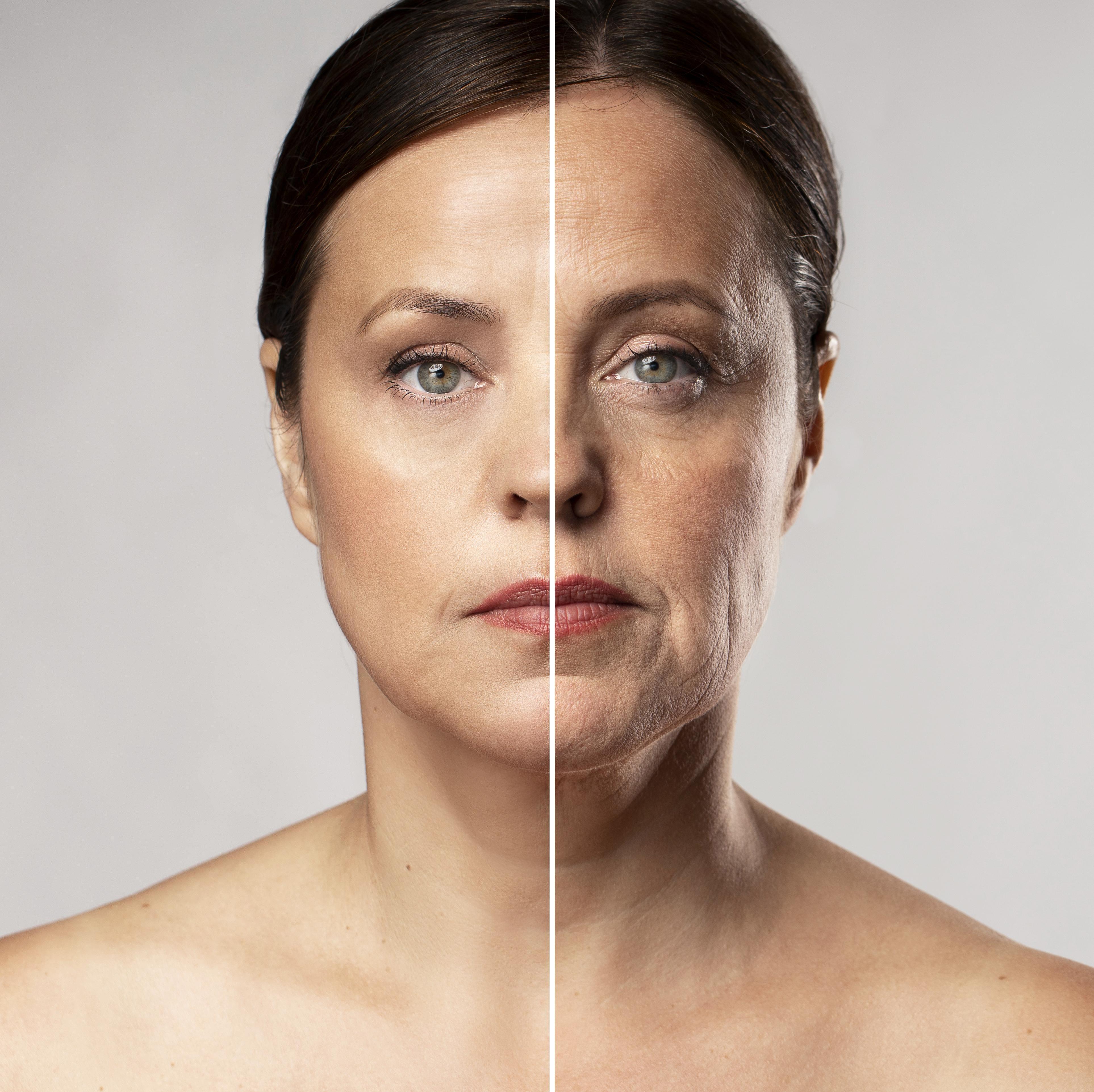
Even after visible improvement, periodic maintenance is usually necessary. Keratosis pilaris has a tendency to return, especially during dry weather months, which means long-term management is more realistic than a one-time fix.
|
Fact: Keratosis pilaris often improves naturally with age and may even resolve on its own by the mid-thirties in some individuals, though many people continue to experience it well into adulthood, particularly during colder months. |
When Should You Seek Professional Treatment for Keratosis Pilaris?
Consider booking a dermatologist consultation if you notice any of the following:
- The bumps are affecting your confidence or how comfortable you feel in certain clothing
- Persistent roughness continues despite a consistent skincare routine
- The redness or irritation appears to be worsening over time
- You want smoother, more even-looking skin and home care has not delivered visible results
Self-diagnosing and self-treating keratosis pilaris with random over-the-counter products often leads to frustration, particularly because what works for one skin type may aggravate another. A proper dermatologist online consultation gives you a clear, personalised understanding of what is actually happening with your skin and which treatment path makes the most sense.
Can Keratosis Pilaris Be Prevented or Controlled?
While keratosis pilaris cannot always be fully prevented, especially when it is genetically driven, it can be effectively controlled with the right approach.
- Managing dryness and skin barrier health: Keeping the skin well hydrated and avoiding harsh, stripping soaps helps reduce the severity of keratosis pilaris symptoms.
- Regular professional skin care: Periodic professional exfoliation treatments help manage keratin buildup more effectively than home scrubs alone.
- Importance of long-term maintenance: Because keratosis pilaris tends to recur, ongoing care rather than a one-time treatment is the most realistic and effective long-term strategy.
Smoother Skin Starts With the Right Diagnosis
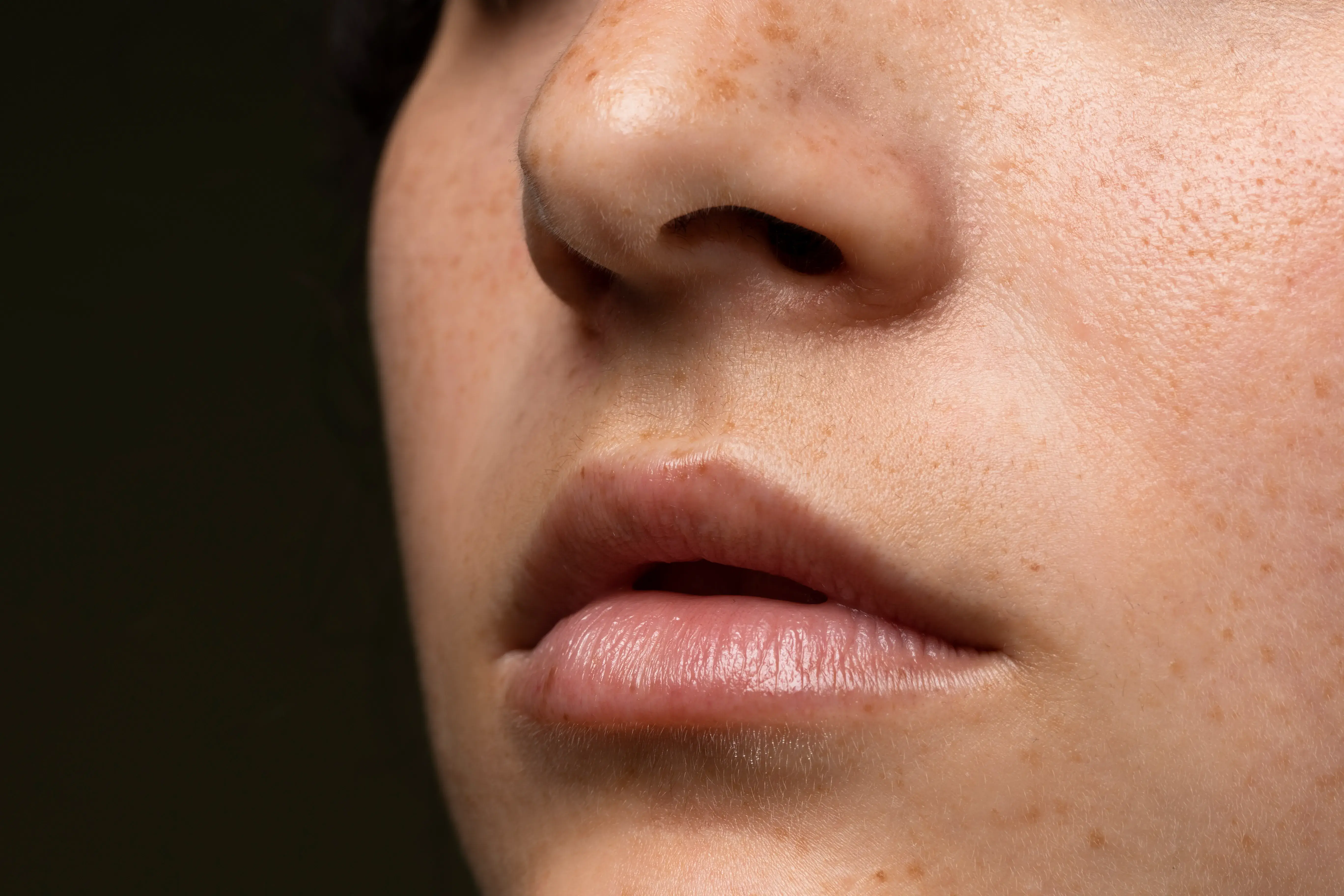
Keratosis pilaris is common, harmless, and perhaps most importantly manageable. Understanding what causes it takes away a lot of the frustration that comes from trying random remedies that simply do not address the root issue. While there is no permanent cure, a combination of professional exfoliation, consistent skincare, and in select cases, treatments like laser hair removal, can make a meaningful difference in how your skin looks and feels.
If you have been dealing with persistent bumps and rough texture and are not sure what is actually causing it or what would help, a proper dermatologist evaluation is always the most reliable starting point, rather than guessing your way through it with products that may not be suited to your skin.
|
Book a dermatologist consultation at Bodycraft Clinic to get a clear diagnosis and a treatment plan built around your skin. |
FAQs
1. How to get rid of keratosis pilaris effectively?
The most effective way to address keratosis pilaris is through a combination of professional exfoliating treatments, consistent skincare focused on barrier support, and a dermatologist-guided treatment plan tailored to your skin type.
2. Can laser hair removal completely cure keratosis pilaris?
No. Laser hair removal is not a guaranteed cure for keratosis pilaris, but it may offer some improvement in select cases by reducing follicular irritation. This should only be considered after a professional assessment confirms it is appropriate for your skin.
Explore More Articles:
Get in touch


A little game. A big surprise!
Pull the slot machine lever to reveal your exclusive Bodycraft reward


A little game. A big surprise!
Pull the slot machine lever to reveal your exclusive Bodycraft reward