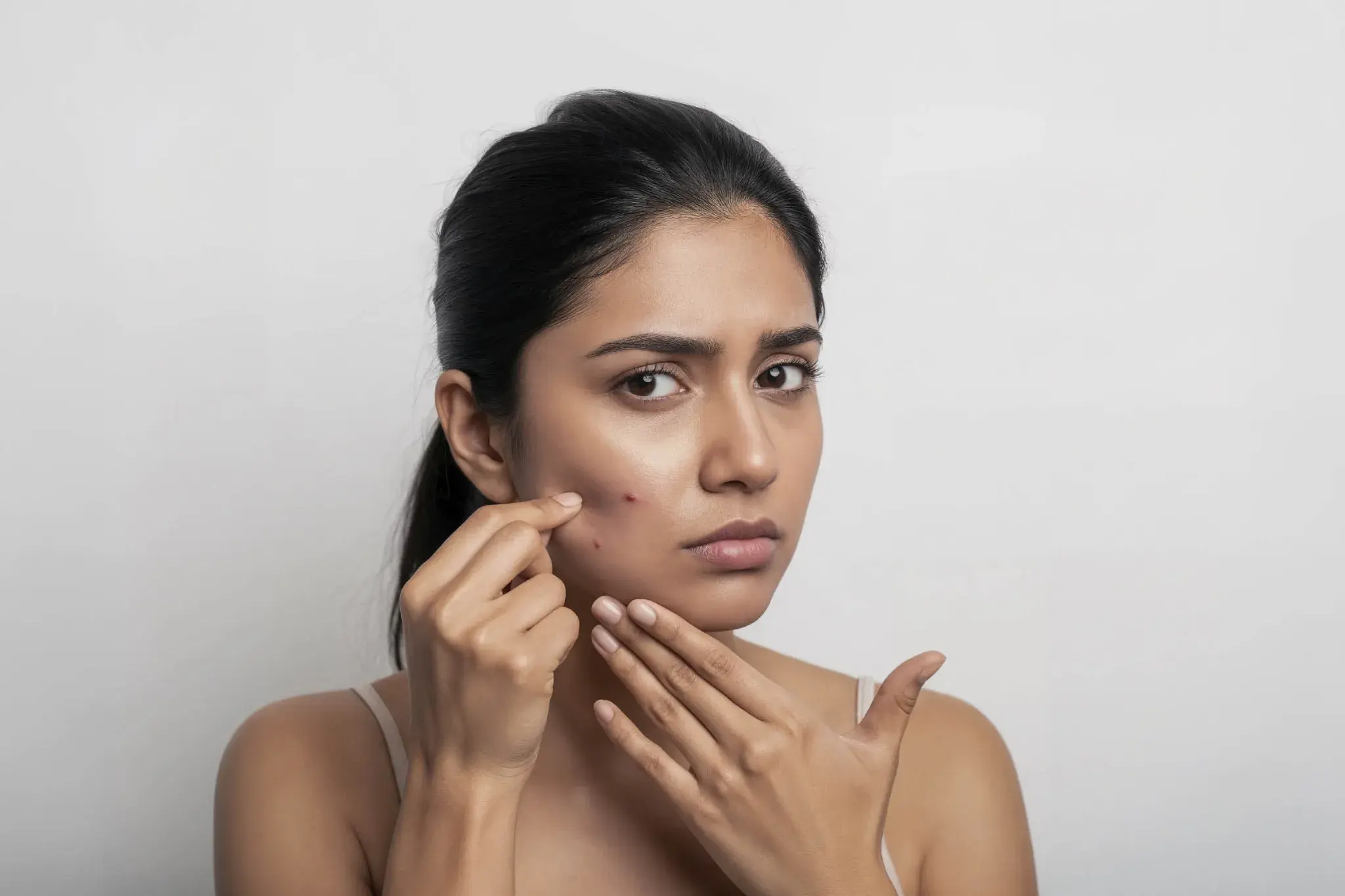
If you’ve been noticing dullness, early signs of ageing, or lingering acne marks, you’re not alone. Many people today are increasingly aware of changes in their skin, but often feel overwhelmed by the number of treatments and trending ingredients available.
In clinical practice, there are patients confused between what is popular online and what is medically effective. While some ingredients gain attention due to trends, not all of them are backed by structured clinical use. This is where PDRN treatment stands out. Rather than being just another skincare trend, it is a medically guided solution focused on improving your skin’s ability to repair and regenerate.
What Is PDRN? A Simple Medical Explanation
The Science Behind PDRN
PDRN stands for Polydeoxyribonucleotide, a compound derived from DNA fragments. In dermatology, it is used for its regenerative properties, helping the skin repair itself at a deeper level.
Originally, PDRN was used in medical settings to support wound healing and tissue repair. Over time, its benefits for skin rejuvenation became more evident, leading to its use in aesthetic dermatology and advanced pdrn skincare approaches.
Why Dermatologists Use It
From a dermatological standpoint, PDRN is valued for its ability to support natural skin regeneration. Instead of simply working on the surface, it helps improve how your skin heals and restores itself.
This makes it particularly useful for patients looking to address concerns like skin damage, uneven texture, or early ageing in a more structured and long-term way while experiencing visible pdrn benefits.
Why Is PDRN Trending Now? Separating Hype from Clinical Use
With the growing influence of skincare trends and global beauty innovations, PDRN has recently gained popularity, especially through K-beauty treatments and skin boosters.
However, it is important to understand that while it may appear new in the beauty space, its use in medical and dermatological treatments is not recent. Dermatologists have been using pdrn treatment for its healing and regenerative benefits for several years.
From a clinical perspective, the current popularity is more of a shift in awareness rather than a discovery. What was earlier limited to medical use is now being introduced into aesthetic treatments in a more visible way.
How PDRN Works on Your Skin: A Clinical Breakdown
Supports Skin Repair and Healing
PDRN works by enhancing your skin’s natural repair processes. It helps damaged skin recover more efficiently, making it beneficial for individuals dealing with skin stress, environmental damage, or post-procedure healing.
Stimulates Collagen Production
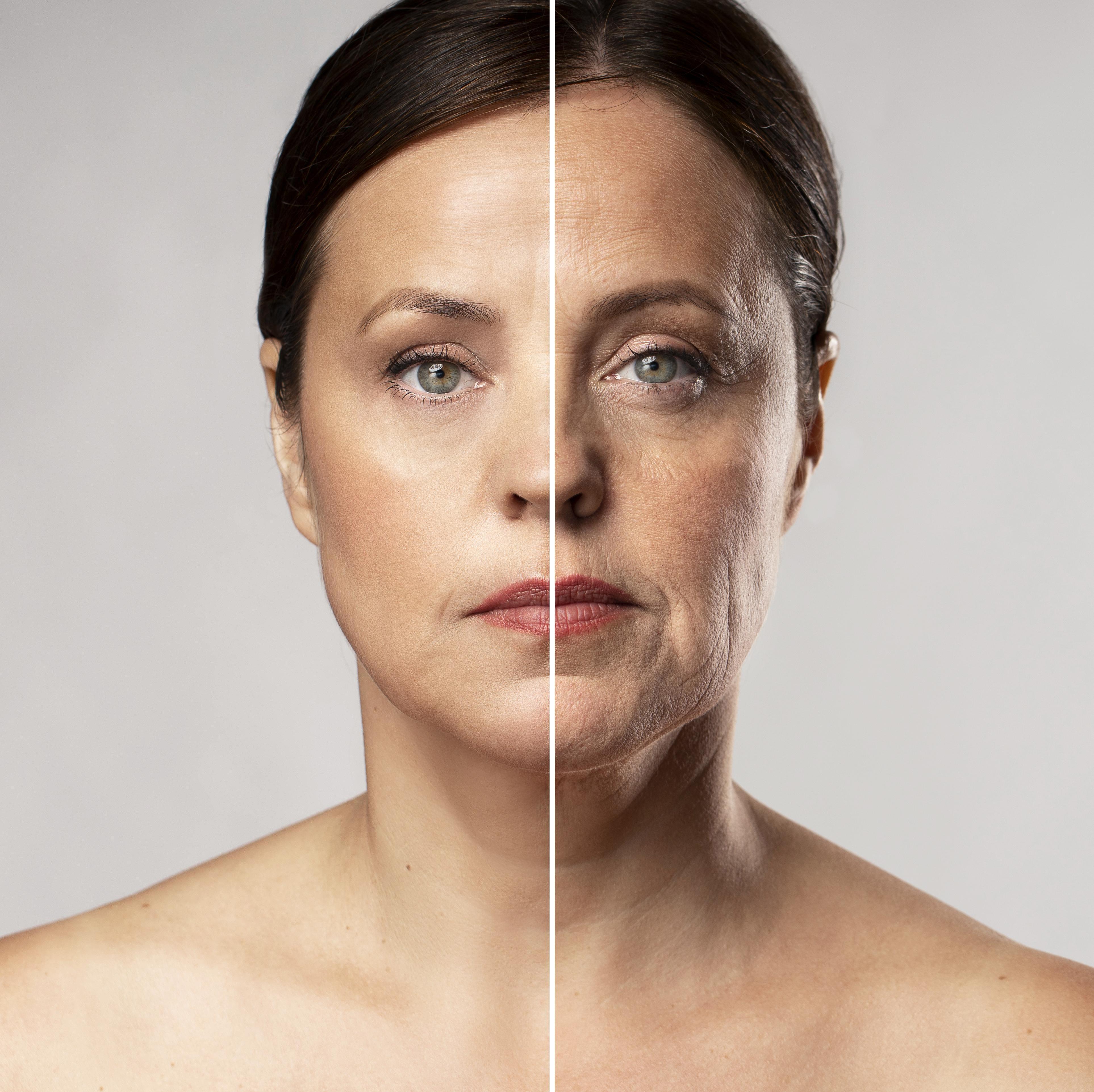
Collagen is essential for maintaining firm and youthful skin. PDRN supports collagen synthesis, which gradually improves skin elasticity and reduces the appearance of fine lines, one of the key PDRN benefits.
Reduces Inflammation
For patients with sensitive or acne-prone skin, inflammation is often a key concern. PDRN has anti-inflammatory properties that help calm the skin, making it suitable for improving overall skin health.
|
Expert Quote:
"It goes and attaches to specific receptors in the skin, which leads to stimulating the cells to start repairing and rebuilding... In very simple terms, it switches on that switch which leads to repair and regeneration."
— Dr Nabaneeta Saikia, Senior Cosmetologist, Bodycraft
|
What Skin Concerns Can PDRN Help Treat?
In clinical practice, we often recommend pdrn treatment for patients dealing with multiple underlying skin concerns rather than a single issue. Its regenerative properties make it suitable for improving overall skin quality while supporting long-term repair.
Early Signs of Ageing
If you are beginning to notice fine lines, mild sagging, or a loss of firmness, PDRN can help improve skin quality by supporting collagen and tissue repair.
Dull and Dehydrated Skin
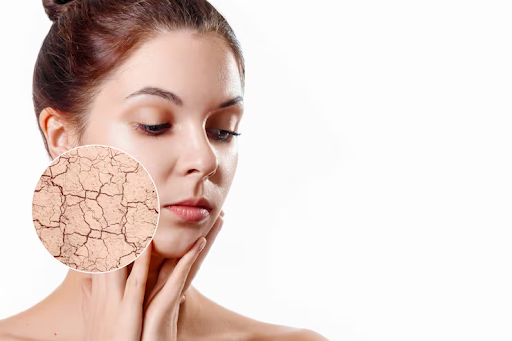
Skin that appears tired, uneven, or lacking in glow can benefit from the regenerative effects of PDRN skincare, as it works to improve hydration and overall texture.
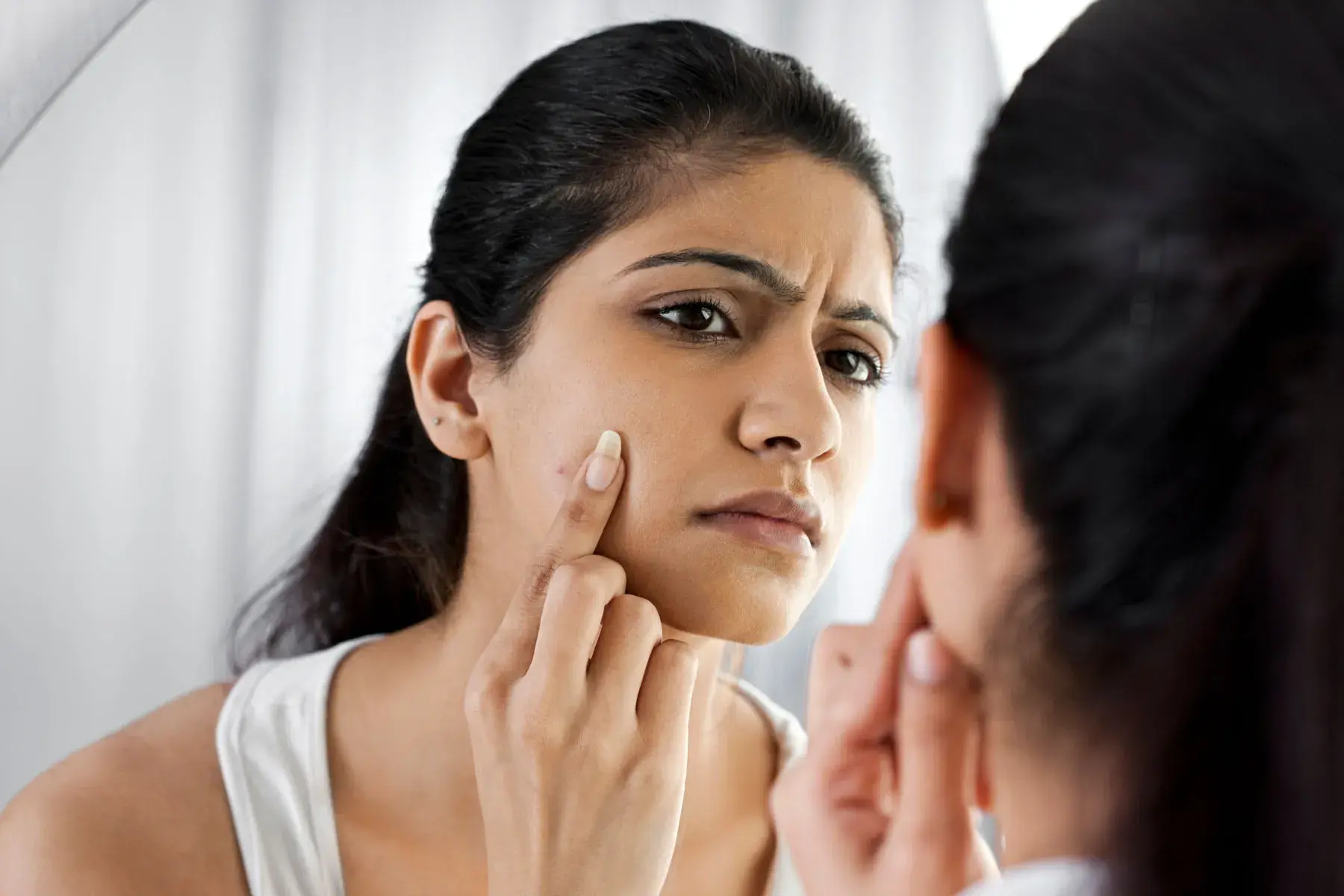
Acne Marks and Skin Damage
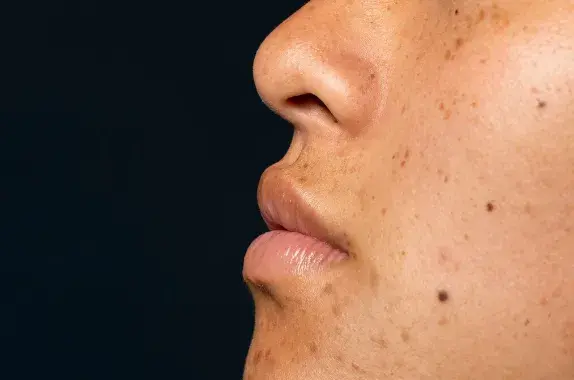
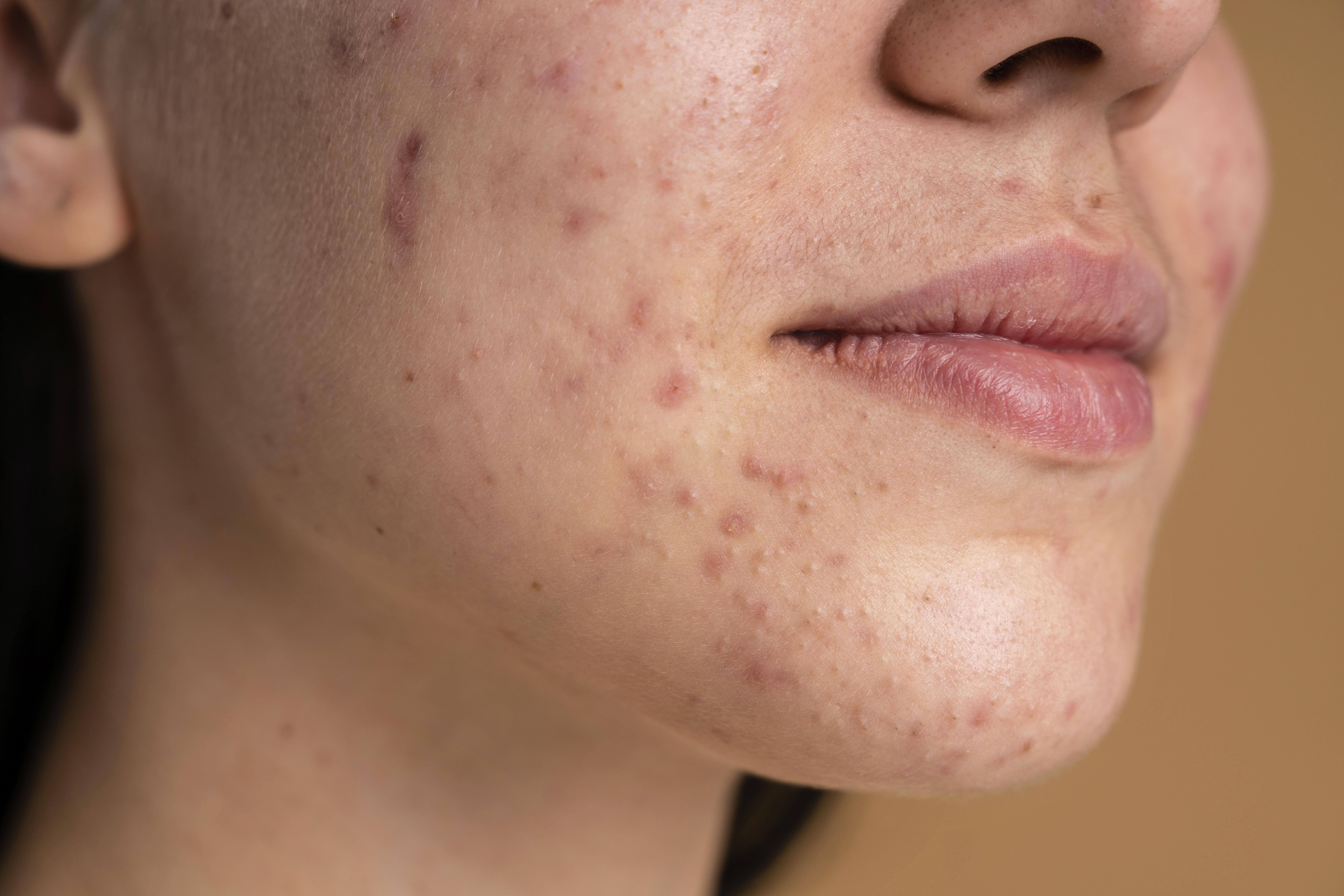
Patients dealing with post-acne marks or uneven skin tone may see improvement over time, as PDRN supports skin healing and renewal. Many patients often look at PDRN before and after results to understand how the skin gradually improves.
Skin Recovery After Procedures
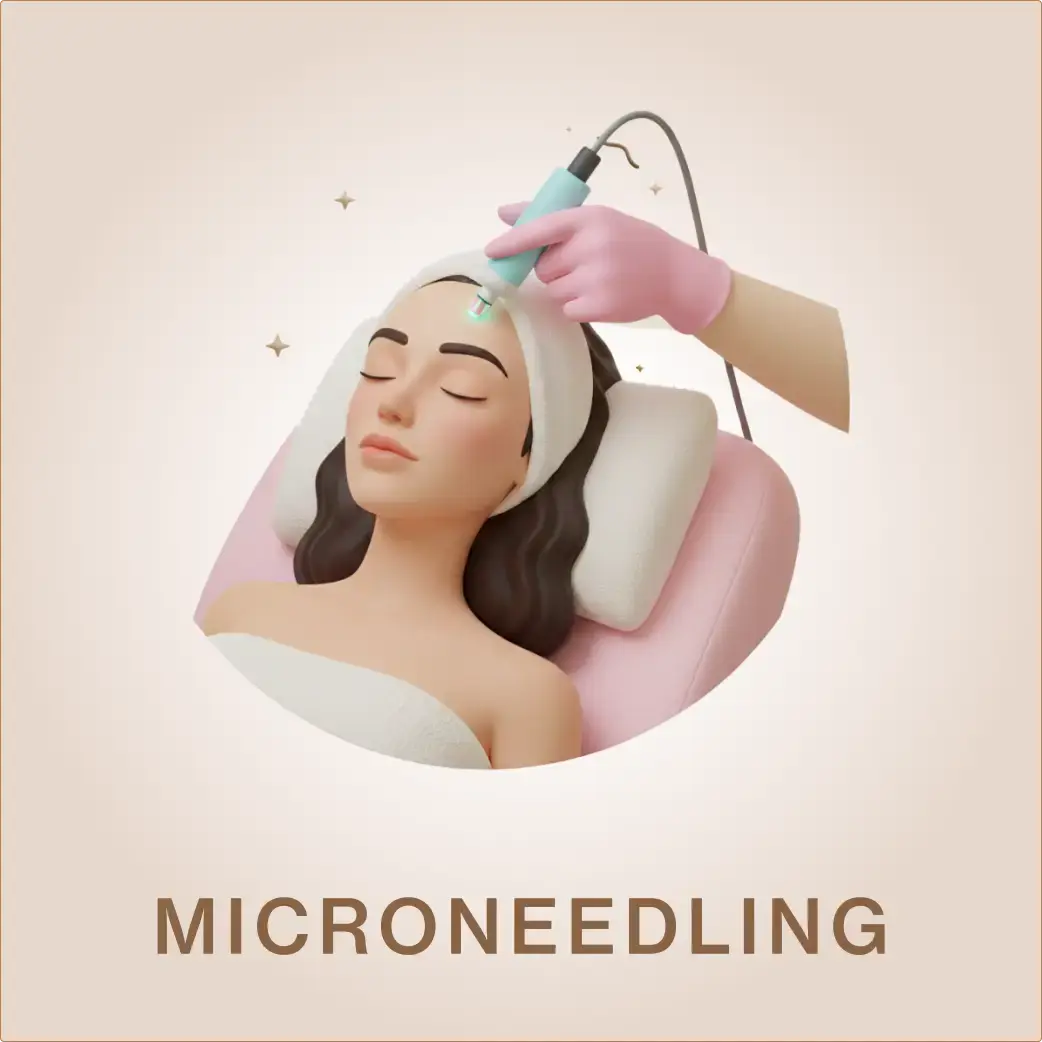
PDRN is often recommended as part of post-procedure care, especially after treatments like lasers or microneedling, to enhance healing and reduce downtime.
Who Is an Ideal Candidate for PDRN Treatment?
In clinical practice, pdrn treatment is typically recommended for patients looking to improve overall skin quality and support regeneration.
You may benefit if you notice:
- Persistent skin dullness
- Early signs of ageing
- Uneven skin texture
- Skin recovery concerns after treatments
When this may not be the first option:
- alternative or combination treatments. A proper skin assessment is essential to determine whether this treatment is suitable for your specific concerns. If you're unable to visit a clinic immediately, a dermatologist online consultation can help you understand whether PDRN is appropriate for your skin concerns before planning treatment.
How PDRN Treatment Is Performed in a Clinical Setting
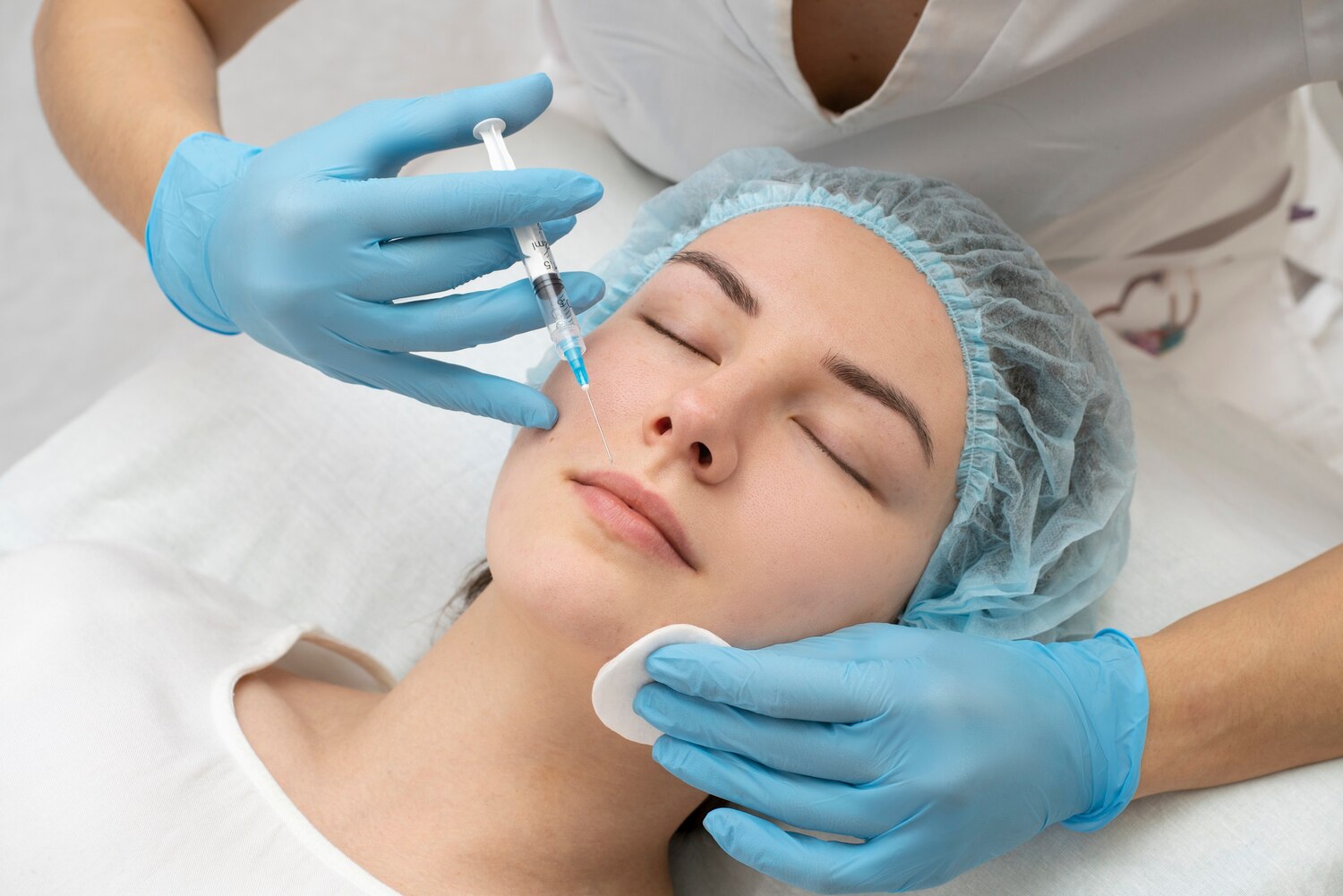
In a clinical setting, PDRN is typically delivered through:
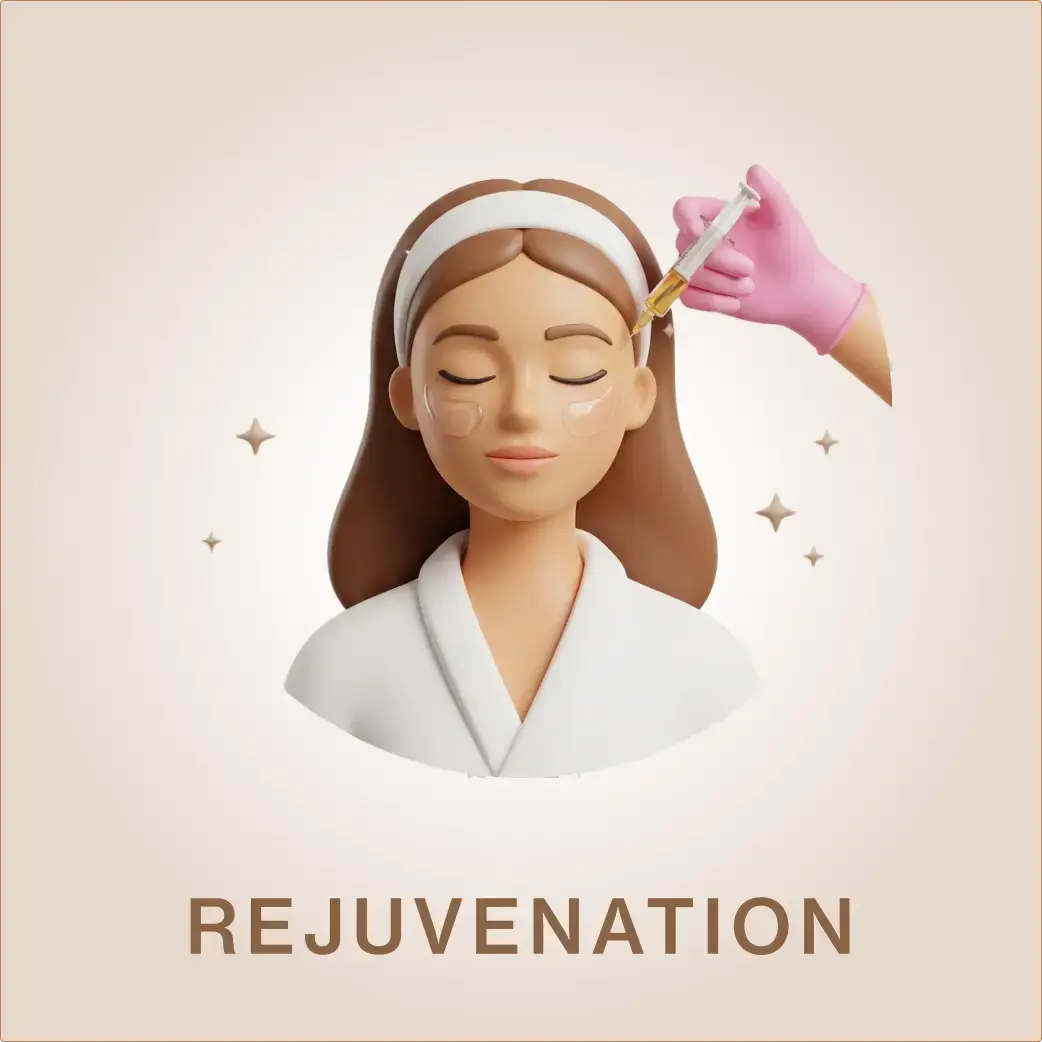
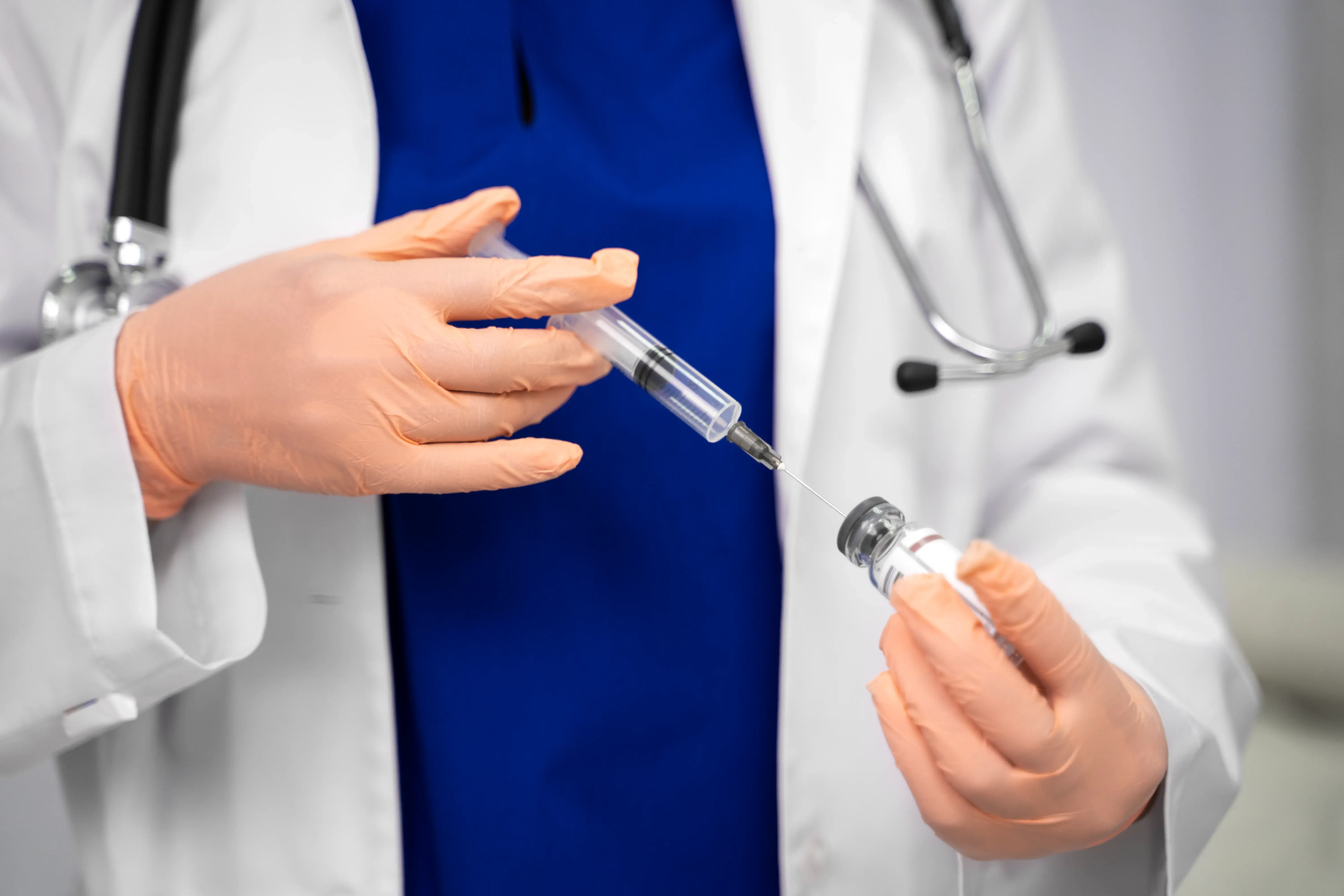
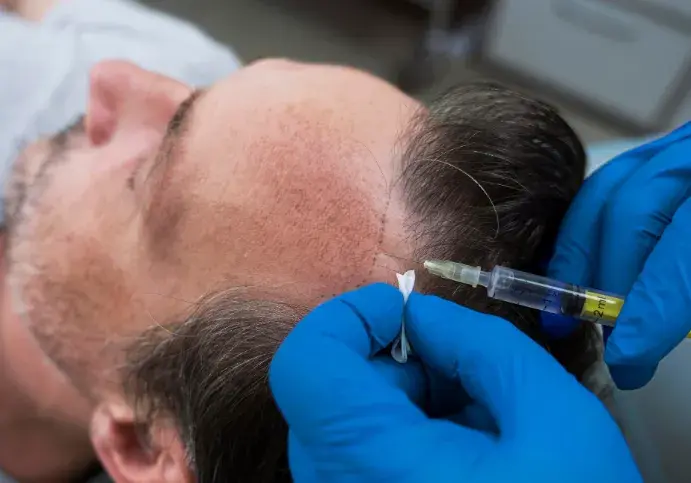
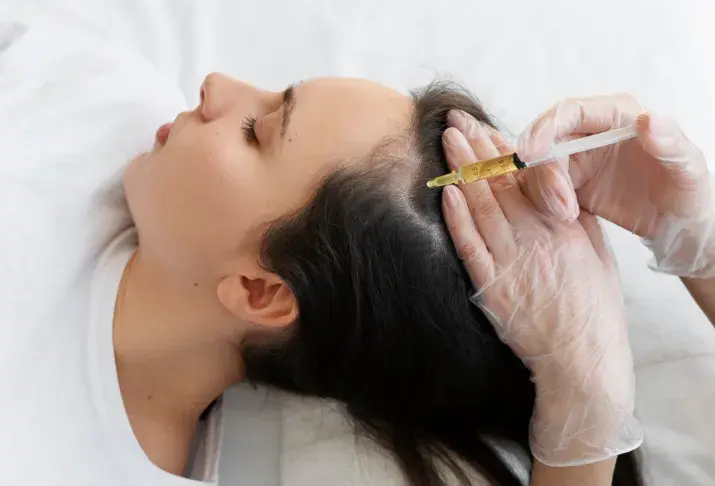
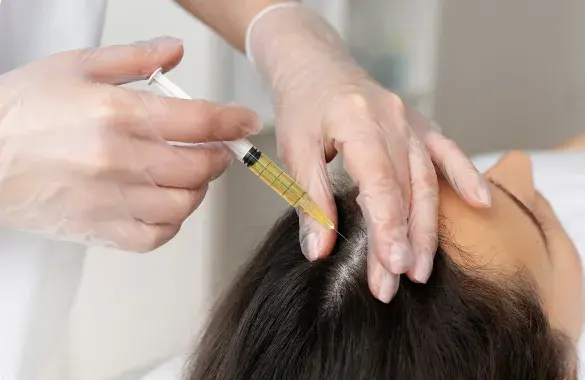
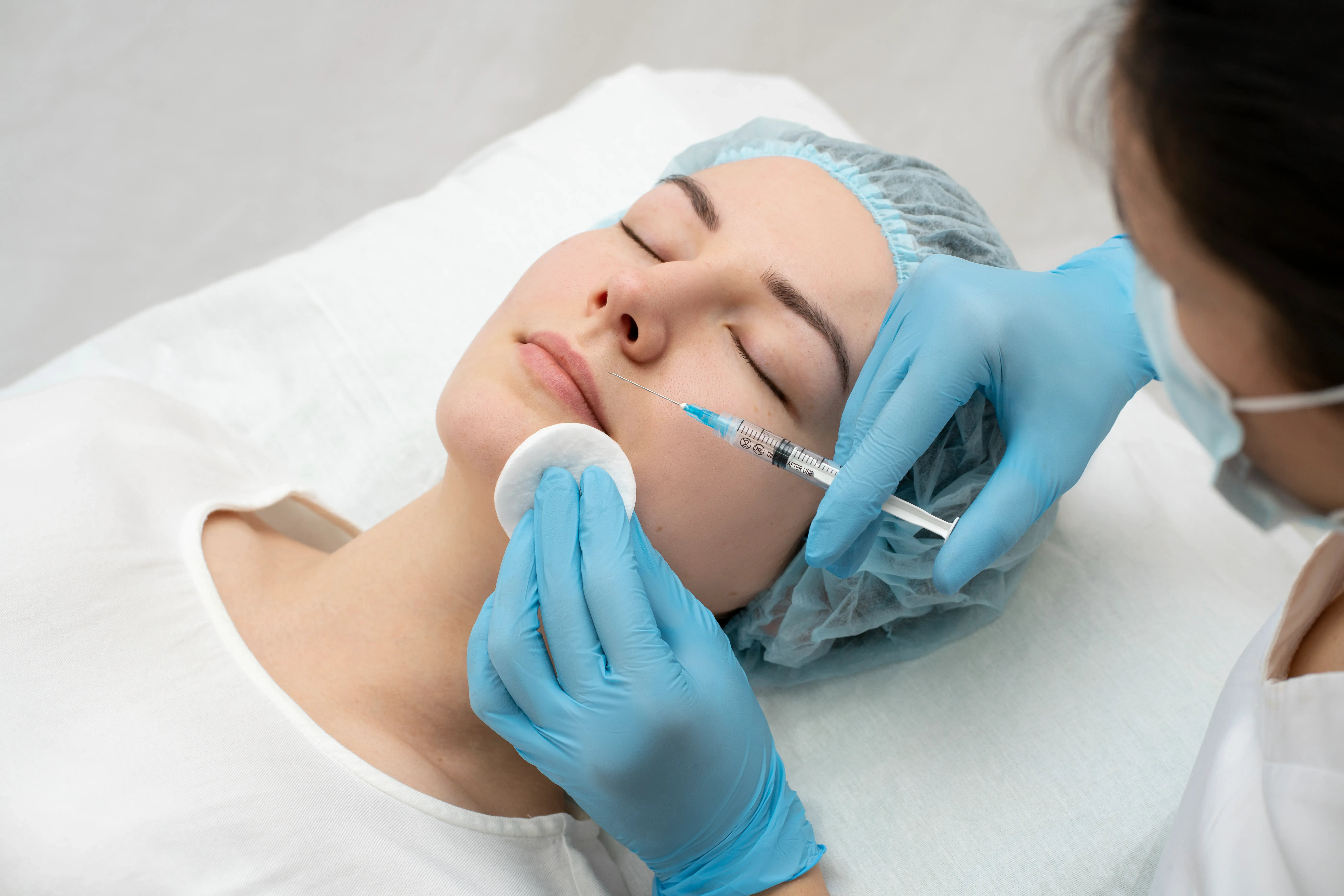
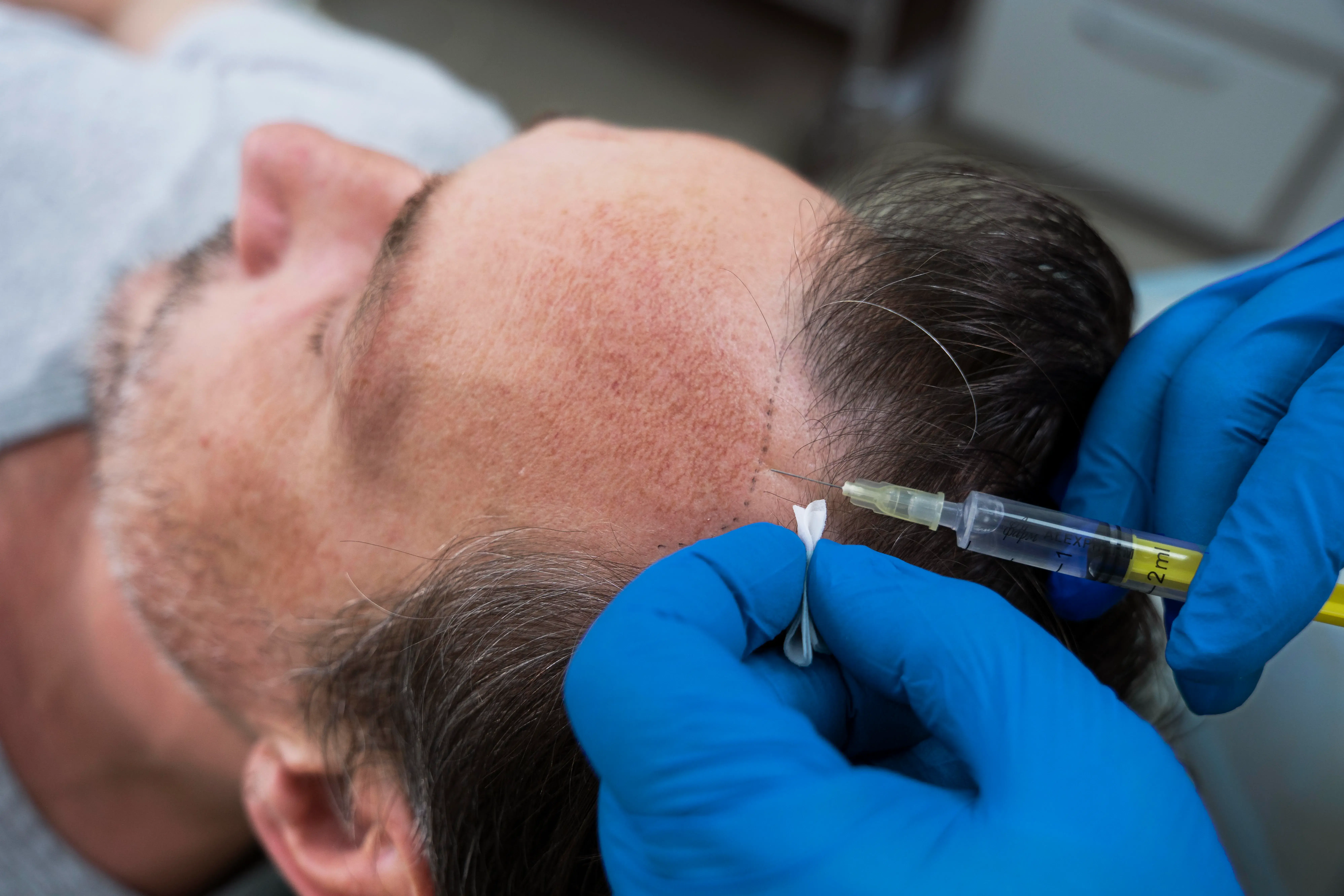
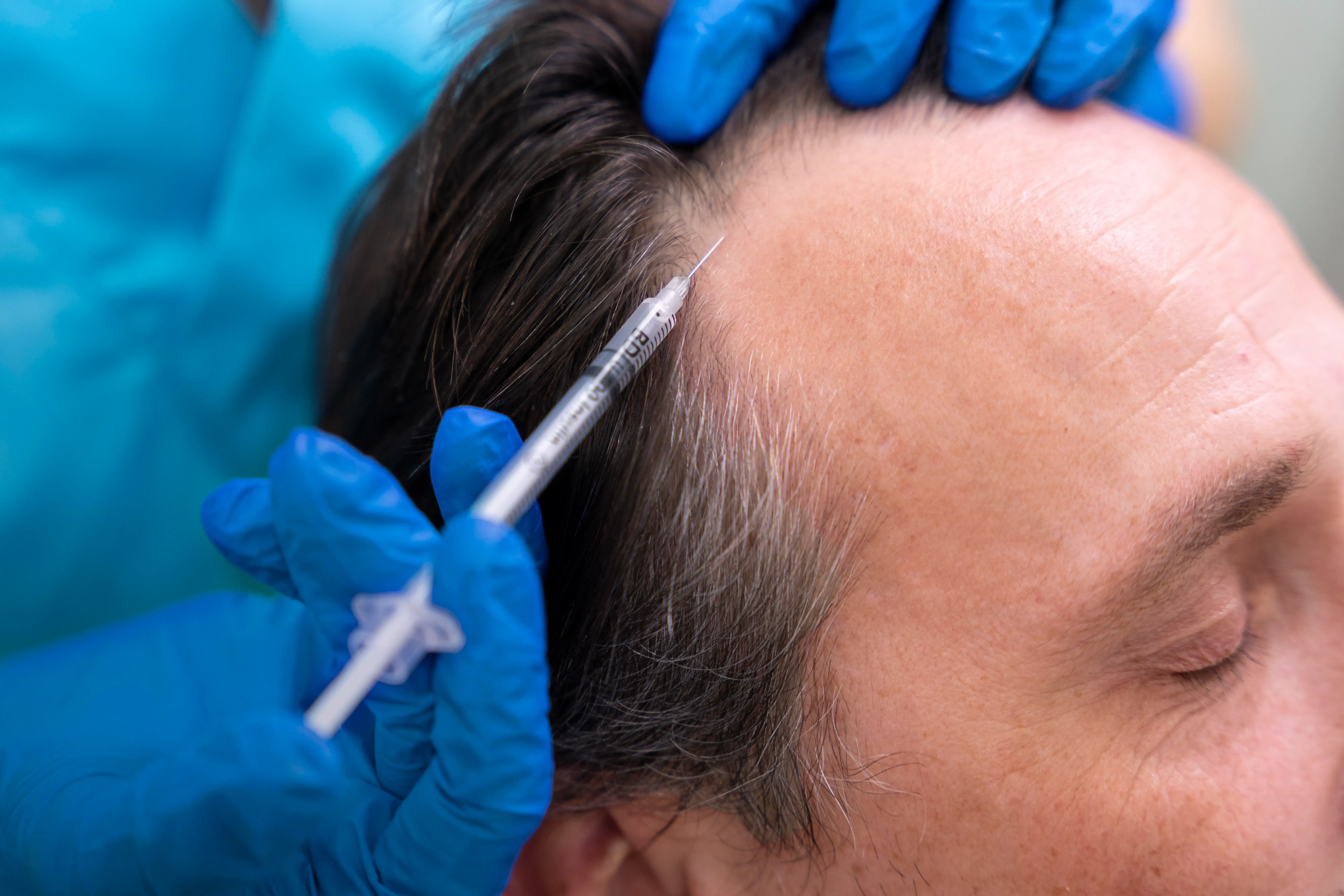
- Injectable skin boosters
- Microneedling combined with PDRN
- Combination treatments with other dermatological procedures
These approaches are designed to enhance the effectiveness of PDRN skincare by ensuring deeper penetration and better results.
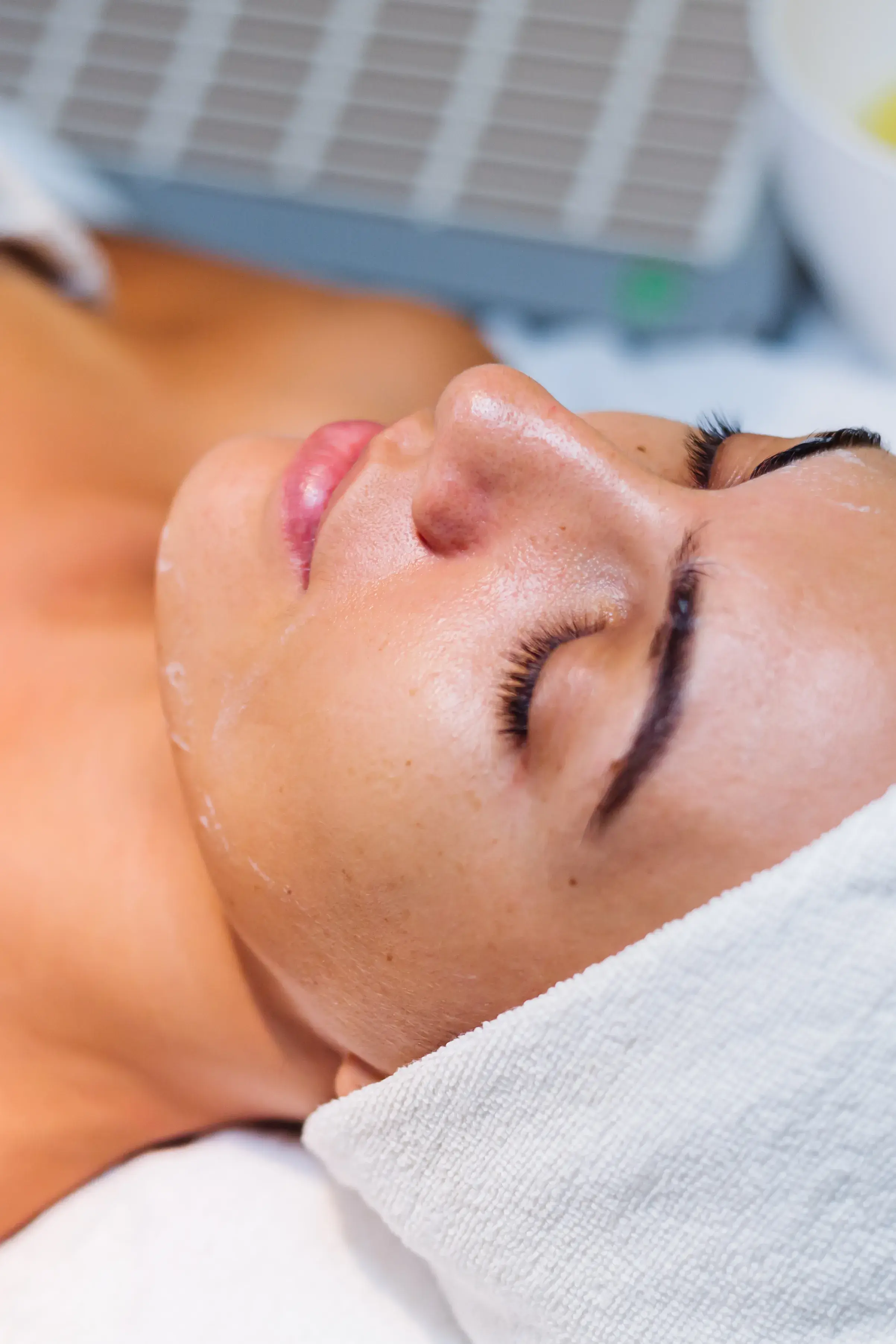
What Happens During Your Session
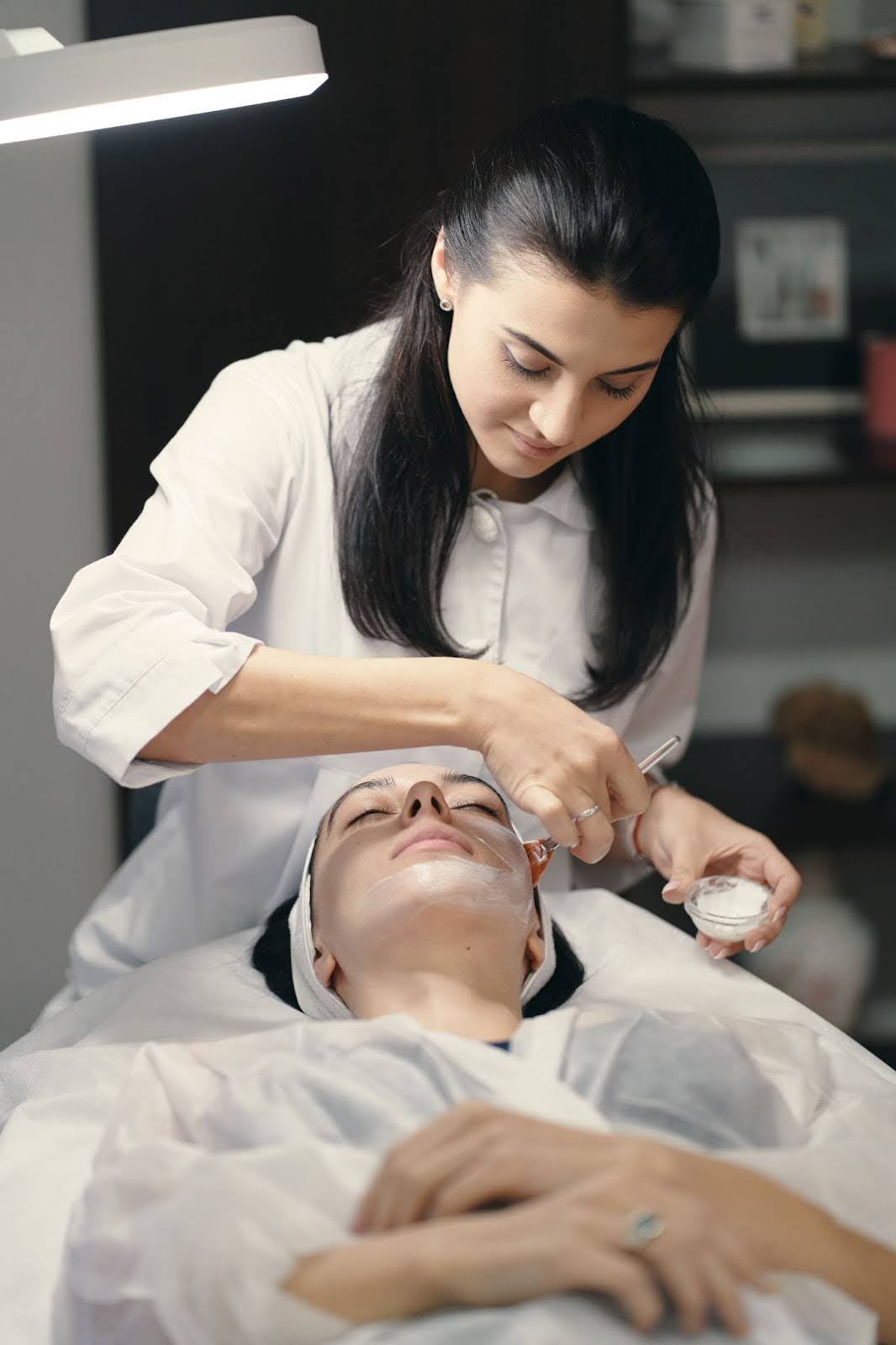
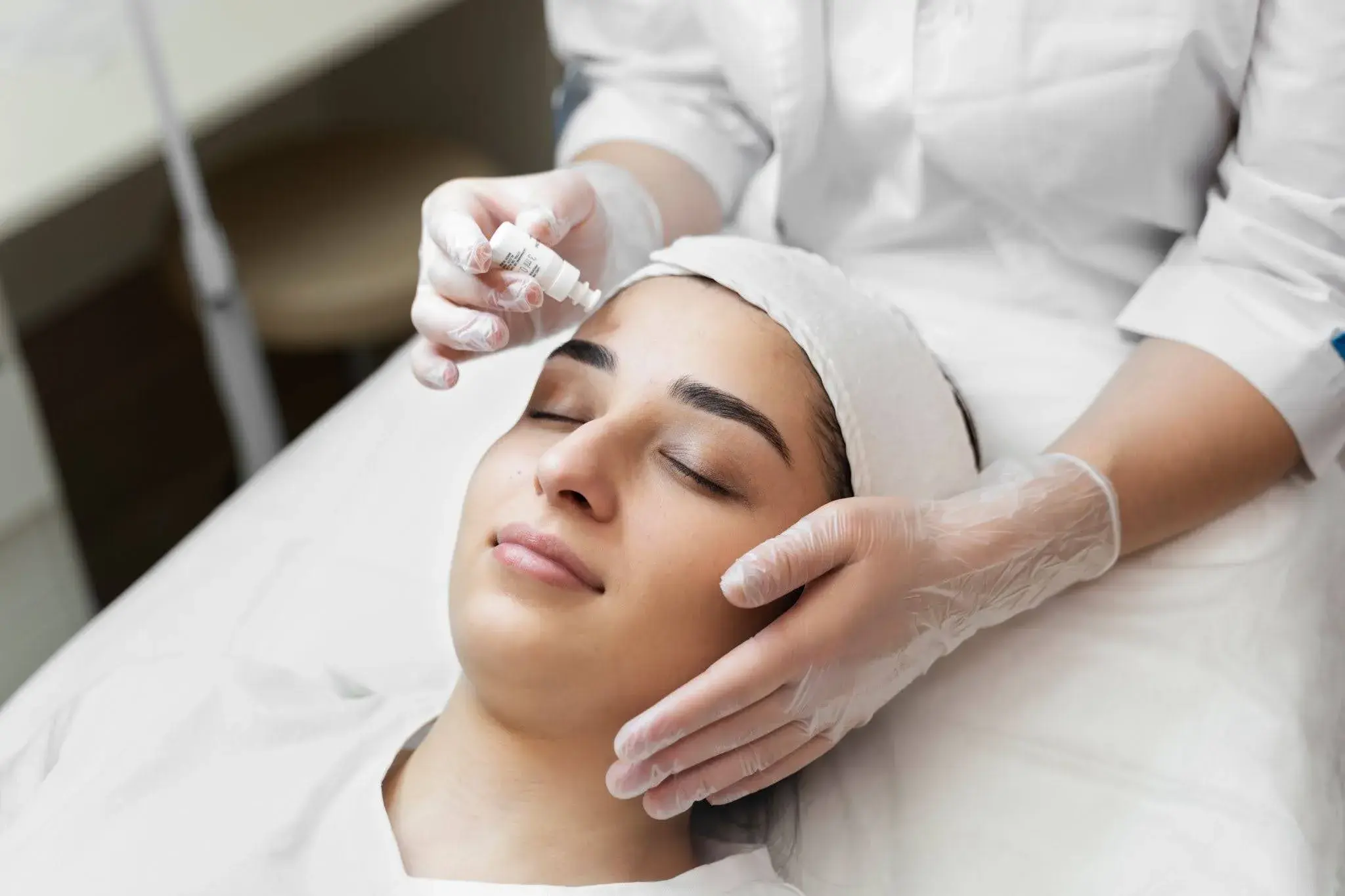
During your visit, your dermatologist will first assess your skin and understand your concerns. Based on this, a customised treatment plan is created.
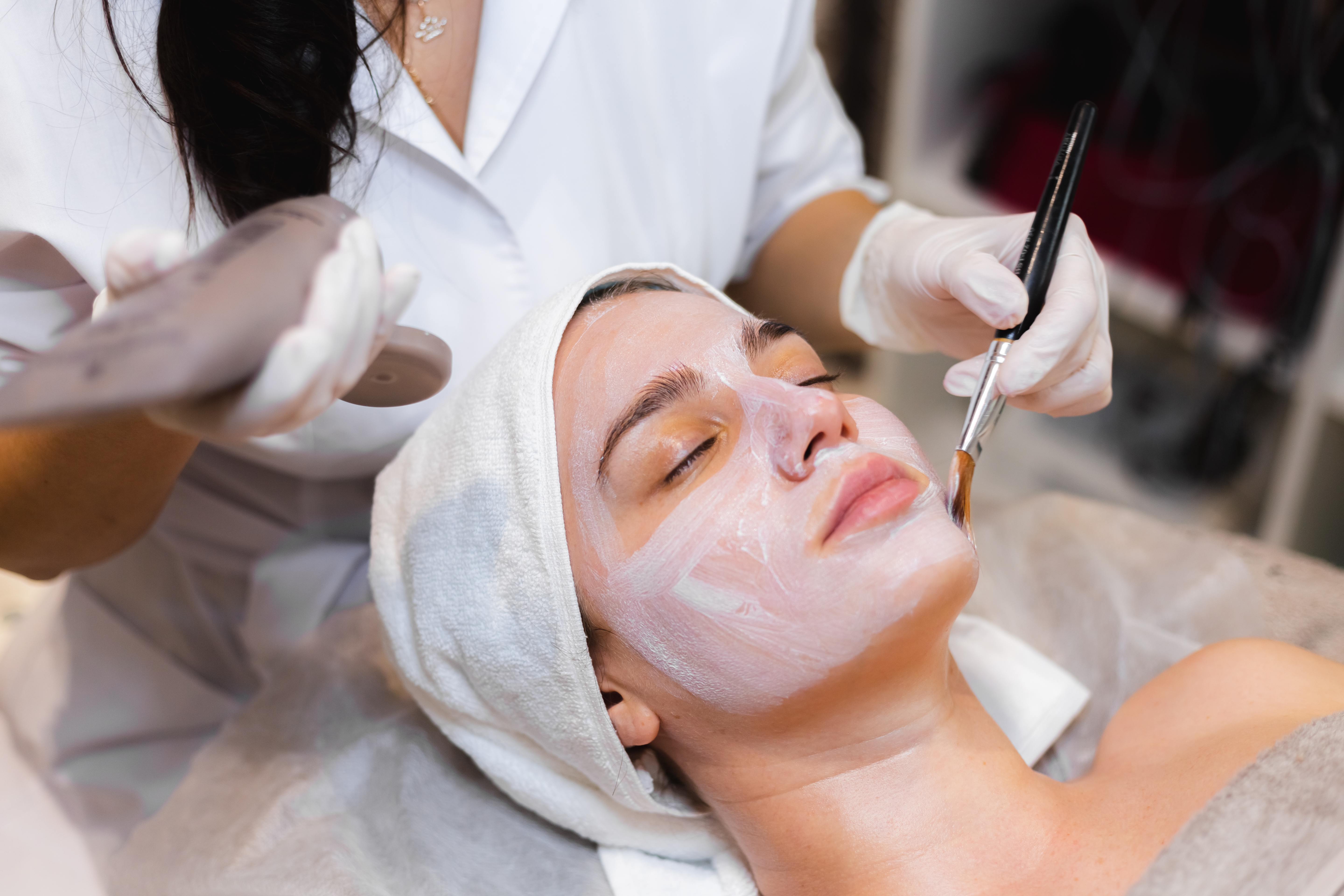
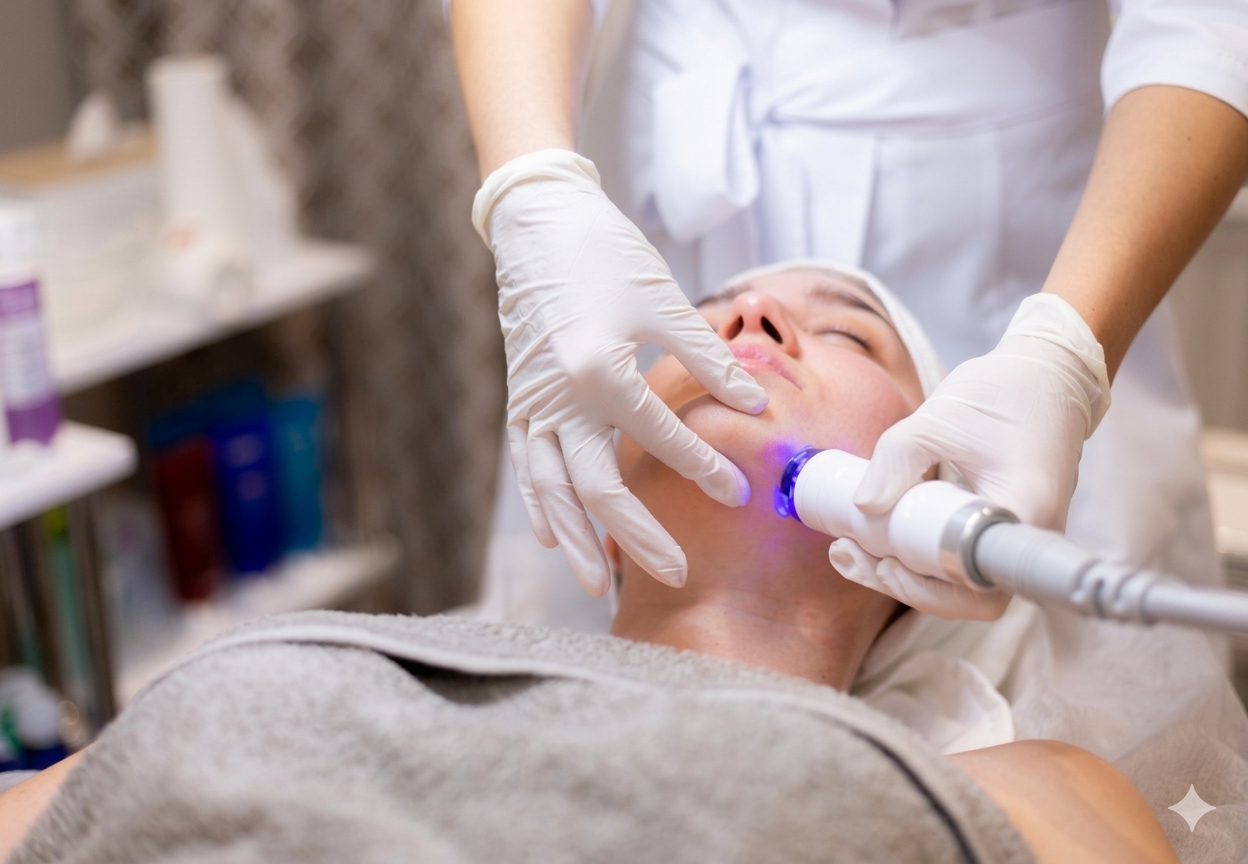
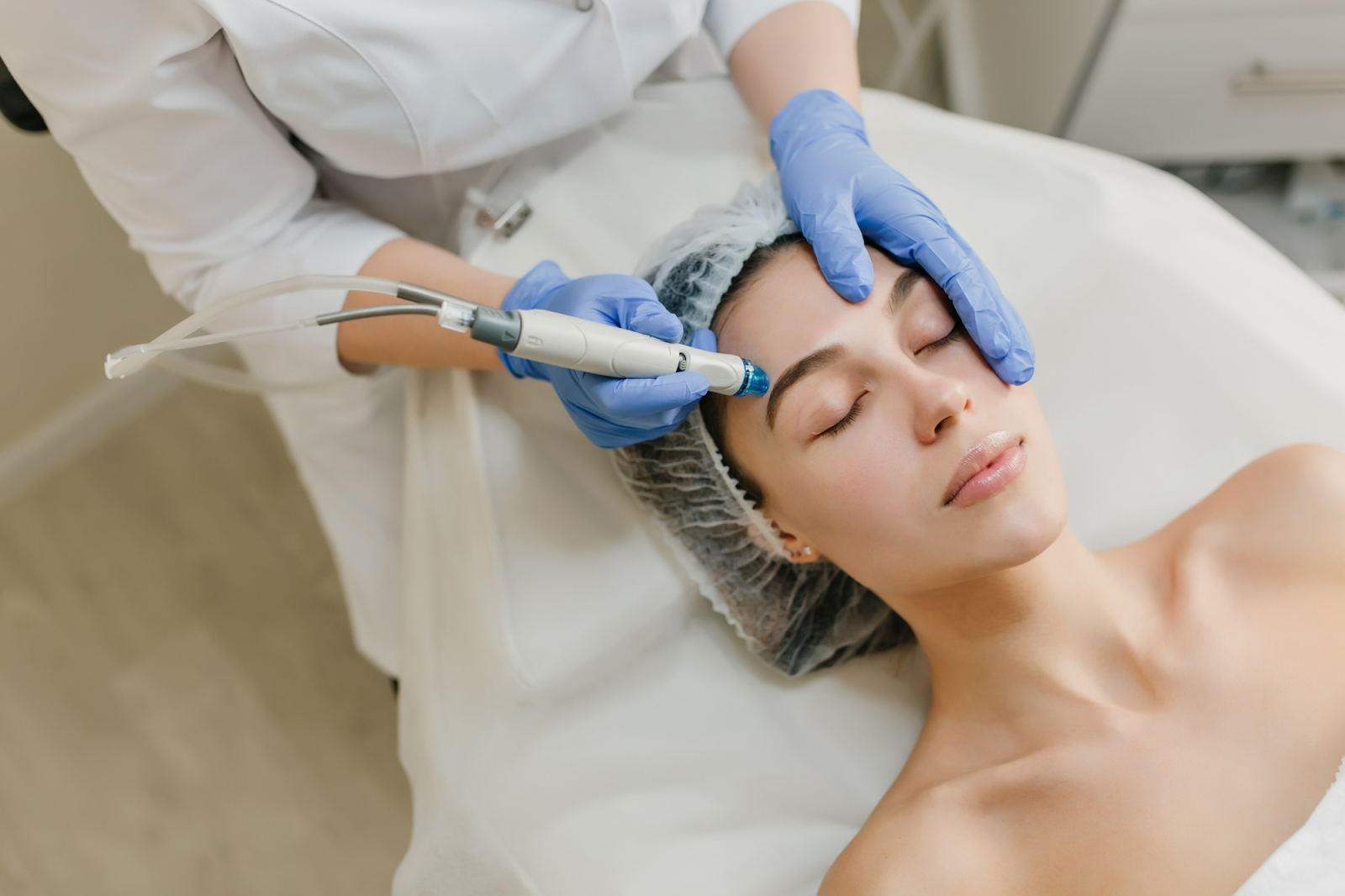
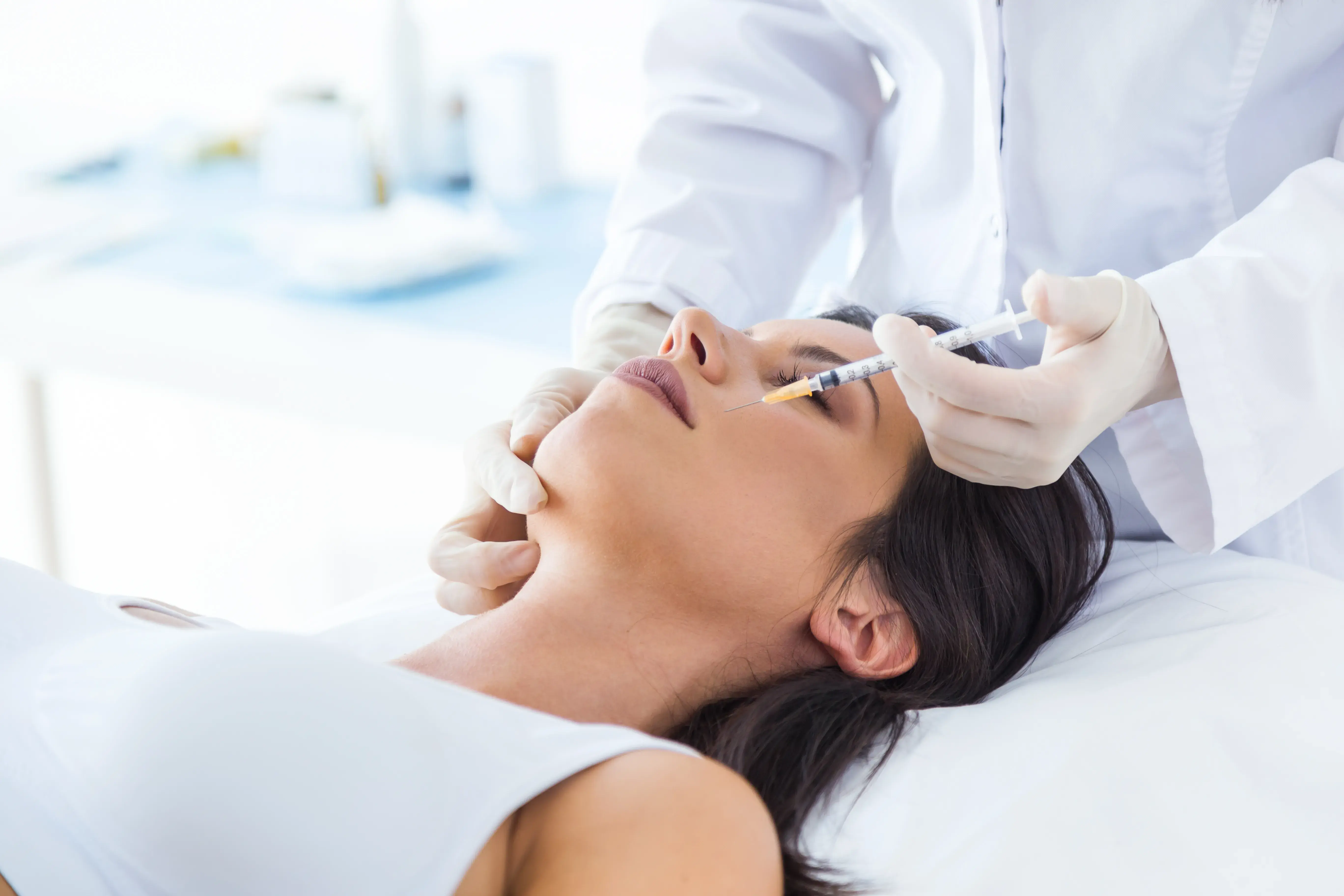
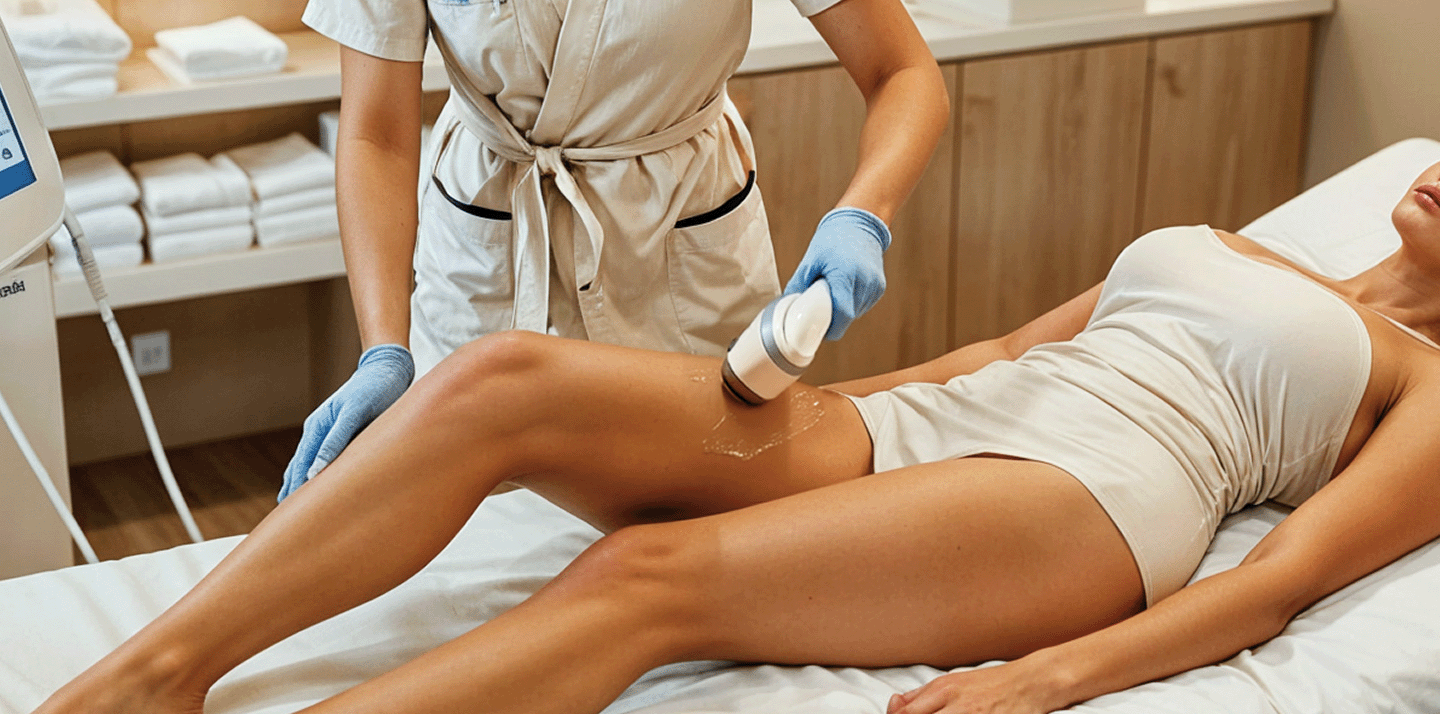
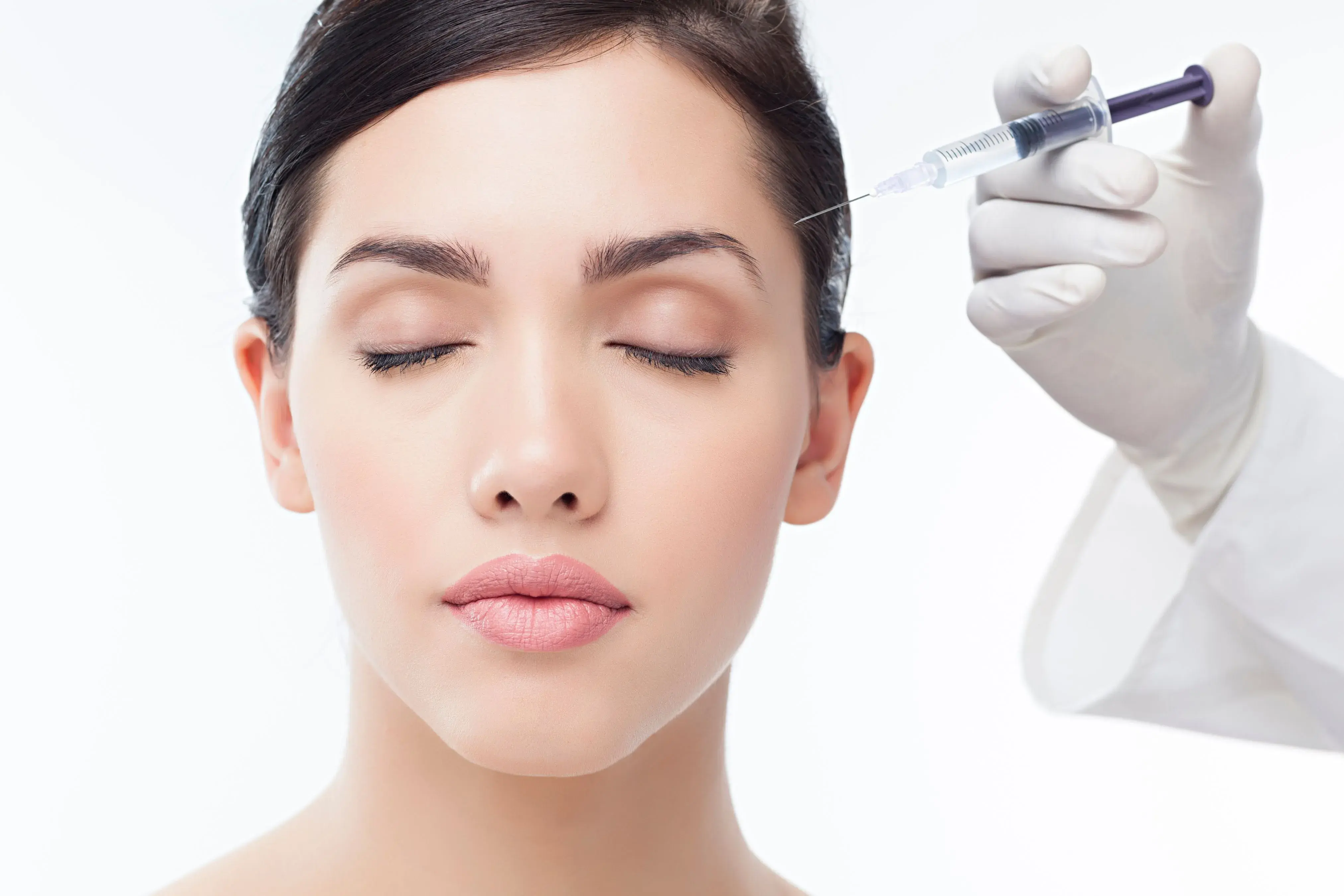
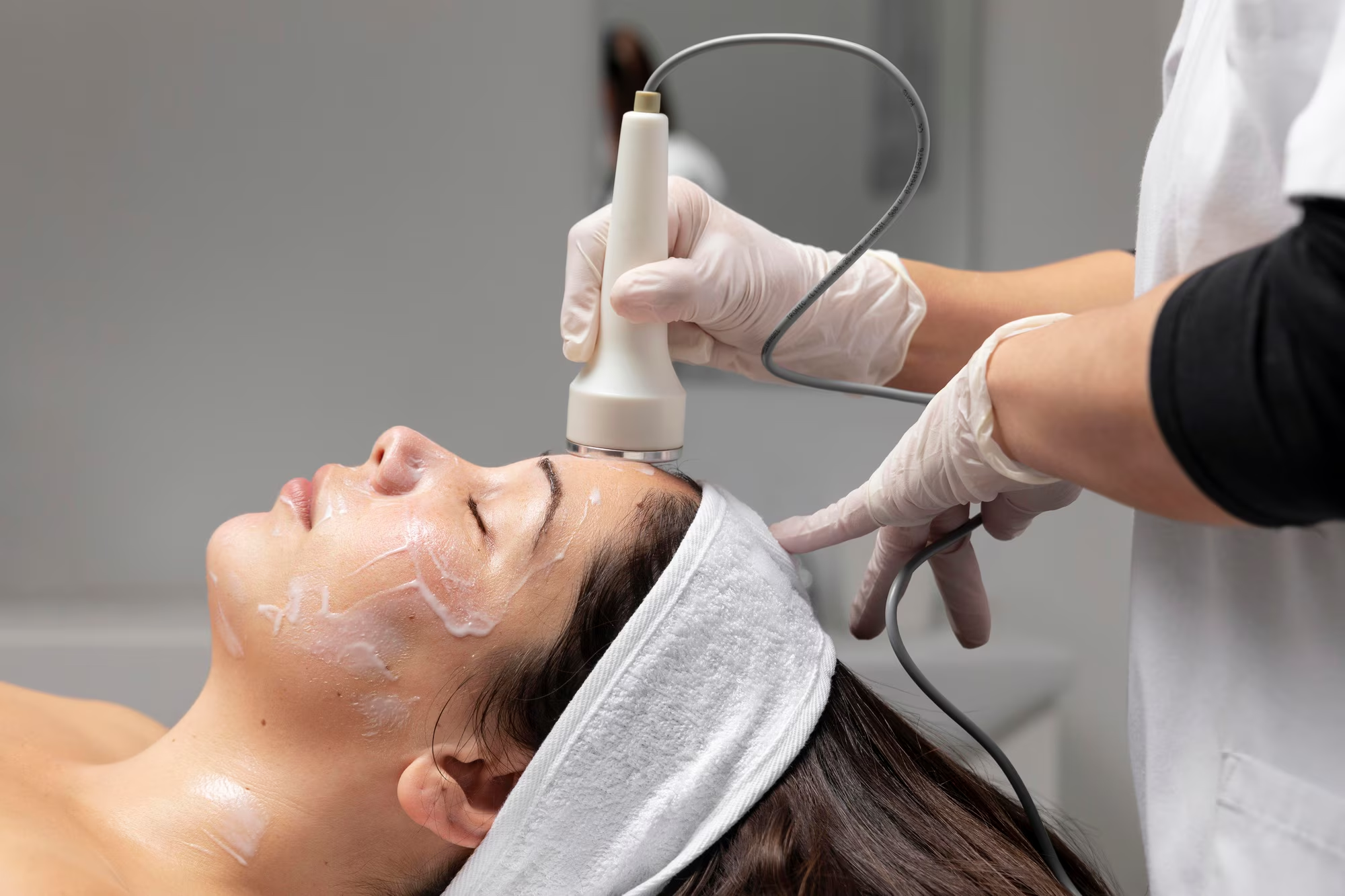
The procedure itself is usually well-tolerated. Depending on the method used, the treatment may involve multiple small injections or application through specialised devices designed to deliver the ingredient effectively into the skin.
What Results Can You Expect and When?
1. Immediate Effects:
Some patients notice improved hydration and a subtle glow shortly after the treatment.
2. Gradual Improvements:
Over the next few weeks, you may observe better skin texture, improved elasticity, and a more even appearance. These gradual changes are often reflected in PDRN before and after comparisons.
3. Number of Sessions Required:
In most cases, multiple sessions are recommended to achieve optimal results. The exact number depends on your skin condition and desired outcomes.
Is PDRN Treatment Safe? A Dermatologist’s Perspective
- PDRN treatment is generally well-tolerated when performed correctly
- Mild redness may occur after the procedure
- Slight swelling can be experienced in treated areas
- Temporary sensitivity is possible but usually short-lived
- These effects typically subside within a brief period
- Undergoing the treatment under proper medical supervision is essential
- Ensures the procedure is performed safely and effectively
- Helps you achieve the intended PDRN benefits while minimising potential risks
PDRN vs Other Skin Treatments: What’s the Difference?
From a clinical perspective, comparing PDRN treatment with other approaches helps determine the most effective plan for your specific skin concerns.
PDRN vs PRP
While both treatments focus on skin regeneration, PRP uses your own blood-derived growth factors, whereas PDRN is a DNA-derived compound. The choice between the two depends on your skin needs and treatment goals.
|
Expert Quote:
"In PDRN we are stimulating your skin to heal from within... We are stimulating your cells to do that from within. I would say it is not at all comparable to other treatments, in fact, it would be complementing them."
— Dr Nabaneeta Saikia, Senior Cosmetologist, Bodycraft
|
PDRN vs Topical Skincare
Topical products primarily work on the surface of the skin. In contrast, PDRN treatments are designed to work at a deeper level, supporting structural repair and long-term improvement beyond regular skincare.
When Your Dermatologist May Recommend PDRN
PDRN is often recommended as part of a broader treatment plan, especially when the goal is to improve overall skin quality rather than address a single concern.
A Dermatologist’s Recommendation: Is PDRN Right for You?
From a clinical standpoint, PDRN can be a valuable option for improving skin health and supporting long-term regeneration. However, its effectiveness depends on your skin type, existing concerns, and how it is integrated into your treatment plan.
Rather than viewing it as a standalone solution, it is best approached as part of a customised dermatological strategy designed specifically for your skin.
|
Expert Quote:
Regenerative medicine is the next big thing, and PDRN is definitely one big part of it... Every client wants a natural-looking skin, subtle results, and if we have this tool, it makes our work much easier."
— Dr Nabaneeta Saikia, Senior Cosmetologist, Bodycraft
|
When Should You Consider Consulting a Dermatologist?
If you are experiencing persistent skin concerns such as dullness, early ageing, uneven texture, or slow skin recovery, it may be time to seek professional guidance. If you've been searching for a dermatologist near you, choosing a qualified skin expert ensures your concerns are assessed accurately and the most appropriate treatment plan is recommended.
A detailed skin assessment can help determine whether PDRN skincare treatments are suitable for you and how they can be incorporated into a treatment plan tailored to your needs.
PDRN Treatment: What You Should Know Before You Begin
PDRN is a clinically driven approach that focuses on improving your skin’s natural ability to repair and regenerate. While the PDRN treatment offers multiple benefits, its effectiveness depends on your individual skin concerns and a well-planned treatment approach. Consulting a dermatologist ensures you receive the right guidance and achieve the best possible pdrn benefits for your skin.
FAQ’s
1. How long does it take to see results from PDRN treatment?
Most patients notice initial hydration and glow within a few days, while visible improvements in texture and elasticity develop over a few weeks with continued sessions.
2. Is PDRN treatment suitable for all skin types?
Yes, pdrn treatment is generally suitable for most skin types, but a dermatologist consultation is important to assess your specific concerns and customise the approach.
3. How many sessions of PDRN treatment are usually required?
The number of sessions varies based on your skin condition, but most patients require multiple sessions to achieve optimal pdrn benefits and long-term improvement.





.png)


-1.png)


-1.png)
-3.png)





.png)




-Aug-02-2026-05-23-10-1368-PM.png)



.webp)
-1.webp)
.webp)
-Jul-07-2026-12-19-56-1023-PM.webp)






-Jun-01-2026-02-54-50-5351-PM.png)
-Jun-01-2026-02-45-39-8016-PM.png)

-May-29-2026-03-30-08-6855-PM.png)


-1.webp)

-3.webp)




.webp)
.webp)
-1.webp)

.webp)
.webp)

.webp)