




.png)





.png)
.png)


-1.png)




-1.png)
-3.png)



.png)





-Aug-02-2026-05-23-10-1368-PM.png)



.webp)
-1.webp)
.webp)
-Jul-07-2026-12-19-56-1023-PM.webp)




-Jun-01-2026-02-54-50-5351-PM.png)
-Jun-01-2026-02-45-39-8016-PM.png)
-May-29-2026-03-30-08-6855-PM.png)

-1.webp)

-3.webp)






.webp)
.webp)

-1.webp)
.webp)
Hair

Hair
12 minutes read | 10 Sep 26
Get a complimentary consultation today. Get in touch
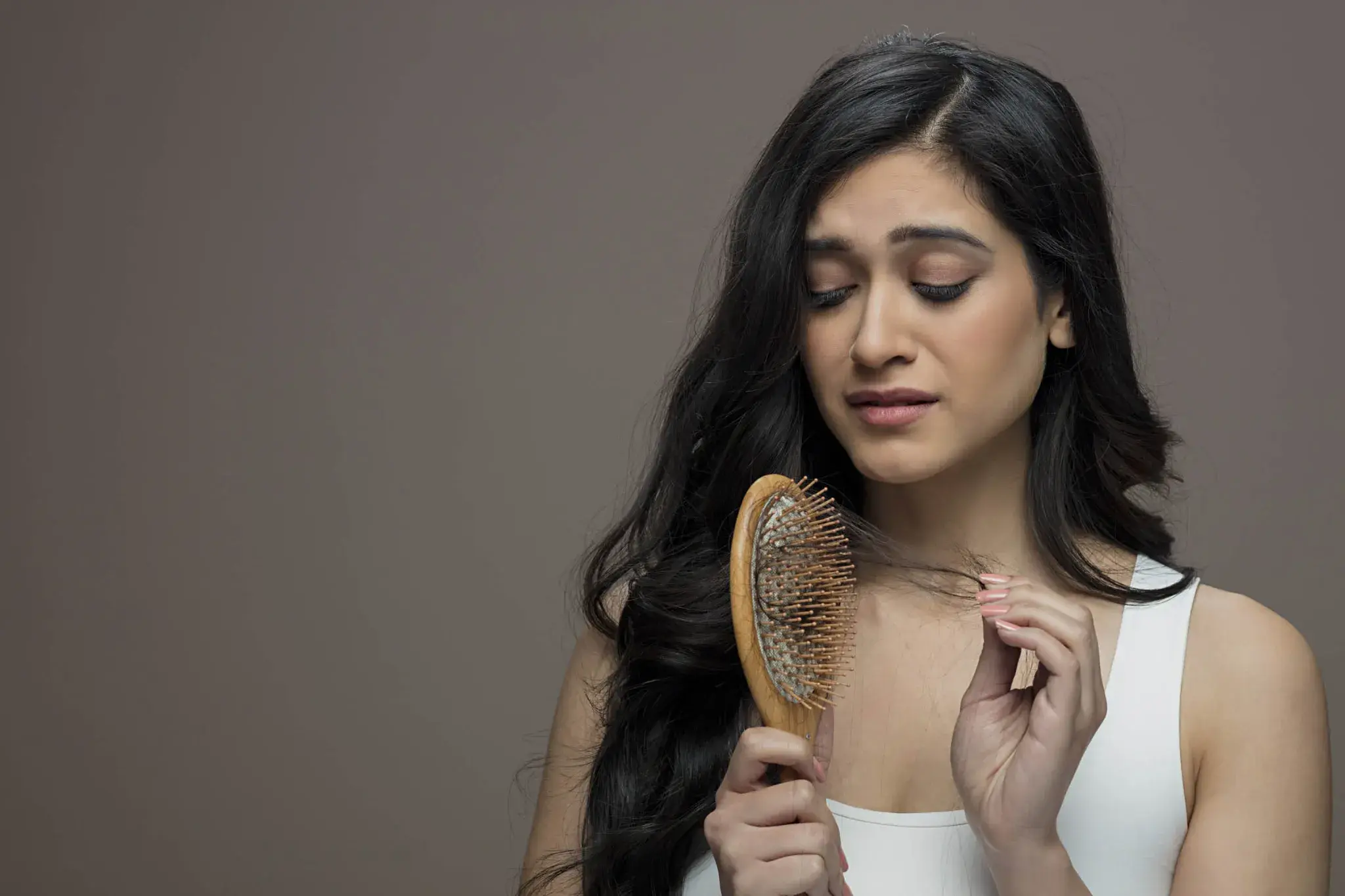
Every monsoon, familiar hair concerns return: roots feel oily sooner, the scalp becomes itchy, freshly styled hair turns frizzy and the shower drain seems to collect more strands than usual.
Humidity can change how hair looks and feels, while sweat, oil and product residue may make the scalp feel uncomfortable. Getting caught in the rain also leaves hair wet for longer and may expose it to dust or pollutants in the surrounding environment. However, not every monsoon hair problem has the same cause—and using more oil, shampoo or serum is not always the answer.
An effective monsoon hair-care routine should focus on three things:
- Keeping the scalp comfortably clean
- Reducing friction and breakage
- Protecting the lengths from humidity without weighing down the roots
Here is what actually helps.
Why Does Hair Behave Differently During the Monsoon?
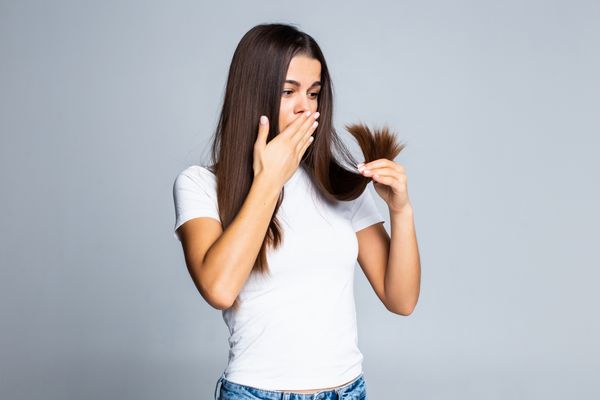
Hair responds readily to moisture in the surrounding air. In humid conditions, water molecules enter the hair shaft and disturb the temporary bonds that help it hold its shape. The outer cuticle may become raised or uneven, making hair look frizzy, puffy or less defined.
At the scalp, humidity does not necessarily make the oil glands produce dramatically more sebum. Instead, sweat, natural oil and styling products can remain noticeable for longer, leaving the roots feeling greasy or heavy.
Common monsoon influences include:
- High humidity: Makes frizz and flyaways more noticeable.
- Sweat and oil: Can contribute to scalp build-up and discomfort.
- Frequent wetting: Makes the hair temporarily more fragile.
- Tight wet hairstyles: Hold moisture against the scalp and create tension.
- Product overload: Can make humid-weather hair feel sticky or flat.
- Existing dandruff: May feel more troublesome when the scalp is sweaty or oily.
Rainwater itself does not automatically ruin hair. The greater concern is leaving hair wet, tangled or coated with residue for a prolonged period after exposure.
Is Monsoon Hair Fall Normal?

People often use “hair fall” to describe two different problems: shedding from the follicle and breakage along the hair shaft.
Shedding
A shed hair separates naturally from the follicle as part of its growth cycle. It generally appears as a full-length strand and may have a small pale bulb at one end.
A temporary increase in shedding can follow:
- Fever or illness
- Significant stress
- Rapid weight loss
- Nutritional deficiency
- Hormonal changes
- Pregnancy or childbirth
- Certain medicines
- An underlying scalp or hair-loss condition
Seasonal changes may affect shedding patterns in some people, but pronounced or persistent hair loss should not automatically be blamed on the monsoon.
Breakage
Breakage occurs when the shaft snaps. Wet hair is more vulnerable to stretching and mechanical damage, so rough towel-drying, vigorous brushing or tying damp hair tightly can result in more broken strands.
Signs of breakage include:
- Shorter hairs of different lengths
- Frayed or split ends
- Rough, brittle sections
- Increased tangling
- Hair snapping while brushing or styling
The distinction matters. A conditioning treatment may improve roughness and reduce breakage, but it cannot treat hormonal or pattern hair loss.
Common Monsoon Hair and Scalp Problems
Frizz and Loss of Definition
Frizz develops when the hair shaft absorbs moisture unevenly. Dry, chemically treated, wavy, curly and porous hair may be particularly reactive to humidity.
Hair may appear:
- Puffy soon after styling
- Rough through the lengths
- Less defined around curls or waves
- Flat at the roots but frizzy at the ends
- More tangled than usual
The solution is usually better moisture balance and surface protection—not repeatedly applying heavy oil to the roots.
Greasy or Heavy Roots
Sweat, sebum and styling residue can make the scalp feel oily sooner during humid weather. Heavy conditioners, masks and serums applied close to the scalp may add to the problem.
If the roots feel oily but the ends remain dry:
- Concentrate shampoo on the scalp.
- Apply conditioner mainly through the mid-lengths and ends.
- Use leave-in products sparingly.
- Wash according to scalp oiliness rather than following a rigid calendar.
- Avoid repeatedly layering dry shampoo without cleansing with water.
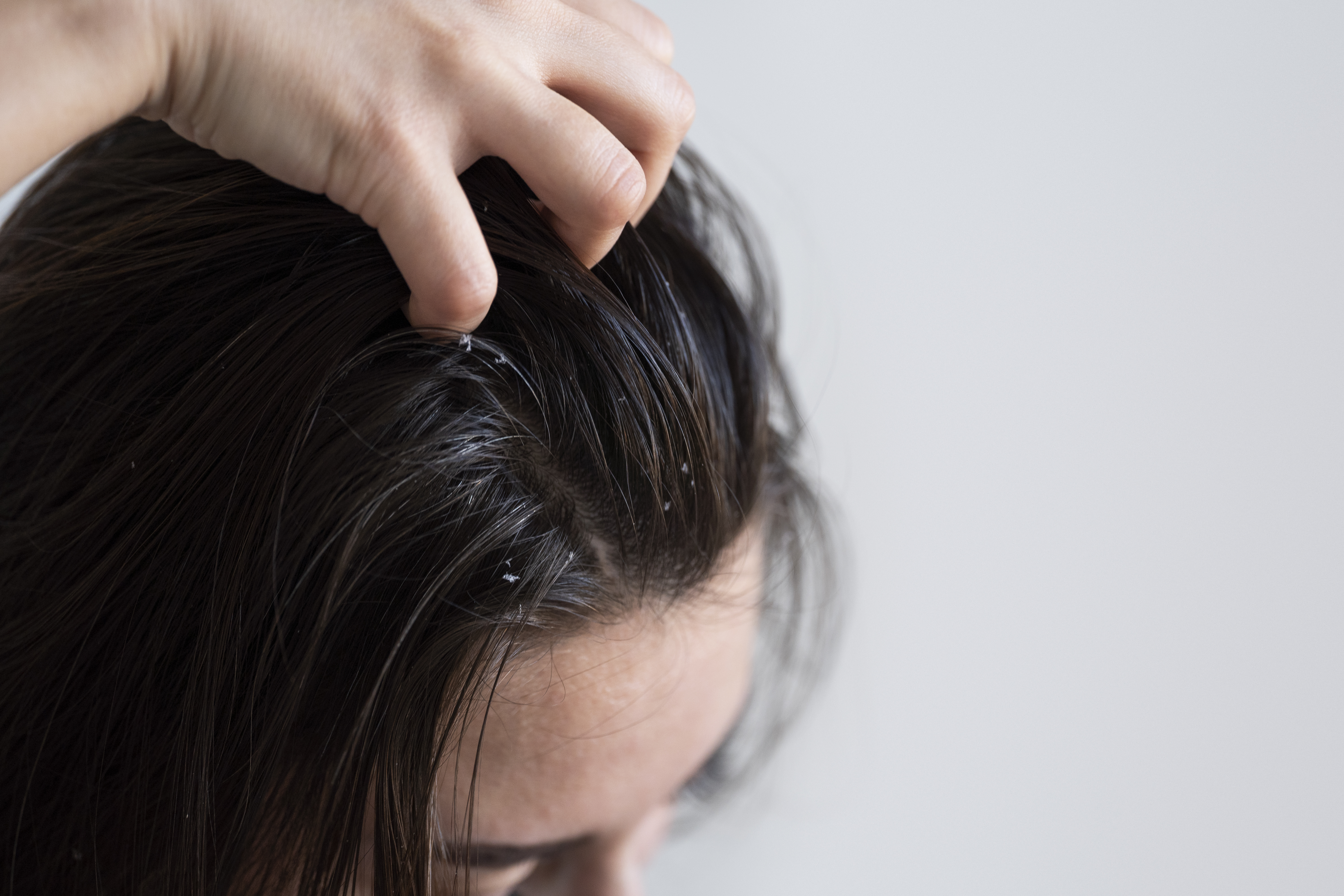
Dandruff and Itching
Dandruff causes visible flakes and may be accompanied by itching. It is not necessarily a sign of poor hygiene or a contagious fungal infection.
Dandruff can be associated with oily skin, hair-care habits and seborrhoeic dermatitis. The naturally occurring yeast involved in seborrhoeic dermatitis may contribute, but an itchy scalp can also result from contact dermatitis, psoriasis, eczema or inadequately rinsed products.
Mild dandruff often responds to regular washing and an appropriate anti-dandruff shampoo. The American Academy of Dermatology recommends choosing a product with a recognised dandruff-control ingredient and following its directions carefully.
|
Bodycraft Clinic offers Pinedruff, a professional anti-dandruff treatment designed to help manage dandruff and related scalp concerns. Consult our experts to determine whether the treatment is suitable for your scalp. |
Flat, Limp Hair
Humidity and excess product can weigh down fine or straight hair. Applying oils, masks or anti-frizz creams from root to tip may make the hair look flatter.
Try:
- A lightweight shampoo suited to an oily scalp
- Conditioner only where the hair feels dry
- Smaller amounts of styling product
- Thorough rinsing
- A light mousse or anti-humidity product instead of a rich cream
- Periodic clarifying when there is genuine product build-up
Tangling and Breakage
Wet hair can stretch and break more easily. Friction from cotton towels, tight elastics and aggressive detangling may worsen the damage.
The right method depends partly on texture:
- Straight or fine hair can be allowed to dry partially before gentle detangling.
- Curly or tightly coiled hair is often easier to detangle while wet and conditioned.
- A wide-tooth comb or detangling brush is generally gentler than a fine comb.
- Always work through knots from the ends upwards.
Dermatologists recommend adjusting washing and detangling practices to the hair type instead of applying one rule to everyone. (AAD healthy-hair guidance)
A Monsoon Hair-Care Routine That Works
1. Wash According to Your Scalp
There is no universal rule that everyone should shampoo every two or three days.
You may need to wash more frequently if you have:
- Fine or straight hair
- An oily scalp
- Frequent sweating
- Regular exercise
- Significant product build-up
Dry, coarse, curly or tightly coiled hair may require less frequent washing and more attention to conditioning.
When shampooing:
- Apply the product primarily to the scalp.
- Massage gently with the fingertips rather than scratching with the nails.
- Let the lather rinse through the lengths.
- Rinse thoroughly so that no residue remains.
- Repeat only when the scalp is particularly oily or dirty.
Washing more frequently does not automatically make the scalp produce extra oil. Problems are more likely when a harsh shampoo leaves the scalp irritated or the lengths excessively dry.
2. Condition Strategically
The conditioner helps reduce friction, tangling and roughness. It should be applied according to the hair’s texture and needs.
For fine or oily hair:
- Use a lightweight conditioner.
- Concentrate it on the ends.
- Keep rich masks away from the roots.
For dry, curly or chemically treated hair:
- Apply conditioner through more of the length.
- Use a richer mask when needed.
- Detangle while the hair is lubricated with conditioner.
- Consider a small amount of leave-in product for humidity control.
3.Dry Without Excessive Friction
You do not need to panic if hair air-dries. The priority is to avoid rough handling and keeping it tightly tied while wet.
After washing or getting caught in the rain:
- Gently squeeze out excess water.
- Blot the hair with a microfibre towel or soft cotton T-shirt.
- Avoid rubbing the lengths back and forth.
- Keep the hair loose while it dries.
- If using a dryer, choose a comfortable low or medium heat and maintain some distance from the scalp.
- Avoid sleeping with soaking-wet hair.
4. Manage Frizz With Less Product
A common response to monsoon frizz is to keep adding serum. This can leave the roots oily while doing little for dryness within the lengths.
A better sequence is:
- Use a suitable conditioner after shampooing.
- Apply a small amount of leave-in conditioner or anti-frizz serum to damp hair.
- Concentrate the product on the mid-lengths and ends.
- Add more only if the hair still needs it.
- Avoid repeatedly touching the hair as it dries.
5. Rethink Scalp Oiling
Oiling can help lubricate dry hair and reduce friction, but it is not essential for every scalp. Heavy or prolonged scalp oiling may feel uncomfortable when the scalp is already oily, itchy or flaky.
If you enjoy oiling:
- Use a small quantity.
- Concentrate on dry lengths if the scalp is greasy.
- Treat it as a pre-wash step rather than leaving it on indefinitely.
- Shampoo it out thoroughly.
- Stop if itching or flaking becomes worse.
Avoid using oil as a treatment for unexplained dandruff or scalp infection. Those concerns may require a medicated shampoo or professional assessment.
6. Keep Hair Tools Clean
Combs, brushes, towels and pillowcases collect oil, sweat and product residue.
During humid weather:
- Clean combs and brushes regularly.
- Allow towels to dry completely between uses.
- Avoid sharing combs and scalp tools.
- Replace damp hair ties with clean, dry ones.
- Change pillowcases when they become oily or sweaty.
- Clean removable styling-tool attachments according to their instructions.
Avoid repeatedly brushing the scalp in an attempt to remove dandruff. Scratching and vigorous brushing can increase irritation.
7. Protect Hair From Rain and Friction
If you get caught in the rain:
- Let down tightly tied hair once you are indoors.
- Rinse or wash it if it feels dirty or has been exposed to road splash.
- Dry the scalp and lengths gently.
- Detangle only after adding sufficient slip with conditioner or a suitable product.
- Do not repeatedly tie wet hair into a tight bun or ponytail.
A loose braid or covered hairstyle may reduce tangling while travelling, but the hair should be opened and dried after prolonged exposure.
How to Choose a Monsoon Shampoo
The best shampoo is determined by the scalp—not simply by the season.
For an oily scalp
Look for a shampoo that removes sweat, oil and residue without leaving the scalp tight or irritated. Clarifying shampoo may help occasional heavy build-up but does not need to be used at every wash.
For dandruff
Anti-dandruff shampoos may contain ingredients such as:
- Ketoconazole
- Selenium sulphide
- Zinc pyrithione, where locally available
- Salicylic acid
- Coal tar
- Sulphur
Different ingredients work in different ways. Follow the product instructions, as some shampoos need to remain on the scalp briefly before rinsing. Apply medicated shampoo mainly to the scalp because some formulas can dry the lengths.
Seek professional guidance if you are unsure which ingredient suits your symptoms, are pregnant or breastfeeding, have an existing skin condition or are treating a child.
For dry, curly or frizz-prone hair
Choose a gentle shampoo and focus on effective conditioning. “Sulphate-free” is not automatically better for everyone; the overall formulation and how your hair responds matter more than one label.
For coloured or chemically treated hair
Use products recommended for treated hair and reduce unnecessary heat styling. Colour-treated or lightened hair is often more porous, making humidity-related frizz more visible.
When a Professional Hair Service May Help
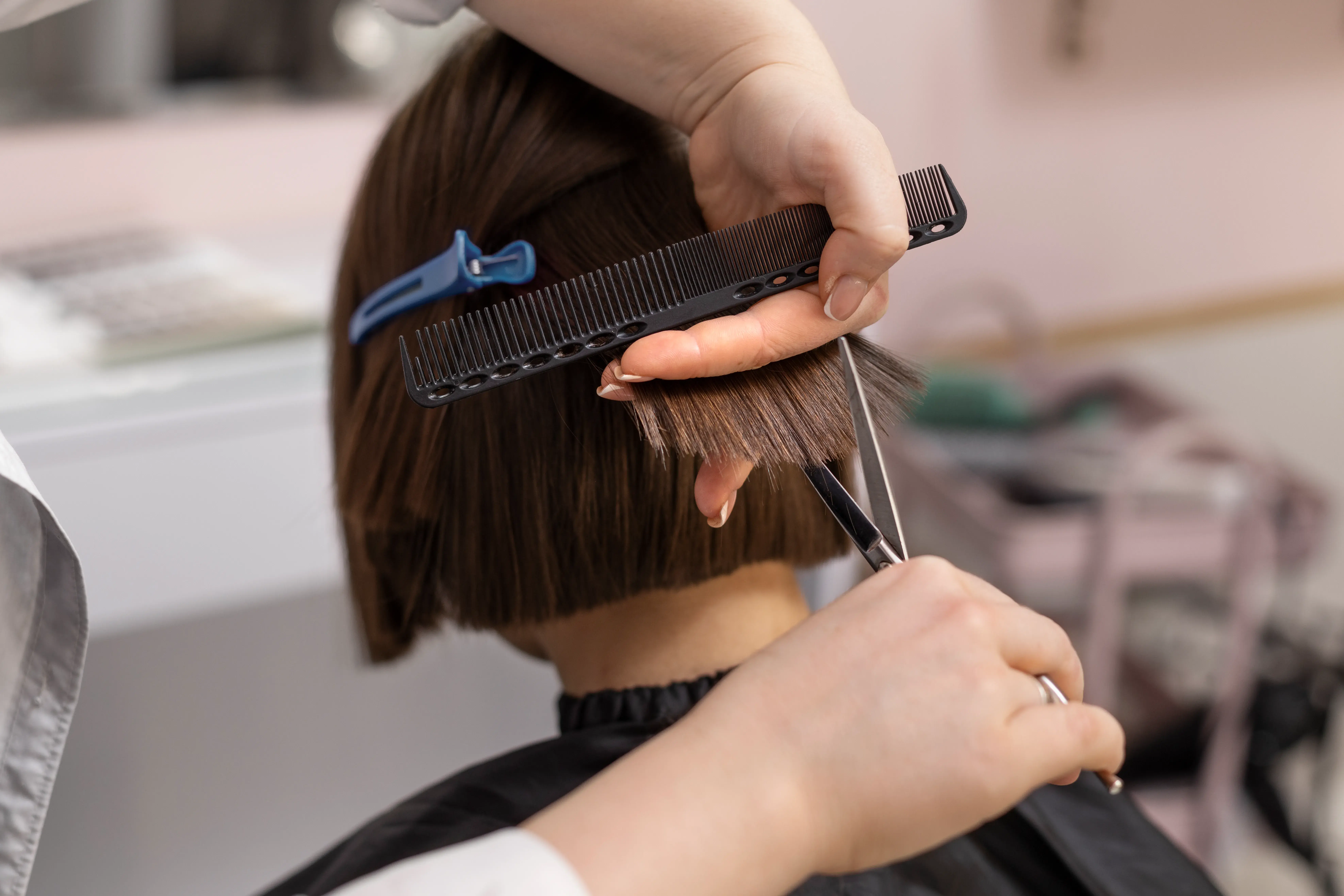
A salon service can improve concerns affecting the hair shaft, including:
- Roughness
- Dry or brittle lengths
- Frizz
- Tangling
- Loss of softness
- Damage from colouring or heat styling
| Bodycraft’s Alchemy hair therapies include conditioning and repair-focused options such as Reborn, Hydra Revive Caviar Ritual and Ultimate Revitalise Caviar Ritual. The appropriate service can be selected after considering hair texture, porosity, length, chemical history and the degree of dryness or damage. |
A hair spa may make the lengths feel smoother and more manageable, but it should not be presented as a medical treatment for scalp infection, severe dandruff or hair loss from the follicle.
Quick Monsoon Dos and Don’ts
Do
- Wash when the scalp becomes dirty, sweaty or oily.
- Apply shampoo primarily to the scalp.
- Use conditioner according to your hair type.
- Handle wet hair gently.
- Dry rain-soaked hair before tying it again.
- Keep brushes, towels and accessories clean.
- Follow anti-dandruff shampoo directions carefully.
- Protect exposed hair and scalp from excessive sun.
Don’t
- Scratch an itchy scalp with your nails.
- Brush straight or fine hair aggressively while soaking wet.
- Keep wet hair in a tight bun for hours.
- Apply heavy masks and oils indiscriminately to oily roots.
- Use dry shampoo as a permanent replacement for washing.
- Assume every flaky scalp is dandruff.
- Ignore persistent redness, pain, crusting or patchy hair loss
When Should You Consult a Specialist?
Occasional frizz, mild oiliness and temporary irritation can often be managed by adjusting the routine. A dermatologist-led evaluation is more appropriate when you notice:
- Significant or progressive thinning
- Sudden or patchy hair loss
- Persistent shedding for several months
- Severe itching
- A red, swollen or painful scalp
- Pus-filled bumps, sores or crusting
- Thick or silvery scales
- Circular areas of hair loss
- Flaking that does not improve after using an appropriate anti-dandruff shampoo
- A reaction after hair colour or another product
These signs may be related to seborrhoeic dermatitis, psoriasis, contact dermatitis, folliculitis, tinea capitis or another condition requiring diagnosis. The NHS recommends medical assessment when dandruff remains severe, the scalp is very itchy, red or swollen, or symptoms do not improve with anti-dandruff shampoo.
If you are unsure whether you are dealing with seasonal breakage, dandruff or true hair loss,consult a Bodycraft expert for guidance on the appropriate salon or clinic route.
The Monsoon Hair-Care Takeaway
Monsoon hair care is not about adding more steps. It is about responding to what the scalp and hair are doing:
- Clean an oily or sweaty scalp as often as it needs.
- Protect dry lengths with conditioner and careful product placement.
- Reduce friction while the hair is wet.
- Avoid trapping wet hair in tight styles.
- Use dandruff shampoo correctly rather than treating every flake with oil.
- Choose salon conditioning for shaft dryness and frizz—not for medical scalp conditions.
- Seek professional advice when symptoms are persistent, painful or associated with progressive hair loss.
With those distinctions in place, monsoon frizz, heaviness and breakage become much easier to manage without overloading the hair or irritating the scalp.
FAQs
Does monsoon weather directly cause hair loss?
Humidity alone is not a complete explanation for hair loss from the follicle. Monsoon habits may increase breakage, while illness, stress, nutrition, hormones and underlying hair-loss conditions can increase shedding. Persistent or progressive loss should be assessed rather than attributed only to the weather.
How often should I wash my hair during the monsoon?
Wash according to scalp oiliness, sweating, activity level and hair texture. Fine or oily hair may need frequent washing, while dry, curly or tightly coiled hair may need a different schedule. There is no universal two- or three-day rule.
Can I oil my hair during the monsoon?
Yes, if oiling suits your hair. Use a small amount as a pre-wash treatment or apply it mainly to dry lengths. Avoid prolonged, heavy scalp oiling if the scalp is already greasy, itchy or flaky.
Should I air-dry or blow-dry my hair?
Either can be suitable. Air-drying avoids heat, while a dryer on a comfortable low or medium setting can shorten the time hair remains wet. Whichever method you choose, avoid rough towel friction and excessive heat.
Does rainwater damage hair?
An occasional rain shower is unlikely to cause lasting damage by itself. However, rain-soaked hair may become tangled and fragile, and road splash or environmental residue can leave the scalp feeling dirty. Rinse when needed and dry the hair gently.
Why does my scalp itch more during the monsoon?
Sweat, oil, product residue and an existing dandruff tendency may contribute. An itchy scalp can also be caused by dermatitis, psoriasis, infection or a reaction to a hair product. Seek advice if the itching is intense, persistent or accompanied by redness, swelling, sores or hair loss.
Explore More Articles:
Get in touch


A little game. A big surprise!
Pull the slot machine lever to reveal your exclusive Bodycraft reward



A little game. A big surprise!
Pull the slot machine lever to reveal your exclusive Bodycraft reward