



.png)


-1.png)


-1.png)
-3.png)




.png)




-Aug-02-2026-05-23-10-1368-PM.png)


.webp)
-1.webp)
.webp)
-Jul-07-2026-12-19-56-1023-PM.webp)


-Jun-01-2026-02-54-50-5351-PM.png)
-Jun-01-2026-02-45-39-8016-PM.png)
-May-29-2026-03-30-08-6855-PM.png)

-1.webp)

-3.webp)




.webp)
.webp)
-1.webp)

.webp)
.webp)
.webp)

Waxing
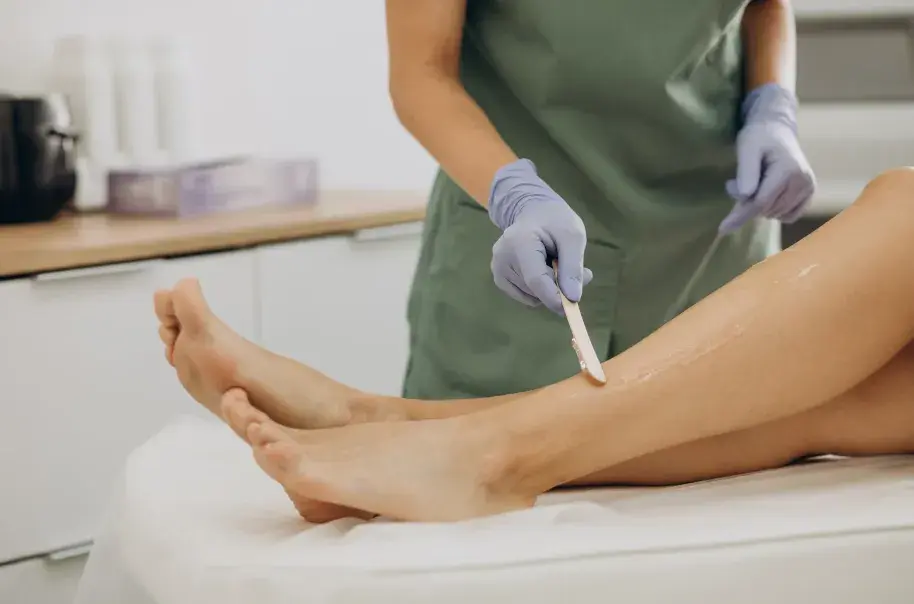
Waxing
6 minutes read | 7 Jul 26
Get a complimentary consultation today. Get in touch
You finally got your waxing done, only to notice tiny red bumps, irritation, or itching a day or two later. Sound familiar? While some redness after waxing is completely normal, persistent bumps around hair follicles may indicate post-waxing folliculitis.
The good news is that it can often be managed and, in many cases, prevented with the right waxing techniques and aftercare. Here's what causes post-waxing folliculitis, how to spot it, and what you can do to keep your skin smooth and comfortable after waxing.
What Is Post-Waxing Folliculitis?
Post-waxing folliculitis is a condition where hair follicles become inflamed after waxing, leading to red bumps, irritation, itching, or discomfort in the treated area. It can occur when hair follicles become irritated during hair removal or when bacteria enter freshly opened follicles.
Understanding what is folliculitis is important because it is often mistaken for normal post-wax redness. While mild redness usually settles within a few hours, folliculitis after waxing may persist for several days and can sometimes require professional care.
What Causes Folliculitis After Waxing?

Several factors can contribute to folliculitis.
Irritation of Hair Follicles During Waxing
Waxing removes hair directly from the root, which can temporarily irritate hair follicles and make them more vulnerable to inflammation.
Bacteria Entering Open Hair Follicles
After hair removal, follicles remain temporarily exposed. If bacteria enter these openings, they can trigger inflammation and contribute to folliculitis after waxing.
Improper Waxing or Aftercare Practices
Poor hygiene, improper reuse of wax, excessive touching of freshly waxed skin, or ignoring aftercare instructions can increase the risk of irritation and infection.
Sensitive Skin and Individual Risk Factors
People with sensitive skin, coarse hair, or a history of ingrown hairs may be more prone to developing post-waxing folliculitis.
Signs and Symptoms of Waxing Folliculitis
Recognising the symptoms early can help prevent further irritation.
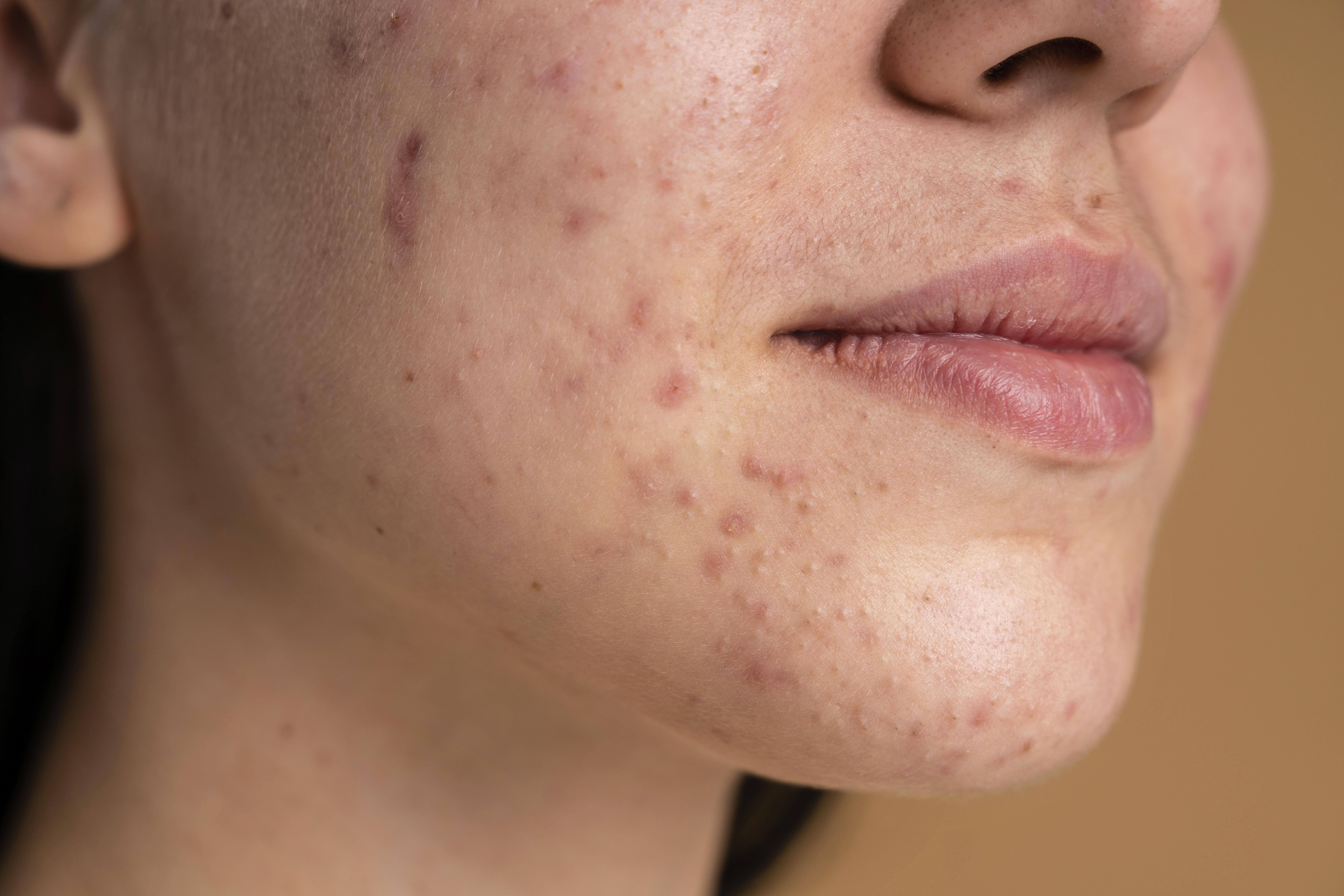
- Red or Inflamed Bumps: Small red bumps around hair follicles are one of the most common signs of waxing folliculitis.
- Itching or Tenderness: The affected area may feel itchy, sensitive, or mildly painful.
- Pus-Filled Lesions: In some cases, inflamed follicles may develop small pus-filled bumps, indicating a more significant inflammatory response.
- Discomfort Around Recently Waxed Areas: The skin may feel irritated or uncomfortable for longer than expected after waxing.
Red Bumps After Waxing? Don't Panic YetNot every bump after waxing is folliculitis. Mild redness and sensitivity are common immediately after hair removal. The difference is that folliculitis tends to last longer and may feel itchy, tender, or inflamed around individual hair follicles. |
Post-Waxing Folliculitis vs Normal Post-Wax Bumps
Although both can appear similar at first glance, there are a few important differences.
|
Comparison Point |
Normal Post-Wax Bumps |
Post-Waxing Folliculitis |
|
Appearance |
Mild redness or small bumps |
Red, inflamed bumps around follicles |
|
Duration |
Usually settles within a few hours |
May last several days or longer |
|
Pain or Itching |
Minimal discomfort |
Itching, tenderness, or soreness |
|
Presence of Pus |
No |
May develop pus-filled bumps |
|
Need for Professional Care |
Usually not required |
May require expert evaluation if persistent |
How Is Post-Waxing Folliculitis Treated?
Treatment depends on the severity of symptoms and should always be guided by a qualified professional.
Professional Skin Evaluation
A skin expert can assess the affected area and determine whether the bumps are due to folliculitis, ingrown hairs, or another form of skin irritation.
Topical Treatments Recommended by Experts
Professionals may recommend topical treatments to help calm inflammation and support healing.
Oral Medications for Severe Cases
More severe or persistent cases may require prescription medications as advised by a healthcare professional.
Importance of Avoiding Further Irritation Until Healed
Avoid waxing, scrubbing, or using harsh skincare products on the affected area until the skin has fully recovered.
How Long Does Post-Waxing Folliculitis Last?
Mild cases may improve within a few days, while more noticeable inflammation can take one to two weeks to settle.
Recovery time depends on factors such as skin sensitivity, the severity of inflammation, aftercare practices, and whether professional treatment is required. Early intervention can often help reduce discomfort and minimise the risk of complications.
Not Sure Which Wax Is Best for You?Different waxing methods suit different skin types and concerns. Check our guide, Best Wax for Hair Removal, to explore the most popular types of waxing and find the right option for your skin. |
How to Prevent Folliculitis After Waxing
Prevention often starts before your waxing appointment.
- Choose Professional Waxing Services; Professional waxing helps ensure proper hygiene, correct techniques, and appropriate wax selection based on your skin type.
- Follow Proper Pre- and Post-Wax Care: Preparing the skin properly before waxing and following aftercare instructions can help minimise irritation.
- Keep the Waxed Area Clean: Clean skin helps reduce the risk of bacteria entering freshly waxed follicles.
- Avoid Tight Clothing and Excessive Friction: Loose, breathable clothing can help prevent friction that may irritate the skin after waxing.
- Schedule Waxing at Appropriate Intervals: Waxing too frequently can increase irritation, while maintaining proper intervals allows the skin time to recover.
If you're exploring different hair removal methods, understanding the various types of waxing can help you choose an option that's suitable for your skin and hair type.
Common Mistakes That Increase the Risk of Waxing Folliculitis
- Touching Freshly Waxed Skin Frequently: Constant touching can transfer bacteria and increase irritation.
- Working Out Immediately After Waxing: Excess sweating and friction can aggravate freshly waxed skin.
- Using Harsh Skincare Products Too Soon: Strong acids, exfoliants, or active ingredients may increase sensitivity after waxing.
- Waxing Over Already Irritated Skin: Waxing skin that is already inflamed or damaged can increase the risk of folliculitis and further irritation.
Who Is More Likely to Develop Post-Waxing Folliculitis?
Certain individuals may be more susceptible, including:
- People with coarse or curly hair
- Individuals with sensitive skin
- Those prone to ingrown hairs
- People with a history of folliculitis
- Individuals who frequently wax areas such as the face or bikini line
For delicate areas such as facial waxing or bikini waxing, choosing the right technique and aftercare becomes even more important.
When Should You See a Skin Expert?
Professional advice may be helpful if you experience:
- Persistent or Worsening Bumps: Bumps that do not improve after several days should be evaluated.
- Severe Pain or Swelling: Significant discomfort or inflammation may require professional attention.
- Recurrent Folliculitis After Waxing: Repeated episodes may indicate underlying skin sensitivity or aftercare concerns.
- Signs of Infection Requiring Medical Attention: Pus, increasing redness, warmth, or worsening symptoms should be assessed promptly.
How Professional Waxing Can Help Reduce the Risk of Folliculitis
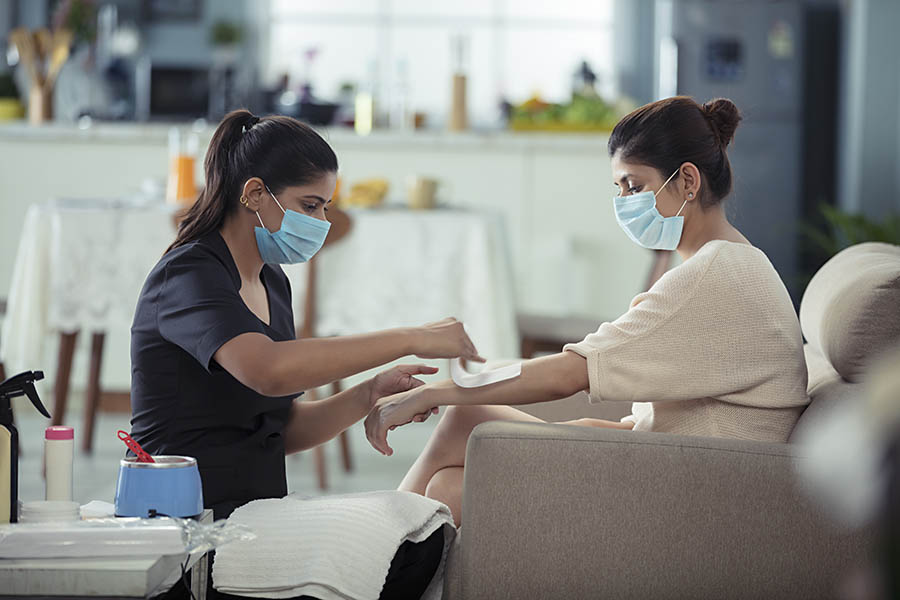
Professional waxing focuses on more than just hair removal. Proper hygiene practices, high-quality products, trained techniques, and personalised skin assessments can help minimise irritation and reduce the likelihood of post-waxing folliculitis.
Professionals can also recommend suitable waxing methods, aftercare guidance, and skin-friendly products based on your individual skin type and concerns.
|
Smooth Skin Starts with the Right Waxing Experience Professional waxing isn't just about hair removal; it's also about protecting your skin. Explore Bodycraft's waxing services for hygienic, expert-led waxing designed to help minimise irritation and keep your skin feeling smooth and comfortable. Book your appointment today and enjoy smoother skin with confidence |
Because Smooth Skin Shouldn't Come with Red Bumps
Post-waxing folliculitis can be frustrating, especially when you're expecting smooth, comfortable skin after your appointment. Understanding what causes it, recognising the early signs, and following proper aftercare can help reduce discomfort and support faster recovery.
Choosing professional waxing services and giving your skin the care it needs before and after hair removal can go a long way in keeping irritation at bay. And if bumps keep returning, professional guidance can help you find a more comfortable path to smooth skin.
Get in touch
Related blogs


A little game. A big surprise!
Pull the slot machine lever to reveal your exclusive Bodycraft reward
A little game. A big surprise!
Pull the slot machine lever to reveal your exclusive Bodycraft reward