



.png)


-1.png)


-1.png)

-3.png)





.png)




-Aug-02-2026-05-23-10-1368-PM.png)




.webp)
-1.webp)
.webp)
-Jul-07-2026-12-19-56-1023-PM.webp)








-Jun-01-2026-02-54-50-5351-PM.png)
-Jun-01-2026-02-45-39-8016-PM.png)

-May-29-2026-03-30-08-6855-PM.png)

-1.webp)

-3.webp)





.webp)
.webp)
-1.webp)

.webp)
.webp)

.webp)









Skin
Skin
9 minutes read | 1 Aug 26
Get a complimentary consultation today. Get in touch
Most people think muscle activation only happens when they move. The reality is more interesting than that. The brain sends electrical signals to muscles to trigger contraction, and neuromuscular electrical stimulation replicates that exact process from the outside using controlled electrical impulses. No movement required from you. The muscles do the work anyway.
This is not a new concept in medicine. Physiotherapists and rehabilitation specialists have used electrical muscle stimulation for decades. What has changed is how accessible and refined the technology has become, making it relevant not just for recovery but also for muscle conditioning and body toning goals in clinical settings.
This guide covers what neuromuscular electrical stimulation actually is, how it works, what it can and cannot do, and who stands to benefit most from it.
What Is Neuromuscular Stimulation (NMES)?
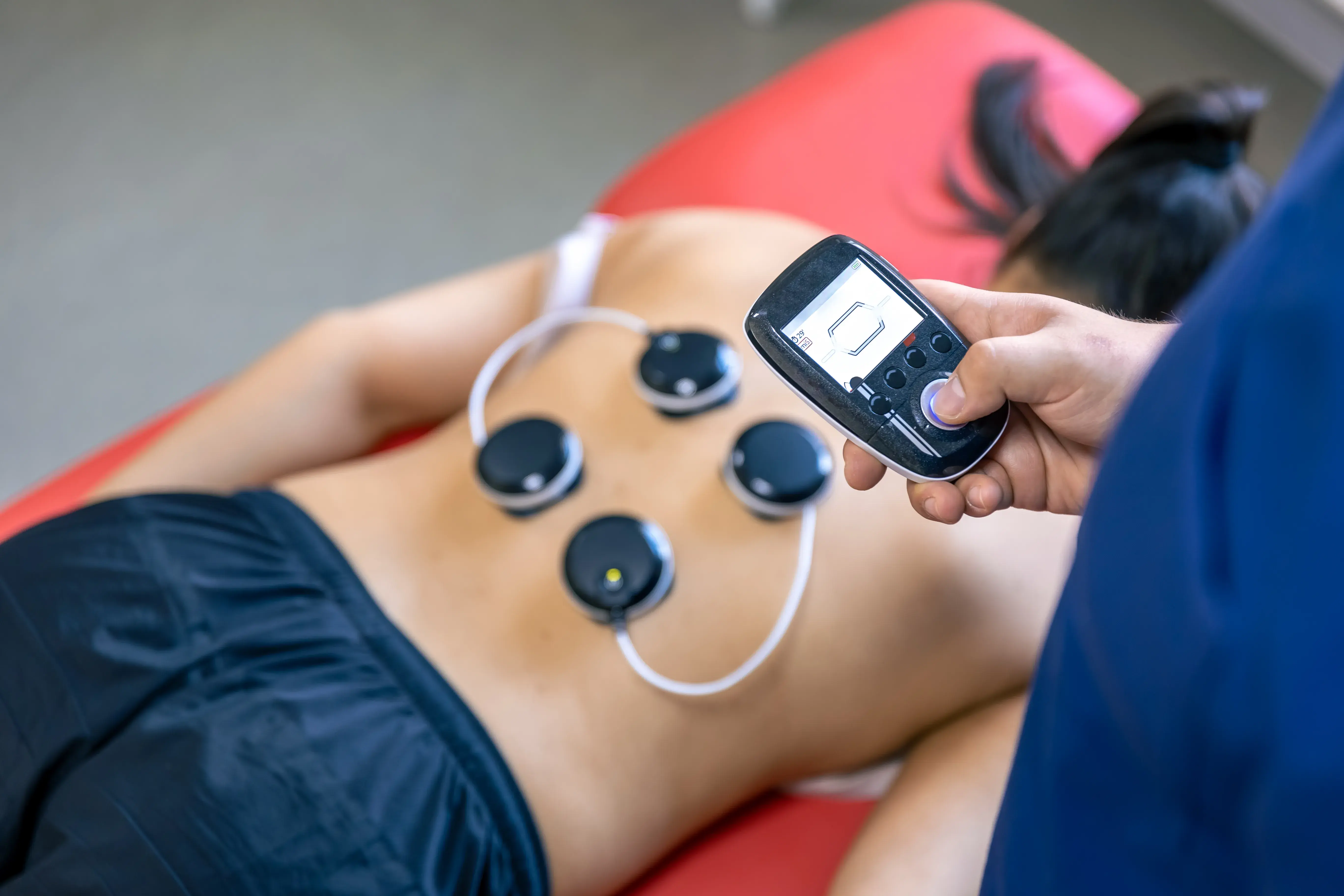
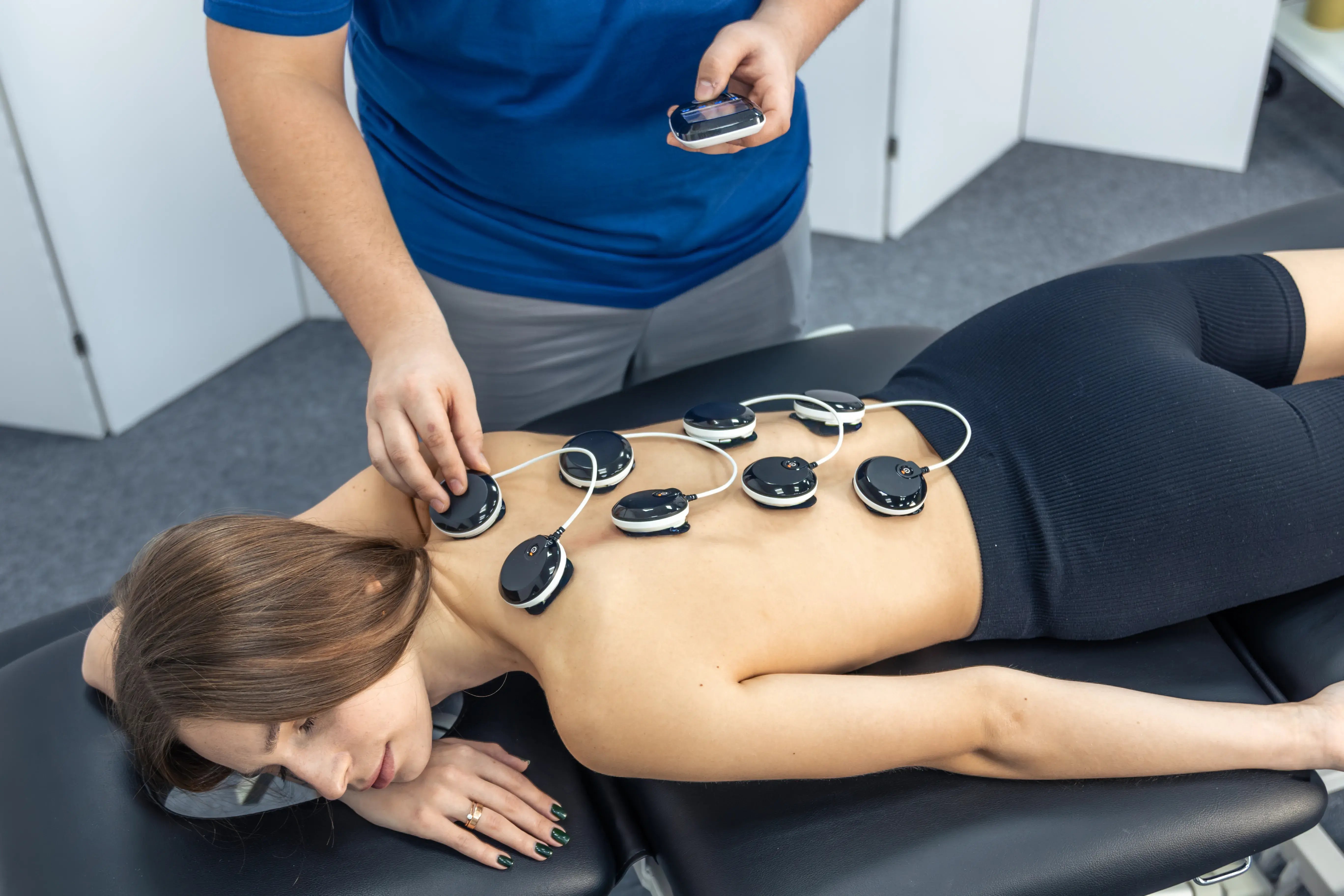
Neuromuscular electrical stimulation is a non-invasive therapy that uses controlled electrical impulses, delivered through electrodes placed on the skin, to trigger muscle contractions. The impulses travel through the skin to the underlying nerves. Which then activates the muscle fibres in a way that closely mimics what the brain does naturally during voluntary movement.
The key difference between NMES and a voluntary muscle contraction is the source of the signal. When you lift your arm, your brain fires the signal. During neuromuscular electrical stimulation, the device fires it instead. The muscle response is the same. The activation pathway is different.
This distinction matters because it means NMES can stimulate muscles even when voluntary movement is limited. Making it useful in rehabilitation settings, and it can also target specific muscle groups with greater precision than most exercise-based approaches allow.
How Does Neuromuscular Electrical Stimulation Work?
Electrical Signals That Mimic Natural Nerve Activity
The nervous system communicates with muscles through electrochemical signals. NMES devices generate low-level electrical pulses that replicate these signals. When the pulse reaches the motor nerve, it triggers an action potential, which causes the muscle fibres connected to that nerve to contract. The intensity, frequency, and duration of the pulses determine how strong and sustained the contraction is.
Stimulating Muscle Contractions for Improved Function
Each contraction produced by NMES engages the muscle in a way that is functionally similar to active exercise. The muscle fibres fire, fatigue, and recover. Repeated sessions build on this response, contributing to improvements in muscle strength, tone, and endurance over time.
Supporting Muscle Activation and Strength Development
One of the most clinically significant aspects of NMES is its ability to activate muscles that patients struggle to engage voluntarily. Particularly after injury, surgery, or prolonged immobilisation. It also activates deeper muscle fibres that surface-level exercise does not always reach effectively. Which is part of why it delivers visible results in muscle definition with consistent use.
Benefits of Neuromuscular Electrical Stimulation
Enhances Muscle Strength and Tone
Regular NMES sessions stimulate muscle contractions repeatedly across the target area. Over a course of sessions, this drives measurable improvements in muscle strength and visible tone. The abdomen, thighs, glutes, and upper arms respond particularly well.
Supports Rehabilitation and Recovery
NMES has a well-established role in clinical rehabilitation. It helps patients rebuild muscle strength after injury, surgery, or extended rest. Often at a stage where active exercise is not yet possible or advisable. This makes it a practical bridge between inactivity and a return to normal movement.
Helps Improve Muscle Definition
For patients focused on body contouring and toning goals rather than rehabilitation, NMES contributes to improved muscle definition. It engages muscle groups in a targeted, controlled way. Understanding what body sculpting means in a clinical context helps frame where NMES fits. You can read more about the broader approach in this guide on what body sculpting actually involves.
Promotes Better Muscle Activation
Some individuals struggle to properly activate specific muscle groups through exercise alone. Either due to neuromuscular dysfunction, poor movement patterns, or compensation habits. NMES bypasses this by directly stimulating the target muscle, helping the nervous system re-establish a stronger connection with it over time.
Complements Exercise and Fitness Goals
NMES works best alongside, not instead of, a healthy lifestyle. Patients who combine regular sessions with appropriate physical activity and nutrition see the most sustained results. The therapy enhances what the body is already doing, rather than replacing the effort entirely.
|
Fact NMES is FDA-approved for muscle strengthening and rehabilitation. Clinical studies have shown that regular NMES sessions can produce muscle strength gains comparable to moderate voluntary resistance exercise in healthy adults, making it a legitimate tool for both clinical and conditioning use. |
Common Uses of NMES Therapy

Muscle Toning and Body Contouring
NMES targets specific areas such as the abdomen, glutes, thighs, and upper arms to improve muscle tone and definition. Sessions last thirty to fifty minutes, and patients see gradual improvements with consistent treatment. If you want to understand what it means to have a genuinely toned body and what that requires physiologically, this guide on how to achieve a toned body breaks it down clearly.
Rehabilitation After Injury or Surgery
In post-surgical or post-injury recovery, muscle atrophy sets in quickly. NMES stimulates the affected muscles during a period when voluntary exercise may not be safe or physically possible. It prevents excessive strength loss and maintains tissue health during recovery.
Improving Muscle Performance
Athletes and active individuals use NMES to supplement training, particularly for muscle groups that are difficult to isolate effectively through conventional exercise. Targeted stimulation supports strength gains in specific areas without adding significant training volume or joint stress.
Preventing Muscle Weakness During Recovery
Extended rest, illness, or immobilisation causes muscles to weaken rapidly. NMES provides controlled stimulation during these periods to maintain muscle activity, circulation, and neural connections that would otherwise deteriorate without regular movement.
Who Is an Ideal Candidate for Neuromuscular Electrical Stimulation?
NMES suits a wide range of patients across different goals and clinical needs.
Individuals looking to improve muscle tone and definition in specific body areas respond well. Particularly when those areas are resistant to change through exercise alone. People undergoing rehabilitation programmes benefit from the ability to maintain muscle activity during recovery phases. Those seeking non-invasive muscle conditioning without surgery or significant downtime find NMES a clinically grounded option.
Patients with specific health conditions, including those recommended for NMES by a physician or specialist as part of a structured recovery plan, are also strong candidates.
|
The right starting point for any individual is a proper clinical assessment, which determines the appropriate settings, target areas, and session frequency for their specific goals and health status. A dermatologist online consultation at Bodycraft gives you access to that assessment before you begin. |
What Happens During an NMES Session?
Initial Assessment and Treatment Planning
Before the first session, a specialist conducts a full assessment covering your goals, body type, medical history, and any conditions that might affect treatment. This determines which muscle groups to target, the appropriate device settings, and how many sessions to plan.
Electrode Placement and Device Settings
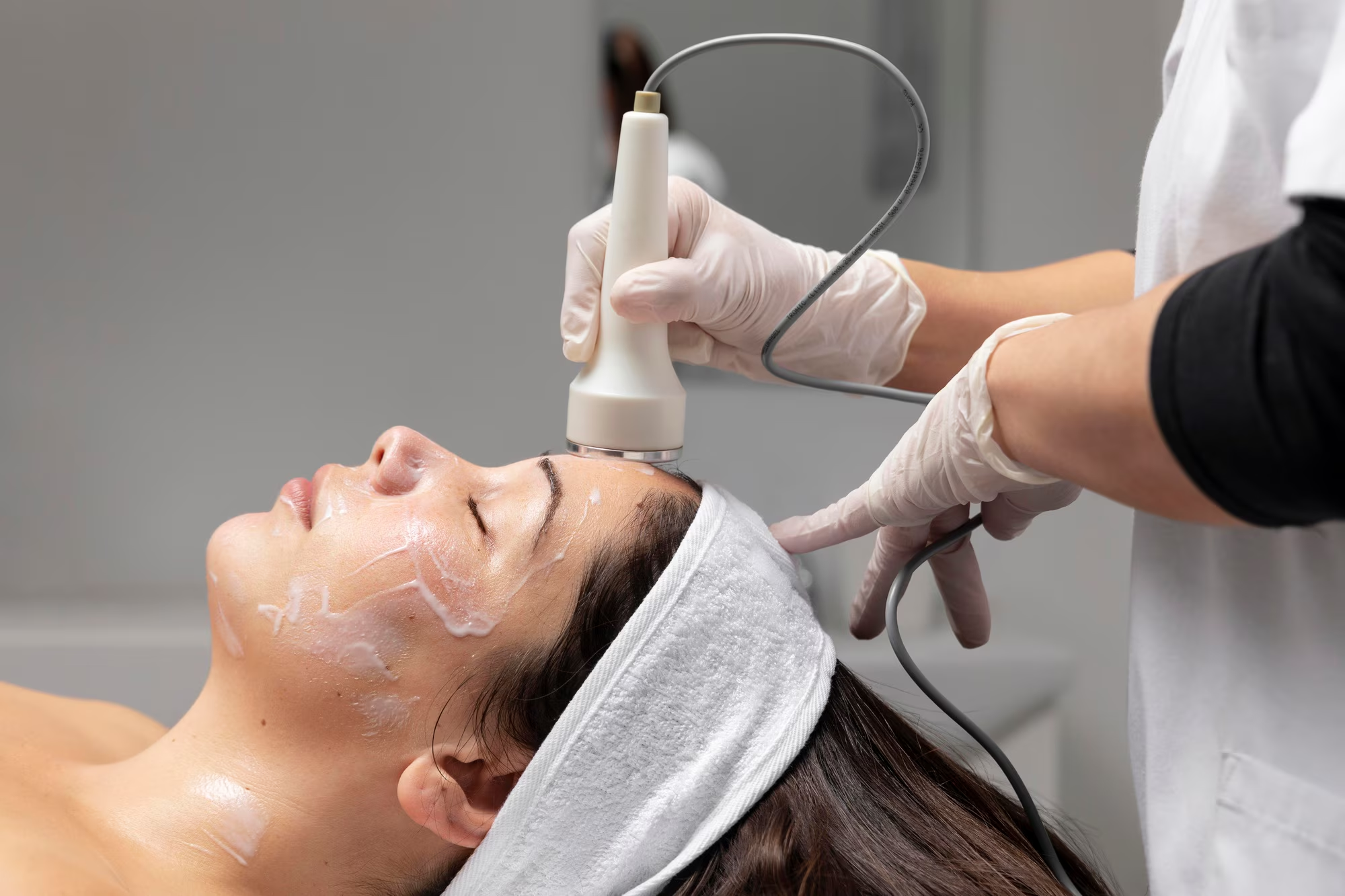
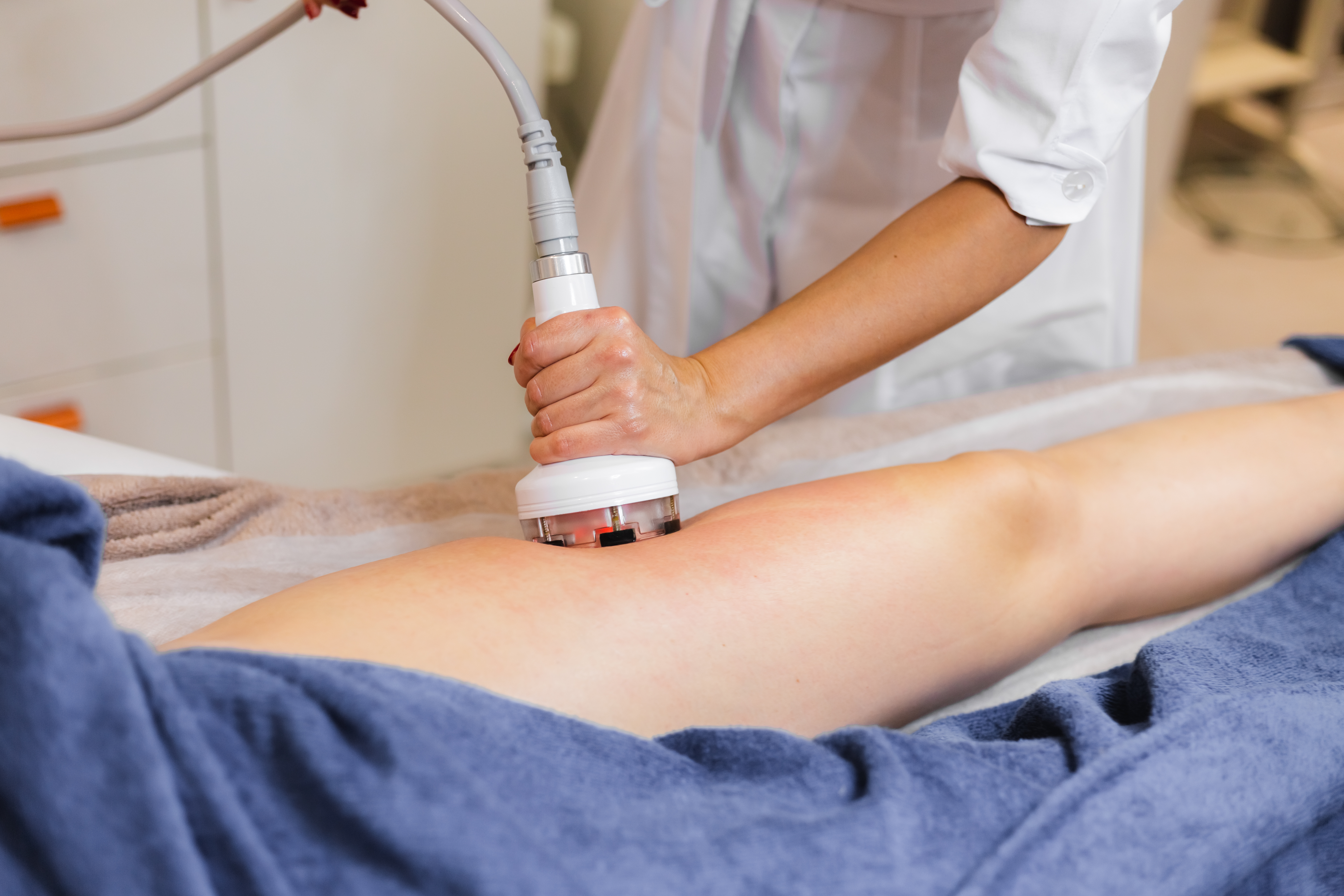
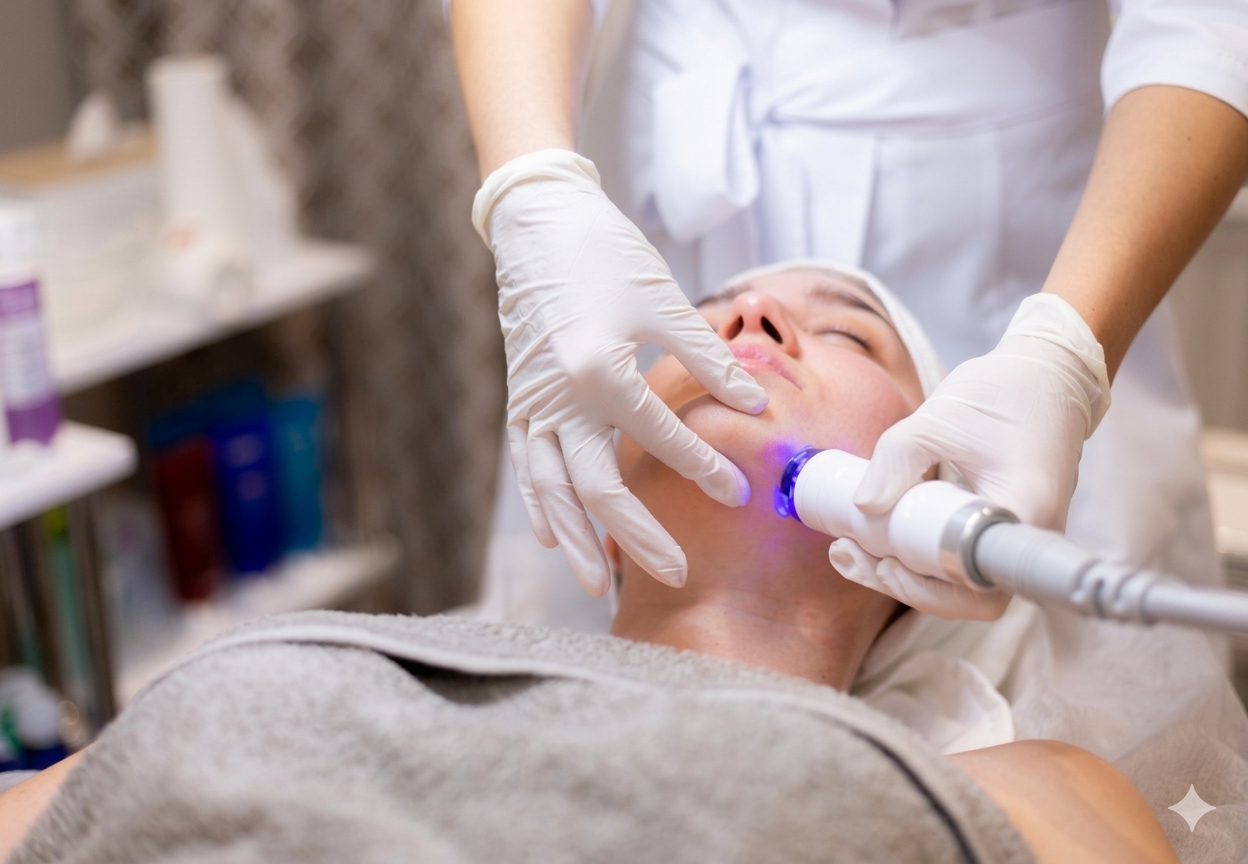
The specialist identifies the target muscle groups and places electrodes precisely over them. A conductive gel or wet pads go on the skin at the electrode sites to ensure good contact and consistent signal delivery. The device settings, including pulse intensity and frequency, are adjusted to your individual tolerance and treatment goal.
Muscle Contractions During the Session
Once the device activates, you feel the muscles contract rhythmically. The sensation is a mild tingling or pulsing, followed by a clear muscle contraction. Most patients describe it as unusual rather than uncomfortable, particularly in the first session as the body adjusts to the stimulus.
Duration and Frequency of Treatment
Each session runs for thirty to fifty minutes. You remain seated or lying comfortably throughout. After the session, mild redness or warmth at the electrode sites may appear and typically fades within a few hours. There is no downtime, and most patients return to their routine immediately after.
NMES vs Traditional Exercise: What Is the Difference?
|
Comparison Point |
NMES |
Traditional Exercise |
|
Muscle activation |
Externally triggered via electrical impulse |
Voluntary, brain-initiated movement |
|
Physical effort required |
Minimal. Patient remains at rest |
Active effort and movement required |
|
Targeting precision |
High. Specific muscle groups isolated directly |
Variable. Depends on exercise form and technique |
|
Rehabilitation applications |
Suitable during recovery when movement is limited |
Often not possible in early recovery stages |
|
Fitness and toning goals |
Effective for definition and conditioning |
Effective for overall fitness and strength |
|
Combination with exercise |
Works best alongside active training |
Standalone or combined with NMES |
Note: NMES does not replace voluntary exercise. It extends what exercise can achieve, particularly in areas where targeting is difficult or where recovery constraints prevent normal training.
|
Fact Studies published in clinical rehabilitation journals show that NMES reduces muscle atrophy rates significantly in patients who are immobilised following knee surgery. Patients who received NMES during recovery maintained more quadriceps strength than those who rested without stimulation, supporting its use as a standard part of structured post-surgical rehabilitation. |
Is Neuromuscular Electrical Stimulation Safe?
Common Side Effects
NMES is well-tolerated by most patients. The most common experience is mild skin redness or warmth at the electrode placement sites, which resolves within a few hours. Some patients feel mild muscle soreness after the first few sessions as the muscles adapt to a new type of stimulation. This is a normal response and typically reduces with subsequent sessions.
Contraindications and Precautions
NMES is not appropriate for everyone. The treatment is contraindicated for patients who are pregnant, have a pacemaker or other implanted cardiac device, have a diagnosed heart condition, live with epilepsy, have active muscle disorders, or present with active skin conditions at the intended treatment site.
Importance of Professional Supervision
The settings used in NMES, including pulse intensity, frequency, and electrode placement, directly affect both safety and outcome. A trained specialist adjusts these parameters based on individual assessment. Self-administered or unsupervised electrical stimulation devices carry a higher risk of incorrect settings, inappropriate placement, or use in contraindicated individuals, all of which reduce both safety and effectiveness.
How Many NMES Sessions Are Typically Needed?
The number of sessions depends on the individual's goal, baseline muscle condition, and response to treatment.
For body toning and definition goals, most patients see meaningful improvement across a course of six to twelve sessions, scheduled regularly. For rehabilitation goals, the session plan integrates with the broader recovery timeline and is adjusted as strength returns.
Consistency matters significantly. Irregular or isolated sessions produce limited results. The muscle adaptations that NMES benefits drive accumulate with repeated stimulation over time. Which is why a structured course delivers better outcomes than occasional appointments.
Maintenance sessions every few months help sustain results once the initial course concludes, particularly for patients who combine NMES benefits with an active lifestyle.
Neuromuscular Stimulation for Muscle Toning: What Results Can You Expect?
Results from NMES therapy develop progressively rather than immediately. Most patients notice improved muscle firmness and early definition changes within the first three to four sessions. More visible toning and contouring results typically emerge over a full course of treatment.
The best outcomes come from combining NMES with consistent physical activity and appropriate nutrition. NMES stimulates the muscle effectively, but the overall body composition context determines how visible those muscular improvements become.
Patients using NMES for rehabilitation tend to notice functional gains first, including improved strength, better range of motion, and reduced compensatory movement patterns, before aesthetic changes become apparent.
Why Choose Professional NMES Treatment?
The difference between professional NMES treatment and a consumer device comes down to clinical precision, appropriate assessment, and supervised application.
At Bodycraft Clinic, NMES sessions start with a full body type and goals assessment before any electrodes are placed. The specialist identifies target areas based on individual presentation, not a generic template. Settings are calibrated to deliver effective stimulation safely, and post-treatment guidance supports recovery and long-term results.
The non-invasive nature of NMES means no surgical risk, no anaesthesia, and no downtime. It fits into a clinical programme alongside other body contouring or rehabilitation treatments, making it a practical and flexible option for a wide range of patients.
|
At Bodycraft Clinic, Neuromuscular Electrical Stimulation (NMES) A non-invasive, FDA-approved muscle conditioning and rehabilitation treatment using controlled electrical impulses. Suitable for body toning, muscle strengthening, and post-injury recovery, with zero downtime and sessions starting at Rs 3,000. |
Get in touch

A little game. A big surprise!
Pull the slot machine lever to reveal your exclusive Bodycraft reward
A little game. A big surprise!
Pull the slot machine lever to reveal your exclusive Bodycraft reward