Waxing can keep the skin smoother for longer than shaving, but it also removes hair directly from the root and briefly disturbs the skin’s surface. If your skin becomes red, itchy or uncomfortable easily, that can make a first appointment feel intimidating.
The good news is that waxing for sensitive skin is possible for many people. The safest experience depends less on finding one “miracle” wax and more on choosing an appropriate formula, preparing the skin correctly and avoiding unnecessary passes over the same area.
Sensitive skin also does not react the same way in everyone. Some people experience mild redness that settles quickly, while others are prone to folliculitis, post-inflammatory pigmentation, eczema flares or reactions to fragrance and other ingredients.
Understanding your own skin is therefore the first step towards gentler hair removal.
What Does “Sensitive Skin” Mean Before Waxing?
Sensitive skin is a broad description rather than a single medical diagnosis. You may consider your skin sensitive if it frequently:
- Stings when new products are applied
- Becomes red after rubbing or exfoliation
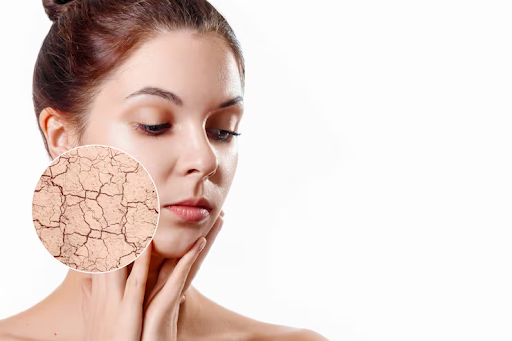
- Feels dry, tight or itchy
- Reacts to fragrance or essential oils
- Develops bumps after shaving or waxing
- Experiences eczema, dermatitis or rosacea flares
- Develops dark marks after inflammation
Having sensitive skin does not automatically rule out waxing. However, active irritation or a compromised skin barrier can make a reaction more likely.
Postpone waxing if the area currently has:
- Sunburn
- Open cuts or grazes
- Active eczema or dermatitis
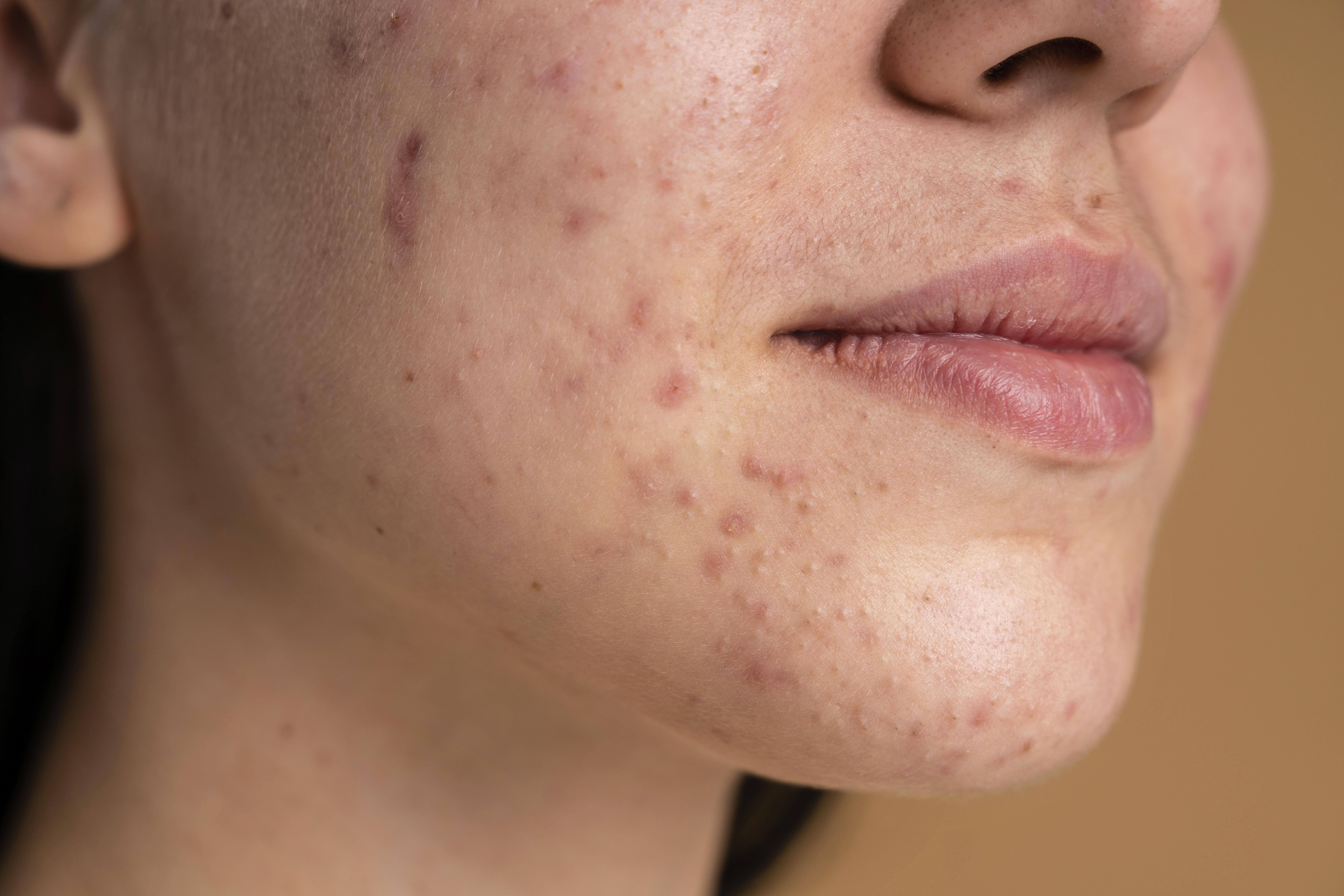
- Painful acne lesions
- A bacterial, fungal or viral infection
- Unexplained swelling or a rash
- Recent skin lifting or peeling
Waxing over already inflamed skin can worsen discomfort and delay recovery.
Is Waxing Safe for Sensitive Skin?
Waxing may be suitable when the skin is healthy on the day of the appointment and the service is performed with an appropriate product and careful technique.
Mild, temporary redness after waxing is common because the hair has been pulled from the follicle and the surrounding skin has experienced mechanical stress.[4] The reaction should gradually settle rather than becoming increasingly painful.
Possible waxing side effects on sensitive skin include:
- Redness and warmth
- Small follicular bumps
- Temporary itching
- Skin lifting or superficial peeling
- Folliculitis
- Ingrown hairs
- Post-inflammatory dark marks
- Irritant or allergic reactions
- Burns if the wax is excessively hot
A clinical study examining skin conditions after salon procedures identified post-waxing folliculitis among the observed complications.[3] This does not mean that waxing normally causes infection, but it reinforces the importance of hygiene, appropriate preparation and aftercare.
What Is the Best Waxing Option for Sensitive Skin?
There is no single best waxing for sensitive skin because the right choice depends on the body area, hair thickness, product ingredients and previous reactions.
Soft wax
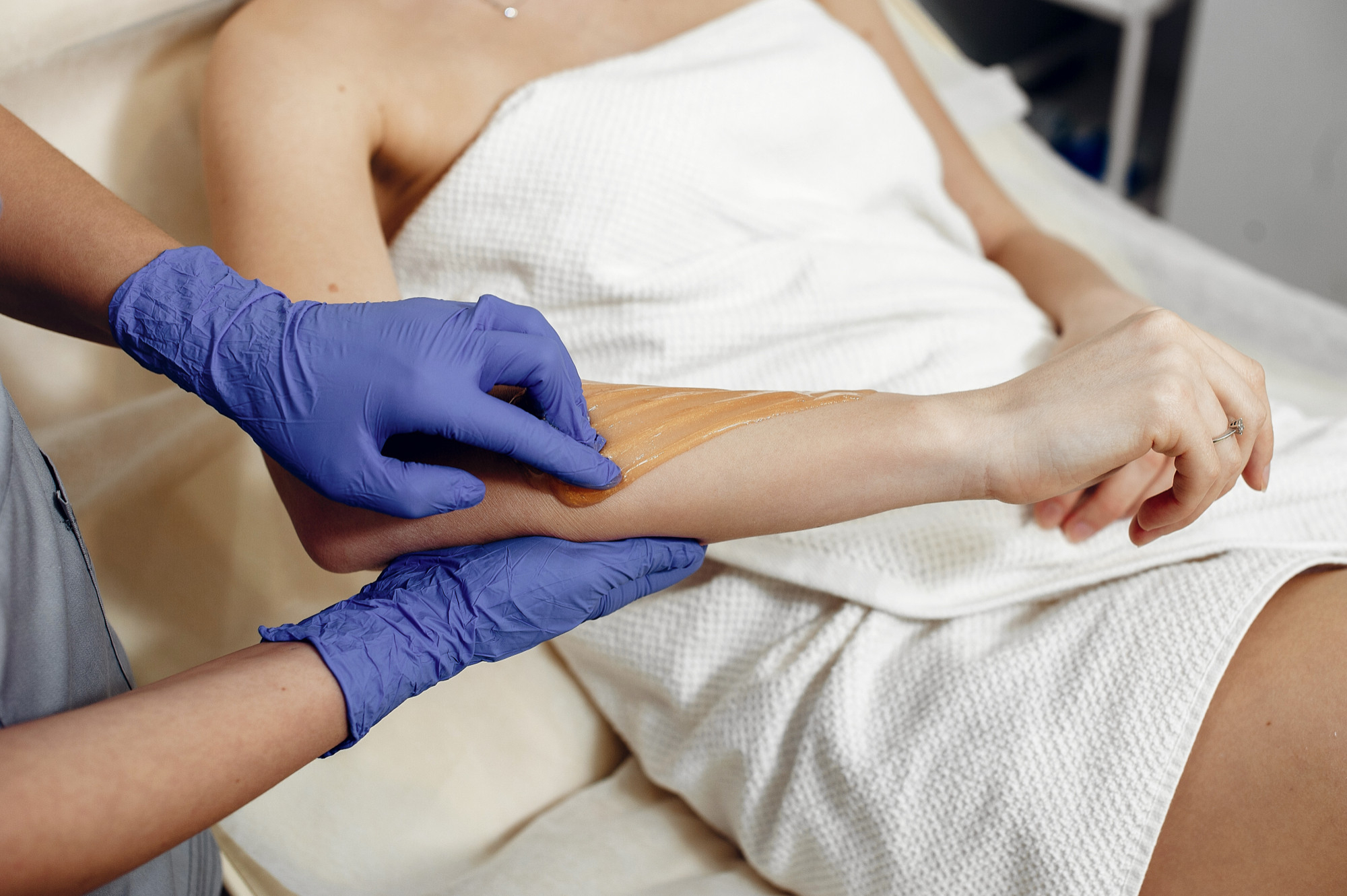
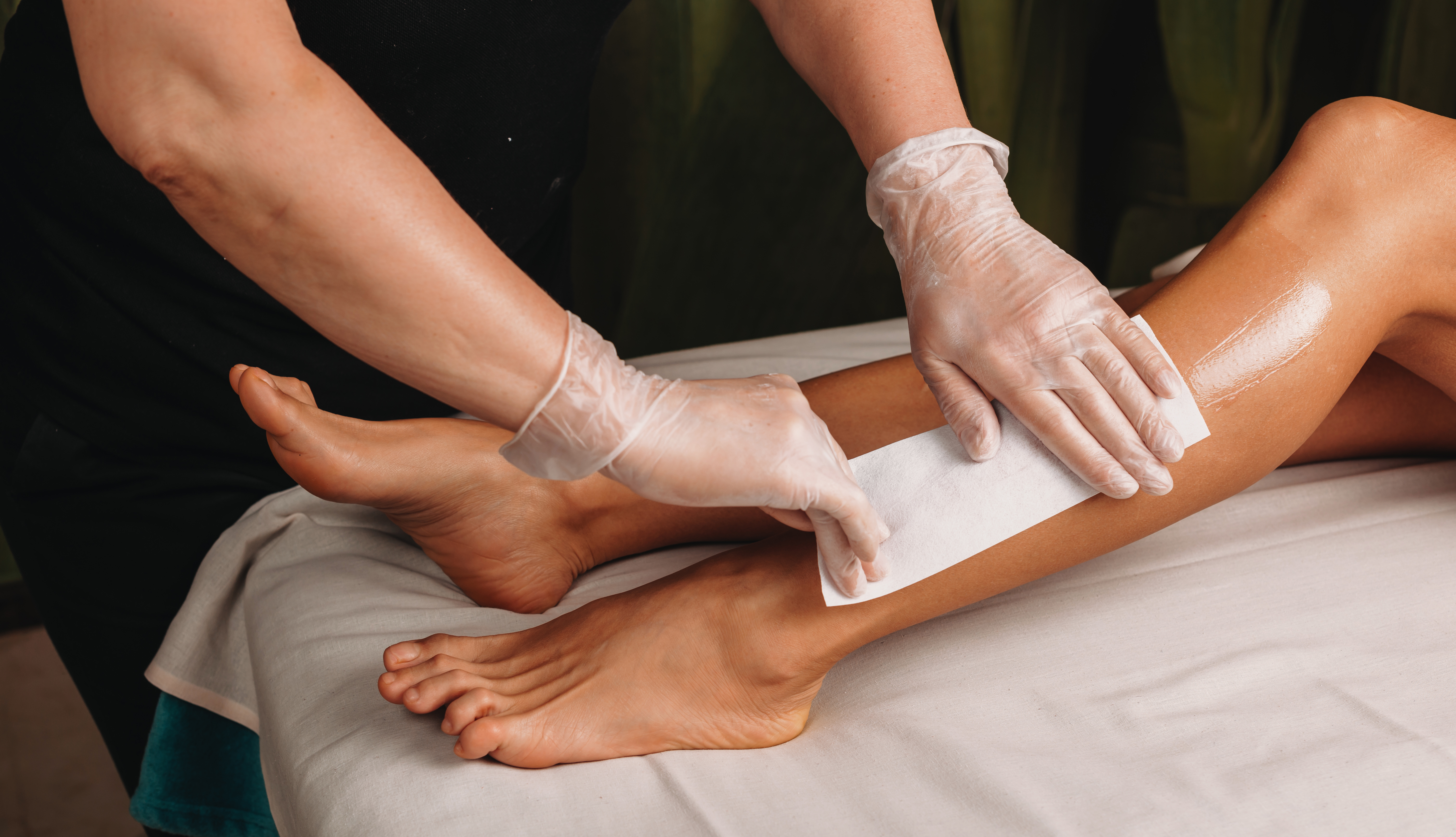
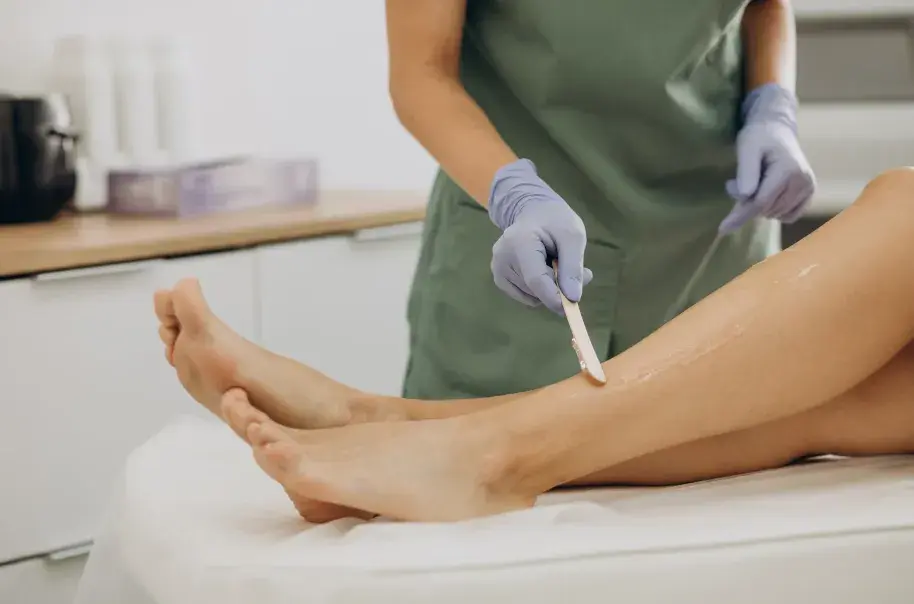
Soft wax is applied in a thin layer and removed using a paper or fabric strip. It can cover larger areas efficiently, such as the arms and legs.
Because soft wax adheres to the surface as well as the hair, the same section should not be waxed repeatedly. Multiple passes can increase redness and skin lifting.
Hard wax
Hard wax is applied directly to the skin and removed after it sets, without a separate strip. Some professionals prefer it for smaller or more delicate areas because it can be worked in controlled sections.
The wax temperature and removal technique still matter. Hard wax is not automatically irritation-free.
Wax formulated for sensitive skin
Some waxes are designed with a lower working temperature or ingredients intended to improve comfort. However, labels such as “gentle,” “premium” or “natural” do not guarantee that a formula will suit everyone.
If you have previously reacted to fragrance, botanical extracts, resins or a particular wax, tell the professional before the service.
Choosing a Wax at Bodycraft
Bodycraft offers different waxing and grooming services for different body areas and preferences.
Depending on the location and availability, the waxing menu may include:
- Normal Wax: A regular hair-removal option for skin that already tolerates waxing comfortably
- Chocolate Wax: An option intended to offer a more conditioning experience for skin prone to dryness
- Biosoft Wax: A premium waxing option designed for sensitive skin, available for select waxing services at selected Bodycraft outlets.
- Golden Peel-off Wax: A strip-free hard wax that lifts away cleanly without adhering to the skin, often preferred for smaller or sensitive areas like the face and underarms
The product is only one part of safe waxing for sensitive skin. A grooming expert should also consider the treatment area, current skin condition, hair thickness and history of reactions before proceeding.
If you are new to waxing or have reacted previously, mention this at the beginning of the appointment rather than waiting to see how the skin responds.
Medicines and Skincare That Can Affect Waxing
Certain medicines and active skincare ingredients can make the skin more vulnerable to lifting or irritation.
Isotretinoin
Dermatology guidance advises against waxing while taking isotretinoin and for six months after stopping it because the medicine can make the skin more fragile.[1][2]
If you have taken isotretinoin recently, speak to your prescribing dermatologist before scheduling a wax.
Topical retinoids
Retinol, tretinoin, adapalene and other topical retinoids can increase irritation and sensitivity. Dermatologists recommend avoiding facial waxing while these products are affecting the treatment area. Guidance for at-home facial waxing suggests stopping topical retinoids two to five days beforehand, but the correct interval may depend on the product and prescription.[1]
Do not stop a prescribed medicine without consulting the clinician who recommended it.
Exfoliating acids and acne treatments
Products containing ingredients such as glycolic acid, lactic acid, salicylic acid or benzoyl peroxide can leave the skin more reactive, especially when several actives are being used together.
Recent procedures can also influence waxing safety, including:
- Chemical peels
- Laser resurfacing
- Microdermabrasion
- Microneedling
- Strong exfoliating facials
Ask the professional who performed the procedure when waxing can safely be resumed. Avoid estimating the recovery period yourself, as treatment depth varies.
How to Prepare Sensitive Skin for Waxing
Thoughtful preparation can reduce avoidable irritation.
A few days before
- Pause potentially irritating products when professionally advised.
- Avoid scrubs, exfoliating gloves and harsh body polishes.
- Monitor the area for rashes, cuts or active inflammation.
- Tell the salon about medicines and recent skin treatments.
- Consider a small-area trial if you are using a new wax formulation and have a history of reactions.
A small trial cannot rule out every possible reaction, but it may reveal immediate sensitivity before a larger area is treated.
On the day of waxing
Keep the skin:
- Clean
- Dry
- Free from heavy oil
- Free from body lotion on the treatment area
- Free from deodorant if the underarms are being waxed
Avoid arriving immediately after intense exercise, as heat and sweat can make the skin feel more reactive.
Hair should also be long enough for the wax to grip. Dermatology guidance suggests approximately one-quarter to three-quarters of an inch.[1] Very short hair may require repeated attempts, while excessively long hair can make the process more uncomfortable.
If the hair is too long, ask whether it should be trimmed before the appointment rather than cutting it extremely short yourself.
What Should Happen During a Sensitive-Skin Wax?
Professional waxing should feel controlled rather than rushed.
A careful service generally includes:
- Checking the treatment area for visible irritation
- Confirming relevant medicines and skincare use
- Testing the wax temperature
- Applying wax in manageable sections
- Holding the skin taut during removal
- Avoiding repeated passes over irritated skin
- Using clean tools and hygienic practices
- Applying appropriate post-wax care
Waxing is rarely completely painless, especially for a beginner. However, intense burning, skin tearing or pain that continues after a strip has been removed should not be dismissed as normal.
Sensitive Skin After Waxing: What Is Normal?
Some redness after waxing is expected. You may also see small raised dots around the follicles immediately after the service.
A normal short-term response may include:
- Mild warmth
- Light redness
- Small follicular bumps
- Temporary tenderness
- Slight itching as the skin settles
These changes should progressively improve. Avoid touching or scratching the area, as friction and bacteria from the hands can increase irritation.
Signs that need closer attention
Seek professional medical advice if you develop:
- Worsening pain
- Blisters or visible burns
- Skin loss or extensive peeling
- Spreading redness
- Significant swelling
- Pus-filled bumps
- Fever or feeling unwell
- A persistent rash
- Darkening that continues after the irritation has settled
The concern may be a burn, infection, allergic reaction or significant barrier injury rather than routine post-wax redness.
Waxing Aftercare for Sensitive Skin
The first 24 to 48 hours are mainly about reducing heat, friction and unnecessary product exposure.
Keep the routine simple
Use:
- Cool or lukewarm water
- A gentle, fragrance-free cleanser if needed
- A bland moisturiser suited to sensitive skin
- A clean, cool compress for temporary discomfort
Avoid applying ice directly to the skin. Wrap a cool pack in clean fabric and use it for short intervals.
Avoid heat and heavy sweating
For the period recommended by your waxing professional, limit:
- Hot showers
- Saunas and steam rooms
- Intense workouts
- Swimming pools and hot tubs
- Prolonged direct sun exposure
Heat, sweat and friction can make recently waxed skin feel more irritated.
Choose loose clothing
Tight clothing can rub against freshly waxed areas and trap sweat. Breathable, loose-fitting clothes are particularly helpful after underarm, bikini or leg waxing.
Pause strong skincare
Do not immediately restart:
- Retinoids
- Exfoliating acids
- Scrubs
- Fragranced body products
- Strong deodorants
- Skin-lightening actives
Resume them only after the skin feels calm and according to professional guidance.
How to Prevent Ingrown Hairs Without Over-Exfoliating
Ingrown hairs occur when a growing hair curves back into the skin or becomes trapped beneath the surface.
Once the initial sensitivity has settled, gentle exfoliation may help prevent dead skin from building up around the follicle. The right timing depends on how reactive your skin is.
Start conservatively:
- Do not scrub freshly waxed skin.
- Wait until redness and tenderness have resolved.
- Choose gentle chemical or physical exfoliation—not both at once.
- Use the product less frequently if the skin stings or peels.
- Moisturise consistently.
Avoid digging out an ingrown hair with needles or tweezers. This can introduce bacteria and increase the likelihood of pigmentation or scarring.
Painful, recurring or pus-filled bumps should be assessed by a dermatologist.
Can Sensitive Facial Skin Be Waxed?
Facial skin may be using more active ingredients than the body, making a detailed product history especially important.
Before waxing the upper lip, chin, sideburns or brows, disclose your use of:
- Prescription retinoids
- Over-the-counter retinol
- Exfoliating acids
- Acne medicines
- Recent chemical peels
- Recent laser or resurfacing procedures
- Products that have already caused peeling or burning
Threading may be an alternative for small facial areas, but it can still cause friction and temporary redness. The best hair removal method for sensitive skin is the one that suits your skin condition, treatment history and desired result—not necessarily the method considered gentlest in general.
Waxing Compared with Other Hair-Removal Methods
Shaving
Shaving cuts hair at the surface and avoids pulling it from the follicle. However, repeated razor passes, blunt blades and shaving without lubrication can cause cuts, razor burn and ingrown hairs.
Depilatory creams
These products chemically dissolve hair near the skin surface. They can irritate sensitive skin, so a patch test and strict adherence to the timing instructions are essential.
Threading
Threading can offer precision on smaller facial areas without wax or chemical depilatories. It may still cause redness, friction and follicular irritation.
Laser hair reduction
Laser treatment can provide longer-term hair reduction, but it requires a professional assessment of skin tone, hair characteristics and medical history. It should not be treated as a completely irritation-free substitute for waxing.
The ideal method may also differ by body area. Someone may tolerate threading on the brows, shaving on the underarms and waxing on the legs.
Common Beginner Mistakes to Avoid
If you are exploring waxing for sensitive skin for the first time, avoid:
- Waxing over active irritation
- Hiding retinoid or isotretinoin use
- Exfoliating immediately before the appointment
- Applying heavy oil or lotion on the day
- Choosing a wax only because it is marketed as natural
- Repeatedly waxing the same section
- Scratching or touching freshly waxed skin
- Exercising immediately afterwards
- Applying strong actives to calm redness
- Exfoliating before the skin has recovered
A longer aftercare routine is not necessarily a better one. Recently waxed sensitive skin often benefits most from fewer products.
A Calmer Wax Begins Before the Appointment
Successful waxing for sensitive skin is not about eliminating every trace of redness. It is about reducing preventable irritation and recognising when the skin is not ready to be waxed.
Choose the product according to the area and skin history, disclose active skincare and medicines, and keep the aftercare simple. Most importantly, do not treat burning, skin lifting or worsening inflammation as a normal part of waxing.
Explore Bodycraft’s waxing services to find an option suited to your skin sensitivity, treatment area and grooming preferences.
FAQs
Can very sensitive skin be waxed?
It depends on why the skin is sensitive. Waxing should be postponed when there is active inflammation, sunburn, infection or significant barrier damage. A dermatologist may need to advise you if reactions are severe or recurrent.
Is hard wax better for sensitive skin?
Hard wax may be preferred for certain smaller or delicate areas, but it is not universally better. Formula, temperature, technique and the number of passes all influence the outcome.
How long does redness after waxing last?
Mild redness and follicular bumps often begin settling within several hours. The response varies by body area and individual sensitivity. Redness that worsens, becomes painful or develops pus or blisters needs attention.
Can aloe vera be used after waxing?
A simple aloe-based product may feel soothing for some people, but botanical ingredients and fragrance can still cause reactions. Use a product you already tolerate rather than experimenting immediately after waxing.
How often can sensitive skin be waxed?
The interval depends on hair regrowth and skin recovery. Do not wax again while the skin remains irritated or before the hair is long enough for the wax to grip effectively.
Can I wax before an event?
Avoid scheduling your first wax immediately before an important event. Allow enough time to see how your skin responds and for temporary redness to settle.
Scientific References
- American Academy of Dermatology Association. “Hair Removal: How to Wax.” Available at: American Academy of Dermatology
- American Academy of Dermatology Association. “Isotretinoin: Frequently Asked Questions.” Available at: American Academy of Dermatology
- Kolalapudi AS, Mahesh AR, Arumilli PC, et al. “Dermatoses Occurring after Parlor Procedures.” Journal of Cutaneous and Aesthetic Surgery. 2020;13(4):357–360. DOI: 10.4103/JCAS.JCAS_43_20. Available at: PubMed
- Cleveland Clinic. “Brazilian Wax: What It Is, Preparation and Aftercare.” Available at: Cleveland Clinic
- Trüeb RM, et al. “Epilation and Depilation in the Genital Area—Motivation, Methods, Risks and Recommendations from a Dermatological Point of View.” 2023. Available at: PubMed
Explore More Articles:






.png)


.png)
.png)


-1.png)




-1.png)
-3.png)




.png)




-Aug-02-2026-05-23-10-1368-PM.png)



.webp)
-1.webp)
.webp)
-Jul-07-2026-12-19-56-1023-PM.webp)






-Jun-01-2026-02-54-50-5351-PM.png)
-Jun-01-2026-02-45-39-8016-PM.png)

-May-29-2026-03-30-08-6855-PM.png)

-1.webp)

-3.webp)





.webp)
.webp)

-1.webp)

.webp)