If you're seeing dark, shadowed skin under your eyes even after a full night's sleep, the cause may have little to do with rest. Dark circles can come from thin under-eye skin, genetics, pigmentation, ageing, allergies or simple fatigue and each of these responds to a different fix. Bluish, hollow-looking circles are usually structural (thin skin, visible blood vessels, volume loss) and respond best to hydration, volume-restoring or vascular approaches. Brown, patchy circles are usually pigmentation and respond better to depigmenting or resurfacing treatments. Getting this distinction right, ideally through an in-person assessment, matters more than any single product or procedure.
This guide explains why dark circles form, which are temporary and which need a targeted approach, and what we typically recommend once we've assessed your skin at Bodycraft.
What Causes Dark Circles
Dark circles describe a darker-looking area around or below the lower eyelids. The medical term often used for pigmentation in this region is periorbital hyperpigmentation.
Under-eye skin is thinner than skin almost anywhere else on the face, which is why it shows discolouration and shadowing more readily. Common contributing factors include:
- Genetics and bone structure. Some people are born with deeper-set eyes or thinner under-eye skin, making circles visible from a young age regardless of sleep or lifestyle.
- Pigmentation (periorbital hyperpigmentation). Excess melanin builds up in the under-eye skin, often worsened by sun exposure, rubbing the eyes, or eczema-related scratching.
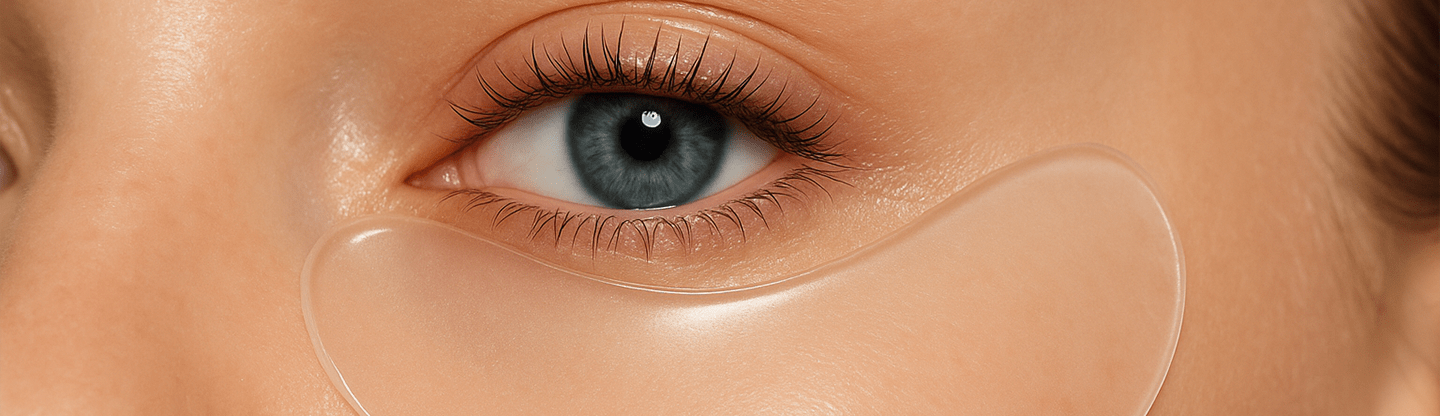
- Visible blood vessels. Thin skin can make the network of blood vessels underneath more visible, giving the area a blue or purple tinge, especially in fair skin tones.
- Volume loss and ageing. As we age, the fat pad under the eye can thin and the tear trough (the groove between the lower eyelid and cheek) can become more pronounced, creating a shadow that looks like a dark circle even when pigmentation is minimal.
- Fatigue, stress and fluid retention. Poor sleep, high salt intake or long screen time can cause puffiness that casts its own shadow — this type is usually temporary and improves once the underlying habit changes.
- Allergies and rubbing. Nasal congestion and allergic reactions increase blood flow to the area, and frequent rubbing can worsen both pigmentation and skin thinning over time.
A comprehensive review in the Journal of Clinical and Aesthetic Dermatology describes dark circles as a multifactorial concern involving heredity, pigmentation, dermatitis, swelling, vascular visibility and age-related shadowing. This is why identifying the dominant cause is more important than choosing a product based only on the words “under-eye brightening.”[2]
Is It Pigmentation, Structure, or Both?
Before choosing a treatment, it helps to know which category your circles fall into:
|
Type
|
How it typically looks
|
What usually helps
|
|
Pigmented (brown)
|
Flat, brownish discolouration, often worse with sun exposure or rubbing
|
Depigmenting actives, chemical peels, pigment-targeting laser
|
|
Vascular (blue/purple)
|
Bluish tinge, more visible when skin is thin or dehydrated
|
Hydration, vascular-supportive care, lifestyle changes
|
|
Structural (hollow/shadow)
|
A visible groove or shadow along the tear trough, more noticeable with ageing
|
Volume-restoring approaches, assessed and recommended individually
|
|
Temporary (puffy/tired)
|
Comes and goes with sleep, salt intake or allergies
|
Sleep, hydration, cold compress, reducing rubbing
|
A consultation is the most reliable way to identify which of these applies to you, since more than one often overlaps.
At-Home Habits That Can Help
For mild or occasional dark circles, simple changes are often the first useful step:
- Prioritise consistent sleep rather than only sleep duration, rregular sleep patterns affect skin more than a single late night.
- Use a broad-spectrum sunscreen daily around the eye area, since UV exposure worsens pigmentation.
- Avoid rubbing or scratching the eyes, particularly if you have allergies. This is one of the most common causes of worsening pigmentation over time.
- Reduce salt intake and stay hydrated if puffiness is a recurring concern.
- Use a cold compress for temporary puffiness caused by fluid retention.
These habits help manage mild, temporary circles, but they will not reverse pigmentation that has already set in or reshape a hollow tear trough — those need a targeted treatment approach.
Treatment Options We Consider
At Bodycraft, we assess the under-eye area before recommending a service, since a pigmented and a hollow-looking circle are not treated the same way.
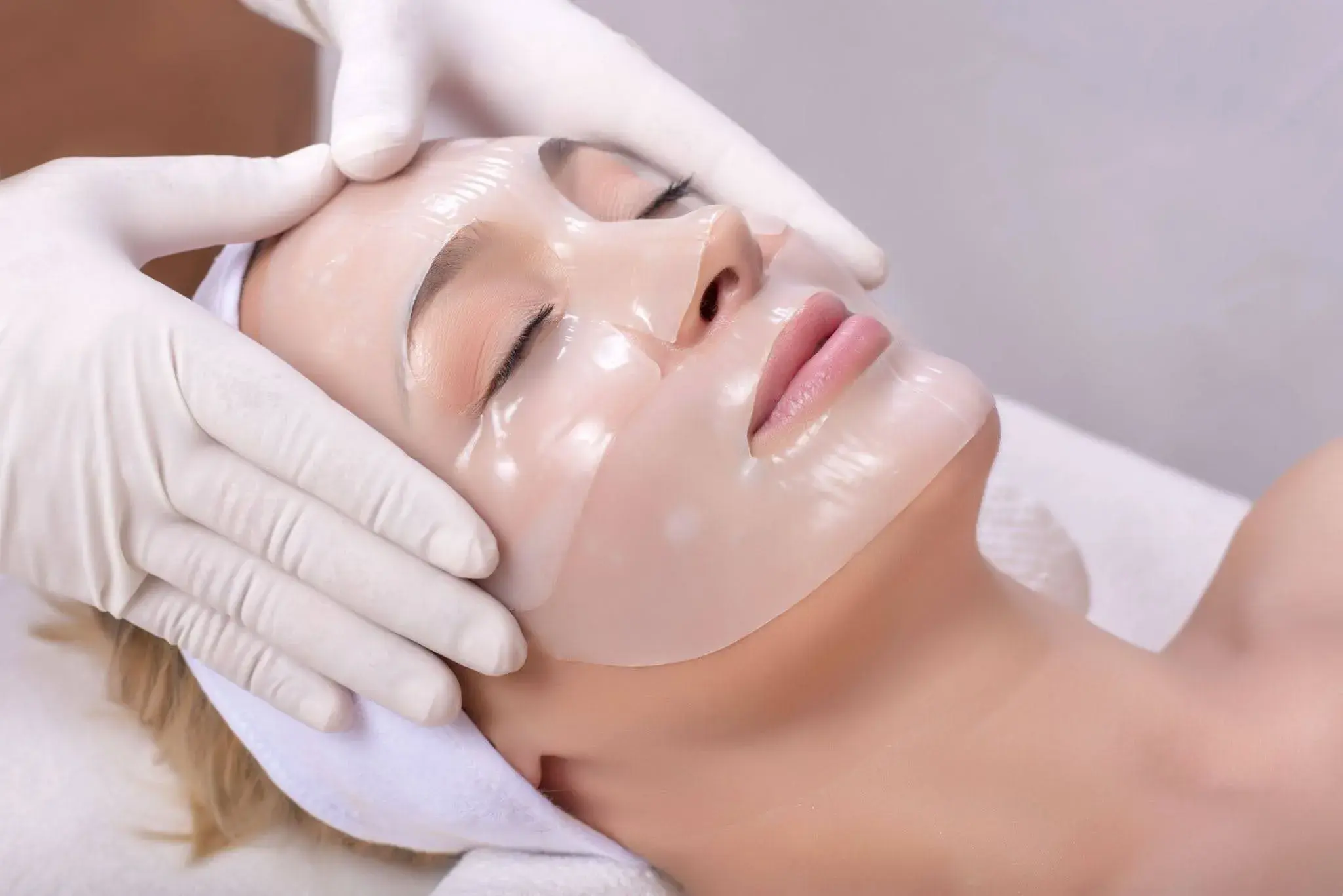
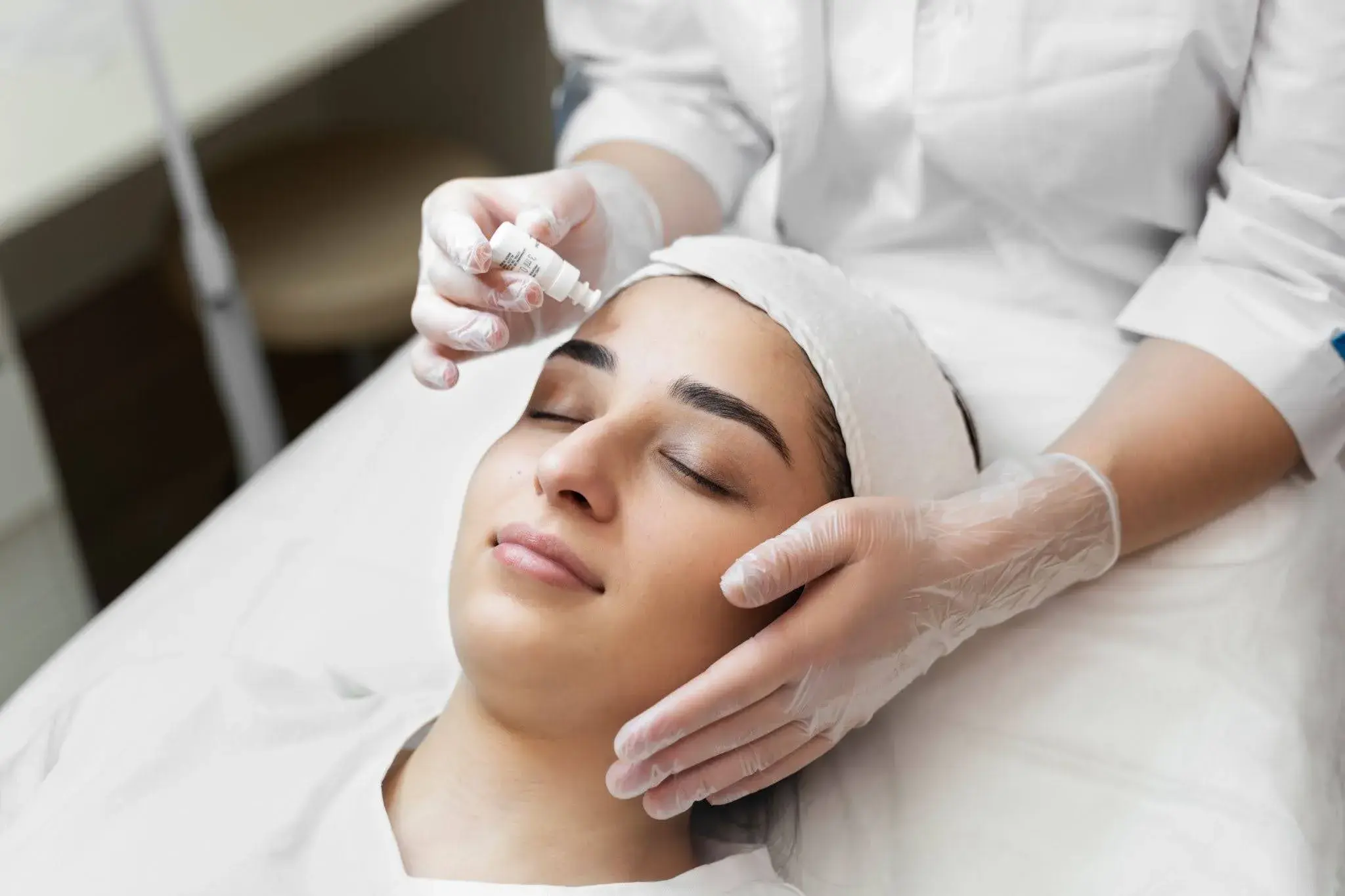
For temporary puffiness and dehydration, our salon under-eye treatment focuses on hydrating and de-puffing the delicate skin around the eyes, which can visibly reduce the tired, shadowed look without addressing deeper pigmentation. This is a good starting point for circles that are mild and fluctuate with sleep or stress.
Explore our undereye treatments
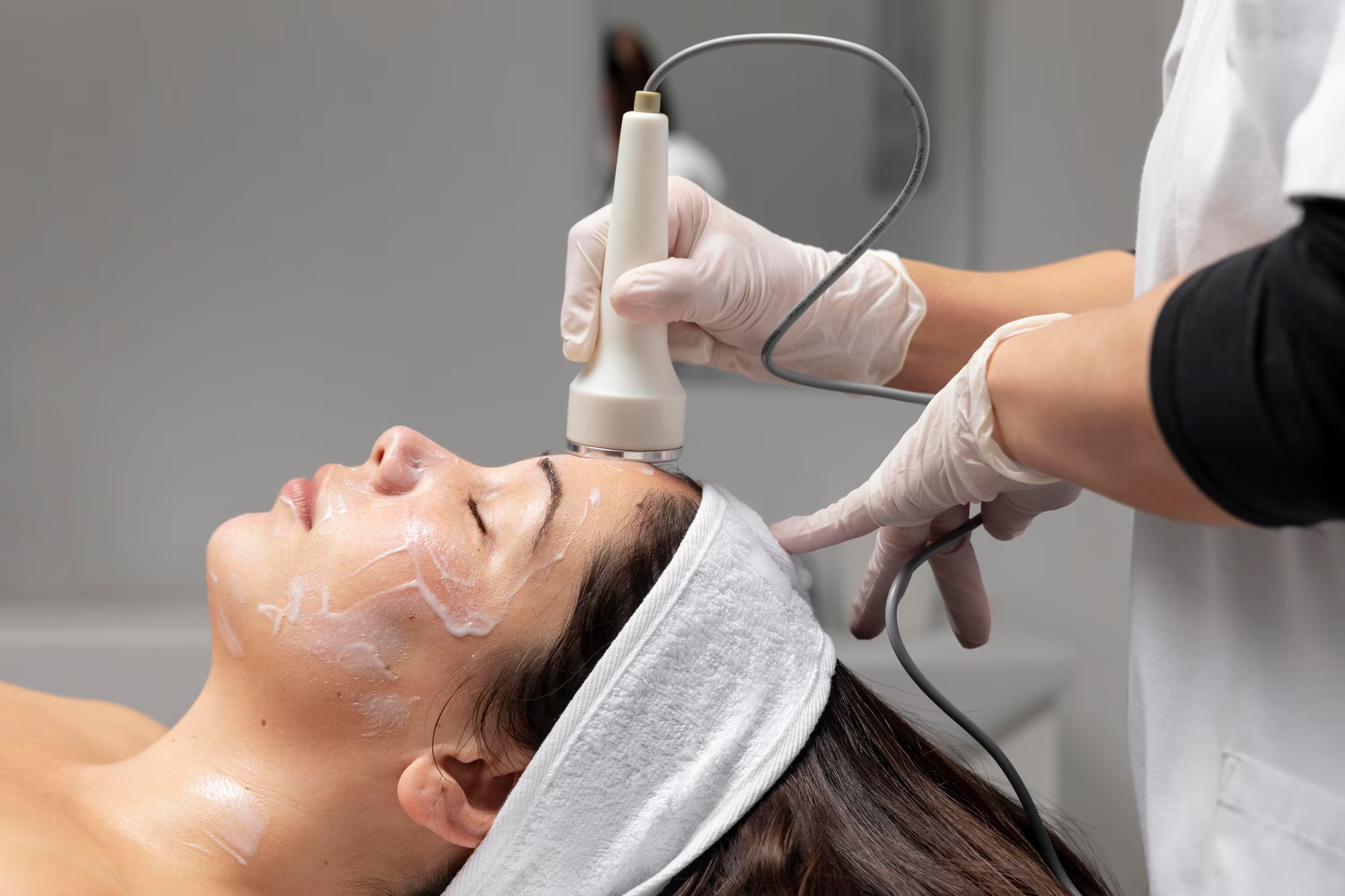
For pigmentation-led dark circles, options considered during a clinical assessment may include chemical peels formulated for the under-eye area, which work by encouraging gentle skin renewal, or Q-switch laser treatment, which targets excess melanin more directly. The right choice, strength and number of sessions depend on your skin tone, sensitivity and how deep the pigmentation is — this is assessed rather than assumed.
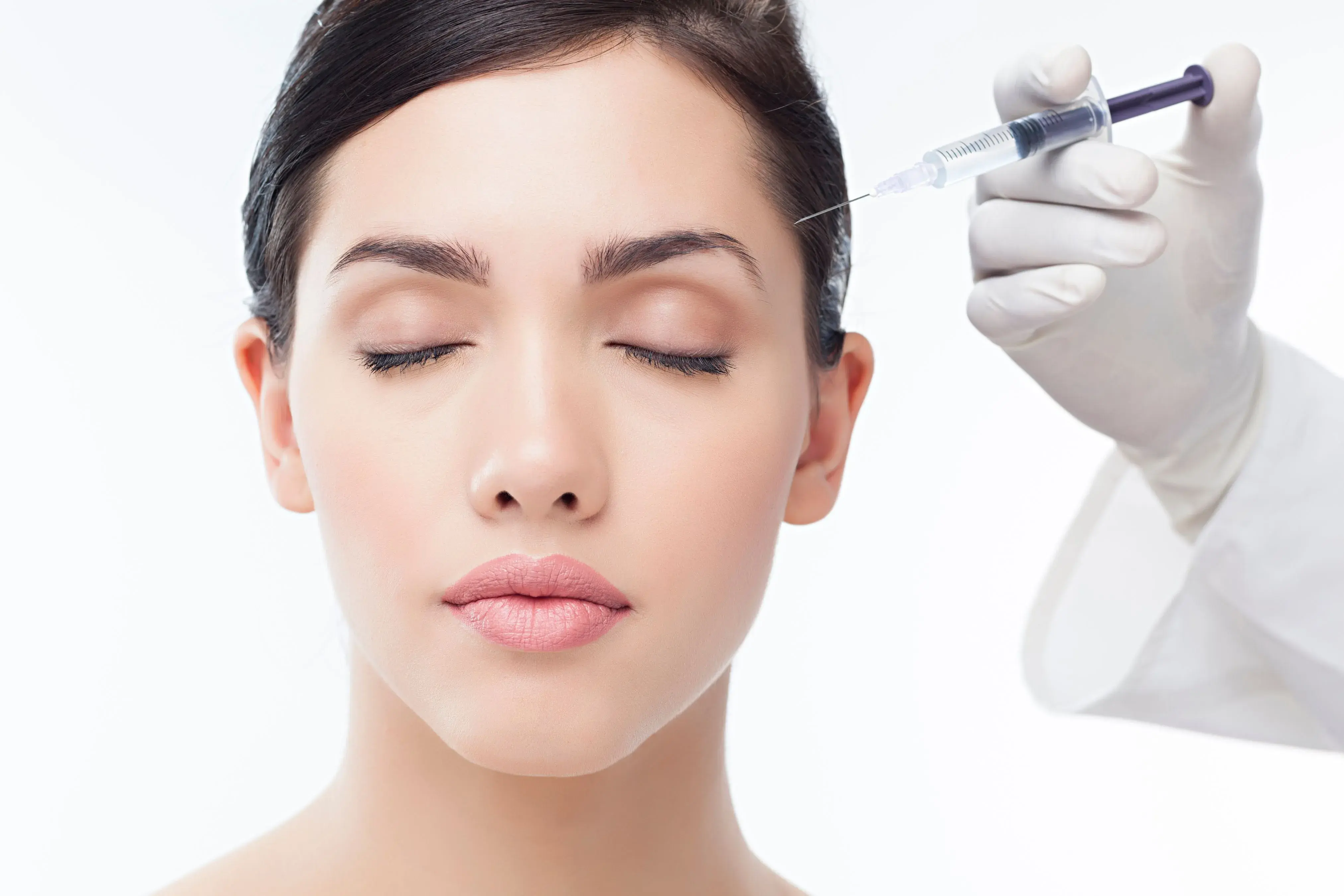
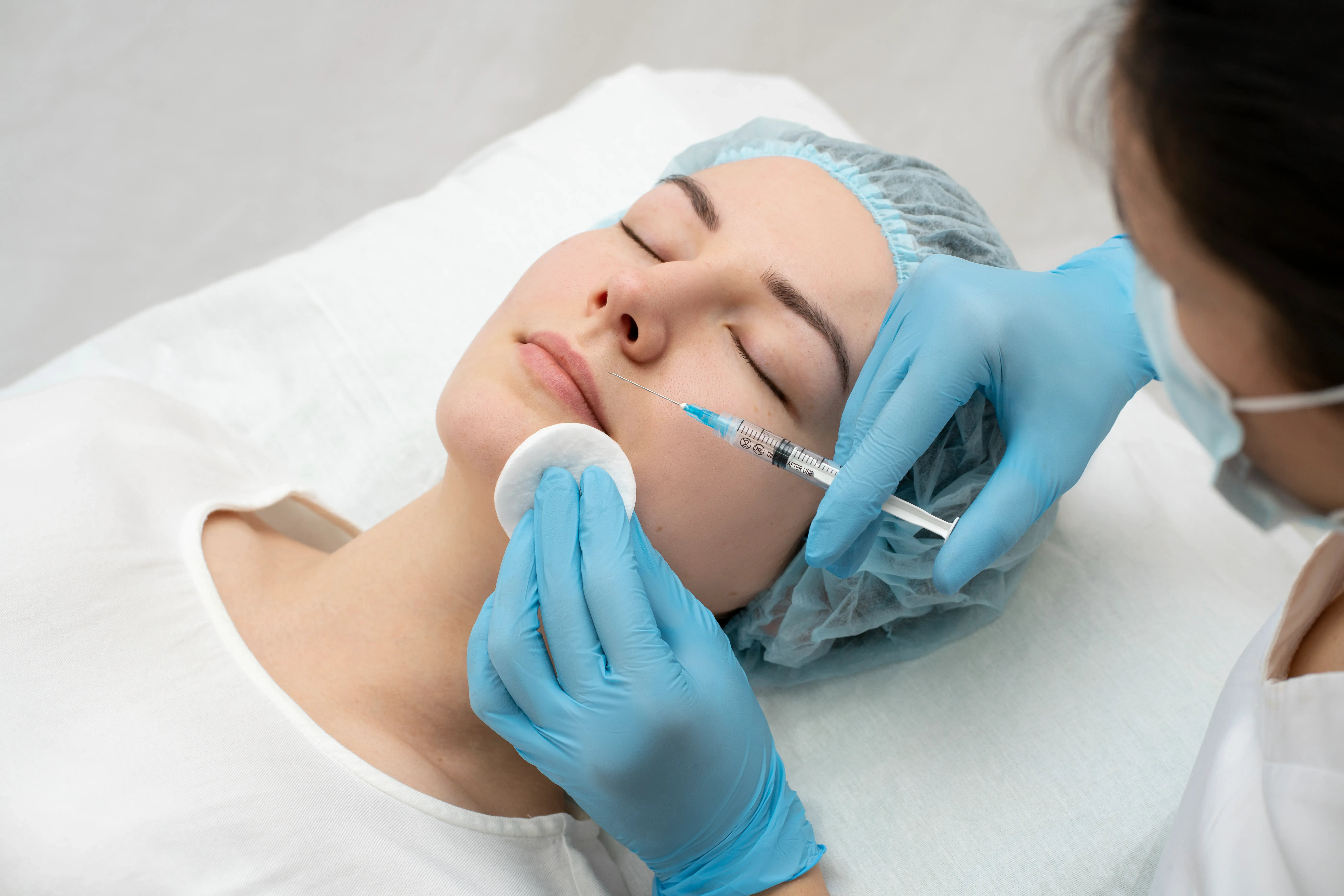
For structural, hollow-looking circles, particularly those linked to volume loss or ageing, the approach is different from a purely pigmentation-based one. While dermal fillers are normally used to correct the hollowing under eyes it usually requires an individual assessment to determine whether it is appropriate for you.
We don't recommend a single "fix all" treatment for dark circles , because the same protocol on a pigmented circle versus a hollow one can produce disappointing or uneven results.
What to Expect
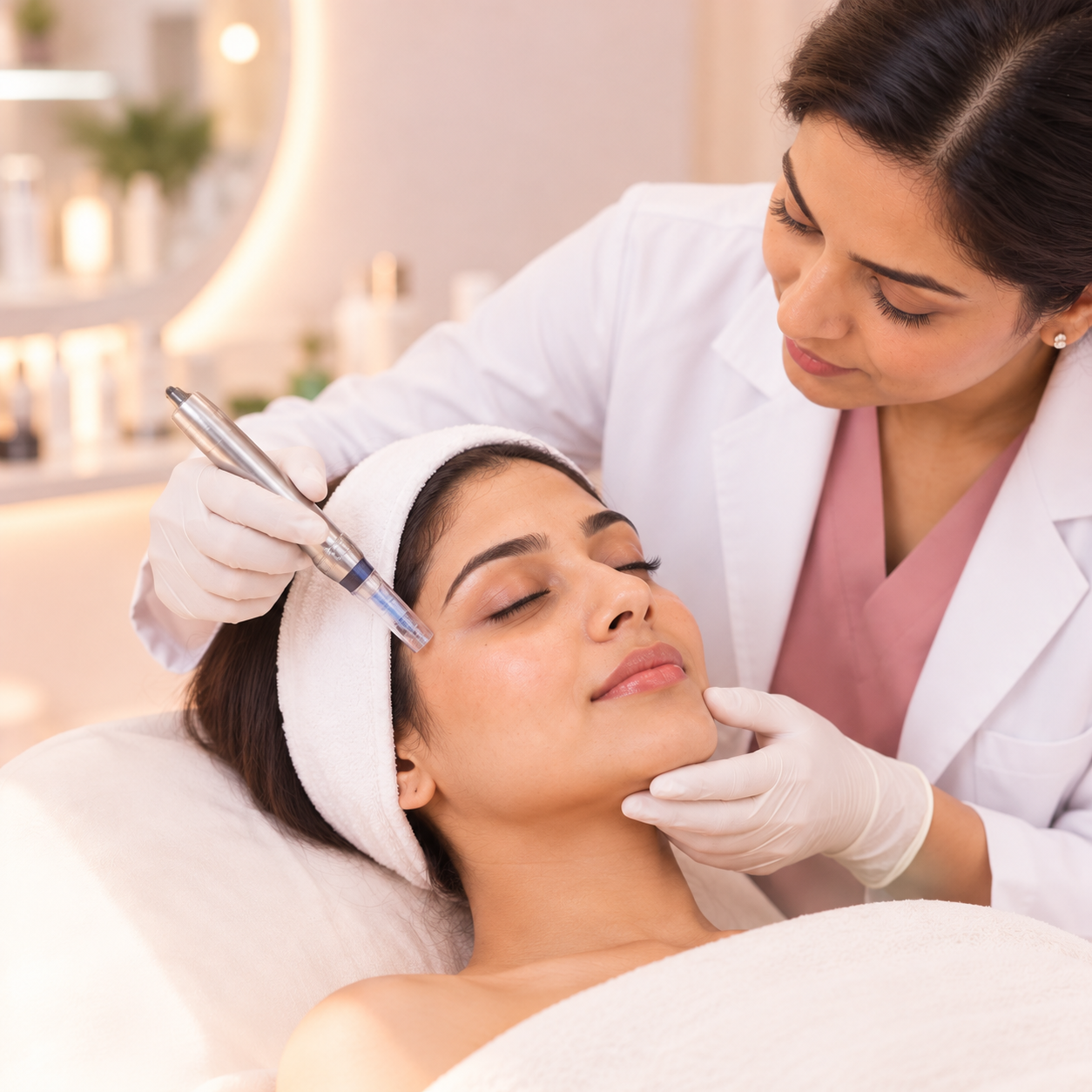
Most under-eye treatments are quick, typically completed within a session that fits around a lunch break, with minimal to no downtime for salon-based hydrating treatments. Clinic-based treatments such as peels or laser may cause mild redness or sensitivity for a short period afterward, which usually settles within a day. Results are generally gradual rather than immediate — pigmentation in particular tends to improve over a course of sessions rather than after a single visit.
Results, Limitations and What Affects Them
It's worth being clear about what under-eye treatments can and cannot do:
- Depigmenting and resurfacing treatments can visibly reduce brown discolouration over multiple sessions, but results vary by skin tone, sun exposure and how consistently sun protection is followed afterward.
- Hydrating and de-puffing treatments improve the tired, shadowed appearance temporarily; they do not change pigmentation or bone structure.
- Genetically deep-set eyes or a naturally visible tear trough will not be fully corrected by topical or resurfacing treatments alone as this is a structural feature, not a fixable "circle."
- Continued eye rubbing, poor sun protection or untreated allergies can cause pigmentation to return even after successful treatment.
- Recurrence is possible if the underlying cause like sun exposure, rubbing, sleep pattern or allergy isn't addressed alongside the treatment.
|
Did you know?
Dark circles are usually a cosmetic concern. However, sudden or one-sided darkening especially when accompanied by swelling, pain, redness, a rash, headaches, irritation or vision changes should be assessed by a doctor to rule out an allergy, infection or another underlying condition. [2]
|
Safety Considerations
The under-eye area is more sensitive than most facial skin, so a few precautions apply:
Not sure which category your circles fall into? Consult a Bodycraft expert to understand what may be causing your dark circles and explore under-eye treatments suited to your skin and concerns.
FAQs
1. Can dark circles be removed permanently?
Not always. Pigmentation can be visibly reduced and structural shadows can be softened, but genetic or bone-structure-related circles tend to require ongoing maintenance rather than a one-time permanent fix.
2. Do under-eye creams actually work?
Hydrating creams can temporarily improve the look of tired, dehydrated skin, but they have limited effect on established pigmentation or a hollow tear trough, which respond better to targeted treatments.
3. Does caffeine work for dark circles?
A caffeine-containing eye product may temporarily improve the appearance of some vascular or puffy dark circles. It will not fill hollows or permanently remove pigment. Evidence and results vary between formulations.
4. How long does it take to see improvement?
Puffiness may change within hours, while pigment-focused skincare generally requires consistent use over several weeks or months. Procedures may require more than one session. Your dermatologist or skincare professional should explain the expected timeline for the selected approach.
5. Can lack of sleep alone cause dark circles?
It can contribute to temporary puffiness and a duller appearance, but if circles persist even with good sleep, other factors like genetics, pigmentation or structure are usually also involved.
6. Can makeup make dark circles worse?
Makeup does not necessarily cause dark circles, but an irritating product or aggressive removal routine can trigger dermatitis and rubbing. Choose eye-safe products, remove them gently and stop using anything that causes itching, burning or swelling.
References
- https://pmc.ncbi.nlm.nih.gov/articles/PMC4756872/
- https://www.mayoclinic.org/diseases-conditions/bags-under-eyes/symptoms-causes/syc-20369927
Explore More Articles:






.png)




.png)
.png)


-1.png)





-1.png)
-3.png)





.png)





-Aug-02-2026-05-23-10-1368-PM.png)




.webp)
-1.webp)
.webp)
-Jul-07-2026-12-19-56-1023-PM.webp)








-Jun-01-2026-02-54-50-5351-PM.png)
-Jun-01-2026-02-45-39-8016-PM.png)

-May-29-2026-03-30-08-6855-PM.png)



-1.webp)

-3.webp)










.webp)
.webp)


-1.webp)

.webp)