Skincare has moved beyond moisturisers and serums. From chemical peels to injectable skin boosters, there are now several treatments designed to improve the appearance and quality of your skin.
One option gaining attention is polynucleotide treatment, often discussed as part of regenerative aesthetics. Rather than simply adding volume or exfoliating the skin, these treatments are designed to support processes associated with skin repair and quality.
But what exactly are polynucleotides? Can they help with fine lines, texture and skin elasticity? And are they suitable for everyone?
Let's look at how they work, what the research says and what you should know before considering treatment.
What Are Polynucleotides?
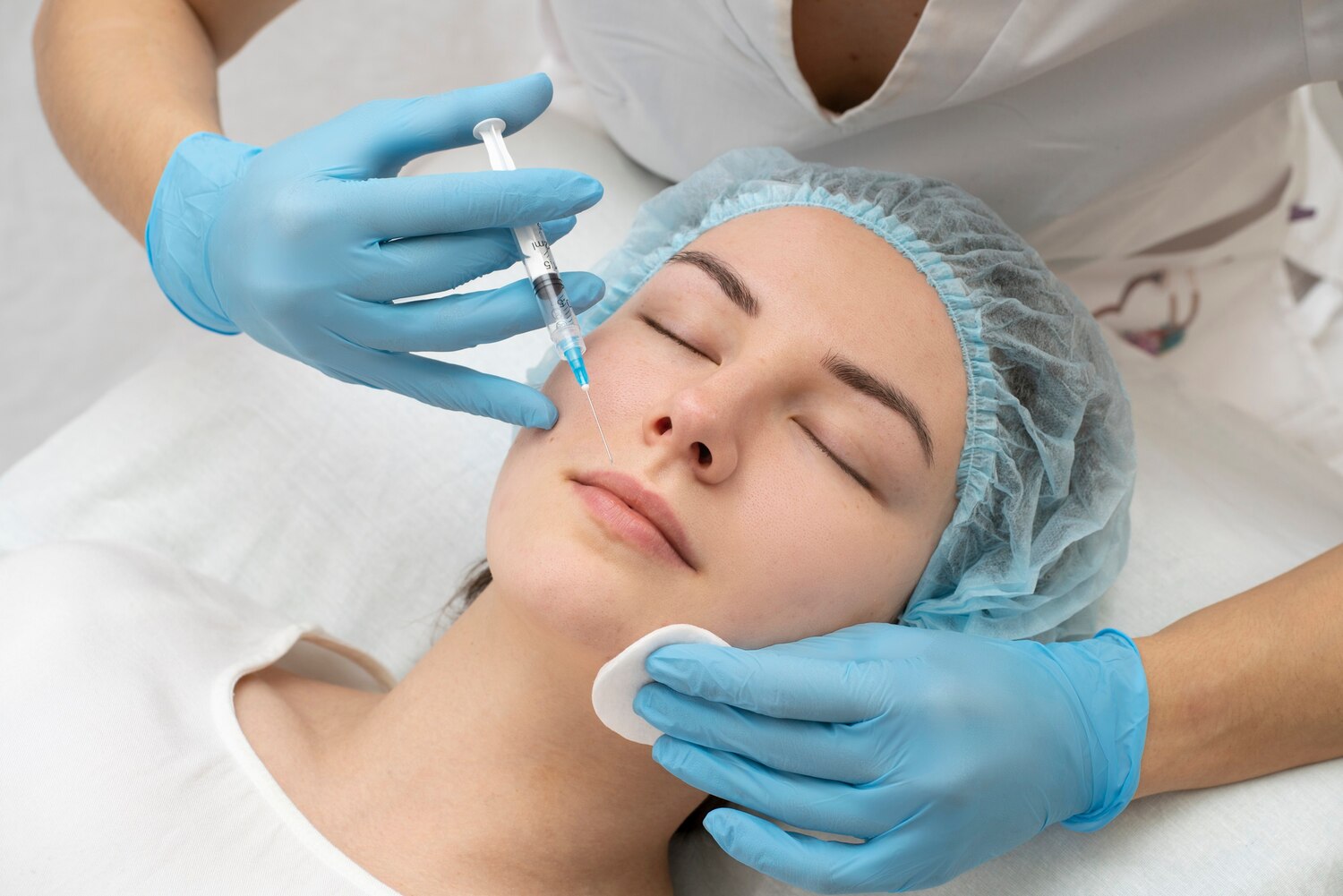
Polynucleotides are chains of nucleotides, the building blocks of DNA and RNA. In aesthetic medicine, purified polynucleotide preparations are used in certain injectable treatments intended to support skin quality and tissue repair.
Some products are derived from purified fish DNA, commonly from salmon or trout. However, the source and composition vary by product, so it's important to know exactly which formulation is being offered.
Polynucleotides are sometimes described as regenerative skin treatments because researchers are investigating their potential influence on processes involved in tissue repair, cellular activity and the skin's extracellular matrix.
They are not the same as dermal fillers, which are primarily used to restore volume or alter facial contours. Polynucleotide treatments are generally positioned around skin quality rather than adding significant volume.
That distinction is important when deciding whether the treatment matches your goals.
How Do Polynucleotides Work?
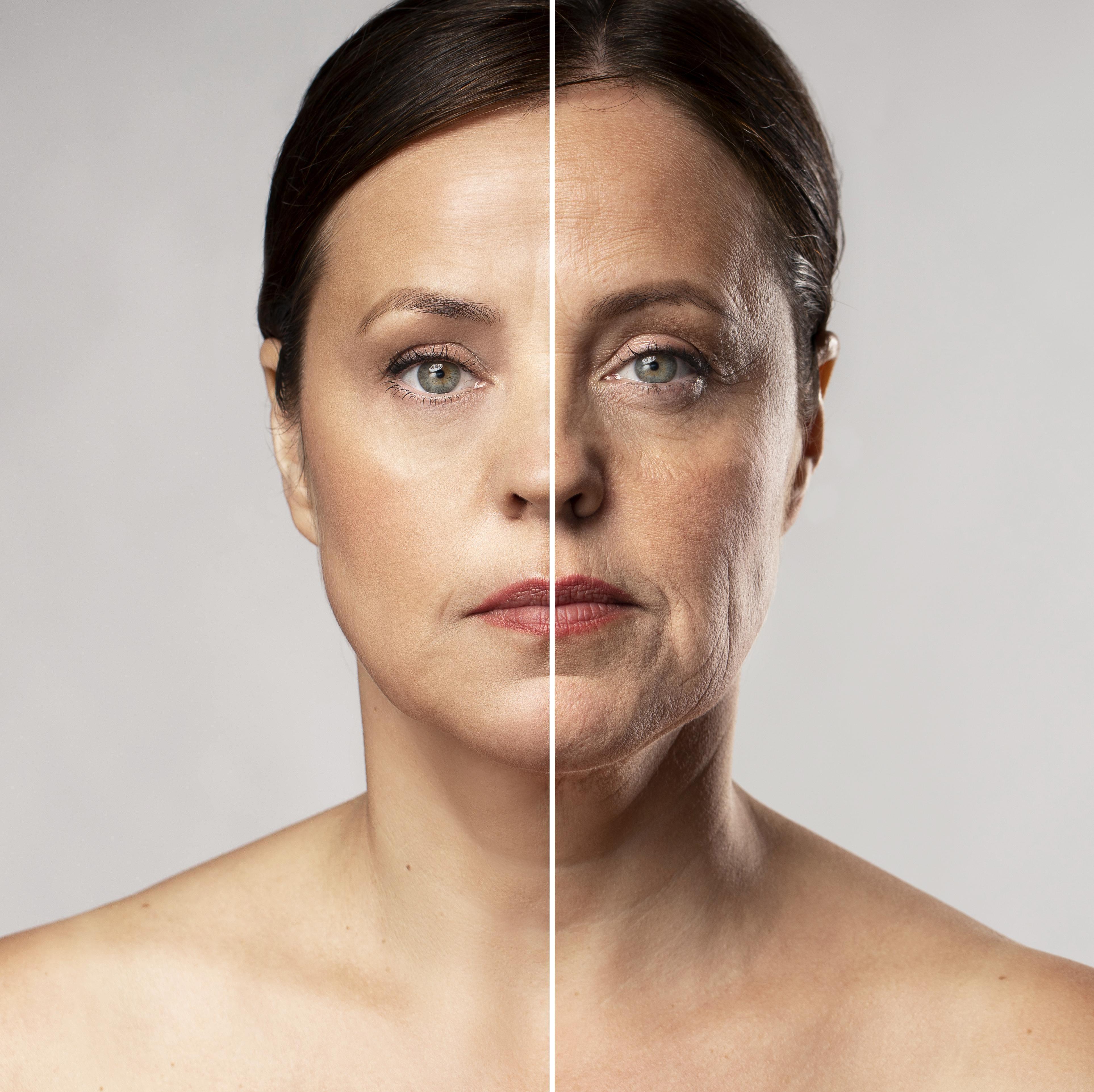
The skin relies on a network of cells, structural proteins and supporting components to maintain its strength, elasticity and texture. With age and environmental exposure, these structures change, which can contribute to fine lines, uneven texture and reduced elasticity.
Polynucleotides are being studied for their potential role in supporting some of the biological processes involved in skin repair.
1. Supporting skin quality
Research suggests that polynucleotide preparations may influence the activity of fibroblasts, cells involved in producing collagen and other components of the skin's supporting structure.
This is one reason they are being investigated for improving skin texture and elasticity. However, the extent of these effects in everyday clinical practice is still being studied.
2. Improving the appearance of fine lines
Some clinical studies have reported improvements in wrinkle-related measurements following polynucleotide treatment. The aim is generally to improve the appearance and quality of the skin, rather than create the immediate volume change associated with some fillers.
Results vary, and the treatment should not be expected to eliminate every fine line.
3. Supporting tissue repair
Polynucleotides and related compounds, including polydeoxyribonucleotides (PDRN), have also been studied in wound healing and tissue repair.
Although these areas of research overlap, PN and PDRN are not identical terms, and findings for one formulation or medical use cannot automatically be applied to every aesthetic product.
Doctor's Note
The term regenerative can sound like a guarantee that the skin will repair itself or reverse ageing. It isn't. Polynucleotide treatments are being investigated for their effects on skin quality, but outcomes depend on the specific product, the treatment protocol and the individual's skin. A realistic treatment plan should be based on evidence, not just the terminology used to describe it.
What Skin Concerns Might Polynucleotides Help With?
Polynucleotide treatments are being explored for several skin-quality concerns. The available evidence is encouraging in some areas, but it remains limited.
Fine lines and early signs of ageing
Some studies have reported improvements in the appearance of wrinkles following treatment. Polynucleotides may be an option to discuss if your goal is to improve overall skin quality rather than restore lost facial volume.
For deeper folds or more pronounced volume loss, a different approach may be more appropriate.
Uneven skin texture
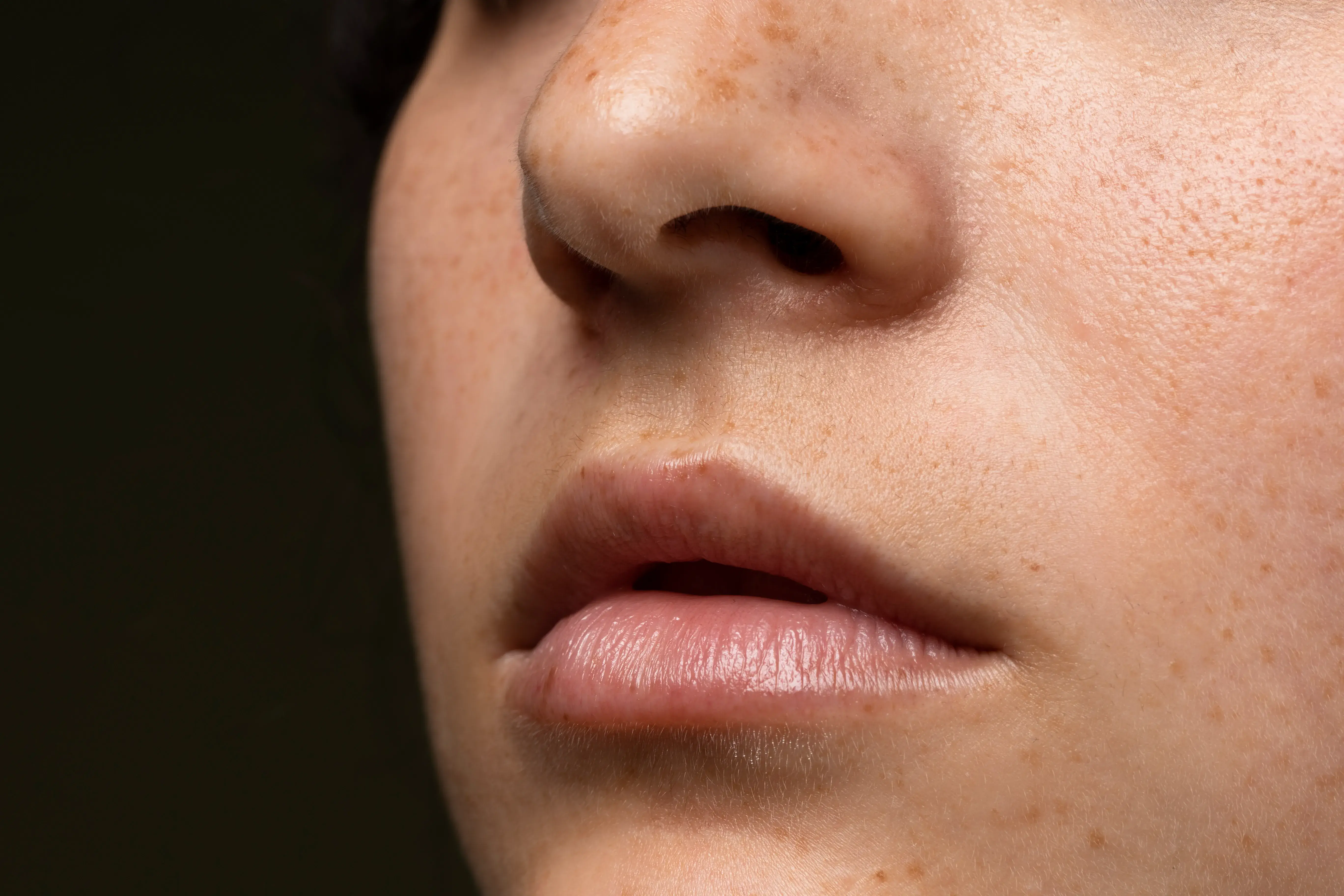
Clinical research has investigated whether polynucleotides can improve measures of skin texture and surface smoothness. Some findings are promising, although larger studies are needed to establish how consistent these results are.
Reduced skin elasticity
Skin can gradually lose some of its firmness and elasticity over time. Studies have reported improvements in certain elasticity measurements after polynucleotide treatment, but the degree of improvement and how long it lasts can vary.
Under-eye skin quality
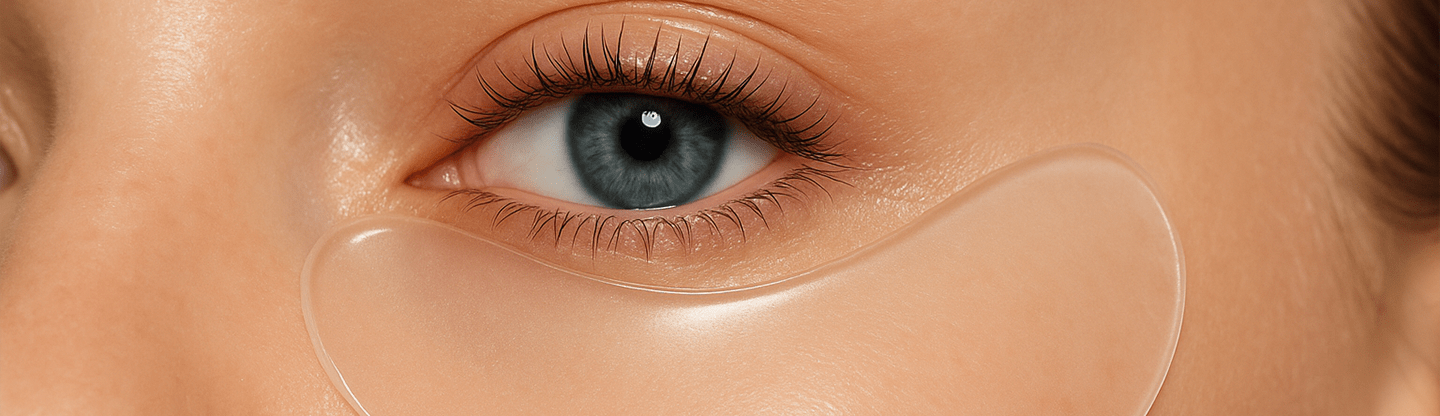
Certain polynucleotide treatments are marketed for delicate areas such as the under-eyes. However, this area requires particular care because concerns such as dark circles, hollowness, pigmentation and puffiness can have different causes.
A treatment that may improve skin texture will not necessarily correct under-eye hollowness or every type of dark circle.
|
Doctor's Note
The most suitable treatment depends on what is causing the concern. Fine lines caused by skin texture, for example, are different from deeper folds caused by volume loss. A consultation helps distinguish between these concerns and avoids choosing a treatment simply because it is trending.
|
Who Is a Suitable Candidate?
Polynucleotide treatments may be worth discussing with a qualified medical professional if you want to improve aspects of skin quality and understand the limitations of the available evidence.
You may be interested in exploring them if:
- Your primary concern is skin texture or early fine lines.
- You want to discuss treatments focused on skin quality rather than significant facial volume.
- You understand that results may be gradual and may require a course of treatments.
- You are comfortable with the uncertainties that come with an evolving area of aesthetic medicine.
However, the treatment may not be appropriate for everyone.
A medical professional should assess your skin, medical history, allergies and the specific product being considered. If you have an active skin infection or inflammation in the treatment area, treatment may need to be postponed.
If you have a known fish allergy and the product is fish-derived, discuss this before proceeding. Pregnancy, breastfeeding, bleeding disorders, certain medications and other medical conditions may also affect whether an injectable treatment is appropriate. Suitability should be assessed individually rather than assumed.
If your main concern is persistent pigmentation, active acne or significant skin laxity, another treatment or a combination of approaches may be more appropriate.
For concerns such as pigmentation, explore Chemical Peel Treatments at Bodycraft. If you are unsure what is causing your skin concern, you can also consult a skin doctor at Bodycraft.
Polynucleotides vs Skin Boosters vs Dermal Fillers
These treatments are sometimes grouped together because they are used in aesthetic medicine, but they have different purposes.
|
Treatment
|
Main purpose
|
What to understand
|
|
Polynucleotides
|
Intended to support skin quality and tissue-repair processes
|
Evidence is promising but still limited; results depend on the formulation and treatment plan
|
|
Hyaluronic acid skin boosters
|
Improve skin hydration and certain measures of skin quality
|
Formulations vary, and some products may also provide a subtle plumping effect
|
|
Dermal fillers
|
Restore volume, soften selected folds or alter facial contours
|
Results depend on the filler, injection technique and area treated
|
A skin booster and a polynucleotide treatment are not necessarily interchangeable. Even when both are intended to improve skin quality, their ingredients, mechanisms and evidence base may differ.
Similarly, polynucleotides are not a direct substitute for dermal fillers when the primary concern is significant volume loss.
The right choice depends on the outcome you want and the clinical assessment of your skin.
What Does the Research Say?
Polynucleotides have attracted growing interest, but it is important to separate early clinical findings from established evidence.
A systematic review published in the Journal of Cosmetic Dermatology in 2025 assessed the available research on polynucleotides in aesthetic medicine. It included nine studies involving 219 patients.
The review reported promising findings related to wrinkles, skin texture and elasticity. However, the studies were generally of low to moderate quality, and they differed in treatment techniques, injection areas and protocols. The authors concluded that more rigorous research is needed to establish the best ways to use these treatments.
A further systematic review of randomised clinical trials published in 2026 examined polynucleotides and related polydeoxyribonucleotides across skin rejuvenation, scar prevention and wound healing. It also highlighted the limitations of the evidence, including small study populations, varied protocols and differences in how outcomes were measured.
What does this mean for someone considering treatment?
- There is early evidence of potential benefit: Some studies report improvements in skin-quality measures.
- The evidence is not definitive: Small studies cannot reliably predict results for every individual.
- Products are not all the same: Findings from one formulation cannot automatically be applied to another.
- Long-term outcomes need more study: The ideal treatment schedule and durability of results are not yet firmly established.
Polynucleotides are an area of active research, not a guaranteed shortcut to younger-looking skin.
Research references: The Effectiveness of Polynucleotides in Esthetic Medicine, systematic review and Systematic review of randomised clinical trials on polynucleotides and PDRN.
What to Know Before Treatment
If you're considering polynucleotides, a thorough consultation is an important first step.
Understand the product being used
Ask for the product name, its source, intended use and applicable regulatory status. Products marketed under the same broad category may differ in composition and quality.
Discuss possible side effects
Injectable treatments may cause temporary redness, swelling, tenderness, itching or bruising around the injection sites. Infection and other complications are possible with injections, so sterile technique and appropriate medical oversight matter.
Ask what risks are associated with the specific product and treatment area, and how complications would be managed.
Have realistic expectations
Polynucleotides should not be expected to replace a comprehensive skincare routine or address every sign of ageing. Improvements, if they occur, may be gradual, and the duration of results is not firmly established for all formulations.
Follow the recommended aftercare
Follow the treating professional's instructions on skincare, sun exposure, exercise and other activities after treatment. Avoid rubbing or manipulating the treated area unless your provider advises otherwise.
If you experience severe or worsening pain, marked swelling, spreading redness, fever or any unexpected symptoms after an injection, seek medical advice promptly.
FAQs
1. What are polynucleotides used for in skincare?
Polynucleotide injections are used in some aesthetic settings to target skin-quality concerns such as texture, fine lines and elasticity. Research is ongoing, and their effectiveness varies depending on the product and treatment protocol.
2. Are polynucleotides the same as salmon DNA injections?
Some polynucleotide products are derived from purified fish DNA, including salmon or trout. However, products vary in their composition and preparation, so the exact formulation should be confirmed with the treating professional.
3. How many polynucleotide sessions are needed?
There is no single schedule that applies to every product and patient. Treatment plans vary according to the formulation, area being treated and clinical assessment. Ask for a clear explanation of the proposed schedule and why it is recommended.
4. How long do the results last?
The duration of results is not firmly established across all polynucleotide formulations. Some studies report changes over weeks or months, but longer-term evidence remains limited. Your provider should explain what is known about the specific product being offered.
5. Are polynucleotide treatments painful?
Discomfort varies by treatment area, injection technique and individual sensitivity. Temporary tenderness, swelling, redness or bruising may occur. Your provider can explain what to expect and how discomfort will be managed.
6. Can polynucleotides replace Botox or dermal fillers?
No. These treatments have different purposes. Botulinum toxin is used to reduce the appearance of certain expression lines, while dermal fillers are used to restore volume or contour selected areas. Polynucleotide treatments are generally focused on skin quality, and they should not be considered direct replacements.
Final Thoughts
Polynucleotides are an interesting development in aesthetic medicine, with early research suggesting potential benefits for skin texture, elasticity and the appearance of fine lines.
But the evidence is still evolving. The available studies are relatively small, treatment protocols differ, and there is no guarantee that every person will see the same results.
If you're considering this treatment, begin with an assessment of your skin concerns, understand the product being offered and discuss the evidence, risks and alternatives with a qualified medical professional.
The best treatment is not necessarily the newest one. It's the one that makes sense for your skin and your goals.
To explore your options, consult a skin doctor at Bodycraft and discuss a treatment plan suited to your needs.
Explore More Articles: