Get a complimentary consultation today. Get in touch
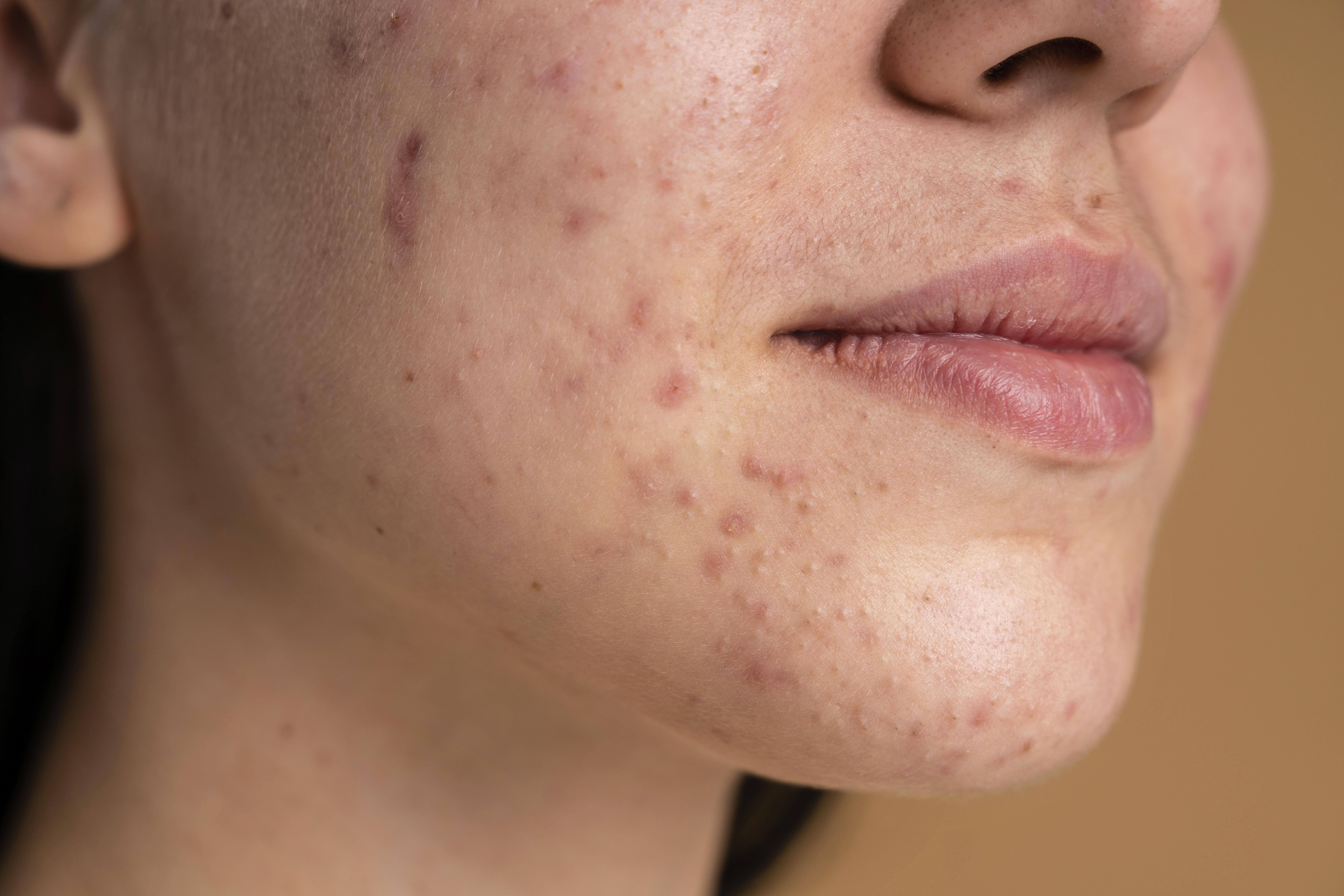
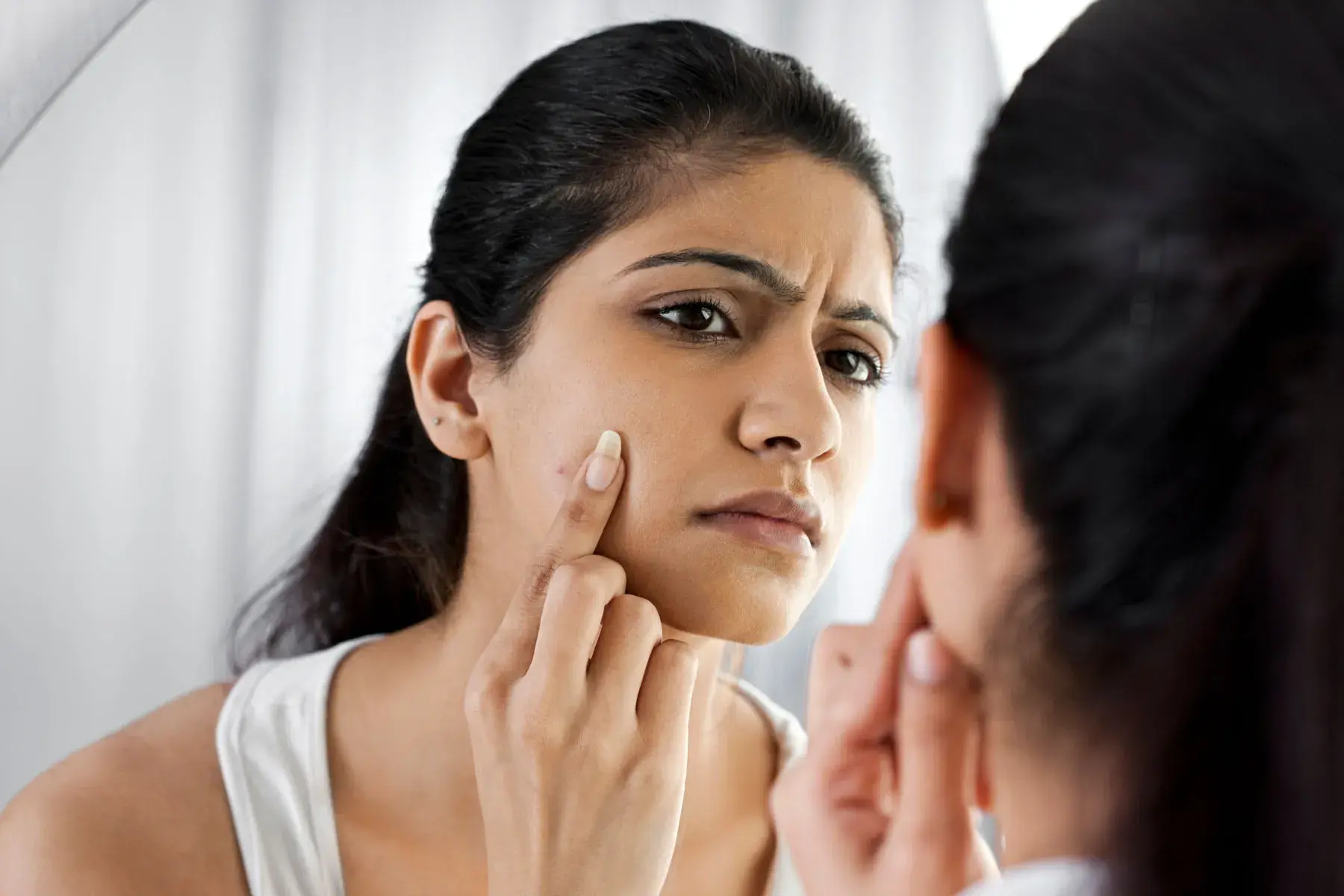
If your intention was to get radiant/illuminated skin by adding a Vitamin C serum to your skincare routine and you ended up breaking out, I assume that you are quite annoyed. It really looks like a betrayal, you bought it to solve your skin problems and it only made them worse. Consequently, this question is very often asked in the skincare community: does vitamin c serum cause acne?
Basically, no, Vitamin C is not a cause of acne. To be very precise, it is an antioxidant that ultimately helps the skin to heal. However, the reality is that your serum might have a formulation that is making your skin flare up.
Why Some Vitamin C Serums Cause Breakouts
While Vitamin C is definitely a skincare superstar, there are certain factors that can lead to "acne, like" symptoms such as skin irritation and clogged pores:
- Heavy Carrier Oils: In most cases, Vitamin C serums are made with Vitamin E (Tocopherol) or heavy oils as the carrier. For people with oily or acne, prone skin, these can be comedogenic, meaning that they can physically block your pores.
- Highly Acidic pH: Pure Vitamin C (L-Ascorbic Acid) requires a very low pH to work. This acidity can irritate sensitive skin, leading to "irritation bumps" that look exactly like tiny pimples.
- Oxidation: Vitamin C is notoriously unstable. If your serum has turned dark orange or brown, it has oxidized. Using spoiled serum can cause inflammation and skin distress.
Choosing the Right Vitamin C for Acne-Prone Skin
Not all Vitamin C is created equal. If you are prone to breakouts, you need to look for specific derivatives that are gentler on the skin.
|
Ingredient
|
Best For...
|
Why it’s Acne-Safe
|
|
Sodium Ascorbyl Phosphate
|
Active Acne
|
Has natural antimicrobial properties that fight bacteria.
|
|
L-Ascorbic Acid
|
Post-Acne Scars
|
Powerful, but best for "resilient" skin types.
|
|
THD Ascorbate
|
Sensitive Skin
|
Oil-soluble and stable; less likely to cause irritation bumps.
|
- Highly Acidic pH: A pure form of Vitamin C (L, Ascorbic Acid) works only at a very low pH. The extreme acidity of this can very often cause the sensitive skin to be irritated, thus resulting in the so- called "irritation bumps" that resemble tiny pimples visually.
- Oxidation: Vitamin C is very sensitive and easily goes bad. If your serum has changed its color to dark orange or brown, then it is oxidized. The application of the expired serum may lead to the inflammation of the skin and its overall distress
Tips to Prevent "Serum Spots"
- Check the Color: If the color is anything but clear or light champagne, get rid of it.
- Patch Test: Do it only on your jawline for three consecutive days, and then apply it to the whole of your face.
- Store it Right: The moment you open a bottle, do not forget to save it in a cool, dark location (or a fridge) so that it won't go bad.
The Takeaway
Does vitamin c serum cause acne? Not directly. A raving is most often the consequence of heavy oil usage in a formula or a serum that's no longer good. If you're acne prone, keep an eye out for Sodium Ascorbyl Phosphate which is the one kind of Vitamin C that is safe and even beneficial in preventing breakouts and removing scars.
Get in touch






.png)


-1.png)




-1.png)
-3.png)





.png)






-Aug-02-2026-05-23-10-1368-PM.png)



.webp)
-1.webp)
.webp)
-Jul-07-2026-12-19-56-1023-PM.webp)









-Jun-01-2026-02-54-50-5351-PM.png)
-Jun-01-2026-02-45-39-8016-PM.png)

-May-29-2026-03-30-08-6855-PM.png)



-1.webp)

-3.webp)









.webp)
.webp)


-1.webp)

.webp)
.webp)

.webp)

-Jan-07-2026-09-55-51-8183-AM.png)