Get a complimentary consultation today. Get in touch
How Long Does HIFU Last?
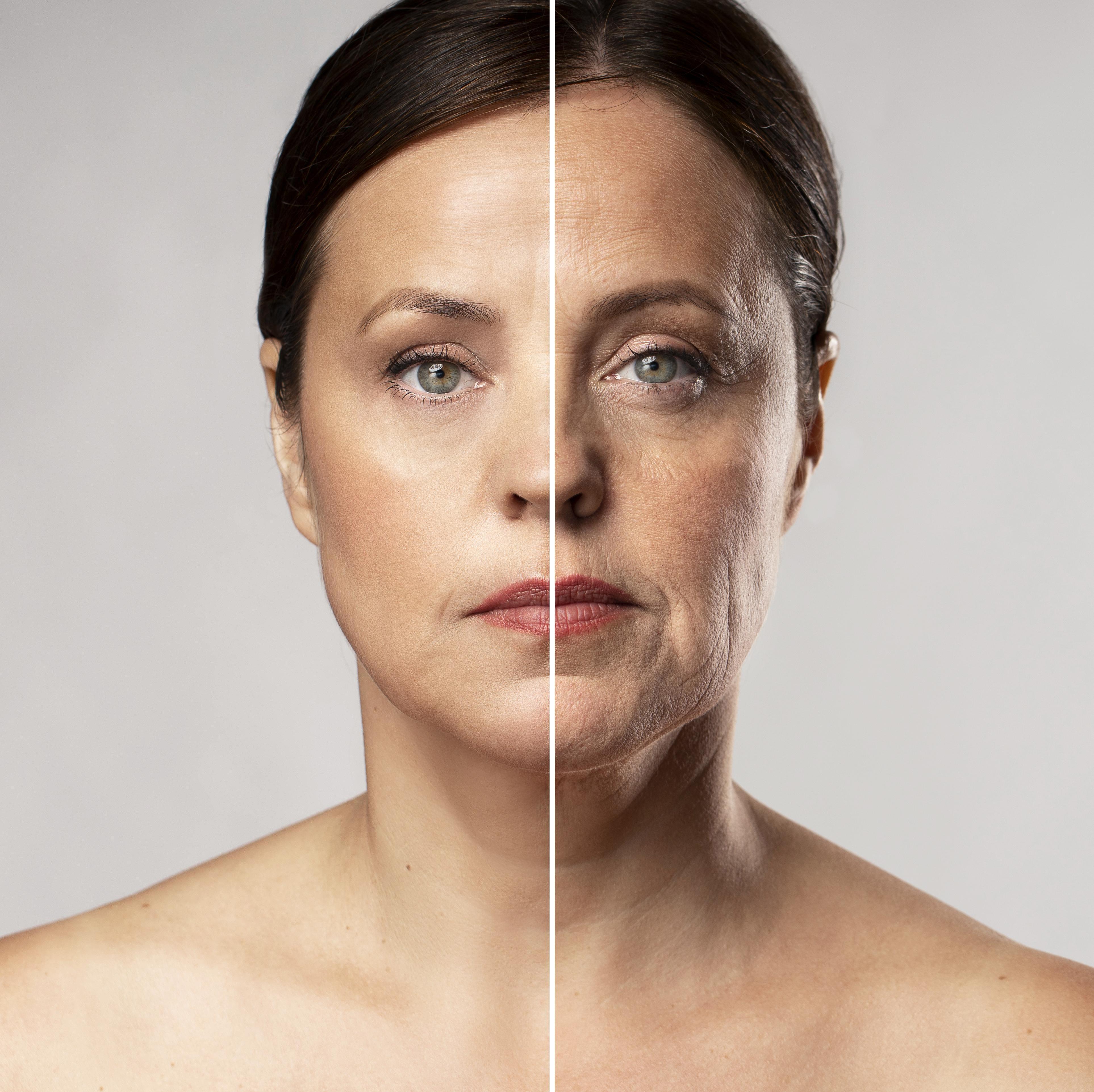
HIFU is a long-lasting procedure in terms of treatment and can be treated long-term to improve skin health, but unlike a traditional facial which disappears in weeks, results from HIFU develop slowly over time as the body's own collagen production system works to build the skin back up.
Here’s a brief breakdown of the timing of HIFU results:
- The first month: You may notice some initial tightening and increased "plumpness" to your skin; however, the majority of changes are occurring below the surface of your skin.
- Three months after your first treatment: By this point, the bulk of new collagen is produced and you’ll begin to see the maximum lift of your brow and jaw line.
- One year later: This is usually when most people notice their most significant results from their initial treatment and will begin to show signs of aging again.
Although the average lifespan of HIFU is eleven to eighteen months for most patients, various factors impact how long the HIFU results last in each individual; therefore, patients must expect varying levels of information regarding the longevity of results.
|
Factor
|
Impacts Longevity By...
|
|
Age
|
Younger skin (30s–40s) typically holds results longer due to faster cell repair.
|
|
Sun Exposure
|
UV rays destroy collagen. Daily SPF 50 is the #1 way to keep your results.
|
|
Lifestyle
|
Smoking and high-sugar diets break down collagen fibers faster.
|
|
Post-Care
|
Using medical-grade serums (Vitamin C or Peptides) supports the new lift.
|
When Should You Get a Touch-Up?
Dermatologists will typically recommend getting a touch-up once per year to maintain collagen production at optimal levels. Alternatively, if you are experiencing moderate to advanced skin loss, you may want to opt for a "booster" treatment at six months after your initial Session to strengthen the foundation of your prior treatment.
Conclusion
You will notice a noticeably youthful, tighter look for a minimum of 12 months after receiving the Treatment; therefore, you would not have to have another Treatment until after you reach that time frame. The amount of money you will spend over that timeframe is significantly less than what you would incur through Surgical procedures, and you do not need to make a long-term financial commitment to go through Surgical procedures.
Get in touch






.png)


-1.png)





-1.png)

-3.png)





.png)







-Aug-02-2026-05-23-10-1368-PM.png)


.webp)
-1.webp)
.webp)
-Jul-07-2026-12-19-56-1023-PM.webp)










-Jun-01-2026-02-54-50-5351-PM.png)
-Jun-01-2026-02-45-39-8016-PM.png)


-May-29-2026-03-30-08-6855-PM.png)



-1.webp)


-3.webp)







.webp)
.webp)


-1.webp)

.webp)
.webp)

.webp)

-Jan-06-2026-10-47-39-0032-AM.png)