Get a complimentary consultation today. Get in touch
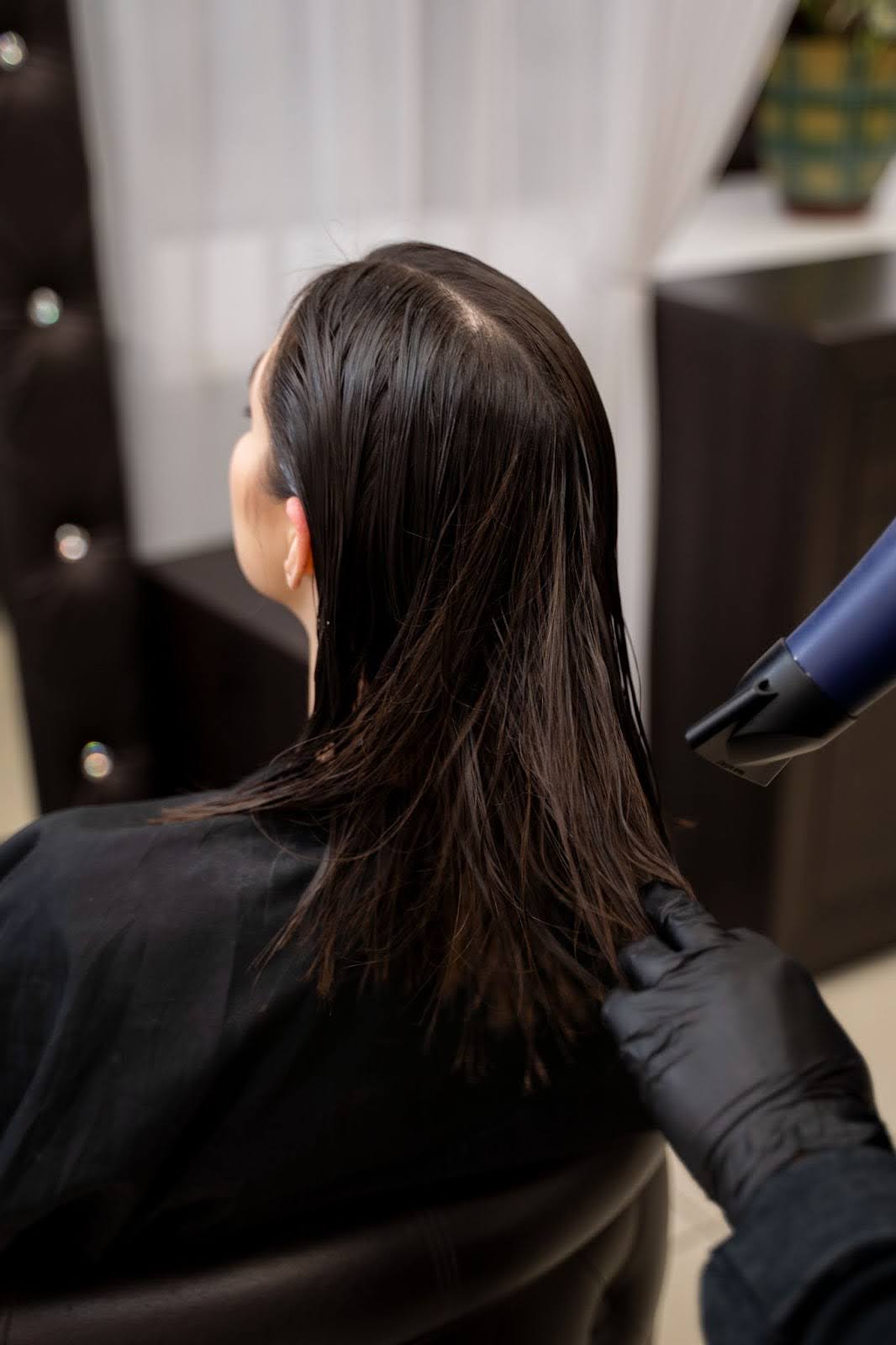
Honestly—most of the time, one can hardly tolerate the smell of a box dye and also the scalp feels like it is burning. Maybe you are looking for a way to refresh your look without the harsh ammonia, and you are wondering how to color hair at home naturally. While you cannot expect to convert jet black hair into platinum blonde using a carrot, you can definitely add beautiful tones and a shiny finish with things that are already in your pantry.
The Natural Tint Cheat Sheet
Natural coloring agents stain the hair that is on the outside without opening the hair fiber. Because they are mild, the "processing time" is longer than a salon visit.
|
Ingredient
|
Best For
|
Leave-In Time
|
Expectation
|
|
Henna (Mehendi)
|
Deep Reds/Auburn
|
2–4 Hours
|
Permanent, very strong
|
|
Strong Coffee
|
Brunette/Dark Brown
|
1 Hour
|
Subtle tint & high shine
|
|
Beetroot Juice
|
Cool Reds/Pink Tones
|
1–2 Hours
|
Temporary, vibrant in sun
|
|
Chamomile Tea
|
Golden Highlights
|
30 Mins (Rinse)
|
Brightens blonde/light brown
|
The "Acid Hack" for Longevity
Most people who are figuring out how to color hair at home naturally forget the "sealant" part. Just like any other pigments, natural ones also need help to stick.
Quick tip: In case you are using either coffee or beet juice, put a tablespoon of Apple Cider Vinegar in the mix. The acid closes the hair cuticle, thus, it helps to fix that natural stain for a few more hair washes. My friend Priya can’t imagine her life without a coffee-and-conditioner mask every Sunday, as it is the secret to her chocolate brown hair looking vibrant while no chemicals are involved.
Manage Your Expectations
Natural dyes are subtle. They are "additive" colors. This implies that they can only darken the hair or change its tone. If you have dark Indian hair and use chamomile, you will hardly notice the difference. However, if you use beetroot or henna, then your hair will appear as if it is lit from inside when it absorbs sunlight.
The Takeaway
Essentially, natural hair colouring is a method to preserve your hair. The idea comes under the category of slow-beauty. The change will not be drastic and will take time, but your hair will become more voluminous, glossier, and free from harmful chemicals.
Common Questions (FAQ)
Q: Will natural dye cover my greys?
Henna is the one that can cover grey hair very well, however, normally, it turns the greys a bright copper color. On the other hand, coffee and tea only temporarily "stain" greys to give the impression of soft highlights, but they do not make greys disappear completely.
Q: Can I use natural dye over salon-colored hair?
Be wise! In case you have had a bleach treatment done on your hair, then a natural dye (especially henna) can cause a reaction and as a result, your hair can turn a weird muddy color. So, it is always a good idea to perform a "strand test" on a piece of hair that is not visible.
Q: How often can I do this?
As often as you want! The absence of chemicals makes these treatments safe even if they are done frequently, and they serve as deep-conditioning hair masks.






.png)


-1.png)



-1.png)
-3.png)




.png)




-Aug-02-2026-05-23-10-1368-PM.png)



.webp)
-1.webp)
.webp)
-Jul-07-2026-12-19-56-1023-PM.webp)









-Jun-01-2026-02-54-50-5351-PM.png)
-Jun-01-2026-02-45-39-8016-PM.png)

-May-29-2026-03-30-08-6855-PM.png)


-1.webp)

-3.webp)








.webp)
.webp)




-1.webp)
.webp)
.webp)

.webp)