Why Does Sleep Matter for Your Skin?
You've probably noticed it after a late night. Your face looks a little tired, your eyes seem puffier, and your skin doesn't quite have its usual freshness.
It's easy to blame it on a long day, but your sleep routine can influence how your skin looks and functions.
Sleep is an important part of the body's natural recovery process. While you rest, your body carries out several processes involved in tissue repair, immune function and maintaining the skin barrier.
When you regularly miss out on good-quality sleep, these processes may be affected. Over time, this can contribute to changes in skin hydration, sensitivity and overall appearance.
That doesn't mean one late night will damage your skin or that a good night's sleep will fix every skin concern. But consistent, restful sleep is an important part of maintaining healthy skin.
Let's understand what happens to your skin when you don't get enough sleep, and what you can do to help it recover.
1. What Does Poor Sleep Do to Your Skin?
A few nights of inadequate sleep may leave your skin looking tired. When poor sleep becomes a regular pattern, it can affect more than just your appearance.
Your Skin May Look Dull and Tired
When you're sleep-deprived, your face may look less refreshed. Changes in circulation, fluid balance and overall fatigue can contribute to a tired appearance.
Your skin may appear dull, although this isn't necessarily a sign of permanent damage.
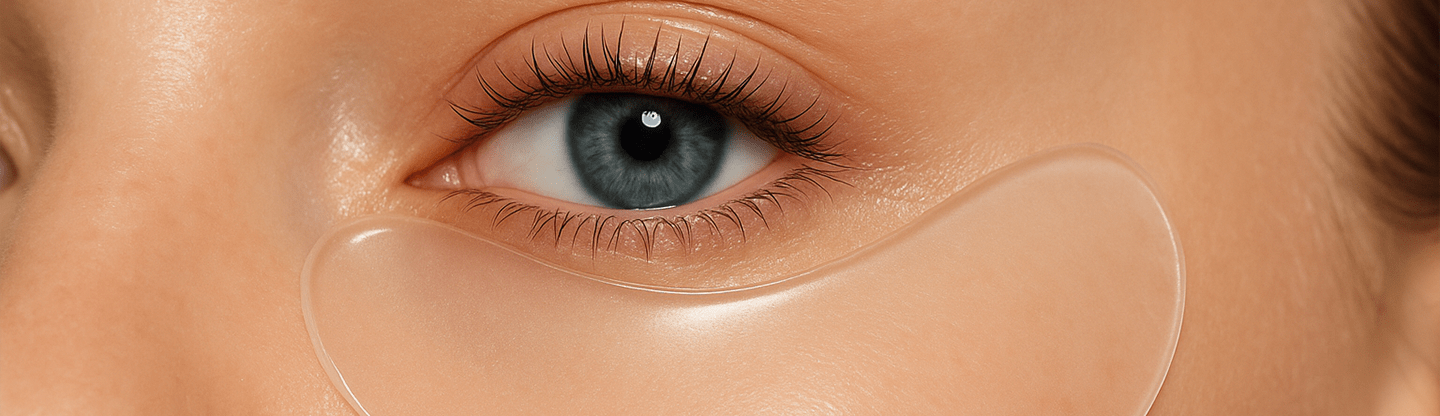
Dark Circles and Under-Eye Puffiness May Become More Noticeable
Poor sleep can make existing under-eye concerns more noticeable.
Dark circles can appear more prominent when the skin looks tired or when puffiness creates shadows around the eyes. However, sleep isn't the only factor involved.
Genetics, pigmentation, allergies, ageing and the natural structure of the under-eye area can all contribute to dark circles.
Similarly, fluid accumulation around the eyes can cause temporary puffiness, which may be more noticeable after a poor night's sleep.
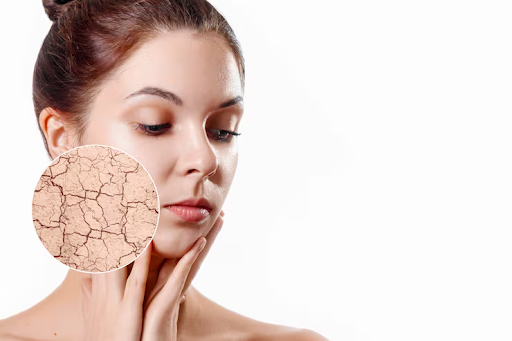
Your Skin May Feel Drier or More Sensitive
Your skin barrier helps retain moisture and protect the skin from external irritants.
Research suggests that poor sleep may be associated with reduced skin barrier function and increased water loss from the skin. This can contribute to dryness, discomfort and sensitivity.
If your skin already tends to be sensitive, an inconsistent sleep routine may make it harder to maintain a comfortable skincare routine.
Existing Skin Concerns May Feel More Difficult to Manage
Sleep and skin health are connected through several processes, including inflammation, immune function and the body's stress response.
Poor sleep may influence these processes. For some people, this can coincide with increased skin sensitivity or make existing inflammatory skin conditions harder to manage.
However, sleep deprivation should not be considered the sole cause of acne, eczema or other skin conditions. These concerns usually involve multiple contributing factors.
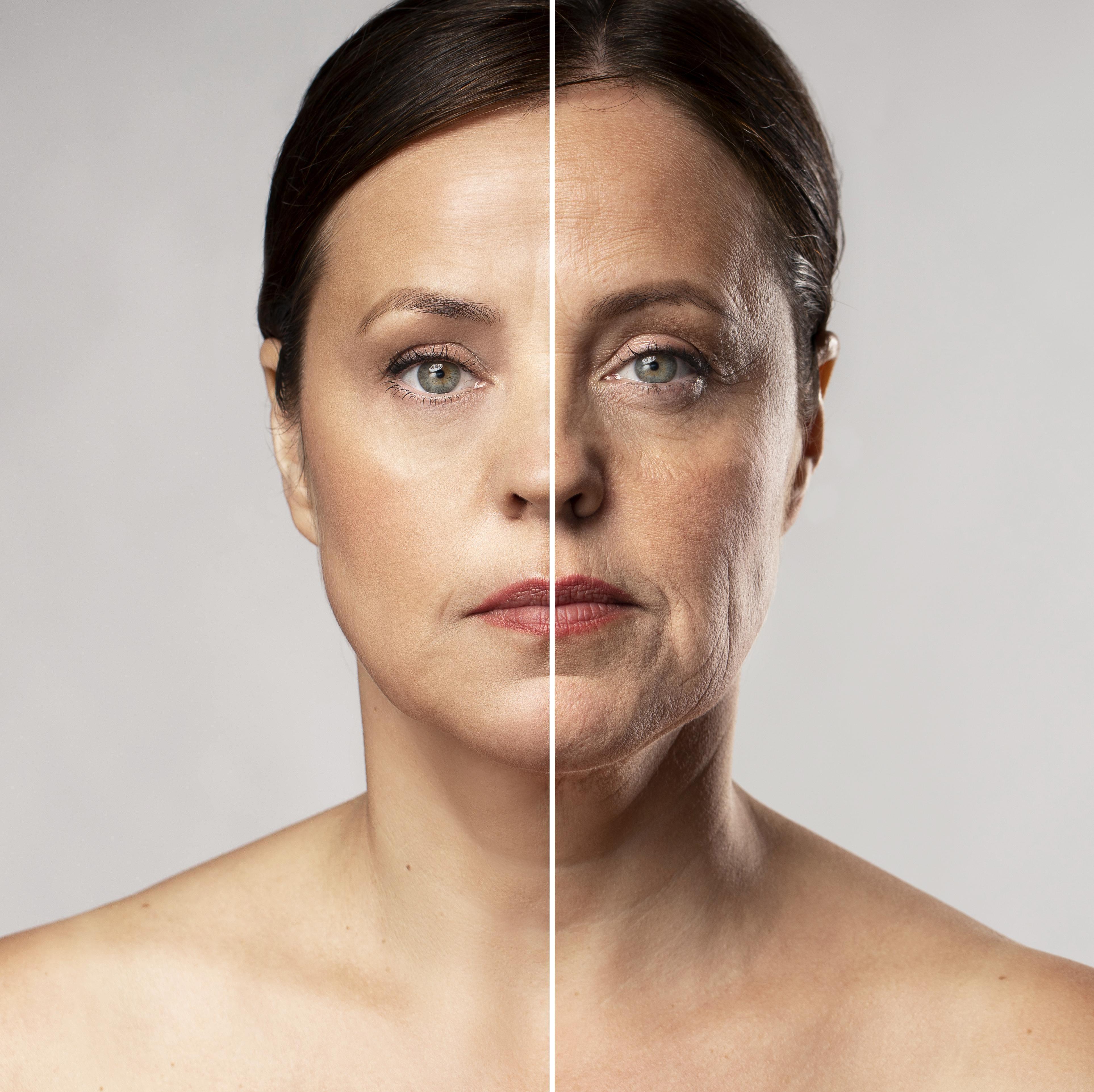
2. Can Lack of Sleep Affect Skin Ageing?
Sleep is one of several factors that influence how your skin changes over time.
During rest, the body carries out processes involved in tissue maintenance and repair. Consistently inadequate sleep may interfere with some of these processes.
Research has also found associations between poor sleep quality, impaired skin barrier function and visible signs of ageing.
Over time, you may notice concerns such as:
- Skin that looks less refreshed.
- Increased dryness or roughness.
- Fine lines appearing more noticeable.
- Reduced comfort and resilience in the skin.
It's important to understand that poor sleep does not directly or inevitably cause premature ageing. Sun exposure, genetics, smoking, nutrition and other lifestyle factors also play important roles.
Getting enough sleep won't reverse existing signs of ageing, but maintaining a healthy sleep routine can support your skin as part of an overall approach to skin health.
3. How Does Your Skin Recover While You Sleep?
Your skin is constantly working to maintain its protective barrier and repair everyday damage. Sleep supports several of the body's natural recovery processes.
Here are a few ways it may help.
Supports the Skin Barrier
The skin barrier helps prevent excessive moisture loss and protects against irritants, pollutants and other external factors.
Healthy sleep patterns are associated with better skin barrier function. When you consistently get enough rest, you support the body's ability to maintain this protective layer.
Supports the Body's Natural Repair Processes
The body carries out tissue maintenance and repair throughout the day and night.
Sleep supports these processes by influencing hormones, immune activity and cellular functions involved in recovery.
This is one reason why good-quality sleep is an important part of overall skin health.
Helps Regulate the Stress Response
Poor sleep can affect the body's stress response, including the regulation of cortisol.
When sleep deprivation becomes persistent, changes in stress-related processes may influence inflammation and other functions that are relevant to skin health.
This doesn't mean that every breakout or skin flare-up is caused by stress or lack of sleep. It simply highlights why rest is one part of a broader approach to managing skin health.
4. What Actually Helps Your Skin Recover?
A good skincare routine can support your skin, but it works best alongside consistent sleep habits and everyday care.
You don't need an elaborate routine or a shelf full of products. Start with the basics.
Build a Consistent Sleep Routine
Most adults need at least seven hours of sleep each night, although individual requirements can vary.
Try to:
- Go to bed and wake up at roughly the same time every day.
- Keep your bedroom dark, quiet and comfortable.
- Avoid heavy meals and excessive caffeine close to bedtime.
- Reduce screen use before going to sleep.
- Give yourself enough time to wind down.
Consistency matters. Catching up on sleep occasionally may help you feel better, but it isn't a substitute for a regular sleep routine.
Keep Your Skincare Routine Simple
When your skin looks tired or feels sensitive, avoid trying several new products at once.
A simple routine can help maintain the skin barrier.
In the morning:
- Use a gentle cleanser suited to your skin.
- Apply a moisturiser to support hydration.
- Finish with broad-spectrum sunscreen of SPF 30 or higher.
At night:
- Cleanse gently to remove sunscreen, makeup and daily buildup.
- Apply a moisturiser suited to your skin type.
- Use prescribed or targeted skincare products as advised by your dermatologist.
If your skin feels irritated, avoid introducing strong exfoliants or multiple active ingredients until it settles.
Stay Hydrated
Drink enough water throughout the day to maintain normal hydration.
Dehydration can make your skin feel dry, but drinking excessive amounts of water will not automatically make your skin glow or erase fine lines.
A moisturiser also plays an important role by helping reduce moisture loss from the skin.
Pay Attention to Your Diet
A balanced diet supports overall health, including the nutrients involved in maintaining healthy skin.
Include a variety of fruits, vegetables, whole grains, protein sources and healthy fats in your meals.
There is no single food that can undo the effects of poor sleep or guarantee better skin. Focus on consistent, balanced eating rather than quick fixes.
Avoid Trying to Fix Everything Overnight
If your skin looks dull after a few late nights, it may be tempting to use multiple exfoliating products, face masks or intensive treatments.
However, overdoing skincare can irritate the skin and affect its protective barrier.
Give your skin time to settle. Focus on gentle cleansing, moisturising, sun protection and getting back to a consistent sleep routine.
5. When Should You Consult a Dermatologist?
Temporary puffiness or a tired appearance after a poor night's sleep usually settles as your routine improves.
However, if you experience persistent dryness, irritation, acne, pigmentation or changes in skin texture, there may be other factors involved.
Consider consulting a dermatologist if:
- Your skin remains unusually dry, irritated or sensitive.
- You experience recurring breakouts or inflammation.
- Dark circles or pigmentation are persistent and concerning.
- Your skin condition is affecting your comfort or daily routine.
- Your current skincare products seem to be making the problem worse.
A dermatologist can assess your skin, identify possible underlying causes and recommend an approach suited to your needs.
Remember, not every skin concern needs an aesthetic treatment. Sometimes, the first step is understanding what is affecting your skin.
Doctor's Note
Dr. Sindhu P.S. | Medical & Aesthetic Dermatology
Sleep is an important part of maintaining healthy skin. Consistently poor sleep may affect skin barrier function, hydration and the body's natural recovery processes.
However, it is important not to attribute every skin concern to a lack of sleep. Dark circles, acne, pigmentation and dryness can have several underlying causes.
My recommendation is to focus on the basics: maintain a consistent sleep routine, follow a gentle skincare regimen, use sunscreen and avoid unnecessary products or treatments.
If a skin concern persists despite these changes, a proper dermatological assessment can help identify what your skin actually needs.
Frequently Asked Questions
1. Can lack of sleep cause dark circles?
Poor sleep can make existing dark circles appear more noticeable, particularly when accompanied by puffiness or a tired appearance. However, dark circles can also be influenced by genetics, pigmentation, allergies and ageing.
2. Does sleeping more make your skin glow?
Getting adequate, good-quality sleep supports normal skin function and recovery. It may help your skin look more refreshed, but sleep alone cannot guarantee glowing skin or treat underlying skin concerns.
3. How many hours of sleep are good for healthy skin?
Most adults need at least seven hours of sleep each night. Consistent, good-quality sleep is more useful than occasionally sleeping for long hours to compensate for an irregular routine.
4. Can poor sleep make acne worse?
Poor sleep may influence stress-related and inflammatory processes that are relevant to skin health. However, acne has several contributing factors, including hormones, genetics, oil production and clogged pores. Lack of sleep is not its only cause.
5. Can skincare products repair skin affected by poor sleep?
A gentle cleanser, moisturiser and sunscreen can help support the skin barrier and protect your skin. However, skincare products cannot replace adequate sleep or correct every concern associated with it.
6. How long does it take for skin to recover after poor sleep?
There is no fixed recovery timeline. Temporary tiredness and puffiness may improve after a few nights of adequate rest. Changes involving dryness, sensitivity or an underlying skin condition may take longer and could require appropriate treatment.
Final Thoughts
Your skin doesn't work independently of the rest of your body. Sleep, nutrition, stress and everyday skincare habits all contribute to how it looks and functions.
While a good night's sleep won't solve every skin concern, consistently getting enough rest can support your skin's natural recovery processes.
So before adding another product to your skincare shelf, take a closer look at your everyday routine. Sometimes, better skin health starts with giving your body the rest it needs.
Concerned about persistent dryness, sensitivity, pigmentation or other skin changes?
Book a consultation at Bodycraft Clinic to understand what your skin needs and explore the right approach to caring for it.
Explore More Articles: