By Dr. Sindhu P.S., Dermatologist, Bodycraft Clinic | Last reviewed: November 2026
Melasma is one of the most common pigmentation concerns I see, and one of the most frustrating for patients. A cream helps, the patches fade, and a few months later they are back. That cycle is not your failure. It is how melasma behaves. Here is what works, what does not, and how I approach it.
Where it starts: what melasma is
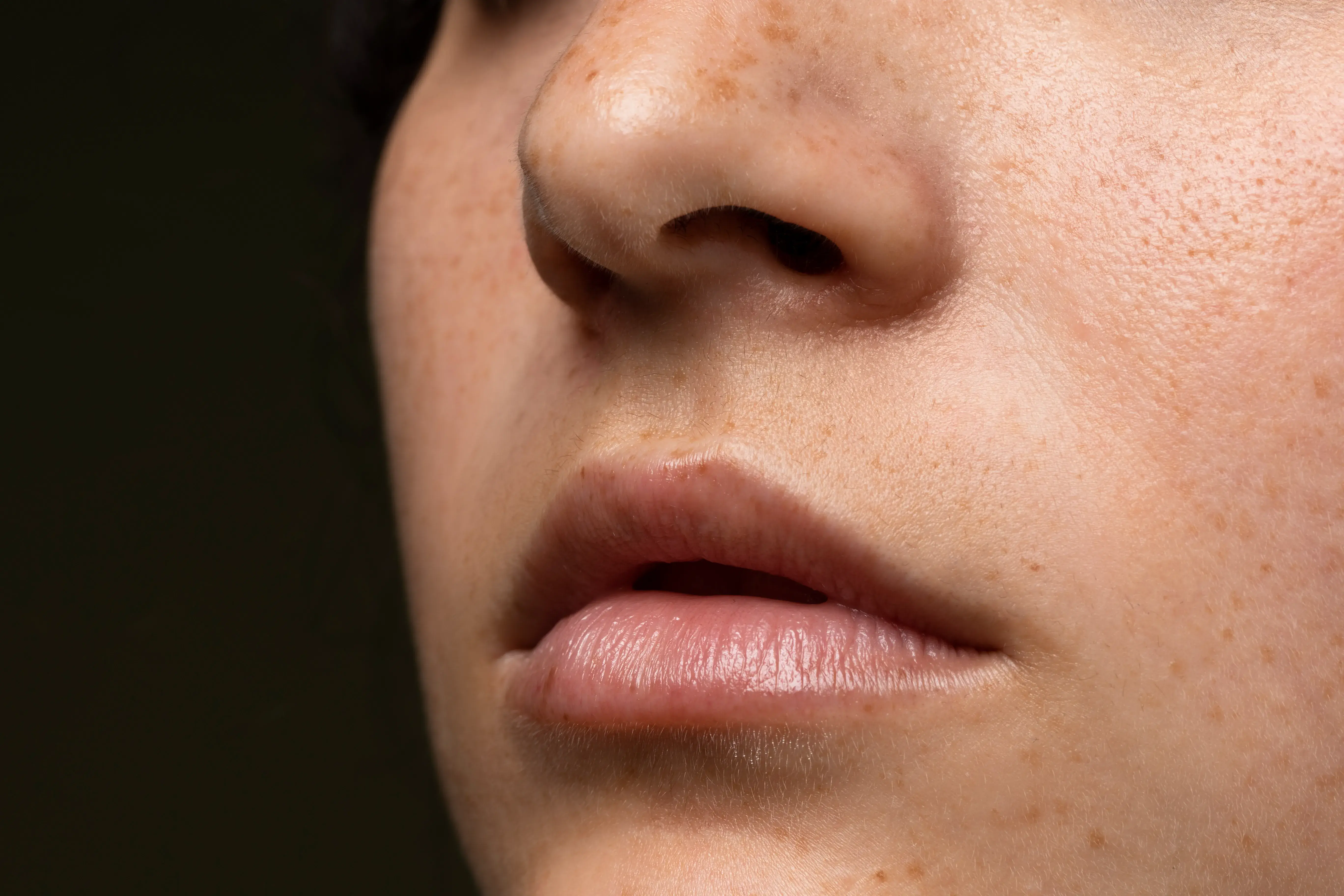
Melasma is a long-standing pigmentation condition that appears as brown or grey-brown patches, usually on the cheeks, forehead, upper lip and nose. The pigment-making cells in the skin become overactive when triggered. In my 13-plus years across India and the UAE, I have seen it most often in women with Indian skin tones, though men get it too.
The common triggers are sunlight, including visible light, heat, hormonal changes such as pregnancy, birth control pills or thyroid problems, and family history. Because triggers keep returning, melasma is something we manage, not something we clear once.
Is it melasma or a tan?
A tan fades within weeks once you stay out of the sun. Melasma stays, often appears evenly on both sides of the face, and darkens with sun. Post-acne marks and sun damage can look similar, and the treatment differs, so a dermatologist should confirm it.
What works, and what to know
|
Option
|
What it does
|
What to know
|
|
Sun protection
|
Foundation of every plan. A tinted, broad-spectrum sunscreen also covers visible light
|
Reapply, and add a hat. Without it, other treatments struggle
|
|
Topical care
|
Ingredients such as azelaic acid, tranexamic acid, niacinamide and vitamin C reduce pigment production
|
Slow. Expect months, not days
|
|
Prescription creams
|
Hydroquinone or combination creams, in short, supervised courses
|
Not for long-term use without a doctor
|
|
Oral medication
|
Prescribed for selected patients
|
Needs screening first. Not suitable for everyone
|
|
Gentle peels
|
Light, superficial peels may support the plan
|
Aggressive peels can worsen melasma
|
|
Laser
|
Low-energy laser in selected cases
|
Wrong settings can darken skin. Choose experienced hands
|
What does not work
-
Lemon, toothpaste and other home bleaching. They irritate skin and can darken it.
-
Fairness creams of unknown ingredients. Some contain steroids that thin the skin and cause rebound pigmentation.
-
Pushing for fast results. Heat and inflammation can make melasma worse.
-
Stopping sunscreen once the patches fade.
Why it keeps coming back
The pigment cells stay sensitive, triggers continue, and treatment often stops when the patches fade. The goal is to bring melasma down and keep it quiet with daily sunscreen and, where needed, a gentle maintenance routine.
How I approach it in the clinic
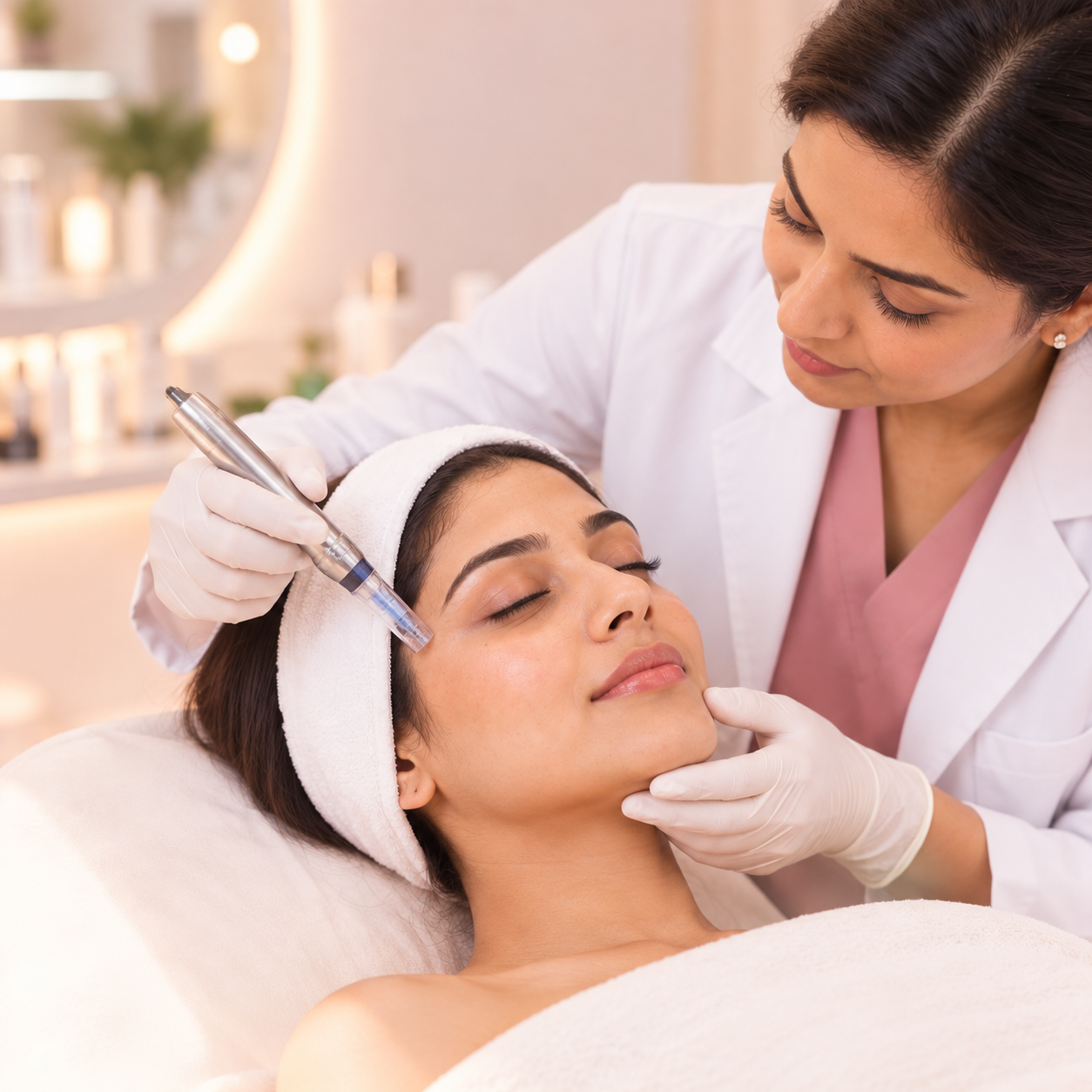
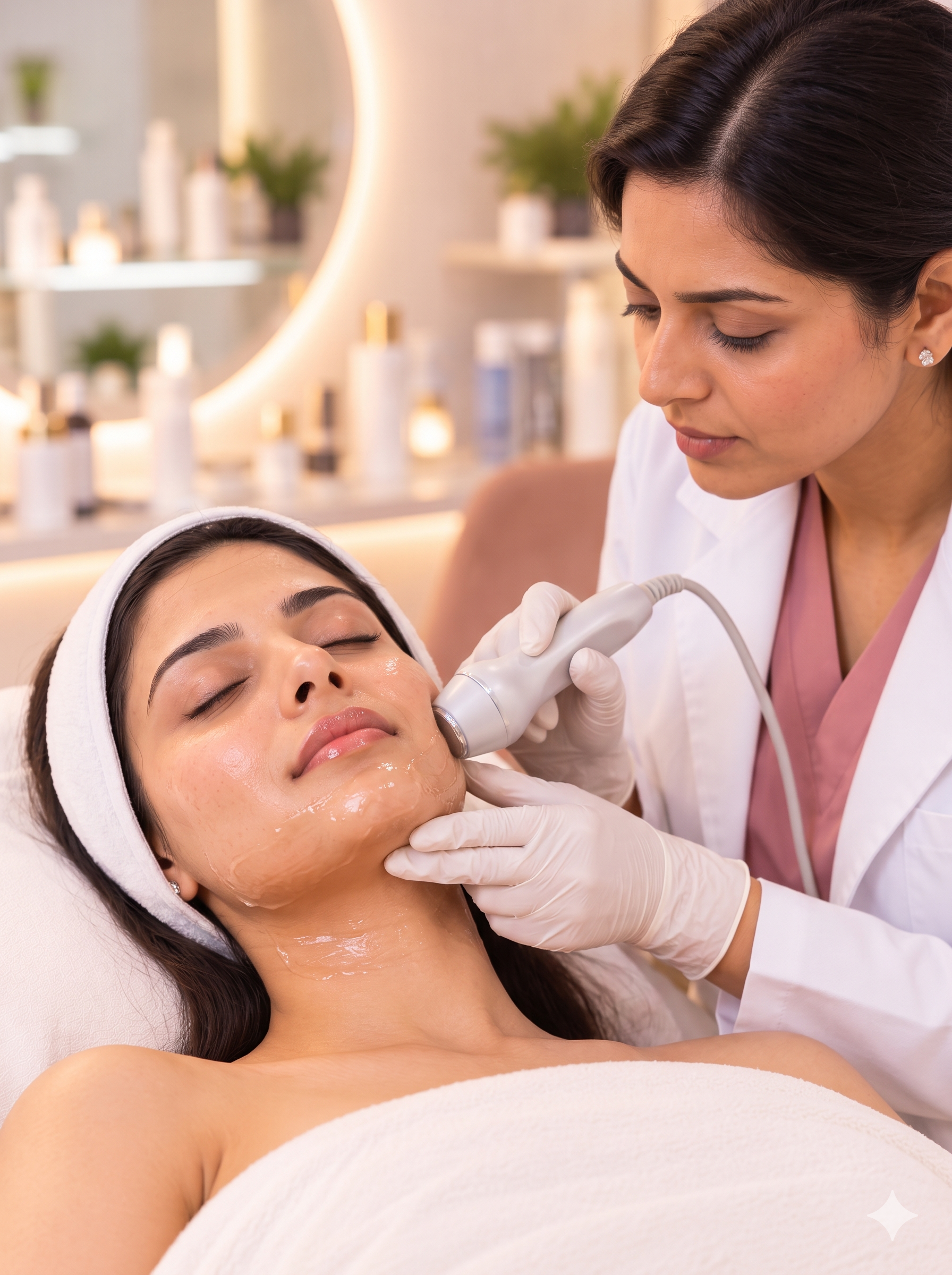
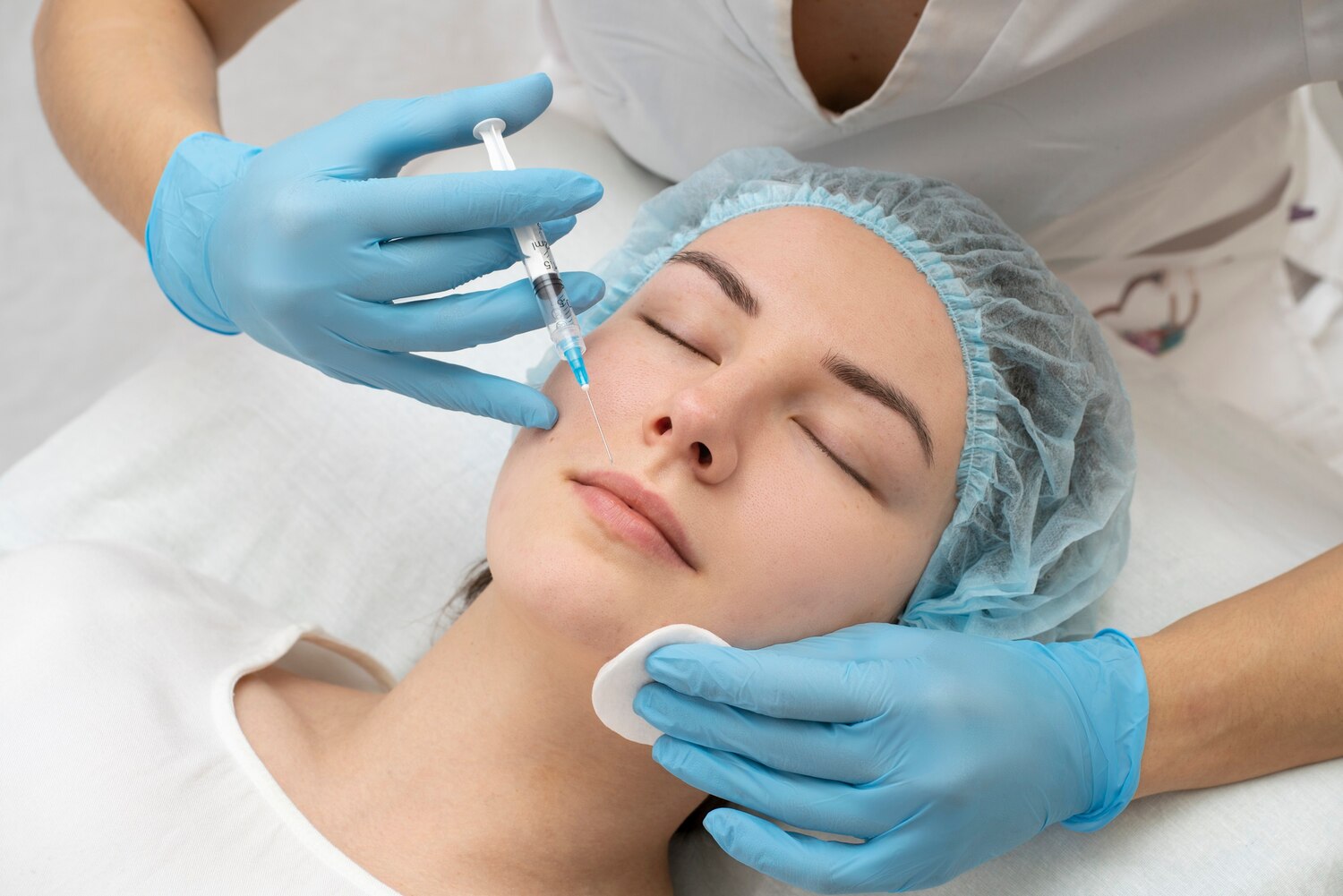
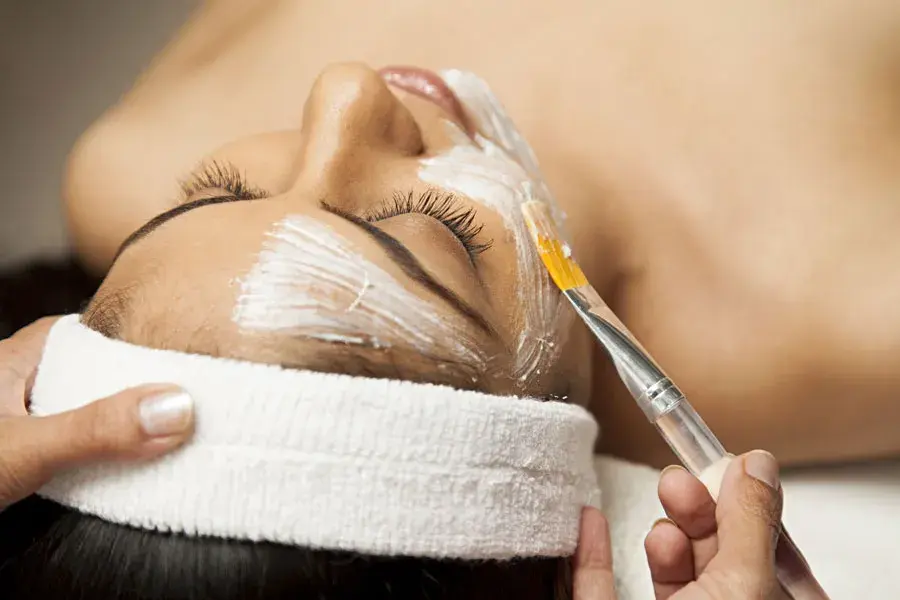
I start by confirming the diagnosis and asking about your triggers: sun exposure, hormonal changes, medicines and family history. I then assess your skin condition, the extent of pigmentation and its sensitivity before deciding on a treatment plan. Sun protection and barrier care come first, because irritated skin can make pigmentation worse. Depending on the severity and response to topical treatment, I may also consider in-clinic procedures such as Q-switched laser treatment, microneedling using Dermapen or superficial chemical peels.
These treatments are not suitable for everyone, so I choose them based on your skin type, pigmentation pattern and risk of post-inflammatory hyperpigmentation. Laser treatments and chemical peels, in particular, need careful selection and settings when treating Indian skin. I review your skin regularly to understand how it responds before considering further sessions or stronger treatments. Melasma often needs ongoing management, so I focus on gradual improvement and maintaining results rather than promising a quick fix. I would rather you improve slowly and steadily than see a quick change that rebounds.
|
Doctor’s Note
Melasma is judged over months, not weeks. If anyone promises it will be gone in a few sessions, I would be careful.
|
Questions to ask at your consultation
-
Is this melasma, or something else?
-
What are my triggers, and can I reduce them?
-
What is the plan for the first three months, and for maintenance?
-
What are the risks, and what if my skin reacts?
-
Could hormones, thyroid or my medicines be involved?
Frequently asked questions
Can melasma be cured permanently?
It can be controlled well, but it can return, so maintenance matters.
How long does treatment take?
Often several months. Timelines vary with the type, depth and your triggers.
Is laser safe for melasma on Indian skin?
Only in selected cases, with low energy and an experienced doctor. Wrong settings can worsen it.
Does pregnancy melasma go away?
It may improve after delivery in some women, but it can persist. Get it reviewed.
Can I use hydroquinone on my own?
I would not. It needs supervision, because long unsupervised use can cause side effects.
Does melasma get worse in summer?
Often, yes. Sun and heat are major triggers, and winter sun counts too.
Are blood tests needed?
Sometimes, such as a thyroid check, depending on your history.
Can I wear makeup with melasma?
Yes. Apply sunscreen first and remove makeup gently every night.
Is melasma the same as hyperpigmentation?
Melasma is one type of hyperpigmentation. Others include post-acne marks and sun spots, which are treated differently.
Individual results vary. This article is general information and does not replace a consultation with a dermatologist.
Explore More Articles: