Get a complimentary consultation today. Get in touch
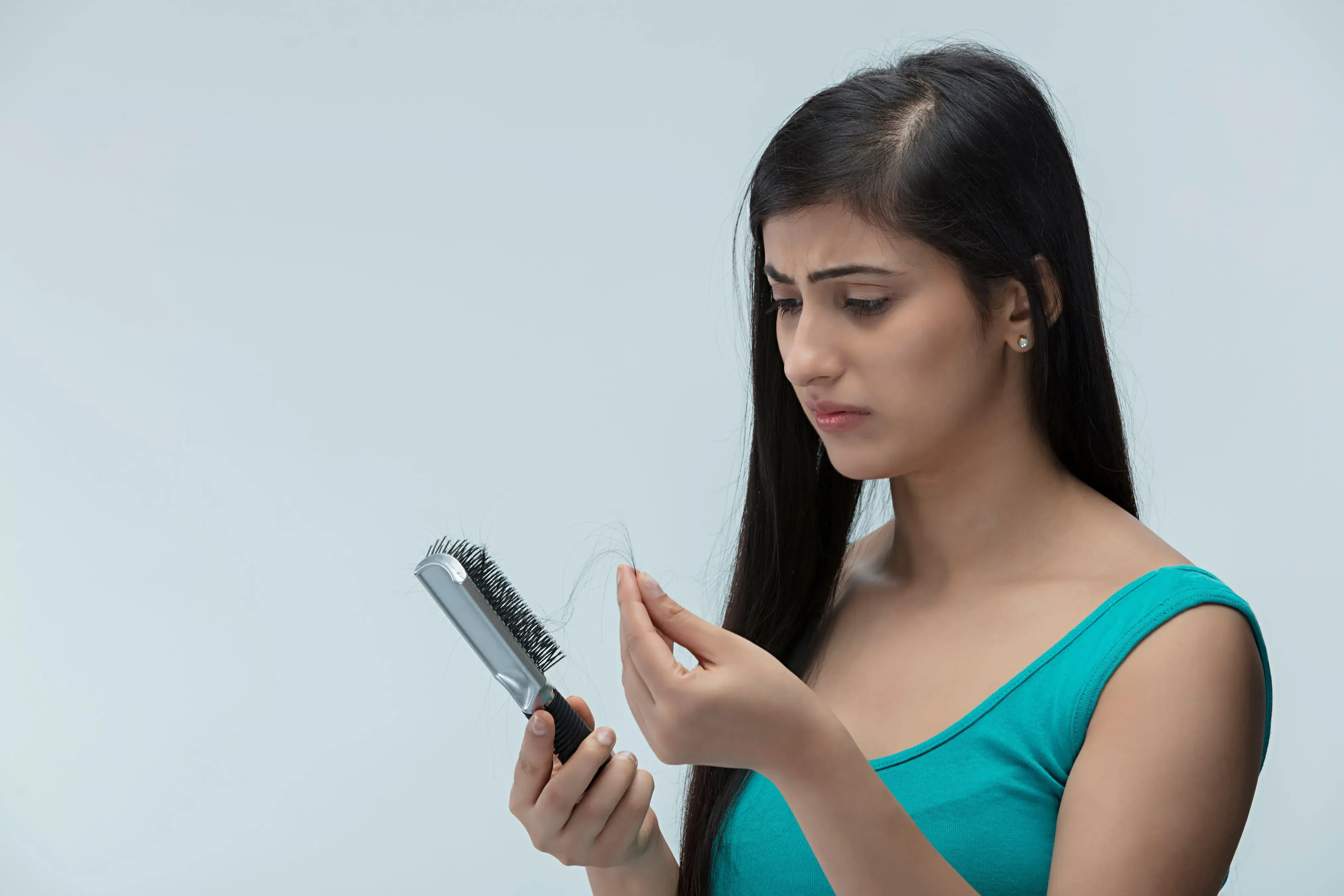
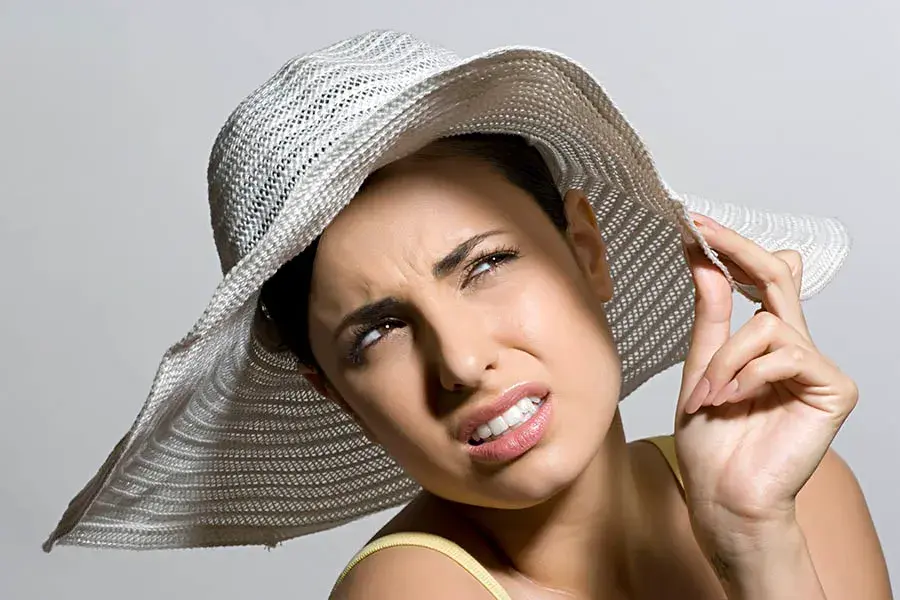
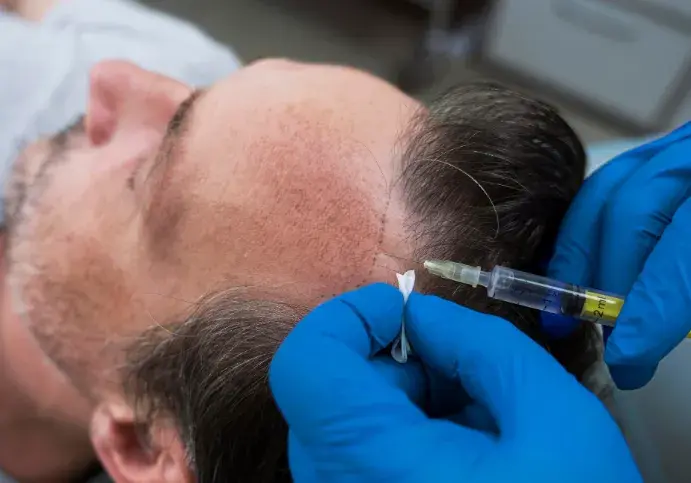
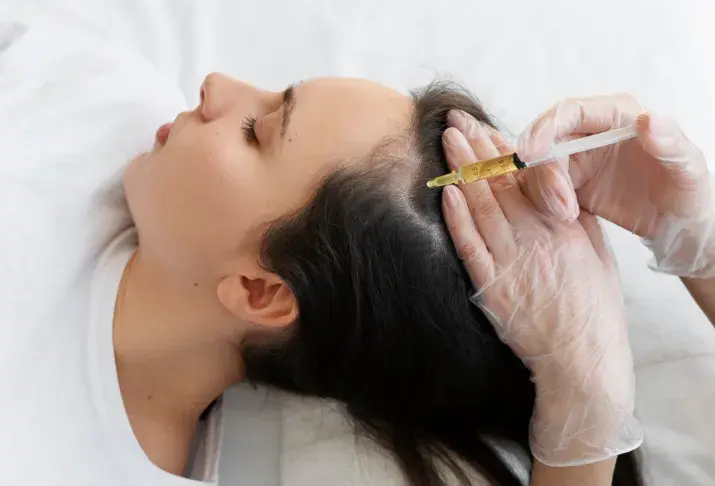
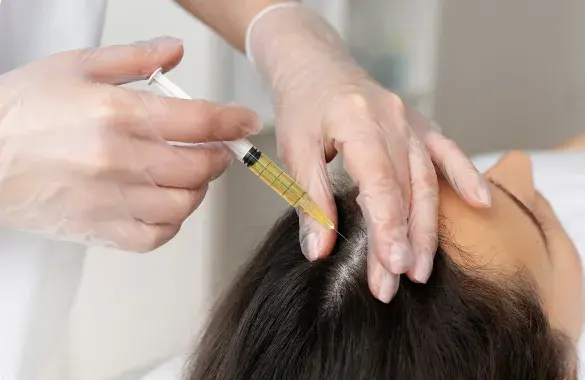
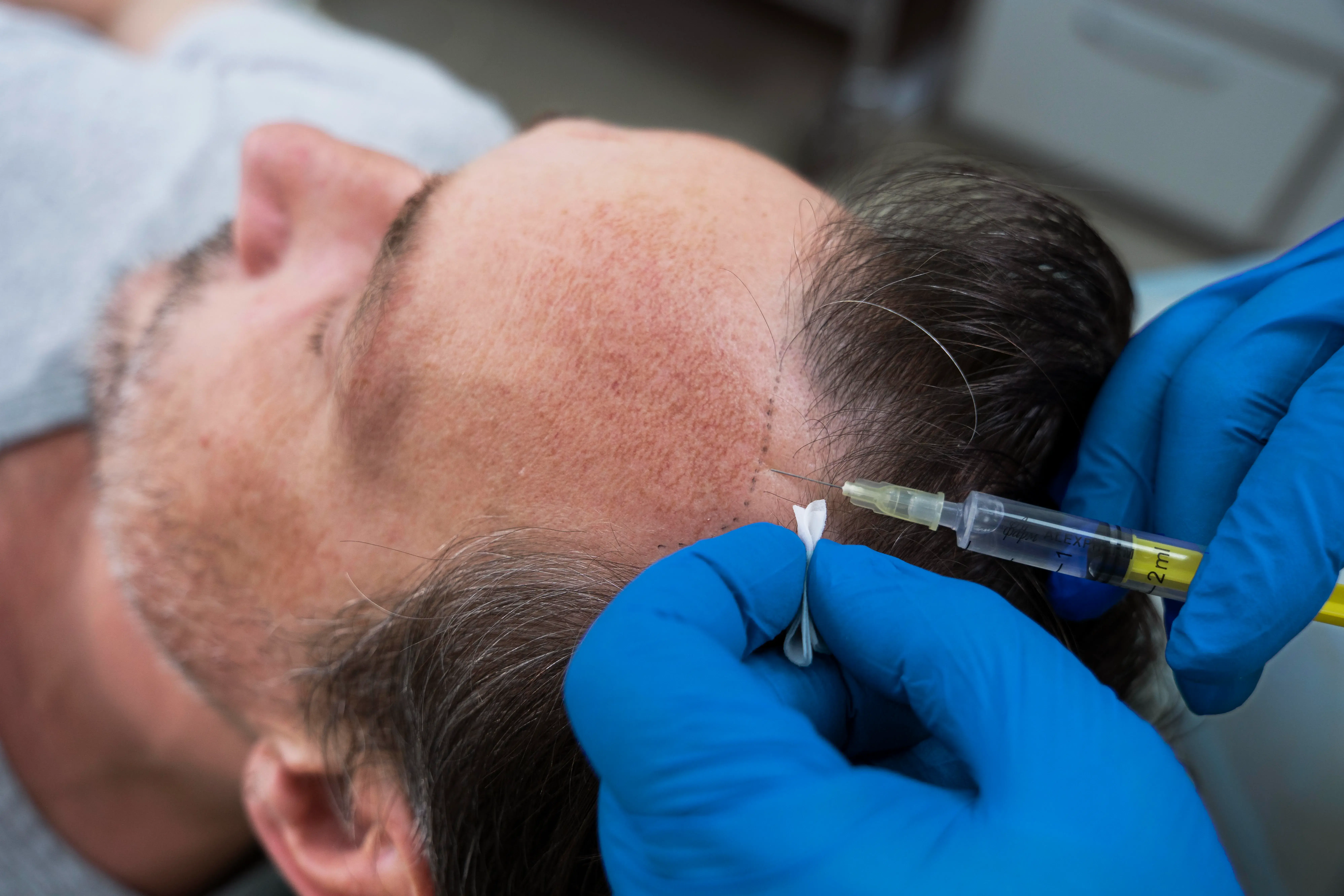
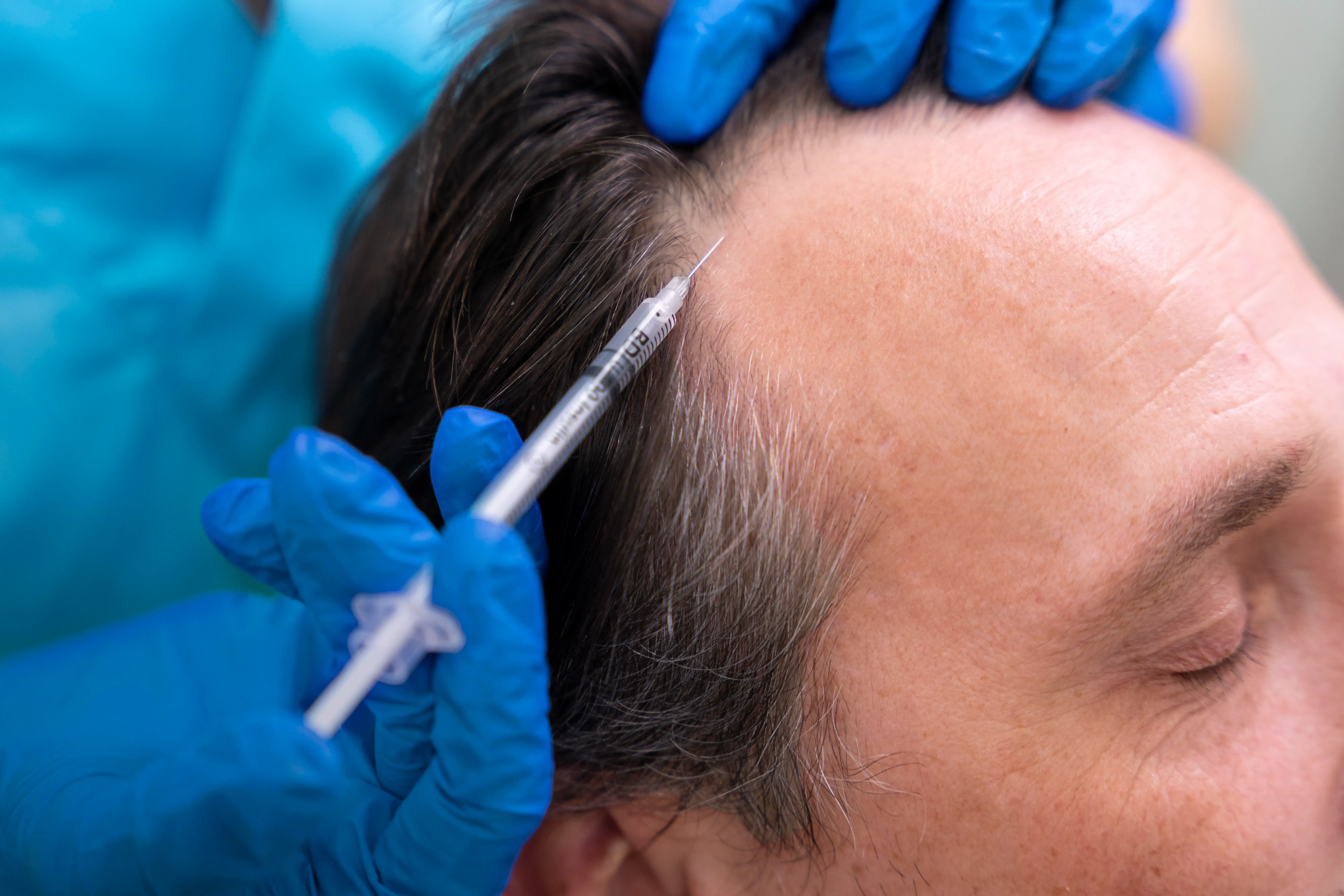
Most people can breathe a sigh of relief that wearing a cap or a hat for a few times does not cause permanent hair loss or baldness. Hats are things that go on the hair shaft, which is the part of the hair that is already dead, while they do not touch the hair follicle, the root which is deep in the scalp and from where the hair is derived. The two main reasons for permanent hair loss—genes (Androgenetic Alopecia) and hormones. However, there are advanced treatments like PRP that work best for hair regrowth.
The Two Circumstances Where Caps Can Be Problematic
Even though hats are not usually the reason behind hair loss, they can cause such situations if it is not handled properly in which your hair might lose temporarily.
1. Traction Alopecia (The Tightness Factor)
It is the only manner whereby one’s headwear can be directly linked to hair loss and that association is quite subtle: constant, excessive tension.
The Cause: In a situation when a hat, cap, or helmet is worn very tightly over a prolonged time, especially when it is pulling the hair near the temples or the hairline, it can cause the hair follicles to be the chronic stressed ones.
The Result: This perpetual tug results in a scenario called Traction Alopecia, which at its inception stage is temporary, however, it can become irreversible if the continual twisting extends over a considerable length of months or years. Note: There is no such risk in the case of a normal, properly fitting cap.
2. Scalp Environment and Infections
Perhaps a person is unaware that putting on a hat means turning the scalp into a very warm, moist, and dark place that is an ideal living space for fungi and bacteria.
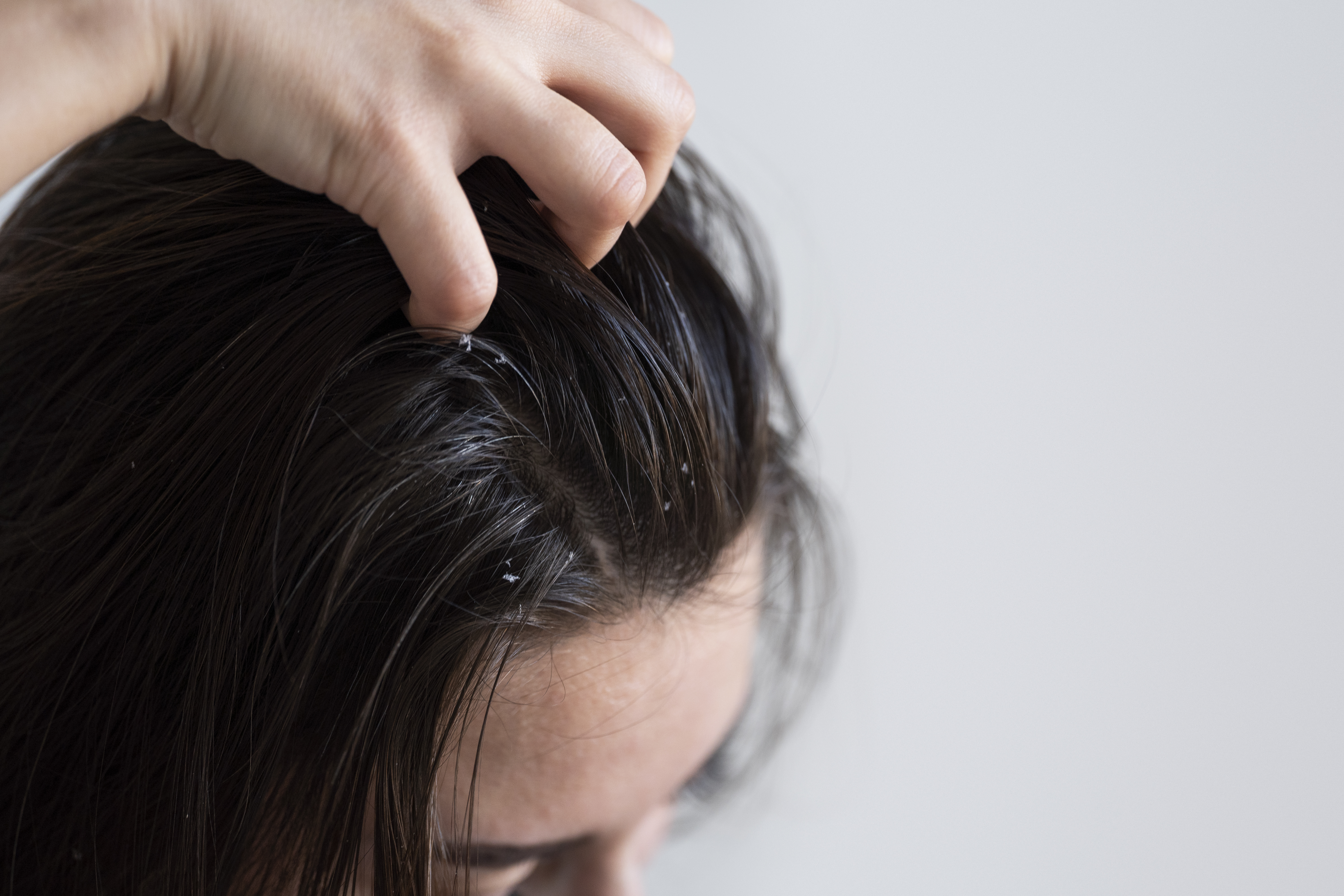
Fungal Overgrowth: This causes Seborrheic Dermatitis (dandruff) or Tinea Capitis (ringworm).
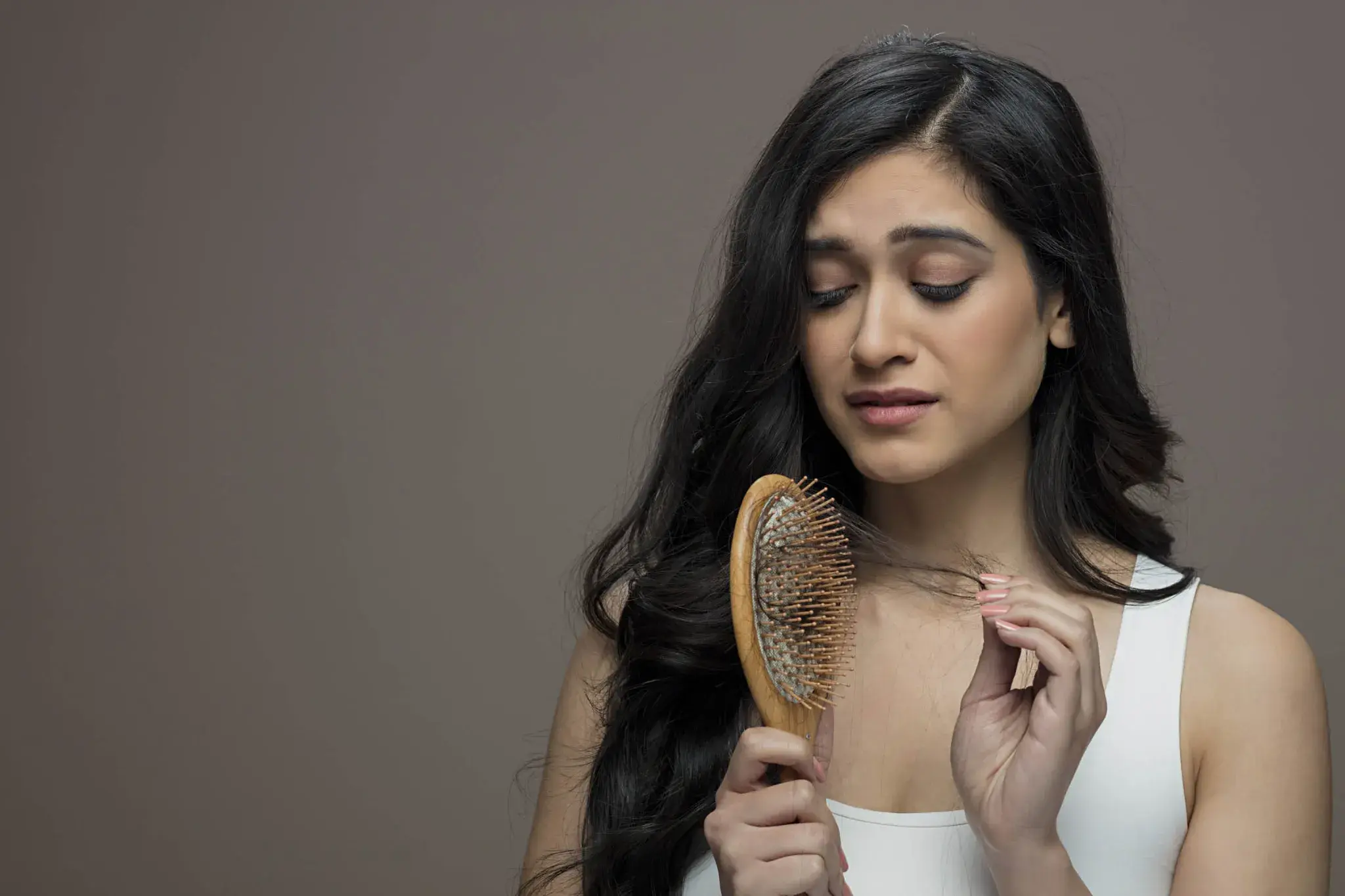
The Shedding Link: The hair follicles in the inflamed areas of the scalp suffered from these types of infections and thus they are forced to shed hair at an early stage (Telogen Effluvium). This is a cause of a temporary, increased hair fall which continues until the infection gets healed.
Simple Cap Habits for Healthy Hair
To ensure your cap habit remains harmless:
|
Tip
|
Why It Helps
|
|
Choose Breathable Materials
|
Opt for natural fabrics (cotton, wool) over synthetic ones to allow air circulation and minimize sweat buildup.
|
|
Ensure a Loose Fit
|
The cap should fit comfortably without creating tension or leaving an indent mark on your forehead.
|
|
Keep it Clean
|
Wash your caps and hats regularly, as they accumulate sweat, oil, and dead skin cells.
|
|
Take Breaks
|
Give your scalp time to breathe, especially after heavy exercise.
|
Conclusion
The idea that wearing a cap causes hair loss is mostly a myth. Unless your cap is painfully tight, the temporary hair fall you experience is more likely due to genetics or scalp hygiene issues, not the hat itself.





.png)


-1.png)




-1.png)
-3.png)





.png)



-Aug-02-2026-05-23-10-1368-PM.png)



.webp)
-1.webp)
.webp)
-Jul-07-2026-12-19-56-1023-PM.webp)




-Jun-01-2026-02-54-50-5351-PM.png)
-Jun-01-2026-02-45-39-8016-PM.png)
-May-29-2026-03-30-08-6855-PM.png)
-1.webp)
-3.webp)




.webp)
.webp)
-1.webp)
.webp)
.webp)
.webp)

.png)