Get a complimentary consultation today. Get in touch
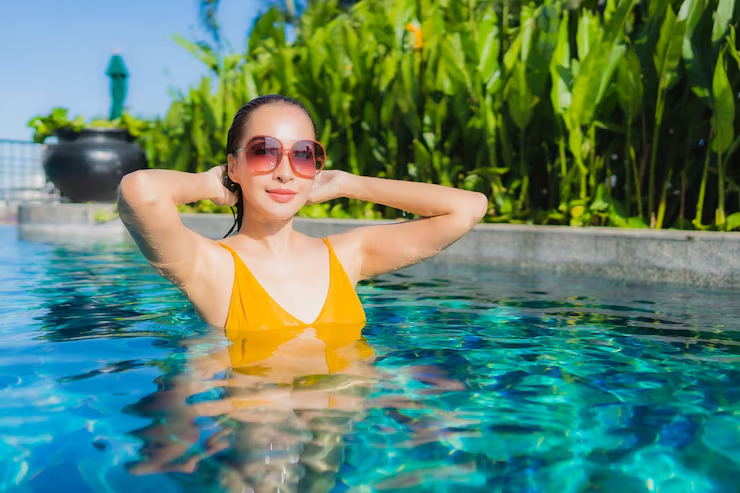
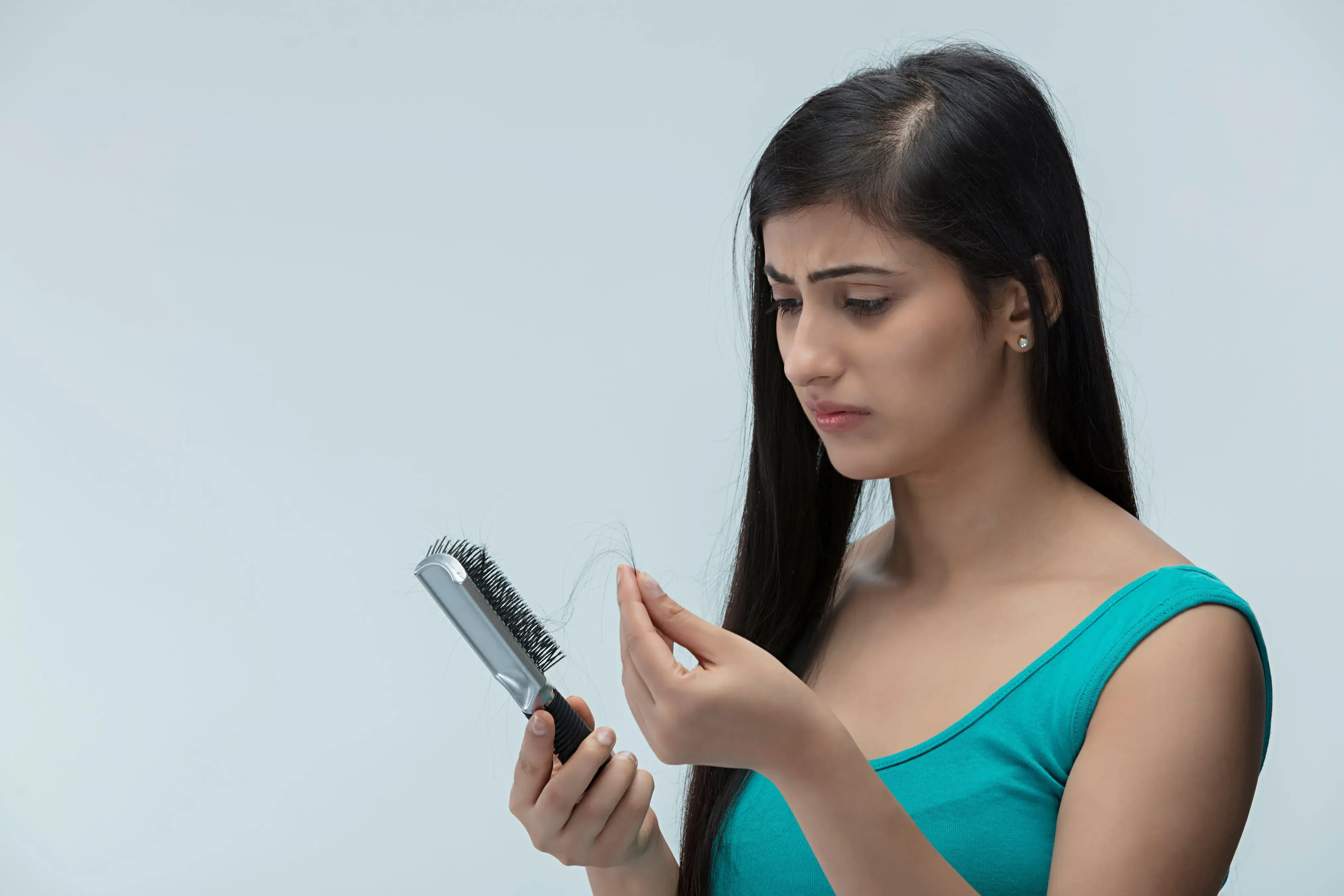
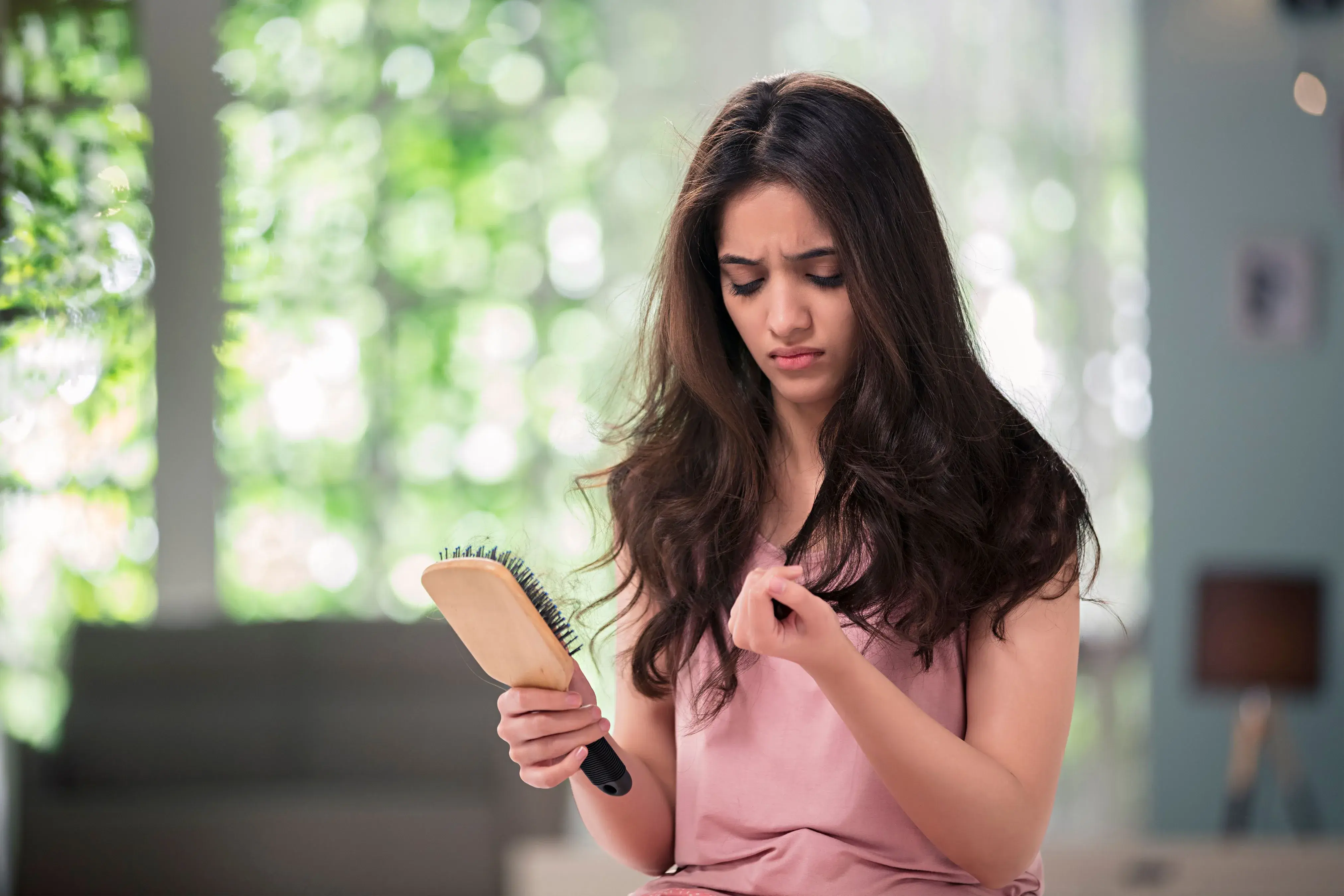
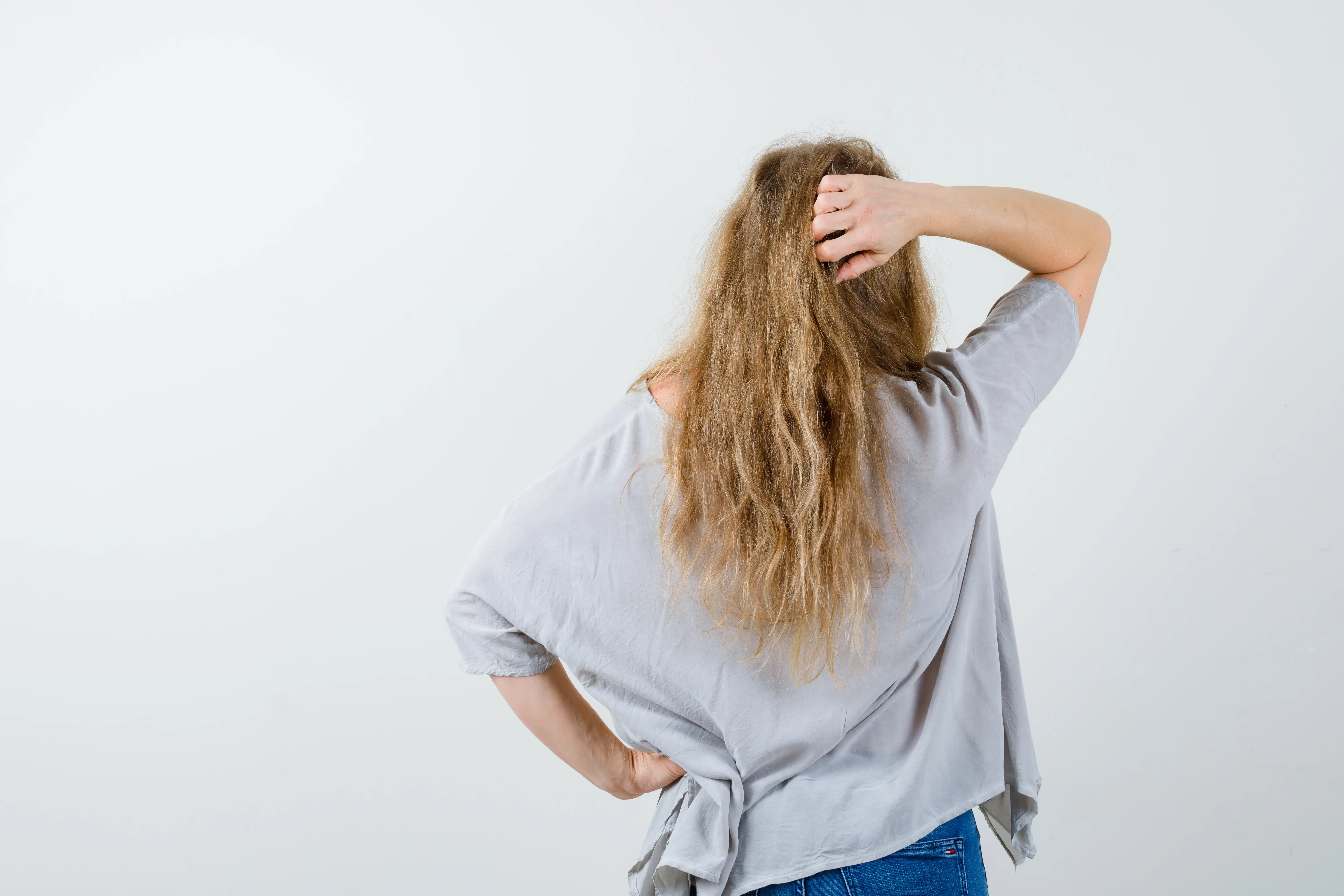
Normal exposure to a chlorinated pool or tap water will not make you lose your hair directly, but the water can dry and weaken the hair, which may lead to breakage, and people often mistake this for hair loss. Some research which was done on the people who are swimming frequently with the people who do not swim, showed that the hair of swimmers is more dry and rough, but there is no significant increase in actual hair loss or balding.
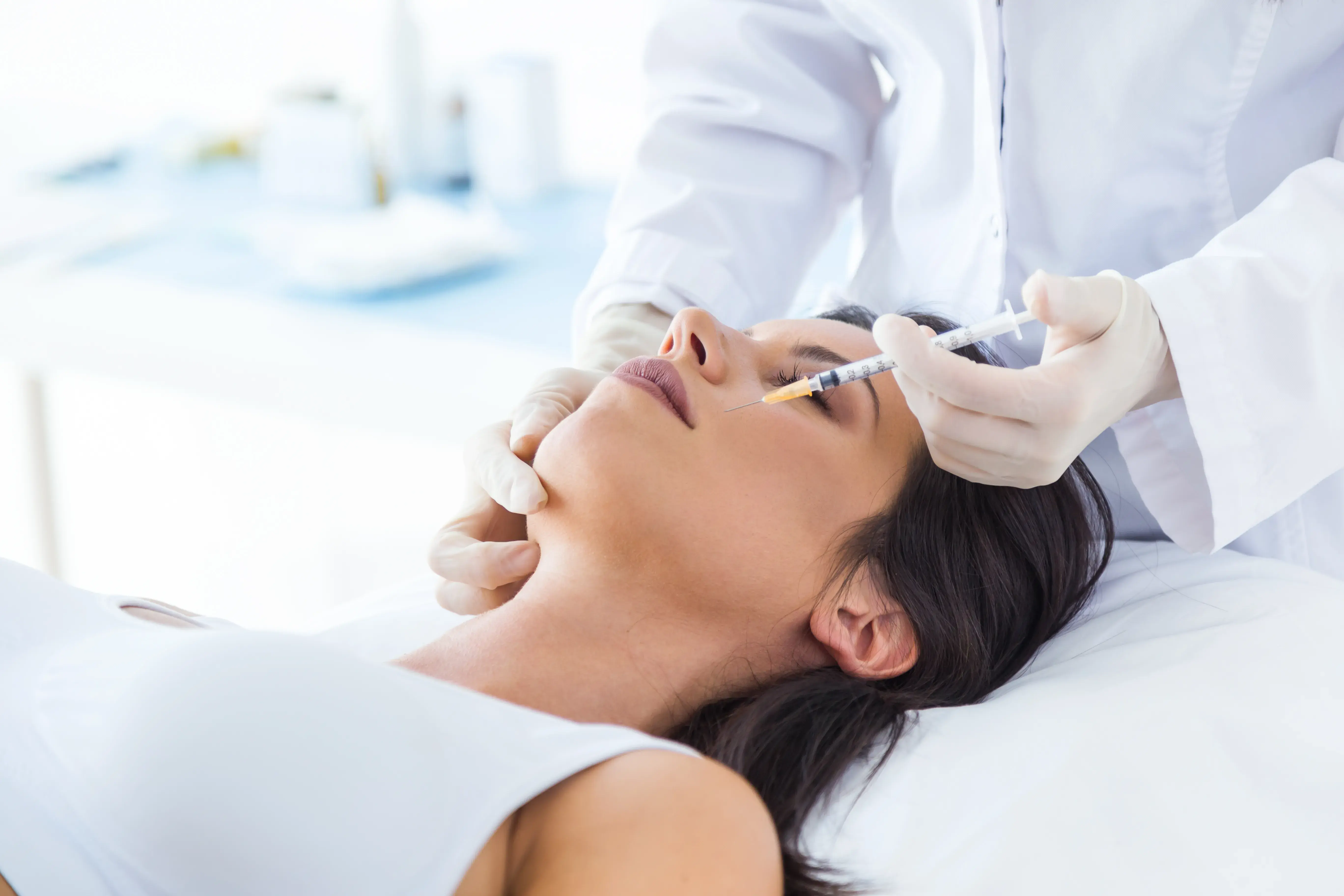
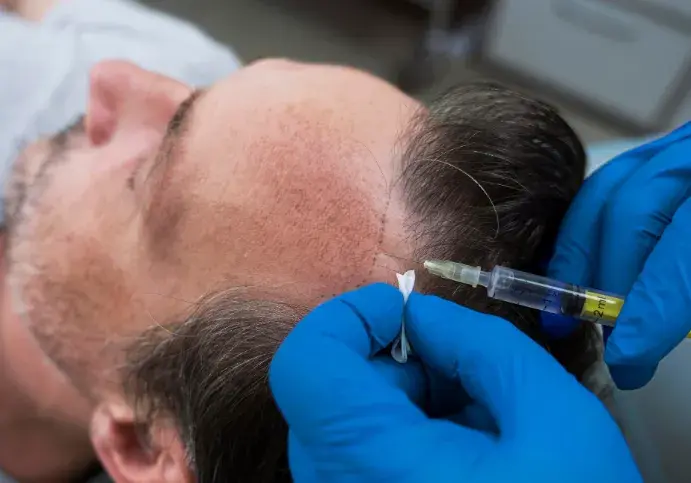
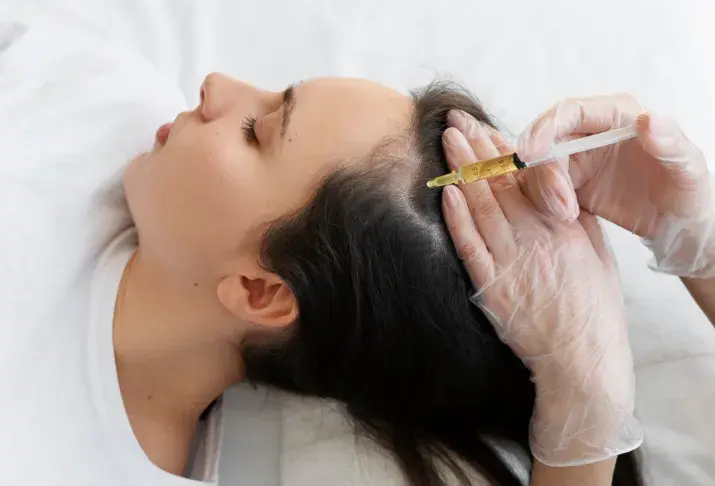
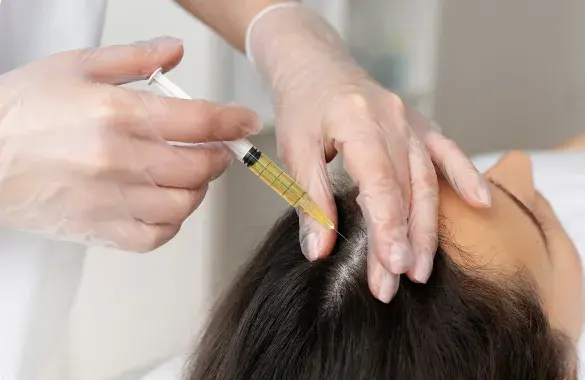
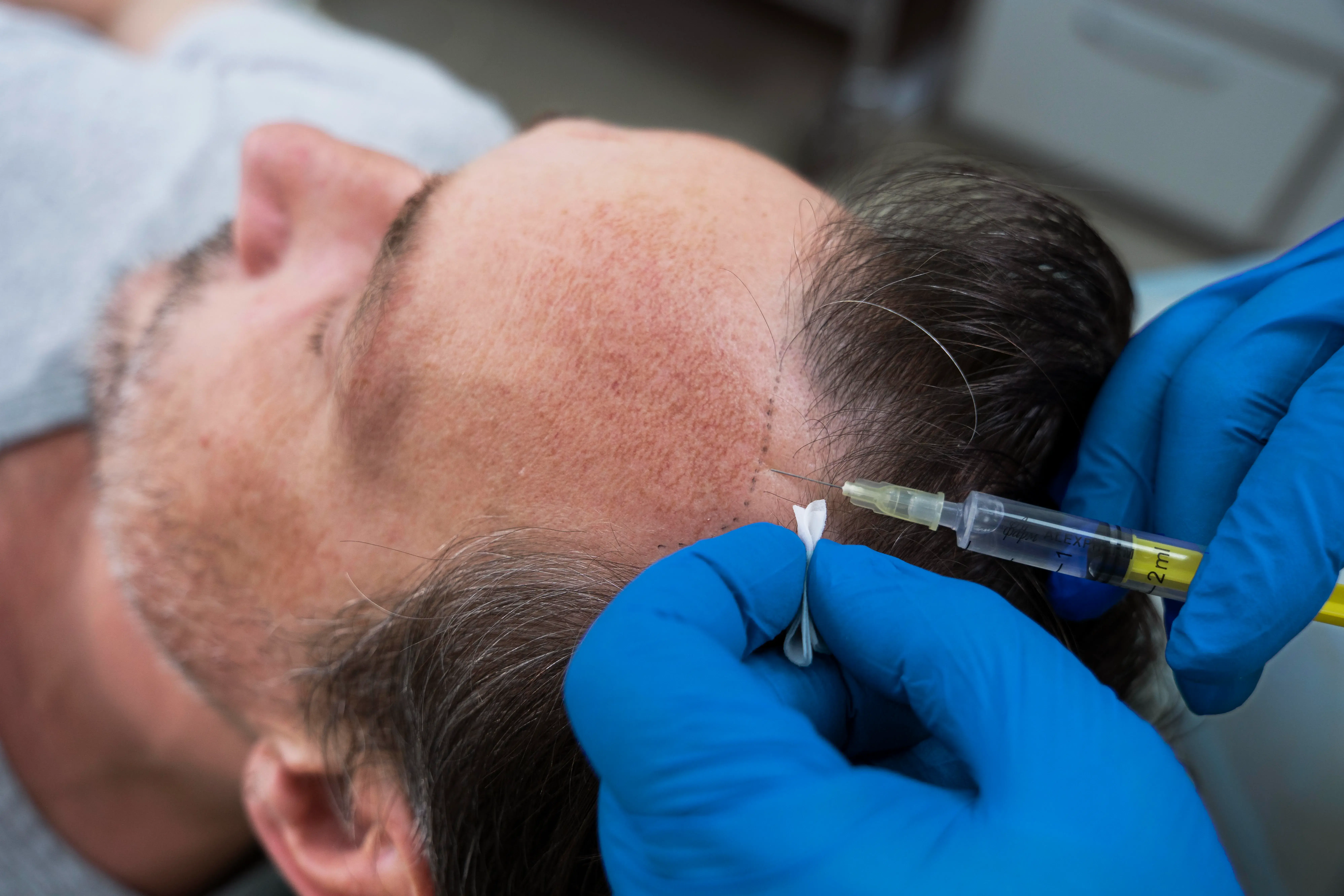
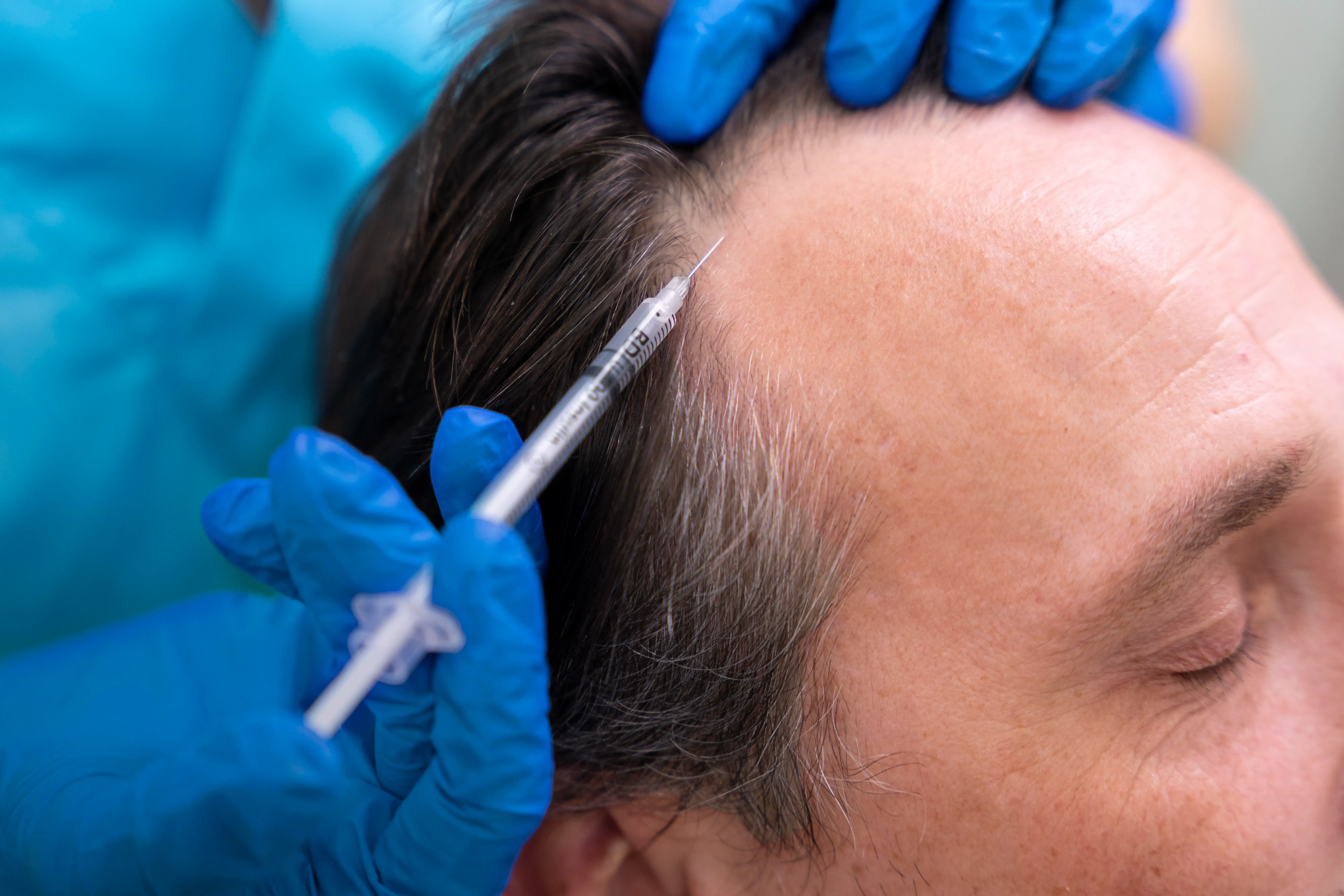
In simple terms, chlorine is harsh on the hair shaft, not on the hair root where real hair loss starts. To tackle hair loss, hair thinning problem which can worsen overtime if neglected, therapies like PRP strengthens hair strands promoting growth.
How chlorine actually affects your hair
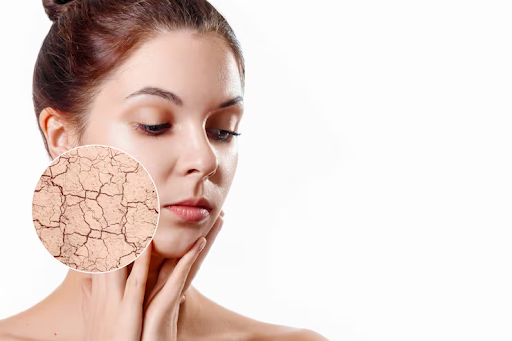
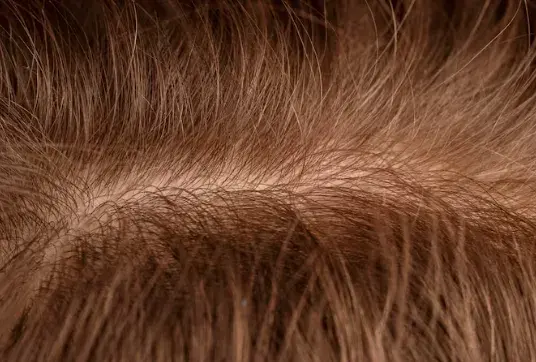
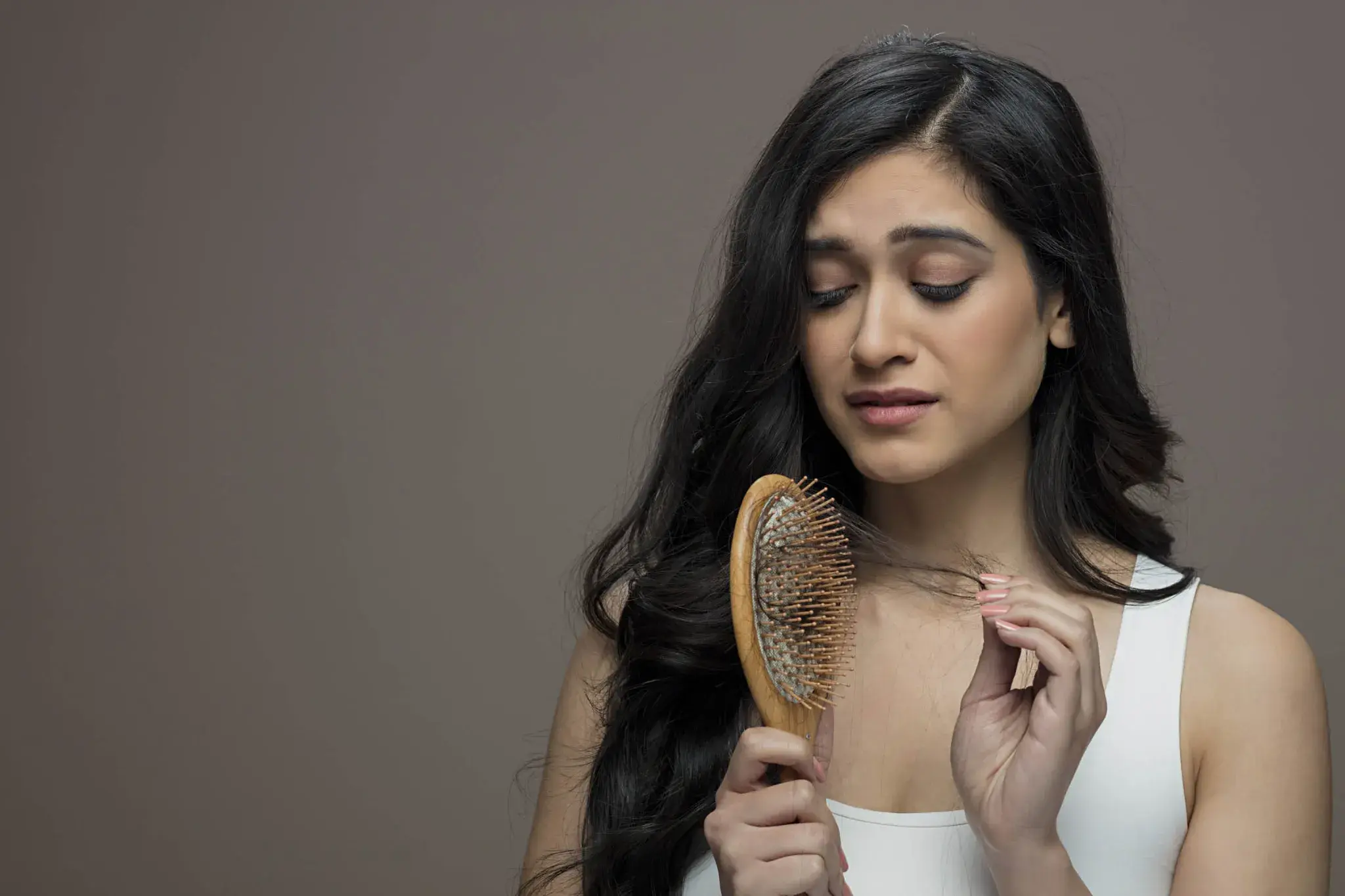
Chlorine makes hair dry, frizzy, and brittle by removing the natural oils (sebum) that are produced by the scalp and keep the hair soft and flexible. With a few more times of the same exposure to the hair, it will be porous, rough, and even discolored or “straw-like” for that matter, especially if your hair is fine, bleached, or has been chemically treated.
When can chlorine be a problem?
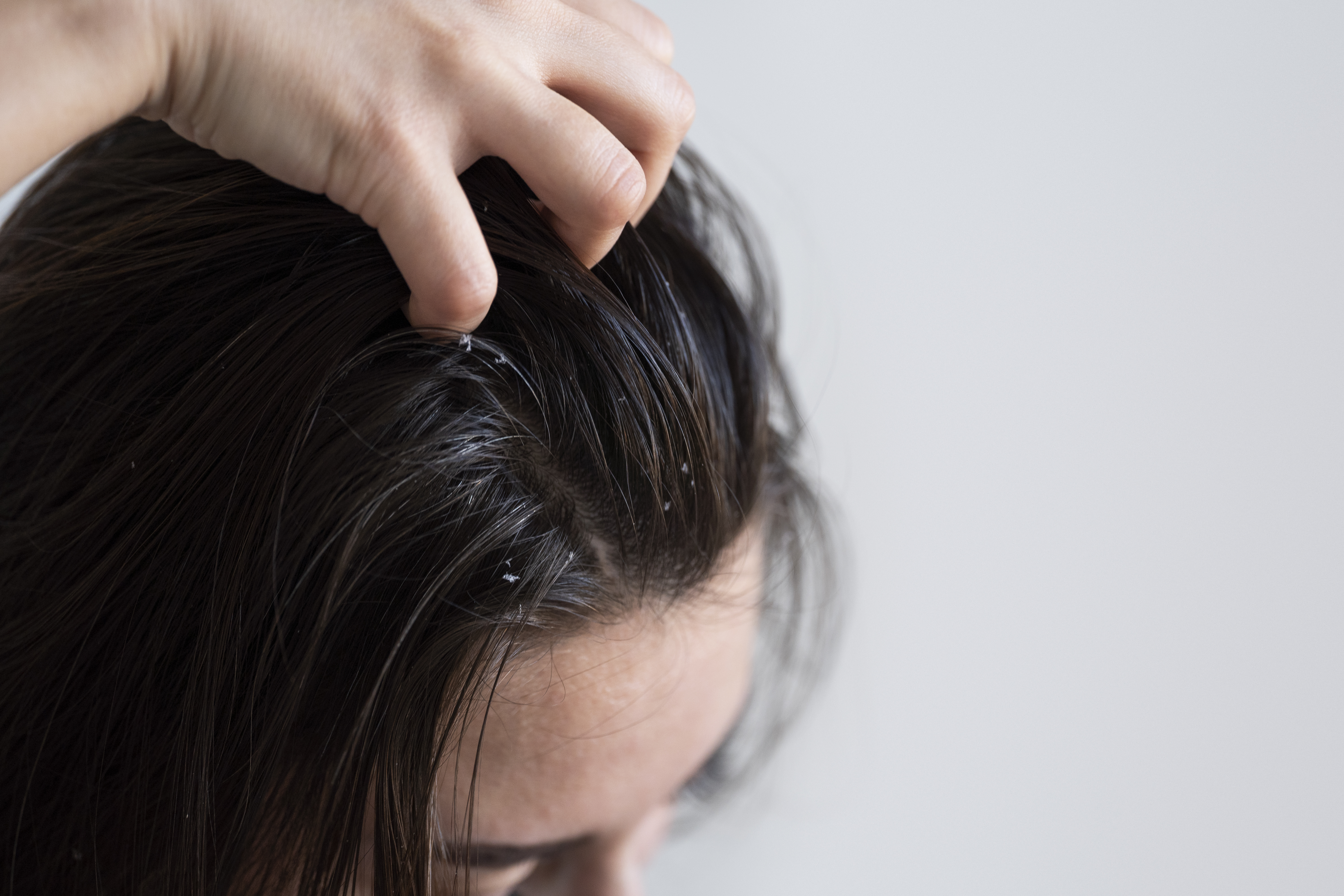
- Very high chlorine levels or poorly maintained pools can irritate the scalp, causing itching, flaking, and inflammation that may contribute to temporary shedding.
- In extreme chemical exposures, severe irritation could potentially damage follicles and lead to scarring alopecia, but this is rare and not seen with routine swimming.
Simple tips to protect your hair
Chlorine at a very high level or a badly-maintained pool may cause an itchy and irritated scalp that may be accompanied by the shedding of hairs.
In the case of an extreme chemical exposure, the irritation may be so severe that it can harm the hair follicles and cause scarring alopecia, however, it is very rare and not a consequence of routine swimming.
Simple tips to protect your hair
Firstly, if you are going to swim, try to wet your hair with fresh water before putting your swimming cap on. A swimming cap will prevent chlorine from coming in direct contact with your hair.
Once you are done with the swimming, cleanse your hair with a mild or clarifying shampoo and then nourish your hair by applying a conditioner or a hair mask.
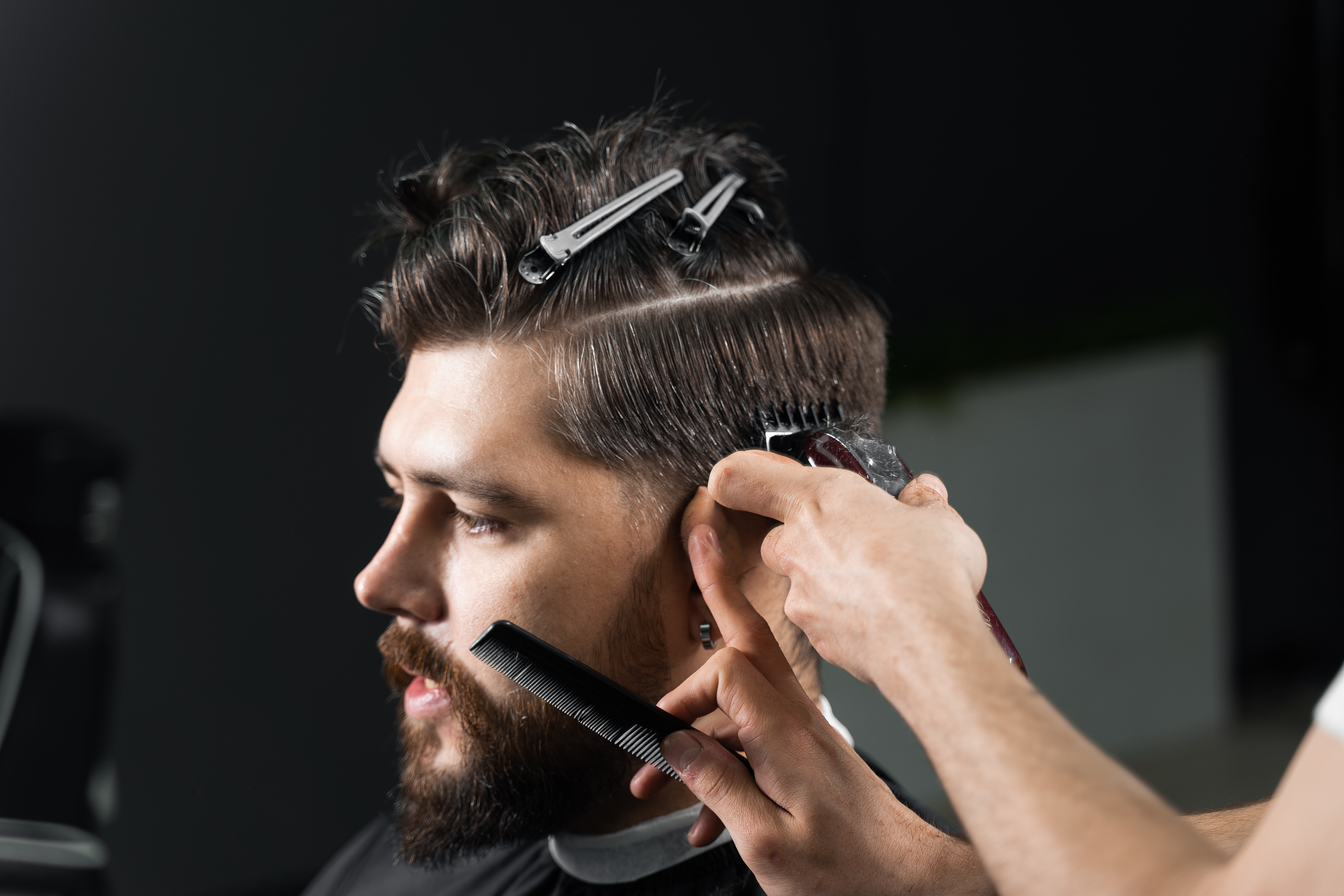
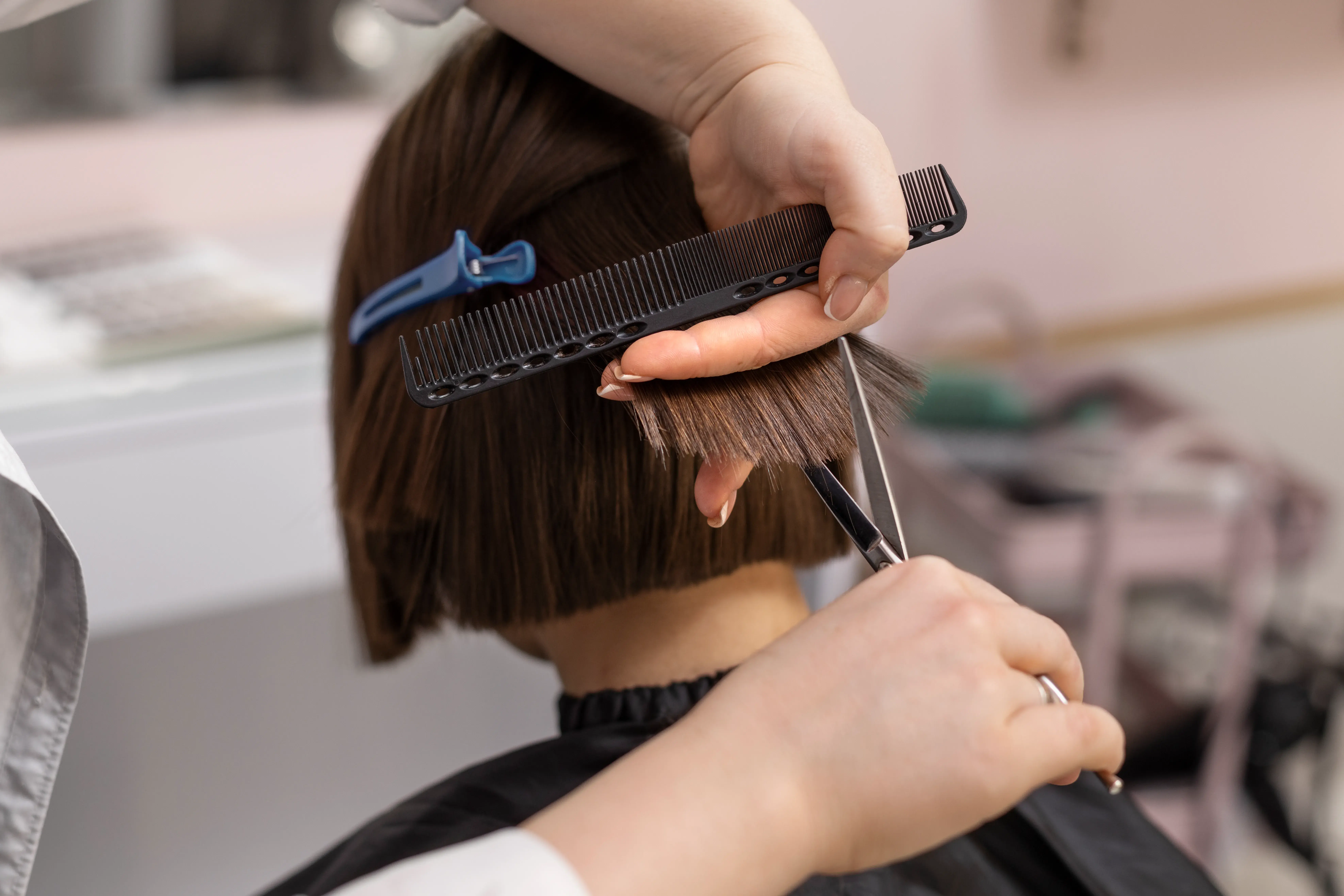
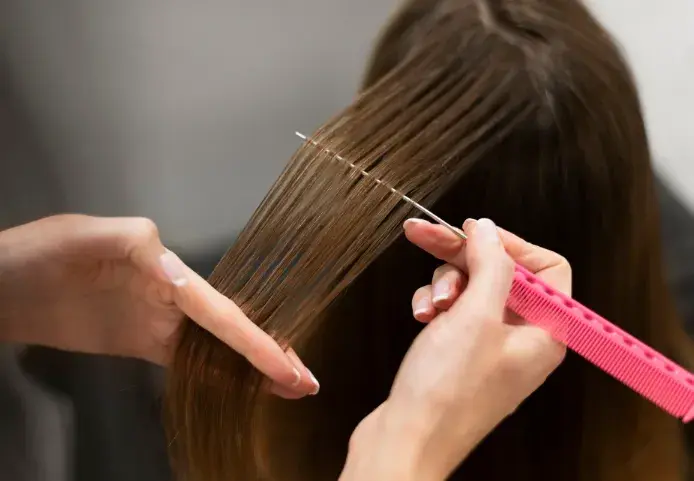
If you are swimming on a daily basis, then along with using leave-in conditioners or protective oils, also make sure you are taking haircuts at regular intervals to get rid of split ends and hair breakage.
Conclusion
In short, chlorinated water alone does not usually cause true hair loss, but repeated exposure without protection can damage hair shafts, making hair look thinner and unhealthy over time.





.png)


-1.png)


-1.png)
-3.png)



.png)



-Aug-02-2026-05-23-10-1368-PM.png)



.webp)
-1.webp)
.webp)
-Jul-07-2026-12-19-56-1023-PM.webp)

-Jun-01-2026-02-54-50-5351-PM.png)
-Jun-01-2026-02-45-39-8016-PM.png)
-May-29-2026-03-30-08-6855-PM.png)
-1.webp)
-3.webp)

.webp)
.webp)
-1.webp)
.webp)