Get a complimentary consultation today. Get in touch
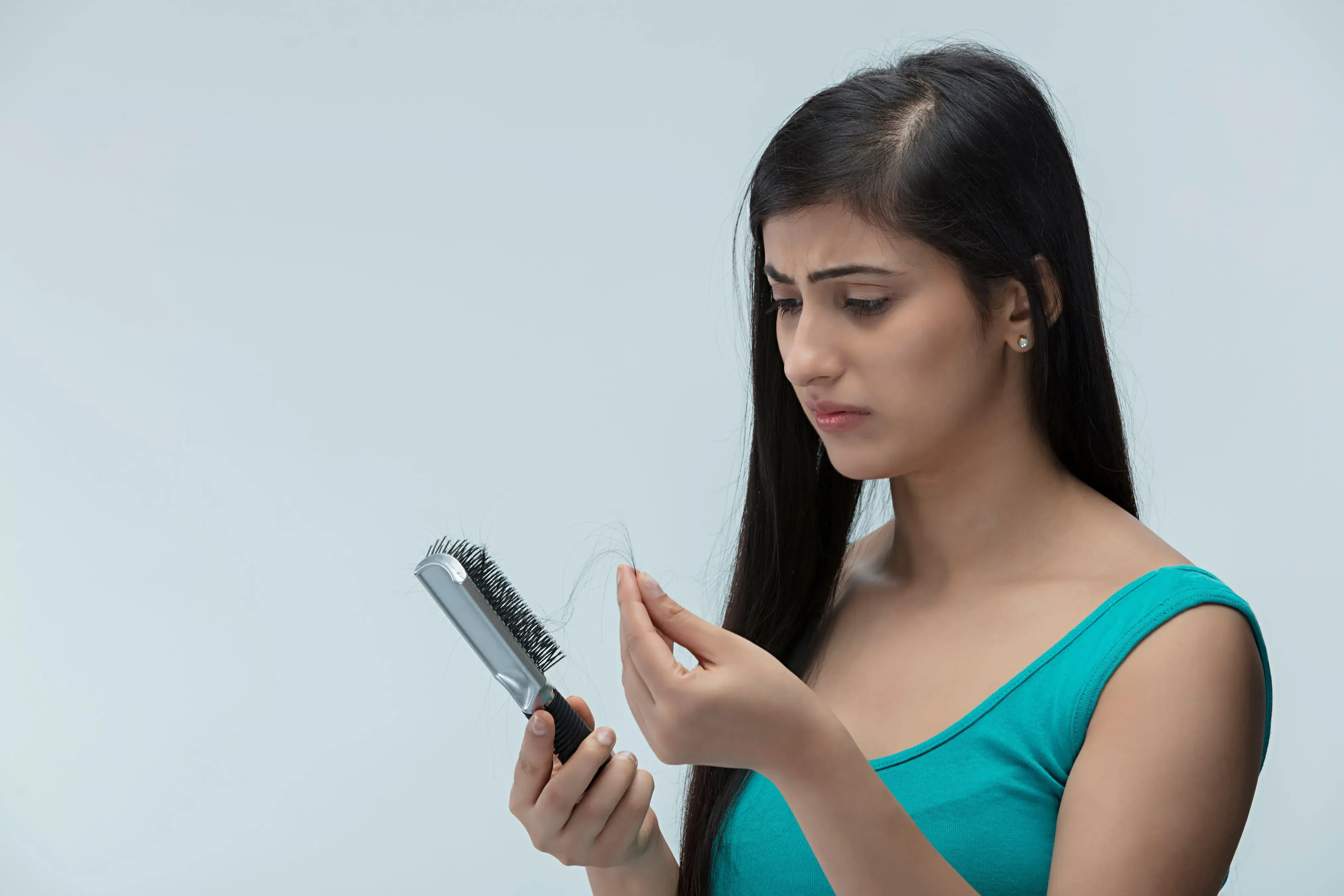
One of the factors that can cause hair loss is an imbalance between male and female hormones in both men and women.
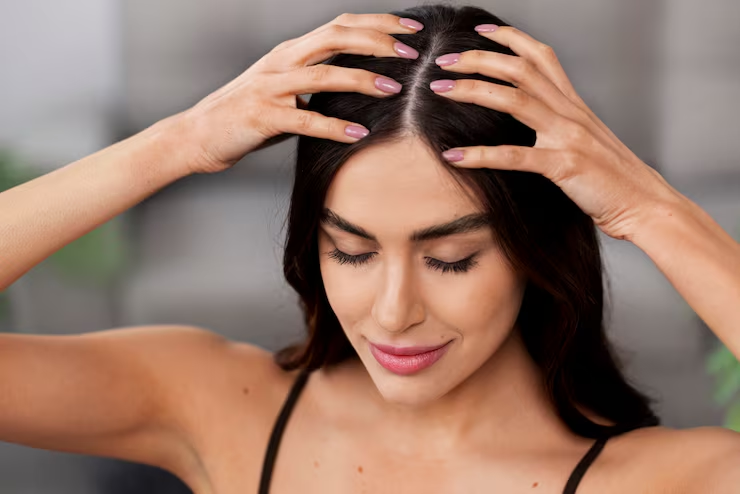
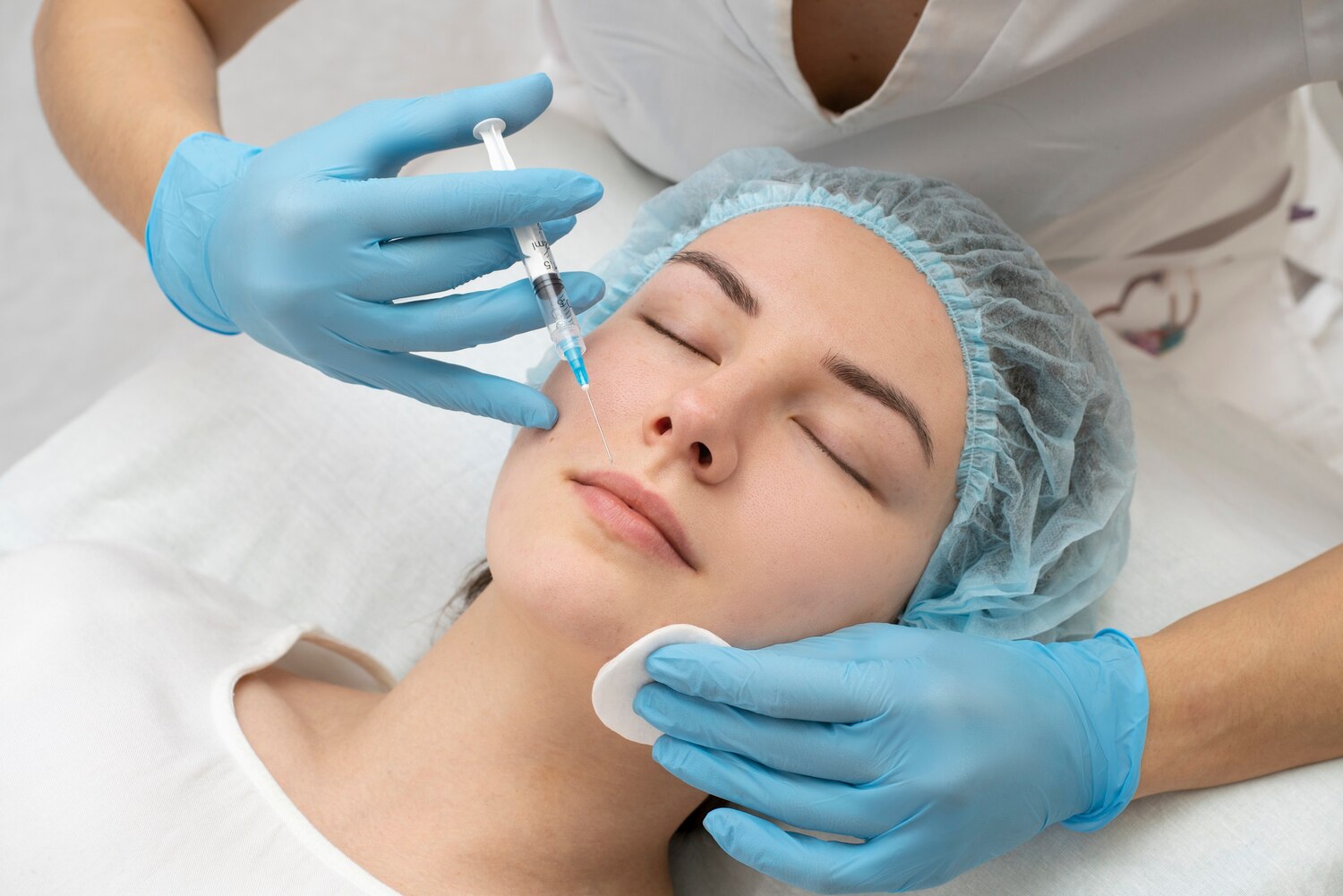
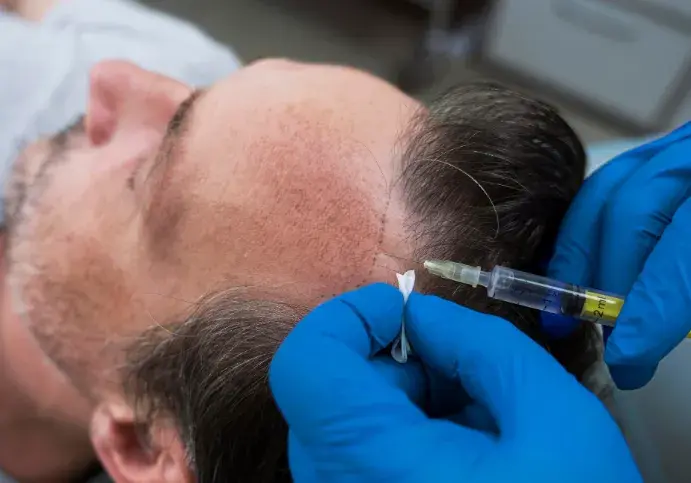
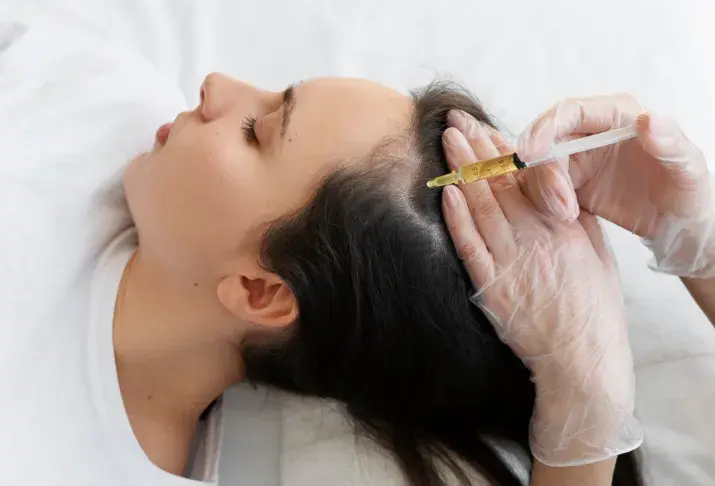
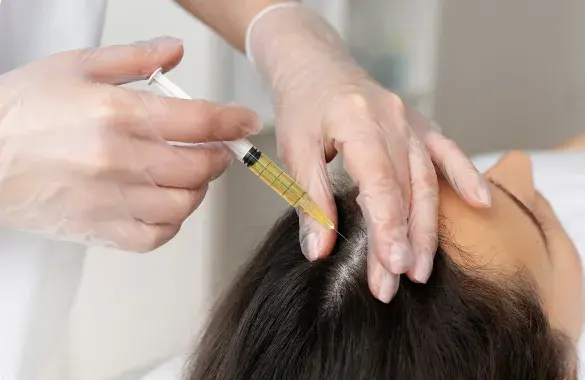
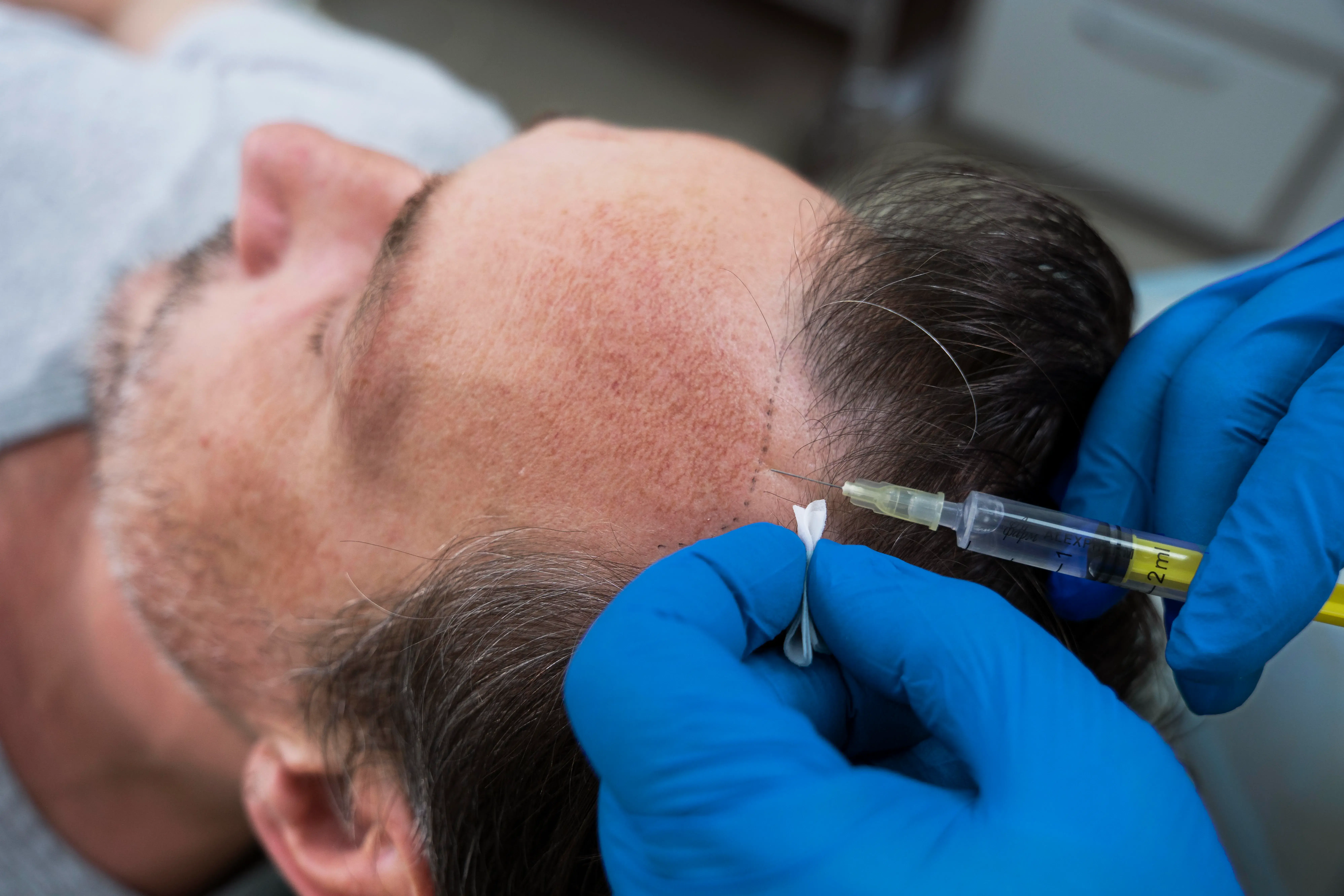
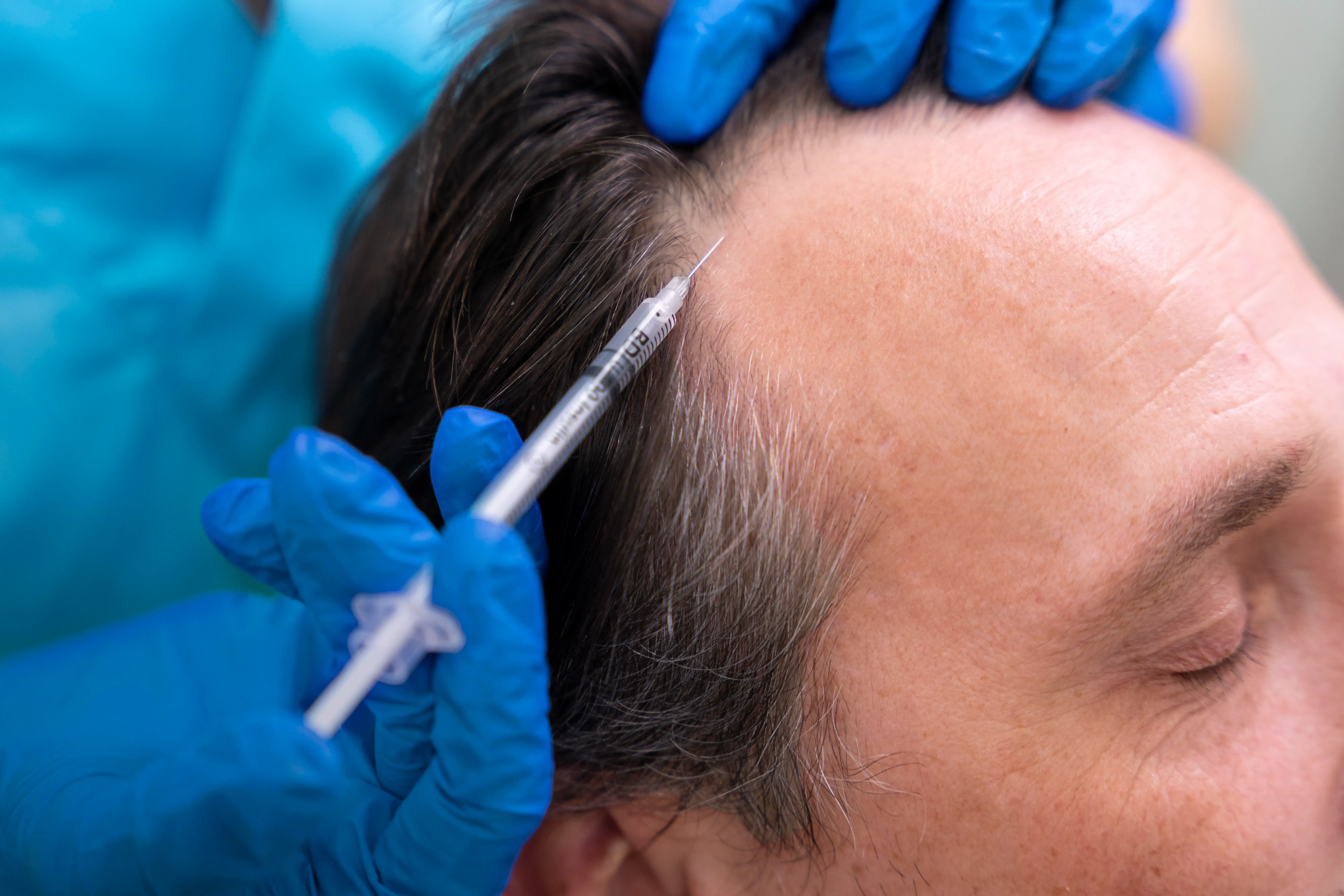
Hormones are the chemicals that regulate the functions of the body, and among those, they also govern the growth and the dormancy cycles of the hair follicles. When the messengers that are in charge of the hormone balance are mixed up, i.e. the hair growth cycle can be enormously disordered resulting in shedding and thinning, which are the most outwardly visible symptoms of hair loss. In case someone wants to solve hair thinning problems, PRP therapy for hair thinning might be a nice option.
The Key Hormonal Players in Hair Loss
There are a few hormones that can be referred to as the direct regulators of hair growth:
1. Thyroid Hormones (T3 and T4)
The metabolism is the one that the thyroid gland is responsible for regulating. When the thyroid gland is either not active enough (hypothyroidism) or is overactive (hyperthyroidism), the hair can thin not only on the head but also on the whole body.
Metabolism disorder due to thyroid imbalance makes hair follicles work harder and thus most hair will be in the rest phase as well as shedding (Telogen Effluvium). So, hair thinning will be visible everywhere on the scalp in most cases.
2. Androgens (Testosterone and DHT)
Androgens are male hormones but they are not absent in women as well. The one that can create the most problems is Dihydrotestosterone (DHT), a very powerful testosterone derivative.
3. Hereditary Factor
Follicles of your hair are genetically sensitive to DHT, this hormone will make the follicles shrink, or "miniaturize," gradually.
This causes Androgenetic Alopecia (male or female pattern baldness) that is characterized with thinning of the areas of the hairline and the crown of the head.
4. Estrogen and Progesterone
These two are the main female hormones and are very essential for the normal hair growth phase (Anagen).
5. Pregnancy and Postpartum: While pregnant, the levels of estrogen are very high and therefore the hair stays in the growth phase, thus the hair is thick and healthy looking. On the contrary, after the baby is delivered, estrogen levels drop significantly (postpartum period) and thus the shedding that is temporary but large takes place as the hair cycle needs to normalize.
6. Menopause: A decrease of estrogen and progesterone in comparison with androgens may bring about hair follicles getting more DHT which in turn is the cause of thinning.
Addressing Hormone-Related Hair Loss
If you suspect a hormone imbalance is causing your hair loss, a blood test is essential for an accurate diagnosis.
|
Hormonal Cause
|
Treatment Focus
|
|
Thyroid Imbalance
|
Medication (e.g., Synthroid) to restore normal T3/T4 levels.
|
|
Androgen Sensitivity (DHT)
|
Topical (Minoxidil) or oral (Finasteride/Spironolactone) treatments to block DHT effects.
|
|
Postpartum/Temporary Stress
|
Time, nutritional support, and stress management until hormones stabilize.
|
Conclusion
Hormone imbalance can cause hair loss. If you are experiencing unexplained or rapid thinning, consulting a healthcare professional to check your hormone levels (especially thyroid and sex hormones) is the most critical first step toward effective treatment.





.png)


-1.png)




-1.png)
-3.png)




.png)




-Aug-02-2026-05-23-10-1368-PM.png)




.webp)
-1.webp)
.webp)
-Jul-07-2026-12-19-56-1023-PM.webp)







-Jun-01-2026-02-54-50-5351-PM.png)
-Jun-01-2026-02-45-39-8016-PM.png)
-May-29-2026-03-30-08-6855-PM.png)
-1.webp)

-3.webp)


.webp)
.webp)
-1.webp)

.webp)
.webp)

.webp)